
The Reality of Youth Sports
It is about ½ way through this year’s hockey clinic season and like last year, I have been running virtual online clinics every weekend and will until the end of November.
Each clinic, there are another group of 40’sh coaches in the various levels of the Hockey Canada NCCP program that are starting their coaching journies and literally every clinic the same issue comes to light with the high expectations that parents have for their kids.
Ironically, before the clinic season wrapped up I made a road trip to the Kootenays where my in-laws have a mobile home we have visited for many years in the spring/summer for some R&R. We always take a day to walk “the town” and visit local used bookstores and every time we do so I find a book that I then read while there for a few days.
This past trip, I came across one of the best reads I have found to date that will be one of my top 10 book recommendations for coaches, players and athletes written by Gary Mack, former acclaimed Sport Psychologist in the USA that worked with hundreds of high-profile athletes and teams in a plethora of sports called “Mind Gym – An Athlete’s Guide to Inner Excellence”.
There are many great nuggets and quotes in his book that I will reference in future in terms of tips for coaches, parents and athletes.
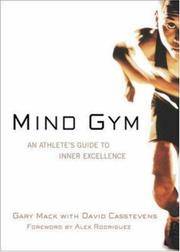
The book was released in 2001, ironically the same year of one of the worst tragedies the world has ever faced, 911, but also the same year of the launch of the iPod and iTunes, as well as Microsoft’s first Xbox. Since that time iPod morphed into the Touch and then the “World’s first smartphone according to Apple iPhone (which is not the case, it was the Blackberry)” and the world as we know changed where now these smartphones can cost in excess of $2K. My son shared with me the other day that one of his good friends just both the new Xbox 5 for close to the same although the go to street price is supposed to be 499.99 due to bent up demand due to COVID impacting production
What I found fascinating about Gary’s book was the fact that one of the last chapters of the book “The Well-Played Game” he talks about the various issues revolving around youth sports that was pushing kids out of the game in his experience in the USA.
THIS WAS 20 YEARS AGO!!!
I started down this path initially to become a Hockey Canada NCCP instructor over a decade ago as I also saw many of the trends that are still commonplace today not only in the USA, but have become global issues
• Exceedingly high and unrealistic parent expectations for their kids to get a NCAA Div 1 Full Ride Scholarship
The Reality is international tuition for the schools that do offer athletic scholarships can be over $40K USD per year (approx. 55K CDN based on current exchange) and if athletes do get a scholarship, more often than not is a partial in the area of 8K so that still means parents will be out of pocket over 30K year or approx. 150K CDN over the course of 4 years.
As I have shared with every parent over the years, if this is what you are aspiring for, in lieu you should start a RESP when they are young and by the time they are old enough for university you would have saved enough
• Aspiring for their kids to play professionally in the money sports like NHL, NBA, NFL, MLB
The Reality – only .03% of kids will reach this level from minor sports and other than Tennis, Golf that have developed their female professional programs, female professional sports are really difficult to make a living at playing professionally, many have to have full time jobs and play the sports due to the disparity for men’s vs. women’s professional sports (which I wish the other pro sports would take the lead the WNBA has but that is another issue for a future post)
• Fast tracking their development by having them specialize in a sport year-round to chase the 10,000-hour rule that was made famous by Malcolm Gladwell in his book Outliers in 2008
This has been argued by yours truly and many others since is wrong, including two amazing well researched books written by David Epstein “The Sports Gene” (2013) and “Range” (2019) among many others in recent years. Below is an interview panel that Malcolm did with David highlighting key takeaways from his book Range, highlighting why being a generalist first, then specializing later is the better path
• The focus that parents, coaches and even athletes have at the recreational level (the majority) looking at the professional level focusing on winning at all costs when even those playing and coaching at that level focus on the process of development, loving the game, where winning is not the focus, it is the by product
The fact that Gary highlighted issues that are still relevant, in many cases, worse than they were 2 decades back sadly for me was painful reminder that we still have so much work ahead of us to bring the game back to the kids BUT fortunately I am seeing a positive shift in interactions with adults involved in youth sports in recent years than when I first started seeing these trends start coming to fruition en masse. Many recognize we need to make organized sports more positive, focus on fun, as well as the importance of unstructured free play but as the cliché goes, it takes a village for us to get there.
As I share with all the coaches that ask how they can deal with parents that have unrealistic expectations, the more education we can provide to all the adults that are involved in youth sports, the sooner we will continue to see the needle move back where kids play the games they love again without the pressures and fear of making mistakes or working the sport that is leading to such early attrition rates.
Although we have made headway, last year just before COVID, Project Play published data that 62% of kids in the USA are quitting organized sports by the age of 11, after only playing organized sports for 3 years.
This is a video that was produced called “Don’t Retire Kid”
We never will get back to the pre-internet era where kids played for hours on end without coaches, parents, officials like our past generation did, but we need to find the happy medium where kids do just that … PLAY without fear of making mistakes and ultimately come back year after year to various organized sports with big smiles on their faces.
Let’s all work together to bring the game back to the kids.