Why Officials Quit

Posted 2 CommentsPosted in Uncategorized

Why Officials Quit

Attrition rates for youth sport refs and umpires is too high

Glen Mulcahy

March 13, 2017

ref

BONUS – Download a Free Copy of this Blog in PDF Format HERE  

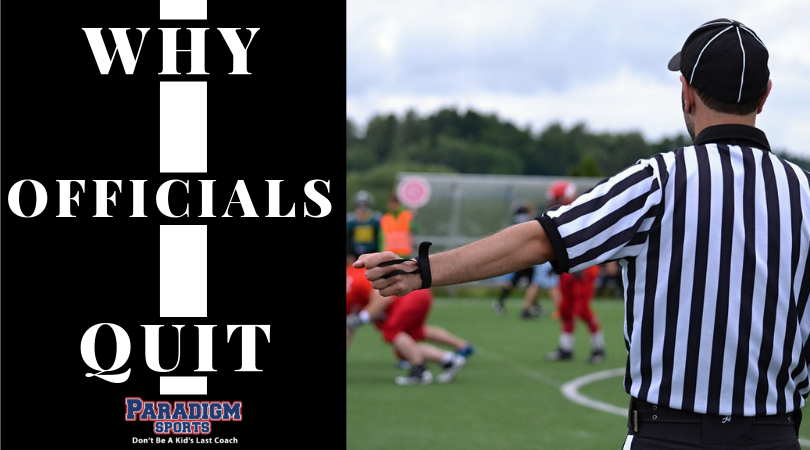
Recently, I came across some statistics about hockey officials’ attrition rate in Canada. Did you know that there are approximately 30,000 officials registered to officiate minor hockey games in Hockey Canada’s registry? Of those, approximately 10,000 quit EVERY YEAR – that is one out of every three officials!

Several Referee in Chiefs (RIC) that I have talked to who are in charge of recruiting and training minor hockey officials estimate that they lose approximately 50% of the officials that start at the age of 12 by the age of 15. I recently talked to the Umpire in Chief (UIC) of a minor baseball association and he told me that their attrition rate is similar to hockey officials. He stated that their association loses approximately 25% of their umpires annually.

The #1 reason why so many officials are quitting each year is due to the verbal abuse they are taking from parents, coaches, and even players.

These statistics bring back a painful memory to when I was coaching an Atom Recreation Hockey Team. We qualified for the bronze medal game of a tournament, but sadly that was the only good thing I recall about that day. The events that transpired were the starting point to why I started researching issues in youth sports.

During the game, our smallest and youngest player was skating down the ice with his head down and accidently skated into a player on the opposing team. Both players fell backwards and hit their heads. The coaches of the other team started screaming about how it was an intent to injure. They screamed at me and the officials, while their parental group followed. I was dumbfounded that they had no concerns about either of the players and the potential injuries that might have occurred.

I have been a long time believer in respecting the game and promoting a positive playing environment. This was merely an accidental contact of two very young players. After constant yelling from the coaches and their parents, the official escorted my player to the penalty box. Although I did not agree with the call, I understand why the officials felt it was necessary. Even with the penalty called, the coaches insisted that the player should be ejected for an intent to injure.  Through the pressure from the coaches and the parents, the officials decided to eject my player out of the game. As much as it pained me to do so, we finished the game and won the bronze medal. Instead of a celebration, our dressing room was concerned more about our player who was ejected. He and the officials were a victim of verbal abuse that nobody should experience in ANY youth sport. I followed-up with the tournament coordinator and the league to look at suspensions for the other coaches as a result of their behaviour. Unfortunately, no suspensions occurred.

I was told later that the two young officials had resigned because they were scared of the abuse from the coaches and parents. I reached out to the officials through the tournament coordinator and apologized to them about the situation. I told them that they were victims of abusive behaviour and that I would do everything I can to change the environment of youth sports.

When talking to parents over the years, many complain about the quality of officiating. I remind them that most officials are only one age group above their child’s. Just like hockey development, it takes years to develop and understand the rules of the game.

We don’t condone that behaviour at school nor at work, but why do we continue to condone it in the stands of sidelines of youth sports?

I counter those that challenge the quality of officiating in youth sports by stating that if parents and coaches encourage officials during their course of development and focus more on the process instead of game outcomes than amateur youth sports can retain more officials annually.

Don`t be a kids last coach

Why Kids Quit Hockey

Posted Leave a commentPosted in Uncategorized

Why Kids Quit Hockey

The 5 core reasons why kids quit playing minor hockey
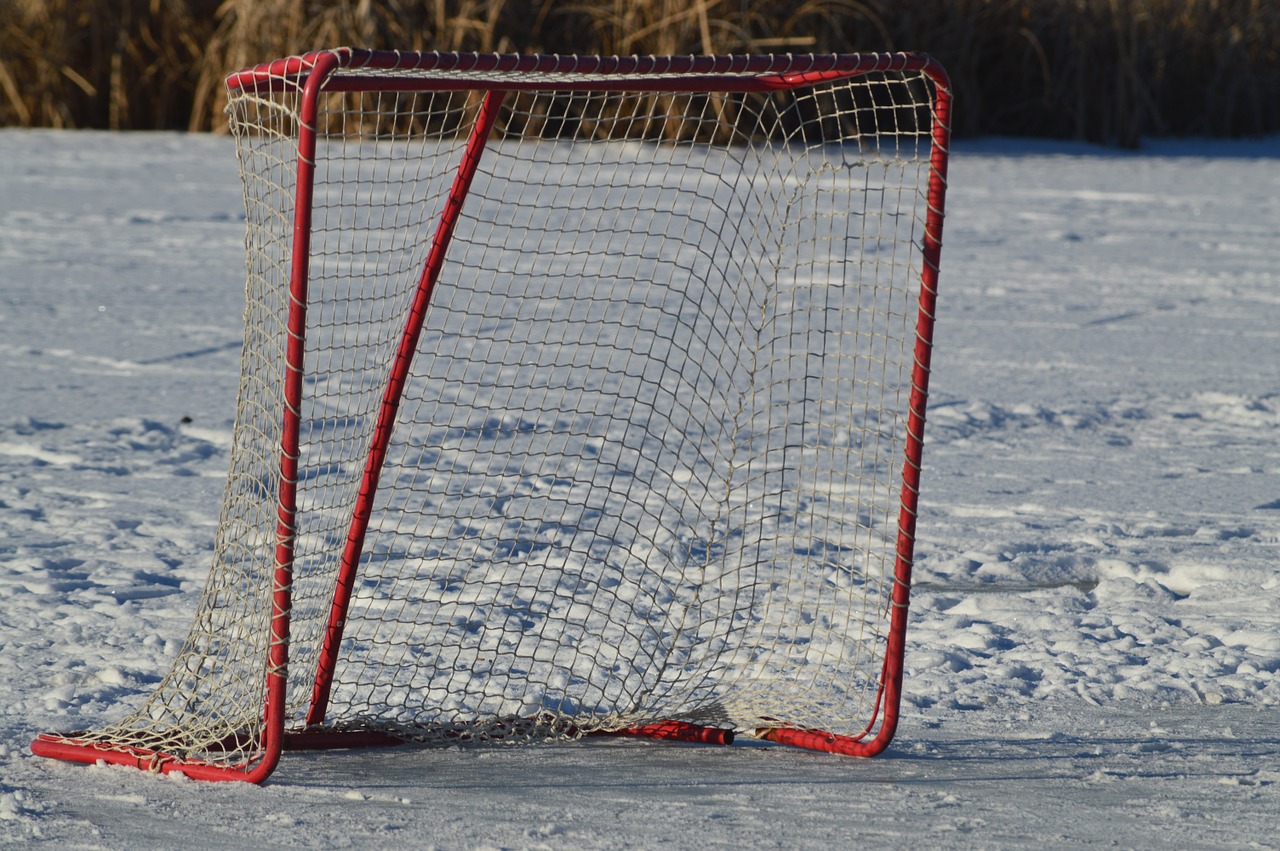
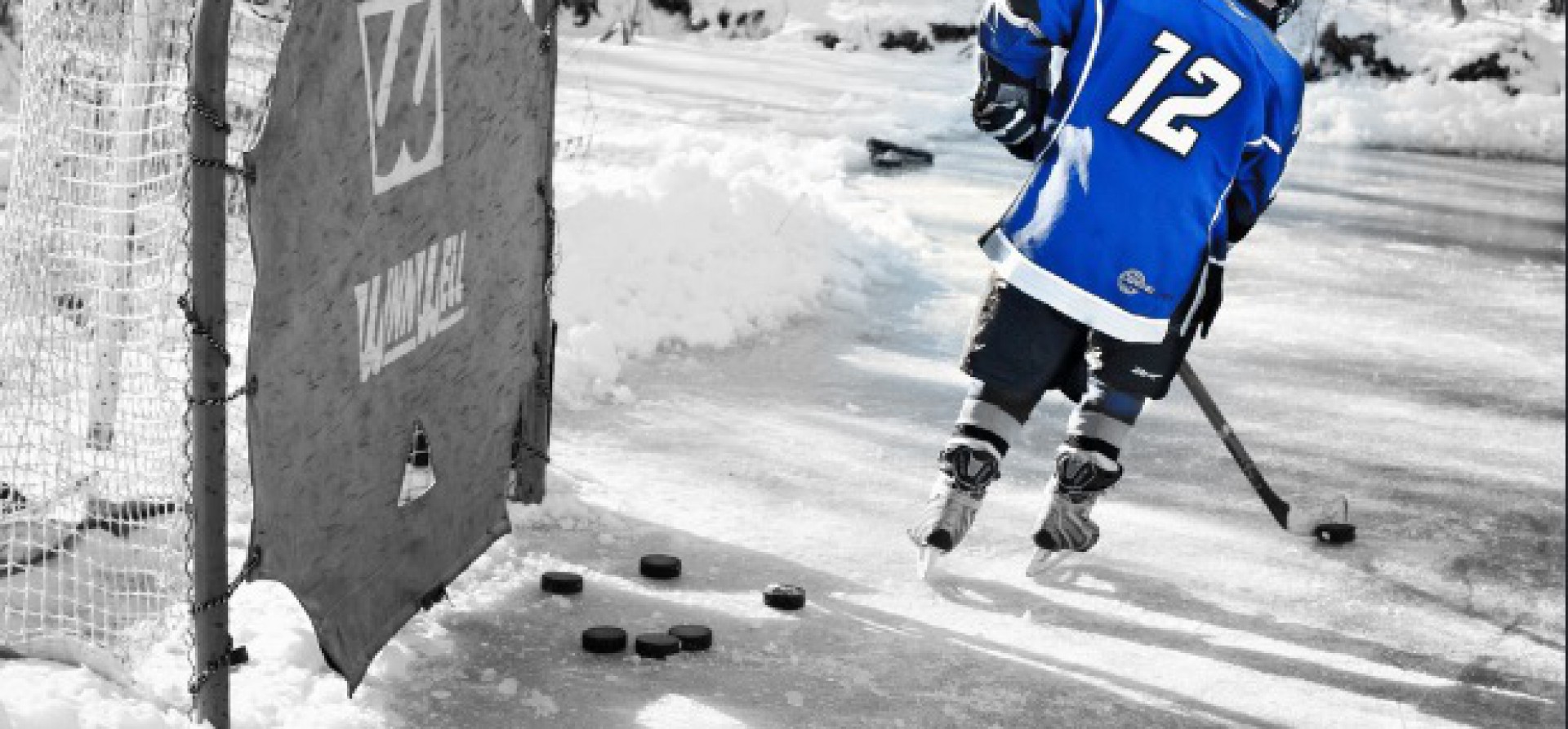
Glen Mulcahy March 11, 2017 empty hockey net

BONUS – Download a Free Copy of this Blog in PDF Format HERE  

After a CBC Radio interview, I was asked why kids are dropping sports in record numbers and in particular, hockey.  So I decided to break it down into the 5 core reasons why kids quit hockey: #5 – To Avoid Coach or Parent criticism I also have seen my share of coaches criticizing players in both games and practices for making a mistake .. some even screaming at their top of their lungs that it cost the team the game.  This is simply unacceptable and our youth do not need to experience this at such a young age. In January, 2015, Vancouver Island Amateur Hockey Association (VIAHA) wrote a letter proposing to ban parents from the stands because they continued to criticise every play and it was causing minor hockey officials to quit.  Saskatoon had similar challenges a couple of years back when one of their associations with over 1000 kids registered were in jeopardy of having their season cancelled due to a lack of referees. One of the ideas may be to follow the lead of BC Soccer or European hockey and push the competitive games to later age group.  In Europe many countries do not have competitive hockey until 13-14 and even then, they only play one game a week to ensure the optimal development of their youth. Criticising young minds causes stress and suppresses creativity. Let’s give kids the opportunity to be kids and PLAY without fear so they participate well into their adulthood. #4 –  It Costs Too Much In terms of the most expensive sports to participate in Canada, hockey was ranked #2.  First and third are water skiing and equestrian riding. 1/3 of youth in Canada do not participate in ANY youth sport due, in part, to high costs.  The average AAA hockey player costs families $8,000 – 12,000 per year and this number skyrockets for players in academies and specialized programs.  Then there are the out-of-town tournaments where after paying for tournament fee, hotels, transport, and restaurant meals families are out of pocket another $1500. It is no wonder why more and more kids are dropping out of hockey and pursuing other sports. #3 – The Time and Travel Commitment Rep Hockey in particular is a 5 day a week commitment for 2 practices, 2 games and 1 dryland session running from Sept to March.  These players are pressured to feel they need to participate in competitive spring hockey to stay in the rep-calibre levels. Some teams have consecutive weekend spring travel tournaments and have to commit for 6 consecutive weekends – so much for spring break.  Not only does the time/travel become strenuous, it does not help financially either. #2 – Too Competitive Coaches who focus on the outcome (winning) as early as the Atom Age group (9-10 years old) to achieve that goal.  This concerns me as hockey is a long-term development sport where players do not reach their peak performance until their mid 20’s. Some coaches even practice tactics like line matching, dedicated power play, penalty kill units, and pull players off the ice all in an effort to win. It is disappointing to see Canada’s second most expensive sport deprive kids the opportunity to PLAY in all situations and improve as a result.  Parents pay an equal share, so kids should play an equal amount. This is why BC Soccer recently eliminated scorekeeping from games U12 and under.  This gives kids an environment that is safe to fail.  When kids are less pressured, they work on skills and creativity in game play in a positive environment and worry less about making mistakes and being criticized. Amada Visek did a study in Washington DC asking kids what was fun about sports and the top 5 reasons were the following:
  1. Trying your best
  2. When coaches treated player with respect
  3. Getting playing time – 90% of kids would rather PLAY on a losing team than sit on the bench and not contribute to a winning team
  4. Playing well together as a team
  5. Getting along with your teammates
Ironically, although educators, coaches and parents believe that winning is important it does not align with where kids felt it was in terms of the characteristics of fun.  Of the 81 characteristics that Amanda found in her study, winning did not even fall in the top 40 answers. Although kids enjoy winning, there are many other driving factors.  Other studies show winning is not in the top 10 of reasons why kids play, so we need to educate parents, coaches and executive members what the top reasons why kids play vs. quit so are all on the same page to ensure the youth sports experience is a positive one for everyone. #1 – It is no longer fun Regardless what study I have come across over the years, the #1 reason why kids play sports is because it is FUN.  The reason they quit is because it no longer is.  Although reasons for quitting any sport or hockey differ slightly, the reason they quit starting as early as peewee (11-12 Years old) is that the hockey experience isn’t fun. Don`t be a kids last coach

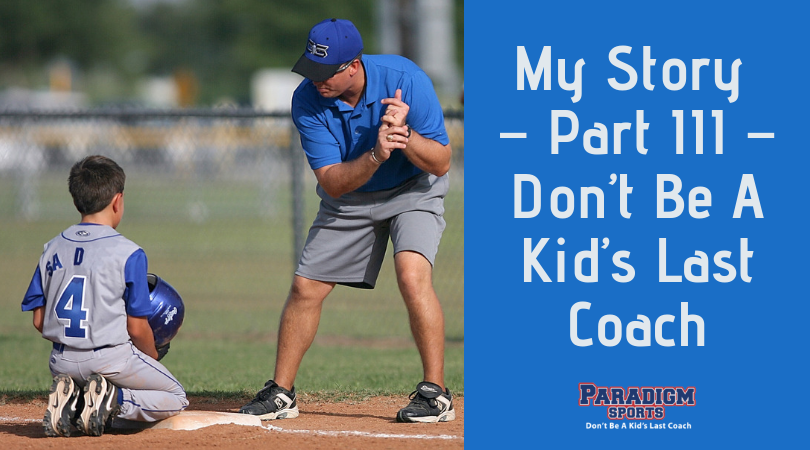
My Story – Part III – Don’t Be A Kid’s Last Coach

Posted Leave a commentPosted in Uncategorized

My Story – Part III

Don’t Be A Kid’s Last Coach
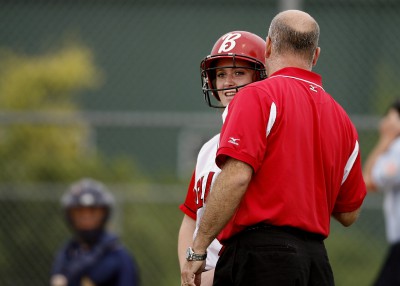
Glen Mulcahy February 15, 2017 softball coach speaking with player

BONUS – Download a Free Copy of this Blog in PDF Format HERE  

My son had played A1 hockey since atom (9/10 yr. old), and although I saw examples of overly competitive coaches, it was not until he was a second year player in Bantam A1 that it was norm, not the exception for coaches to focus on winning at all costs. Below is a recent video I came across in my ongoing research about the issues in youth sports focusing on a coach of a peewee football team. It did not take long before I started noticing some trends that both our coach and many others utilized, tactics like set power play units, penalty kill specialists, set breakout plays, line matching and many other strategies that NHL coaches implemented.  Although the coach of our team, just like coaches on other teams we played chose players for the top team from their associations, as a result of various tactics being implemented quite often the third lines of defensive pairings on teams would be victims of short benches.   One player actually quit our team early in the season that the rumour mill hinted was due to not getting fair ice time, which the coach tried to deflect was not the case. During that season, our coach and several others showed how youth sports had evolved to a winning at all costs mentality. Early in the season we went to a ice breaker tournament on Vancouver Island.  We were the top seed going into the tournament (I was surprised we were accepted as we were from a Tier II association, playing in flight III of rep, but all the other teams were in Flight 4 to 7 (the higher the number, the lower the skill level of teams). In essence, we were a AAA team, playing in tournament with AA or even A level teams. As a result, we got off to a great start, winning our first 3 games by margins of 4 or more goals. In the 4th game of the tournament, we played a team that was rolling their lines (meaning every time it was the lines turn, they would go out) so our coaches matched them.  By the end of the second period we were up on the team by several goals and my wife shared with me afterwards that a parent, who coached with me on prior teams in the stands, stated “I don’t know why we are still matching lines, they should be juggling players around to make it a closer game” The end result, game 4, elimination game, we won 7-2. The coach accomplished his objective, we qualified for the gold medal game later that afternoon, on Remembrance Day, Nov 11th, 2013, just over a month since I and my son lost our biggest fan. Just before the game the coach pulled me aside and shared with me that he reviewed the importance of remembrance day with the team in the dressing room (although I was team HCSP, he did not want me in the dressing room or the bench as claimed had too many coaches, another story in itself).  He told me he stated that the day was not just about remembering the vets who lost their lives protecting our great country, but also to remember those that were very close to us we lost.  He then asked each player to dedicate the game to that person, and my son stated “my Nanny”, who he lost just over a month before and was there from the beginning to the tragic end of her battle with cancer. I got weepy eyed, as I still do now, and thought it was a great thing for to coach to do. For that final game, my son was put on the third line as a forward.  The first period we played well, were up 3-1.  Early in the second period the other team took a double minor penalty for intentional head shot, so we potentially could score two goals on power play.  The coach sent out “his power play unit” to build the lead, potentially if we scored 2X would have a comfortable lead going into the second 1/2 of the game. The “power play unit” went out, after 1 minute we had not scored and a couple tried to change but coach said stay out there, 2 minutes all tried to change, again stay out there even after 3 minutes I could tell they were gassed and gave the coach the evil eye as no players should out there more than a minute. You probably already know what happened, with less than a minute left in the second double minor penalty, the other team who had fresh legs from rolling their lines intercepted a pass made by one of our tired players and went in and scored on a breakaway. Score was now 3-2, I looked down the bench and thought to myself, the third line is going to have short shifts for remainder of the game (we only had 4 D) but they actually sat on the bench in a very cold rink until ice clean mid way in second, the balance of the second period, and most of the third period (over 35 consecutive minutes). We finally scored late in the 3rd making the score 4-2 and the coach immediately told assistant coach to get the third line out there. They go out, the other team sends their line out, and just before the puck is going to drop, the assistant coach calls the ref, “change”, as we were home team had last change privilege, and he beckoned the third line to come back to the bench. I WAS FURIOUS  as were those three players looking at their faces of disbelief.  The slowly came back to the bench and as they came off, the AC stated “sorry guys, I just don’t want you out there against their top line” Translation – you aren’t good enough to be on this team. We did win the tournament, but not as a team to follow the old cliché “you win or lose as a team”. I opted to practice the 24 hour rule and I did not talk to the coaches, parents and immediately went to my car waiting for my wife and son to come out, seemed like an eternity.  They got in the car, no words were said, and we headed to the ferry terminal but as we had a hour to kill we stopped for a bite to eat.  While we were waiting for our food to arrive, I asked my son how he felt, shared I was really upset as I have always rolled my lines, never sat kids other than for discipline. It took him a while to talk, when he did, tears rolled down his face and he said, “Dad …. I am really pissed as I was deprived the opportunity to contribute to the outcome of the game” (this in a game that he dedicated to his Nanny, something to this day I have never shared with him that I knew as it was his dedication to her) Those words I will never forget and there were the reasons that set the wheels in motion for me to establish PARADIGM Sports, so I could work with coaches, parents and sports administrators to educate them about the various issues in youths sports that is leading to the 70% attrition rate so we can bring the game back to the kids. There were many other issues that season including coaches, parents  screaming at players or officials  making mistakes in games, at times also in practices, implementing short bench tactics depriving  kids playing time in key situations like power play, penalty kill, starting, ending games etc. The following season, my son shared with us after he went to tryouts that he did not want to play anymore for various reasons, one being hockey was not fun anymore, he quit a game he once loved. He opted to try high school sports and first was volleyball, and just a few practices into the season the  coach shared with them “guys, I am only going to play our top players in games”. (I have hence learned that the coach had every right to do so as there is no fair play policy in high school after grade 8). Needless to say, both my son and I shook our heads in disbelief, not only was winning the focus of rep hockey, but even high school (not club) volleyball and having interacted with 1000’s of parents, coaches since that year, is one of many issues in youth sports. Long story short – I can relate on many fronts why kids play (fun) and sadly why they are quitting (it no longer is) which is leading to fields, ice rinks, courts being empty per the video below. Let’s get kids their 5 years back PS Tagline - Dont be a kids last coach

The Ride Home

Posted Leave a commentPosted in Uncategorized

The Ride Home

Is coaching from the car really helping our children?

Glen Mulcahy

January 10, 2017

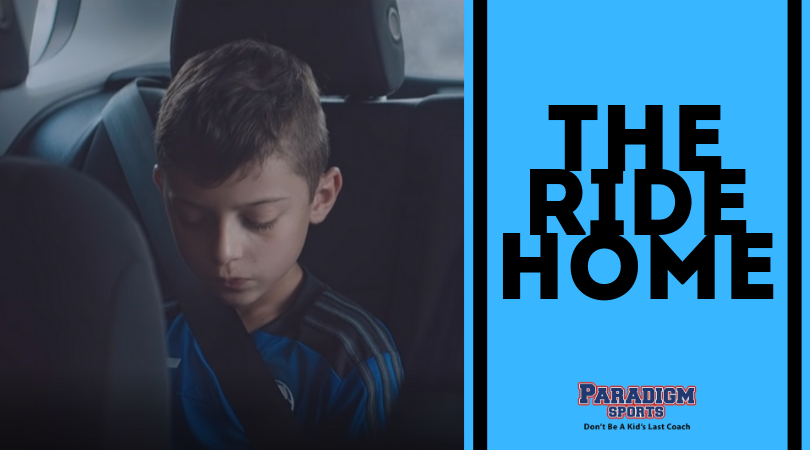
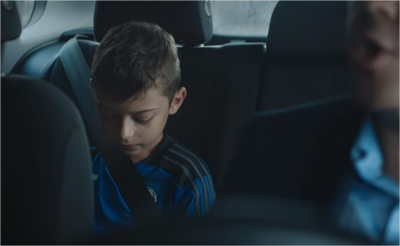
kid in back of car getting lectured by father on performance at practice

BONUS – Download a Free Copy of this Blog in PDF Format HERE  


One of the least talked about, but I believe is one of the biggest contributors to why kids quit sports is the ride home with parents.

In a recent coaches clinic that I ran, I talked to coaches about the importance of parent coaches wearing parent their coach hat while at the rink, courts or fields, and as soon as they left the facility, switch their hat from the coach hat to the parent hat as vast majority of youth sport coaches wear the dual hat as parent of one of the players on the team.

I believe that the ride to/from the rink, facility should be a positive one, for both of my kids that I coached on many different teams, or even when I was just the “hockey dad” our ride to/from was the same, they would pick their favourite music and we would crank it so they would get ready for games, practices, or after games in particular the opportunity to decompress regardless of the outcome.

One thing I would do, however, is zero in what I called a TSN turning point, something that either did that lead to a positive result, whether my son made a great pass that helped his team get out of the zone, or my daughter pitching a strike under pressure in a 3-2 count.  I then would remind both how much I loved watching them play and ask what music they wanted to listen to as well as what “snack” they wanted on the way home (for my son the snack evolved to full meals as he grew into a teenager).

Too often when I have either been wearing my coach or parent hat, have I seen first hand parents (who may also be coaches of their kids teams),  “coaching” their kids as they were heading to their cars so the “ride home” started well before that, and if they were criticizing their kids to that extent before they got in the car, I can’t imagine what it was like for them on the way home.  Think about the fact that at times the ride home can take up to an hour for many sports or possibly more for those sports played in rural areas.

Worse yet, parent or coaches may at times not turn off the coach hat at home, at the dinner table or other family activities.

In the particular clinic I ran, one of the coaches came to me at the end of the day literally in tears, he thanked me for bringing to his attention that at times he did not take off his coach hat and was coaching his son literally everywhere, at the rink, in the car to/from, at home and made for a very stressful experience.  His son was only 10 years old, second year Atom in hockey, and had already hinted to his father that he was thinking of not playing the following season even though his Dad stated he used to love the game, was anxious to get on skates at 5 and played outside (when weather permitted) all the time shooting on net or small pickup games with his friends.

He subsequently shared with me that he would stop “coaching” other than when he was at the rink, although he had the best of intentions merely to help his son become the best he could be, recognized there needed to be a time and place to coach.  Other coaches I have given the same advice to over the years have sent me short emails to thank me as it changed not how they were coaching, but how they interacted with their child athletes at home for a much more positive experience overall and both they and their kids were still involved in the same sport several years later.

Thanks to my friends at True Sport, below is a powerful video from the other side, the son being driven home by his parent.

As parents, or parent coaches, all we need to do in the ride home is talk about the positives, the process of learning (not the result of a game) and tell our kids how much we love watching them play.

By doing so we will instill the passion, love of the game so they not only play the following season but ultimately for many, many years to come vs. the current trends where 70% of kids are quitting all organized sports by the age of 13.

Let’s keep them in the game, that’s all it is, for various reasons youth sports have become way too competitive and only a small % of kids may play behind minor sport level, the majority “hopefully” will play adult recreationaly if we all do our jobs right as parents, coaches and directors by developing the love of the game in today’s youth so they are active for life.

Don`t be a kids last coach

My Story – Part II – My Greatest Fan

Posted Posted in Parents, Uncategorized

My Story – Part II

My Greatest Fan
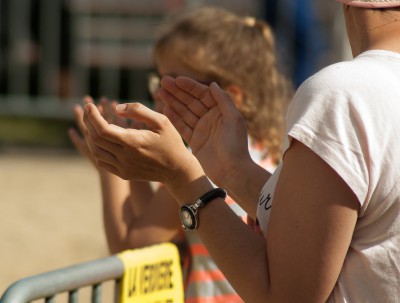
Glen Mulcahy February 29, 2017 – Revised May 9th, 2020 woman spectator clapping from sidelines

BONUS – Download a Free Copy of this Blog in PDF Format HERE  

  On Oct. 8th 2013 I lost my biggest fan, my mother, who lost her 2 year battle with Cancer, the last of many hurdles she had to overcome during the course of her life. I am the oldest of two boys, my brother is 4 years younger than I and we have many memories of my mother and how she dealt with adversity starting when I was 5 years old in Montreal.  She and my father had gone to a dinner party and upon their return, they had to swerve to avoid a car that crossed the centre lane on the way home.  Our babysitter took a call from the hospital saying they would not be coming home and she would have to stay with us overnight. The next day my father came home with my mother and explained that mom had been thrown from the car through the front windshield (seat belts were optional) and suffered a broken leg and whiplash. My father had a couple of broken ribs as a result of having to avoid the car and lost control colliding straight into a telephone pole.  Later that day when I was with my mom she asked me to get dad, and I recall it like it was yesterday.  She said, “Bobby … I can’t feel my legs.”  He immediately called an ambulance and they whisked her off to Montreal Neuro, where some of Canada’s elite neural specialists practiced.  It turned out that she did not have whiplash, but a broken neck and broke two of her spinal vertebrae. My mother was put in what I refer to as the Frankenstein machine, a full-body apparatus with screws into her skull and back to stabilize her neck and spinal column.  Multiple surgeries were to follow in order to repair and fuse the broken vertebrae in her neck and spine. My father was unable to take care of me and my brother due to work commitments so he arranged for me to go to my Nanny’s and my brother to go to his parents (Grandma and Grandpa). They would take us to see mom every couple of weeks but I was separated from my dad and brother for almost a year. While living with my Nanny, I signed up for hockey in Ottawa. When I did visit Mom she would always ask how hockey is and I would say I was having fun but missed her watching in the stands. She eventually was released from the hospital a year later and WALKED out refusing to sit in a wheelchair. My family was back together and my dad got a promotion to go to Baffin Island to run the power grid for the North West Territories. My father was known for a practical joke that he was infamous for was turning off the power on New Year’s Eve for the entire NWT. I played hockey there as well and my mom was back to her seat in the stands, cheering me and both teams on.  She was there for my Gordie Howe Hat Trick (goal, assist and a fight).  At 7 years old I got a penalty for fighting (more so wrestling) with one of the Eskimo players that were jawing me on the ice. Just as I had to defend myself in areas of French Quebec, a boy with carrot red hair was always a target amongst the Eskimo kids, After my hockey season, my family moved to Vancouver, where I continued to play hockey and baseball (another game my mom was always present for and cheered me on) and my father passed away tragically. My Nanny and Papa, came out to help and suggested we move back to Montreal, where our big family (I had 13 uncles and aunts between my mom and dad) could support us.  We moved back and I played hockey and baseball once again in Montreal.  My mom got a job in Toronto the following year so we transferred there and I made my first rep team in Peewee at 11 years old.  We had GREAT coaches and a great team. We won the Ontario provincials and qualified for the Quebec Peewee Tournament (not what it is now but was a great experience).  Once the season was over My mother then sat down with me and my brother as said it was time to go back to the house that Dad built. We moved back to Vancouver and I continued to play hockey, baseball, and also football. My brother was also very athletic and was playing hockey, football, and lacrosse.  When I was going into my second year of Bantam and my brother was second-year Atom, my mom sat down with us and confessed that the only way she was able to afford to pay for all the sports was the life insurance she received when our dad passed away and it had now run dry. Due to the accident that lead to her broken neck and also a bad accident she had when she first started driving, my mom was too nervous to drive and we relied on taxis to drive us to all our away games as my mother was very proud and did not want to ask parents or coaches to do so. We became friends with one driver in particular and he gave us all kinds of concessions, but it was still getting too costly (I always wondered how my mom was able to afford all the taxi rides). The end result, both my brother and I had to stop playing hockey as it was the most costly of the sports we played and had many more travel games than the other sports. I decided to focus on football and baseball that I could not only use the same cleats for (I improvised) but had significantly lower registration fees that covered everything else including equipment. I could also walk, run or bike to the field for practices and home games. Away Games our mother conceded to let parents or the great coaches drive until I was able to drive on my own. As a result, I never did suffer the level of criticism that many kids have in the ride home like this 9-year-old boy highlighted in the video produced by our good friends at True Sport Canada. My mother was there for me and my brother through thick and thin, she was there for as many games as she could regardless of what sports we played.  She cheered, clapped and gave us kudos after every game.  Neither of us experienced what has now become the “infamous ride home” or have any recollection of other parents or coaches screaming at my teammates or officials like happens in every youth sport today.  I had fun playing all of my youth sports, had great coaches, the experience was positive and they taught me numerous of life lessons that I carried into my work, school and businesses as well as the 20+ years I have spent as a coach. My mom then supported both of my kids on their journey playing various youth sports and activities. She was able to make it to my daughter’s High School Graduation in May of 2013 but regretfully will not be there for my son’s or any other of their other big milestones like university graduation, marriage or becoming parents themselves. Sadly, my greatest fan is not there to see me go down the path to further mentor coaches, educate parents and executive members to address the issues that I have seen come to fruition in youth sports. I do know though, she is clapping and cheering me on as I go down the tough road before me to implement the changes we need to bring the game back to the kids. As each Mother’s Day comes each year after she passed away (hard to believe it now has been over 6 years) not do I miss my mother dearly, but I also miss what she shared with me, my brother, then my kids, my niece, and nephews every time she came to see us “Play”, whether it be a myriad of different sports, or being involved in a school play, musical theatre, band or what have is what she shared with all of us afterwards with a huge smile on her face, sometimes with tears if pride ……

” I Love Watching You Play”

Hopefully during this time of hiatus during physical distancing period to flatten the curve of COVID-19 as a parent you have reflected on just that, when larger gatherings are permitted again and kids return to the sports they love (hopefully more than one per year) that you look it the same way. I know how much it meant to me when I heard those words every time my Mother was able to come to see me play, and I look forward to the time where I can share those same words and positive praise for my Grand Kids down the road.  

PS Tagline - Dont be a kids last coach