
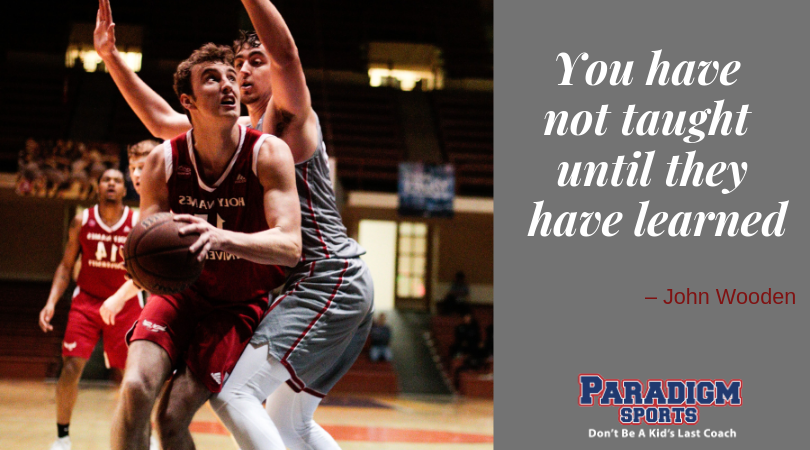
You have not taught until they have learned
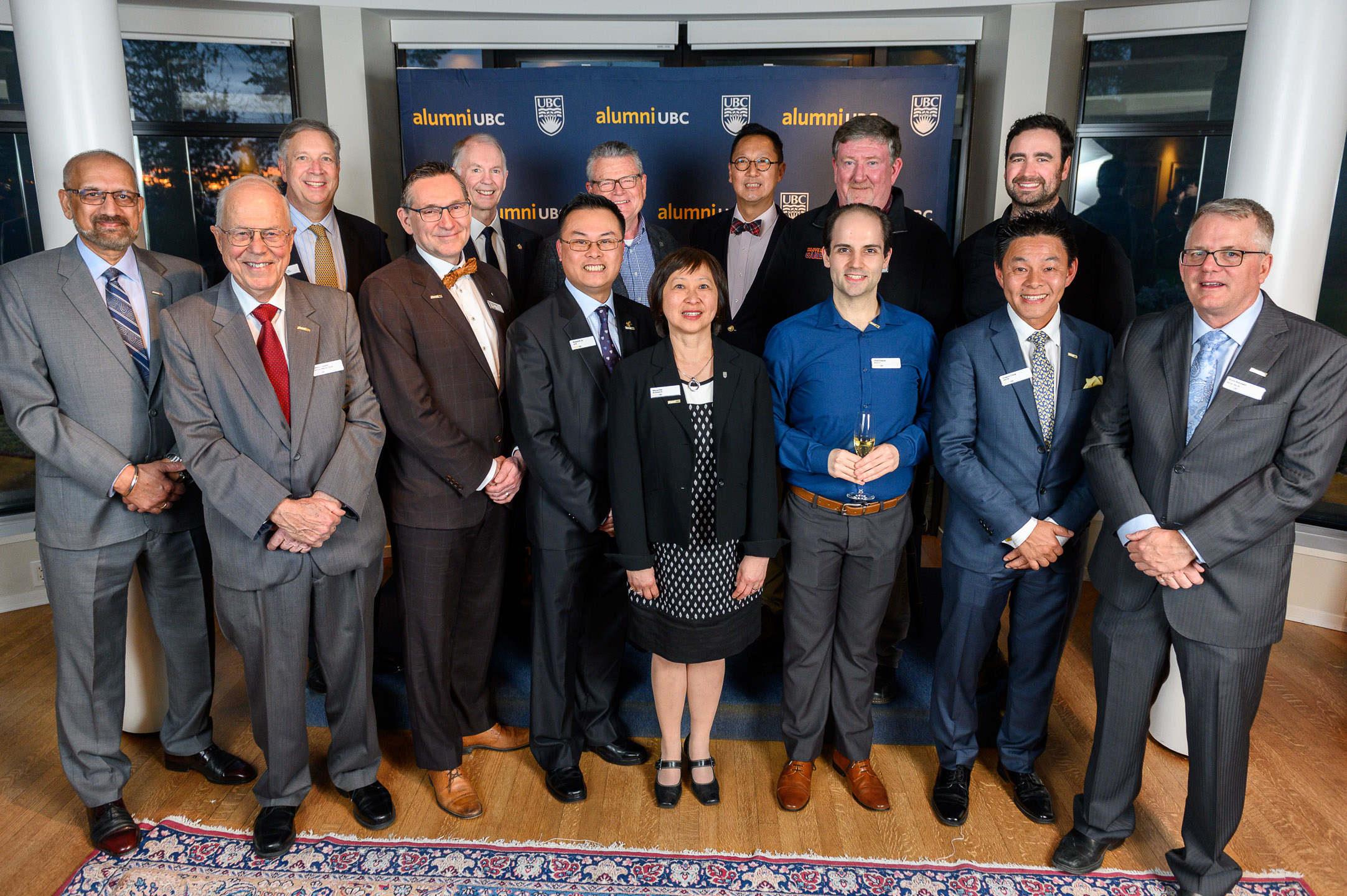
I recently had the humbling experience of participating in a year-end wrap-up reception for alumni builder award recipients at my Alma Mater UBC for my contributions to the school of Kinesiology as a mentor and speaker. The following evening I attended a Mentorship wrap-up event and the dean of my school shared that there were over 40,000 Kin alumni and over 380,000 alumni.
He further shared that the UBC School of Kinesiology is now #1 ranked school in Canada and #5 in the WORLD.
As I said, truly humbling to be one of select few to be recognized by your alma mater.
Below is the group picture with all of the recipients this year where yours truly is standing beside the current President of UBC, Santa Ono, whom I had the opportunity to chat with among many others at the reception.
The following evening I was also at UBC for the mentorship wrap-up event where the mentee I worked with this year, Alex, was going to connect with me before he heading on holidays but unfortunately got hit with the flu but sent me a note he had hoped to give me a gift but posted it in lieu.
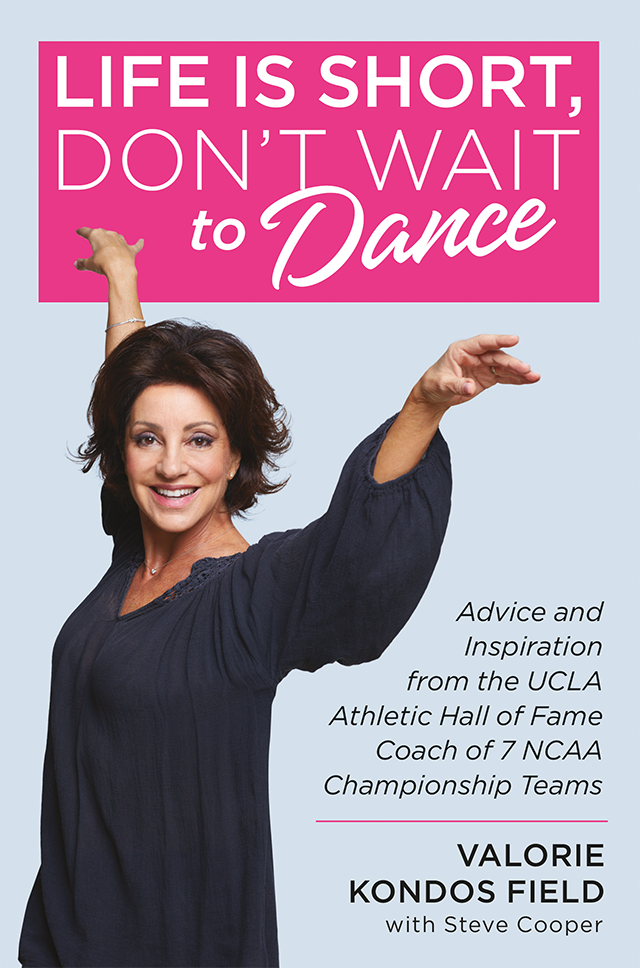
I received this week, knowing how much I love reading coaching books and am a big fan of Coach Wooden, he got me a book written by one his mentees, Valorie Kondos Field, long term UCLA Women’s Gymnastics Head Coach.
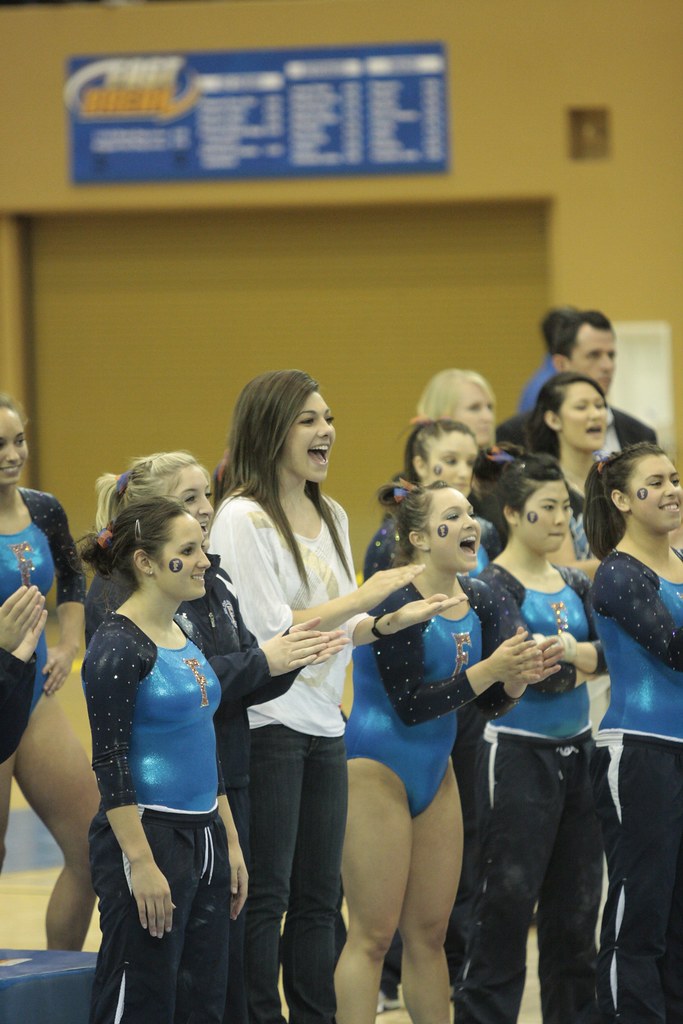
Head Coach Valorie Kondos (Field) and UCLA Bruins Women’s Gymnastic Team
Having had the opportunity to talk to a few people for our virtual events who had the opportunity to meet Coach, I immediately started to read Valerie’s book and she shares insight on how she lead UCLA to 7 NCAA National Championships even though she was not a gymnast or team sport athlete herself , rather her passion was dance and choreography.
Her book is appropriately called “Life is short, don’t wait to dance” and one of the anecdotes she shares about coach Wooden is how he regretted NOT dancing with wife often enough due to his time commitment coaching the UCLA Men’s Basketball Team for over 2 decades where he lead them to 10 NCAA Championships.
Having lost my father when I was really young I have always believed that you must live each day to the fullest, as Life truly is too short, for some even shorter than it should be.
Another tidbit that Dr. Gordon Bloom shared with me who met John a few times including an LA road trip to and from a conference along with Dr. Wade Gilbert, was the fact that it took John 16 years before he won his first National Championship.
One of the chapters I thought would be great to share was early on in the book, “Choosing to Motivate” where she shares one of the great Woodenisms “You have not taught until they have learned.”
The reason it took John 16 years to win a national championship is he had to learn all the nuances of coaching as he started his tenure at UCLA as a professor of English.
In this chapter, Valerie Highlights her approach has always been to coach the person before the athlete which was well before she met John or read any of his books.
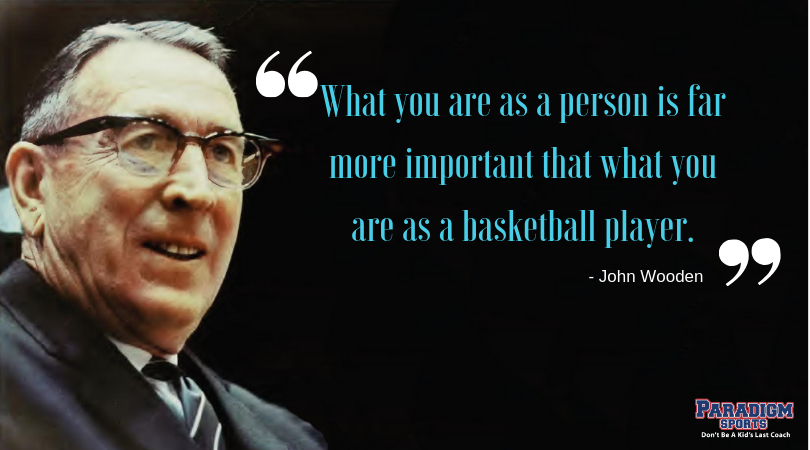
She then highlights various leadership traits of coaches, which one(s) are the ones you focus on most?
#1 – The Defeatist
Coaches that are pessimists, cheerless and uninspired
My daughters Competitive Coach was one of these coaches, he had a tendency to critique all of the player’s mistakes and never applaud the good things that they did. Needless to say, she (nor I) could not wait until the season was over.
#2 – The Narcissist (Egoist)
Athletes Exist merely to feed the coaches ego
They constantly refer to “My team”, My athletes, My Program.
This was my sons Bantam AAA Hockey Coach, everything was all about him, not the team. I would him hear over and over again if you don’t do this right you won’t be on MY power play, MY penalty Kill, MY first line.
All about wins, losses, banners, trophies, and feather in HIS or HER cap.
6 players, one of which was my son, quit hockey after that season, the third year that the coached had lost 6 players but fortunately he was not invited back.
#3 – The Strategist
These are the coaches that focus on the fundamentals of the game, tactics, systems and NOT on the athletes.
They are known as “knowledge” or “transactional” coaches and also are infamous for focusing on winning at all costs.
AKA – Old School.
New school coaches that are transformational leaders recognizing by focusing on the person that winning is a byproduct.
Both my kids had more than their fair share of these type of coaches as did many of the kids that I had coached when their parents would share with me that my approach was so refreshing as I am not a big fan of systems, strategies until the kids are much, much older. Too often I see coaches focusing too much on strategies when kids are too young, they lack the skills to implement and coaches get frustrated and criticize their players for making mistakes as a result.
Early on coaches should be focusing on FUNdamentals and doing everything possible so kids love the game more at the end of the season than they did at the beginning.
A measure of great coaches is when all the kids that a coach had one season return to play the following season.
If more youth sports organizations would do deep dives into the reasons why players play, to begin with then they would be able to reverse the current rates of attrition many are experiencing.
#4 – The Altruist
Examples – John Wooden, Clare Drake, Valerie Kondos Field, Pete Carroll, Sean McVay, Pat Summit, Phil Jackson and the numerous other transformational leaders that have been identified as GREAT COACHES.
Coaches that care more about their athletes then they do about themselves.
Coaches that recognize that family comes first, education second, sports third.
Coaches that will take the higher road and not go down to the level of winning at all costs focus as they recognized that our main role as coaches is to develop all of their players into adults, not just “their favorites”.
An ideal coach incorporates all 4 leadership styles at one time or another, thankfully we have started to see a shift where more are focusing on altruism than had in past and recognizing that it is all about coaching the person.
At the grassroots level, however, this is still a work in progress which is why we focus on working with grassroots coaches to focus on HOW to coach, not what to coach.
For more insight on these styles of leadership and other great nuggets, check out Valories Book
Thanks Alex for sharing such a great read with tons of great nuggets with me so I, in turn, can share with others. It truly was an honour to be your mentor this past school year, never lose your passion for helping your gymnasts become the best people they can be.