Why Coaches need to teach character

Posted Posted in Athlete, Coach, Organization Executive, Parents

For all the years that I have coached various sports, one of the most stressful times of the year for coaches, parents and players are the tryouts for competitive teams or even skills evaluations of recreational (formerly known as house) teams.

As the upcoming hockey tryout season for rep teams is fast approaching and all associations will be hosting their respective tryouts here are some tips for coaches to look for (and parents to share with their aspiring rep player son or daughter)

Rep player evaluations consist of three areas

#1 Core Skills

This is when evaluators will look at players go thru various ice sessions to evaluate players core hockey skills, skating, passing, shooting, balance, agility, and contact (body checking if applicable bantam age groups and up). Players are scored either out of 5 or 10 then after each skate evaluators (hopefully organizations have independent or ones not involved with the age group for impartiality) to compare notes and then players are ranked.

Many organizations have policies that the top X forwards (5-6) and 2-3 defencemen will receive spots on the rep teams and then the coaches have the discretion to fill the remaining spots on the team based on the holes they are looking to fill.

#2 Game Play

Players will be randomly put on to teams to be evaluated in terms of their performance during gameplay, this is where coaches not only reaffirm their skills but how they play positionally, what they do without the puck (as most of the game they will not have the puck on the stick), whether they backcheck, play on the defensive side of the puck, demonstrate sportsmanship, are unselfish and so forth.

#3 Character

This is the hardest area for coaches to evaluate, this is what I call the “Fire in the Belly Section” and coincidentally in a recent survey, I did for a parent presentation the #1 expectation that parents have for their kid’s youth sports experience is they will develop character.

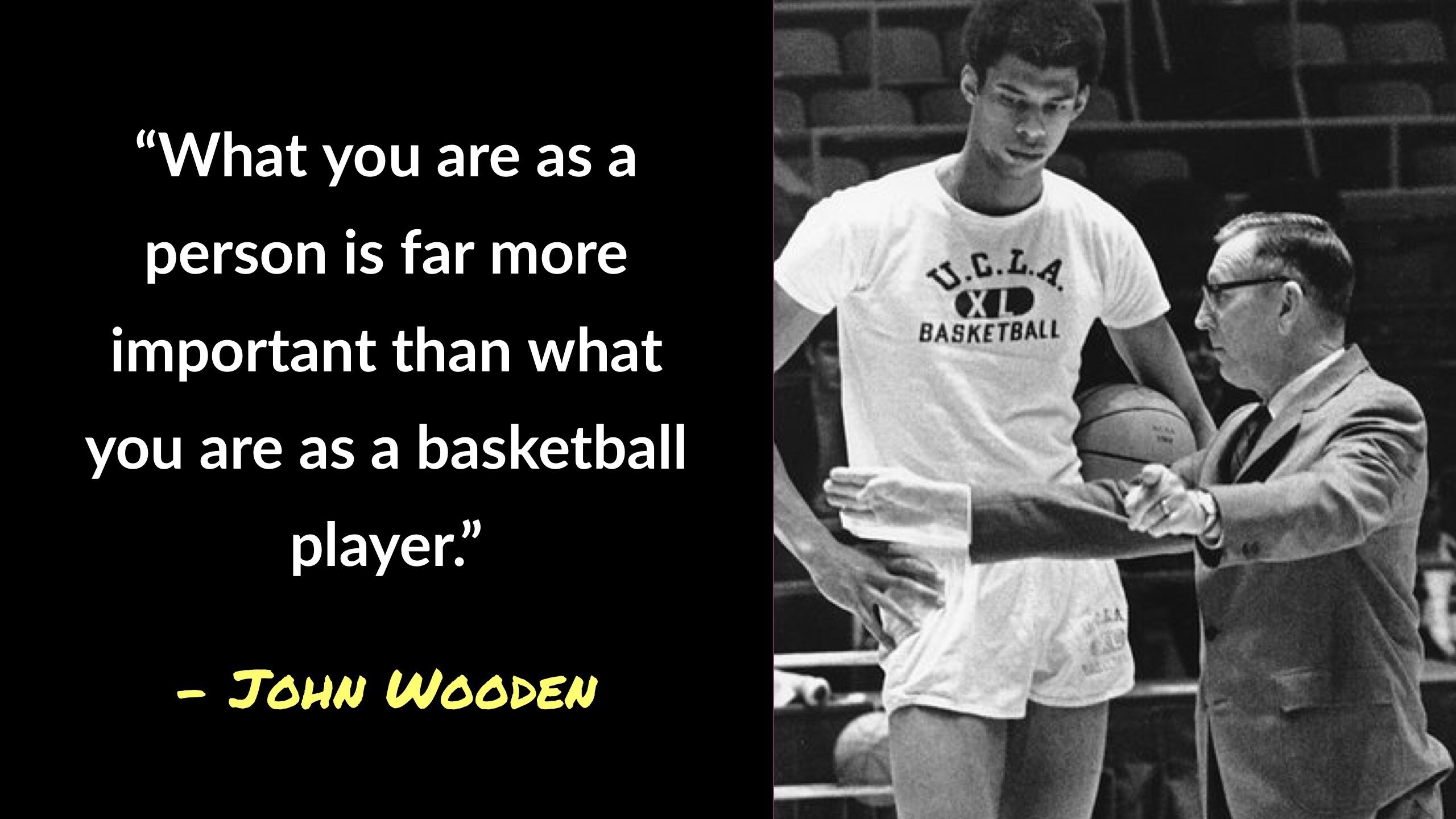
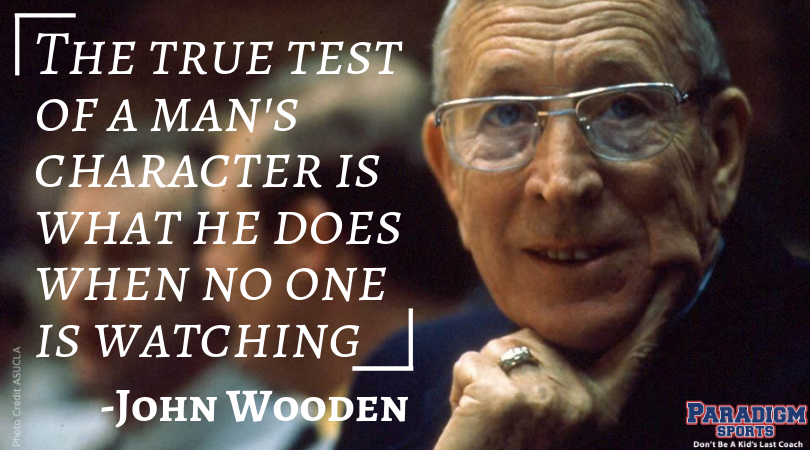
Prior to every tryout of any of the sports I have coached over the years, the only tip that shared with players is the importance that they may be evaluated at any time during a skill session or scrimmage/exhibition games and share one of many great woodenisms below;


Asides from watching body language which everyone in the arena can see, below are some of the key ones that I recommend coaches look for when evaluating players for rep hockey tryouts (same would hold true for any other sports), which is why I have argued for years that sports don’t build character, it’s the coaches in sports that do.

GRIT – The Passion and Perseverance for long-term and meaningful goals.

When it comes to tryouts, it can be a stressful experience for kids, but what can really affect their stress levels is how their parents support them to reach their realistic goals.

COURAGE – The first step of demonstrating courage is to commit to trying out in the first place, I have known many kids over the years that had the skills to play at the competitive level but lacked the confidence in their ability that they would be able to make rep teams in the first place.

The other part of demonstrating courage during the tryouts are things like how hard they battle along the boards for pucks, in front of the net for dirty goals, carrying the puck up the ice, going into the corners as a D man with a forechecker coming fast and so on.  If kids shy away from the puck but have the skills, chances are the more courageous players are going to be selected for the AAA team vs. not.

SELFLESSNESS – Are they a puck mover or a puck hog?

When I surveyed older players (after 13 years old) what they did not like about hockey, one of the top answers I received was when their teammates were selfish.  Hockey is a team sport, so when I have had selfish players on teams at the beginning of the season, I talk to them and say if they won’t pass the puck, then perhaps they should consider playing golf in lieu.

COMMITMENT – Do they show up early for every ice time, are they the last to leave the ice? Are they putting in extra time at home working on their shots, strength, cardio, balance and agility? Have they attended every ice session or have they missed any (the exception being family issues)

One of the things I remind all players, and now various co-op students that have worked with us over the years … if you’re not early you’re late.

LEADERSHIP – Do they talk to other players on the bench, do they communicate on the ice by calling defensive plays, calling for passes, letting players know to get their head up, lead warm-ups before games etc. ?

The ones that I look for are the players that bring their toolbox to every ice time, work hard, play thru adversity (other players chirping, slashing) never complain, are their early and leave the ice last, help the coaches clean up and just set an example of being a great teammate

SPORTSMANSHIP – Do they celebrate goals “they” score excessively or do they humbly circle with their teammates and thank them for making passes to set them up?  Do they have “pissy” fits when they don’t score or have the puck taken away from them, make mistakes that may lead to a goal being scored against their team and so on.

PATIENCE – When they have the puck on their stick, do they methodically up the ice with the puck, make passes at the right time (without telegraphing), wait for teammates to get open, make that first past as a D man to get the puck out of the zone OR do they panic when they get to the puck and throw it right up the strong side of the boards to be intercepted easily by the opposing team?

CREATIVITY – do they try things in the skills sessions as well as evaluation scrimmages as they have the confidence to do so OR do they not take risks as they are scared of making mistakes?

The latter is usually a sign that they lack confidence due to the fact that adults have instructed them not to do things.

Many of the above are the intangibles that we look for as coaches when selecting players for our teams but are probably the hardest things to teach kids which is why coaches have to recognize the importance of not only teaching the skills of the game but the skills of life.

The last tip I would provide for coaches, if it appears that players have the skills but lack various character traits outlined above, more often than not you would be better off opting for a player perhaps with a little less skill but with the character you are looking for who fits your desired culture.

 

The Reason why the ALL blacks have the winningest record in the last decade of any sports organization is one of their core values is to recruit players with character that will fit their culture (teamwork, hard work, commitment, resilient, selfless, communication) vs. those having more skills and lack character traits to fit in.

This will permit your team to go thru the storming stage much faster than if you had a few players that not buying into the desired culture you aspire for the team, as Peter Drucker made famous;

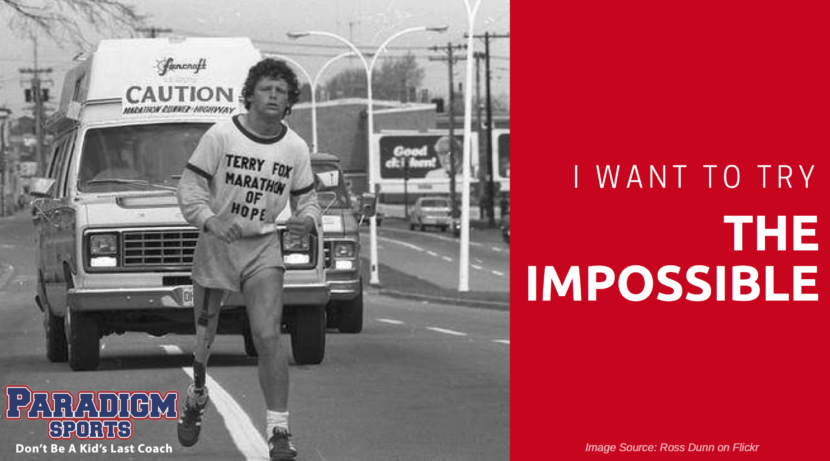


I want to try the impossible blog thumnail

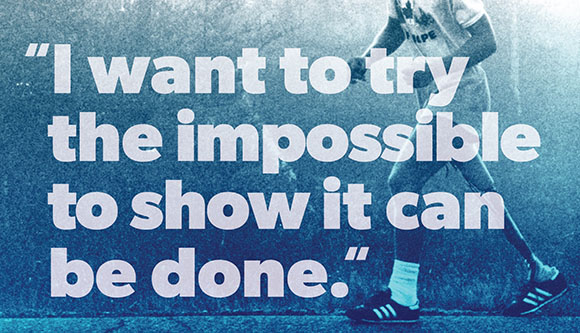
I want to try the impossible ….

Posted Leave a commentPosted in Athlete, Coach, Organization Executive, Parents

Source – Terry Fox Foundation

For the past couple of months I have been going thru the whirlwind of moves, I sold my warehouse/office so that we could get into a more appropriate office only layout and also helped my inlaws move out of their house the in-laws literally around the same time.

The day of their completion was the day of my marathon move day Aug 2nd, 15 hours, thanks in part to the moving company double booking their third mover and were able to find someone in operations to fill in (who had NO moving experience).

Our new office is on the second floor, with 24 steps separated by a landing that the movers and even myself and friends and family that have helped out have taken a rest while we moved the furniture, filing cabinets, desks, computers, printers and everything so we would have the workstations required for our expansion and accommodate future growth.

All the while I was going thru the viewings of potential new spaces, then finalizing the lease on what is now our office with an adjacent meeting area the landlord has agreed to rent us on case by case basis for our live presentations.  More to follow on that front once we procure the chairs, tables for us to permit us to do so.

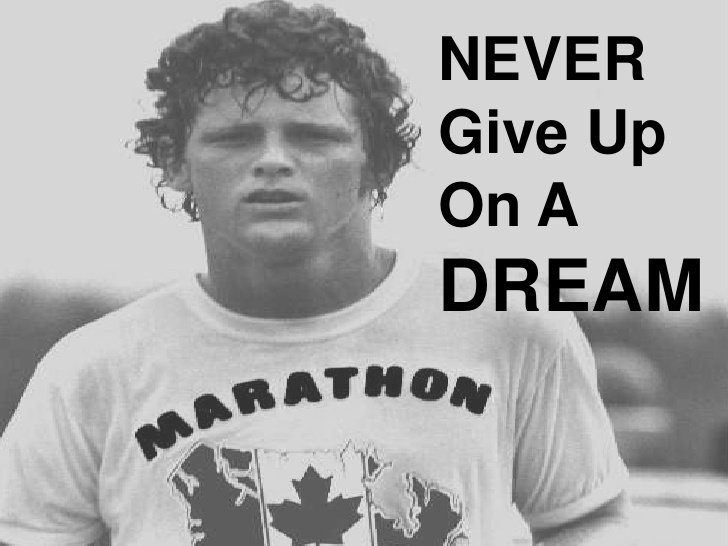
I kept saying to myself and others that I was going thru a marathon daily and shared analogies like on a much smaller scale and can truly appreciate what Terry Fox must have went thru in his quest to cross Canada on one leg after he lost his other leg to Cancer.

My Nanny (grandmother) was a huge fan of Terry, she even had an area in her apartment with news paper clippings, prints and various other memorabilia that I have in one of the many, many boxes that are still staged in the open area of our new office that I plan to do the same.

She would often share one his quotes with me whenever I was up against various challenges in my youth in sports or school one her favorite quotes from Terry “I want to try the impossible so I can prove it can be done.”

The reason it was her favorite is she was one of my biggest role models growing up, she raised 9 children (yes 9) in the era starting in the depression, second world war for the most part on her own as she divorced my grandfather soonafter the 9th child was born.

The older siblings started to work as early as 12-13 and the oldest 3 did not complete high school but the work ethic that she instilled in every single one of them was one that I will never forget.  What she did in a sense many would feel is impossible in today’s era where most families only have 2-3 children due largely to the costs to raise kids, pay for horrendous mortgages, gas and spiraling costs requiring both guardians to work.

This is why Terry became such a role model for me as she would reference the adversity that he went thru to accomplish what many felt was impossible at the time.

When he embarked on his journey to raise funds for cancer in April 12th 1980, all the naysayers running a marathon EVERY day (26 miles) and did so each day only taking 4 days off of 137 days, one day to spend time with a 10 year old boy who also lost his leg to Canada.

Can you imagine running ONE marathon in a year?  I know many people that train for many months to participate in the Vancouver Sun Run, others that train for biathalons, but I can’t imagine for an instance how he did what he did each and every day, getting up a 4AM, running 14 miles, then taking a break to fuel up, and run a subsequent 12 miles.

It was his determination, commitment that lead to all the accolades he received but even after he had to stop when the cancer returned and spread to lungs he shared with reporters if he could return to complete the marathon of hope he would.

Sadly he was not able to return to finish his cross country marathon, and his journey ended after 3000 miles in Thunder Bay, approx. 2/3 of his goal to return home to his home town in Pitt Meadows, BC (outskirts of Vancouver).

Whenever I see kids today say “I can’t” in a practice or a game I say to them, yes you can, push yourself so you can say after the practice or game that you left everything you had out there.  These were the very same words of wisdom my Nanny would share with me, thanks in part to her following the likes of Terry and many others who never gave up like she did raising 9 kids on her own while never “working” a day in her life (she remarried to whom we called Papa John who had a great job and provided for her and the younger siblings so she could do what she did best, be a mother and grandmother to all the many cousins afterwards).

This is what Terry did, he left it all out on those highways, thru the weather challenges, the dehydration, initial lack of awareness, the scarring on his stump left after the surgery from the rubbing of the prosthesis, the true fatigue he had each and every day as he head out to run another 26 miles.

Source – Terry Fox Foundation

What drove him?

Kids.

He did not want any other kids to be victims of cancer, or anyone for that matter.

One of the days that he did stop to take a break he spent time with a 10 year old Greg Skun who also lost his leg to cancer and cried when he shared why he was doing so as it was one of his most inspirational days.

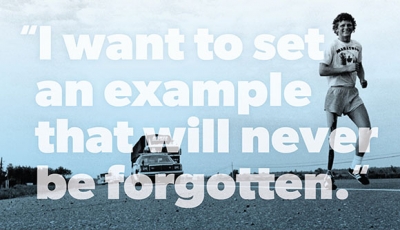
Terry was the example for us all, the legacy that he left behind thru his marathon of hope has now raised over $500 Million for cancer research.

Although we are still over a month away from this years Terry Fox Run, each day that I haul boxes, furniture and so forth from my old space to the new space I think of Terry and my Nanny sharing her quote as I too want to try the impossible to show it can be done.

When I founded PARADIGM Sports several years back, I did so initially because of the year I had in 2013, I had my knee scoped in January and lost my best friend a few days later, then having to make the decision in August to put my mother (my biggest fan) into a hospice and she passed away on Oct. 8th, 2013 in the evening, a few hours before my birthday.

It was that 2013-14 hockey season where my son had a winning at all costs coach that then set the wheels in motion to ensure that ALL kids have the opportunity to contribute to the outcome of games with positive feedback  so they could try they also can try the impossible to show it could be done.

The state of play of youth sports evolving to adults competing with other adults thru kids has to lead to attrition rates where 70% of kids are quitting youth sports before they enter high school.

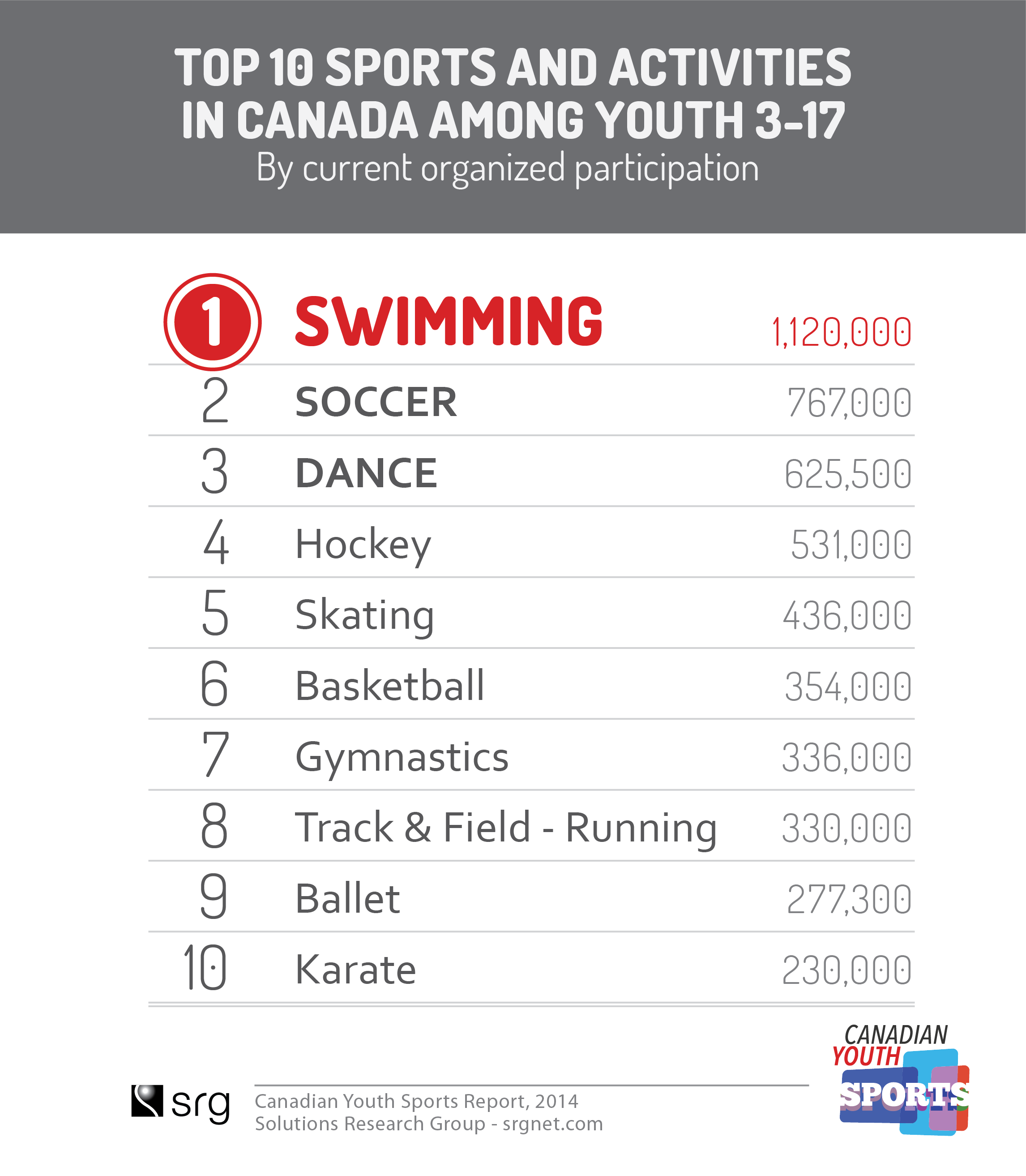
In Canada, that number could be in the area of 2.1 Million kids alone from the top five sports (swimming, soccer, dance, ice hockey, skating)


My dream is to ensure that all kids in Canada, as well as other parts of the world working with all of our global partners, have the opportunity to play without fear of criticism, own their youth sports and activities experience as our generation did when we grew up and most of all, have a smile on their face each time they go out there and PLAY.

Like Terry, I won’t give up on my dream and as we go into our new chapter, new office and truly look forward to continuing our work with coaches, parent’s sports administrators to create that environment for kids to have fun enjoying what they love vs. current trends replacing former active play time with inactive screen time.

As you start planning your fall seasons as coaches, executive members, please ensure that you incorporate the Terry Fox Run as part of your teams season vs. scrambling at the 11th hour to participate.  It not only will help continue raising funds for his legacy, but it is a great team bonding activity to start your season.

Source – Terry Fox Foundation

Please ensure that the legacy that you leave behind is a positive one and you are not a kids last coach.