
That was then, this is now
This has been a week full of meetings with various colleagues and associates as we all were trying to get as much done before our May long weekend.
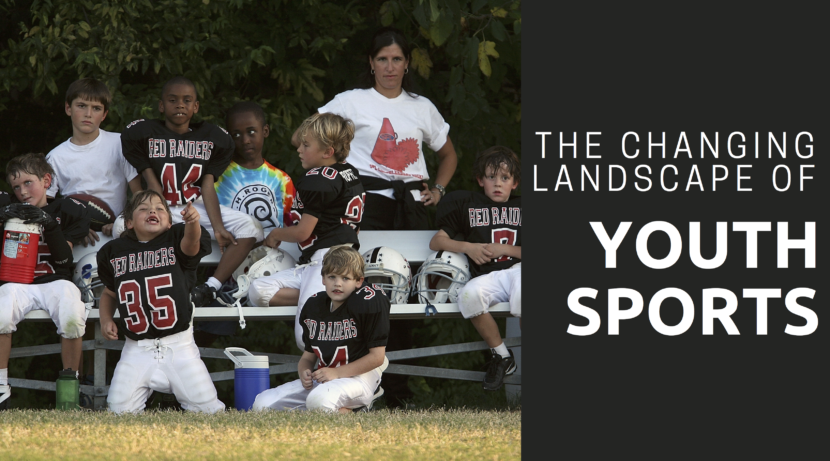
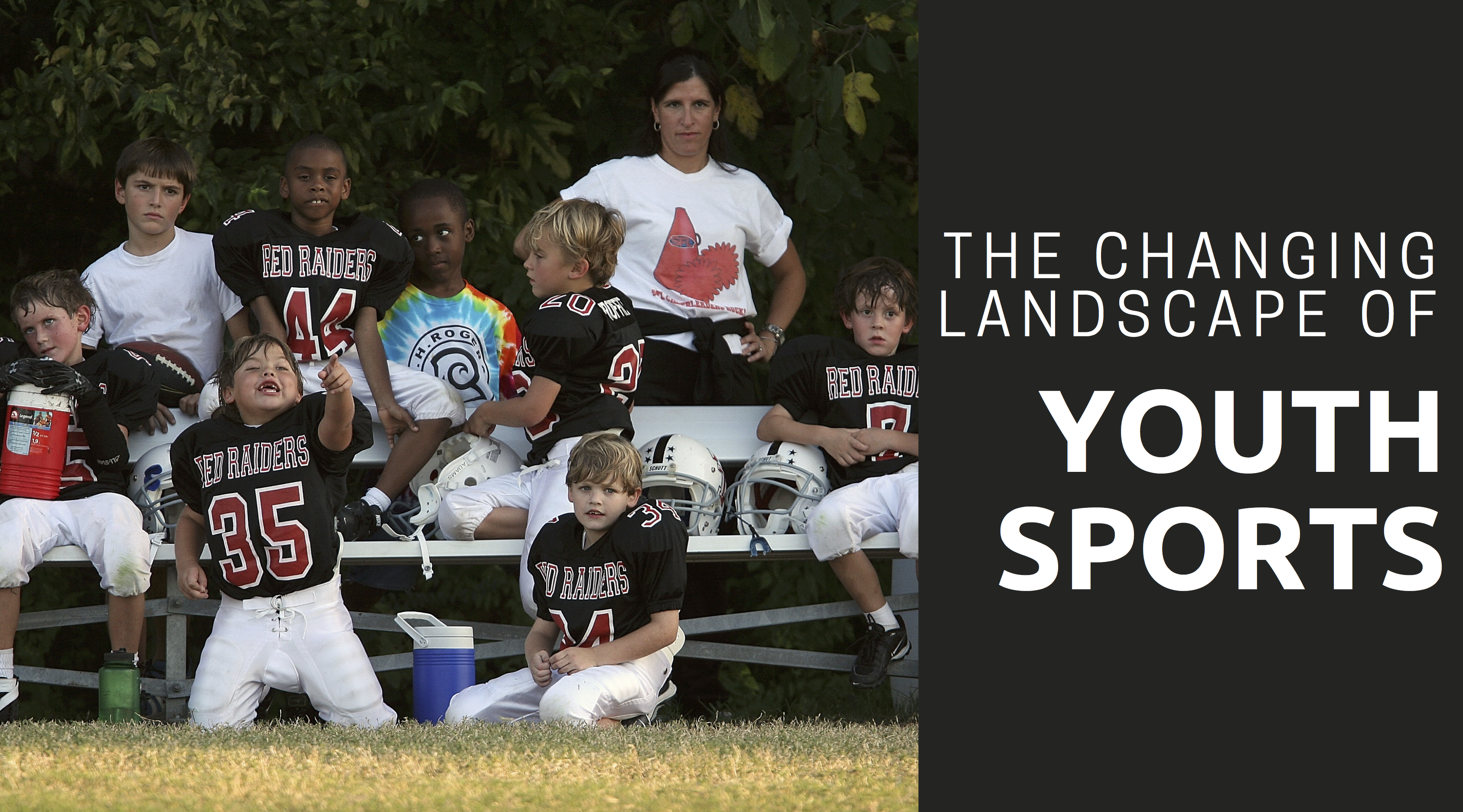
Yesterday, however, I received a call from one of Canada’s National Magazines (once the article goes to print will share out the digital edition) to ask for my insight on the changing landscape in youth sports, in particular, the professionalization and pitfalls of early sport specialization.
I thought initially we would be scheduling the interview for a later date but when the writer asked if I could do so in 20 minutes, I said sure, why wait until tomorrow if you can do it today.
We chatted about the various issues that revolve with early specialization including burnout, overuse injuries, lack of overall fundamental movement skill development as well as the costs, both financial and time when kids start specializing at such a young age.
Last week I wrote about the reality of one of the drivers for specialization, parents aspiring for their son or daughter to receive a NCAA scholarship to setup them up to potentially be drafted to their major professional team sports.
The Reality vs. the Dream of NCAA Scholarships and going to the Show.
I subsequently shared with the writer for the magazine article that the statistics of kids who play youth sports who go on to play at NCAA is approximately 2%, of those 1% will be drafted on average to major professional sports and only 0.04% will actually reach the level of PLAYING professionally at the highest level.
We also touched on the other area that I have identified is an issue with early specialization, the research shows that the key years for motor skill acquisition is between the ages of 6-12 years old which is why nations like Norway, Sweden, Iceland who have adapted Sport for Life’s LTAD model focus on core motor skill development, fundamental movement skills across a broad range of sports and activities during that time.
They also limit or do not permit competitive games until kids are 13 years old so they can learn those skills in a safe to fail environment without the pressure cooker that kids in North America face and other nations, that has lead to the winning at all costs environment in youth sports.
“That was then” is a slide that I created for talks that shows random pictures of kids participating in free play activities, the ones that I did where I learned the fundamental movement skills vs. the precursor to youth sports, the Physical Literacy Movement so that we reinforce the importance of kids developing confidence and motivation to be active, so they are ultimately active for life. (the top right picture is a mini me version of me from the great film Sandlot)
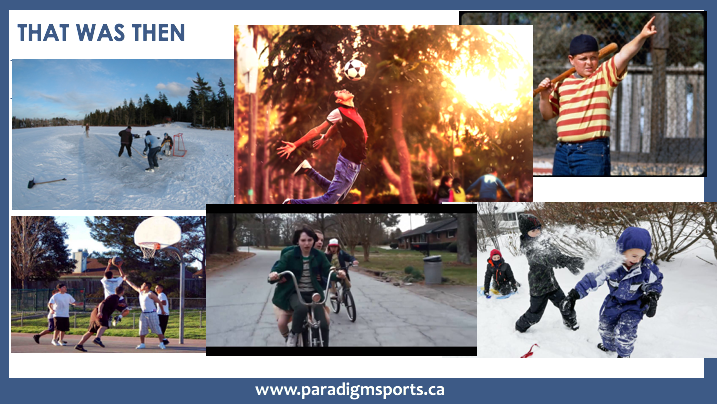
In lieu, should we not just be promoting and supporting kids to just go out and PLAY like our parents did? Sadly, thanks to THIS IS NOW, kids are not motivated as we were to play outside, they are glued to screens over 7 hours a day in lieu.
One of the biggest changes to the youth sports landscape has been the evolution of the internet, the digital era, which like everything else new, is the direct cause and effect that has drastically changed the landscape of youth sports but EVERYTHING.
Now thanks to Google or youtube ANY coach can obtain ANY drill, ANY practice plan from ANYWHERE, there are thousands available on the internet. This means that the tactics, strategies, skills, drills of sports are readily accessible so every coach can focus on the WHAT of coaching.
Gone are the days where coaches would even have to think of “stealing” a drill when they saw another coaches practice, they are readily available on the internet.
This is why so many coaches focus on the outcomes, by focusing on the what – skills, drills, practice plans then in turn focus on wins and losses so it becomes a vicious circle
What is not readily available on line, or offered in courses, clinics, summits is HOW to coach.
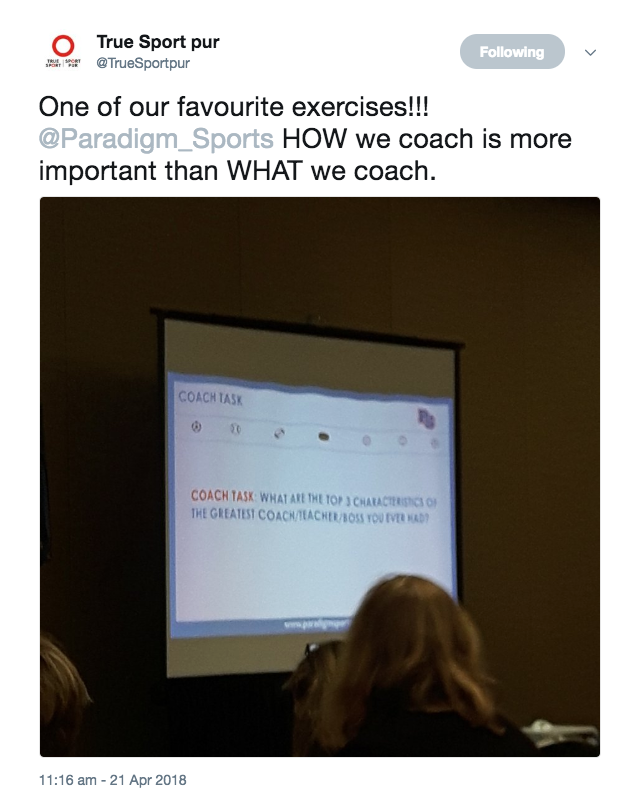
It is the How, Not the What, that youth coaches need to focus on now more than ever if we are going to shift the needle to bring youth sports back to the kids.
- Focusing on the process vs. the outcomes. Doing so, winning will be a byproduct in lieu of the focus.
- Focusing on LTAD, Multi-Sport Participation vs. Early Sport Specialization
- Focusing on zero tolerance for any form of harassment
- Focusing on making youth sports fun again, so that 70% of kids don’t quit youth sports before they enter high school
- Most importantly, coaches need to recognize the importance to care passionately, the #1 characteristic of great coaches is how much they care followed closely by how passionate they are about the sport. In lieu of just teaching the skills of the game (the what) focus on teaching the skills of life (the how).
It is our role as coaches to make a difference by developing youth into adults.
If we do so, we will move the needle so youth sports are just that, youth sports.
Let’s all work together to bring the game back to the kids … where it belongs