

What do parents expect for their kids in youth sports?
As we head into another fall season of a myriad of youth sports, thought this would be a good time to share with coaches the importance of having answers to the top 3 questions that parents will be asking in their upcoming parent meetings.
#1 – What is your background as a coach?
This is particularly top of mind for parents in the competitive streams, many of which will make decisions whether they will support their son or daughter trying out for competitive teams based on the coaches that have been selected by organizations.
When it comes to the recreational stream, particularly the earlier age groups, parents more often than not are happy that someone put their hand up to coach the 5-8 year old age groups and are more concerned when/where they should drop their kids off for various team events than whether their kids are in qualified hands.
Whether it be recreational grassroots level or higher level older age group teams, however, this is an answer that all coaches should have the answer to before they meet the parets for the first time.
Things like;
- Playing experience in the respective sport they are coaching
- Certification they have completed
- If they have children themselves (more often than not parents are those that start coaching the youngest age groups)
- How many years they have coached
- How committed they will be (dedication is key, coaches should be there for the kids)
#2 – Why do you Coach?
It amazes me when I speak and ask coaches the questions to provide answers to that very question how few hands go up to begin with but am thankful for those that to stand up and share all kinds of reasons why they coach like;
- They love the game and want to give back
- They want to help kids learn the skills of the game, but also skills of life
- They Love Kids and watching them grow
- They want to help kids have a positive experience
- They don’t want kids to have a bad coach like they did
It is at this point where I also hear coaches shared their core values like respect, sportsmanship, winning with humility, losing with dignity, developing leaders and teaching various other life skills that the kids will need beyond the sport.
Then the one that gets me the most, when they share how passionate they are about the game and kids to love it as much as they do.
One of the things I share all the time is kids should love the game more at the end of the season than they did at the beginning of the season.
Ironically, as we shared in last weeks post, the #1 thing that parents are looking for in terms of their kid’s sports experience is that they develop character, which is followed by them having fun and making friends.
Great Coaches, as we have shared in past, are ones that truly care about the kids the coach, and those that are passionate about the game, as a parent, they had me at HI.
#3 – What is your coaching philosophy?
This again is one that I find we really need to work on with grassroots coaches, when I prompt coaches to share their philosophies either en masse or in small groups, only a small % are able to do so. In part because they are still developing their philosophies of coaching, in part because they have never put it in writing.
Once they do so, it makes them accountable so if they talk the talk, they must walk the walk not just for the players but also for the parents, board members, officials etc.
I remember last year when I put forth the query in a clinic I was running, one of the coaches stood up and shared a very detailed coaching philosophy, so much to the point, that I then worked with him after the fact to tweak it so it was not more than a couple of sentences.
Think about it being your mission statement for WHY you coach, what your raison d’ê·tre (reason for being) which goes hand in hand with your core values that you have learned from parents, family, education, work etc.
Like that coach, I had a very lengthy coaching philosophy that was several paragraphs long until I reviewed it with one of my mentors and he told me that it had to be no more than two sentences … there was no way I would be able to share my philosophy with board members when I was interviewing for coaching positions or parents after the fact when met them for the first of several meetings over the season.
My philosophy evolved over the next couple of years to one statement:
FUNdamentals, not winning, at all Costs.
Why is Fun in Caps?
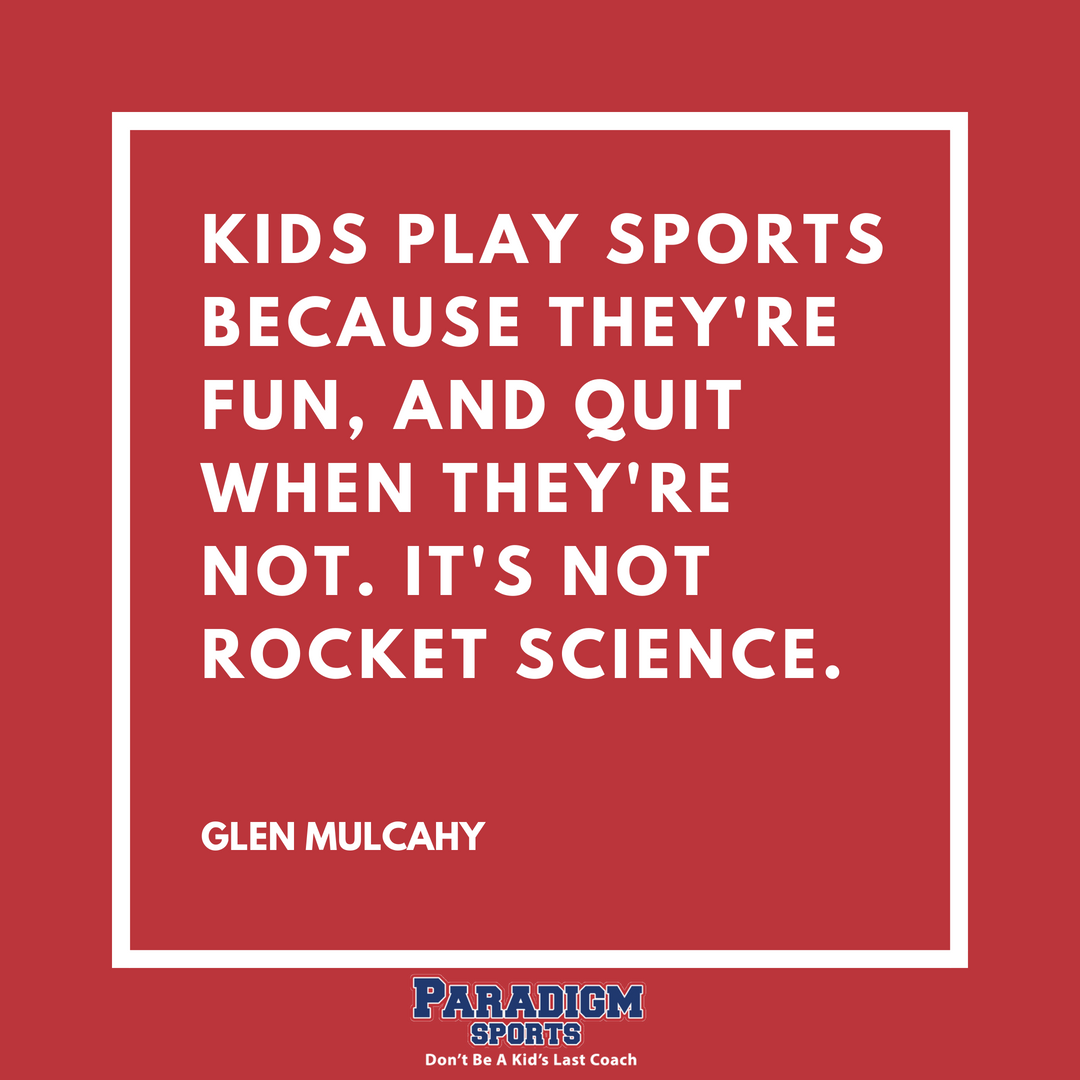
I believe strongly in developing kids skills of the game in part, but more so the skills of life to make a difference by developing youth into adults.
AND
I Have learned there is a fine line between winning and winning at all costs.
Without going into a deep dive on the article itself, just wanted to touch on a recent article co-authored by two faculty members at the University of Waterloo posted in the conversation which was reshared by the Vancouver Sun under permission.
The Conversation Title:
“Making Youth Soccer less Competitive: Better Skills or sign or coddling kids”
In the paper edition of the Vancouver Sun the article was titled:
Removing Competition: Good or Bad for Kids?
In the Vancouver Sun Digital Edition the article was titled:
Ryan Snelgrove and Daniel Wigfield: Is less-competitive youth soccer a sign of coddled kids?
My comments to the digital edition version:
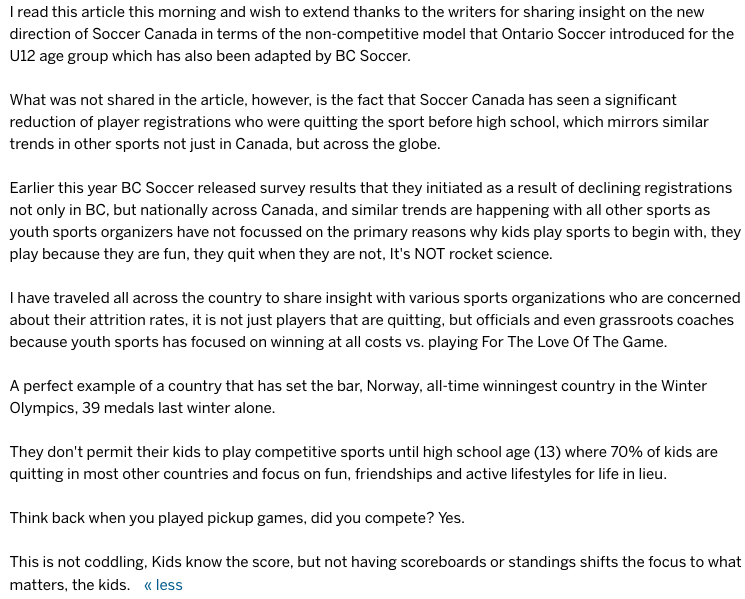
Below is a image we shared out in the fall where the GTHL had a novice hockey game (8 yr olds) still playing full ice hockey where the final score was 41-0 although they only showed 6-0 on the scoreboard so as to “not hurt the kids feelings” that was referenced in the article why Ontario Soccer has shifted to the model of not keeping track of scores U12.

Like the Ontario Soccer article, there were two sides that came forward, those supporting the move to push competitive play to later age groups, and those arguing that competition introduced at earlier age groups teaches kids life lessons.
Below are just a number of other articles on page one of google pertaining to the pros and cons of competition with several other articles on subsequent pages with those for and those against having scoreboards, scoresheets for the younger age groups
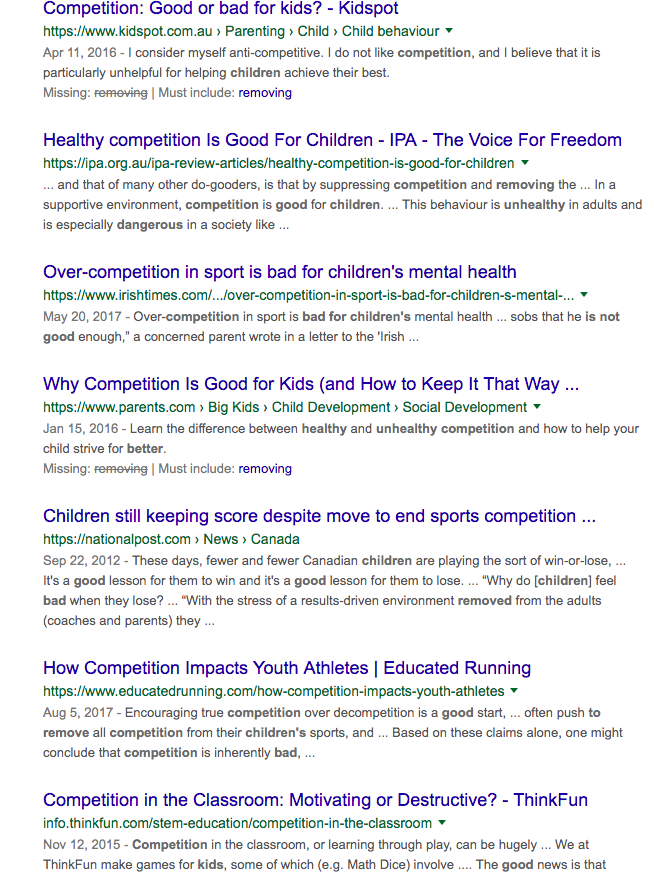
I know that there is always two sides to every story, but if we let the adults who are pushing the pay to play winning at all costs model becomes the norm, not the exception, the kids LOSE regardless of the age group.
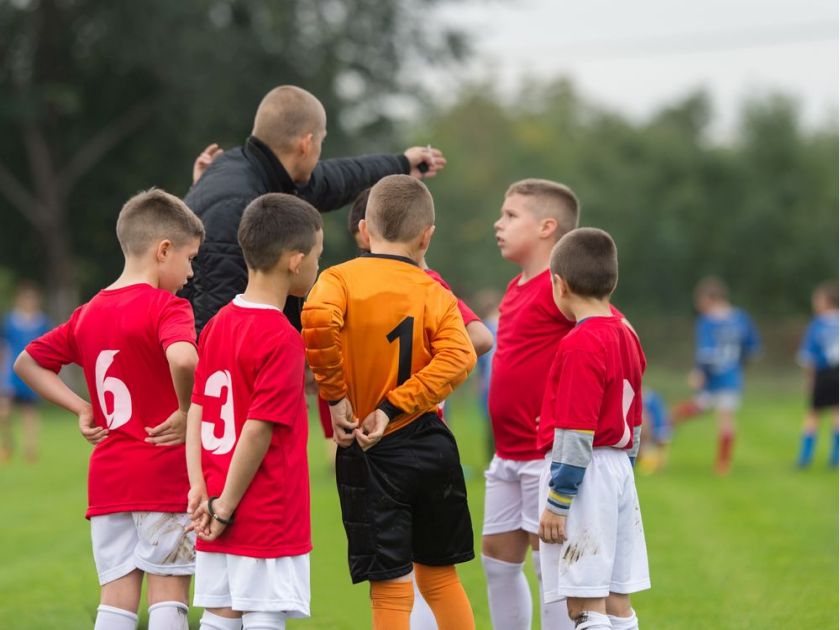
What coaches must be cognizant about as they head into the upcoming seasons is what both parents and the kid’s expectations are.
The top three Parents expectations they share with me when doing presentations are for their kids to build character, have fun and make friends.
The top three kids share why sports are fun (the reason they play) per Amanda Viseks research and my surveys of kids in numerous sports is when they get to try their best (work on their skills), when coaches treat them with respect (by treating them with fairness, teaching them the skills of the game and of life) AND when they get playing time (kids just want to PLAY).
And if you are the naysayer or sarcastic adult think that removing the scoreboard is for the kid’s sake, not hurt their feelings, coddle them no, it could not be farther from the truth. Kids keep track of all the goals, assists, who the top players are, who the players are that need to develop and so on. Before youth sports became adultified as it is now, kids formed their own teams, made and enforced their own rules, rebalanced as needed so games were competitive NOT blowouts or having coaches run short benches to win games to pad their resumes, not to develop all kids on their teams.
The reason why there is no scoreboard in the earlier age groups already in Soccer, Hockey, Baseball and many other sports to follow is so that the parents and coaches don’t take the game too seriously which has led to bench-clearing brawls involving the most infamous one to date of parents fighting at 7-year-old baseball game because a 13-year-old official made a call the spectators did not agree with.
Really? Is winning or losing at that age group really matter? Should it not be about developing the kid’s love for the game, working on the core skills, and all the other benefits kids can reap from playing sports?
Having worked with many parents I can tell you first hand none went to this game expecting to get into a brawl, they had hoped to just go watch their kids play but as winning has become the epicenter of youth sports, anything impacting a win or loss (in this case the call by a KID) set fuel to a fire.
We (as in all the adults) must remember that youth sports are games played by KIDS, with many of the official’s kids themselves, and too many are quitting before they should and once they do, many don’t return to the game they once loved.
Let’s all work together to bring the game back to the kids … where it belongs.