
10 Tips to run effective practices
That time of the year where I get a break from various hockey hats after a whirlwind season with all the ups and downs of dealing with COVID-19 return to play, pivoting to running virtual coach clinics, coordinating coach evaluations that complied with safety protocols and marking a record number of written assignments due to ease for coaches to take clinics virtually vs. face to face in various parts of the province.
While it was top of mind, I thought this would be a good opportunity to share some tips for running effective practices based on this and past years evaluations for coaches that are generic to carry over to other sports, then late summer will share one specifically for hockey coaches are they ramp up for what hopefully will be a better normal than this past pandemic season.
#1 – Have a Plan
Depending on the level you are coaching, as the cliche goes, if you fail to plan you plan to fail. The practice plan is probably one of the most important things you need to run an effective practice and it should be based on what you overall season plan is (another blog in itself) but making sure that you are not a game reactive coach (i.e. focusing on errors that were made in a prior game, but staying the course to develop over the course of a season
#2 – Ensure that every player has a full water bottle
Even during Covid-19 I have talked to several evaluators that observed practices where coaches did not pay attention to the number of water bottles that players had when they came to the practice, and as a result, players ended up sharing with their team mates. Regardless if cohort or not, but players must have their own FULL water bottle before practicing and given regular hydration breaks
#3 – Consider using computer software or an app
This will permit you to plan and share your practices in advance with coaches and players, ideally using ones that have video demos for drills so it will make your practices much more efficient
The other benefit, is everyone will be able to READ the practice plan, drill and key teaching points. Having marked hundreds of practice plans over the years, it amazes me how many coaches have the handwriting of physicians and practice plans are very difficult to follow.

#4 – Don’t try to do it on your own
If you are just getting started coaching a sport or have for many years, I can’t emphasize the importance of finding a coach mentor so you can pick their brain for drills, best way to identify errors and correct them connect with players, engage parents and so on. I have always argued that we should provide as much support for those starting out as they could have a positive or negative impact on kids early one when they are developing their core skills.
#5 – Watch/Listen to webinars/podcasts not only what, but HOW to coach
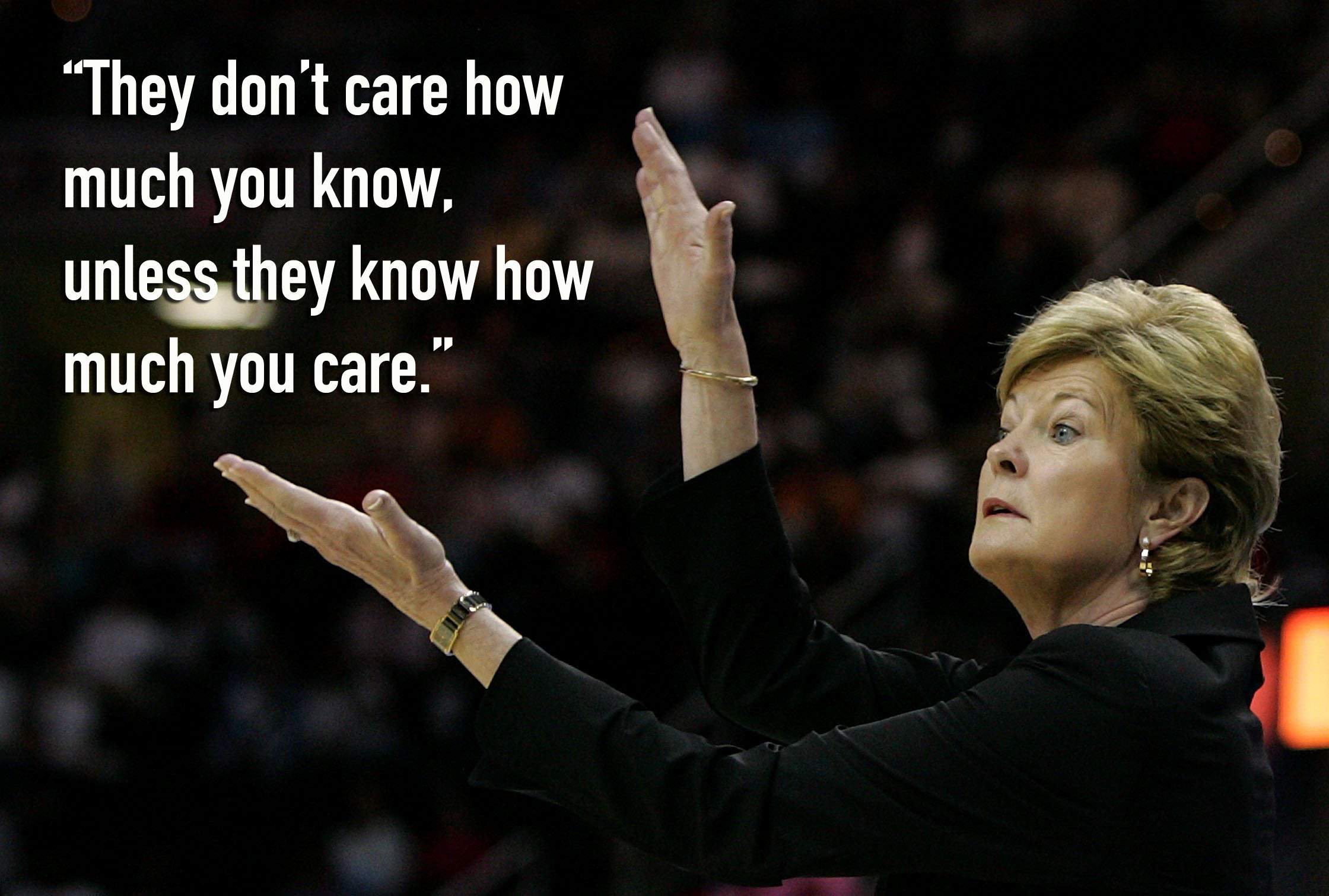
Too often I have seen coaches short and long term goals focusing on the what (skills/drills/tactics) but not on how to coach (leadership, communication, interpersonal skills). Having surveyed thousands of coaches over the years, the characteristics they have shared of the greatest coaches they had did not have to do with the what, it had to do with the how … how much they cared about them as people, how they connected to them as individuals, how they taught them valuable life lessons and so forth.
#6 – Ensure that your practice plans adhere to your sports LTPD/LTAD model
Too often I have seen coaches having tons of high level flow drills, strategies, tactics for young age groups when it should be the polar opposite. In lieu of team tactics/systems, should focus on core skills and individual tactics until kids are in their teen years. Without the skills, they can’t execute the systems and strategies
# 7 – P&R = Patience and Repetitions
Terry Crisp, long term hockey coach shared with a colleague of mine who shared with me Terry’s philosophy on practices, as a coach you had to have a lot of patience and also permit players to do numerous repetitions to get it right. Often I have seen coaches in many sports run practices and when players are making mistakes they scream at them for doing so. In lieu, what you should be doing is encouraging them to make mistakes and come out of their comfort zone
#8 – Remove the joystick
In lieu of treating your players like mini-me’s or robots to do drills exactly as you drew it up on the whiteboard, what you should provide them the opportunity to do is to figure it out on their own (AKA – FIO per Corey McNabb at Hockey Canada). One of the biggest issues that all sports face to day is players are too robotic, lack creativity and is a direct result of being over coached
#9 – Make it Safe to Fail
Much like I did coaching all the kids on teams that I coached for a myriad of sports, I have fostered a safe to fail environment for the co-op students we have sponsored over the years who have been instrumental in helping us build out our websites, host summits, webinars, podcasts and so forth. They all work on terms of 4 months and I know when they start it will take several weeks for them to get up to speed with our various platforms, and provide them a safe place to make mistakes (within reason) while they do so.
#10 – Smile
Last but not least, regardless of what type of day you had before you got to the field, rink, court for the practice, I can’t emphasize enough the importance for you put you coach hat on when you arrive and smile and greet all players when they arrive. Ask they how their day went, how school was, what they learned and various other queries to get to know them better as people, then when you run the practices and are on the bench/sidelines for games they will know that you have their back and truly care about them as people first, athletes second