This is an update to last years post that I posted in December 2017 as I have continued to interact with coaches at conferences and clinics and ask them;
What are the top 3 qualities of the greatest coach (or teacher, manager) you
ever had?
Last fall our co-op student created a tracking sheet to summarize all the characteristics that I had recorded by various means and now our “informal” database is just shy of 1000 coaches, board members and even parents.
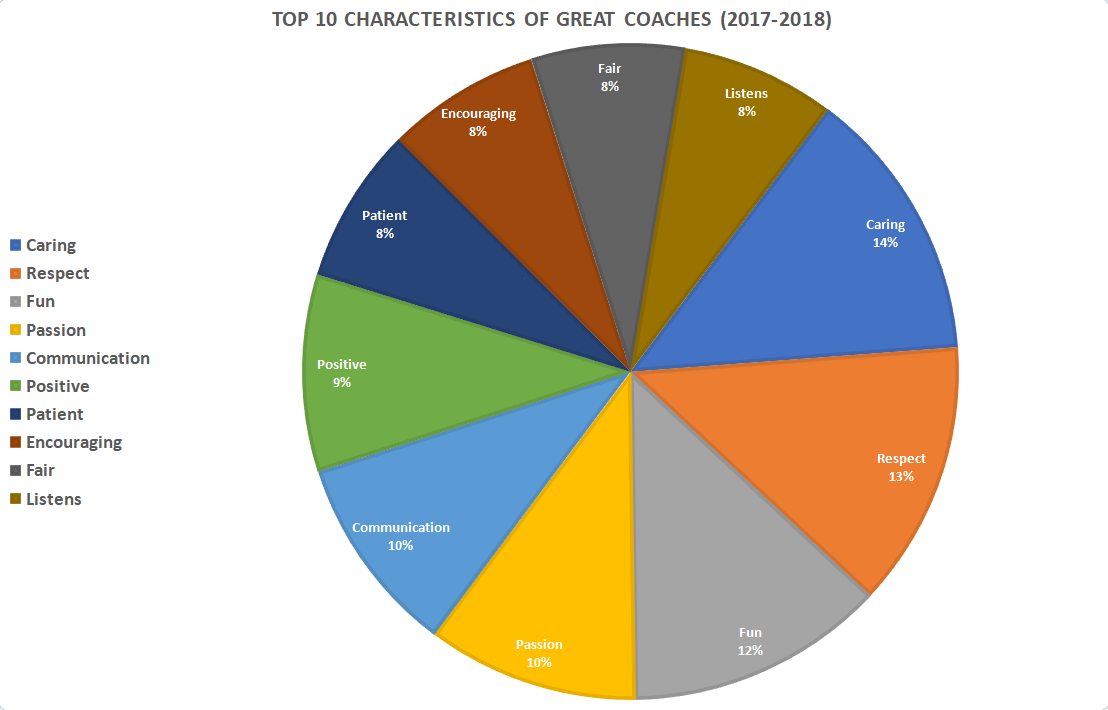
By no means is this a formal research study, but the below pie chart outlines the updated results for the top 10 characteristics;
Just as it was last year, and every time I do the exercise, the Number 1 characteristic was the coaches cared about their players. This also was one of the characteristics when I talked to the amazing guest speakers in our summer and winter digital summits we hosted thru our digital arm For the Love of the Game.
Number 1 (always)
Not only do they care about helping them develop into the best athletes they
can be, but the best people.
This is what John Wooden, Clare Drake, Phil Jackson in past and current coaches like Pete Carroll, Mike Kryzyzewski, Sean McVay and others have demonstrated or shared with journalists what was really important to them as they guided their teams to achieve at the highest level.
Coaches that care, not only teach the skills of the game, but the skills of
life.
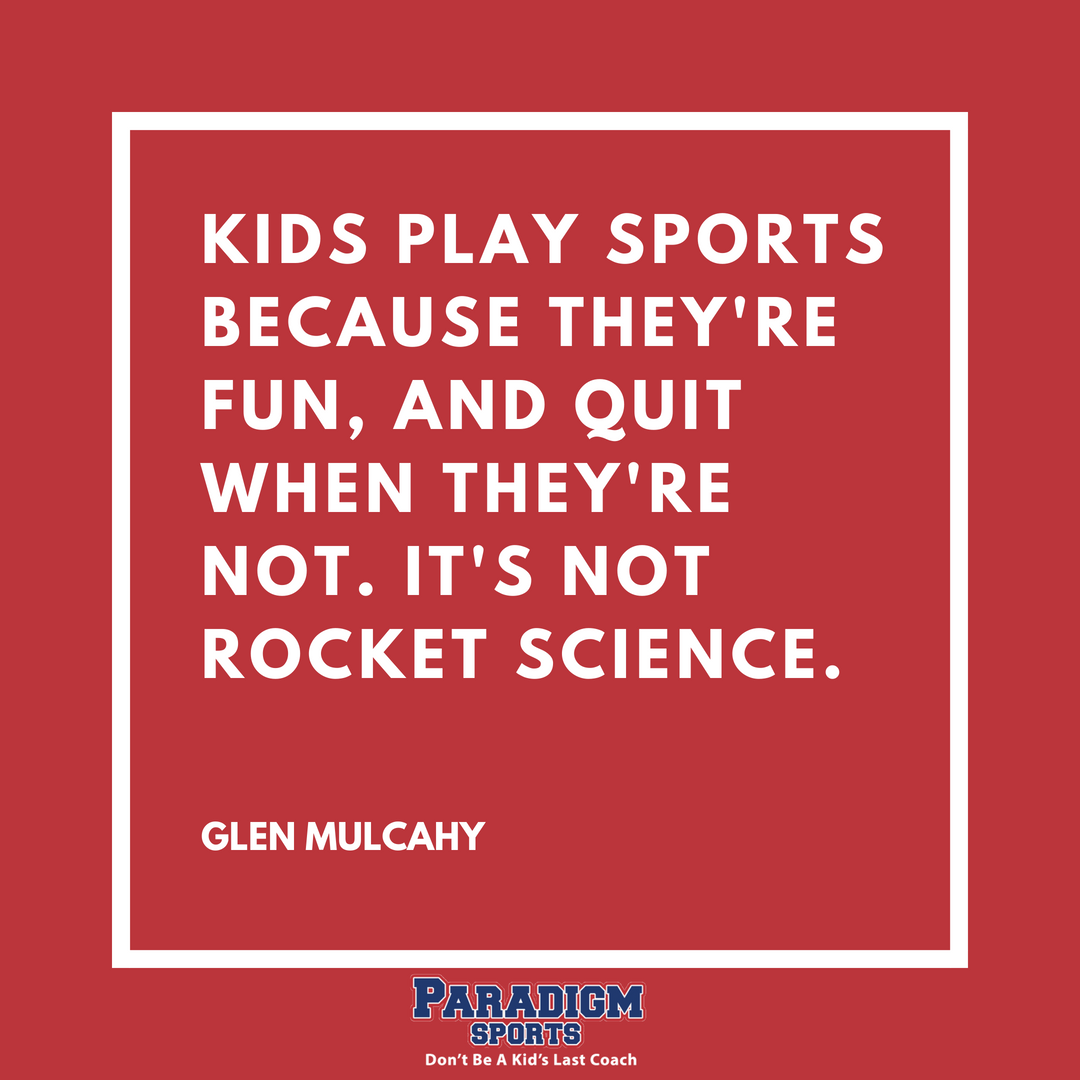
Number 2 (moreso the reason kids play but coaches must foster an engaging environment for it to be fun)
Another of the top characteristics was they coaches made the experience fun, both in games and practices as well as other team activity.
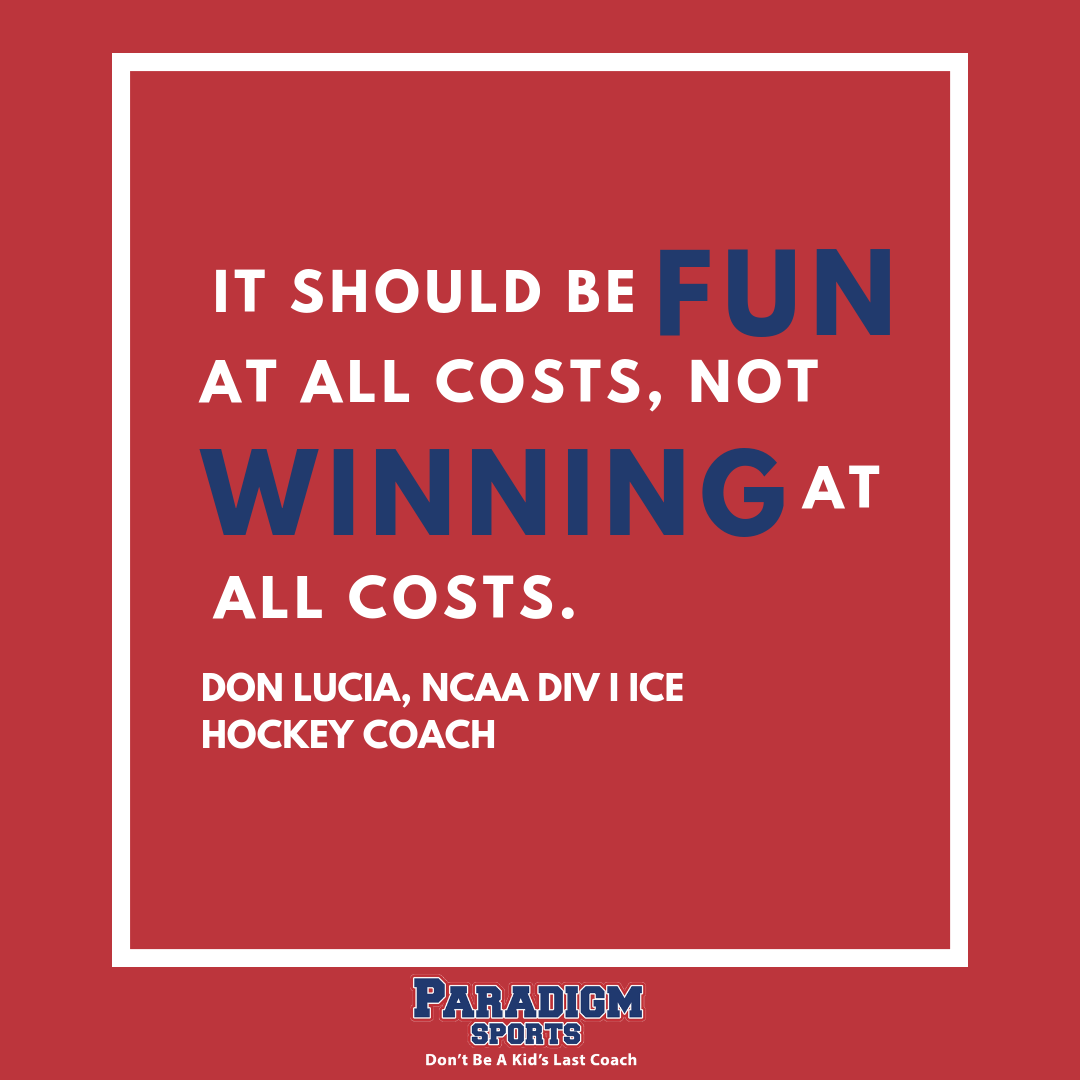
Many misinterpret that I am not competitive because my philosophy of coaching is “FUNdamentals, not winning, at all costs”. Like all the great coaches who worked on the process of developing all players on their teams that lead to results on the scoreboard, I know how important it is for players to have fun, even on the most competitive teams.
As I have been saying for years;
Mike Babcock, now the highest paid NHL coach with Stanley Cup, World Championship and Olympic Gold achievements on his resume is another one of those great coaches. When he became the coach of the Toronto Maple Leafs, he shared that his main role was to develop all the players into great young men. Prior to the 2010 Olympic Gold Medal game, when he was coaching some of the best players in the WORLD at the time, when asked by the media what he told the team before the game he said “I just told them to go out there and have fun.”
Many people think when kids they just want to have fun that it means goofing
off, but kids actually don’t want their team mates to do so they want to play,
the want to compete, they want play for the love of the game. That is what fun
is.
Number 3:
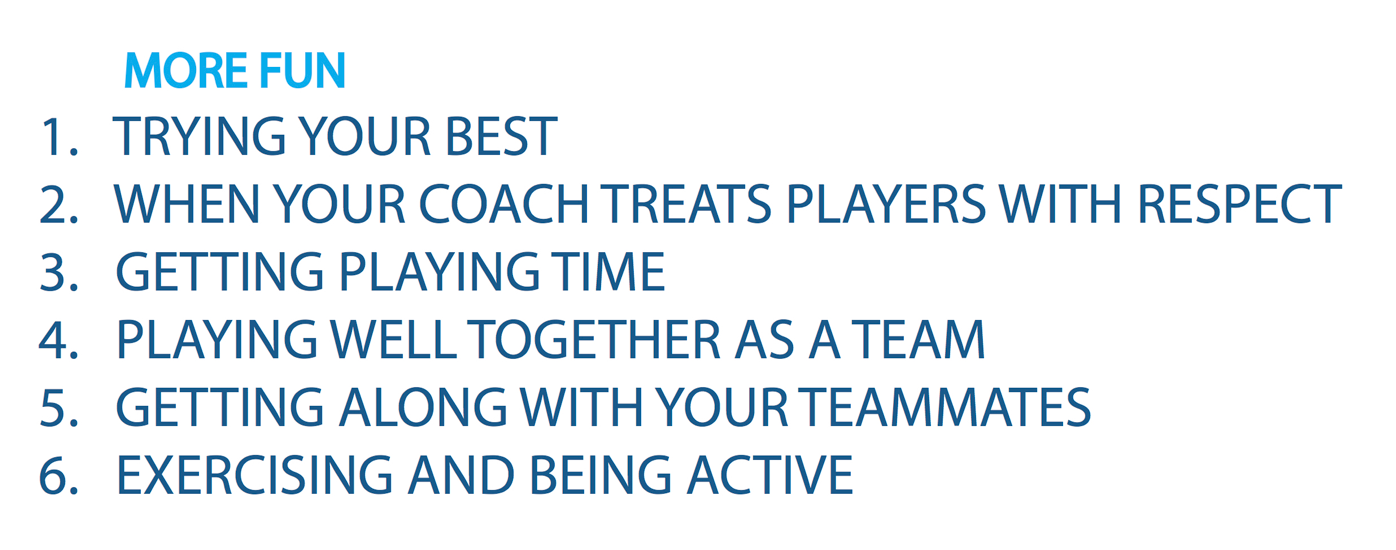
When Amanda Visek did her groundbreaking study and identified the 81 characteristics of what is fun in youth sports, the number 2 reason, second only to having the opportunity to try your best was when coaches treated players with respect
Although I would NEVER consider myself to be in the same company as John Wooden, his three rules are very similar to mine and his third was “Never criticize your teammates”, mine is Respect. Respect yourself, teammates, coaches, officials, other teams, parents, class mates, parents and so on.
I believe respect is a two-way street, if coaches respect their players then
they players will in turn respect their coaches and vice versa.
Sadly, although the many coaches in youth sports do respect their players, there are coaches that think nothing of screaming at a player, singling them out in front of the teams, criticizing their mistakes over and over again and other ways that are not only disrespectful but crossing the fine line from demanding (pushing players to be their best) to demeaning (belittling players).
It is no wonder why 70% are quitting by the age of 13 in majority of sports, but as I recently found out due to changes that USA hockey made to focus on fun, ensure the coaches respect their players and recognizing that it is all about the kids, they have moved the needle where they only lose 8% of their kids by the age 13.
Number 4:
One of the key takeaways for every talk that I do for coaches is “Care Passionately“. For me, caring and passion go hand in hand, when coaches are truly passionate for their sport, the kids will become passionate.
When I think of the greatest coaches I had in many sports, same held true for me, they took on the role as father figure and truly cared about me become a better player, but also a well rounded person. Many of which were so passionate about the game I could not follow suit which is one of the reasons why I played so many growing up.
The remaining top 10 characteristics from our 2018 summary include great communicators, were positive, patient, encouraging, fair and listened.
Coaches can also fill the gap for kids like me who lost their father at a young age to guide them, mentor them, and steer them out of trouble if they head down that path.
Great teachers do the same, if it had not been for my Grade 12 French Teacher who took me aside one day and said “you can do better” after I acted up in class for the umpteenth time who knows where I would have ended up.
She was the one that motivated me to pursue post-secondary education and as a result I was the first of all my cousins from both our extended Roman Catholic Families (over 30 first cousins) to graduate from University and one of my proudest moments as my Nanny (grandmother) was there to see me accept my degree.
Think back when you grew up, did you ever take a class in school and thought
you would HATE it like calculus, accounting, history, literature? Then to you
surprise you ending up loving the course – Why? Because your teacher was so
passionate about the subject.
Same holds true for youth sports … if coaches are passionate about all aspects of the game they will instill that same passion in their players so they love the game more at the end of the season than they did at the beginning.
Other – the list of other responses were endless but included characteristics like calm, challenging, committed, confident, consistent, disciplined, demanding (not demeaning), energetic, enthusiastic, fair, firm, forgiving, genuine, trustful, inspiring, integrity, invested, kind, listens, motivator, organized, personable, positive, role model, teacher and leader.
In addition to care passionately and making it fun, please make it safe (to fail and for all forms of harassment), teach skills and lastly …..
I just came back from Whitehorse, Yukon to run three Hockey
Canada NCCP Clinics for BC Hockey who also is the Provincial Governing Body for
the Yukon Territory.
This is now the second time in as many years that I have had
the opportunity to work with passionate coaches is a small town where hockey is
one of the main sports, the first time was when I was asked to run clinics for
another small group of passionate coaches in Fort Nelson, BC.
Both trips I had the opportunity to fly via Air North, a
small airline whose lanes take passengers to various stops in the Yukon, mainly
from BC and Alberta, but as far from Ottawa, Ontario. My favorite part of the trip, the warm
chocolate chip cookie with Milk, one of Air Norths claims to fame.
Over the last 10 years I have had the opportunity to
interact and learn from thousands of coaches across Canada, and anytime I get
asked to work with coaches in smaller towns I jump at the opportunity.
Why?
Because they are very passionate about sport, over the course
of this past weekend, the coaches shared with me how their kids are bucking the
trends where kids today spend on average of 7.5 hours a day on screens. In
Whitehorse many of the kids play hockey and swim thanks to the legacy left
behind at the Canada Games in 2007 for an amazing facility with 2 rinks, pool,
gym and even a physical literacy education area.
They also ski thanks to very affordable passes at their local
hill of $200.00 for a season for kids up to 18 yrs. old, cross country ski, ice
fishing, play soccer in spring (vs. fall in BC due to climate) and many will
play indoor soccer in fall, basketball, volleyball and numerous other
activities.
We could all learn a little from the parents in those small
towns who are encouraging their kids to participate in as many activities as
possible until their latter teens when they choose a sport they are the most
passionate about.
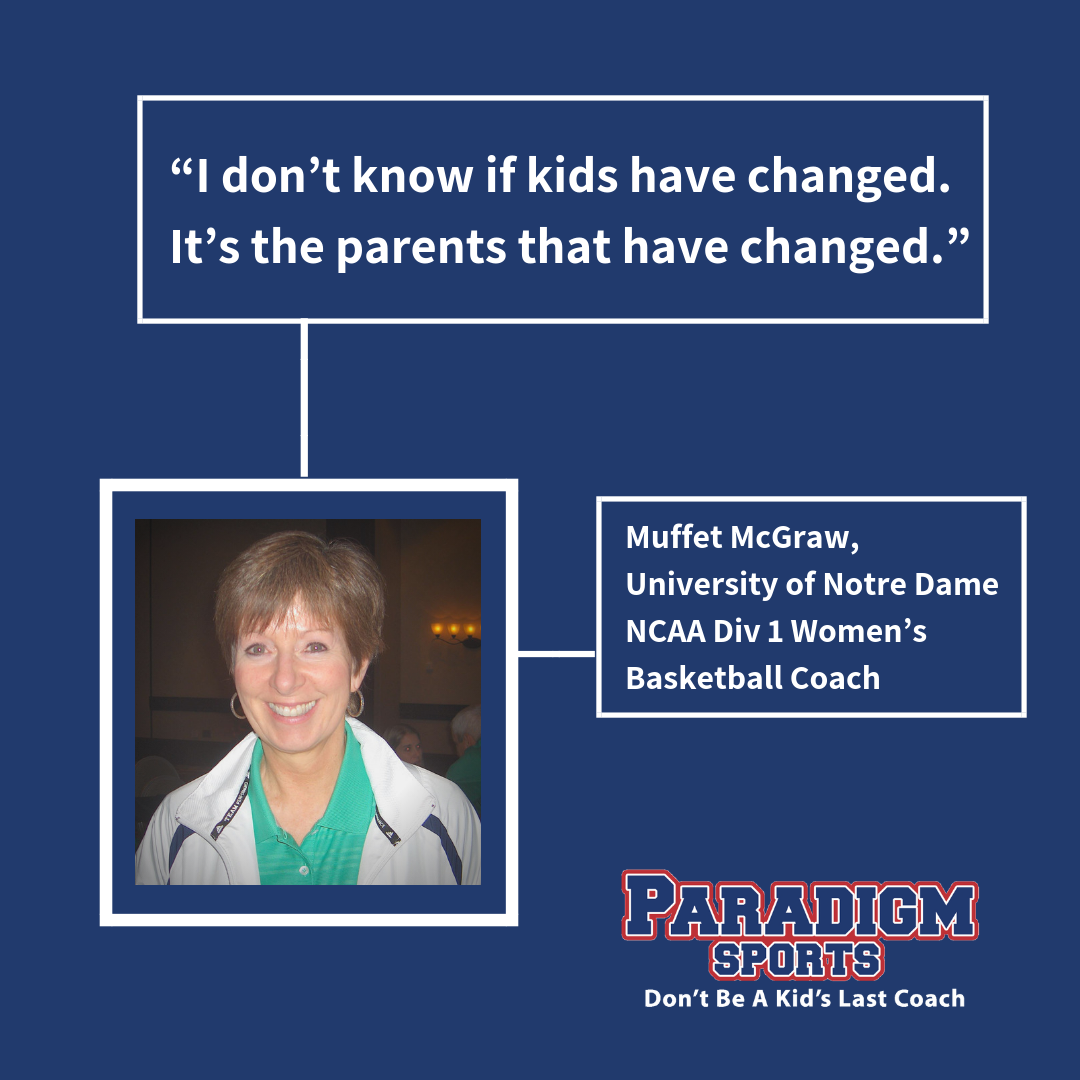
We shared a quote on this weeks newsletter that I came
across last week by Muffet McGraw, Head coach of the Women’s Basketball Team who
has over 800 wins at the University of Notre Dame whose 2018 team is ranked
Number 1 in the NCAA and reigning NCAA champions last year.
She and other high level coaches were interviewed in yet
another article talking about the perils of early sport specialization where
she also shared;
“Do I think we’re specializing at too young an age?
Absolutely. I hate it. You don’t have to pick one sport when you are 10 or 12
years of age”
Sadly as I have shared in numerous articles, many parents
are feeling the pressure to sign their kids up in one sport year round as early
as 6-7-8 years of age which is due largely to the fact they are not aware of
the benefits of multi-sport participation and the initiatives from all the NSO’s
(National Sporting Organizations) in Canada, USA and many other countries
worldwide for long term development to become the best athlete, not hockey
player you can be (or any other sport)
Hockey Canada is one of the NSO’s that have rolled out their
version of LTAD developed many years back by Sport for Life, theirs as well as
some other NSO’s like Soccer Canada, Softball Canada have called it LTPD.
LTPD = Long Term Player Development.
This past weekend, just as I have in any presentation or
clinic I have ran going back many years, when I asked the question “What is
LTPD?”, only a few hands go up.
The ones whose hands go up have been coaching other sports but none of the first time coaches (many of which are parents) who are just starting out are aware of LTPD or the various versions.
I then ask what about Physical Literacy or Fundamental
Movement Skills?
Same thing, only a few hands go up, in this instance
however, many hands when up in the Coach 1 age groups (5-6) because Whitehorse
has a Sport for Life Physical Literacy Centre and education thru their
elementary school.
Houston we have a problem.
One of the issues that has been identified by every NSO that
I have spoken for is that our best coaches are coaching at the highest levels
in their respective sports, Provincial, National Teams but for our youth to
develop the core skills needed to reach that level we should have our best
coaches working with the kids in the earlier age groups to develop those core
motor skills.
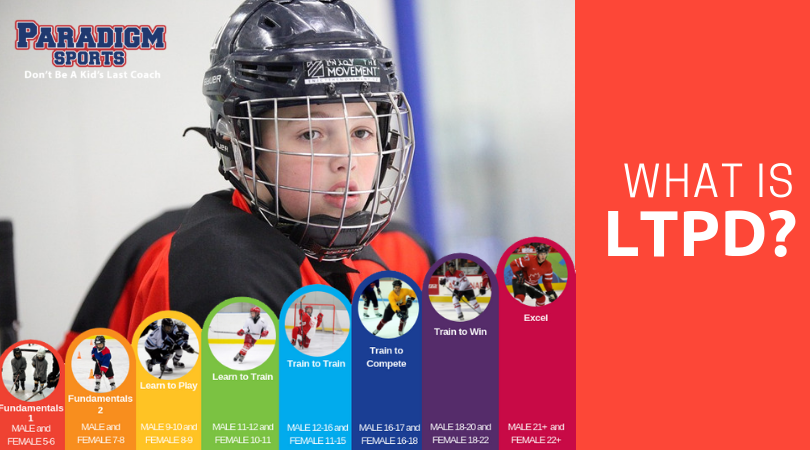
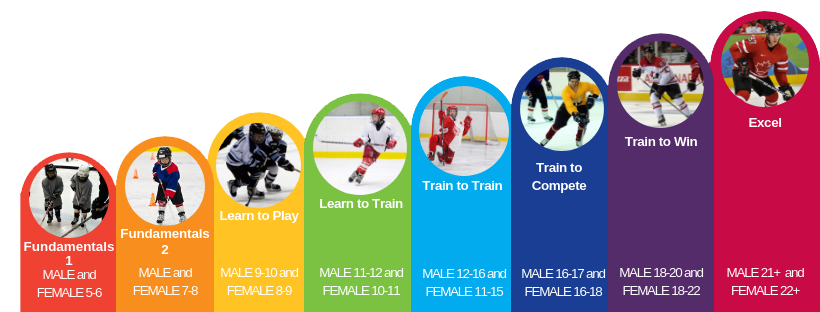
For purposes of this post, for those unfamiliar with what is
LTPD, I asked of my co-op students to tweak the Hockey Canada LTPD image that
outlines all the stages and applicable age groups so it was easier to read in
presentations.
The Sport for Life LTAD model starts with Active Start, 0-6 years of age, where kids should develop physical literacy and learn various fundamental movement skills like falling, getting up, jumping, skipping, balance, agility, throwing, catching, one and two-handed strikes, biking, swimming and on and on.
Sadly, thanks to early sport specialization many kids cannot
do these core motor skills.
Fundamentals 1
Initiation Boys and Girls – 5-6 Yrs Old
Hockey Canada’s first stage for the initiation age group, boys and girls 5-6 years of age.
In this weekend’s clinic, we asked for kids to come out from
7-9 for the coaches to run thru drills and one of the younger brothers who was
just starting came out and was priceless.
He could stand and skate forwards largely with help of his stick as a
crutch, and went thru the various stations with all his older counterparts with
a HUGE smile on his face.
This age group should be all about core skills, mainly
balance and agility, falling, getting up, learning basic V-Stop, holding stick,
hockey stance (for balance). Ideally,
they should do all drills starting with no stick so they learn to skate without
the crutch many rely on
NOT playing full ice games as I have learned is happening in
BC, Ontario with leagues that have 6-year-old kids playing as many as 70 full
ice games a year.
This is totally contrary to the Cross-Ice model that Hockey
Canada rolled out with resistance from these very same leagues last year for
the Initiation Age group.
Fundamentals 2
Novice: Boys and Girls – 7-8 Yrs. Old
The second stage for the Novice age group (boys and girls 7-8 years of age), that is going to be cross Ice Nationally next season as Hockey Canada opted to roll out in stages vs. some provinces like BC who opted to roll out for Initiation and Novice.
The focus in this age group should continue to be core
skills of hockey, balance, agility, skating, passing, shooting.
NOT playing full ice games where the score board shows a
score of 6-0 but the actual score as reported by various news outlets across
Canada in a Novice age group was 41-0
Learn to Play
Atom – Boys 9-10, Girls 8-9 Yrs. Old
This is the first stage that girls age groups differ from
boys because they mature sooner than boys in terms of their physical and mental
growth
For me, this is the age group I enjoyed the most as they
truly learn to play, they make the transition to full ice hockey now (vs. at 7
years old when I coached and was a beehive of the weaker kids chasing the early
bloomers and never touching the puck)
It is also the first year that Rep Hockey is introduced, but
still emphasis on development, no power play, penalty kill units or any other
systems. Merely core skills and
individual tactics.
Unfortunately, as I have seen all too often, once the word
rep or in other areas of BC “development” gets association with a team vs.
recreation, many coaches jump the gun and start introducing systems, strategies
when should continue working on core skills
Learn to Train – Peewee
Boys 11-12, Girls 10-11
This is the stage that coaches are required to take their
Development 1 coaching certification as the rep stream is now deemed “competitive”
and is a 2-day clinic, followed by a post task, MED online, practice evaluation
and same CATT, RIS that all coaches have to take regardless of the age group or
stage in LTPD.
Only a small % of time should be on group tactics, systems
and strategies still focusing on core skills (80%) but like I see in Atom, once
the word competitive gets added, “some” coaches take it to the extreme.
This is also the age group where spring programs really ramp
up competition by going to travel tournaments all over North America, even some
going to Europe that takes the current 1:1 practice to game ratio to even
lower.
Kids develop in practices, not games.
In BC, the current rep model is 2 games, 2 practices and a
dryland a week.
I always tell coaches to get their dryland to run pre-post
one of their practices to limit the time commitment to allow kids to do other
sports and activities.
Easy fix to increase our practice to game ratio to 3:1
(Europe is 5:1) to focus on development not competition to a practice slot.
VOILA – 3:1 practice to game ratio.
Better Yet – Eliminate the Scoreboard and score sheets so
sports are fun, the #1 reason why kids play per all the research and studies
done, including my informal surveys of all the teams I coached in multiple sports.
Per Amanda Visek great research, the top 3 reasons why
sports are fun are 1 – Trying my best (skills), 2. When a coach treats me with
respect and 3. Playing time.
Way too many Peewee coaches, regardless if it is rep or rec
(AKA house) run short benches, have power play and penalty kill units that
deprive all the kids the opportunity play and contribute to the outcome of
games.
Why? Because the parents want to see more games so their kids can be scouted to be drafted and make the NHL or get a NCAA scholarship.
REALITY CHECK – 0.03% of kids that play hockey “may” it to the NHL and less than 1% of kids will play in the NCAA with only partial scholarships (approx. $8K is the average vs. $30-40K for tuition, room and board, insurance etc still leaving parents on the hook for $80K or more)
It is no wonder why 70% of kids quit hockey by the age of 13
as a result.
Train to Train
Bantam Boys – 13-14, Girls 12-13 yrs. old
Coaches should continue to focus on skills, individual
tactics and this is the age group that I believe we turn the scoreboard on,
keep track of the results, not before.
Yes – No scoreboards or scoresheets until Bantam.
Norway, Sweden who have both implemented LTAD for many years
do the same, kids do not compete until they are 13, until then, they play for
the LOVE OF THE GAME, developing friendships, developing various skills across
a myriad of sports.
Some pretty good hockey players have come from Sweden no? One being the current Calder Trophy Candidate for the Vancouver Canucks, Elias Petterson.
Norway knows a little about reaching the podium also, 39 medals in this year’s Winter Olympic Games.
Train to Compete
Midget – Boys 16-17, Girls 16-18
This is where group tactics, positions, tactics in competitive situations but also focus on conditioning, strength and power. Coaches should still continue to work on skill development (60-70%)
Train to Win
Male – 18-20, Female – 18-22 INTERNATIONAL
Notice how LTPD does not reference the word winning until kids are this age? These are the players have bee identified by Hockey Canada to represent their provinces or the country but even when I have talked to these coaches they still continue to work on skill development.
Brent Sutter, after they World Junior team he coached in 2014 that did not win a medal, shared that the reason we did not do so was we lacked skill, creativity that other nations had due to our system being too structured. This is a result of our focus on competition too early and not emphasizing the importance of free play, small area games and skill development.
As we shared in a prior newsletter from one of the top 10 winningest coaches in NCAA Div 1 Men’s Hockey History;
We have our work to do to ensure that the coaches who are starting out working with the 5-year-olds understand the principals of all the stages of LTPD, Physical Literacy and Fundamental Skills.
We also have our work to do to ensure that parents understand
the stages, the benefits and not pressuring coaches to focus on competition vs.
practices where kids truly develop.
Remember, Hockey, like many other sports except gymnastics,
are long term development sports and it takes YEARS for kids to develop.
Think Tortoise and the Hare.
Not Mario Andretti racing to the finish line.
The kids that rush via early specialization and competing
too much, too early will suffer overuse injuries, burnout and not develop core
motor skills as athletes.
Even if they are early bloomers, more often than not they either quit before high school due to much focus on competition or get caught by their late bloomer counterparts.
Also, per Wayne Goldsmith who we talked to in our summer summit, there is no such thing as a elite 8 year old … it is not part of my vocabulary, please get it out of yours.
https://www.youtube.com/watch?v=N6m81hkbb5M&list=PL96mRbwr3oRrFFjol99WtPNmntaeaWcYE
Let’s all work together to bring the game back to the kids …
where it belongs.
This past weekend was another marathon of back to back
hockey clinics where I had the opportunity to share nuggets and learn from over
70 coaches Saturday and Sunday. Thanks to our new landlord offering up their
season tickets to the BC Lions, after the Saturday clinic, I headed downtown to
see the last home game that Wally Buono would coach as has opted to retired at
67 years of age and 40 years as player, coach and executive member in the CFL.
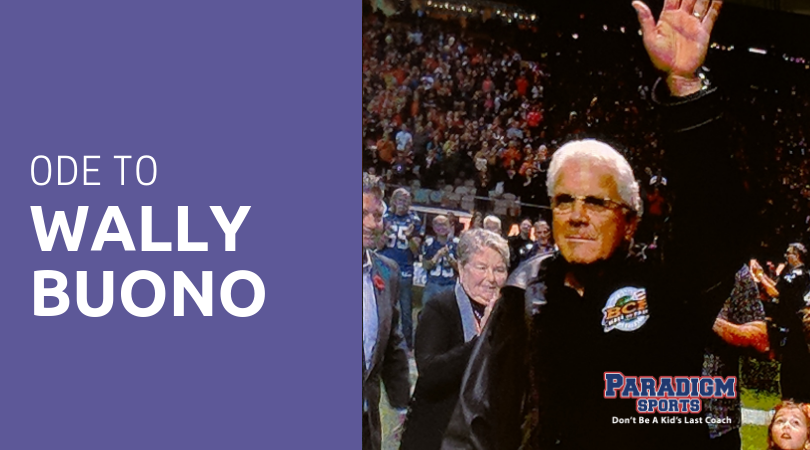
For me, it was a return back to the Dome for only a handful of times since the $400 Million rennovation to host the 2010 Olympics opening and closing ceremonies and past life working in security for BC Place for over 15 years. During that tenure, I had the opportunity to see and interact with many of the coaches, players, executive and owners and none were the epitome of class like Wally Buono. It also was a reminder for me how things have changed in sports, when I worked at the stadium back in the “glory days” of the CFL many of the games had over 55,000 fans come out, for Wally’s last game just over 24,000 came out much like many other CFL teams like the Montreal Alouettes who play out of McGill vs. the albatross Big O.
Wally set the bar high, after 22 years is retiring as the coach with the most wins as a Head Coach in CFL history as of today, has won 263 games as CFL coach (still has playoffs remaining to finish his last season), surpassing the legendary Don Matthews. While at the helm of the Calgary Stampeders, he guided the team to 6 Grey Cup Championship games, winning in 1992, 1998 and 2001 before he accepted the invitation from Bob Ackles to become the head coach of the BC Lions in 2003.
As head coach of the Lions, he guided the team to two more Grey
Cup titles in 2006 and 2011, after the second he opted to step down from of
head coach to become president and GM until he returned to coach the team for one
more and will be his last season in 2018.
Having played football as one of my many sports, I was looking forward to see how the Lions paid tribute to all that he accomplished.
Thanks to numerous events happening in the city and
challenges finding a parking spot, we were late arriving and missed the ring of
honour pre-game where many of the former lions from the last 5 decades
including slotback Jason Clermont who only in his second year when Wally became
coach in ’03.
In today’s Vancouver Sun he shared about Wally;
“It was more as a man..he’s honest, he’s forthright and he’s caring. Sometimes he’s going to say things you don’t want to hear, but after they’re said, and after you give it some time, you understand he’s right and it came from a place of love.”
The #1 characteristic of great coaches is that they care,
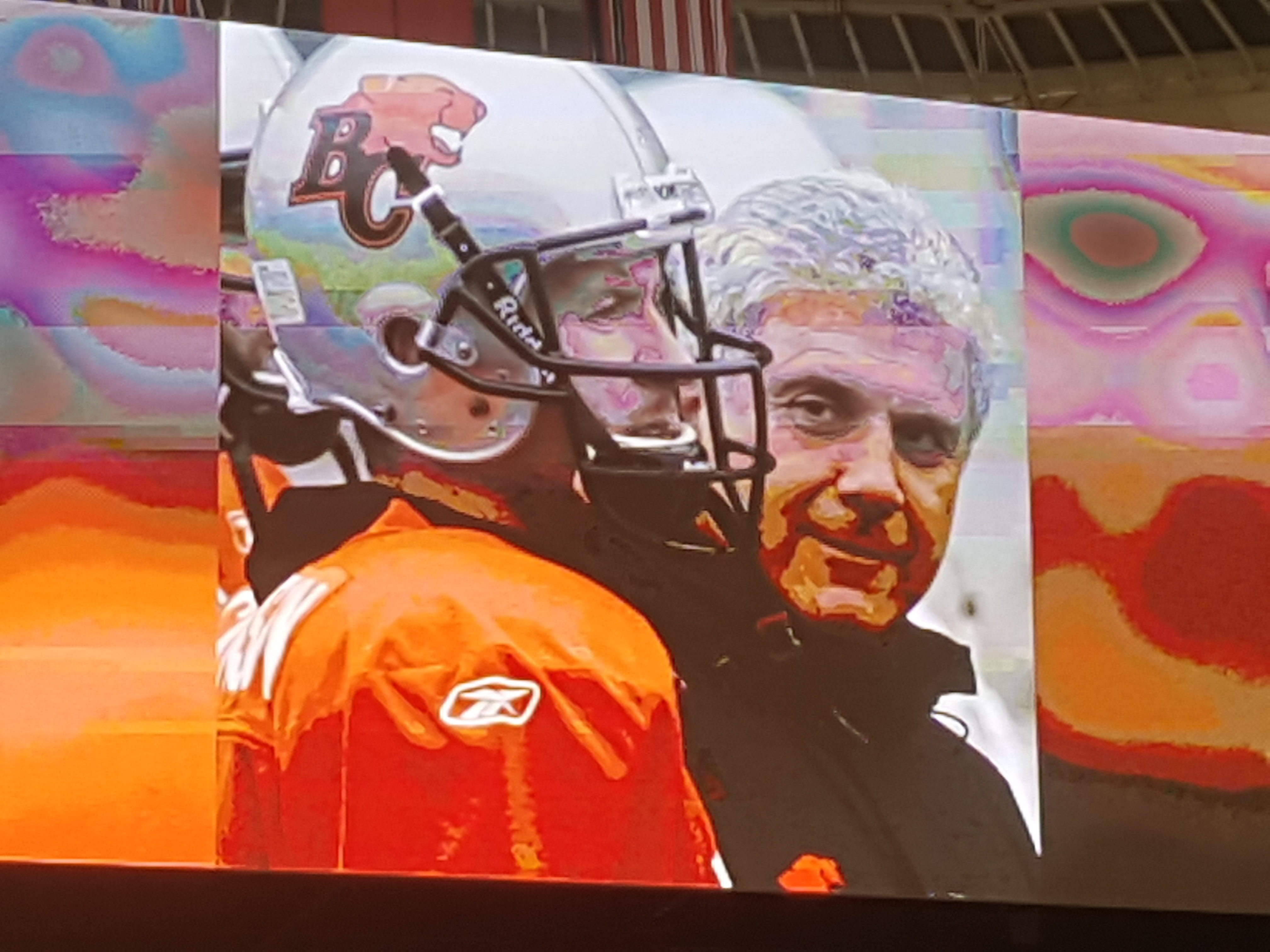
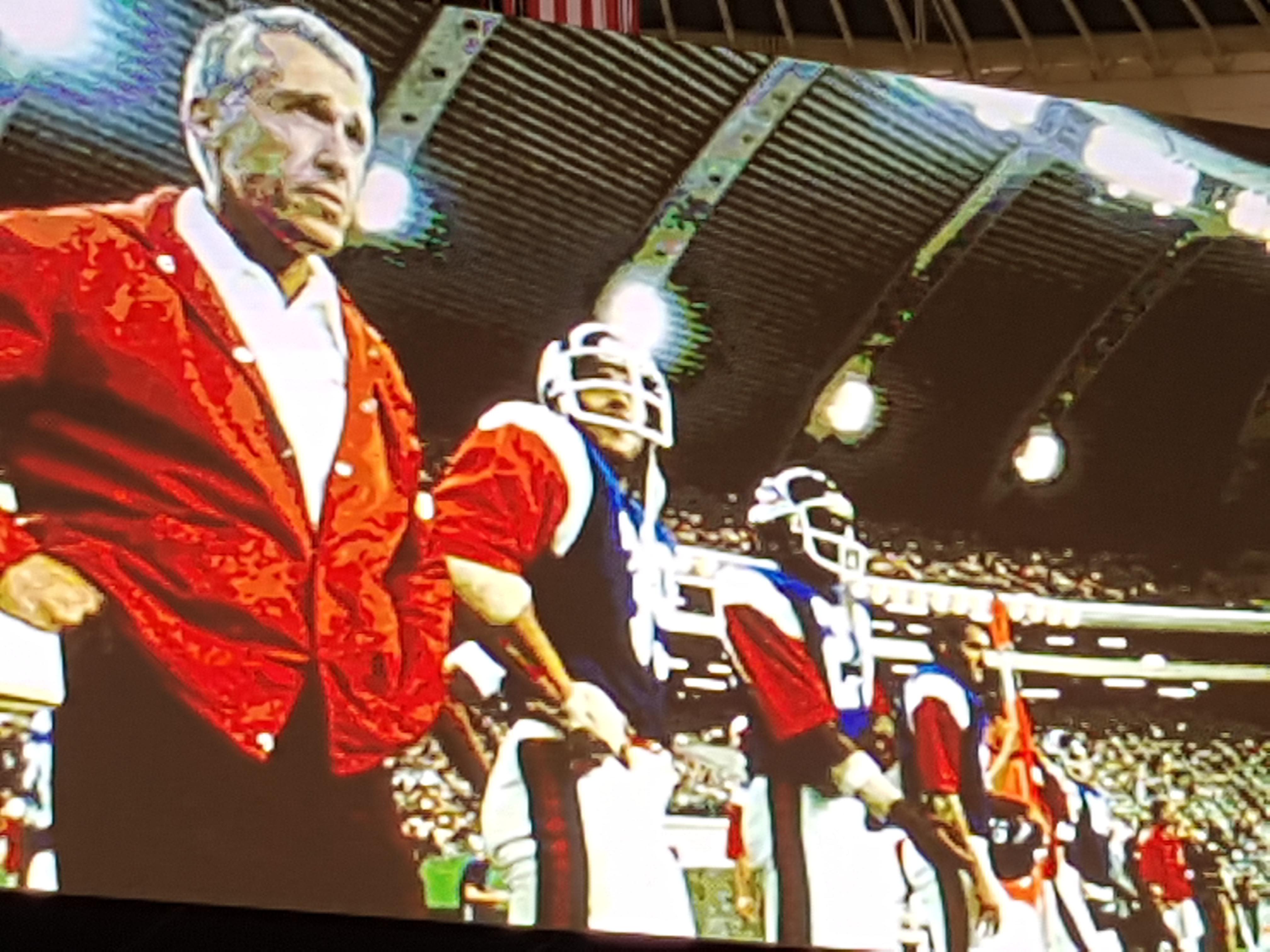
and as the testimonials were shared on the big screen from former players,
coaches and executives, even those that were not familiar with the impact that
Wally had on the game soon became to realize why he is one of the greatest
coaches and people that ever in the CFL, not because of the wins, but because
he truly cared about his players and growing the game.
Scott Ackles, son of late great Bob Ackles, who recruited
Wally away from the Calgary Stampeders, shared in the video testimonial that
his father felt that Wally was the best person that he had ever known in the
game of football. That’s saying
something, as Bob worked as an executive in the CFL, NFL (6 years with the
Dallas Cowboys) and was instrumental in the development of the now defunct XFL
and member of the Canadian Football Hall of Fame.
Cameron Wake, who started his professional playing career
with the Lions and coached by Wally for 2 seasons before he is now one the top
pass rushers in the NFL shared that the mentorship he received from Wally was
instrumental in helping him reach his goals.
Dave Dickenson, now head coach of the Calgary Stampeders,
shared the same as he was mentored into one of the top quarterbacks in the CFL
by Wally, as was Doug Flutie, Heisman
Trophy winner and one infamous for the “Hail Mary” when was the quarterback of
Boston College played for Wally in Calgary and BC until he returned to the NFL.
Marv Levy, now 93 years old, who coached Wally during his days as a player for the Montreal Allouettes where he won 2 other Grey Cups , linebacker and punter, who then went on to coach the Buffalo Bills to 3 Superbowl Championship games, shared when interviewed by Ed Willes (Vancouver Sun) their recruiting practices both in Montreal and Buffalo “is we’d only bring players with high character. Wally Buono and his teammates exemplified that. Would have I dreamed he’d have the career he had. No. But I saw the qualities would make him a great head coach.”
Although the players all shared in pre-game interviews they
aspired to go get the W for Wally, in his last home game as a coach, the team
struggled against Wally’s first team as head coach, the Calgary Stampeders and
lost 25-9. It was not until late in the
first half when the Lions got a Safety (2 points) and Wally had to make the
call to change quarterbacks in the second half where Jennings lead the Lions to
a touchdown but was too much too late, Calgary had the Lion’s and many other
western teams numbers to finish 1st place in the west.
John Hufnagel, now General Manager with Calgary, who has
worked in executive and coaching roles in the CFL after he finished his great playing
career also shared on the big screen how much Wally meant to him helping him
become not just a great player, but great person.
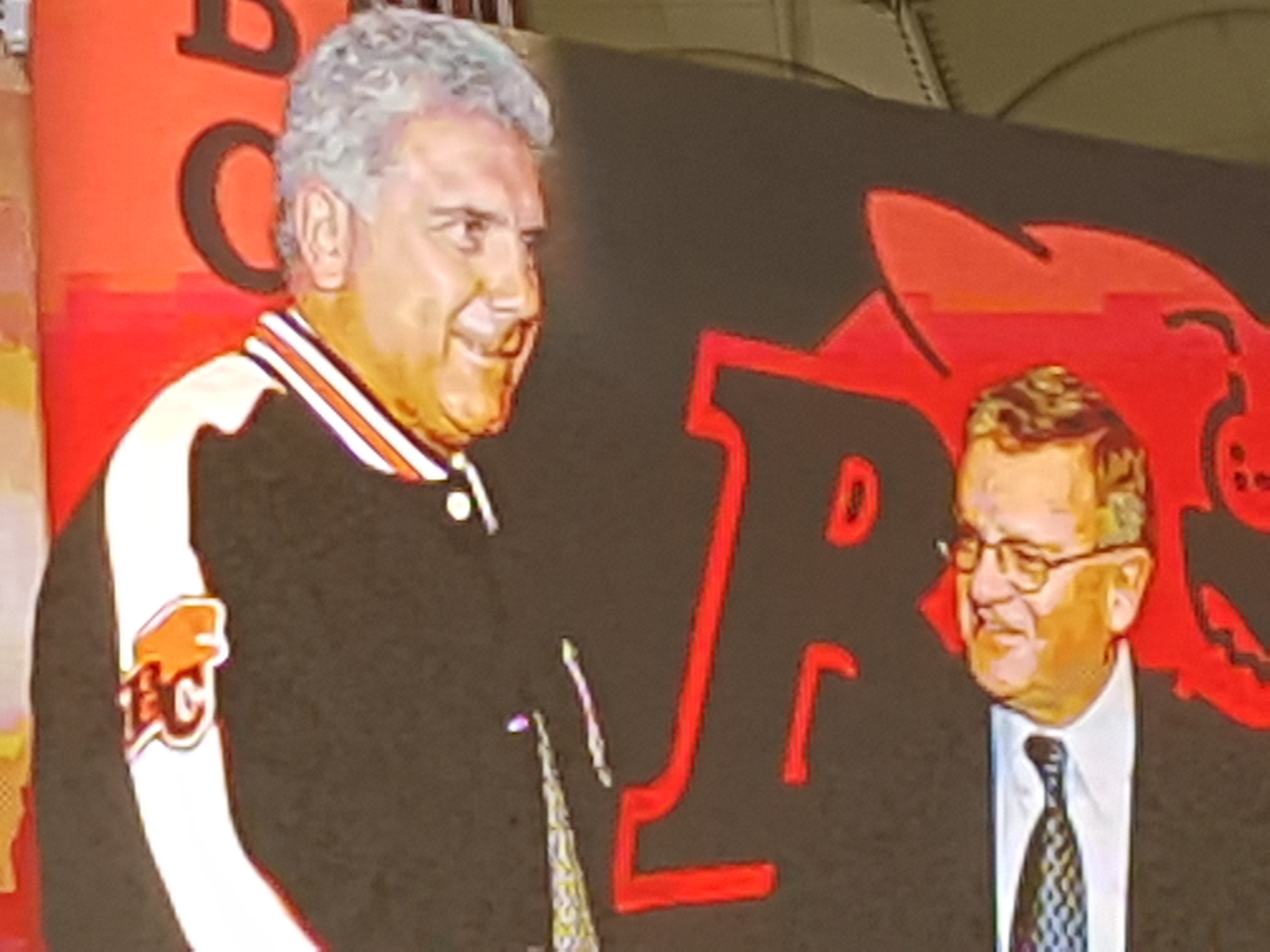
When the half time ceremony was held, Wally ran onto the
field to receive the Bob Ackles award and jacket for being the winningest coach
in CFL history and the first to greet him while he ran on the field was his
grandchildren.
Then there was the testimonial from his family, his wife Cindy, Daughter, and all the grandkids how proud they were of Wally and having been a coach myself and the unselfish hours required to do so away from your family can relate all too well as one of the driving reasons for him to retire is so he can spend time with family and all of his grandkids.
Although I have never coached professionally like Wally, nor
do most of the grass roots coaches that permit kids to play the respective
games they love across Canada and the world, one of the last takeaways I share
with those coaches is to say Thank you at the end of every clinic or talk I do.
Thank you for taking time away from your immediate families
to be there for your extended families (fellow coaches, players and executive
members). I know it is a big commitment and at times may seem to be a thankless
job with the exception of the starbucks or Tim Hortons gift card you may
receive at the end of the season.
Thank you for putting your hand up to be a kids coach and if
have not figured out already you have adopted many others in addition to your
own as a parent coach.
Thank you for your unselfish time you commit to the game, to
keep it in perspective and remember it is just that.
When that player comes to you at the end of a season to
shake your hand or many years down the road to say thank you Coach… invite you
to their high school graduation, wedding or other milestone, that is when you
realize it.
It’s just a Game.
Someone will win, someone will lose.
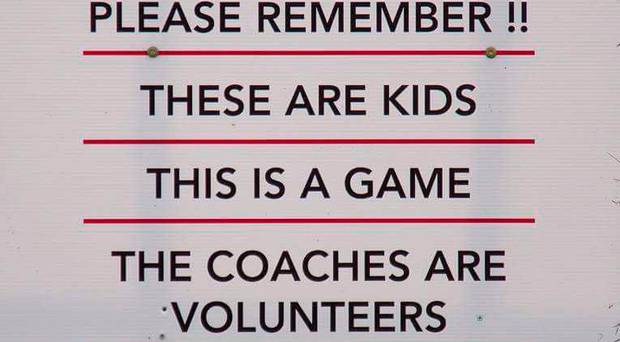
At the end of the day, it is a game but thanks to all the
craziness we see on the sidelines at many youth sports today has forced youth
sports organizers to post signs at the facilities like this one;
Please recognize that the coaches that have put their hand
up as volunteers and for many that share with me was because of their kids, but
soon realize they adopted many others, but because they wanted to give back, develop
skills of the game, skills of life and help them become better people.
If they win a few or over 250 games over the course of their
“career” like Wally did, that is just icing on the cake.
When kids are asked why they play, they say fun. When Amanda Visek asked them what is fun, #1 Is when they get to try their best and #2 is when coaches treated their players with respect. This what Wally did during his tenure as a coach, think of all the players that developed under his watch, what a legacy that is.
Coaches, remember our purpose or calling as coaches is to develop youth into adults.
Don’t be a Kid’s Last Coach.
Please ensure that your legacy is a positive one like
Wally’s, the late great John Wooden, Clare Drake all those other amazing
coaches that truly cared about their players.
Let’s all work together so that we can bring the game back
to the kids (including Wallys’ Grandkids) … where it belongs.
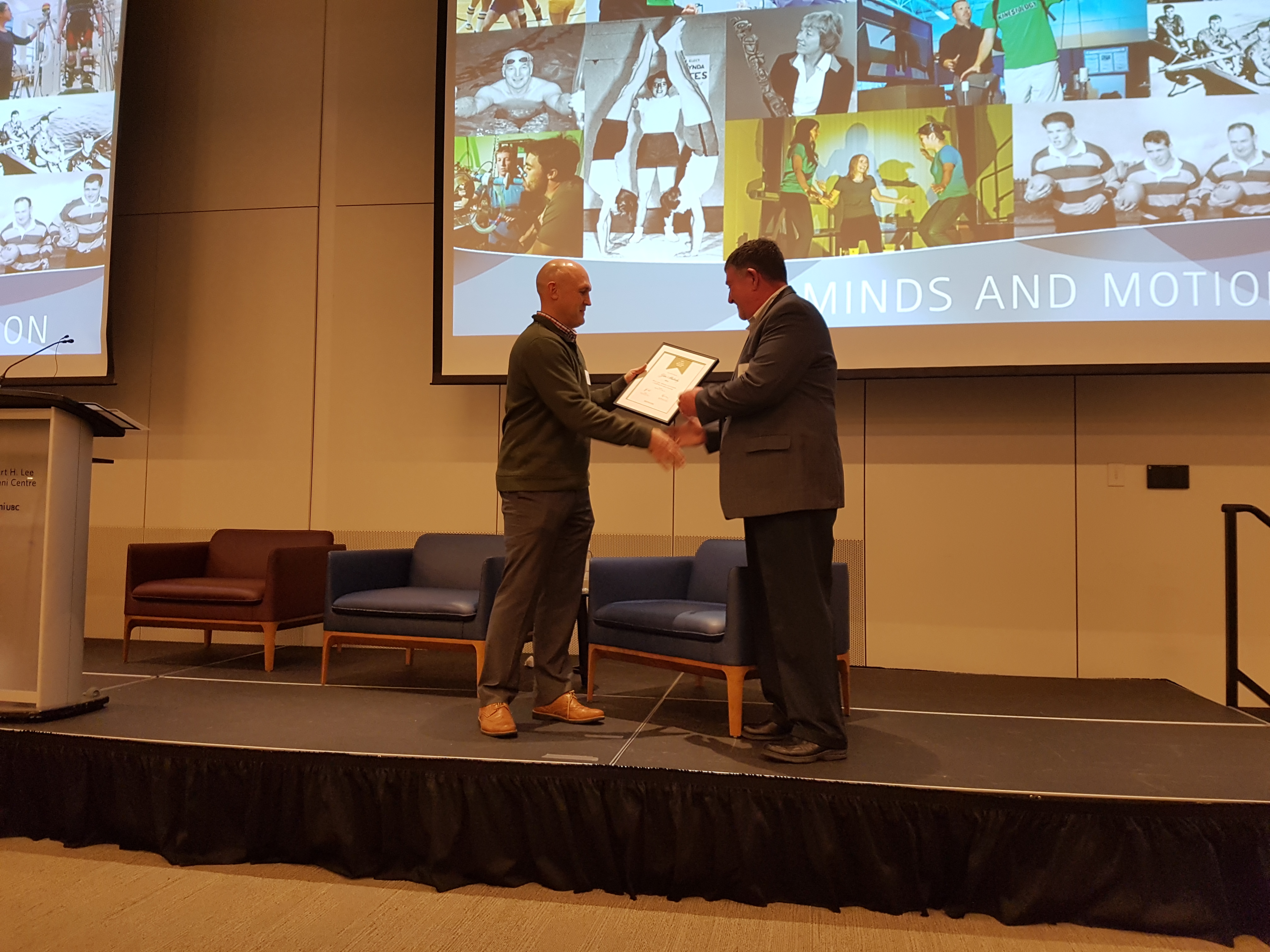
Last night I was recognized with an alumni builder award by the School of Kinesiology, at the University of British Columbia. It truly was a humbling experience to be acknowledged by what is now the top Kinesiology Program in Canada and top 5 Globally.
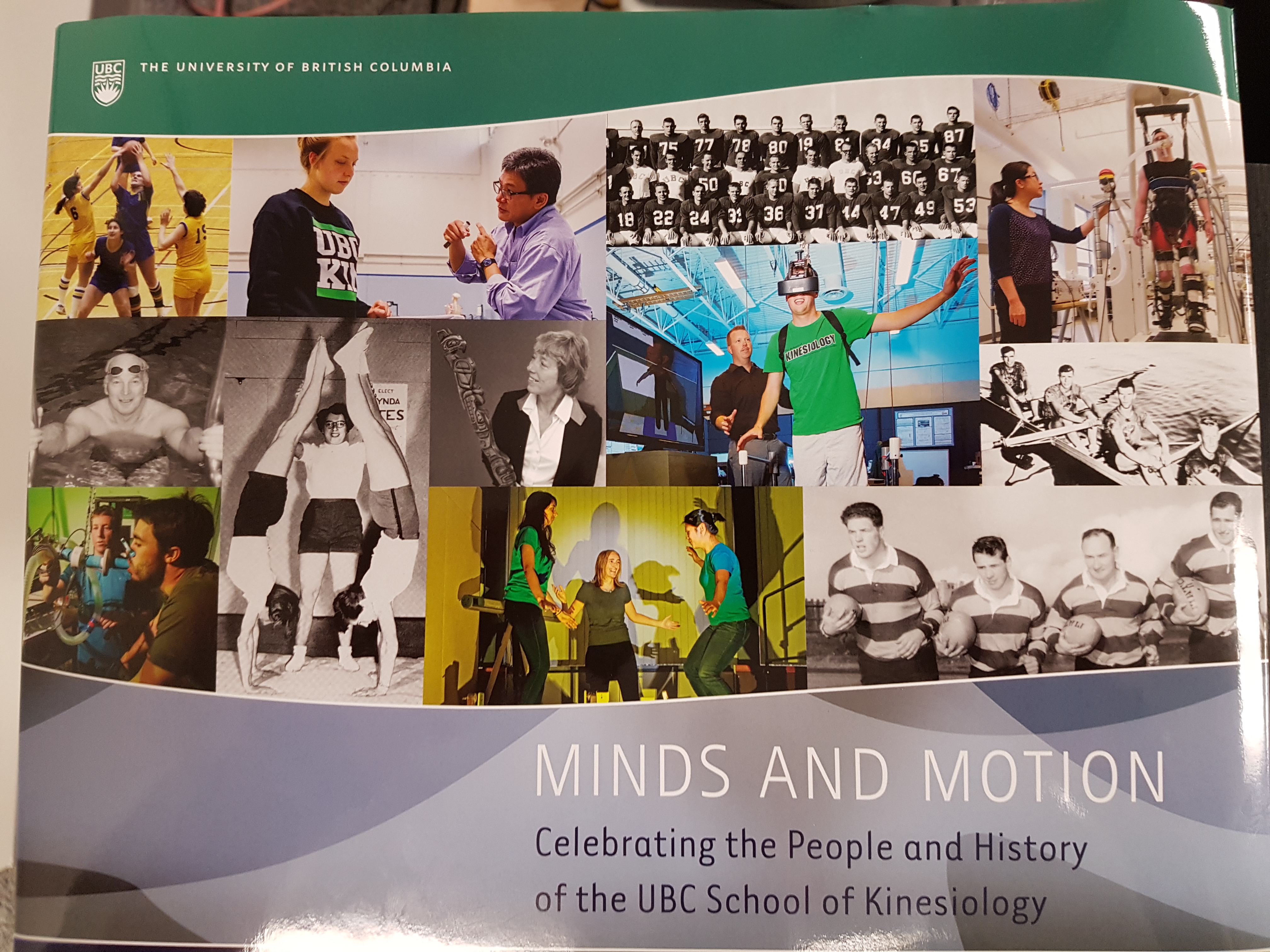
It coincided with the book launch for Minds in Motion,
authored by Don Wells whom stated that the book belonged to all of the former
graduates, alumni, and school, he merely did the research to share the history
of the evolution of the school from the days of Physical Education, to Human
Kinetics to the school of Kinesiology.
This after 7 years of research working on the book but like all other
selfless athletes, gave credit to all the team members that made the book
possible.
He shared the insight of all of the amazing alumni that had graduated from the school, including Rick Hansen, who had been motivated to do his man in motion global tour by retired KIN faculty member, Olympians, Coaches, Sports Leaders, and numerous doctorates and postgraduate alumni for their contributions to sports medicine.
I was asked to sit in a reserved seat at the front so I could quickly go up, say thanks and return to my seat to permit all of the other guests to speak about the rich history of the program that I graduated from many years back so they could stay on track for the full program.
Some interesting statistics were shared by the current director of the school of Kinesiology, Robert Bouschel when he took the stage that I thought would be of interest for all people that are in the youth sports space today;
The demand for entrance to the School of Kinesiology has lead to the GPA required to be 92%, on par with the schools of medicine and engineering. I shared with Robert after all the presentations if that was the case when I was applying I would not have been accepted as I was a jock first, student second. While at UBC I participated in the intramurals program, weight room, completed my bronze medallion and first two levels of the original NCCP program that has now evolved to a multi-sport focus.
I asked him if there had been any changes to the
projections by health authorities in Canada in the USA that today’s generation
of kids may die 5 years sooner than their parents, making it the first time in
history this may occur and he stated was still current even though many
organizations have evolved in recent years to buck those trends
The current health costs per person in Canada is approximately $4000.00 per person or just shy of $15 Billion dollars! The upside is my home province, BC has the lowest cost per person average due to the fact many adults are still active in skiing, golf, biking, hiking, walking and other team sports like slo-pitch, ice hockey, soccer.
As Type II diabetes has trickled down in the teen age group because of inactivity and kids spending 7.5 hours a day in front of screens, that cost per person for those with Type II diabetes increases a further 3800.00/Yr (or 7800.00 total)
The current rate of obesity for today’s Canadian youth is 1/3rd (33%) up over 20% since the 80’s where it was approx. 100%. He confirmed that if the current trends continue by 2040, 70% of Canadian youth will be fat or obese.
This would equate to a twofold or more impact on
health costs, pushing it to over $30 Billion
He also shared that there had been a recent study done shared by CBS news that middle age (50) people that that practiced 5 lifestyle habits could live a decade longer than those that did not, one being exercise 30 minutes a day which could just be a brisk walk.
In the room, there was alumni for various years, including one from the first ever graduating class of UBC’s school of PE in 1949! Another from 1950 and others from 60’s and beyond. I had the opportunity to hear them speak to others (the lineup was long with other alumni wishing to speak to them) and they were still sharp as a tack and enjoying life in their 90’s! (albeit they are not quite as mobile as they were when they attended the school decades back)
I also had the opportunity to talk to various other faculty members and one that was just getting started at the school when I was there, Dr. Ian Franks, was credited by the author of the book and Robert for his contributions to the evolution of the school and numerous studies he and other faculty members had done. His area of specialty, which was my major, is motor control and performance. His is one of the global leaders in the field, as are now many of the other faculty members where the school has qualified for over $5 Million in funding for research.
The very fact that I was in a room with so many PHD’s and
post graduate alumni and was receiving an award when I did not go beyond my
undergraduate degree was overwhelming.
The reason I was acknowledged was not my scientific research and publications many in the room or the school has now received global recognition for, but for my contributions to the mentorship program, career fair and expert panels the last few years to assist the next generation of leaders in the space.
This year I have been paired up with another mentee, who is a
UBC Gymnastics High School Competitive Coach.
We will meet in a couple of weeks to review his goals as he
will be graduating from his undergrad degree in May and is trying to figure out
his path to either pursue post graduate studies or work in coaching.
In his original reach out to me to setup our first meeting
he shared how excited he is to have me as a mentor and get to know my coaching
philosophy as well as the key things for a coach to keep their athletes
motivated to overcome challenges.
I will expand further when we meet in a couple of weeks, but
as I have learned asking thousands of coaches over the years what the top
characteristics are of great coaches, it is all about the connection, caring
and building relationships.
I recently shared this short video out on facebook why we
coach
https://www.youtube.com/watch?v=cgnAm6_DYmU
I thought Matt Deggs, Sam Houston State NCAA Div I baseball
coach nailed it when talking about his shift from transactional to a
transformational coach.
That’s why I coach.
That’s why I mentor.
That’s why we sponsor co-op students to get valuable work
experience as we continue to grow as an organization.
To build those relationships and develop youth into adults.
The sooner that youth sports coaches shift their current
mindset from focusing on winning at all costs to recognizing our calling is to
develop the person, the sooner we will reverse the negative attrition rates we
are experiencing where kids are quitting sports or not get involved at all
which is leading to their projected 5 year shorter life expectancy.
Our goal is to do what we can to give kids their 5 years back (and then some).
Let’s all work together to bring the game back to the kids …. where it belongs.
It has been a hectic couple of weeks for me as the fall
season ramps up for clinics and conferences wearing my various hats in the youth
sports space.
It started with two presentations I did for Nanaimo Minor Hockey on behalf of Changing the Game Project where they invited several other sports groups in their community to attend including Lacrosse, Baseball, Senior High School and faculty members and students in the Kinesiology program at Vancouver Island University. I received word while I was en route for talks in Kamloops that they wish to have me back to work further with their kids, parents, coaches and exec members early in 2019 to build on the momentum to bring the game back to the kids.
The second event I was presenting on behalf of PARADIGM
Sports for Softball’s BC Development conference where I delivered the opening
keynote, follow-up presentation and participated on their panel to end the
first day along with two other amazing speakers who were at the
conference. The focus of the panel was
recruitment and retention so they could continue to reverse the negative trends
of attrition they saw happening a few years back which included sharing insight
on LTAD/Multi-Sport Participation.
The weekend ended with my other hat as Hockey Canada NCCP facilitator for BC Hockey where I ran a Coach 2 Clinic for Abbotsford Minor Hockey Association for 18 coaches starting what I always aspire will be long coaching journies.
One of the exercises that I do in clinics is asking the coaches to share why they coach and what they would like to get out of the clinic and one of the coaches shared that he got into coaching as he had retired from professional hockey that included playing for a few teams in the NHL and then playing pro in Germany until his hometown had a spot open up for their fire department that he had applied for so could move on to the next chapter of his life raising a young family.
He stated that he was still able to compete at the highest level but he had “lost the love for the game” and when his hometown fire department came calling he felt it was time for him to hang up his skates.
After a couple of years got the itch to still be involved in the game so put his name forward to help coach an atom team (9-10 years old) and as he was leaving when the clinic wrapped up I said it won’t be long before that love and passion he once had comes back working with kids.
He responded by saying, he was having a blast and it was
coming back slowly but surely.
In all three events I asked the coaches, executive members
how many were familiar with LTAD (or variations thereof I will explain below)
and although almost every NSO (National Sport Organization) in Canada has
adapted their versions and some have revamped in recent years only a few hands
went up.
I then asked if they were familiar with Physical literacy or
Fundamental Movement Skills (FMS) and even less hands went up.
Houston … we have a problem.
Although LTAD (or variations) have been around for decades,
and developed by our very own Sport for Life in Canada, we still face our
challenges for our grassroots coaches to have heard of LTAD, let alone
implement it in their coaching and development programs.
Why?
Because in Canada we have so many sports groups, NSO’s
(National Sports Organizations), Provincial Governing Bodies (i.e. Via Sport,
Alberta Sport Connection), PSO’s (Provincial Sports Organizations), RSO’s (Regional
Sports Organizations) and lastly LSO’s (local sports organizations)
Compound that with the explosion of private programs thanks
to the early sport specializations including academies, travel teams, or “elite”
leagues for 8 year olds, many of which are unsanctioned where the coaches do
not require to become certified under the NCCP program.
The end result, each one of these groups have their own
executive members, board members, policies, procedures, bylaws and initiatives
each year that is leading to it taking years for it to disseminate to the very
people that need it the most … the grassroots coaches. Many of which are parents that have been
recruited to step up to help and before they know are told they have become the
head coach of a team even though they merely raised their hand to help on ice
or in practices.
This puts these parent volunteers in situations where they
may or may not be comfortable with.
A similar analogy would be if you were a high school student
and applied to work as a cook at a fast food restaurant and the following day
you were told that you were going to be the manager.
Just like the players need time to develop all their core skills,
so do coaches, and we truly need to look at our current system to ensure that
these new coaches have ALL the tools they need before they are thrown to the
wolves so to speak as head coaches.
One being to ensure they know what LTAD is and why we should
be adhering to so kids develop over time, participate in as many physical activities
or sports as possible to avoid burnout, overuse injuries and love the game more
at the end of a season than the beginning.
It’s one thing for a former professional hockey player to
lose the love of the game in his 30’s after playing for decades, it’s another
thing altogether when kids start hanging up their skates at 10-11-12 years old
because their coaches did not follow LTAD and started introducing systems,
tactics, way before they should.
In sum, LTAD outlines the various stages that coaches should
be focusing on that is age appropriate.
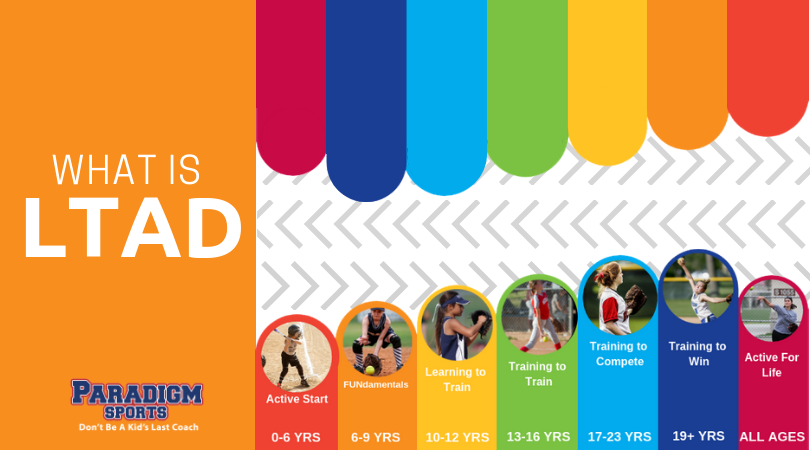
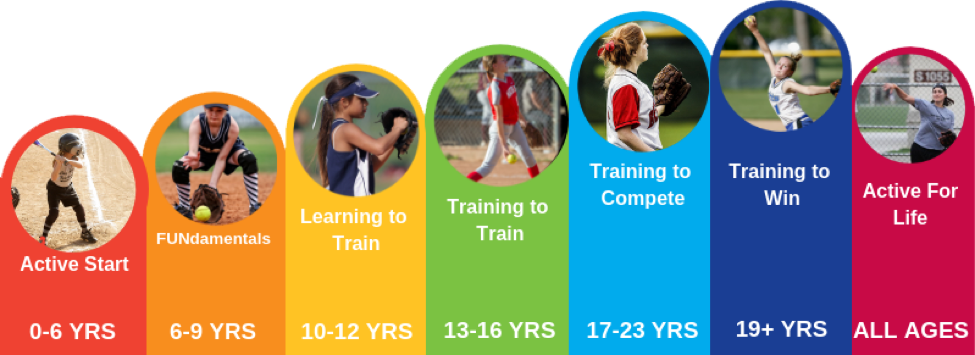
Below is a modified image for the Softball BC presentation that outlines the stages of LTAD, but like Hockey Canada, Softball Canada has opted to call theirs LTPD = Long Term Player Development (same guts but tweaks relative to their sport)
Stage 1 – Active Start – 0-6 Years Old
This is when kids should be exposed to as many activities as possible that involves running, falling, getting up, throwing, catching, swimming, biking, skiing, snowboarding, one handed strike (i.e. tennis), two handed strike (softball) and list goes on. That way kids develop Physical Literacy, they develop the confidence and initial competence in a number of core motor skills so they are ultimately active for life
Stage 2 – FUNdamentals – 6 – 9 Years old
This is when kids should sample as many sports as possible
to build on those core motor skills, softball in spring, soccer in fall,
skiing/snowboarding in the winter, playing in the playgrounds year round etc
etc. This not only includes organized sports, but free play, unstructured with
adult supervision (yes you heard me right, let kids play with a coach, parent,
ref present so they make their own teams, form their own rules and more often
than not will play for HOURS)
Nothing frustrates me more when I see kids at this age group
already starting to specialize in ONE sport, they should play EVERYTHING until
they find ones they enjoy most
Learning to Train 10-12
Kids should continue to play 2-3 organized sports (ultimately
not concurrently unless sports orgs provide schedules to permit). Also encourage them to participate in free, unstructured
play like pickup basketball, soccer, street hockey, playing catch, Frisbee etc.
to become the best athletes, not sport specific players.
I know that many parents that have their kids playing “elite”
level at 6-7 years old are going to counter me on this, but I don’t believe
that kids should even play competitively until they finish this level of LTAD,
I believe every NSO should be looking at not tracking outcomes of games
(scores, goals, assists) until kids enter high school.
This is also the critical years for motor skill development, so coaches should be focusing on skills stations, free play, creativity that relates to individual tactics NOT jumping to team tactics and strategies as kids can execute until they have the technical skills to do so.
WHY?
If it worked for Norway, who won 39 medals this past winter
Olympic Games and are the all record hold for most medals since the inception
of the winter games, who does not permit their kids to compete until 13 and are
one of the only nations that are not experiencing the attrition rates many
other countries are where kids quit by that age.
Train to Train – 13-16 Years
This is when coaches should introduce team tactics and
systems but continue to focus on core skill development. Too often I see coaches implementing
specialty units like power play, penalty kill and depriving 2/3 of the kids on
teams from the opportunity to do in games and it can start as early as Stage 2 –
Fundamentals.
What happens?
Parents complain about playing time, kids are deprived their
opportunity to contribute and it leads them to quitting.
Training to Compete – 17-23 Years Old
IF kids followed the right pathway and did not specialize
prior, this is when they should consider focusing on the sport they love the
most BUT I still encourage kids to continue playing complementary sports so 2
per year
Training to Win – 19+ Years Old
Then once they graduate from high school … pick the one they
love most and focus on competing at the highest the level they aspire for.
Active for Life
The GOAL – that all kids are active for life, less than 1%
will go on to play professionally or collegiately, if they love being active
will ski/snowboard, play adult rec hockey, slo-pitch (or fastball), golf,
tennis, biking, running and so on.
The other reason why our youth sports coaches are not
adhering to LTAD is the pressure they face to win so start implementing
tactics, strategies in the earlier stages that should be focused primarily on
core motor skill development.
Everyone then get frustrated watching kids play in games
that they can’t execute systems that they don’t have the skills for, coaches
are still learning also as our parents, exec members.
We could all learn from the likes of Norway, just let the
kids be kids, Play, Have Fun and not worry about outcomes until they reach
their latter teens.
We have our work to do to ensure that our youth sports
coaches are armed with all the tools they need to follow LTAD, and it all
starts with the grassroots coaches and parents.
Just let kids be kids, encourage them to sample as many sports as possible, and then encourage them to pursue the one they LOVE the most in their late teens.
Let’s all work together to bring the game back to the kids …
where it belongs.