This is an update to last years post that I posted in December 2017 as I have continued to interact with coaches at conferences and clinics and ask them;
What are the top 3 qualities of the greatest coach (or teacher, manager) you
ever had?
Last fall our co-op student created a tracking sheet to summarize all the characteristics that I had recorded by various means and now our “informal” database is just shy of 1000 coaches, board members and even parents.
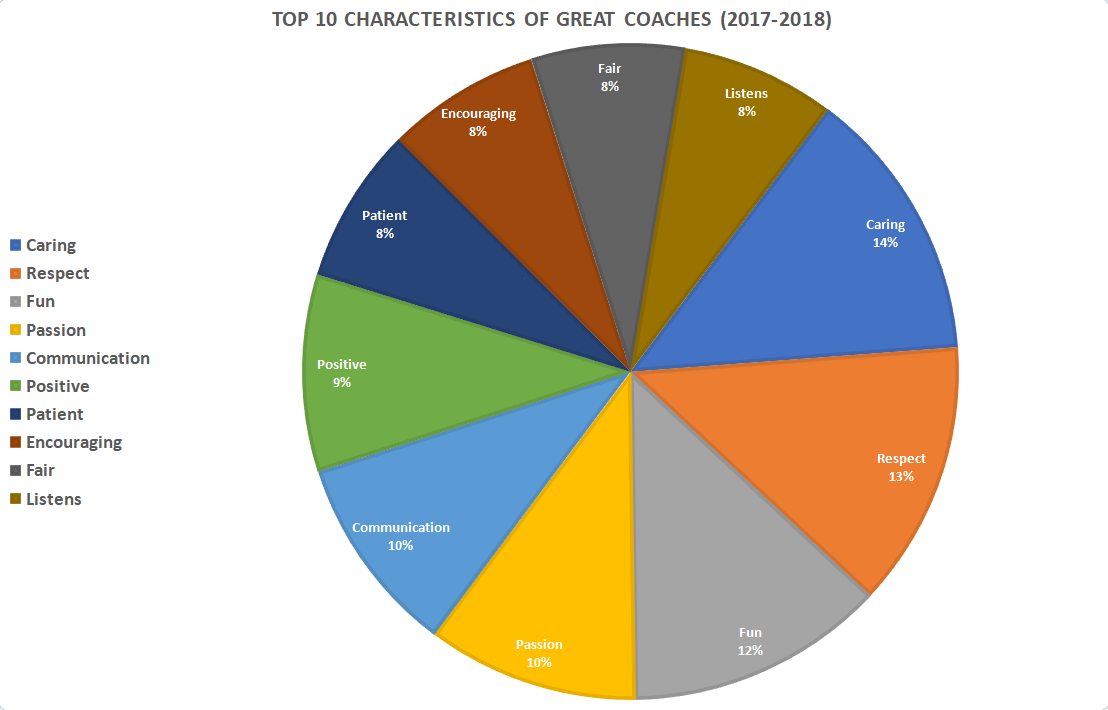
By no means is this a formal research study, but the below pie chart outlines the updated results for the top 10 characteristics;
Just as it was last year, and every time I do the exercise, the Number 1 characteristic was the coaches cared about their players. This also was one of the characteristics when I talked to the amazing guest speakers in our summer and winter digital summits we hosted thru our digital arm For the Love of the Game.
Number 1 (always)
Not only do they care about helping them develop into the best athletes they
can be, but the best people.
This is what John Wooden, Clare Drake, Phil Jackson in past and current coaches like Pete Carroll, Mike Kryzyzewski, Sean McVay and others have demonstrated or shared with journalists what was really important to them as they guided their teams to achieve at the highest level.
Coaches that care, not only teach the skills of the game, but the skills of
life.
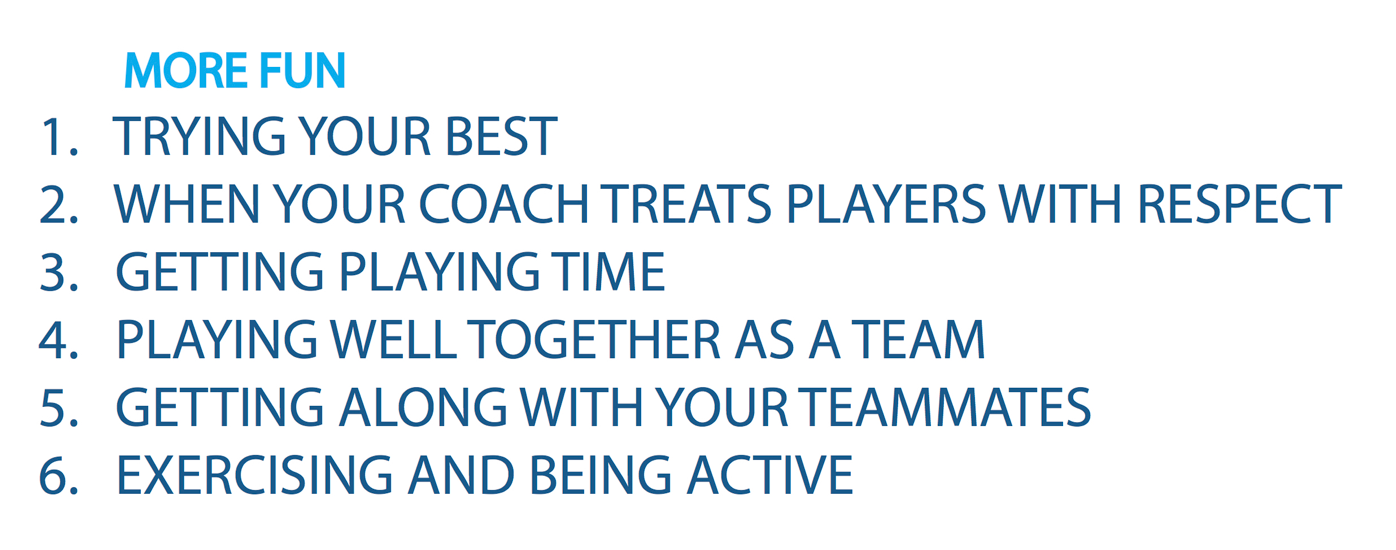
Number 2 (moreso the reason kids play but coaches must foster an engaging environment for it to be fun)
Another of the top characteristics was they coaches made the experience fun, both in games and practices as well as other team activity.
Many misinterpret that I am not competitive because my philosophy of coaching is “FUNdamentals, not winning, at all costs”. Like all the great coaches who worked on the process of developing all players on their teams that lead to results on the scoreboard, I know how important it is for players to have fun, even on the most competitive teams.
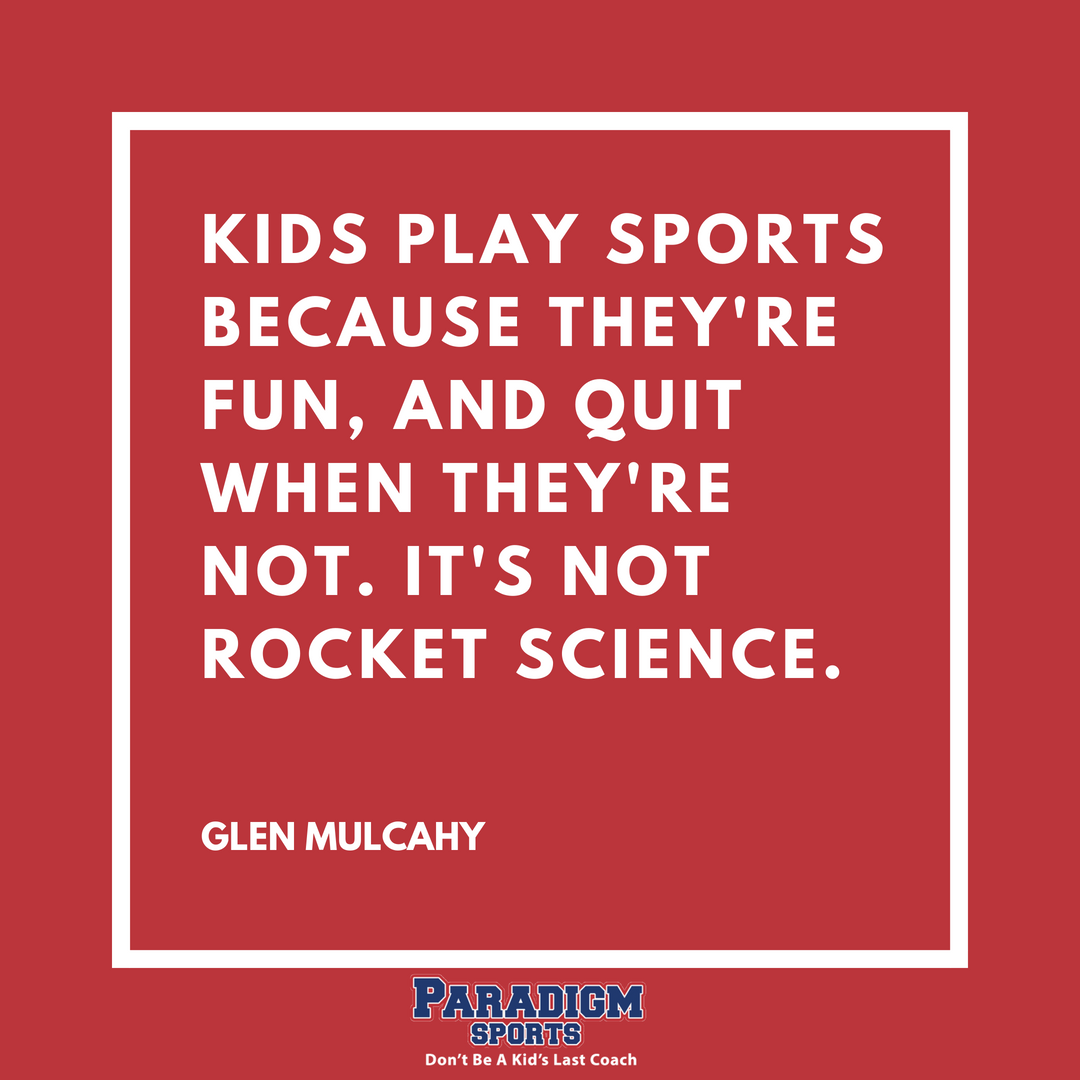
As I have been saying for years;
Mike Babcock, now the highest paid NHL coach with Stanley Cup, World Championship and Olympic Gold achievements on his resume is another one of those great coaches. When he became the coach of the Toronto Maple Leafs, he shared that his main role was to develop all the players into great young men. Prior to the 2010 Olympic Gold Medal game, when he was coaching some of the best players in the WORLD at the time, when asked by the media what he told the team before the game he said “I just told them to go out there and have fun.”
Many people think when kids they just want to have fun that it means goofing
off, but kids actually don’t want their team mates to do so they want to play,
the want to compete, they want play for the love of the game. That is what fun
is.
Number 3:
When Amanda Visek did her groundbreaking study and identified the 81 characteristics of what is fun in youth sports, the number 2 reason, second only to having the opportunity to try your best was when coaches treated players with respect
Although I would NEVER consider myself to be in the same company as John Wooden, his three rules are very similar to mine and his third was “Never criticize your teammates”, mine is Respect. Respect yourself, teammates, coaches, officials, other teams, parents, class mates, parents and so on.
I believe respect is a two-way street, if coaches respect their players then
they players will in turn respect their coaches and vice versa.
Sadly, although the many coaches in youth sports do respect their players, there are coaches that think nothing of screaming at a player, singling them out in front of the teams, criticizing their mistakes over and over again and other ways that are not only disrespectful but crossing the fine line from demanding (pushing players to be their best) to demeaning (belittling players).
It is no wonder why 70% are quitting by the age of 13 in majority of sports, but as I recently found out due to changes that USA hockey made to focus on fun, ensure the coaches respect their players and recognizing that it is all about the kids, they have moved the needle where they only lose 8% of their kids by the age 13.
Number 4:
One of the key takeaways for every talk that I do for coaches is “Care Passionately“. For me, caring and passion go hand in hand, when coaches are truly passionate for their sport, the kids will become passionate.
When I think of the greatest coaches I had in many sports, same held true for me, they took on the role as father figure and truly cared about me become a better player, but also a well rounded person. Many of which were so passionate about the game I could not follow suit which is one of the reasons why I played so many growing up.
The remaining top 10 characteristics from our 2018 summary include great communicators, were positive, patient, encouraging, fair and listened.
Coaches can also fill the gap for kids like me who lost their father at a young age to guide them, mentor them, and steer them out of trouble if they head down that path.
Great teachers do the same, if it had not been for my Grade 12 French Teacher who took me aside one day and said “you can do better” after I acted up in class for the umpteenth time who knows where I would have ended up.
She was the one that motivated me to pursue post-secondary education and as a result I was the first of all my cousins from both our extended Roman Catholic Families (over 30 first cousins) to graduate from University and one of my proudest moments as my Nanny (grandmother) was there to see me accept my degree.
Think back when you grew up, did you ever take a class in school and thought
you would HATE it like calculus, accounting, history, literature? Then to you
surprise you ending up loving the course – Why? Because your teacher was so
passionate about the subject.
Same holds true for youth sports … if coaches are passionate about all aspects of the game they will instill that same passion in their players so they love the game more at the end of the season than they did at the beginning.
Other – the list of other responses were endless but included characteristics like calm, challenging, committed, confident, consistent, disciplined, demanding (not demeaning), energetic, enthusiastic, fair, firm, forgiving, genuine, trustful, inspiring, integrity, invested, kind, listens, motivator, organized, personable, positive, role model, teacher and leader.
In addition to care passionately and making it fun, please make it safe (to fail and for all forms of harassment), teach skills and lastly …..
This past weekend I was in Boulder, Colorado for the 3rd annual Way of Champions Transformational Coaching conference hosted by my good friend John O’Sullivan and my other Changing the Game Project colleagues, Dr. Jerry Lynch, James Leath and Reed Maltbie.
Just as it was two years ago during the inaugural conference (I was unable to attend last year), I came away with so many great takeaways and contacts with some amazing people that were aspiring to move the needle to bring the game back to the kids in youth sports. Not sure what I am more in awe about, the information we shared or the people that I met over the course of the three days.
One of which was the founder of the Positive Coaching Alliance, Jim Thompson, others were TEAM USA or US Olympic committee members in swimming, lacrosse, AD’s (Athletic Directors) for schools ranging from 123 kids in Buffalo, Wyoming (where 90% of the kids play 3 sports a YEAR) to private school in Honolulu, Hawaii with over 4000 kids, Div I/II colleges and universities or coaches from youth all the way to Div I NCAA and everything in between.
I also connected with a Rugby Coach of Coaches in the UK, Coach developer for Football (AKA soccer) in Australia, National Cricket Coach in New Zealand and even a Coordinator of a conference in Bankok who is the AD for a private school in Moscow and female coach of a Men’s Div I NCAA Water Polo Team.
In all my interactions and I shared what we do in Canada, every single person said “you are doing great work, keep it up”
Reason?
Because as I found out from many of my interactions with those in the USA and many of the other countries I learned that the levels of coaching certification are few and far between.
One of the AD’s I talked to from a university in San Diego shared that there is NO mandatory coaching certification or ongoing professional development for University coaches.
I shook my head in disbelief, as I did when I interacted with all others that only had limited or no coaching certification programs for their respective sports in their respective countries.
Being that I have been a Hockey Canada NCCP Facilitator since 2009 and have now certified thousands of coaches in both the recreational and competitive streams I know that Canada is setting the bar for many other countries due to the great work by the Coaches Association of Canada (CAC) who have developed coaching certification programs for 65 national sports in Canada which includes both traditional team sports but evolving sports like mountain biking, rock climbing, ski cross and others.
In order for all coaches of sanctioned programs by the CAC* to maintain their certification, they must augment their original certification with other professional development by attending conferences, doing online courses, reading books and so forth.
* Many Canadian Private, Academy programs who are charging 10’s of thousands of dollars to parents ironically are not sanctioned by NSO’s so their coaches can “coach” with NO CERTIFICATION whatsoever even though they make “claims” that they will get your child Full Ride scholarships or playing professionally when less than 1% of kids reach that level.
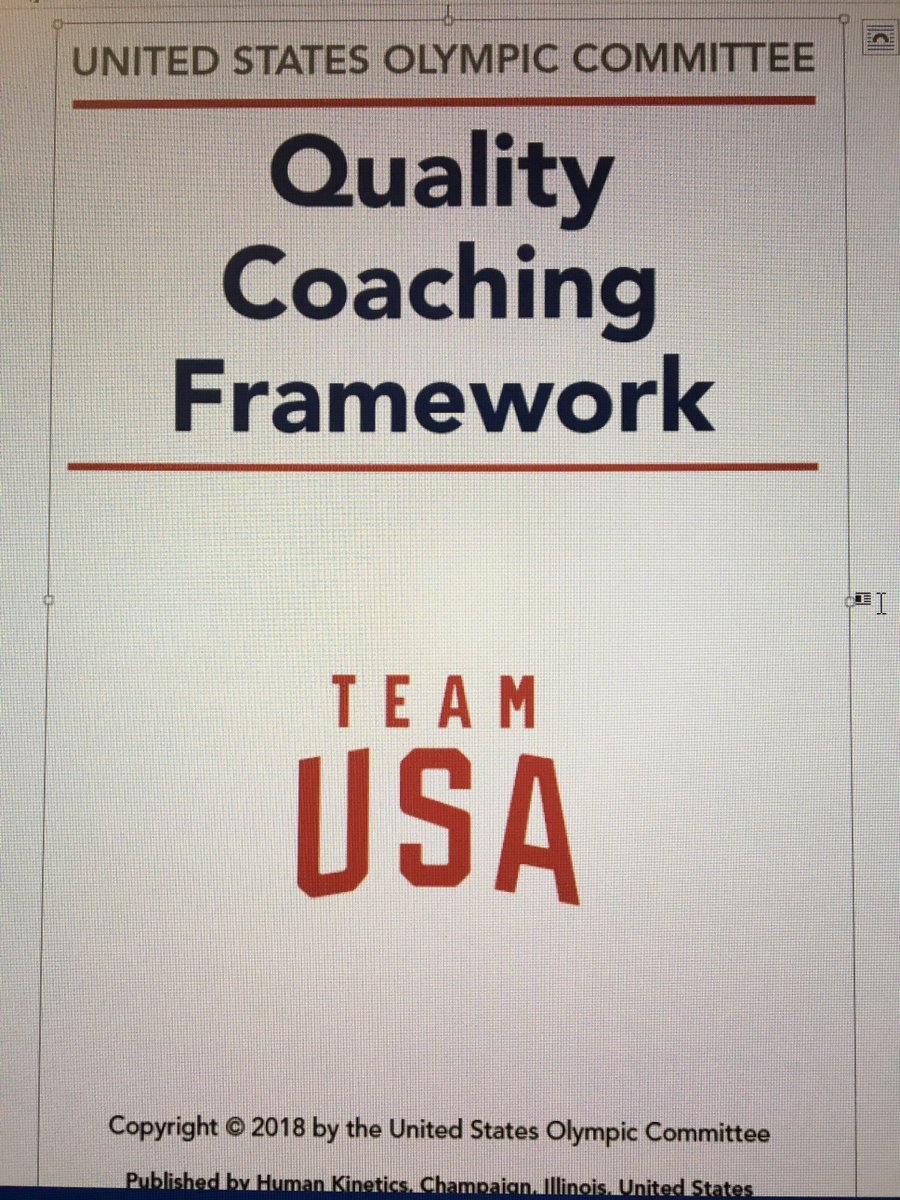
That is why I was so excited to have dialogue with a few committee members of TEAM USA that shared insight on the USOC Quality Coaching Framework that several of the NGB’s are looking at incorporating to establish national coaching standards for their respective sports.
The framework was developed by USOC coaching education director Chris Snyder and Dr. Wade Gilbert, author of Coaching Better Every Season AKA “The Coaches Doc”.
As the conference was wrapping up Sunday afternoon, one of the sponsors, Bill Kerig, founder of Great Coach Inc. reached out to many of us as we were leaving to get insight for his research and development his new ap similar to Linked in but specifically for sports coaches. He aspires for coaches to receive the credibility and professional respect they deserve, regardless if a volunteer at the grass roots level or those coaching national programs or everything in between.
He asked us all to share in one minute sound byte and answer …..
What is a great coach?
Talk about being put on the spot, end of the conference and anxious to head home with many great nuggets, having coached now for over 20 years and have been writing about, speaking, teaching other coaches for the last decade there is so much I could have shared.
Honestly, I am not sure what I was able to get in 1 minute, but thought about it on the flight home and lineup for Canada Customs, get my bag, park and ride shuttle to get my car how I would have answered if was given a “wee bit more time” to do so.
A Great Coach ….
… Is one that knows that …
… Cares about their athletes more they do about themselves, they are humble, honest, fair, great communicators, motivators and leaders by providing a safe environment for their athletes, safe to fail and make mistakes, but also safe from all forms of harassment.
… Is demanding, not demeaning, to push their players to become not only the best athletes, but the best people they can be.
… Is truly grateful for the opportunity to coach and thanks their players for the opportunity to Coach them on a consistent basis.
… Teaches their athletes the skills of the game (the competence), and cares enough to teach them confidence so they aspire to come back every season to improve and teach character life lessons like respect, sportsmanship, humility, integrity, honesty, selflessness, work ethic, leadership, communication, punctuality, commitment and NEVER giving up.
… Demonstrates they not only care, but love their athletes and the game so they love the game more at the end of the season than they did at the beginning.
… Is a positive role model and not only talk the talk, but walk the walk
… Gets invited to weddings, lunch, dinners, baptisms of their players kids or other milestones of their alumni athletes years after the athlete hung up their skates, cleats.
… Is one that current or former players reach out to in times of hardship after they lost a family member closest to them, get into trouble with the law or just need a shoulder to lean on.
… Responds to texts, emails, phone calls, or even a knock on the door at all hours of the day in or off seasons.
… Gives credit to the players for a win and takes responsibility for the loss when they lose
… Is a new school positive facilitator (AKA empowerment) vs. being an old-school negative dictator (AKA my way or the highway).
… May be a parent coach that recognize they not only are coaching their son or daughter (their original reason for getting into coaching) but have adopted 10-20-30 others depending on the sport they coach and when in the car or at home wear their parent hat, when at the field/rink or other team activities wear their coach hat.
.. Knows the reason why we all play is it is fun and will quit when it no longer is
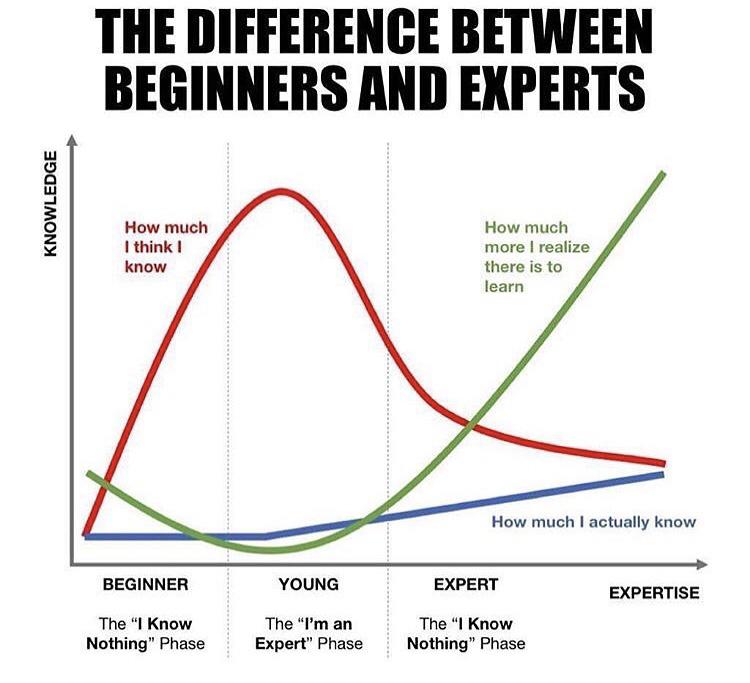
… Knows the difference between beginners and experts
They know how much more there is to learn.
As each of shared over the course of the weekend how little we knew and that to become the best coach we could be it required lifelong learning much like Clare Drake, John Wooden who were taking pages of notes at conferences well after they retired as they may learn something.
Even the one that knew the most, Dr. Jerry Lynch, who has over 50 years’ experience that includes 38 NCAA Div I National Championship Rings, author of 13 books and has worked with Steve Kerr and Golden Sport Warriors the last 4 years where they have gone to the NBA finals and one 3 of the 4 NBA Championship titles.
He was introduced on Friday night by Reed and he shared Jerry’s story from 2 years ago when he was reviewing his background on the first night that even after 50 years he was only ½ way there in terms of his quest for knowledge to share with fellow coaches.
1/2 WAY after 50 years … REALLY?
Jerry further shared with all of us in the inaugural WOC conference 2 years ago that he did not have a job.
He stated while seated on his infamous stool (that I want to recommend to John to get him one that swivels 360 degrees so he can see all the eyes of those seated around him in the circle) while we sat on the hardwood gym floor that when you had a job all you were doing was making a living.
In lieu, he shared that as coaches, we have a calling to make a difference.
Making a difference by developing youth into adults.
That is the business we are all in as coaches, AD’s, Directors, Board Members, Exec members all others adults involved with youth sports.
Coaches please ensure that the legacy that you leave behind is a positive one and Don’t Be A Kid’s Last Coach.
Let’s All work together to bring the game back to the kids … where it belongs.
Youth sport coaches needs to be aware we have now evolved from the Millenials, known for their sense of entitlement, to Generation Z, known for their screen addictions (7.5 hours a day) who are also known as The Digital Natives, iGen, Homelanders, Selfie Generation.
These are kids that were born after 1996, 100% in the digital era per below timeline;
Est. 1997
Est. 1998
Est. 2004
Est. 2005
Est. 2006
*Est. 2007
*although blackberry was the first smartphone with email capability, iPhone introduced web browsing, photo, video, music and other applications and it still is the leader in the space today (albeit Samsung and several other android based smartphones have eaten into iPhones market share).
Est. 2010
Est. 2010
Est. 2011
Not including various Video Game Consoles (Playstation, Xbox, Nitentendo) and other social media, and as the cliché goes, “There is an ap for that”..
I can speak with the perspective of coaching Gen Z kids as they entered organized sports at the age of 5 but also as parent of two that were part of the youth sports system since 2000.
As each year evolved and technology became more of our day to day lives, I also had to adapt my parenting and coaching styles to relate to this generation. I saw the digital era evolve pre internet, then IBM clones with 5 ¼” floppies with approx. 0.5Mb storage capability (when a micro SD card now hold 128 GB), amber screens taking up ½ a desk, dial-up evolving to cable and DSL high speed, Computer monitors and TV’s changing from tubes to LCD, then LED, now OLED and the list goes on. There was no digital era when my generation played sport, now it is commonplace with parents on the sidelines filming with smartphones, tablets and checking latest aps for schedules, scores, streaming of siblings games etc.
Gen Zedders are exposed to more information in ONE day, than two generations back would see in an entire lifetime.
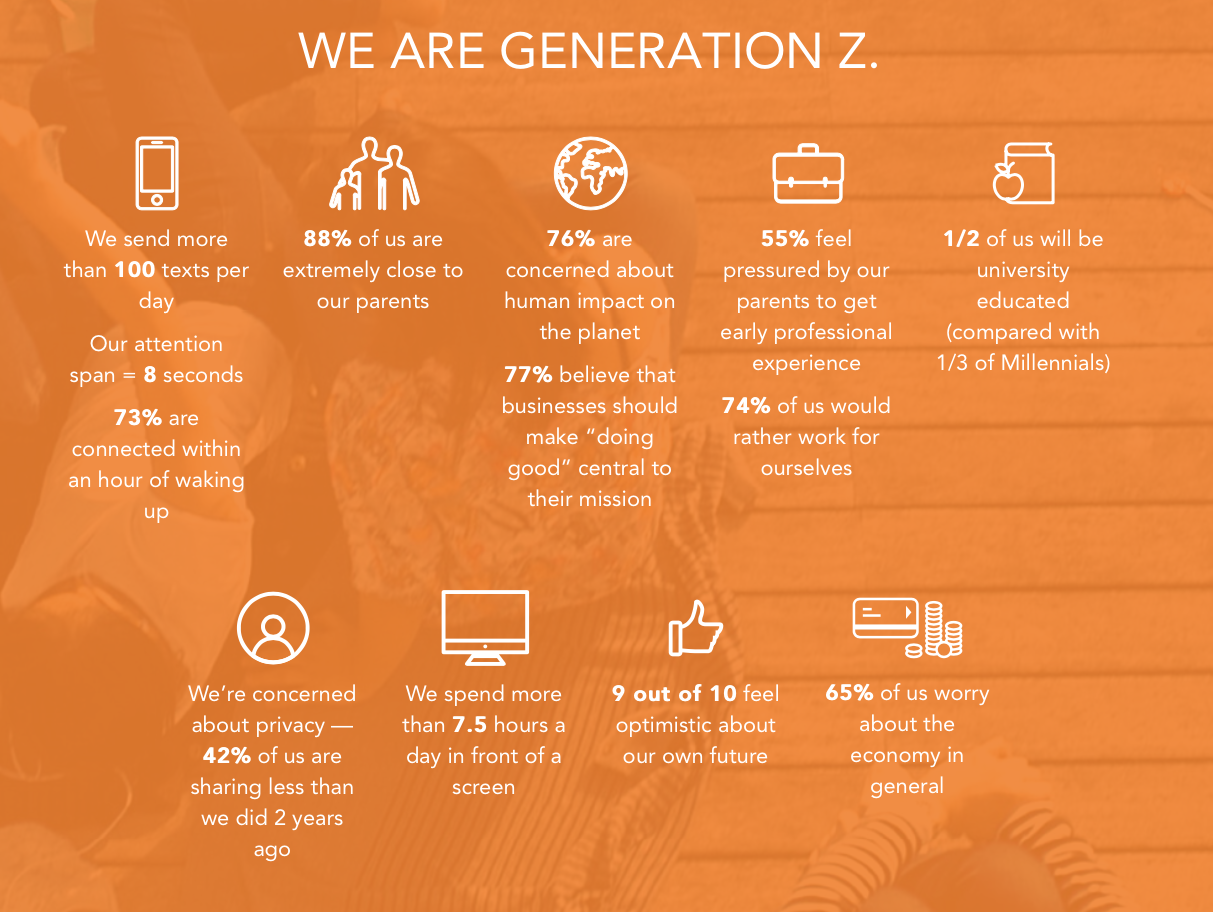
Below is a summary of Gen Z characteristics;
Source: Ologie.com
Top ones that jumped out at me …
Coaches – you have 8 seconds to get your message across when explaining a drill so best to involve technology Gen Zedders use daily (video, youtube, facebook live etc) so cut to the chase so to speak to overcome their 8 second attention span.
Texting – on average 100/day = +3000/mth (hopefully you have unlimited texting plans). Use platforms that work like texting to relay reminders, scheduling and so forth like Facebook Messenger group room I created for my High School Senior Rugby Team
88% of Gen Z are VERY close to their parents, so engage, don’t deal with, parents. There has been a lot of media coverage on parental behavior on the sidelines or the ride home in recent years, but the reality is the vocal majority only represents a small % of all parents, most are great and unfortunately a few bad apples are spoiling the broth. Treat parents on your teams as your allies, not your enemies and remember the enemy of your enemy is your friend. The more education we do, more the silent majority start speaking, the sooner we wean the vocal minority out of the game to bring it back to the kids.
One of the most important things you will do all season is running your initial parent meeting, here is link to prior article I contributed to One Million Skates with summary of agenda items that coaches should cover in their parent meetings.
Screen time that is replacing their former active play time now is 7.5 hours PER DAY. We never will get back to the good old days where kids will play organized and free play sports and activities for hours on end, but we must find a happy medium where they get their minimum 60 minutes of required physical activity daily.
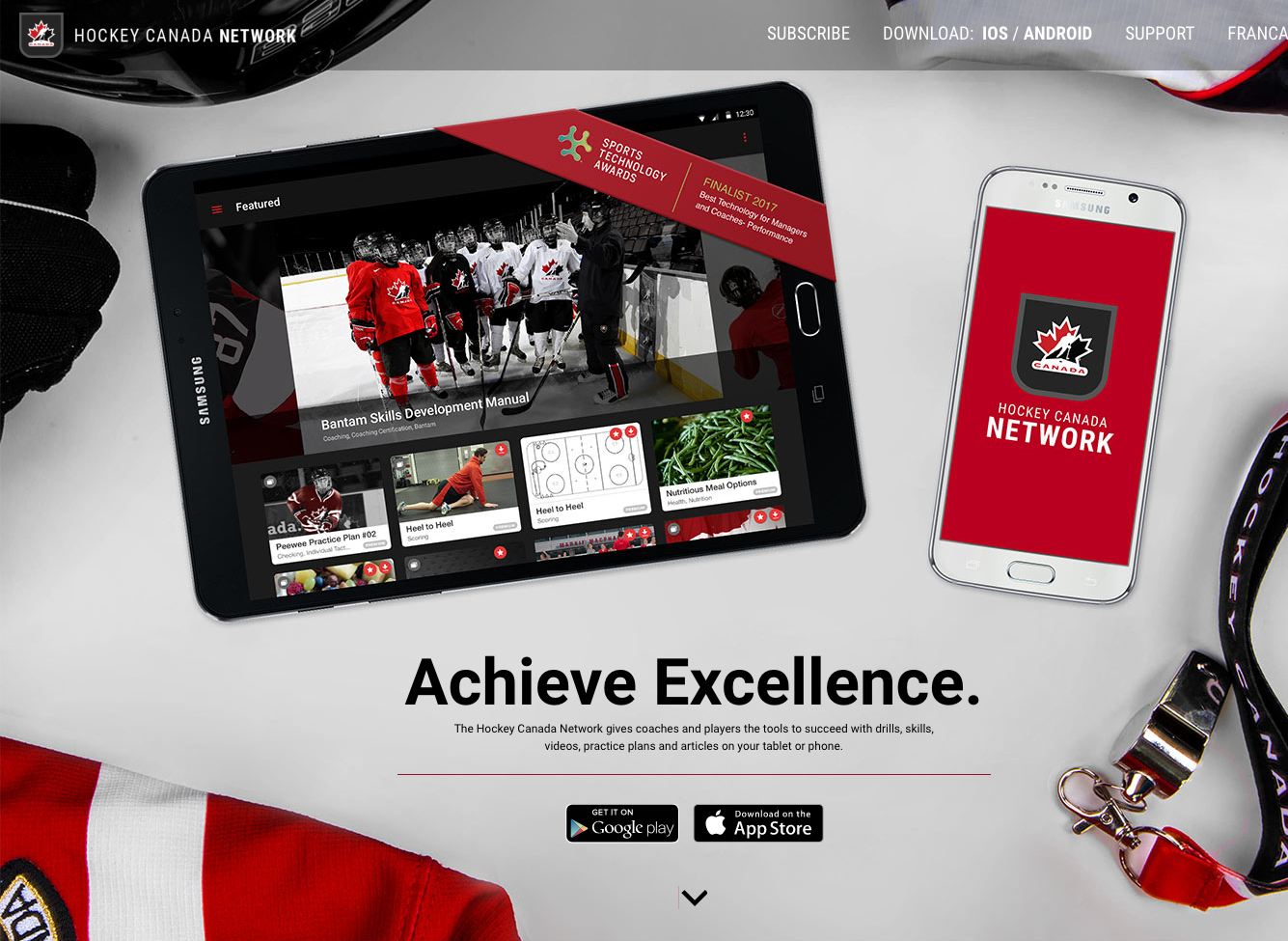
In my role as Hockey Canada NCCP instructor, I was one of first to introduce the new Hockey Canada Network Ap this past hockey season. I was thrilled that we now had access to HC’s full database with an ap to create practice plans in minutes vs. hour or more used to take me when I first started coaching minor hocky. The fact that I no longer have to haul binders to every clinic alone is HUGE and I look forward to how coaches start incorporating for their practice planning.
The biggest benefit is that coaches can now pull up demo videos and show to players in advance (email PDF with video links) or bring a tablet to the rink to show before they run a drill.
Gen Z are highly visual, and having only an 8 second attention span is important that coaches tap into their grey matter as quickly as possible.
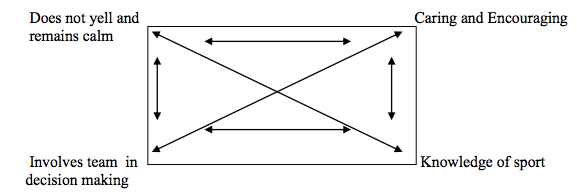
Krisha Parker the University of Georgia surveyed female and male gen Z soccer players and asked them what characteristics they would like to see from their coaches today and below is a table that summarizes the top 4 characteristics;
Source: Journal of Coaching Education: The Preferred coaching styles of Generation Z Athletes July 2012
In order, players desired;
That coaches does not yell (at them, officials, other teams) and remain calm.
Hmmm .. how often have you been in the stands or sidelines and saw a coach screaming at the top of their lungs at a player because they made a mistake? Screaming at a young official as they missed a call or made one coach did not agree with? These are top reasons why 70% of Gen Z athletes are quitting all youth sports before they enter high school (by age 13).
Caring and Encouraging
In literally every talk I do with youth sport coaches I ask them the question “What is the top characteristic of the greatest coach or teacher you ever had?”
The number 1 characteristic EVERY time pertains to how much the coach cared, demonstrated empathy and provided positive encouragement.
As the great Teddy Roosevelt stated “No one cares how much you know, until the know how much you care”
Knowledge of the sport
Coaches must develop their knowledge of the respective sport and for EVERY drill they run in practice, have the answer to WHY. If you try to use the answer “because I said it, or this is the way we have always done it” you have lost them. Coaches must know the reason behind every drill, why it will help the players improve their skills and how it will help them in game play. If not, the will lose players trust and they will google it at the earliest opportunity to find out the answer if don’t believe coaches reply.
Don’t run a drill to fill up time in a practice plan, plan your drills and progressions to ensure optimal development with key teaching points to share with players and assistant coaches.
Involve team in decision making
John Tortorella recently received the Jack Adams award as coach of the year for how he transformed the Columbus Blue Jackets and took them to the playoffs, had a record winning streak in league play.
I will be the first to admit that I did not see this EVER happening after the USA World Cup team under Tort’s guidance did not even medal in Sept 2016, nor seeing highlights of many of his tirades from the bench over the years.
Torts was asked by Columbus management to calm down and refrain from those types of outbursts Torts was infamous for, as well have a lot more patience to allow the younger players to make mistakes. Like Ken Hitchcock before him who also was awarded the Jack Adams trophy who did the same and changed his coaching style to accommodate the young players he had with St. Louis Blues
Both acknowledged instead of using former coach to player only feedback, they incorporated democratic 360 degree coaching styles and asked players for input when came to decision making for practice planning, systems, strategies that would work best for their core group of players.
For John Tortorella, this was a complete role reversal from the time where he coached the Canucks, missing the playoffs and many of the players having their worst years EVER (Edler was -37, Sedins suffered many injuries and lowest points totals in years).
As Gen Z has grown up only knowing the digital era and many of their coaches have not to same extent, the last tip I want to share is you incorporate technology on your teams.
Communicate with Social Media – For my High School Rugby Team this past spring, I setup a group chat room on Facebook Messenger and sent all team postings, even schedules and attachments to communicate with the Gen Zedders. I laughed every time I hit Send and within seconds after I posted would see images of each players face pop up as they read the messages.
Note: Ensure that all applicable team members are included in groups and have codes of conduct for appropriate posts, language, images posted and ZERO tolerance for any form of cyberbullying.
Use Video to demonstrate drills, review strategies in games. Pre Hockey Canada Network Ap I would use Hockey Canada skills of gold on DVD’s and showed players videos of drills we would be doing on an old laptop (AKA boat anchor), then tablets. When I attended a coaches conference a couple of years ago and Corey McNabb (manager of player development for Hockey Canada) talked about the new Ap, he envisioned it would evolve to the a point where coaches would have access to big screens in dressing rooms as TV pricing had eroded so much.
When he did so, Don Hay (Major Junior Coach) who was standing beside me, “Cory I still write my practice plans on paper towel/napkins”. Translation – old school coaches write drills down on whatever they have on hand at the moment so must adapt to new school technologies.
Connect with each of your players face to face (old school not Skype), and get to know each of your players to develop trust. The hardest thing for you as a coach will be to trust your players FIRST before they extend trust of you and your coaching practices but it was the greatest tip I ever received from one of my mentors.
This is exactly what John Tortorella did this past season with Columbus, he let his players play vs. over coaching them in games, much like Ken Hitchcock did before him in 2011 when coaching the St. Louis Blues. That is probably the hardest thing that we all have to do as coaches is extending trust to our players before they have earned it.
Follow these key tips and you will not only connect better with your players, but should see improvement in your overall team play as a result.
Let’s work together to bring the game back to the kids.