How BC is returning to Sport – Phase III

Posted Posted in Athlete, Coach, COVID-19, Officials, Organization Executive, Parents

Since we entered the COVID-19 Era, I have had a number of conversations with various youth sports groups regarding the confusion regarding all of the return to play protocols as various provinces go thru their various stages of returning to play.

Our home province, British Columbia, has recently announced that we are now in Phase III thanks to the amazing work that our PHO and Dr. Bonnie Henry have done since COVID-19 lead to shutting down Sports and numerous other sectors.

Although I am excited that we will see sports ramping up this fall, based on recent conversations since I have had with a few user groups I felt best to share what the phase means in terms of returning back to Sport as some are inferring that it literally is GAME ON, meaning, we are good to return back to pre-COVID era and we are still a ways from that being the case.

Below is a summary of all phases of the proposed return to sport plan as a summary for user groups to reference;
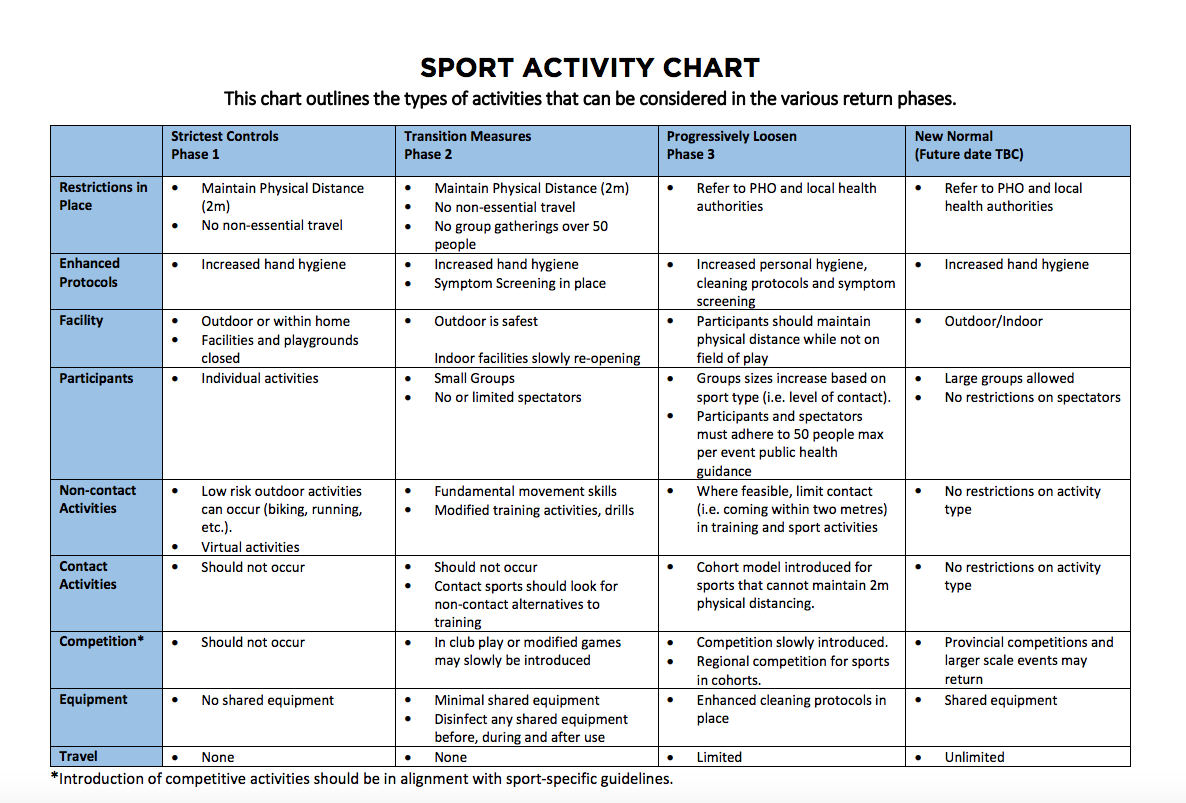
What has not changed from prior phases is;


  1. Personal Hygiene – washing hands regularly and using disinfectant
  2. Social Distancing required in common areas like benches, dugouts, dressing rooms, lobbies and entrances (masks in those areas is also recommended)
  3. Maximum gatherings of 50 to include spectators
  4. Symptom Screening before every activity
  5. Contact/Participant tracking

What has been eased up in terms of restrictions;

  1. Cohort groups identified by risk of sports can be anywhere from 10-100
  2. Contact within those cohort groups is now permitted
  3. Competition or games can now be played (adhering to revised protocols)
  4. High Performance training with limited travel

In terms of the actual sizes of cohort groups, as this will vary across a myriad of over 70 sports in BC alone, confirm with your PSO and refer to updated return to play quidelines, a recent example included Basketball BC’s HERE


  1. Lowest risk of Contact – i.e. Archery, Tennis, skiing, golf – Up to 100
  2. Higher risk of contact – Baseball, Cricket, Soccer – Up to 50
  3. Frequent/Sustained Contact Sports – Football, Rugby, Hockey – Up to 50
  4. Combative Sports – Martial Arts, Boxing – Max 10 per cohort

NOTE: Cohort groups includes spectators which are immediate family members only to be considered part of the cohort. Coaches and officials can be counted outside the total cohort number IF they are able to maintain physical distancing at all times.

To determine where your sport falls in terms of the size of cohort groups permitted, reach out to your PSO/RSO for confirmation as it is not a one size fits all approach, each sport will have different guidelines based on their evolving return to play plan and facilities being used.

A couple of examples that I can share with you how user groups implemented to limit COVID-19 exposure and reduce risk to participants (players, coaches and others)

My niece recently flew to Montreal for her first year to play for McGill’s Women’s Varsity Hockey Team.  She will be staying in dorm rooms in a converted hotel that McGill purchased and renovated for dorm housing with her own bathroom and common areas for kitchen for cohorts to use only.  Similar to the NHL bubble, they will not interact with others out of their cohorts

Her season will start with skills development sessions only, and will find out this week as Quebec enters into their next phase and she shared the original plan for competitive games is for McGill to play Concordia and Ottawa’s USports teams to be within a short travel distance but no travel will be permitted to USA or other provinces until a later date.

Although she will be able to be part of the team for various activities, all of her courses, like all the other students will be done online until further notice, like most other universities at least for this fall.

The second would be easing of instructions for minor hockey associations, the first of which that re-opened its doors with strict COVID-19 protocols was Burnaby Winter Club BWC) in May which we shared Returning Back to Play – Phase II where they took the biggest risk as the first out of the gate but to date no positive COVID-19 cases have been reported months later.

Now all other minor hockey associations in the lower mainland are slowly but surely returning back to the ice with various camps, skills sessions with limited number of skaters and coaches on the ice and aspire to return back to 5 on 5 hockey this coming season.

Ironically in July I had a coach who attended many of the workshops that I ran last year for one of those associations reached out to me if I felt it would be safe for him and his son to return to play and I shared all the work that was being done to ensure that it would be safe, but it would be different at least in the immediate short term.

When ViaSport and our provincial health authority announced that we would be entering phase III, I was excited but at the same time a little weary due to the fact that I have also connected with colleagues in the US, Europe and Australia who have shared how far out they are from returning to sport.

One recent example was a conversation that I had with one of our speakers for our Summer Summit, Rosemary Morris, the first female official of men’s elite basketball in Australia and she stated that they were in full lock-down due to the explosion of COVID-19 cases in recent weeks.

This included;

  • Curfew where all residents had to be in their homes from 8PM to 7AM the following day
  • Only 1 hour of outside time for physical activity, exercises
  • No retail shopping except essential services (grocery, pharmacy and of course alcohol)
  • Full cancellation of all sports programming until further notice
  • Police and Militia enforcement to ensure people follow the lock-down requirements

This right around the time when the Big 10, Pac12, CFL and various other professional, collegiate, school and youth sports cancelled all fall sports programming in Canada, US and abroad to curve the spread of COVID-19.

This is not to say that I am beyond excited that kids in BC, in particular the Vancouver area where I reside, will have the opportunity to return back to playing the sports they love, being with the coaches, team mates and working up a sweat with huge smiles on their faces while they do so.

I just want to make sure that we don’t go to the other extreme as we have seen in many US states who recognized the importance of kids playing youth sports but did not do so in phases adhering to various return to play protocols.

Recently the CDC, like ViaSport has identified various groupings of sport based on risk assessments per the image below
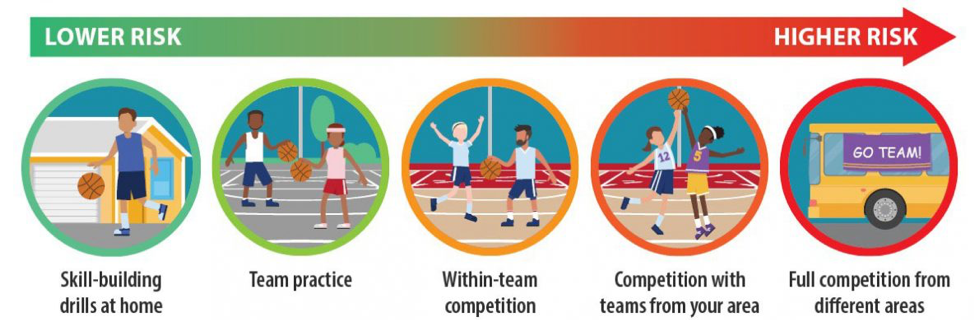
 

Phase III does permit cohort groups of competition within teams in your area but does not permit tournament play requiring travel to other areas.


Masks, sanitizer, and ultimately participating outdoors are the main recommendations to flatten the curve of COVID-19
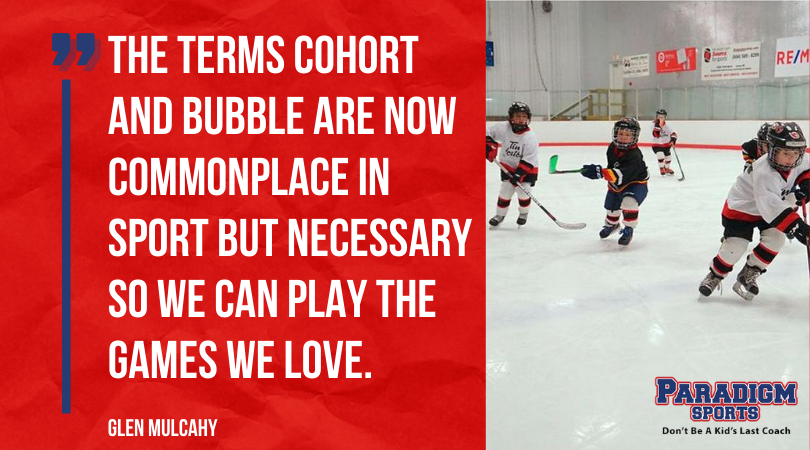


Sadly COVID-19 has forced our hand to go down the path of implementing cohorts or bubble environments to limit the interaction and potentially the spread of COVID-19 but as the NHL has shown, if bubble is maintained, it does permit sports to be played.

According to ViaSport, the term cohort is “a group of participants who primarily interact with each other within the sport environment over an extended period of time.”

Similar to the Bubble concept that has been implemented by professional sports like the NHL, NBA once kids are identified for their cohorts they are not permitted to interact with ones that are in other cohort groups and same holds true for coaches, officials if they become members of a cohort (exception being if they can maintain physical distancing then could coach other sports with other cohorts)

Sadly COVID-19 has forced our hand to go down the path of implementing cohorts or bubble environments to limit the interaction and potentially the spread of COVID-19 but as the NHL has shown, if bubble is maintained, it does permit sports to be played.

However, as the MLB who has not implemented a bubble model like the NHL/NBA/MLS have has shown, the chances of transmission of COVID-19 is much higher even though baseball is one of the sports identified by youth sports groups as being lower risk as by its natures participants are much farther apart then other team sports.

It also does not help when they had a couple of pitchers on one team that went partying in Chicago increasing their exposure, their team mates and potentially others teams they are playing against … but I digress.

The end result is for the foreseeable future, the cohort and or bubble model is necessary for us until such time that there is a vaccine or other treatment protocols for COVID-19 but by doing so, it will permit kids to play what they love, coaches do what they love to do and all other stakeholders return back to the fields, courts, fields and other playing surfaces so we can “Play for the love of the game”

In addition to the new Phase III guidelines, please ensure that you continue to follow health authority, organization and league safety protocols until such time that we do enter phase IV when large gatherings can take place as they had pre-Covid.
PS Tagline - Dont be a kids last coach


Why I Coach

Posted Posted in Athlete, Coach, Organization Executive, Parents

One of the exercises that I do with coaches is asking them “Why do you Coach” and this past weekend I was running a clinic with 45 rep (competitive stream) hockey coaches and as we went around the room coaches shared similar answers to what I had heard before that I highlighted in prior blog post “Why Do you Coach” starting with the #1 answer they have kids playing followed by giving back, paying forward, had great coaches, love of the game, passion etc.

One coach shared something I had never heard before…

I’m Coaching because I had 3 coaches

that touched my Heart.

I said to myself “WOW” and then immediately starting thinking about all the great coaches, as well as teachers, I had and the impact they had on me.

We all coach for a myriad of different reasons, when I first started coaching was due to the fact I wanted to give back, then it was my kids, then learned after adopting hundreds of kids over the years our calling as coaches was to make a difference developing youth into adults.

The one that I never thought of until I heard what the coached shared, was the impact that coaches and a few teachers had on me while I was growing up.

I was born in Montreal and of course the first sport I played was Ice Hockey, but due to my father’s job we moved literally every year so he could be very close to govt buildings he managed so I played in different associations, was in different schools but the one constant was my love for sports.

Each year that we moved, I had different coaches (my father only tried to coach my baseball team one year but barely made it due to work commitments) and two coaches and one teacher really stood out for me.

COACH RON – Peewee Hockey Coach

The first was when we made our initial roots in Vancouver, BC where I played for yet another MHA and due to my Dads work commitments and fact that my mother did not drive due to prior accidents she had, the only way I could get to practices, games in Hockey was thanks to my coach.

Gone are those days due to Graham James and all other sexual abuse issues since where coaches can drive players by themselves, but I vividly remember those trips, particularly to road games where the coach would share so many life lessons like reinforcing the importance of values like respect, sportsmanship, winning with humility, losing with dignity, hard work, commitment etc that I hold dear today.

Thanks COACH.

COACHES JIM AND FRANK – Bantam Football Coaches

Fast forward a few years later, three more schools, houses, MHA’s later and we returned back to the home my parents purchased in the Vancouver area and I was now 13 years old in Grade 8.  Thanks to all the schools and teams I was on, I was apprehensive of becoming friends with anyone but did end up hanging out with a group of guys that became my “friends” that and the following year.

By the time we got to the summer break between Grade 9 and 10, however, those friends were bringing me down the wrong path, they were doing drugs, drinking alcohol, vandalism, B&E’s and other criminal activities and my football coaches got wind of it and two pulled me aside during one of our two a days we had in June.

One was the receivers coach, Jim, the other was the defensive coordinator, Frank, and they sat me down on one of the benches and started to challenge me what I aspired to do with my life.

I was like “huh”, I am 15, who knows.

They then shared they knew the group of guys that I was hanging around with, that many had already been thrown into juvenile detention and were going the wrong way.

Then Frank said to me “Big Red” (my nickname), you have a choice to make, you can either continue hanging out with the juvenile delinquents or you can become part of our family but you can’t have both.

Look out at the field he said, those guys are your family (my 39 brothers on my football team).

Choose.

Then they stopped talking and just waited for me to speak and I was like, what, I can’t play football and hang out with my buds?

They waited.

I then had an Epiphone moment and realized they were right, I was going nowhere with my then druggie and delinquent peer group and I LOVED sports so I told them, ok, I choose the team.

They both then said, good, get back to practice and from that day forward I worked my butt off with all of my brothers and that year we won the provincial championship (when there was only ONE to be one before multiple tiers for community and high school football)

Thanks COACHES.


MRS. STATZ – Grade 12 French Honours teacher

The third was not a coach, but the teacher of my French Honours class in my last year of high school.

My mother did her best to raise me and my brother but both he and I had part-time jobs to help with expenses, pay for sports and what she called “luxury” items like Nike Running shoes (vs. generic shoes) or name brand clothes vs. Zellers etc.

I remember working my Pizza Driver shift until 1130PM on a Sunday then groggily got to my first class for French and just as we all had gotten seated, she (Mrs. Statz) announced we were going to have surprise Quiz as we needed to continue preparing for the Provincial Exam.

To which I said F…. That.

(My Lizard Brain kicked in again in part as I was going thru a tough time having lost my father at such a young age)

To which she said, Mr. Mulcahy, Get your Ass out of My Class!!!!

I grabbed my jacket, binder and headed out of class and once in the hallway heard the door SLAM and thought she was in the classroom but as I turned around she was standing there.

She then went on to go up one side of me, down the other side how disrespectful I was using foul language, towards her but also how much potential I had to go onto University and so on.

I was speechless, but then apologized and had another lightbulb moment that she was right.  I was just coasting thru all of my courses, smart enough to get B’s without a lot of effort but was not even thinking about University, all that was on my mind then was work, sports, parties, girls etc.

THANKS MRS. STATZ

Two Coaches – One Teacher who touched my Heart.

Cared about me in different ways, steered me in a different direction and had it not been for them and all other coaches and teachers I had along the way I never would have committed to applying and completing my degree at UBC.

When I received my degree, my mother and Nanny rented a Limousine to come to see the ceremonies, one of my favorite pictures (which is buried in a trunk with others) is me with my Nanny (another huge influencer in my life)

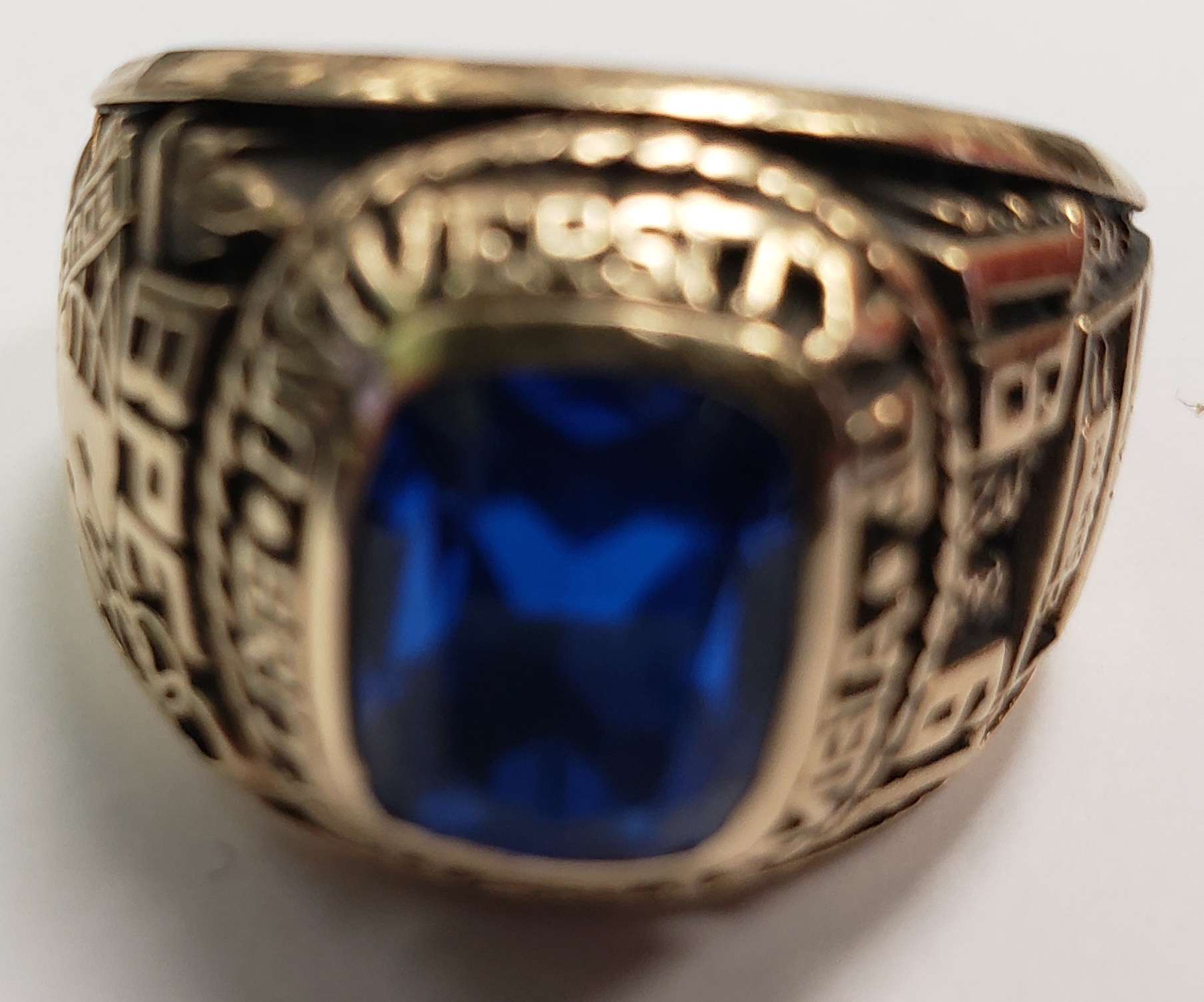
When we went for a bite to eat, my Nanny and Mother gave me the graduation ring pictured below (shot from a smartphone) and they shared with me how proud they were as I was the first cousin from two large families, 9 siblings on one side, 5 on the other with multiple kids (first cousins) to have graduated from University.


I still wear the ring proudly to this day, not just to celebrate my graduation, but to remember my Nanny and Mother who sadly passed away.

Had it not been for the coaches and my teacher, my Nanny and Mother who knows where I would have ended up.

“That is Why I coach.”

To have the same impact in helping kids make those important decisions so they stay out of harm’s way, learn life lessons and not only become the best athletes they can be, but the best people the can be.

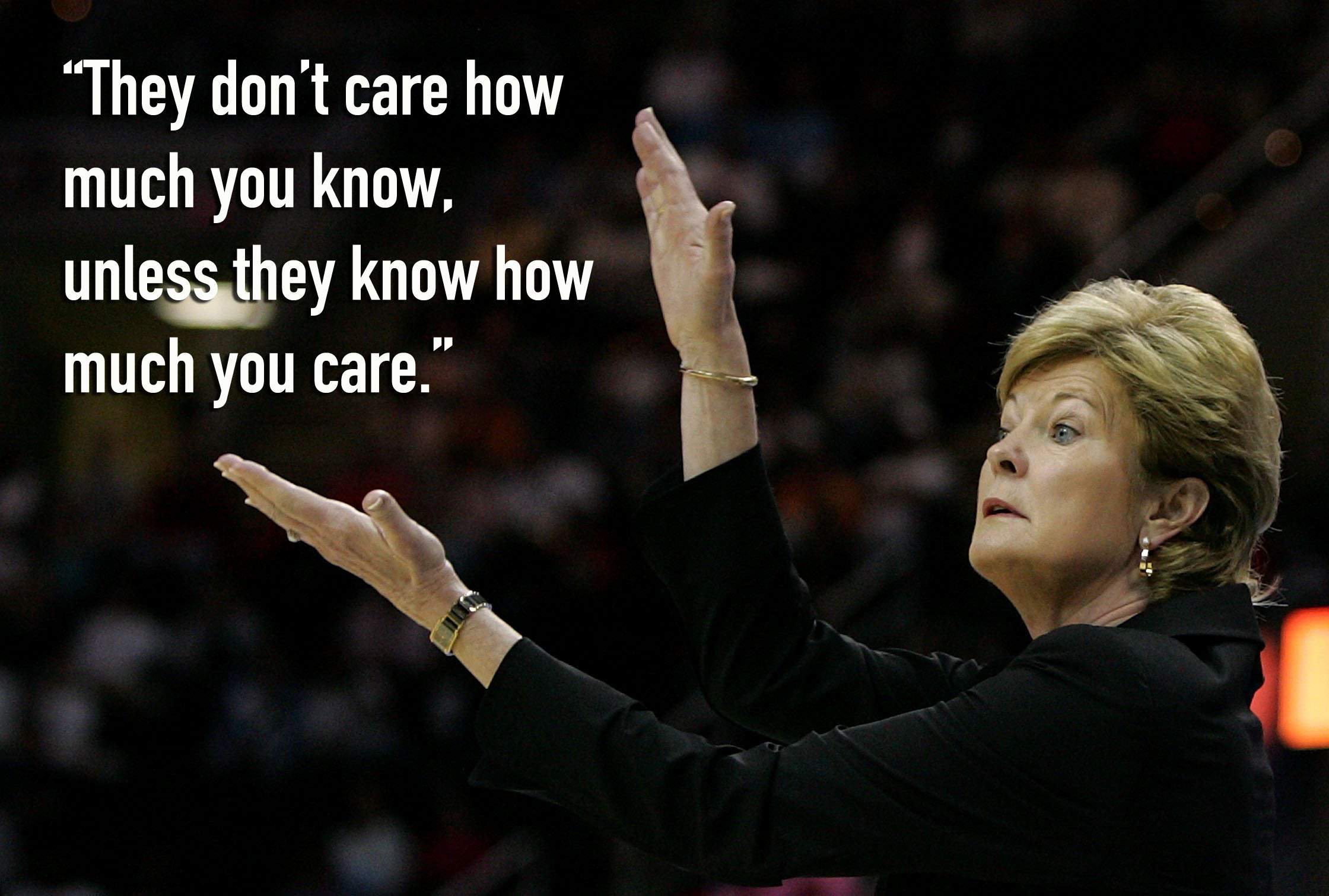
This is why one of my favorite quotes of all time is the spin-off of Teddy Roosevelts by Pat Summit (one of the GOATS)

Pat Summit – Almost 1100 NCAA Div I wins (#1 at the time she retired) – 8 National Championships

If you aspire to be the best coach you can be,  touch the hearts of your players and ensure that the legacy is a positive one so you are not a Kid’s Last Coach.


BONUS – Download a FREE printable PDF version of this blog HERE


They Call Me Coach

Posted Posted in Athlete, Coach, Organization Executive, Parents

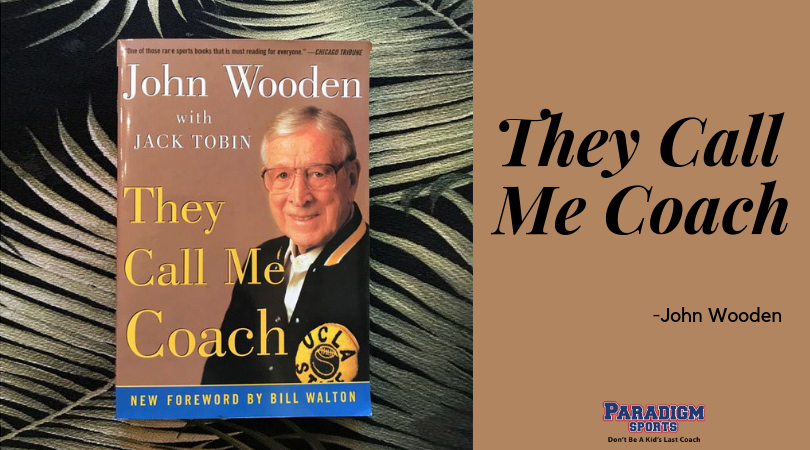
We plan to share out our updated recommended book list again after our upcoming “Love What You Play 3rd Online Event” this summer, but one of the books that many of our past guest speakers have recommended has been “They Call Me Coach” one of John Wooden’s must-reads for coaches, teachers and anyone in a leadership role.

I just reread the book again while I was on holidays and thought would be a great reference for our next blog post.

Regardless if you are a grassroots coach parent, competitive non-parent coach, in the high-performance stream or teaching if you know anything about Coach, you have probably heard from many that many argue he is the GOAT (Greatest One of all time).

Why was he?

Many feel because of what he accomplished as the head coach of the UCLA Bruins Men’s Div I Basketball Team for 29 seasons, where he lead the team to 10 NCAA National Championships, seven of which were consecutive, 88 consecutive wins over 3 seasons.

Did you know that it took him 16 years before he lead UCLA to their first national championship in 1965?

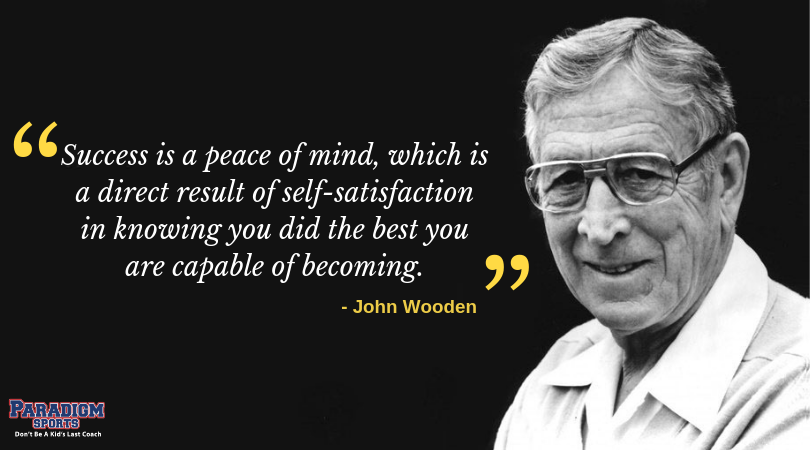
He shares in his book that it was due to the fact that he was still learning HOW to coach even though he had been an accomplished player himself, had coached high school and at Indiana U before he accepted the position at UCLA.  He also shares that in order to accomplish what he did, you have to have talent, and Coach had just “a few” good players during his tenure, including NBA Hall of fame players Kareem Abdul-Jabbar and Bill Walton.


Did you know that his first preference to coach was not UCLA, but Minnesota?

Due to a snowstorm, Minnesota was unable to call Coach at the assigned time to discuss so he assumed that they were not going to offer him the head coach position so when UCLA called an hour later, he accepted and then turned down Minnesota when there were able to call after the fact.


I Wonder …. would John have been the GOAT if he had accepted the position at Minnesota in lieu?  Perhaps yes, perhaps not, but it is yet another example how the decisions that you make in life can impact the path your life takes.


Did you know that Coach potentially may not have even reached that point of accepting either offer?

He had to have an emergency appendectomy to remove his inflamed appendix that required 30 days rest from the Navy.  As a result, his orders were changed and one of his Purdue Teammates who also enrolled in the Navy took his place and sadly was hit and killed by a kamikaze while at the gun position for the Franklin Battleship.


Coach shares further nuggets how his journey evolved while coaching at UCLA and the path to the first of 10 NCAA National Championships and those that followed but what amazed me the most is how many players he remembered, their contributions to all of those teams and his constant refusal after he retired to share whom he felt were the “best” or what he felt would have been his overall all-star team.

One of which was the script that his father shared with him that he carried in his wallet that was his guiding words of wisdom;


  1. Be true to yourself.
  2. Make each day your masterpiece.
  3. Help others.
  4. Drink deeply from good books, especially the Bible.
  5. Make friendship a fine art.
  6. Build a shelter against a rainy day.
  7. Pray for guidance, count and give thanks for your blessings every day.


As my father passed away when I was really young, anytime I come across advice relayed from a father to son it strikes a special note with me, I can only hope I can do the same for my son.

Some other things he shared regarding two the ones that went on to NBA Hall of Fame Careers;


Back Cover of “Coach Wooden and Me”

Kareem Abdul-Jabbar

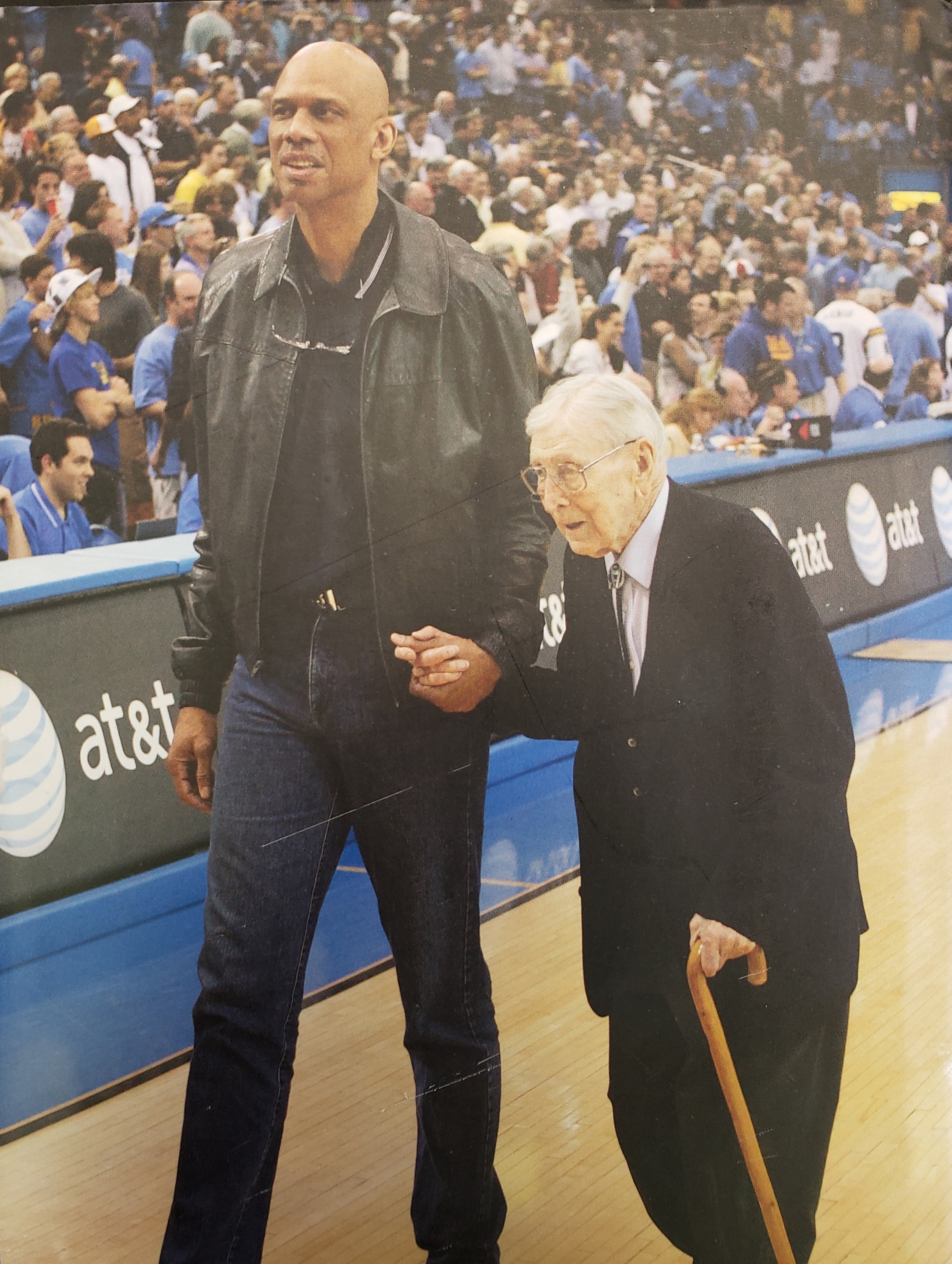
Probably one of my favorite pictures of Coach is the one that was taken at an event where Kareem helped him walk across the court when Coach was in his 90’s decades after he retired and had coached Kareem.  Just one example of the impact that Coach had on so many of his players’ lives, many continued to stay in touch with Coach and attended his service when he passed away in 2010 at the age of 99.

Imagine if the hundreds of players you coached still reached out to you decades after you were their coach?

Did you know that Kareem Abdul-Jabbar’s birth name was Lewis Alcindor? (as shared in the book, but his full birth name was Ferdinand Lewis Alcindor Jr.)


Like Muhammed Ali who changed his name from Cassius Clay when he opted to convert to the Islam faith, so did Kareem when he did so.


As Coach went on one of the very few recruiting trips (he did not believe in visiting players at their homes and relied heavily on his assistant coaches or referrals to recruit players) to spend time with Lewis’s parents at 1AM in New York (his father worked afternoons) to confirm his acceptance to play at UCLA for the better part of the remaining chapters when he references Kareem, he still called him Lewis.

When pressured by media in the years after coach retired, he shared that Kareem was the best overall player that he ever coached and was one of the main contributors to 3 of their NCAA National Championships.

Another “pretty good player” that Coach had who followed Kareem was Bill Walton, also went on to the NBA to have a hall of fame career, who potentially may not have been on the team after his first season.

Why?

Because Bill grew his hair, beard, sideburns and showed up at the beginning of the season and Coach told him that he had to get it cut. Bill tried to retort to say he had been MVP of last years NCAA championship but as always Coach won the argument as he had a few demand rules, one was that his players be clean shaven, hair and sideburns at a certain length that ONLY HE determined was appropriate.


What were Coaches other demand rules?

  1. Don’t be Late:

He did not want players to arrive late for practices, games nor did he believe in running practices longer than planned as he understood that they had to focus on their studies as much as athletics

  1. No Profanity:

I too don’t believe that swearing is appropriate at any age group when you play for a team regardless if it is recreational, competitive or high performance you represent your community with CLASS.

  1. Never Criticize a Teammate:

Coach, as do I, believed in the importance of teammates have each other’s backs and the importance of selfless play (vs. selfish), you win as a team, you lose as a team.

My version is the value of respect, in addition to players respecting their fellow teammates, I expect them to respect their coaches, parents, opposition, officials, the game itself, as well as others in their community, their elders, classmates, teachers and so on.

Coach also shares insight on his pyramid of success, still a go to for many coaches and leaders, and what I loved most about the book is each chapter he shares one of his infamous “Woodenisms / Quotes” or a poem/verse that he was fond of to be the theme of the chapter.

Many of those we have shared over the years on our social media pages, but for this weeks Newsletter Quote of the Week is one of my all-time favorite quotes by anyone;


The reason why Coach was the GOAT, is not only what he accomplished in terms of success his teams had over his career, but it was the legacy that he left behind in terms of developing all of his players into the best people they could be.

Our role as coaches is not to make a living, our calling/purposes like Johns and other amazing great coaches others in past, present and in future is to make a difference by developing youth into adults.

That is our role, our reason for being.

Please ensure that the legacy that you leave behind is a positive one and you are not a kids last coach.


The Ride Home

Posted Leave a commentPosted in Uncategorized

The Ride Home

Is coaching from the car really helping our children?

Glen Mulcahy

January 10, 2017

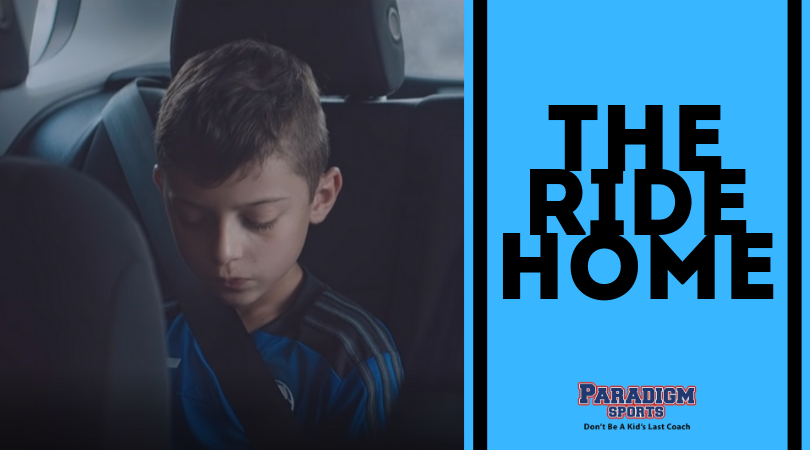
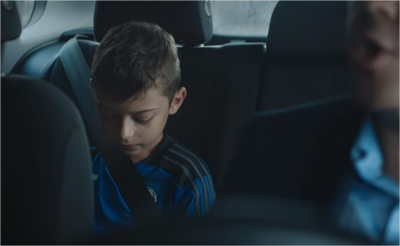
kid in back of car getting lectured by father on performance at practice

BONUS – Download a Free Copy of this Blog in PDF Format HERE  


One of the least talked about, but I believe is one of the biggest contributors to why kids quit sports is the ride home with parents.

In a recent coaches clinic that I ran, I talked to coaches about the importance of parent coaches wearing parent their coach hat while at the rink, courts or fields, and as soon as they left the facility, switch their hat from the coach hat to the parent hat as vast majority of youth sport coaches wear the dual hat as parent of one of the players on the team.

I believe that the ride to/from the rink, facility should be a positive one, for both of my kids that I coached on many different teams, or even when I was just the “hockey dad” our ride to/from was the same, they would pick their favourite music and we would crank it so they would get ready for games, practices, or after games in particular the opportunity to decompress regardless of the outcome.

One thing I would do, however, is zero in what I called a TSN turning point, something that either did that lead to a positive result, whether my son made a great pass that helped his team get out of the zone, or my daughter pitching a strike under pressure in a 3-2 count.  I then would remind both how much I loved watching them play and ask what music they wanted to listen to as well as what “snack” they wanted on the way home (for my son the snack evolved to full meals as he grew into a teenager).

Too often when I have either been wearing my coach or parent hat, have I seen first hand parents (who may also be coaches of their kids teams),  “coaching” their kids as they were heading to their cars so the “ride home” started well before that, and if they were criticizing their kids to that extent before they got in the car, I can’t imagine what it was like for them on the way home.  Think about the fact that at times the ride home can take up to an hour for many sports or possibly more for those sports played in rural areas.

Worse yet, parent or coaches may at times not turn off the coach hat at home, at the dinner table or other family activities.

In the particular clinic I ran, one of the coaches came to me at the end of the day literally in tears, he thanked me for bringing to his attention that at times he did not take off his coach hat and was coaching his son literally everywhere, at the rink, in the car to/from, at home and made for a very stressful experience.  His son was only 10 years old, second year Atom in hockey, and had already hinted to his father that he was thinking of not playing the following season even though his Dad stated he used to love the game, was anxious to get on skates at 5 and played outside (when weather permitted) all the time shooting on net or small pickup games with his friends.

He subsequently shared with me that he would stop “coaching” other than when he was at the rink, although he had the best of intentions merely to help his son become the best he could be, recognized there needed to be a time and place to coach.  Other coaches I have given the same advice to over the years have sent me short emails to thank me as it changed not how they were coaching, but how they interacted with their child athletes at home for a much more positive experience overall and both they and their kids were still involved in the same sport several years later.

Thanks to my friends at True Sport, below is a powerful video from the other side, the son being driven home by his parent.

As parents, or parent coaches, all we need to do in the ride home is talk about the positives, the process of learning (not the result of a game) and tell our kids how much we love watching them play.

By doing so we will instill the passion, love of the game so they not only play the following season but ultimately for many, many years to come vs. the current trends where 70% of kids are quitting all organized sports by the age of 13.

Let’s keep them in the game, that’s all it is, for various reasons youth sports have become way too competitive and only a small % of kids may play behind minor sport level, the majority “hopefully” will play adult recreationaly if we all do our jobs right as parents, coaches and directors by developing the love of the game in today’s youth so they are active for life.

Don`t be a kids last coach