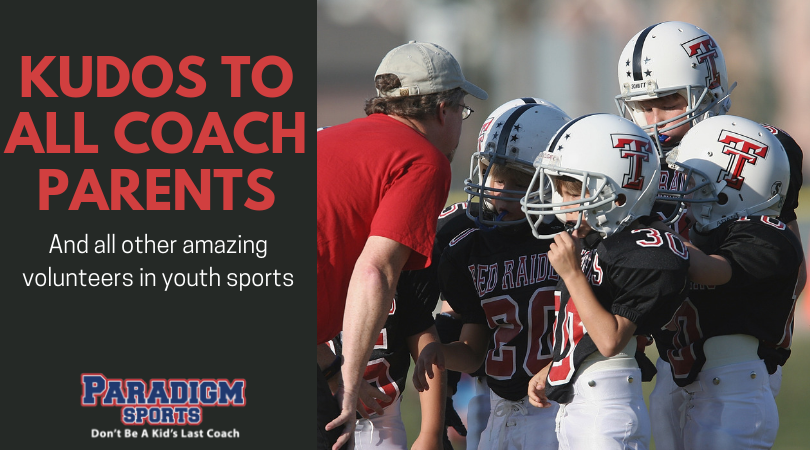
Kudos to all Coach Parents
And all other amazing volunteers in youth sports
BONUS – Download a Free Copy of this Blog in PDF Format HERE
In celebration of National Volunteer Week, I wanted to take this opportunity to provide Kudos to all the AMAZING people that I who have volunteered their time unselfishly so kids can play organized youth sports.
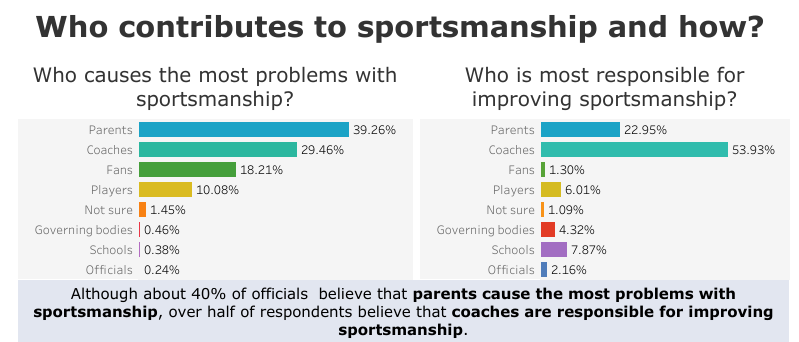
Although the model in the competitive stream has been evolving more to non-parent paid coaches who many feel are “more qualified” I beg to differ, there are many coach parents out there with decades of coaching experience that are AMAZING coaches whom those non-parents could learn from.
A couple of weeks ago I did a talk for North Shore Fastpitch and will be doing two talks for Langley Fastball next Monday and reminded me of my tenure coaching softball with the most dedicated volunteer EVER, Glenn Zwick, whom I highlighted in “Coaching Skills in Sport and Skills in Life”
Glenn was the head coach of my daughter’s softball teams all but one year that she played softball, the one year she played rep and had such a sour experience that she opted to return back to C ball.
Ironically she, like I, learned more about Softball and life under Glenn’s leadership than either of us working with other coaches or sports leaders.
The focus of that article was the importance of mentorship and how many people do so unselfishly.
What I want to highlight this go around are all the other volunteers that permit kids to play youth sports, to begin with.
Although much research coming forward is showing the optimal pathway for kids to develop their sports skills is to augment organized sports with unstructured free play, if people did not step up in various capacities in youth sports, kids would not be able to play they love (and hopefully love for years to come)
Kudos to all those that put their hand up to help coach various youth sports, in my case I coached softball, baseball, hockey, rugby and ball hockey after coaching adult co-ed slo-pitch which is hard to believe has been over 25 years of coaching and I still love it as much now as I did when I started. The difference now is I am coaching coaches, supporting parents, volunteer board members, officials to attract, retain and grow their memberships and in doing so have the opportunity to reach so many more kids than just coaching one team at a time.
The majority of those that step up to coach share when prompted why they do so is due to the fact that they have skin in the game, their son or daughter are playing.
Probably the saddest example that a parent coach shared with me last year was the reason that he stepped up to coach hockey is his 9-year-old daughter told him after her first year of Atom Hockey that she was going to quit because she was scared of making mistakes and gave examples why.
Why?
Because the coach she had that season did not realize the impact of his words on his players and the importance of making it safe for them to fail. He would single kids out for making mistakes in games, practices, at times with language not appropriate for any age group.
When the parent shared the story, literally everyone in the room, the majority of which were middle aged parents themselves (both Dads and Moms) eyes weeped up and even when I think about it now mine do as well.
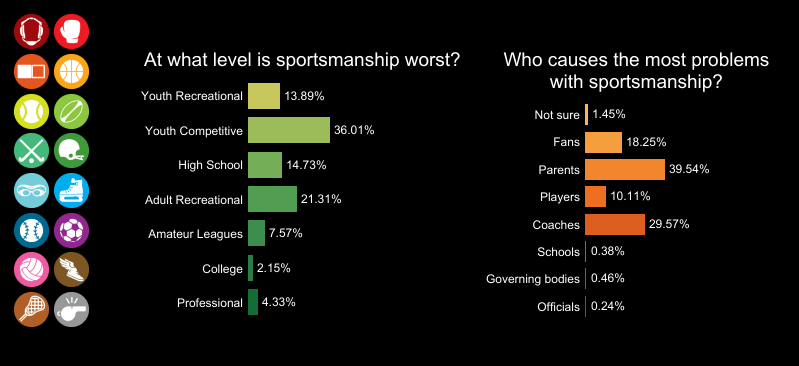
Even though I believe her coach had the best of intentions when he started as all do, because of the current winning at all costs focus in many sports and most of the coaching certification provided to coaches relates to tactics, skill analysis, systems, rules, practice and game management they don’t develop their soft skills, how to coach, which is the basis of all of our modules. They don’t know the best practices of coaching like growth mindset, the importance of connecting with their players and the emotional intelligence that the greatest coaches of all time developed after decades of coaching.
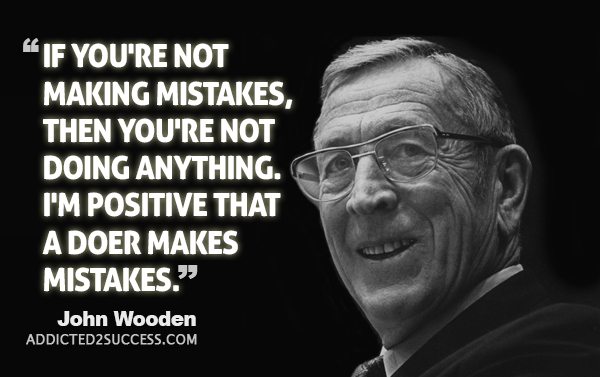
The greatest coach of all time, John Wooden, took 16 years to hone his craft before he won his first of many national championships as he knew the importance of being a great teacher of the game. He also believed in the importance of providing an environment for his players that was safe to fail.
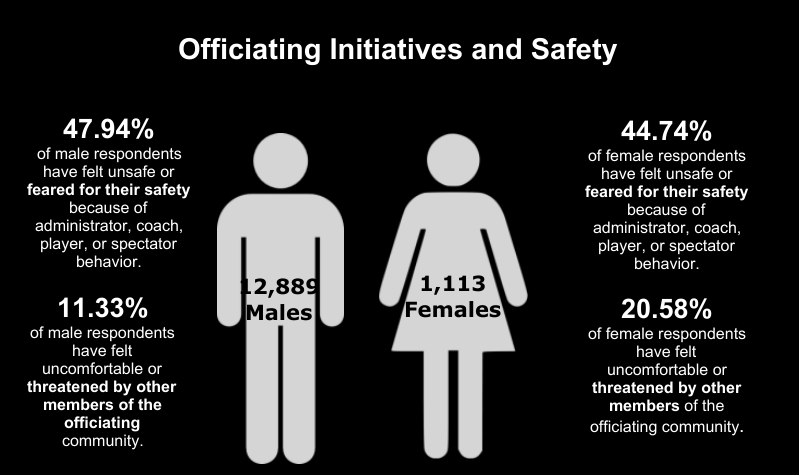
Coaching girls who are playing on boys teams vs. all girls teams, coaches must adapt their coaching styles as there are differences when coaching girls vs. boys.
Coaches also must learn how to connect with their players, how to engage parents on their teams, how to make it safe (to fail and all forms of harassment), how to coach today’s generation Z, characteristics of great leaders, how to communicate effectively and so forth.
What I can say as I have traveled the country and interacted with thousands of coaches and all other volunteers that we rely on for kids to be able to play youth sports, I believe that there many more coach parents out there that are doing an AMAZING job as they truly are in it not just for their kids, but as I share with every coach when they say they are coaching because of their kids, “You have figured out that you adopted 10+ other kids also?”
To which they all say, yes, and they love being with all the kids and seeing not only develop their athletic skills, but as people.
Below is a great video which is a great perfect example why Kudos should be relayed to all of the coaches that Dwayne Wade had in his youth that not only guided him to become the future hall of famer he will be, but an amazing person.
Get your Kleenex out for this one.
I also want to take this opportunity to thank all of my amazing volunteer coaches who took me under their wing after my father passed away when I was 8 years old.
My father was a really good athlete, he played junior football and baseball to semi-pro until his 20’s and both I and my brother inherited his athletic genes. In my youth, I played EVERYTHING, a lot of unstructured free play, but also a number of organized sports and had the opportunity to play on provincial winning teams in Hockey, Football and Rugby lead by GREAT Coaches.
Why were they great?
They pushed me to become the best I could be.
They taught me so many life lessons that I wish I had learned from my Dad, values like winning with humility, losing with dignity, respect, sportsmanship, selflessness, team work and important life skills like resiliency, leadership, communication, accountability, punctuality, commitment.
Another challenge that I had growing up is the fact my father had to live close to government buildings that he managed as a stationary engineer so every year from K to High School we moved so I was in a different school, different sports program which made it very difficult to develop friendships but the one constant for me was playing sports and I had so many amazing coaches that truly cared about me and were very passionate about the sports I played.
Those stops included many suburbs in Montreal, Ottawa, Baffin Island (Northwest Territories), Vancouver, back to Montreal, Toronto then finally back to Vancouver and have resided there since.
There were in a sense, the very model for why I mentor coaches, students and even employees now and do so to give back as those coaches did for me.
It is one of the driving reasons why I wanted my kids to grow up in the same place and go to same schools year after year and also why every time they asked me to coach I did so with no hesitation.
When I entered High School we finally stopped moving year after year, my mother continued to support me and my brother to play 3 organized sports per year and went thru a real tough few years as became bitter having not had a father but when I look back at it, I had MANY fathers.
This is why I focus on mentoring grass roots coaches, the mothers and fathers who put their hands up every year to coach kids For the Love of the Game, to Give back/pay it forward and all the other reasons I shared in “Why do you Coach”
One of the tips that I share in talks is the importance for coach parents to wear their coach hat at the rink, court, field and their kids call them coach and when they leave (to/from) that they put their Mom or Dad hat on and vice versa.
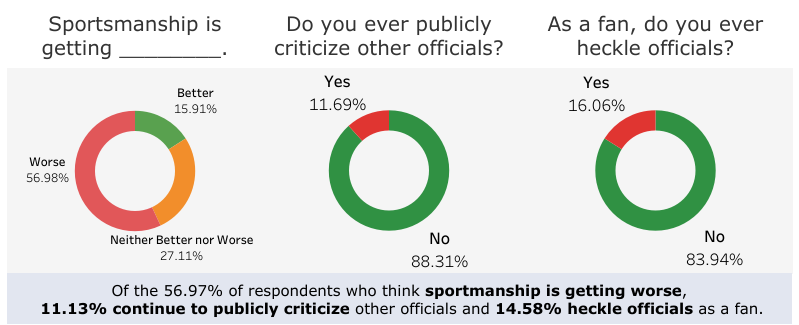
Don’t coach your kids at home, the dinner table or in the car otherwise they may become one of the 70% of kids that are quitting youth sports before high school.
A Dad came to me when I was doing a clinic last year after I shared that anecdote and he said to me with tears in his eyes “my son told me he wanted to quit hockey because was not having fun and I did not even think I was over coaching him”
It’s a fine line for coach parents but without the 10’s of thousands that put their hand up across Canada, undergo all the certification that is being asked of them and now ongoing professional development credits, please ensure that your son or daughter treat them with respect, thank them for everything they do and if you are a parent and not coaching do the same.
Being a coach requires hundreds of hours of time to plan practices, manage games and all the stuff that goes on behind the scenes with managers, board members, officials to ensure that kids have an opportunity to play a game they love.
Thanks Coach for everything that you do.
Even though at times it may seem like a thankless gig, when one of your players comes to thank you at the end of the season or better yet shows up on your doorstep to say hi or as they even get older to go for a bevie, reach out to thank you for everything that you did, it is all worthwhile.
Thanks also to all the other amazing volunteers that keep the cogwheels of youth sports turning, board members, scorekeepers, timekeepers, managers, trainers, risk managers and all others that make it possible for kids to play youth sports.
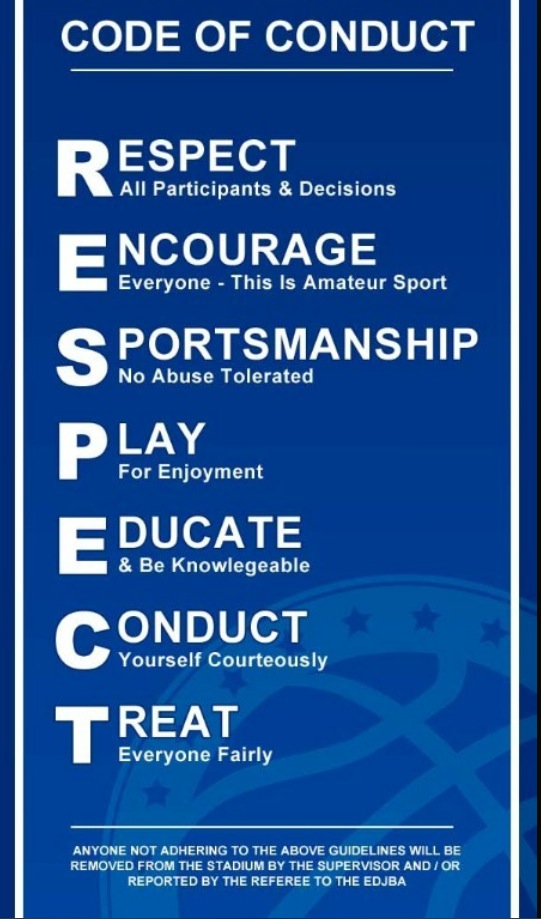
Coaches, please ensure that you keep the game in perspective and remember the initial reasons that you started coaching, to begin with:
- Make it Fun
- Make it Safe
- Teach Skills
- Care Passionately
And most importantly …..
Don’t be a Kid’s Last Coach
Please ensure that the legacy that you leave behind is like Glenn’s and all the coaches that I had in my youth and it is a positive one and you are not a kid’s last coach.
Lets all work together to bring the game back to the kids … where it belongs.