Kudos to Great Sports Parents

Posted Posted in Coach, Early Sport Specialization, Parents, Uncategorized

Having lost my father at a very young age, and being fortunate to have such an amazing mother who raised me and my brother as a single parent, as well as all the amazing coaches and teachers who took me under their wing who were parents themselves, is one of the driving reasons why I have worked tirelessly in recent years to support all those parents in the youth sports space.

As I have traveled across Canada doing workshops, talks over the years, and over the last 12 month virtually, by far the #1 question I get asked is “how do I deal with parents” and the first thing that I have shared is they need to revisit “dealing with” and in lieu engage parents as integral part of your team.  Regardless of what level you are coaching, whether it be recreational sports for kids U13 or competitive levels U18 and everything in between, if coaching youth sports the athletes you coach will parents or guardians.

The sooner that you recognize that they can help you taking on volunteer roles like manager, treasurer, fundraising coordinators, assistant coaches and so on vs. alienating them, the sooner that you will be able to lead your teams to have amazing seasons in lieu of ones that are cluttered with issues that coaches come to me over and over again.

Due to the evolution of the internet and social media over the last couple of decades literally daily there are posts highlighting parents who are screaming at kids during various sports events, criticizing officials, players and even coaches but they represent only a small % of youth sports parents, the majority that I have hand the privilege to interact with in my 20+ years of coaching have been amazingly supportive who truly love their kids and LOVE to watch them play.

My mother was one of those parents, she was at the majority of the games that I am my brother played in the various sports the played and then did the same for our kids as the proud grandmother (Nanny) and after each time she came to see them in sports, drama, band or any other activities they pursued would come to them as she did for me an my brother and say just how much she loved to watch us play.

With the recent passing of the greatest Hockey Dad of all time, Walter Gretzky, my thoughts and prayers for the family in this difficult time, as it brought back a flood of memories for me, both of my mother who I sadly lost in 2013 to he long fight with cancer, but the passing of my father tragically when I was 8 Years old 1/2 way through the baseball season that he had committed to coach me for the first time.


Although I shared with my mother and Nanny during the days that followed that I was going to quit baseball as a result, they said I had to finish the season as that is what my father would have wanted.  Fortunately I did and learned one of the many life lessons I did from sport about the importance of commitment.

I share this with you because I also made a commitment before I had kids to ensure that I supported them to the best of my ability, which included thousands of hours coaching them and their team mates (my extended adopted family) on various teams and sports over the years.

One of the hardest conversations that I ever had was when my son shared with me that he was going to quit hockey when he was 15, 2 years beyond the global trend where kids are quitting by the age of 13, but for all of the reasons that I have shared in talks where I learned that I neglected to ask him at the beginning of every season if he wanted to keep playing hockey, in lieu assumed much like had since he was 5 years old and started playing organized hockey.

The reasons that he shared he was quitting had to do a lot with the winning at all costs coach that he had the prior season who thought nothing of running short benches including the game that was the straw that broke the camel’s back for me when he sat my son and two team mates for better part of last game in a tournament but he had dedicated to his Nanny (my mother) prior to the game who he lost just a month prior and was there for her last breath by her bedside.

He also shared that he was not having fun anymore, that he wanted to explore other sports and activities like band, drama, robotics and list goes on.

It was an eye opener for me which is why I encourage every youth sports parent to ensure that you support them try as many sports as possible as you never know what they will fall in love with.

Like me, he tried volleyball and Rugby that school year (Grade 10) and fell in love with Rugby and played until he graduated high school and aspired to play club rugby after he graduated from college but then COVID hit so will have to wait until next year to do so.

Although he took the season off as a first year U18, he did ask if could play again the following year and he tried out and made the AAA team even though he missed a full year of “development” (in the minor hockey system as people have been sharing with me over the years too many kids are playing too many games and not practicing enough)

In essence, he got his love for the game back as he had a break, a break that I should have clued into he needed as his parent, but like many parents, I “assumed” that he wanted to keep playing year after year, so from that point going forward I asked both him and my daughter if they wanted to keep playing or try other sports.

I can’t emphasize enough for you to do so with your kids, and also the importance of recognizing that their journey will be over before you know it.

Now that both my kids have aged out of youth sports, although the craziness of driving the to all their practices, games, and other activities were insane at times (especially when they overlapped and had to decide how to juggle), the one thing that my son and I did after he took that season off was read “Bobby’s Orr’s – My Story”

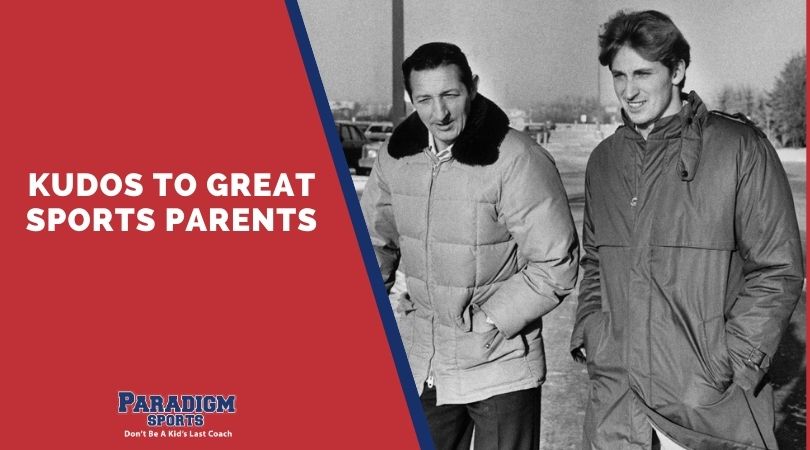
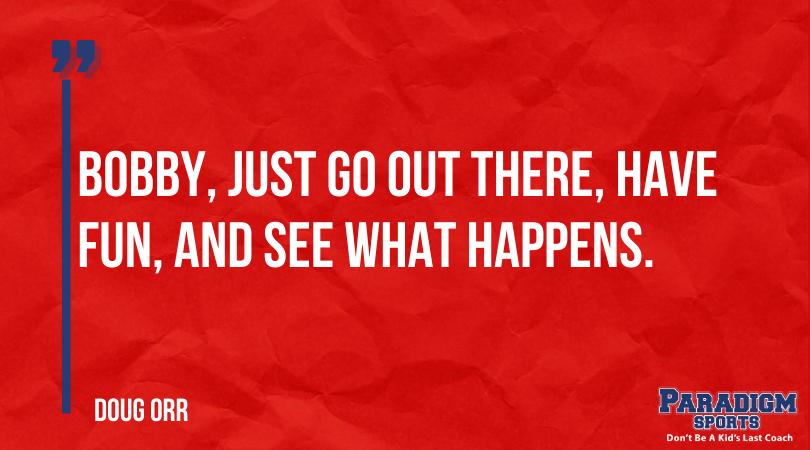
One of the biggest takeaways in thet book he and my son had was the fact that Bobby’s Dad, Doug, unlike Wayne’s Dad Walter, never coached Bobby.  What he did do, however, like all the other amazing youth sports parents that rarely get acknowledge for being so supportive like all those we call the silent majority (over 90% of sports parents are supportive, positive) vs. the vocal minority (the 5-10% of parents who are the ones screaming at kids, officials, coaches) in the stands.

Doug would be that parent like many that drove Bobby to all of his practices, games and share with him the following quote below;


When my son did return back to junior camps, his junior spring hockey team, and other teams when I was dropping him off for practices, games or other activities I would ask him … Hey Bud .. .what are you going to do today?

His answer every time was …

Dad, I am just going to go out there, have fun, and see what happens with a HUGE smile on his face.

He would still be playing adult recreational hockey this season had we not been dealing with COVID, but for me, and for every parent, coach I interact with, our greatest reward is to ensure that our kids or players love the game more at the end of the season and play well into their adulthood with those same huge smiles so we can continue to Love Watching Them Play.
PS Tagline - Dont be a kids last coach


Gone are the days of “Just getting your bell rung”

Posted Posted in Athlete, Coach, Early Sport Specialization, Organization Executive, Parents

This past week was absolutely crazy for me in terms of various webinars and zoom meetings as it was National Coaches Week in Canada.  I took advantage of the various webinars, virtual conferences, summits during the day, and at night was participating in Zoom meetings to prep for online delivery of Hockey Canada NCCP clinics for BC Hockey due to COVID-19.

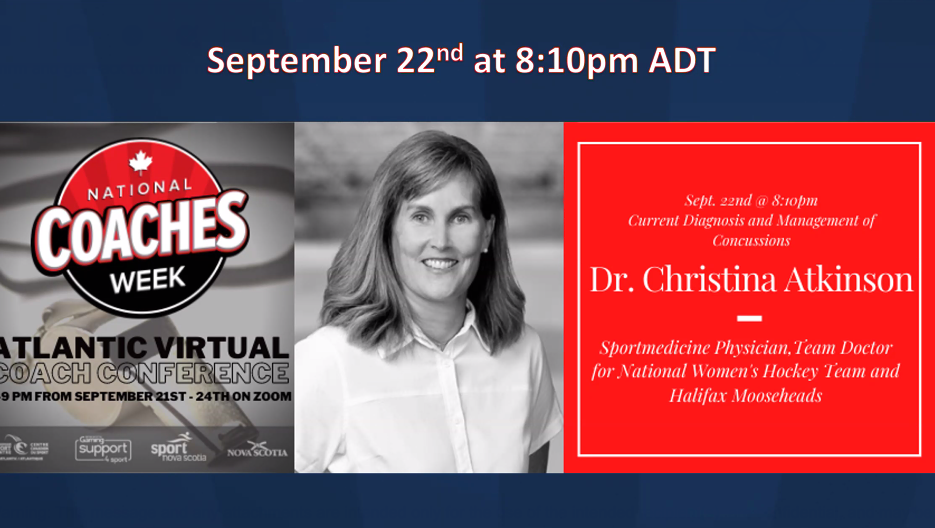
A couple of the sessions I did was attend a presentation on concussion management and the following day had a great chat with the director of an organization based in Florida who is providing Hyperbaric O2 Therapy to help people recover from brain trauma that I will expand on below.

Both of which really resonated with me personally as I probably suffered a few minor concussions during my playing days of tackle football when was hit helmet to helmet or tackled really hard.  I recall a few times over the years when that would happen and I would be sitting or lying on the field woozy from the impact and trainers would run on the field to help me.

The first thing that they did was pull smelling salts out of their first aid kits and swipe under my nose where I would become more coherent and then they would say “Hey Bud, you’re good, you just got your bell rung” then help me back to the sidelines.

Then the head coach would come to me and ask me how I was doing and like players were doing for many years until recently where mandatory medical or return to play protocols were implemented and my response would be “I’m Good Coach” (but was I??)

To which they would say … Good to hear, Get back out there.

Fast forward many years later while running clinics, workshops or presentations across Canada interacting with coaches and other youth sports stakeholders may feel that the increasing concussion rates are attributed to the fact there is so much awareness now than it was in my playing days.

To which I say … I am glad that is the case because not only did I “probably” have a few minor concussions playing contact sports (none were diagnosed), I did have 2 Grade 3 concussions (most severe), the second ended my competitive playing career in contact sports in my 20’s.

Ironically it, like the first, were not from sports, rather were are result of bar brawls, the second I can only share what people told me after the fact as I lost approximately 2 weeks of memory leading up the incident and vague tidbits the days that followed.

In sum, I was doing a pub crawl with my buds for a stag and the one that was getting married was hit over the head with a beer mug and knocked out to which I came to his aid and I in turn was hit over the head and knocked the ground.

I literally had the S..T kicked out of me by three young men and I was taken to hospital, was in and out of consciousness per the doctors when I finally game to a couple of days later with what felt like a knife digging into my head …

The days, weeks and months that followed were extremely tough on me as doctors said I had to limit any activity, keep the lights off, rest while I recovered from the migraines, headaches, dizziness, nausea and other symptoms as a result of the concussion.

The incident happened in July and I was returning back to my second year of college and had to reach out to my advisor and instructors to advise that I could not return until I had the green light, that did not happen until early November.

I missed two month of my third term (of 4) in a really intense program but my instructors and fellow classmates were amazing helping me return and get back up to speed.

I share this as I know what it is like to deal with a major concussion, it is tough not only physically, but mentally as you are unable to do things I just took for granted, running, biking, hiking, playing sports, swimming, skiing, golf and so on.

So when coaches say to me the only reason so many more concussions are being diagnosed is due to awareness now vs in past I reply … I would rather doctor’s, coaches err on the side of caution.

I also have had players on teams I coached suffer concussions, one of the ones to this day I regret agreeing to let him return to play as soon as he did (even though he had doctor’s approval) was one that sustained a bad concussion in a game, came back a month later and sustained another concussion.

I received a call from his father later that night saying the doctor had advised that his son not play the remainder of the season and that he no longer play rep/competitive hockey with body checking as a result.

Although everyone said it was not my fault, I still feel some of the blame as I could have pushed back to his parents more and said give it more time but they insisted he was good to go.

This is why I was excited when I attended the webinar and talked with Hilary Loftus this week in terms of advances that the medical profession has made in terms of concussion management and recovery


Tina did a great presentation highlighting what concussions were, the ways that the can now be diagnosed by coaches and trainers utilizing concussion recognition tools like the one below

There have also been changes in terms how concussions are managed when diagnosed

  1. Complete rest for 48-72 hours is no longer advised in lieu early return to light activity that does not increase symptoms
  2. Slowly return to play/learn or work in terms of a graduated approach

Yikes … I potentially could have saved myself of 2+ months being in a dark room and literally doing nothing during that time?

She also shared following stats

  • Most people recover quickly and fully
  • 85-90% within 3 weeks
  • Children take a little longer 4 weeks

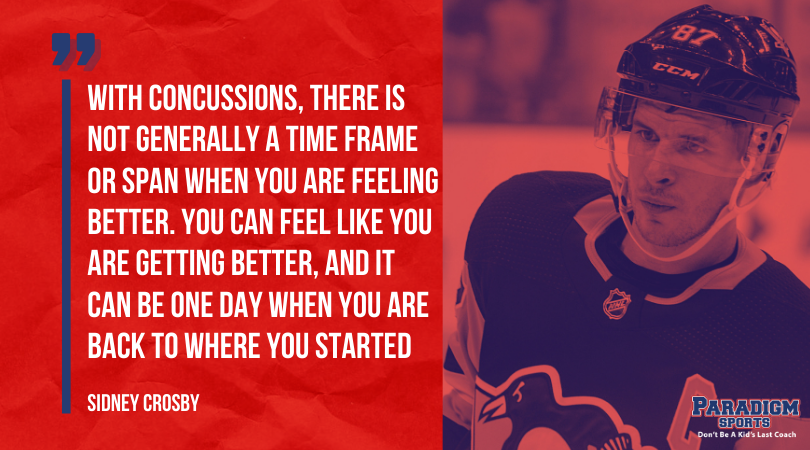
Only 10-15% may have persistent symptoms (months to years), which mine as well as Sidney Crosby’s example as well as many other professional athletes who took months to return or had to retire as a result of concussions (i.e. Eric Lindros, Paul Kariya)


The Key takeaways that Tina ended her presentation for Coaches


  • Know your athlete
  • Be Supportive
  • Community with the health care team managing the concussion if need quidance how to be supportive
  • Speak the same language as the health care team

The day following Tina’s webinar, I had an opportunity to chat with Hilary Loftus, the director for HOW (Helping Our Wounded) Foundation which was established initially to help US military and veterans recover from brain trauma and PTSD using Hyperbaric Oxygen Therapy (HBOT)

The sessions are either done in mono type chambers like the one above or they have larger ones that can accommodate groups of 4-8 or 12 at a time.

Pure O2 affects the body at a cellular level and by using pressured chambers it enhances and provides the tools for the body to naturally heal.  A session is 80 minutes and the technology has been around for decades used mainly in hospitals for severe injuries, burns etc but is now becoming more mainstream in conjunction with other injury therapy practices (i.e. physical, occupational therapy)

Hilary shared an amazing stat with me also, if athletes who are diagnosed with a concussion start HBOT sessions within a week of being diagnosed they only have to do 3 sessions to recover and return to normal activity.

All I could say to myself during our chat and prior conversation was “I wish this was around for me many years ago” but it is exciting to see the advances that we are seeing for concussion management both in terms of recovery but ultimately in terms of prevention as many sports have implemented training programs for coaches, players to reduce head contact and severity of concussions many suffered in past.

If you are a coach and suspect one of your players has had “their bell rung”, that should be a red flag for you to immediately pull them from the field, ice, court and reach out to their parents to get them checked out and follow return to play protocols accordingly.

As the cliché goes, it is better to be safe than to be sorry.


PS Tagline - Dont be a kids last coach


Why the stars are aligning for Dallas

Posted Posted in Athlete, Coach, Early Sport Specialization, Organization Executive, Parents

I never thought in my lifetime that I would be having discussions with people regarding the NHL playoffs in September when all prior years they were finished by May/June timeframe.

Nature of the beast as they say during the COVID-19 era that the NHL and all other professional sports are dealing with to complete or start their seasons with various protocols to ensure the safety for all parties concerned.

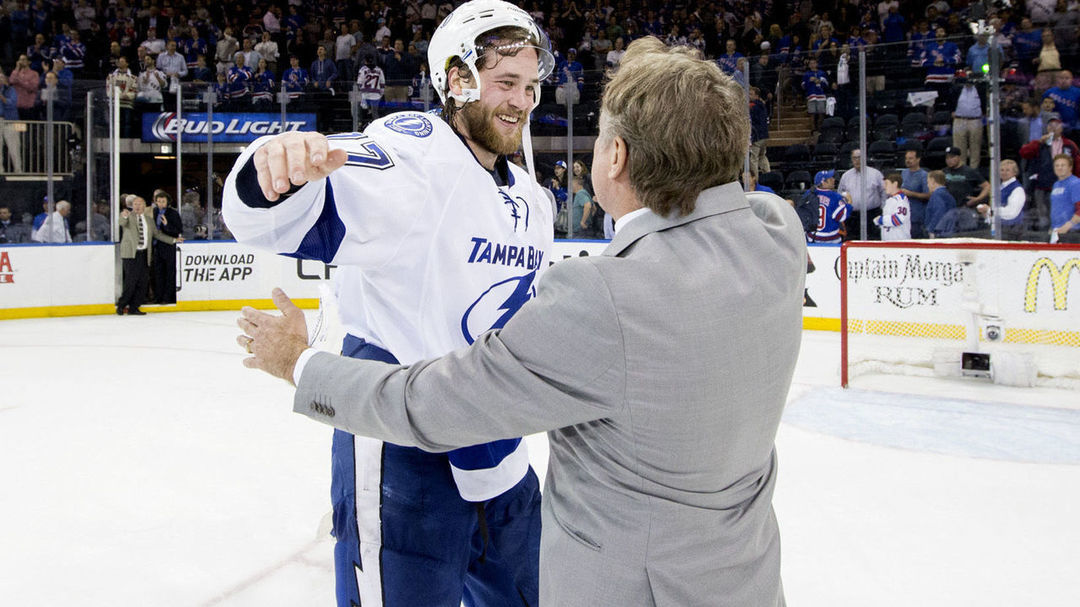
Although I am a long time Habs Fan having grown up in Montreal, and was disappointed when they and then the Vancouver Canucks were knocked out of this years Bubble Playoffs, I am happy to see that Rick Bowness and the Dallas Stars will be heading to the final for the first time in 20 years.

Two reasons why I feel that the “stars” have aligned for them to get there this year, the amazing coaching job that “interim” coach Rick Bowness has done since he took over the reigns after former head coach XXXXX was fired mid season and the later is the leadership from team captain, Jamie Benn, whom I have highlighted in numerous talks and interviews when I been asked to share insight on the benefits of multi-sport participation.

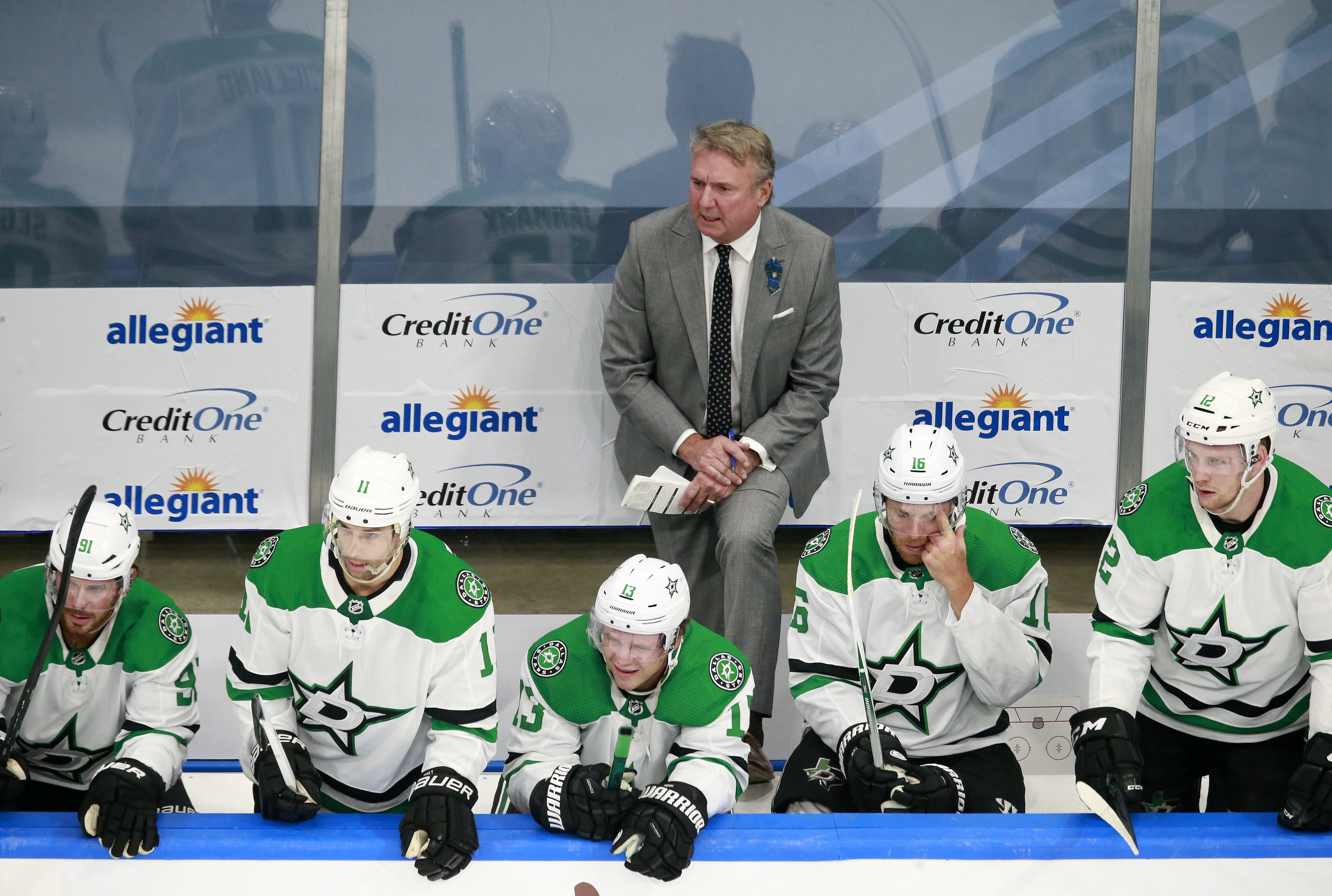
RICK BOWNESS – AKA BONES

(Photo by Jeff Vinnick/Getty Images)

Rick Bowness played in the NHL for a number of teams like many other NHL coaches after he played Major Junior and in the NHL.  He has been a head coach for a number of NHL teams but this is the first time in his career that he has lead a team to the Stanley Cup Final

His coaching career ironically started out in 1982-83 as a player coach (AKA Reggie Dunlop for the Chiefs in Slapshot) for the first Winnipeg Jets minor league affiliate Sherbrooke Jets.

Much like the infamous “Chiefs” in Slapshot, the team really struggled under his watch so he retired as coach and player at the end that season and a year later was recruited by Winnipeg Jets Head coach in 1984 to join his coaching staff as an assistant.

He has gone on to coach a number of teams in the NHL since, many as the head coach and several years as associate or assistant coach, including the Vancouver Canucks where he was Alain Vignault’s right hand man when they had their amazing run in 2011.

He moved on from the Vancouver Canucks in 2013 and was with Tampa when they advanced to the final in 2015 but lost to Vancouver’s long time nemesis, Chicago Blackhawks.

Rick has now been in the NHL as a player and now a coach for 45 years and many are pulling for him to win his first Stanley Cup.

Why are so many pulling for him?

#1. He is a player’s coach – loved by all of his players who will do everything they can to win for him

#2. He truly cares about his players as people, not just as hockey players.

The list of players under his watch for decades have all shared in interviews time and time again how he connects with them as individuals, is approachable and takes the extra time to help them not only become better players, but better people.

“He Cares about his players. You can just see it in his actions. He will never chastise them, he will never embarrass them in front of his peers or in front of other people, if there is a tough conversation to have he does it behind closed doors.”  George Gwozdecky (Tampa Assistant Head coach with Rick 2013-2015)

#3. He has a high level of emotional and social intelligence.

Although this past Hockey Season the NHL saw several coaches fired from their roles due to what many feel are no longer (nor were they ever) appropriate coaching styles, Rick has always set the bar as the players coach

“He’s a coach you just want to do everything for, lay your body on the line for”

Jamie Benn

#4 – He has coached more games than any other coach EVER in the NHL, now over 2,500 games leaving Scotty Bowman’s record of 2,164 3 years ago and he is still going

#5 – He has adapted to being either a head or an assistant coach depending on the team needs, many of his head coaching stints he took over mid season when the head coaches were let go much like this season with the Stars.

#6 – Cody Hodgson played under Rick and Alain while in Vancouver and shared that “you get some coaches that are very talented but not necessarily good people (as the firings in recent year showed).  But Rick ‘s a great coach and a great person …. and will be able to stick around as long as he wants to”

#7 – He is very humble.  Whenever people try to give him credit for his leadership, he defers to the players, much like he did when was interviewed after they advanced the final.

#8 – He’s a great coach.


Ironically he played as a forward, but has spent much of his coaching career working with defence and is acclaimed for helping develop many D-Men over his career, most recently was helping Victor Hedman become one of, if not the best, d-men in the NHL currently.

#9 – He is transformational and focuses on connecting with his players vs. many coaches still focusing on the X’s and O’s.  Per former player he coached, Brad Barry who is now coach of University of North Dakota X’s and O’s are one thing, but if you don’t have the communication skills or the ability to connect, then I don’t think the X’s and O’s matter anymore.”

#10 – He loves the game as much now as he did when he was a kid.

In every talk I do with coaches I end with key takeaways and one is the measurement of a great coach is one that creates a culture on their teams where kids love the game more at the end of the season then they did at the beginning and come back the following year with big smiles on their faces.

JAMIE BENN – AKA Chubbs

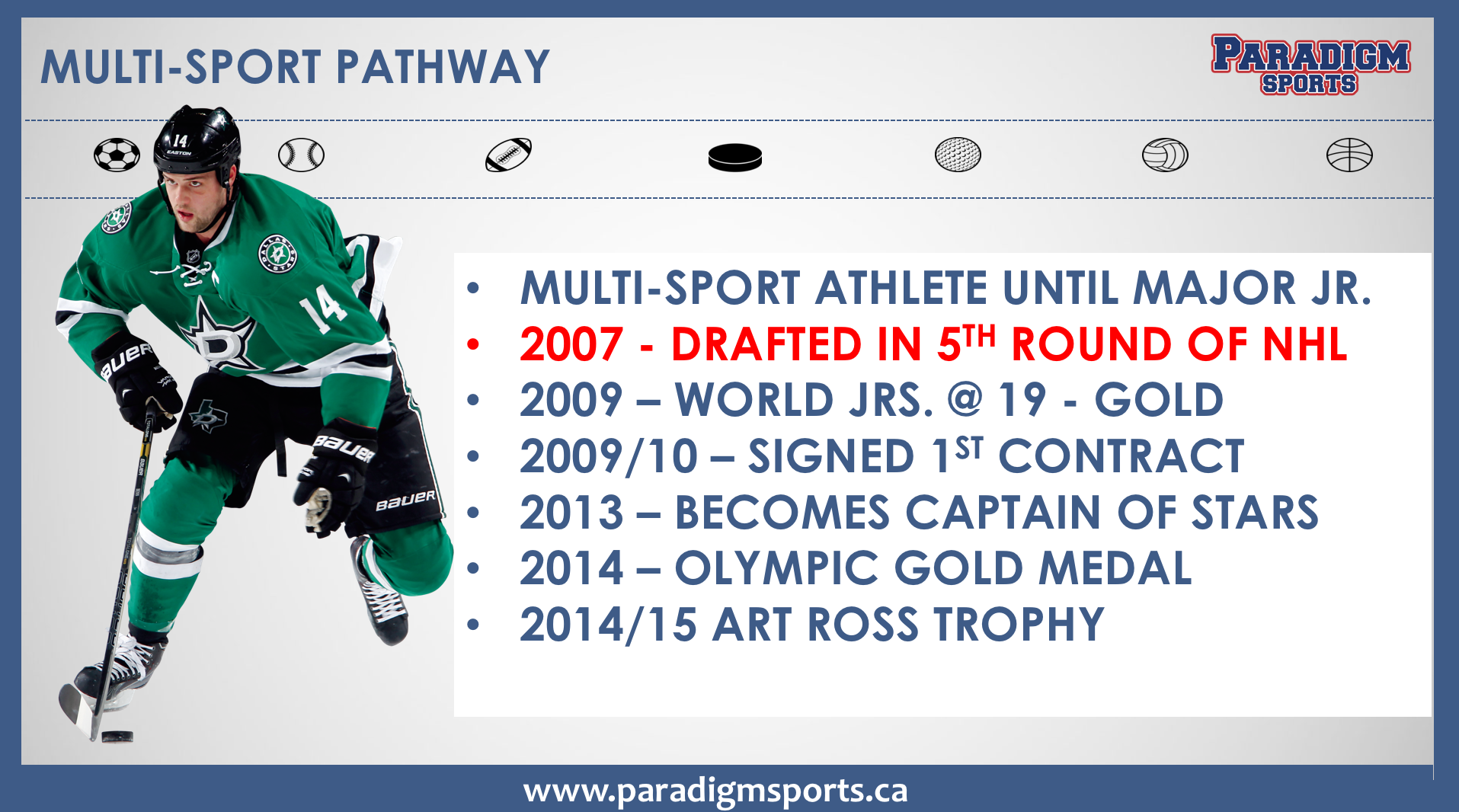
Below is a slide from one of my core talks LTPD vs. Early Sport Specialization where I talk about Jamie Benn’s path to the NHL.


Jamie and his brother Jordie grew up on Vancouver Island and played a number of sports growing up, both played hockey in the winter and baseball in the spring as well as tried several other sports until they both found the one they loved the most – Hockey.

Note on the slide some of Jamie’s accolades – Gold in the World Juniors, Gold in the Olympics, Art Ross Trophy and now he is going to the Stanley Cup Final.

Did you know that he did not decide to focus on hockey until he was 19?

This is why Hockey Canada did not even identify him for any of the U16, U18 or U20 Junior Camps until he was 19 as his path was junior B, then Junior A, then WHL and was drafted in the 5th round to then become the captain of the stars in 2013 when he was 24 years old.

His path the NHL, much like the majority of players, was playing multiple sports until his later teens. When I interviewed Ken Martel for one of our summits last year, he shared with me that over 90% of NHL players were multi-sport athletes until at least 14.

“Just a game boys, there’s always next time” Tyler Sequin

Now at 31 he is considered the old guard with the NHL youth movement, but as much as I would love to see a Canadian team be in and ultimately win the final since the Habs won their last one (and last one for a Canadian team) in 1993 27 years ago, I will be pulling for the stars to align for Rick, Jamie to hoist their first and ultimately drink from the Stanley Cup.


What Parents Expect When Youth Sports Return Post COVID-19

Posted Posted in Coach, COVID-19, Early Sport Specialization, Officials, Organization Executive, Parents

I recently connected with a new officials organization in Illinois called Officially Human and the founder, Brenda Hilton, shared with me a recent survey was done that was circulated to 40 organizations across the US and received over 10,000 responses representing 13 different sports, 91% of those were parents who wore various hats in youth sports as coaches, administrators, officials, facility operators etc.

The survey was conducted by the Sports Innovation Institute based out of the University of Indiana and there were several interesting results that I believe sports organizations in Canada would find of interest as they continue to plan for or start rolling out their return to play guidelines in Phase II.

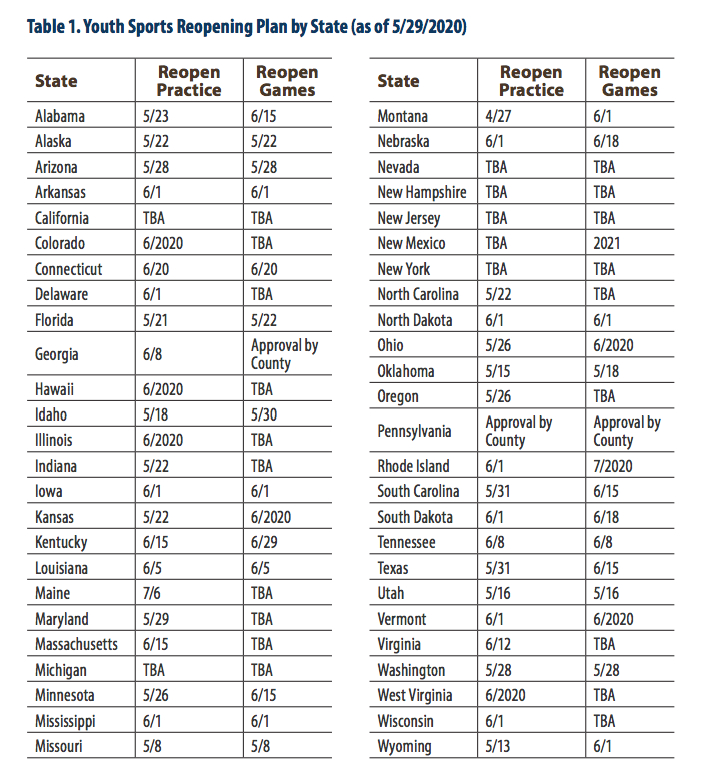
Below is the table outlining when youth sports can start practicing and play games


  • 86% of the 50 states will be permitting youth sports to start practicing as of May/June
  • 60% have confirmed that youth sports organizations will be able to start playing games


Compare this to Canadian Youth Sports that we have shared guidelines of returning to play today, many sports will be permitted to start returning to play for skills development sessions only and no confirmed dates when competitive games/tournaments will be permitted

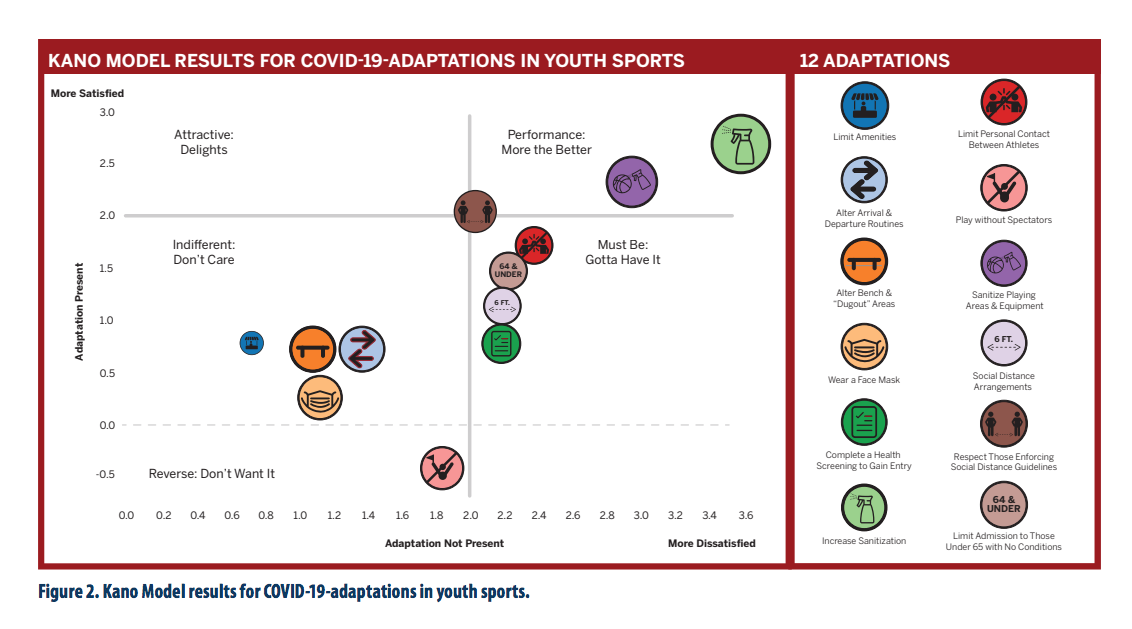
The specific survey focused on the top 12 most common concerns identified from looking at various documents from governing bodies, trade associations and media articles

  1. Arrival and Departure Times: Changing arrival and departure times to limit time at the venue (I.e. waiting in the car before practice/game begins, coming to the facility fully dresses, leaving immediately once the game is over)


  1. No Spectators: Limiting youth sports competitions to players, coaches, and game officials.


  1. Spectators under 65 with No CDC-Indicated Underlying Medical Conditions: Limiting spectators at youth sports competitions to immediate family or maximum of two people who are under the age of 65 and have no pre-existing CDC identified conditions


  1. Health Screening: Answering a questionnaire that asks for contact information, travel itinerary, lodging, and health (status) i.e. fevers, COVID-19 symptoms to gain venue admission


  1. Social Distancing: Sitting or standing at least 6’ (2M) apart from others in spectating areas (i.e. blocking access to bleachers, sitting every third seat or row, standing in designated locations)


  1. Social Distancing with Respect: Treating even staff with respect if they approach you to strictly enforce social distancing guidelines


  1. Facemasks: Being required to wear a facemask while spectating


  1. Increased Sanitization: Facilities increasing the efforts before, during, and after events (i.e. frequent and visible cleaning, hand sanitizer available throughout the venue especially in high touch areas)


  1. Playing Areas and Equipment: Playing areas and equipment being sanitized after each competition


  1. Amenities: Amenities being closed at sports venues (i.e. concessions, drinking fountains, lobbies, playgrounds, entertainment centres)


  1. Bench and Dugouts: Minimizing the capacity of bench and dugout areas for athletes


  1. Personal Contact: Limiting personal contact between players (i.e. handshakes, high fives, hugs)


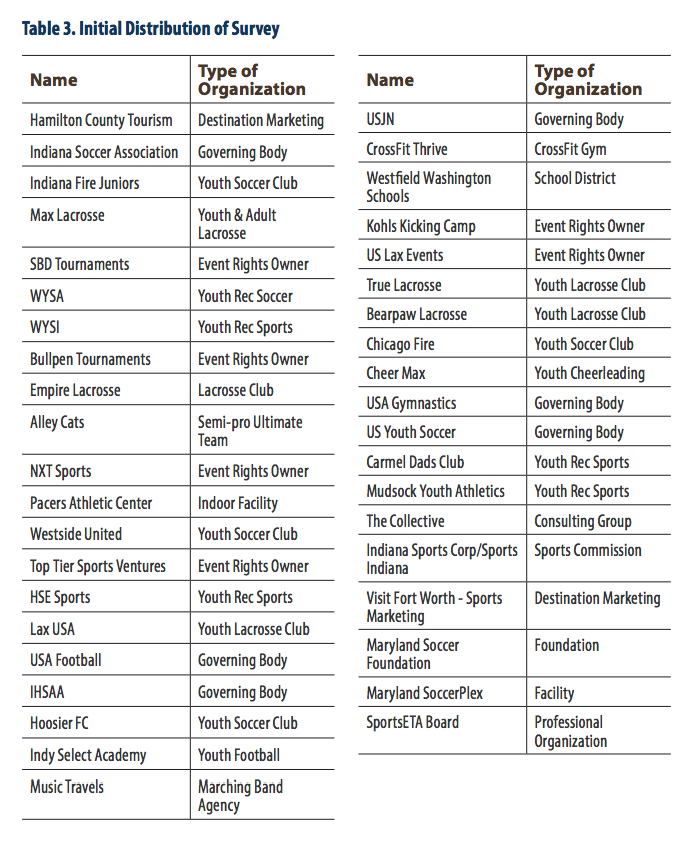
Below is the list of organizations who provided responses from private/local sports orgs all the way to NGB’s


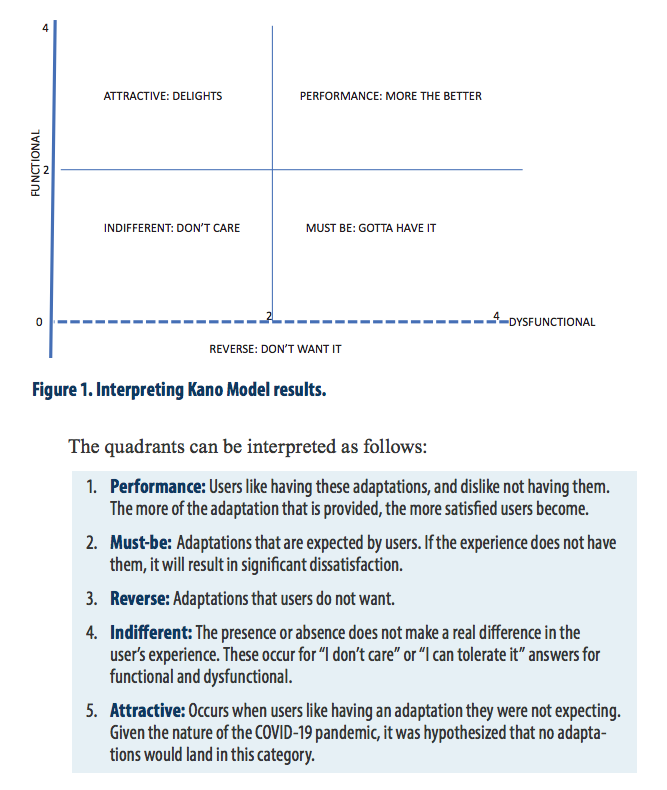
The survey results utilized the Kano Model, below is the legend to interpret


Survey Says….

Amenities – Over 60% of parents were indifferent did not want additional amenities offered pre COVID (i.e. concession stands)

Arrival Times – Almost ¼ of those surveyed stated arrival/departure times must be varied

Benches/Dugouts – Over 30% were indifferent meaning did not require

Increased Sanitization – The NUMBER one expectation by the vast majority of respondents (over 87%) and #2 was sanitization of playing surfaces and equipment so if you or your facility provider has not got their order in for sanitizer stations, cleaning supplies etc it should be part of your return to play guidelines as there is a shortage of supply due to main ingredient ethynol on long backorders with long lead times that may impact your anticipated start dates

No Spectators – Over 50% were supportive of spectators being permitted vs. 30% against

Personal Contact – Over 50% stated contact amongst players must be limited as

Social Distancing with Respect – Over 60% supported that we should respect venue staff enforcing and over 50% expected social distancing by participants

Summary Graph of Results

A few of the results surprised me

The fact over 50% of respondents were against no spectators meaning it would just create more social distancing challenges for sports organizers especially as they had their hands full pre-COVID with spectator behavior at times.

Another was how many States in the USA are opening up facilities to permit not only practices but games by the end of June.

I have already shared prior examples of the Mother’s Day Baseball Tournament, Softball tournaments to be held in Texas in June and AAU’s 15,000 participant Volleyball tournament delayed until July (originally scheduled for June) and now over 60% of the US States will be permitting competitive game play en masse.

Then there was the tournament stat coming out of this survey, Travel Sports Parents (Pay to Play competitive teams) stated their comfort level to travel to tournaments increased from 42% in May to 76% in August when all sports organizers in Canada have been saying tournaments will be a no go until Phase IV and vaccine is developed.

Although COVID-19 has had a devastating impact on the global economy due to layoffs, business closures, and now more and more are filing bankruptcy 59% of those very same Travel Sports parents that the pandemic will not negatively impact their budgets for travel sports.

Only 23% will experience a decrease of greater than 25%

What does this mean?

Although many of the sports leaders I have interacted with not only in Canada the US and other parts of the world feel that there is a huge opportunity before us to bring the game back to the kids, the majority of parents that bought into the pay to play, travel ball, showcase tournament, early specialization and winning at all costs so my Johnny will be scouted and drafted as early as 9 years old are still drinking the same Koolaid.

What does that mean for organizations like ours?

That we and all of our partners across the globe will have even more work to do as organizations continue to return back to play safely to educate parents why kids play, why they were quitting, why we need to focus on what they want, not want the adults to believe they want.

Ironically the approach being taking by the Canadian Sports organizations I have connected with from Coast to Coast has been a wait and see, walk before we run approach even though Canada had evolved to the highest cost per capita country in the World for Youth Sports participation ($9 Billion in 2020 vs. $19 Billion in the USA).

I only hope that we continue to move slowly to ensure that we have who matters most at the top of the priority list, the kids.

Noting would please me more when kids get to play the games they love again, but to do so without going through the phases to ensure COVID-19 outbreak comes back in the fall is not worth rushing into it as far as I am concerned.

I also hope that this time of hiatus that we have had the last couple of months that all the adults in the space will see youth sports not as a business, a Multi-Billion Industry as it evolved to the last decade, but for what it truly is.

Kids playing Kids For The Love of the Game and Parents Just Loving their kids play when they do so.

PS Tagline - Dont be a kids last coach


The Silver Lining For Youth Sports

Posted Posted in Athlete, Coach, Early Sport Specialization, Organization Executive, Parents

As we have now had over a month’s break from all sports, the sector that we work with directly is one that I hope is taking the much-needed breather to reflect and regroup for what youth sports can be again vs. what it had become.

For years we have been advocating to bring the game back to the kids against early sport specialization, adultification, professionalization, pay to play, travel ball, empowering the silent majority and other hot topics in youth sports that lead it to a $9 Billion industry in Canada, the highest cost per capita in the globe.

Much of which we had planned to share insight on during workshops, conferences as we headed into the Spring sports seasons with various sports organizations we had partnered with so they could provide resources to all their stakeholders but are in limbo.

Ironically it seems like this hiatus, or what I am referring to as the Global Sports Timeout, will have the desired effect all of us in the space that are advocating to bring the game back to the kids will do just that.

For years I have been sharing why kids play sports in our core talk for coaches “Don’t be a Kid’s Last Coach” which I share personal anecdotes from coaching as well as the research done over the years.

The thing that amazes me each time I have done the talk and start out with the question “Why do kids play Sports” literally everyone knows the #1 answer – FUN but rarely will confirm that they have actually asked the kids on their teams or their own kids the same question and why it is just that, FUN.

During this Global Timeout, I encourage you to take the time to ask your kids the following questions:


  1. What do you miss most about your sport(s)?
  2. What do you love the most?
  3. Dislike the Most?
  4. Are there any others that you would like to try?
  5. What can I do to support you?


I suspect you will hear similar answers to when I posed the questions to a number of kids on teams I coached the top answers will be for the first two questions:

Being with my friends – playing when it’s my turn to play – pool parties/team dinners and the Snacks

Dislike the most?

When Coaches Play their favorites (run short benches), you/they scream at us for making mistakes and the Ride (to/from home), traveling to new places, working with a specialty trainer/coach, not being able to hang out with my friends

Any others you would like to try ?

I suspect will be anything from other team sports to individual sports to other activities like dance, drama, art, music, robotics, reading books or just going outside to horse around with their buds

What can I do to support you?

Be quiet or cheer for us in a positive way

NOT Screaming at us, officials or focusing on Winning at all costs

I suspect the majority of kids won’t say I want to go this prospect/showcase tournament in Yukatuk because there may be a scout there that will be recruiting for a NCAA Div 1 school full-ride scholarship or potential draft many years down the road when they are 9 years old (trust me, if they are to be found, they will be)

They probably will say please don’t coach me in the car to and from games, practices or criticize me or the refs for making mistakes we are just kids

NOT

I want to go to more off-season camps, more skills coaches, more tournaments, more practices, more, more more ….

Fast forward to now when none of that is available … what are they doing at home?

Are they now trying other activities or other sports did not have to time to do so?

Are you now spending quality family time including family home cooked meals each night vs. grabbing something on the run to a practice, game?

Are you connecting with your kids more than you ever have?

Are they saying Mom/Dad … watch this when they try a new skill/activity they had not in past?

Are they happy they are learning different skills than just the ones they learned playing one sport?

I suspect the answer is yes.

That is why you need to look at the Silver Lining right now, have those conversations while you are not running off your feet and spending quality time with your family.


As more times passes in the coming weeks and months, take the time to recharge, reflect, regroup and refocus for what your family priorities should be in what will be a revamped youth sports landscape.

One that I aspire will be more like what it should be vs. what it had become.

One that will focus on quality coaching development beyond X’s/O’s, Wins/Losses but on the importance of connection, caring and development of the person.

One where parents will recognize the value of seeking out resources, attending seminars, reading books/blogs for insight from industry experts regarding the science/data of the best path for your kids vs. private organizations selling a dream

One that will be affordable, in lieu of thousands of dollars with mandatory travel, just a few hundred dollars participating in community or school programs or better yet FREE, free unstructured play opportunities so all families can afford as the recessionary impact we will be dealing with will be long term. Many families have had parents lost jobs or unable to keep their small businesses going and will be looking for more affordable programming for youth sports orgs, parks and rec and schools.

One that will be all inclusive for all, regardless of socio-economic status,  gender or ethnicity.

One that will have fair play policies where all kids get to play and contribute to the outcome.

One that is safe to fail for coaches, players and the officials who are all learning and should not be scared of making a mistake as they may be screamed at for doing so.

One where the adults recognize that youth sports is just that, youth sports.  Kids playing kids for the love of the game, to have fun, to play with their friends, to be active and learn new skills of the game and of life.

One where it brings communities together because that is something we all will need when health authorities raise quarantine restrictions so we can rebuild.

One that will be reminiscent of what kids are doing today, free play without fear of making mistakes in their driveways, front and back yards or other public areas that permit physical distancing.

One where we value sportsmanship, winning with humility and losing with dignity.

One where the value of respect is not just a word on a sign but a core value of all stakeholders involved with youth sports.

And most importantly, One where parents just Love Watching Their Kids PLAY.