9 Lessons (I Wish) I learned from my father
Posted Leave a commentPosted in Athlete, Coach, Organization Executive

One of my favorite parts of the holiday season is taking downtime to catch up on reading books that have piled up in my office based on recommendations from various people I have talked to.

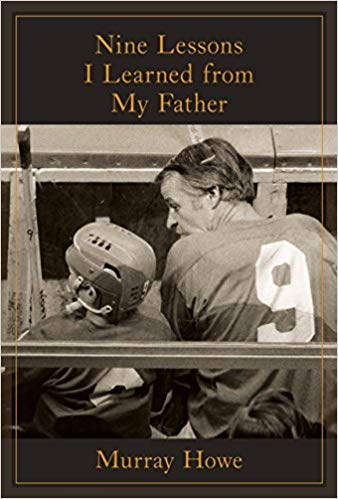
One of the books I recently finished, however, was one that was not recommended to me but was given to me by my son, “Nine Lessons I Learned From My Father, brilliantly written by Dr. Murray Howe, the youngest son of the late great Mr. Hockey, Gordie Howe.  The book is an accumulation of the various anecdotes that he wrote down for the eulogy that he was asked to do for his father’s service when he passed away.

Sadly as I lost my father at a young age, I did not learn many of the life lessons from him that I aspire that my son and daughter to learn from me, but as the old cliché goes, everything happens for a reason. Some of which I learned from my mother, grandparents, uncles and many others I learned from all the amazing coaches that I had along the way of my youth sports journey playing multiple sports.

Below are the nine lessons with quotes of Mr. Hockey that he cited in the book;

  1. Live Honorably

“People depend on you to do the right thing”

 

  All of my coaches talk me this valuable lesson, particularly the importance of walking the talk vs. those that talk the talk.  Probably the biggest issues I come across with “some” youth sports coaches today is they say all the right things in the parent meetings like they plan to develop all players, teach valuable life lessons, ensure all the kids have fun and so forth only to show their true colours in games and practices screaming at kids who make mistakes.

As a result they lose parents and players trust early in the season and more often than not the players don’t return the following season as they did not have the positive experience that youth sports should provide

  1. Live Generously

“What good is money except to do something good for someone”

 One of the co-coaches that I coached with on my daughters softball team for many years, Patchie as he was affectionately called by all of us, thought nothing of buying all the girls helmets, bats, snacks and more than one round of bevies when the adults would get together.


Several of the coaches I had over the years did the same, they thought nothing of spending their own money for equipment, meals, gas, hotels and all the other costs to be a coach so they could develop us into adults.

The trend today in the competitive stream in minor hockey is most associations in the lower mainland have gone to paid non-parent coaches to promote impartial player selection and eliminate other politics associated with rep hockey.  The coaches are paid from team budgets, so are “professional coaches /employees” of those very same parents that expect quality coaching, and the honorariums these coaches are receiving can be as high as $10,000 per season.

I don’t agree with the model, as it is putting a lot of pressure on these coaches (many of which are just getting started out after they finished their junior hockey careers) to win at all costs, and many of the players are quitting as a result way before their “hockey careers” are over.

  1. Play Hard, but Have Fun

“If it’s not fun, do something else.”

Hmmmm … Mr. Hockey who played professional hockey for over 3 decades believed in FUN?  One of the quotes I came across that Murray shared in the book was “you can’t score from the bench” when Gordie was at the end of his career and the coaches were opting to go with the younger players and he sat on the bench.  Murray also did the same even though he did play one season with Wayne Gretzky in Junior when Wayne was 15 but had the misfortune of sitting on the bench in Junior and like his Dad, opted to hang up his skates from competitive hockey as a result.

The only reason that a kid should be sitting on a bench in minor hockey is for discipline, kids deserve to PLAY the game so they can contribute to the outcome.

  1. Patience, Patience, Patience


“Take your time and do it right”


Every talk do I tell the coaches the importance of error correction during practices and don’t let the players cheat the drills by rushing thru them.  I would rather they do it SLOW and right, that fast and wrong.  The latter just leads to players developing bad habits that coaches at the older age groups get frustrated having to correct.

Another analogy I share is from Terry Crisp, who coached in the NHL and international level for many years, he believed in P & R – Patience and repetitions.  Hockey, like majority of sports other than gymnastics, is a long term development sport where coaches should be adhering to LTAD/LTPD or ADM (depending on the sport) and ensure that coaching skills relative to the age group.

Too many coaches just starting out implement team tactics, strategies way too early, then scream at their players because they make mistakes in practices and games.  The reason they are making mistakes is they don’t have the SKILL to do the strategies and when they are screamed at too much, the become scared to a point where many kids quit as a result.

  1. Live Selflessly

“If you want a good workout, grab the shovel over there”

Gordie was infamous for shoveling not only his driveway, but his neighbors, as well as one that did not believe in celebrating his own goals but that of the players that he setup to score.

Selfish players hurt team chemistry to a point where you may never get out of the storm period (forming, storming, norming and performing) so it is essential that you have ALL players buy-in to team and remind them that the play for the crest on the front of the jersey, not the nameplate on the back.

  1. Be Humble

“Don’t read your own press clippings. You’ll start to believe them.”

One of the greatest lessons I learned from my Peewee Hockey Coach who lead our team to win the Ontario Provincials and as a result we were invited to the Quebec Peewee Tournament well before it became the international event it is today.

He always said before games, Boys … today we will win with humility or lose with dignity.  No one should know if you won or lost when you leave the dressing room.

I have had the misfortune coaching against many teams in various sports where the coaches would have benefited from learning that core value as they not only permitted, but promoted excessive celebrations by their players when they were way up on us or their players were demonstrating poor sportsmanship when scored upon or they would lose it on their players.

This has been one of the biggest contributors when I have talked to players why they have quit the sports they once loved.

One of my favorite videos how much a fan idolized Gordie Howe is the one below …


  1. Be Tough

“There’s no such thing as cold weather. Only cold clothing.”

The numerous anecdotes that Murray shared about Gordies grit which goes back to his childhood as he was bullied due to having a learning disability and struggled reading and writing until it was identified and became proficient later on.

This is what lead him to pursue hockey as it was his outlet, much like it was for me when I was growing up.  Although my mother did an amazing job raising me and my brother, as a result of have strawberry red hair and living in various suburbs of the separatism era of Quebec, the Northwest Territories as a token child of white man’s burden and even when we moved to BC the first and second times, I was a victim of bullying as well.

Like Gordie, sports for me was the outlet to deal with the bullying I experienced, and I channeled my focus, frustration on the field but in a clean way thanks to the encouragement that I received from all the amazing coaches I had.

  1. Stay Positive

“I never keep track of my shots that miss.”

 Having played many organized sports with so many coaches, the one constant with all of them was reinforcing the importance to stay positive and it is not over until it is over.  Even in games were way down in, they would remind us of the valuable lessons we learned after the fact like being resilient, sportsmanship, respect, losing with dignity, resiliency, getting up when were down.


  1. Friends and Family Are Like Gold – Treasure Them

“Never forget where you came from, or who got your there”


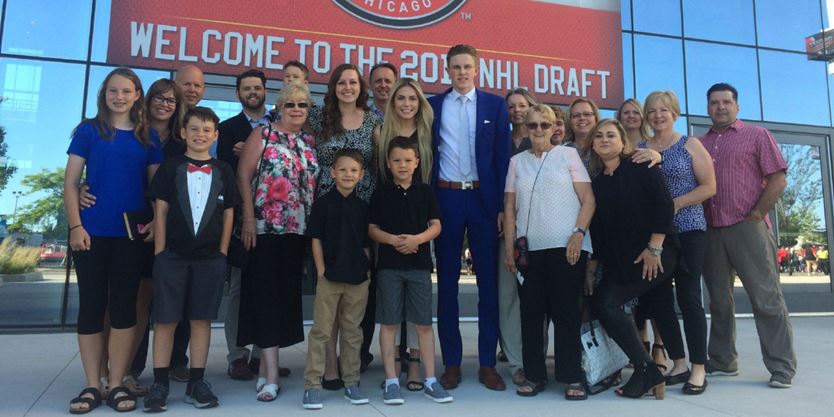
 The World Juniors is a perfect example of the importance of remembering how players got there, I had the opportunity to see Team Canada play in a game and MacKenzie Entwistle’s Mother was sitting right beside us.  She watched the game very quietly, cheered when Canada made great plays but jumped literally to the roof when MacKenzie scored his 2nd of now three goals thus far in the tournament (tonight is the final round robin game against Russia).

He started out this years tournament as the teams 13th forward but has now been dubbed the teams Swiss Army knife for his contributions and would never have reached that level if it had not been for the support from his parents and family, many of which were there to support him when he was drafted to the NHL.
 

JPEG Pro


I tell players on all my teams, and ask coaches to do the same, to remind them that their biggest fans are their parents and family always comes first. Although “some parents (AKA the vocal minority) take their support too far by putting pressure on their kids, coaches, the silent majority of parents are amazing as their kids “biggest fans”
Don`t be a kids last coach


Humboldt Bronco's Reforming stage blog thumbnail

Humboldt Bronco’s (Re) Forming Stage

Posted Leave a commentPosted in Athlete, Coach, Organization Executive, Parents, Uncategorized

Earlier this year I wrote on Tuckman’s development model of small groups and I read a great article this weekend in the National Post talking about Humboldt’s Comeback and they continue going thru their grieving period with a new team and organization for this season.

Below is a video recap interviewing the new head coach Nathan Oystrick as he talks about the challenges he faces rebuilding the proud franchise after the tragic accident earlier this year that reached millions of people across the globe.


Nathan grew up in Saskatchewan, played junior hockey in Canada then was on a journeyman path playing college, then various professional stints in Europe and North America including 65 games in the NHL with the Atlanta Thrashers organization.

When management was queried what they were looking for in the new coach, they shared they wanted “someone that was going to care about their kids” which is the most important aspect of coaching.

At no point did they say they wanted a coach that ran certain power play systems, breakout and regroups or other tactics and systems that too many youth minor hockey coaches focus on.

In a whiteboard pregame talk in the video, Nathan tells the players to go out there and have fun and compete.

This coming Wednesday, Sept. 12th, the NEW Humbolt Bronco’s will be hitting the ice to play their first regular season game which will be broadcast live by both TSN and CTV Saskatchewan 5:30 PM, 6:30 PM Central Time, 8:30 PM EST.

The very fact that this game is going to happen in the first place just shows how resilient the members of the Humboldt community are they lost their head coach/general manager, assistant coach, radio analyst, driver, trainer and 11 players.

The remaining players on the bus were injured, some seriously, some were able to walk away with scrapes and bruises but the end result was Humbolt, Junior Hockey and Sports, in general, was tragically impacted that day, April 6th, 2018.

They have now completed the forming stage, the first stage of group development according to Tuckman’s work, the big unknown is how are they going to deal with the remaining stages?

The next stage, storming, I suspect will start this coming Wednesday when the team hits the ice, coaching staff, trainers and all the fans including families of those lost and injured in the crash, friends, colleagues, former players and numerous others.  Although I suspect there will be a moment of silence, the world will be cheering for Humboldt as they continue to go thru their healing process.

Nathan gets teary-eyed in the interview when talking about what people are going to say, how are they going to react when the team takes the ice at home for their first regular season game?

I suspect there will be a lot of teary eyes in the stands and I for one plan to be streaming the game including pregame ceremonies to see how they go thru their storming stage so can get to some sense of normalcy (if there will be such a thing this season) so they can perform and compete as the season goes on.

I also believe I won’t be the only one that is watching Nathan and the team with great interest to see how they build on the proud legacy of #Humboldt Strong as the world found out not that long ago in April.

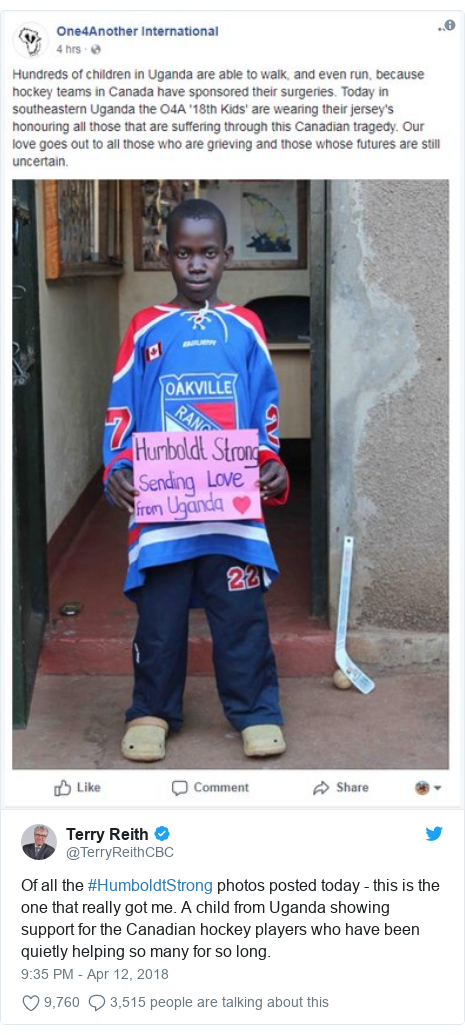
The gofund me campaign that reached over $1 Million dollars in what seemed like minutes and to date has raised over $15 Million, the press coverage they received including images from supporters worldwide including their pic that was tweeted (and subsequently retweeted by thousands) of the child from Uganda with stick by the door who received funding from Humboldt as one of their designated charities prior to the charity.


This is why Humboldt’s tragedy, their rebuild as an organization will be followed with great interest as they continue to go thru the group development stages.

I for one can hardly wait for them to get to the performing stage and be a contender and compete in playoffs as new head coach Nathan aspires them to.

Until then, we all must be patient and recognize that it may be a season or more before that happens.

Until then, I plan to just Love Watching them play, as I did all of the teams I have coached to date as recommend parents of young boys and girls do the same.

#Humboldt Strong #leaveyoursticksout

Don`t be a kids last coach


My Story – Part II – My Greatest Fan

Posted Posted in Parents, Uncategorized

My Story – Part II

My Greatest Fan
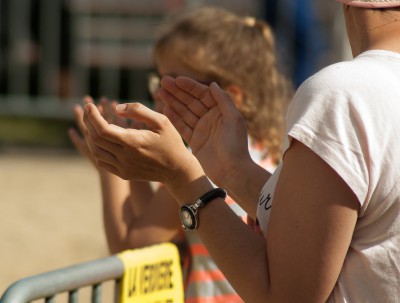
Glen Mulcahy February 29, 2017 – Revised May 9th, 2020 woman spectator clapping from sidelines

BONUS – Download a Free Copy of this Blog in PDF Format HERE  

  On Oct. 8th 2013 I lost my biggest fan, my mother, who lost her 2 year battle with Cancer, the last of many hurdles she had to overcome during the course of her life. I am the oldest of two boys, my brother is 4 years younger than I and we have many memories of my mother and how she dealt with adversity starting when I was 5 years old in Montreal.  She and my father had gone to a dinner party and upon their return, they had to swerve to avoid a car that crossed the centre lane on the way home.  Our babysitter took a call from the hospital saying they would not be coming home and she would have to stay with us overnight. The next day my father came home with my mother and explained that mom had been thrown from the car through the front windshield (seat belts were optional) and suffered a broken leg and whiplash. My father had a couple of broken ribs as a result of having to avoid the car and lost control colliding straight into a telephone pole.  Later that day when I was with my mom she asked me to get dad, and I recall it like it was yesterday.  She said, “Bobby … I can’t feel my legs.”  He immediately called an ambulance and they whisked her off to Montreal Neuro, where some of Canada’s elite neural specialists practiced.  It turned out that she did not have whiplash, but a broken neck and broke two of her spinal vertebrae. My mother was put in what I refer to as the Frankenstein machine, a full-body apparatus with screws into her skull and back to stabilize her neck and spinal column.  Multiple surgeries were to follow in order to repair and fuse the broken vertebrae in her neck and spine. My father was unable to take care of me and my brother due to work commitments so he arranged for me to go to my Nanny’s and my brother to go to his parents (Grandma and Grandpa). They would take us to see mom every couple of weeks but I was separated from my dad and brother for almost a year. While living with my Nanny, I signed up for hockey in Ottawa. When I did visit Mom she would always ask how hockey is and I would say I was having fun but missed her watching in the stands. She eventually was released from the hospital a year later and WALKED out refusing to sit in a wheelchair. My family was back together and my dad got a promotion to go to Baffin Island to run the power grid for the North West Territories. My father was known for a practical joke that he was infamous for was turning off the power on New Year’s Eve for the entire NWT. I played hockey there as well and my mom was back to her seat in the stands, cheering me and both teams on.  She was there for my Gordie Howe Hat Trick (goal, assist and a fight).  At 7 years old I got a penalty for fighting (more so wrestling) with one of the Eskimo players that were jawing me on the ice. Just as I had to defend myself in areas of French Quebec, a boy with carrot red hair was always a target amongst the Eskimo kids, After my hockey season, my family moved to Vancouver, where I continued to play hockey and baseball (another game my mom was always present for and cheered me on) and my father passed away tragically. My Nanny and Papa, came out to help and suggested we move back to Montreal, where our big family (I had 13 uncles and aunts between my mom and dad) could support us.  We moved back and I played hockey and baseball once again in Montreal.  My mom got a job in Toronto the following year so we transferred there and I made my first rep team in Peewee at 11 years old.  We had GREAT coaches and a great team. We won the Ontario provincials and qualified for the Quebec Peewee Tournament (not what it is now but was a great experience).  Once the season was over My mother then sat down with me and my brother as said it was time to go back to the house that Dad built. We moved back to Vancouver and I continued to play hockey, baseball, and also football. My brother was also very athletic and was playing hockey, football, and lacrosse.  When I was going into my second year of Bantam and my brother was second-year Atom, my mom sat down with us and confessed that the only way she was able to afford to pay for all the sports was the life insurance she received when our dad passed away and it had now run dry. Due to the accident that lead to her broken neck and also a bad accident she had when she first started driving, my mom was too nervous to drive and we relied on taxis to drive us to all our away games as my mother was very proud and did not want to ask parents or coaches to do so. We became friends with one driver in particular and he gave us all kinds of concessions, but it was still getting too costly (I always wondered how my mom was able to afford all the taxi rides). The end result, both my brother and I had to stop playing hockey as it was the most costly of the sports we played and had many more travel games than the other sports. I decided to focus on football and baseball that I could not only use the same cleats for (I improvised) but had significantly lower registration fees that covered everything else including equipment. I could also walk, run or bike to the field for practices and home games. Away Games our mother conceded to let parents or the great coaches drive until I was able to drive on my own. As a result, I never did suffer the level of criticism that many kids have in the ride home like this 9-year-old boy highlighted in the video produced by our good friends at True Sport Canada. My mother was there for me and my brother through thick and thin, she was there for as many games as she could regardless of what sports we played.  She cheered, clapped and gave us kudos after every game.  Neither of us experienced what has now become the “infamous ride home” or have any recollection of other parents or coaches screaming at my teammates or officials like happens in every youth sport today.  I had fun playing all of my youth sports, had great coaches, the experience was positive and they taught me numerous of life lessons that I carried into my work, school and businesses as well as the 20+ years I have spent as a coach. My mom then supported both of my kids on their journey playing various youth sports and activities. She was able to make it to my daughter’s High School Graduation in May of 2013 but regretfully will not be there for my son’s or any other of their other big milestones like university graduation, marriage or becoming parents themselves. Sadly, my greatest fan is not there to see me go down the path to further mentor coaches, educate parents and executive members to address the issues that I have seen come to fruition in youth sports. I do know though, she is clapping and cheering me on as I go down the tough road before me to implement the changes we need to bring the game back to the kids. As each Mother’s Day comes each year after she passed away (hard to believe it now has been over 6 years) not do I miss my mother dearly, but I also miss what she shared with me, my brother, then my kids, my niece, and nephews every time she came to see us “Play”, whether it be a myriad of different sports, or being involved in a school play, musical theatre, band or what have is what she shared with all of us afterwards with a huge smile on her face, sometimes with tears if pride ……

” I Love Watching You Play”

Hopefully during this time of hiatus during physical distancing period to flatten the curve of COVID-19 as a parent you have reflected on just that, when larger gatherings are permitted again and kids return to the sports they love (hopefully more than one per year) that you look it the same way. I know how much it meant to me when I heard those words every time my Mother was able to come to see me play, and I look forward to the time where I can share those same words and positive praise for my Grand Kids down the road.  

PS Tagline - Dont be a kids last coach

My Story – Part I – The Greek

Posted Posted in Parents, Uncategorized

My Story – Part I

The Greek
Glen Mulcahy February 11, 2017 football player in uniform on field on one knee

BONUS – Download a Free Copy of this Blog in PDF Format HERE  

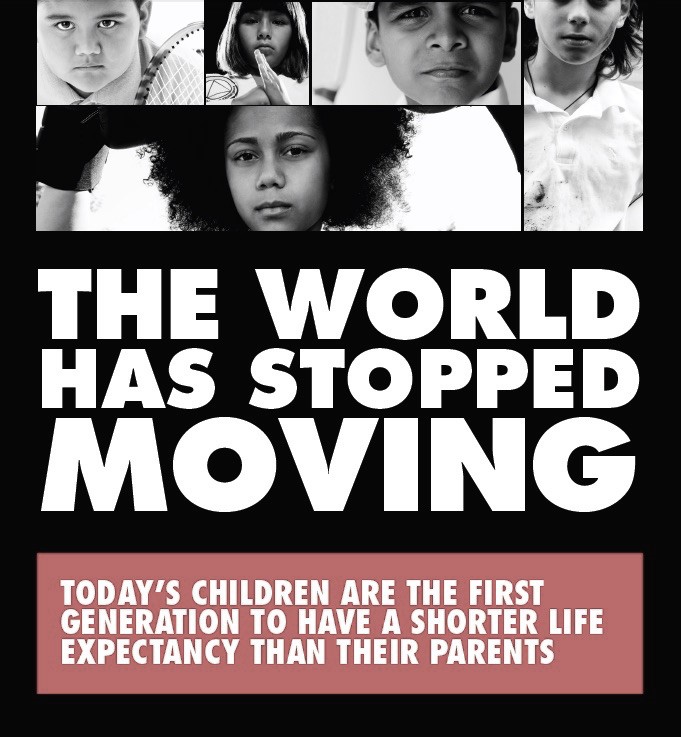
I have been involved in sports my entire life and 3 years ago I was reminded why I played youth, high school, and collegiate sports. Every year I do an informal study with all of my hockey teams asking the players at the beginning of each season why they play hockey. The top answer every year was always “because it’s fun.” In early January 2013, the damage to my right knee (after three surgeries to my left knee) from all the years of playing contact sports, finally resulted in yet another surgery.  Afterwards, the surgeon shared with the me what he had done and stated it was evident I was a former hockey, football, and rugby player and it would be weeks before I could return to normal activity. A couple of days later while I was icing my knee, I got a call from a friend asking for the contact information of a former work mate. I hobbled to my computer and eventually found it on Facebook. Once I provided the information I hung up and went back to ice my knee until the phone rang again.  I thought it was the same friends again confirming the information but instead it was another friend, John, asking “have you heard about The Greek?” The Greek was the nick name he called my best friend Ari, the gentle giant. I played every sport possible with Ari including football, high school rugby, adult recreation hockey (beer league), baseball, flag football, skiing, golf and even racquetball.  My friend stated that his brother saw a Facebook post that Ari passed away. I was in disbelief and immediately tried to confirm whether it was true. John made some other calls and later informed me that it was indeed my best friend and best man, who had tragically passed away in his sleep from a heart attack. Ironically, although Ari and I had been friends for over 3 decades, we were not friends on Facebook.  We were traditional and either called or visited to stay in touch. I was a mess from the news and was unable to drive on my own so I waited until the next day to go see his family (my second family). When I entered the door his mother (my second Mom) greeted me with a big hug and tears. His father did the same and all other close family members who came to offer their condolences to Ari’s wife, Christina, and their three kids.  I was at the house for hours that day and for the days that followed planning the service. One of the hardest things I have ever had to do in my life was work on Ari’s life story (Greek tradition where the priests deliver the story on behalf of the family) and I spent the better part of the two days writing it with his brother and a close family friend. The result was many tears and much laughter. His story, is very similar to mine on many fronts. He was born and raised in Montreal, and started playing hockey in his youth on outdoor rinks.  He then moved to the Vancouver area, where his parents opened a restaurant and he shifted from winter hockey to playing community football in the fall and rugby in the spring.  It was on those fields that our friendship evolved to 3-decade brotherhood. When we graduated high school, Ari got a partial scholarship to play football for a junior college in Mexi-Cali and he said you should come, try out as a walk-on.  I had already committed to play junior football in the fall locally and started my post secondary education at a college to play rugby in the spring so, regretfully, I declined. Ari and I were able to keep in touch and every year he would come home for Christmas and summer breaks. He would share all his crazy stories and explain what it was like to be in a fraternity, play football and go to college.  I admit that at times I regret I missed out, but I made the decision to stay in Vancouver largely because I had moved so often in my youth until Grade 8. At this point, I could not think of a better city than Vancouver, BC, Canada to reside. I ended up playing U18 rugby and attended the BC summer games after Ari headed to Mexi Cali. Our summer games team won the Gold Medal, which is one of my proudest sports achievements before entering College. Ari was mad because he had skipped a grade and was older than I and did not qualify to go to the games as he loved Rugby as much as I. Ari then went to Kansas following “a girl” to another college where he was offered a half-ride scholarship to play football. She ended up not being THE girl but that’s aside the point. You’re probably wondering what this has to do with why kids play sports?  It has everything to do with it … there is so much more to sports than running drills or winning games.  Many lifelong friendships result from sports, which in turn, become best men or maids of honour at weddings, get invited to their kid’s birthday parties, baptisms or other milestone events. I was completely out of place at all the Greek functions, being a hot-headed Irish boy, but I became a man largely due to his parents, Gus and Helen, who affectionately called me “Malaka” (someone that uses no common sense but in Greek it has an entirely different meaning). Had it not been for that first spring and summer sweating it out on the football or rugby field when we were 14 years old or for all the times going over to Ari’s house, our lifelong friendship would not have evolved. It has been just over 3 years since I contributed to Ari’s life story and sadly attended his service. It is just as hard now to think of losing my best friend as it did then.  Ari was like a brother to me.  The one solace I take is the positive memories of the sports we played and how much fun we had, all the life lessons we learned, and all the values we learned.  Sportsmanship, respect, team work, work ethic, and leadership abilities all blossomed within sports.  These experiences have helped me be a parent, entrepreneur, and become a long-term coach and mentor for both youth athletes and now adult coaches. We had GREAT coaches when I played youth, high school, and collegiate sports and I have no recollection of seeing parents act like they do now in the stands or sidelines screaming at players, coaches or referees.  It was FUN to play organized sports, even more so unorganized street hockey, flag football, rugby or other activities that I played with my best friend, his brothers, and cousins from the Greek community. We literally had the equivalent of two full teams coming out to PLAY whatever sport we opted for on a particular day. Just as the case with many that play youth and high school sports, the majority play until they finish high school, some play collegiately, even fewer play pro.  Most get jobs, married, and have kids where the tables turn for us to pay so our kids can play like we did.  It’s been like that for generation upon generation except this one…. the American Journal of Medicine announced that today’s generation of kids are projected to have a 5 year shorter life expectancy than their parents – the first time EVER in history. At Ari’s service there was over 1000 people from the Greek community that attended, and everyone agreed that “no parent should have to bury their child.”
Newchildren
http://www.designedtomove.org/
Let’s do everything we can so that we can get the 5 years back for our kids. PS Tagline - Dont be a kids last coach