
The Silver Lining For Youth Sports

Posted Posted in Athlete, Coach, Early Sport Specialization, Organization Executive, Parents

As we have now had over a month’s break from all sports, the sector that we work with directly is one that I hope is taking the much-needed breather to reflect and regroup for what youth sports can be again vs. what it had become.

For years we have been advocating to bring the game back to the kids against early sport specialization, adultification, professionalization, pay to play, travel ball, empowering the silent majority and other hot topics in youth sports that lead it to a $9 Billion industry in Canada, the highest cost per capita in the globe.

Much of which we had planned to share insight on during workshops, conferences as we headed into the Spring sports seasons with various sports organizations we had partnered with so they could provide resources to all their stakeholders but are in limbo.

Ironically it seems like this hiatus, or what I am referring to as the Global Sports Timeout, will have the desired effect all of us in the space that are advocating to bring the game back to the kids will do just that.

For years I have been sharing why kids play sports in our core talk for coaches “Don’t be a Kid’s Last Coach” which I share personal anecdotes from coaching as well as the research done over the years.

The thing that amazes me each time I have done the talk and start out with the question “Why do kids play Sports” literally everyone knows the #1 answer – FUN but rarely will confirm that they have actually asked the kids on their teams or their own kids the same question and why it is just that, FUN.
During this Global Timeout, I encourage you to take the time to ask your kids the following questions:


  1. What do you miss most about your sport(s)?
  2. What do you love the most?
  3. Dislike the Most?
  4. Are there any others that you would like to try?
  5. What can I do to support you?


I suspect you will hear similar answers to when I posed the questions to a number of kids on teams I coached the top answers will be for the first two questions:

Being with my friends – playing when it’s my turn to play – pool parties/team dinners and the Snacks

Dislike the most?

When Coaches Play their favorites (run short benches), you/they scream at us for making mistakes and the Ride (to/from home), traveling to new places, working with a specialty trainer/coach, not being able to hang out with my friends

Any others you would like to try ?

I suspect will be anything from other team sports to individual sports to other activities like dance, drama, art, music, robotics, reading books or just going outside to horse around with their buds

What can I do to support you?

Be quiet or cheer for us in a positive way

NOT Screaming at us, officials or focusing on Winning at all costs

I suspect the majority of kids won’t say I want to go this prospect/showcase tournament in Yukatuk because there may be a scout there that will be recruiting for a NCAA Div 1 school full-ride scholarship or potential draft many years down the road when they are 9 years old (trust me, if they are to be found, they will be)

They probably will say please don’t coach me in the car to and from games, practices or criticize me or the refs for making mistakes we are just kids

NOT

I want to go to more off-season camps, more skills coaches, more tournaments, more practices, more, more more ….

Fast forward to now when none of that is available … what are they doing at home?

Are they now trying other activities or other sports did not have to time to do so?

Are you now spending quality family time including family home cooked meals each night vs. grabbing something on the run to a practice, game?

Are you connecting with your kids more than you ever have?

Are they saying Mom/Dad … watch this when they try a new skill/activity they had not in past?

Are they happy they are learning different skills than just the ones they learned playing one sport?

I suspect the answer is yes.

That is why you need to look at the Silver Lining right now, have those conversations while you are not running off your feet and spending quality time with your family.
 

As more times passes in the coming weeks and months, take the time to recharge, reflect, regroup and refocus for what your family priorities should be in what will be a revamped youth sports landscape.

One that I aspire will be more like what it should be vs. what it had become.

One that will focus on quality coaching development beyond X’s/O’s, Wins/Losses but on the importance of connection, caring and development of the person.

One where parents will recognize the value of seeking out resources, attending seminars, reading books/blogs for insight from industry experts regarding the science/data of the best path for your kids vs. private organizations selling a dream

One that will be affordable, in lieu of thousands of dollars with mandatory travel, just a few hundred dollars participating in community or school programs or better yet FREE, free unstructured play opportunities so all families can afford as the recessionary impact we will be dealing with will be long term. Many families have had parents lost jobs or unable to keep their small businesses going and will be looking for more affordable programming for youth sports orgs, parks and rec and schools.

One that will be all inclusive for all, regardless of socio-economic status,  gender or ethnicity.

One that will have fair play policies where all kids get to play and contribute to the outcome.

One that is safe to fail for coaches, players and the officials who are all learning and should not be scared of making a mistake as they may be screamed at for doing so.

One where the adults recognize that youth sports is just that, youth sports.  Kids playing kids for the love of the game, to have fun, to play with their friends, to be active and learn new skills of the game and of life.

One where it brings communities together because that is something we all will need when health authorities raise quarantine restrictions so we can rebuild.

One that will be reminiscent of what kids are doing today, free play without fear of making mistakes in their driveways, front and back yards or other public areas that permit physical distancing.

One where we value sportsmanship, winning with humility and losing with dignity.

One where the value of respect is not just a word on a sign but a core value of all stakeholders involved with youth sports.

And most importantly, One where parents just Love Watching Their Kids PLAY.
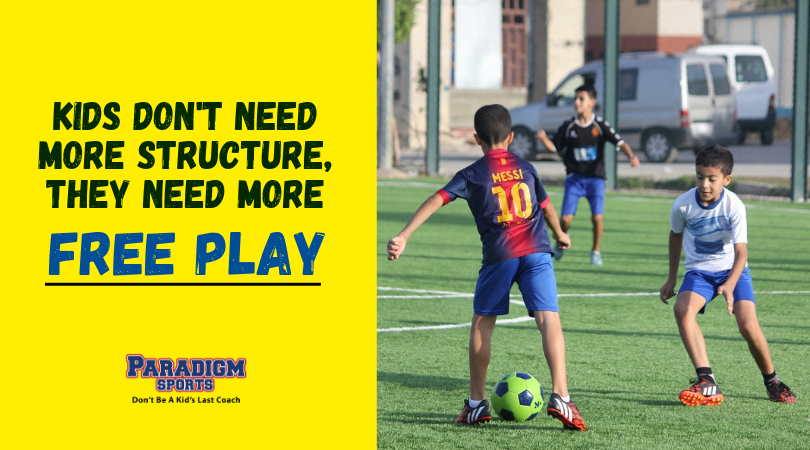
Kids don’t need more structure, they need more free play

Posted Posted in Athlete, Coach, Organization Executive, Parents

Two years back I wrote about 5 different initiatives in the USA that were focusing on unstructured or free play “Bring Back More Free Play” and although I have seen a PARADIGM shift of sorts with some youth sports, others have gone the other extreme where the costs and time commitment are pushing so many kids out.

Compound that with the fact that less and less kids are playing outside without direct supervision like we did as kids and as Peter Gray shared in his great Ted Talk below the decline in free play has lead to an increase in mental health issues.

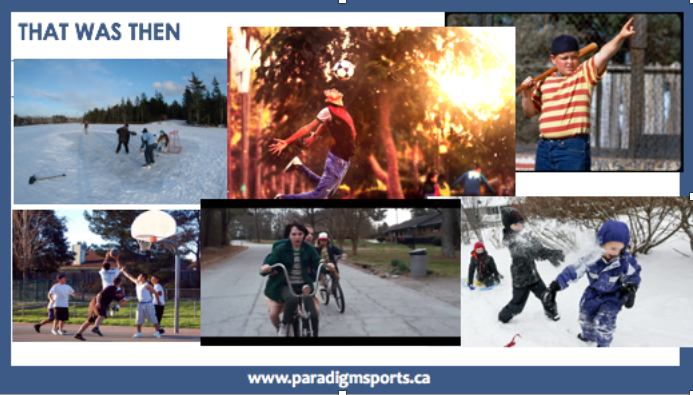
I think back to my childhood and have shared as the first slide of our core talk, Don’t be a Kid’s Last Coach, titled That was Then where I pulled some random pictures from the internet that reminded me of some of the vivid memories I had growing up.

Yes I played a lot of organized sports and I have great memories of my teammates, coaches, team dinners, pool parties and some of the milestones where we achieved our end of season goals, but a lot of my memories were from the free or unstructured play I had.

Below is a screenshot with images that I have shared in Don’t Be a Kid’s Last Coach that I titled That was Then;


POND/OUTDOOR RINK

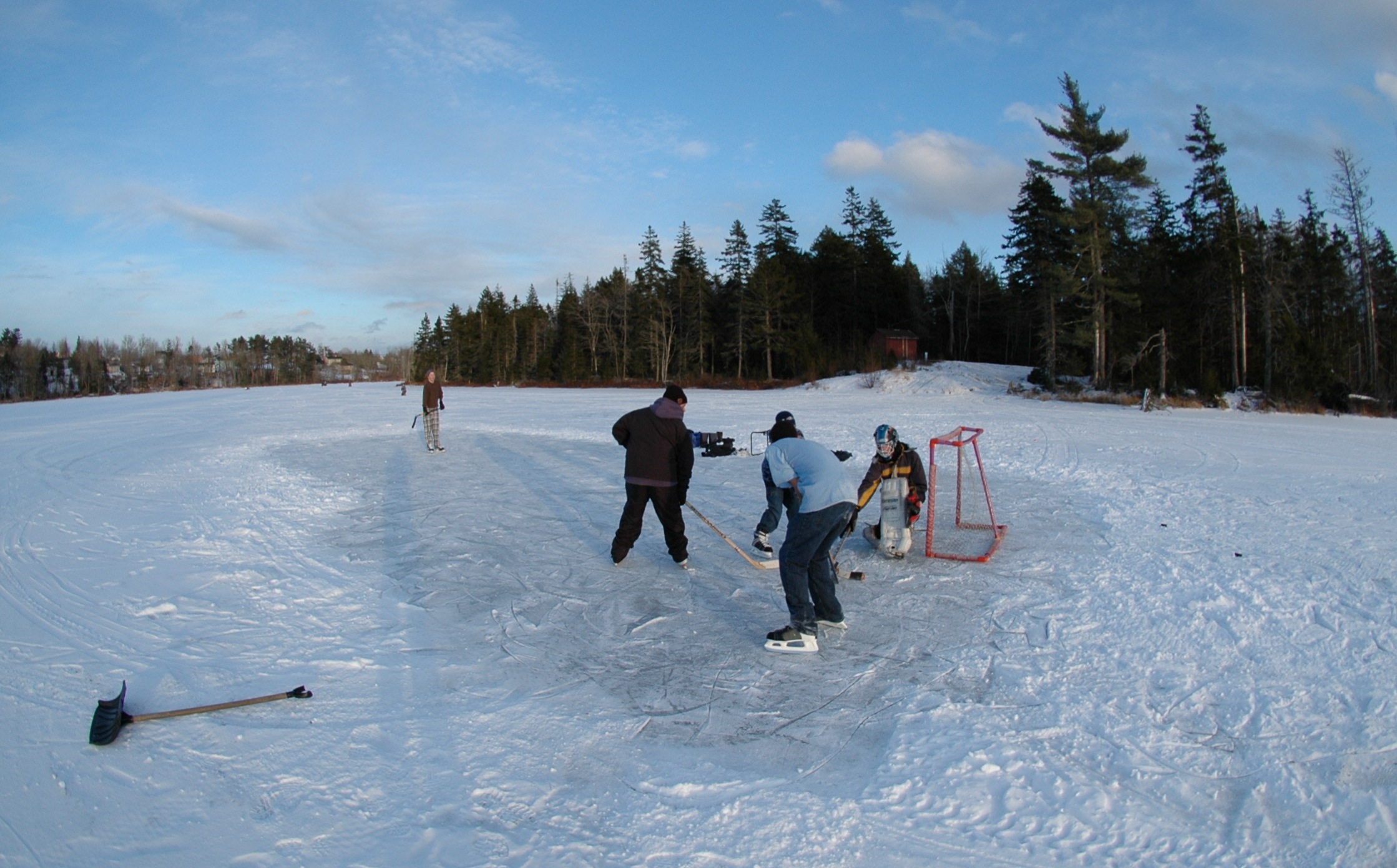
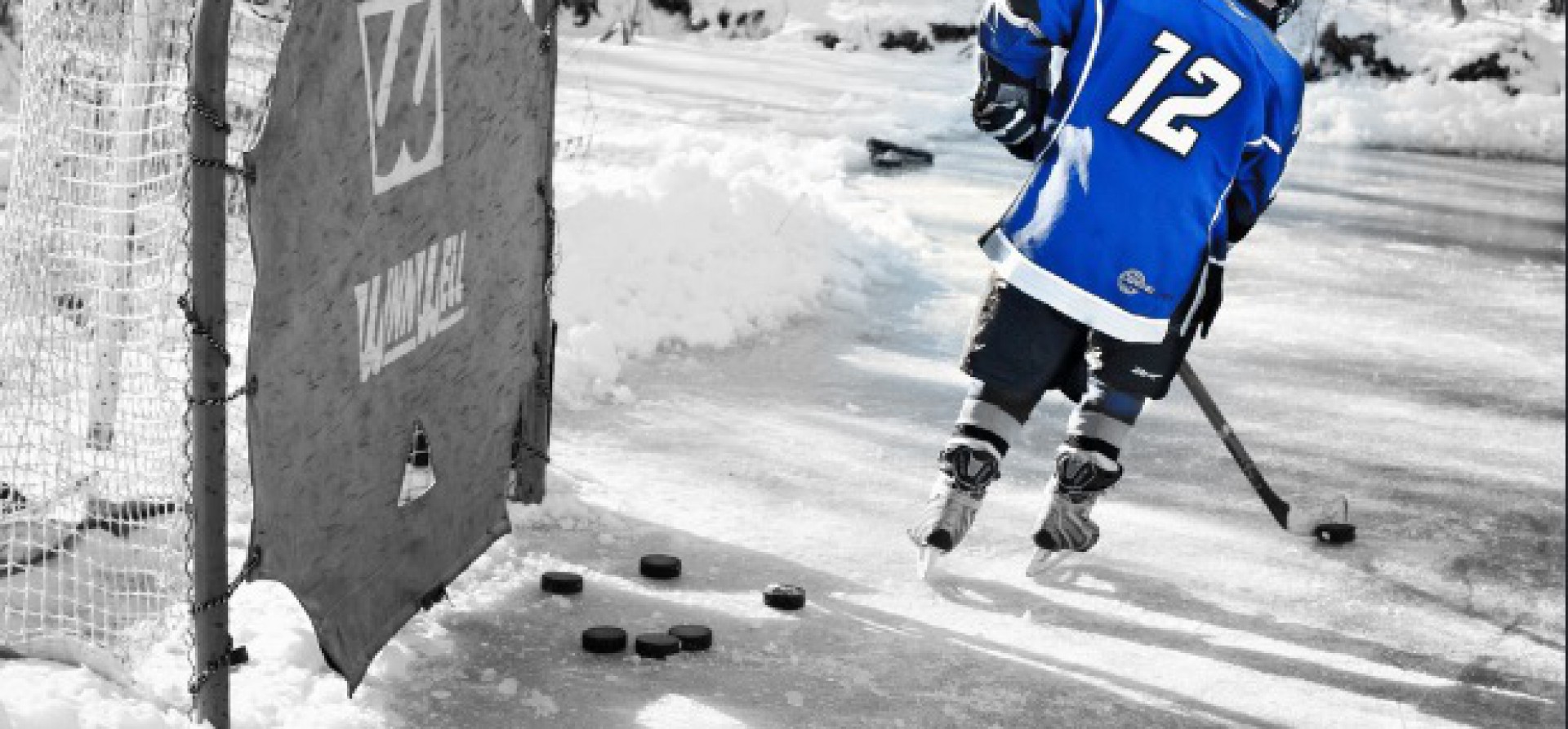
I would be totally remiss in starting a presentation about free play if I did not talk about all the time I spent on outdoor rinks and ponds as a kid growing up in Quebec.  I also had the opportunity to do so on the Rideau Canal and even the frozen tundra in the Northwest Territories when I lived on Baffin Island.  What I remember most and all those that I have asked if they ever played was (a) how long they PLAYED and (b) only stopped because they needed food, go to the bathroom or parents came to get them as it was time for dinner.

Bobby Orr (who was pretty good) attributes the main reason he became the player he became was all the repetitions he had playing on the pond in Parry Sound, and I remind coaches all the time to ensure they have 10 minutes (minimum) of stick and puck (unsupervised ice time) for their teams so it equates to a few days over the season.

His Dad would merely remind him every time he dropped him off, “Bobby, just go out there, have fun, and see what happens”


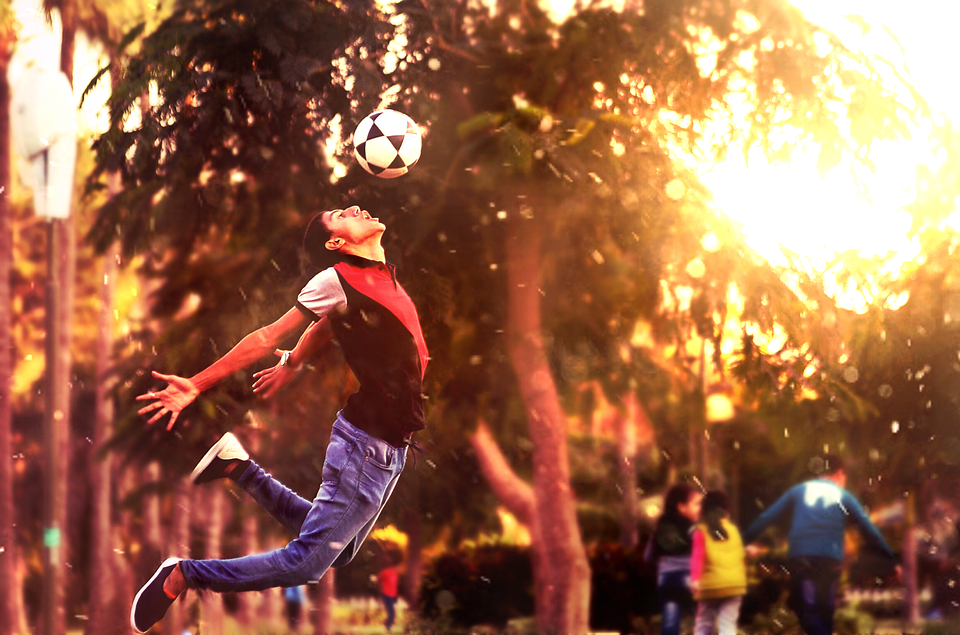
RECESS SOCCER

I only played one season or organized soccer when I was 12-13 years old and as I really did not know the rules my coach made me the goalie.  Having played hockey since I was 3, I must confess being a goalie in soccer was not something I aspired for, seeing only a few shots a game and for the rest of the game looking at the stars or day dreaming.

I opted to play football in lieu and became one of the organized sports I played until Junior

What I do recall about soccer is all the time we played pickup games at recess, lunch hour, after school like the picture above.  Many times were on gravel fields and once I moved to BC, many of which were in the rain.

I loved to be outside with my buds just playing for the sake of playing


SANDLOT (UNORGANIZED) BASEBALL

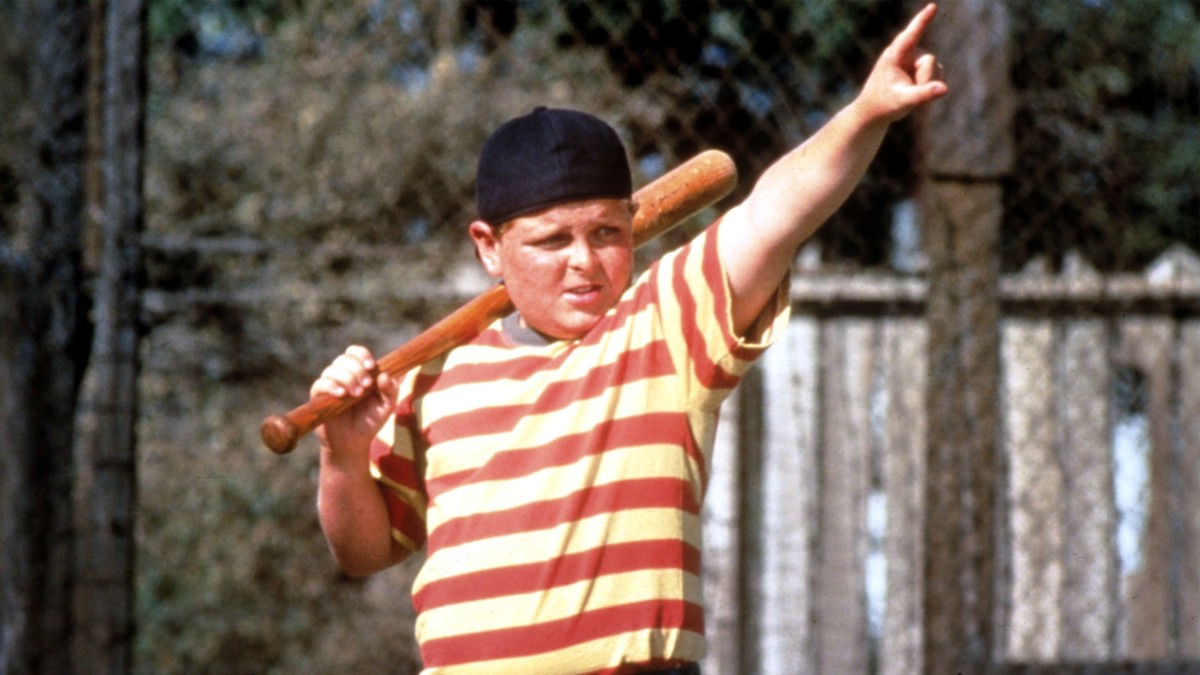
The picture is one of the characters from the Movie Sandlot, whom I refer to is the younger me, at one point my hair was that brighter orange (has darkened over the years) and playing pickup baseball, scub, was one of my favorite activities in spring, summer even when I was playing organized ball.

We would just grab our gloves, hats, a wooden bat, any balls we had and head to the field.  We would elect captains and we picked out teams and played for hours on end.


PICKUP BASKETBALL

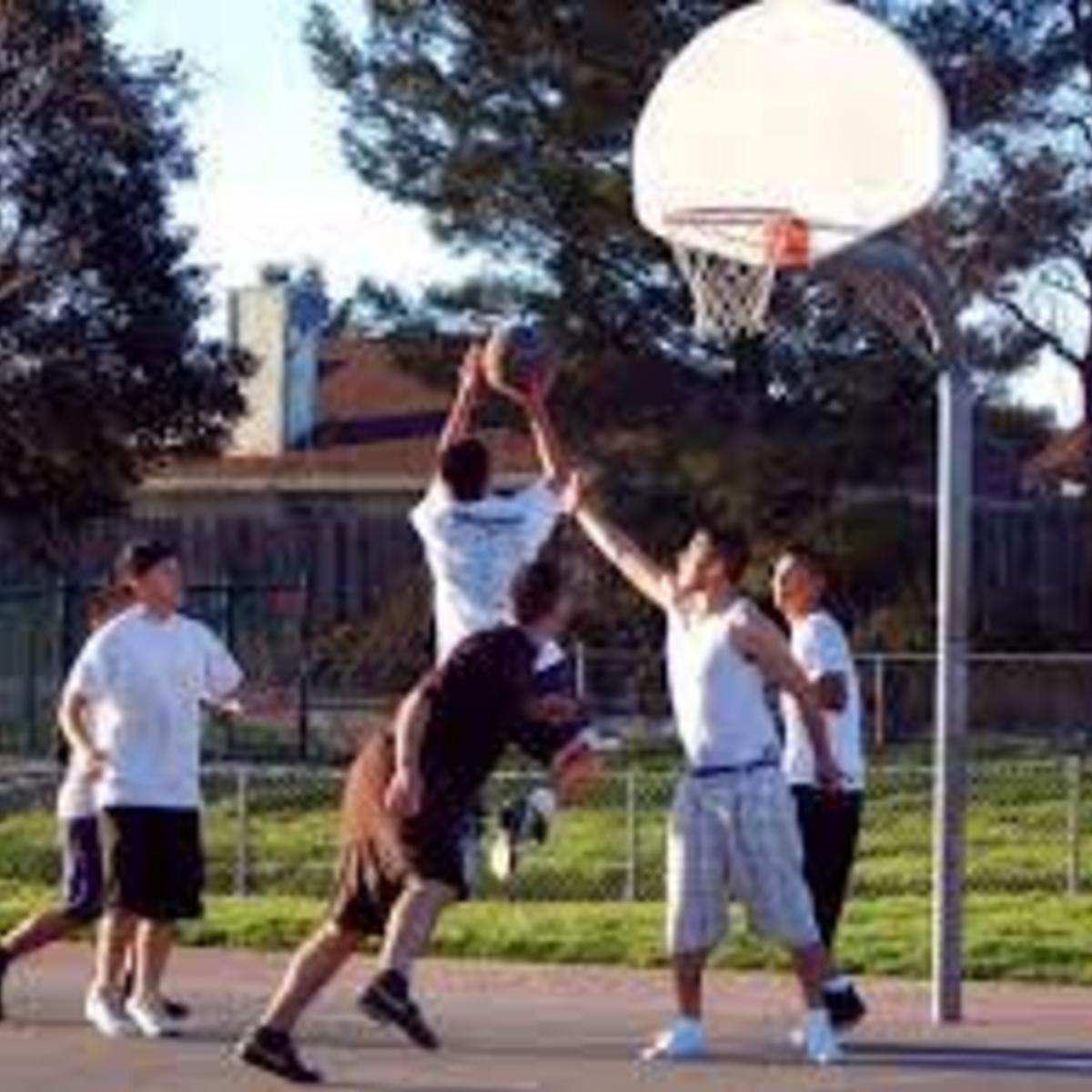
Another one of my favorites was playing pickup basketball outside at my schools or many of our houses (we moved every year until I was in grade 8) we had a basketball hoop either mounted on our house (leading to a few broken windows that ate up our allowance) or a wooden pole and went thru nets like many kids go thru candy.

The most fierce battles I ever had was the 1 on 1 battles driving the net with my friends or younger brother in our driveway where we all pretended to be Kareem Abdul Jabaar, Larry Bird or Michael Jordan.


Michael Jordan loved pickup basketball so much that he negotiated a For The Love Of The Game Clause in all of his contracts so he could play anywhere, anytime.

I did play a few years of high school basketball, and another favorite was when our gym teacher let our PE class play tackle basketball as most of us were playing hockey, football and rugby.  Yes there were some bruises, scrapes and other non-life threatening injuries that school insurance prohibits kids today to keep them in bubble wrap but where else would we have learned resiliency?


BIKE RIDES

I will never forget how my Dad taught me how to ride a bike, he got me training wheels and held my bike the first day and within a few days I had developed the confidence to break away from his firm hand on the handlebar.  My mother shared with me many years later as he passed away when I was 8 that after day one he raised the training wheels a bit, then another inch, then another so after day 1 I literally was on my own.

Although I loved to ride my bike from that time, it was a necessity as my father passed away a few years after he “helped me” learn how to ride the bike and my mother did not drive as a result of a couple of really bad accidents she had, one before she was married, the other when I was learning how to ride.  The second was so bad that she ended up in Montreal Neuro for over a year to recover from a broken neck and back so lived with my Nanny and my brother with our other grandparents as my fathers job was so demanding.

My Nanny had moved to Ottawa and had remarried to Papa John, and many times that year when the Rideau froze he would take me there so I could go for a skate, play stick and puck and have many vivid memories of those times.

Fast forward to when I got older it was the way I got to practices, games and earned money delivering papers after school for many years.

 Because my mother did not drive again until after my kids were born, I was saved from the infamous car ride (home as well as to the games) that many kids have shared is the worst thing about their youth sports experience also, and the only feedback she ever shared was how much she loved watching me play.


SNOWBALL FIGHTS

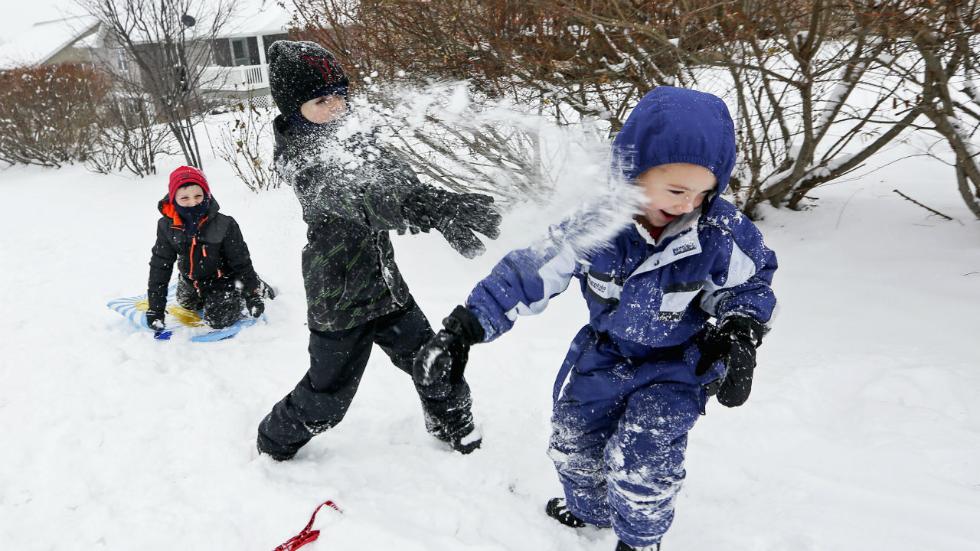
Like Pond Hockey, I also would be remissful not sharing the infamous snowball fights we had on a regular basis while in Quebec and took great pride in building our arsenal and HUGE forts for us to battle after school each day when the snow was perfect to make snowballs.

Sadly schools have now banned snowball fights as kids could get hurt … I don’t know, I took a few in the eye, forehead and am ok, like everything else, just because you MAY get hurt, does not mean you will.

It is also where I improved my throwing mechanics in the winter for baseball/softball in the spring, without which perhaps I would not have played at the competitive level for many years.

If you have read to this point there are probably many other images that you have of activities that you did as a kid as I did like British Bulldog, Beach Volleyball, Frisbee, playing catch, golf, tennis, racquetball, handball, stickball, street hockey, climbing trees, going to the school playground and so on.

I chose these particular pictures and ask the question in our talks “What is missing in the pictures?”

NO ADULTS  – NO PARENTS – NO COACHES – NO OFFICIALS – NO UNIFORMS

NO  $300.00 Composite Bats or Hockey Sticks, $1000.00 skates, 300.00 cleats, home and away helmets, gloves, pant shells, hoodies, nameplates etc.

We played for the love of the game.

We made our own teams, rebalanced as needed so no blow-outs occurred and we made our own rules and enforced them

We kept score merely for bragging rights, it was not about banners or trophies like it is today.

We had so much fun that we played for hours on end until it got dark.

In Spring, Summer and winter breaks ….Next Day  …. REPEAT and do it all over again or perhaps choose a different sport but sadly those days where kids played for the sake of playing have eroded.

Fast forward to this generation of kids and NBC shares how excited when they get to play “unorganized baseball” that even their own coach fessed up he had no idea how to do so?


Rule # 1 – Parents need to be quiet (if you ask any kid that is what they want when they play)

Rule #2 – Kids pick sides and EVERYONE Plays

Imagine – kids playing sports with no grown-ups involved screaming instructions from the stands, dugout or coaches that run short benches….

When asked after the game what he liked best, one of the players shared THIS (unorganized baseball).

Should we tell your Dad?

YEP.

Parents, Coaches. Executive members remember what it was like when you grew up and the fun you had when you just played for the sake of playing?

If we shifted the needle to promote unorganized games and focus on creativity, skill development, making friends, having fun to follow models like Norway and Sweden until the kids are in high school the current attrition rates where 70% quit by the age of 13 other nations are experiencing will reduce significantly GUARANTEED.

Kids don’t need more structure, they need more FREE PLAY.

Parents – Stop keeping up with the Jones with travel ball, Off-Season select teams, specialty trainers and encourage your kids to play For the Love of the Game again.

Let’s all work together to bring the game back to the kids …. Where it belongs.


BONUS – Download a FREE printable PDF version of this blog HERE

How Moresports promotes a love for the game

Posted Posted in Athlete, Coach, Organization Executive, Parents


I was invited by the coordinator of Moresports, Cynthia Lee, to come out to see their annual Soccer Jam event they host and must confess, many youth sports organizations across Canada, if not the globe could learn from their model to provide quality sports programming.

As I shared in a blog I did a few weeks back, How More Sports is creating more sport opportunities for kids, they are a community-based organization in Vancouver, BC, established in 1998 to provide opportunities for kids to play sports that could not afford to be in organized leagues.

Since that time, they have grown with multiple hubs in Eastern Vancouver, one in Coquitlam and have approximately 4000 kids participate in their programs annually.

The best part, if kids can’t afford the fees, they provide subsidies so kids can play, their goal is to never turn a kid away regardless of their socio-economic status.

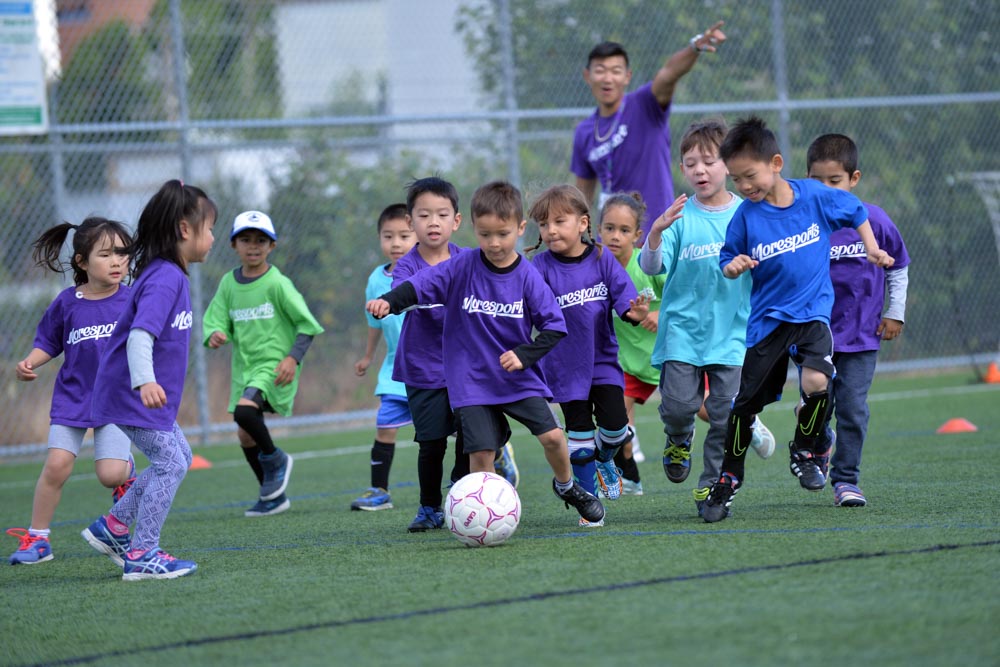
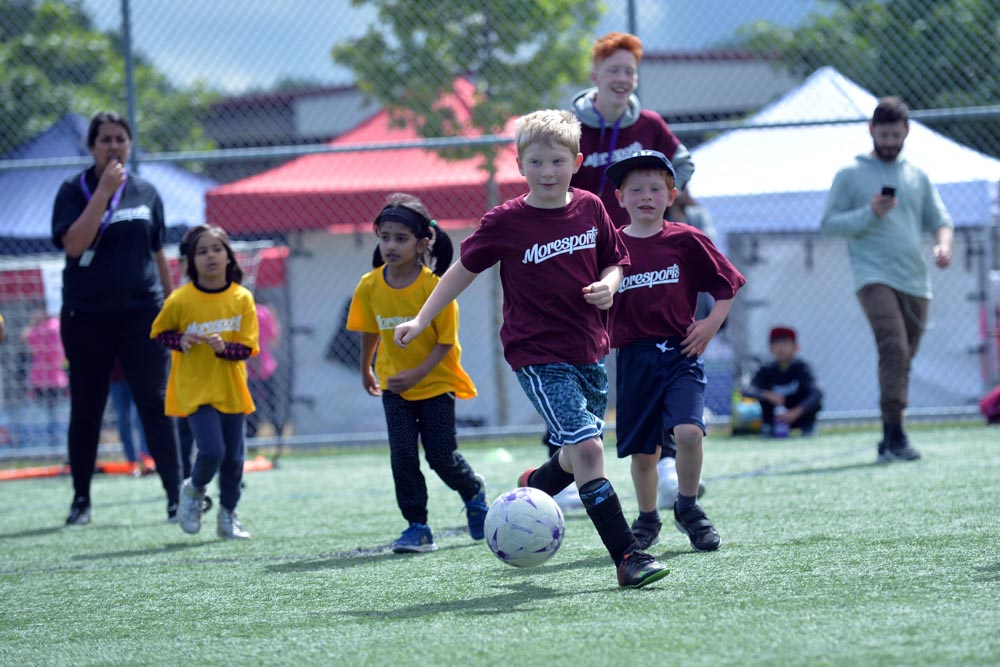
Like when I went to see one of their basketball programs in one of the hub schools last month, today I saw many kids with HUGE smiles on their faces as they played soccer but it was what I did not see that truly inspired me how we can bring the game back to the kids.


The only uniforms that the kids wore were donated Moresports t-shirts with no numbers or name bars (common in youth sports for “scouts” to ID “prospects”) in various colours.

There were no officials to enforce rules as we see in many organized sports today, as early as 6 years old when kids play “elite” level sports (which is the dirtiest word in sport today, there is no such thing as an elite 6-8-10 year old kid, they are just early bloomers)

The parents either sat quietly on blankets, bleachers or stood along the sidelines and some took pictures, most just watched in silence or cheered when the occasional goal, great save or shot was made by any, not just their own, kids on the “teams”.

There was not a vocal minority who were screaming instructions at their kids, criticizing their mistakes as is all too commonplace today in organized youth sports that is leading to so many kids quitting before high school.

Some are those are the ones that sit at the end of the field or in parking lots having tailgate parties (as is often the case at “prospect” tournaments) who become vocal as they had one too many wobbly pops.

Other than the K1 group (who had the most participants), there were no subs and when there was, the leaders ensure that every kid rotated in and out evenly but most games had 6-7 players a side.

There was No Scoreboard, No Scorekeepers, No Timekeepers.

There was no tournament board keeping track of wins and losses that coaches will check as the tournaments evolve to figure out their standings, when they will play after round robin and if they anticipate tiebreakers, goals +/for etc.

There were no trophies or participation medals or ribbons.

There was no apparel tables to resell branded merchandise for the “prospect” tournament or silent auctions, door prize raffles or volunteers selling 50/50 tickets to raise money for the tournament hosts.

Kids just played For The Love of the Game.

There were almost an equal ratio of girls to boys playing on the co-ed teams all the way to G7 (11 years old)

There were leaders (much higher % are female as they want to give back to the program than male coaches in youth sports) for each “team” who are former campers that have been identified as potential leaders in the community and receive training which includes High 5, Fundamental Movement Skills and majority are under 18 years of age.

Most only gave the teams pep talks for warm-ups, then during the games would just ensure that the game continued by getting the balls when kicked out of the mini-fields.  Some “coached” by saying … keep it going, great shot, great save it was ALL POSITIVE.

The coordinator, Cynthia Lee, was one of those herself, then a leader, and now the full-time coordinator who organizes this event.

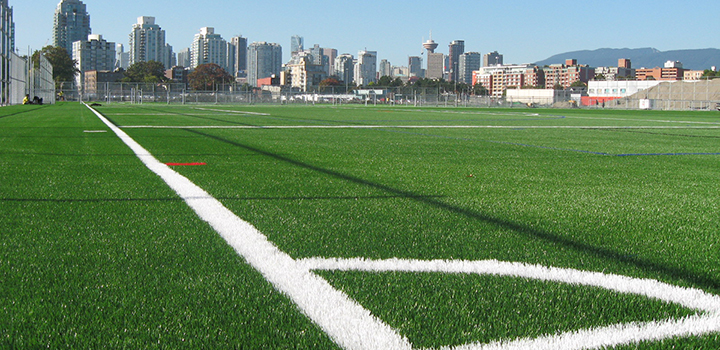
This was the third year that the event was hosted at Trillium park, ironically one sky train stop or short drive away from Rogers Arena and BC Place Stadium where our professional soccer, football, and hockey teams play that most, if not all, of the kids playing today sadly will never have the opportunity to see due to the ongoing rising costs of tickets.

Trillium Park consists of two all-weather soccer fields, which Moresports converted by using cones and age-appropriate nets into 16 mini-fields, the epitome of small area games at its finest.


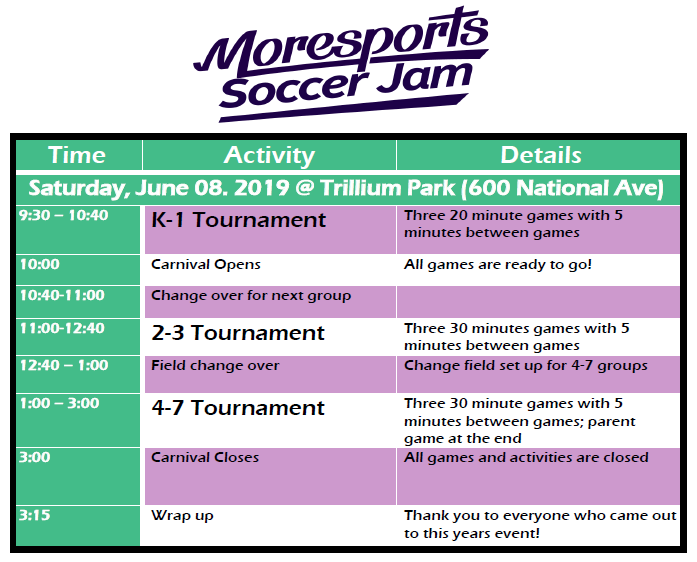
The schedule for the day is below

K1 (5-6 year old kids, their largest age group) started the day by playing 3 20 minutes games with 5 minute breaks and 2 minute hydration breaks.

When the ball would go out of play, the kids or leaders would retrieve and they would throw it in and GAME ON.

2-3 (7-8 year olds) and 4-7 (9-11 year olds) would play 3 x 30 minute games also with 5 minute changeovers and water breaks.

Approximately 1000 kids participate in the annual event.

Think about this.

60 – 90 minutes of activity, small area games, age-appropriate nets, balls to follow Soccer Canada’s new LTPD model, trained leaders and coaches providing limited feedback that is positive (to let the kids PLAY) and in lieu of multiple trips back and forth, you get to play all your games back to back.

Similar to the good old days where you went to a park and played for HOURS vs. structured games and tournaments that are all too commonplace today.

They also had a carnival with bouncy castles and various other activities and food trucks for kids to fuel up more after they devoured their snack bags they all received that included a voucher for those from economically challenged families for kid favs, grilled cheese, fish and chips (my lunch for the day) and Triple O’s burgers.

Why this truly was unique compared to any other jamboree that I attended as coach, parent or player is it also included tents from all of the community sponsors that permit Moresports to provide their amazing programs

United Way – Vancouver Parks and Rec – Vancouver School Board – Canucks Autism Network

This provided them the opportunity to engage with parents and vice versa.

As I was leaving the Vancouver Police showed up with their (motor) bikes, one of their dogs squads, their horses. Vancouver Fire Department had come in past years so they also could engage with the community that at times sees them as the bad guys (as many of these kids are in really tough neighborhoods who see more than the fair share of police and social workers).

One of the VPD’s staff sergeants volunteers as a leader for the event also.

As I was driving back home my head was spinning, why is this not THE MODEL for communities across Canada to promote quality sport and kids being active as it is only currently being run in Vancouver.  It was the epitome of organized Free Play.

I also thought, organized youth sports could also learn as unlike the vast amount of organizations that I have talked to, Moresports is growing by adding more hubs and the executive director, Bill Woodley, hinted that they are having dialogue with other provinces how they can provide the same model but only if they identify they NEED it which many have come calling.

The challenge he said, is they will have to remove all the barriers and promote collaboration as Vancouver has done with parks and rec, school boards and other community organizations.

Proof that if all stakeholders buy-in to a common vision that it CAN BE DONE.

When we all work together, the best part of it all, Kids PLAY, Have Fun and love the game more at the end than when they started.

Kudos to all the team members, the hundreds of volunteers, leaders, coaches of Moresports to show us that it can be done if we remember what it is really about, the KIDS.


Bonus – Download a Free Copy of this blog in printable flipbook format HERE


Why the 10,000 Hour Rule is a Fallacy

Posted Leave a commentPosted in Athlete, Coach, Early Sport Specialization, Organization Executive, Parents


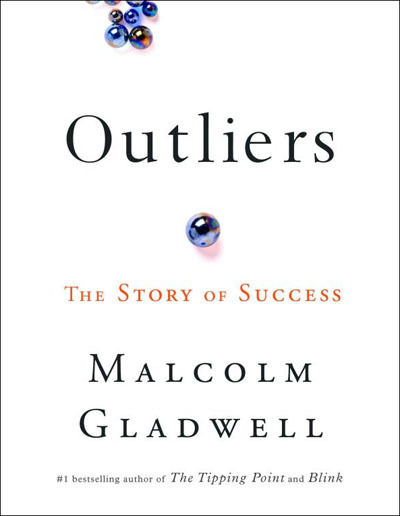
It has been over 10 years now since Malcolm Gladwell wrote his national best seller Outliers where he shared Anders Erickson research on a group of concert violinists that practiced  10,000 hours to perfect their craft.

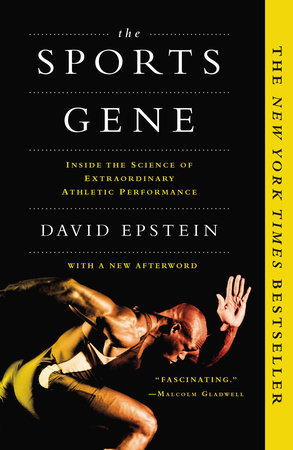
Since that point Malcolm has been challenged by researchers, coaches, and experts in the space including David Epstein who debunked the 10,000 rule in his book The Sports Gene.


Not that I would EVER put myself in the same space as authors of best sellers, but from the time I read Outliers years back I too questioned Malcolm’s argument as have coached for many years and have never believed in the cliché that practice makes perfect nor in the benefits of starting to practice at such an early age and work one sport that is driving early sports specialization.

In lieu … Practice Makes Permanent

If you practice 10,000 hours wrong … you have a real serious bad habit.

Every kid I have coached at the beginning of the season I would tell them .. I would rather you do it slow and RIGHT than fast and WRONG.  Too many kids want to rush thru drills so they can get to the end of the practice that coaches will have “fun time” but the entire practice should be fun and if you disguise your drills and they are fun, kids won’t rush thru, cheat the drill and do them right so they do develop correctly in lieu of building bad habits that can’t be reversed later.

Here are the reasons why I have argued that the 10,000 hour rule is a fallacy to reach the highest levels of athletics, earn an NCAA Sports Scholarship or playing professionally (where less that 1% will reach those levels)


#1 –  Practice Must be Deliberate AND Unstructured


As Malcolm is more of a historian, than a researcher whose very livelihood revolves around publishing journal articles and books with their scientific data and longitudinal studies, one who was the first to challenge him was the very person whom he did not consult with when he was writing his best seller Outliers, Anders Erickson.

Anders did share in a research study many years back when he looked at concert violinist and the amount of practice that they had to do in order to reach that level on average it took over 10,000 hours of working on their craft.

It was not just the fact that they sat down and practiced daily to accumulate those hours, it was due to how deliberate the practice was, which included working with some of the top music teachers who provided practice plans, feedback and error correction.

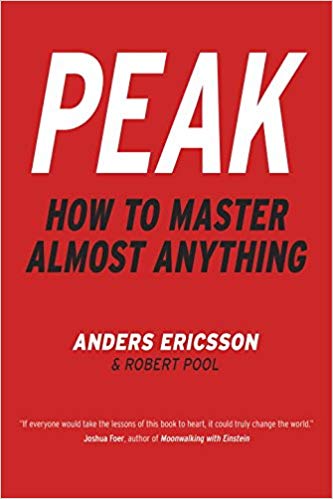
As David did with the Sports Gene, he released his counter to Malcolm’s Outliers with his book Peak where he shares insight on the research done on deliberate practice.

What further research has shown is practice must have purpose but the best way to audment the skills is to allow for unstructured free play, where athletest can develop anticipatory skills and adapt.  The best analogy is Wayne Gretzky who many argue was the greatest player ever not because of his skill set but he anticipated where the puck was going to be.  This is why I have an issue with the term “read and react”, meaning read the play, react to the play BUT due to the speed of hockey and many other sports today you don’t have time to react.  In lieu, I have always told my players to read and ACT.  Yes, that means at times they may be caught offside, may make mistakes, but in order to play at the highest level, you must be able to make decisions on the fly.  This is why every practice must include unstructure free play time where coaches don’t coach, just allow the players to PLAY and develop creativity, reading the game and making decisions without criticism.

#2 – Practice must have key teaching and execution points

Having evaluated many team sports coaches over the years, one of the key shortfalls of their practices is they run drill after drill but the majority of grass roots coaches working with kids in their key development years of motor skill acquisition do not focus on key teaching points for every one of those drills.

This can also go hand in hand with the error correction that must be relayed to players when they are running thru the drill by the coach that is assigned to do so.  As more and more sports are implementing their versions of LTAD, many practices including skills stations where players move from one station to the other and more often than not a coach will merely setup the drill for the players to run thru but not share what they are looking for in terms of the skill mechanics nor correct errors.

This is due largely in part to the head coach not communicating with the assistant coaches what the key teaching points are and the importance of stopping the drill to correct errors when they happen.

The feedback must be relayed soon after the skill was done, both positive praise for real effort (great job) and if error correction needed (johnny, in order to accelerate thru the turn you must lead with your inside skate, outside edge so can cross over with your outside skate with speed).

As many coaches neglect to do in practices, they try to correct mistakes in games (both strategic and skills) but games should be the time for the kids to PLAY to develop confidence and try the skills they worked on in games in a safe to fail environment.

#3 – Praise Effort to reinforce the Growth Mindset

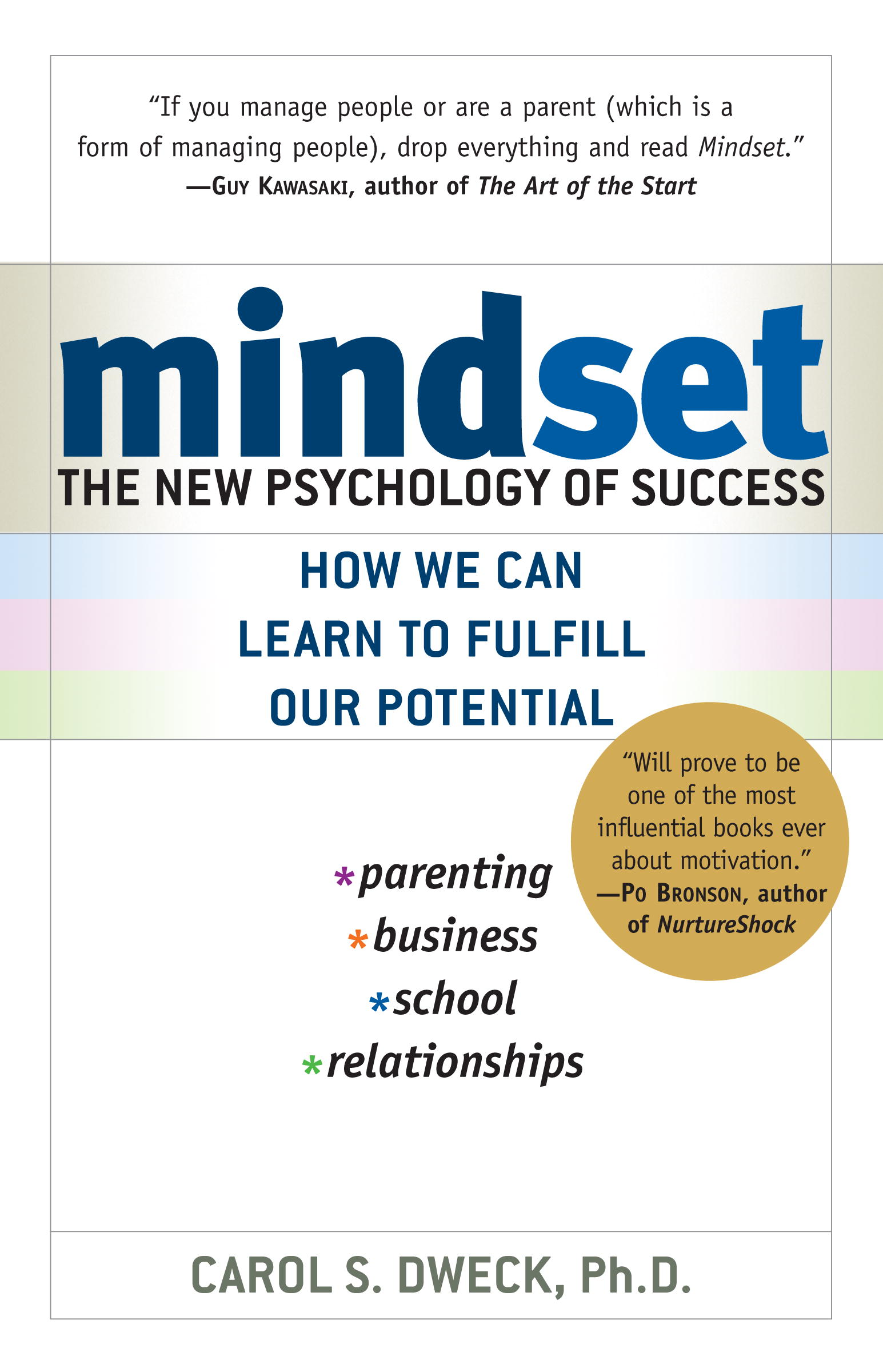
As the entire sports world has learned thru the work of Carol Dweck, feedback relayed to athletes in those drills must focus on the growth mindset and encourage kids to try harder variations of the drill even it if means they will make mistakes.


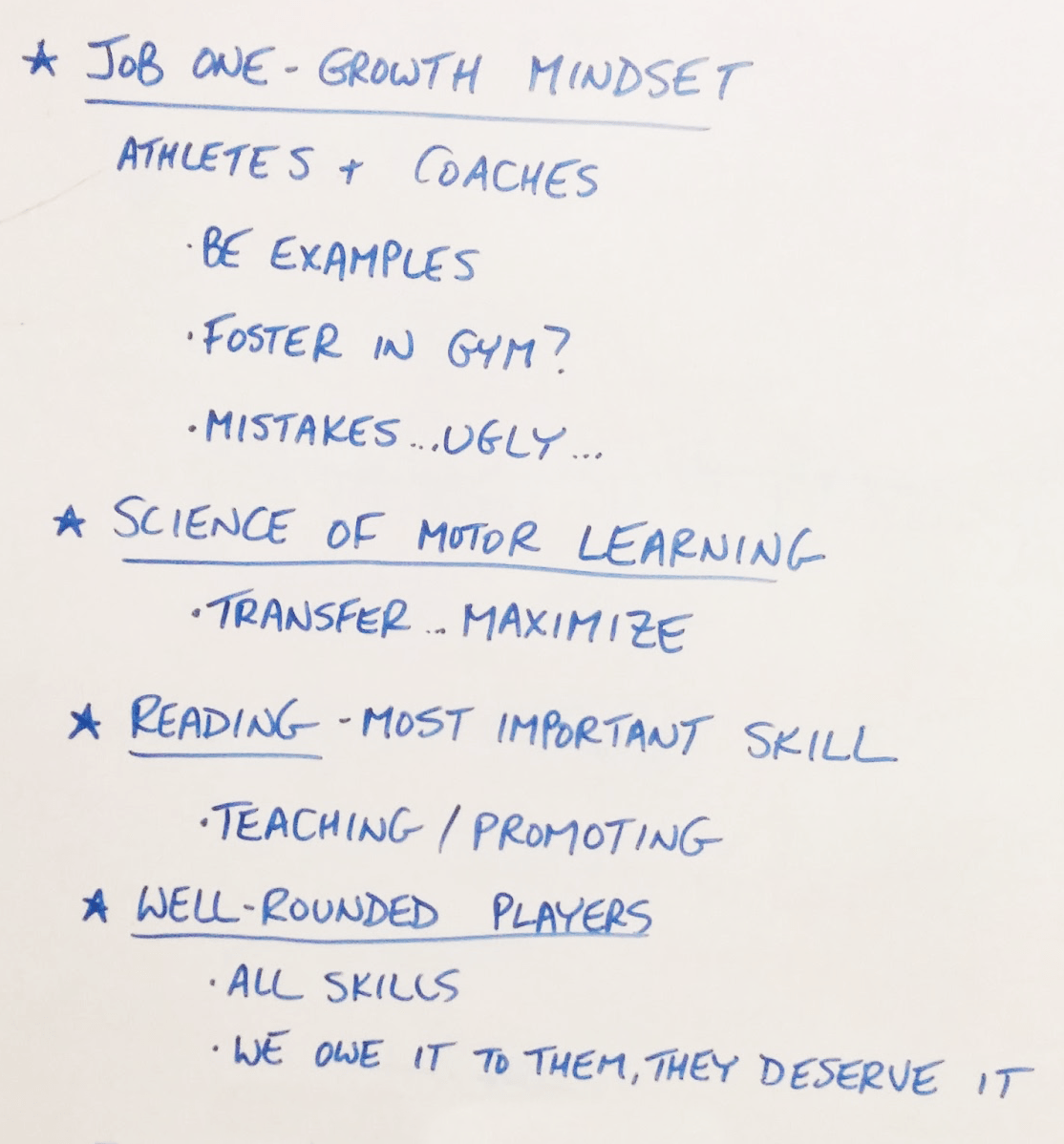
Yes … mistakes … the uglier the better which Karch Kiraly made infamous on his whiteboard for the US National Women’s Volleyball team that he guided to their first EVER international championship and a bronze medal in the 2016 Summer Olympics after reading and implementing the growth mindset with the team.


The only way that kids will develop their skills and creativity is if their practice environment mirrors more what it was like for Gen X whose sports development relayed more on unstructured free play and the opportunity to take risks and learn from them with no adults telling them what to do, how to do it, and criticizing their mistakes.

This criticism is also coming from parents either at home or the ride to/from the facility and even their team mates if coaches do not have a code of conduct to respect their teammates or the late great John Wooden 3rd rule “Never criticize your teammates”

#4 – The Research

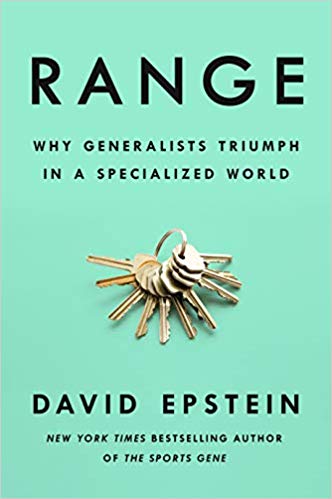
One of the top 10 MUST Read books that we recommend to everyone is David Epstein’s book “The Sports Gene” that debunked the 10,000 hour rule and also highlights the benefits of multi-sport participation vs. the pitfalls of early sports specialization with data.  Another that I know will be a top recommendation will be his upcoming book Range highlighting how generalization, not specialization, is the optimal pathway to become the best athlete a person can be.


In 2014 a study was done at Princeton University by Brooke Macnamara that looked at the amount of deliberate practice accumulated over time only had a limited impact in high performance or skill acquisition across various domains including music, games, sports, professions, and education.

The highest impact was found on strategic games like Scrabble and Chess, where chances of becoming a grandmaster have a direct correlation on the amount of practice one gets before a certain age and study showed 18% was attributed to deliberate practice.

The second was Music – Violin, and piano @ 21%

The third was Sports – where deliberate practice accounted for 18% of what was required to reach the highest level.

Why?

Because you can practice perfectly until you are blue in face for YEARS but in addition to practice … DNA plays a role … I have seen it firsthand as a parent, both my kids (who have now aged out of youth sports) inherited my wife’s gene for size (she is 5’1  and I am 6’2”) and although both appeared to inherit my multi-sport athletic gene, were unable to advance to higher levels (junior, collegiate) as were told over and over again they were too small.

Kids also need to have the right eating, sleeping habits to provide the nutrition balance for carbs vs. proteins and associated vitamins, rest and recovery to avoid injuries.  Many kids today are also addicted to screens, as I shared in a prior post, Why Kids Play Video Games, eSports has evolved to a Billion Dollar industry thanks to games becoming more and more addictive in their nature.

As a result of specialization accelerating travel ball and chasing AAA teams that travel across the country or to other countries where kids play multiple “prospect” tournaments annually they also need parents that either (a) have the financial resources to support the costs or (b) are going deeper and deeper into debt trying to keep up with the jones to do so.

Kids also need to have GREAT coaches, parents, teachers to help them get the great grades (if aspire for NCAA must also do well in school to be a student-athlete) as well as support from others in their network (neighbors, friends other family members)

It takes a village to raise a child.

 #5 – Because Malcolm Gladwell acknowledged the very rule he is infamous for was false.

It takes courage to own up to when one made a mistake and I applaud Malcolm (fellow Canadian) for doing so, at the time he wrote the book he based his analysis on what was available at the time, but since that point there has been so much evidence brought forth, not just yours truly opinion well before Outliers became a National Best Seller.

In an interview he recently had with David Epstein for MIT’s Sports Analytics conference, he shares how he and David became friends due to the fact David challenged the rule 5 years ago with his research and expertise in terms of the optimal pathway to reach the top level in sport was developing physical literacy by sampling as many sports and physical activities as possible.

Below is the entire interview he did with David, go to 54 minute mark to hear when he admits the 10,000 hour rule was false when it comes to early specialization.

If you have gotten this point in the blog hopefully, like Malcolm, your opinion has swayed and if you truly aspire for your players, son or daughter to become the best they can be, in lieu of having them work a sport by specializing as early as 7 years old, support them to sample as many sports and other activities (drama, art, science, theatre, music, languages) as possible and have a normal childhood so they can find what they truly will be passionate in doing later in life.

Ask yourself – what is your calling?

Do you know? If so when did you figure it out? Your 20’s – 30’s – 40’s later or still figuring it out?

How then as an adult can we be vulnerable to other adults who are “recommending” to us as coaches or parents for our son or daughter to have them specialize at an early age which will potentially deprive them of finding their true calling later in life.

Too many kids are quitting youth sports before high school or were deselected that potentially could have been late bloomers or played other sports early on only to find the one they became passionate about later on and the list is endless of athletes I could share that did reach NCAA or professional level as they did not burn out, developed all core motor skills or suffered potential career-ending injuries way too early.

Our calling as youth sports coaches is not to make a living (especially as majority are volunteers), or huge profits those that are advocating early sport specialization, but to make a difference by developing youth into adults.

Let’s all work together to bring the game back to the kids …. where it belongs


Don`t be a kids last coach