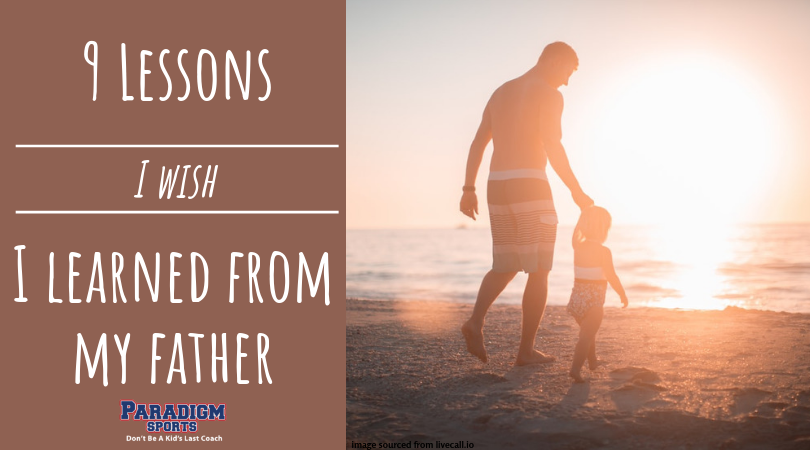
9 Lessons (I Wish) I learned from my father
Posted Leave a commentPosted in Athlete, Coach, Organization Executive

One of my favorite parts of the holiday season is taking downtime to catch up on reading books that have piled up in my office based on recommendations from various people I have talked to.

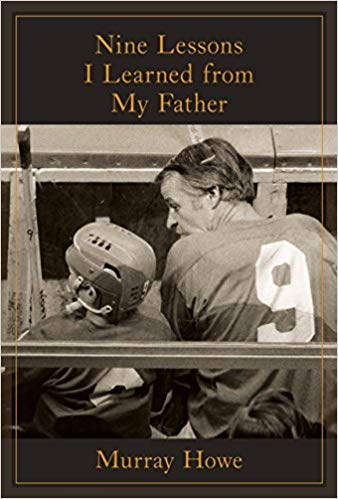
One of the books I recently finished, however, was one that was not recommended to me but was given to me by my son, “Nine Lessons I Learned From My Father, brilliantly written by Dr. Murray Howe, the youngest son of the late great Mr. Hockey, Gordie Howe.  The book is an accumulation of the various anecdotes that he wrote down for the eulogy that he was asked to do for his father’s service when he passed away.

Sadly as I lost my father at a young age, I did not learn many of the life lessons from him that I aspire that my son and daughter to learn from me, but as the old cliché goes, everything happens for a reason. Some of which I learned from my mother, grandparents, uncles and many others I learned from all the amazing coaches that I had along the way of my youth sports journey playing multiple sports.

Below are the nine lessons with quotes of Mr. Hockey that he cited in the book;

  1. Live Honorably

“People depend on you to do the right thing”

 

  All of my coaches talk me this valuable lesson, particularly the importance of walking the talk vs. those that talk the talk.  Probably the biggest issues I come across with “some” youth sports coaches today is they say all the right things in the parent meetings like they plan to develop all players, teach valuable life lessons, ensure all the kids have fun and so forth only to show their true colours in games and practices screaming at kids who make mistakes.

As a result they lose parents and players trust early in the season and more often than not the players don’t return the following season as they did not have the positive experience that youth sports should provide

  1. Live Generously

“What good is money except to do something good for someone”

 One of the co-coaches that I coached with on my daughters softball team for many years, Patchie as he was affectionately called by all of us, thought nothing of buying all the girls helmets, bats, snacks and more than one round of bevies when the adults would get together.


Several of the coaches I had over the years did the same, they thought nothing of spending their own money for equipment, meals, gas, hotels and all the other costs to be a coach so they could develop us into adults.

The trend today in the competitive stream in minor hockey is most associations in the lower mainland have gone to paid non-parent coaches to promote impartial player selection and eliminate other politics associated with rep hockey.  The coaches are paid from team budgets, so are “professional coaches /employees” of those very same parents that expect quality coaching, and the honorariums these coaches are receiving can be as high as $10,000 per season.

I don’t agree with the model, as it is putting a lot of pressure on these coaches (many of which are just getting started out after they finished their junior hockey careers) to win at all costs, and many of the players are quitting as a result way before their “hockey careers” are over.

  1. Play Hard, but Have Fun

“If it’s not fun, do something else.”

Hmmmm … Mr. Hockey who played professional hockey for over 3 decades believed in FUN?  One of the quotes I came across that Murray shared in the book was “you can’t score from the bench” when Gordie was at the end of his career and the coaches were opting to go with the younger players and he sat on the bench.  Murray also did the same even though he did play one season with Wayne Gretzky in Junior when Wayne was 15 but had the misfortune of sitting on the bench in Junior and like his Dad, opted to hang up his skates from competitive hockey as a result.

The only reason that a kid should be sitting on a bench in minor hockey is for discipline, kids deserve to PLAY the game so they can contribute to the outcome.

  1. Patience, Patience, Patience


“Take your time and do it right”


Every talk do I tell the coaches the importance of error correction during practices and don’t let the players cheat the drills by rushing thru them.  I would rather they do it SLOW and right, that fast and wrong.  The latter just leads to players developing bad habits that coaches at the older age groups get frustrated having to correct.

Another analogy I share is from Terry Crisp, who coached in the NHL and international level for many years, he believed in P & R – Patience and repetitions.  Hockey, like majority of sports other than gymnastics, is a long term development sport where coaches should be adhering to LTAD/LTPD or ADM (depending on the sport) and ensure that coaching skills relative to the age group.

Too many coaches just starting out implement team tactics, strategies way too early, then scream at their players because they make mistakes in practices and games.  The reason they are making mistakes is they don’t have the SKILL to do the strategies and when they are screamed at too much, the become scared to a point where many kids quit as a result.

  1. Live Selflessly

“If you want a good workout, grab the shovel over there”

Gordie was infamous for shoveling not only his driveway, but his neighbors, as well as one that did not believe in celebrating his own goals but that of the players that he setup to score.

Selfish players hurt team chemistry to a point where you may never get out of the storm period (forming, storming, norming and performing) so it is essential that you have ALL players buy-in to team and remind them that the play for the crest on the front of the jersey, not the nameplate on the back.

  1. Be Humble

“Don’t read your own press clippings. You’ll start to believe them.”

One of the greatest lessons I learned from my Peewee Hockey Coach who lead our team to win the Ontario Provincials and as a result we were invited to the Quebec Peewee Tournament well before it became the international event it is today.

He always said before games, Boys … today we will win with humility or lose with dignity.  No one should know if you won or lost when you leave the dressing room.

I have had the misfortune coaching against many teams in various sports where the coaches would have benefited from learning that core value as they not only permitted, but promoted excessive celebrations by their players when they were way up on us or their players were demonstrating poor sportsmanship when scored upon or they would lose it on their players.

This has been one of the biggest contributors when I have talked to players why they have quit the sports they once loved.

One of my favorite videos how much a fan idolized Gordie Howe is the one below …


  1. Be Tough

“There’s no such thing as cold weather. Only cold clothing.”

The numerous anecdotes that Murray shared about Gordies grit which goes back to his childhood as he was bullied due to having a learning disability and struggled reading and writing until it was identified and became proficient later on.

This is what lead him to pursue hockey as it was his outlet, much like it was for me when I was growing up.  Although my mother did an amazing job raising me and my brother, as a result of have strawberry red hair and living in various suburbs of the separatism era of Quebec, the Northwest Territories as a token child of white man’s burden and even when we moved to BC the first and second times, I was a victim of bullying as well.

Like Gordie, sports for me was the outlet to deal with the bullying I experienced, and I channeled my focus, frustration on the field but in a clean way thanks to the encouragement that I received from all the amazing coaches I had.

  1. Stay Positive

“I never keep track of my shots that miss.”

 Having played many organized sports with so many coaches, the one constant with all of them was reinforcing the importance to stay positive and it is not over until it is over.  Even in games were way down in, they would remind us of the valuable lessons we learned after the fact like being resilient, sportsmanship, respect, losing with dignity, resiliency, getting up when were down.


  1. Friends and Family Are Like Gold – Treasure Them

“Never forget where you came from, or who got your there”


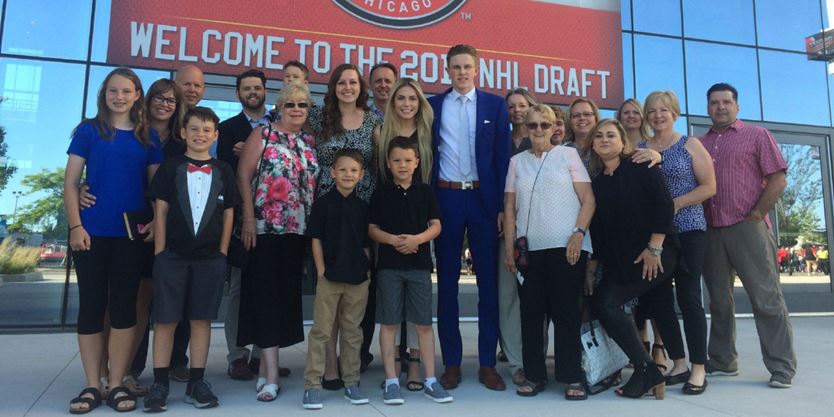
 The World Juniors is a perfect example of the importance of remembering how players got there, I had the opportunity to see Team Canada play in a game and MacKenzie Entwistle’s Mother was sitting right beside us.  She watched the game very quietly, cheered when Canada made great plays but jumped literally to the roof when MacKenzie scored his 2nd of now three goals thus far in the tournament (tonight is the final round robin game against Russia).

He started out this years tournament as the teams 13th forward but has now been dubbed the teams Swiss Army knife for his contributions and would never have reached that level if it had not been for the support from his parents and family, many of which were there to support him when he was drafted to the NHL.
 

JPEG Pro


I tell players on all my teams, and ask coaches to do the same, to remind them that their biggest fans are their parents and family always comes first. Although “some parents (AKA the vocal minority) take their support too far by putting pressure on their kids, coaches, the silent majority of parents are amazing as their kids “biggest fans”

Don`t be a kids last coach


The Top 10 Characteristics of great coaches

Posted Leave a commentPosted in Athlete, Coach, Organization Executive, Parents, Uncategorized
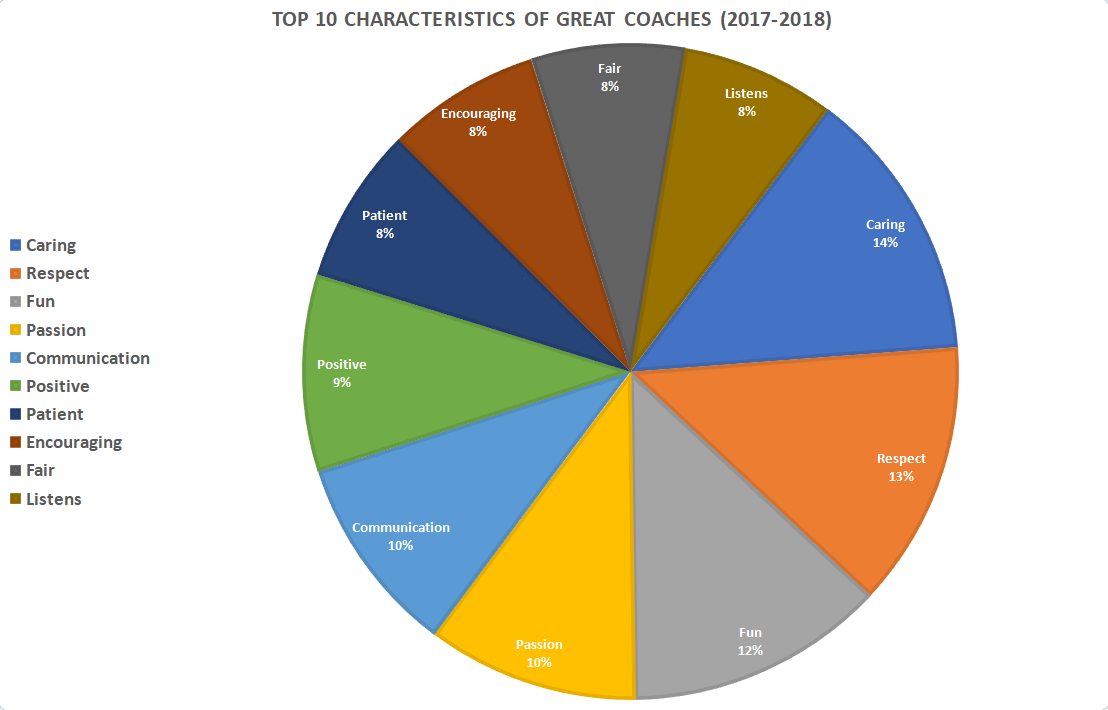
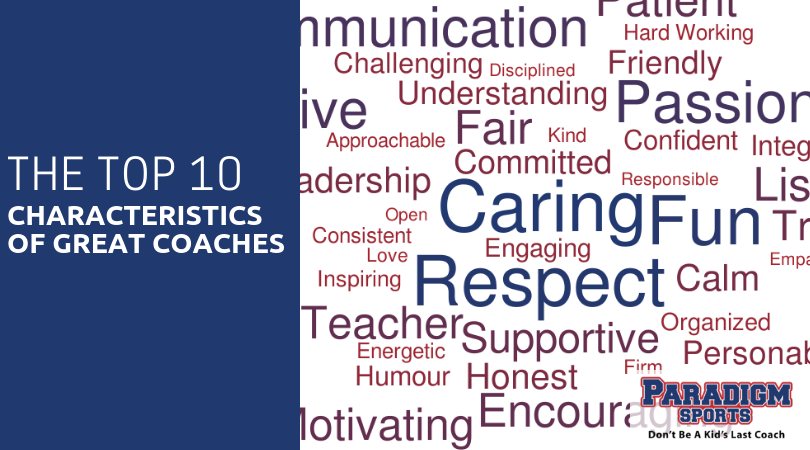
This is an update to last years post that I posted in December 2017 as I have continued to interact with coaches at conferences and clinics and ask them; What are the top 3 qualities of the greatest coach (or teacher, manager) you ever had? Last fall our co-op student created a tracking sheet to summarize all the characteristics that I had recorded by various means and now our “informal” database is just shy of 1000 coaches, board members and even parents. By no means is this a formal research study, but the below pie chart outlines the updated results for the top 10 characteristics;
Just as it was last year, and every time I do the exercise, the Number 1 characteristic was the coaches cared about their players. This also was one of the characteristics when I talked to the amazing guest speakers in our summer and winter digital summits we hosted thru our digital arm For the Love of the Game. Number 1 (always)
Not only do they care about helping them develop into the best athletes they can be, but the best people. This is what John Wooden, Clare Drake, Phil Jackson in past and current coaches like Pete Carroll, Mike Kryzyzewski, Sean McVay and others have demonstrated or shared with journalists what was really important to them as they guided their teams to achieve at the highest level. Coaches that care, not only teach the skills of the game, but the skills of life. Number 2  (moreso the reason kids play but coaches must foster an engaging environment for it to be fun)
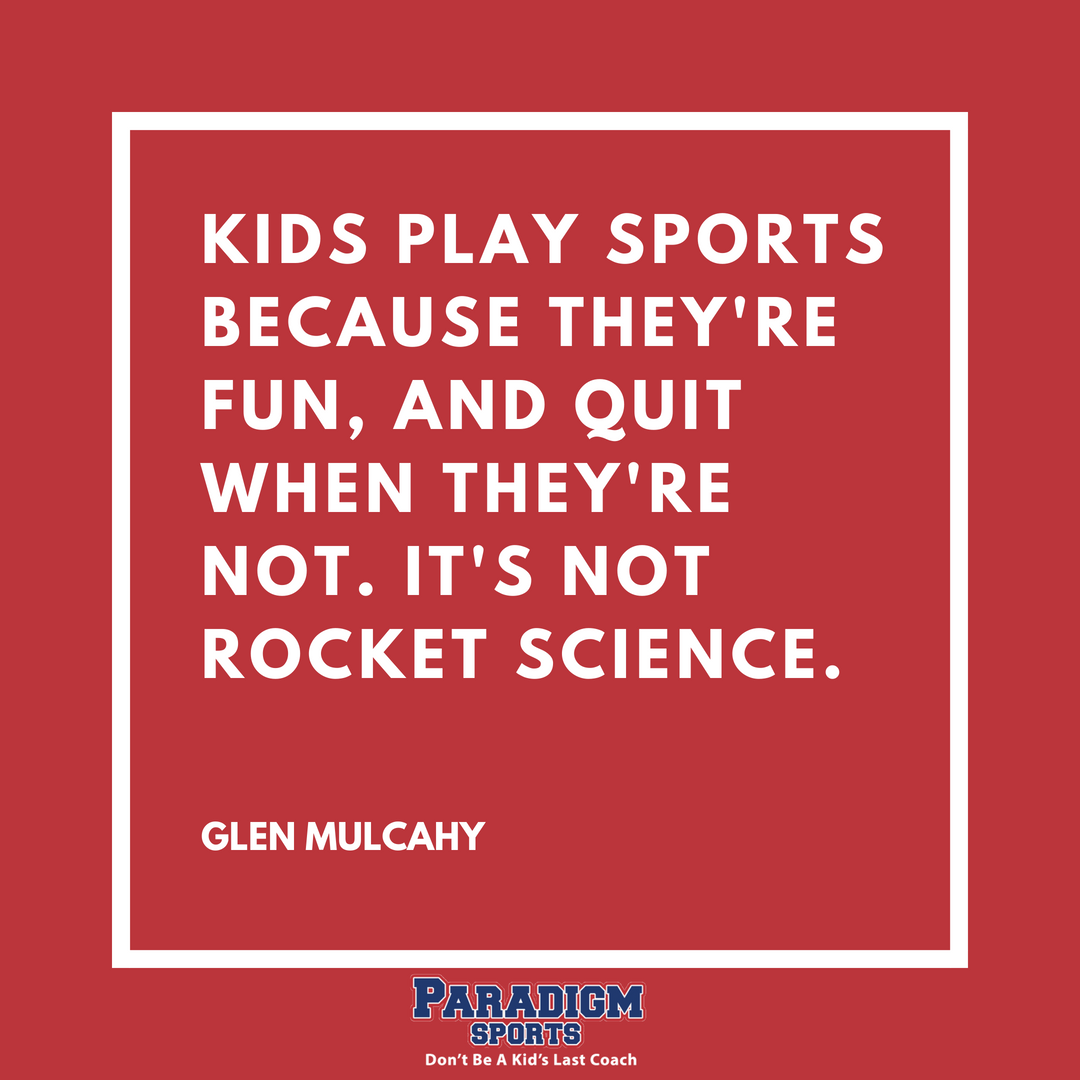
Another of the top characteristics was they coaches made the experience fun, both in games and practices as well as other team activity. Many misinterpret that I am not competitive because my philosophy of coaching is “FUNdamentals, not winning, at all costs”. Like all the great coaches who worked on the process of developing all players on their teams that lead to results on the scoreboard, I know how important it is for players to have fun, even on the most competitive teams. As I have been saying for years;
Mike Babcock, now the highest paid NHL coach with Stanley Cup, World Championship and Olympic Gold achievements on his resume is another one of those great coaches. When he became the coach of the Toronto Maple Leafs, he shared that his main role was to develop all the players into great young men. Prior to the 2010 Olympic Gold Medal game, when he was coaching some of the best players in the WORLD at the time, when asked by the media what he told the team before the game he said “I just told them to go out there and have fun.” Many people think when kids they just want to have fun that it means goofing off, but kids actually don’t want their team mates to do so they want to play, the want to compete, they want play for the love of the game. That is what fun is. Number 3:
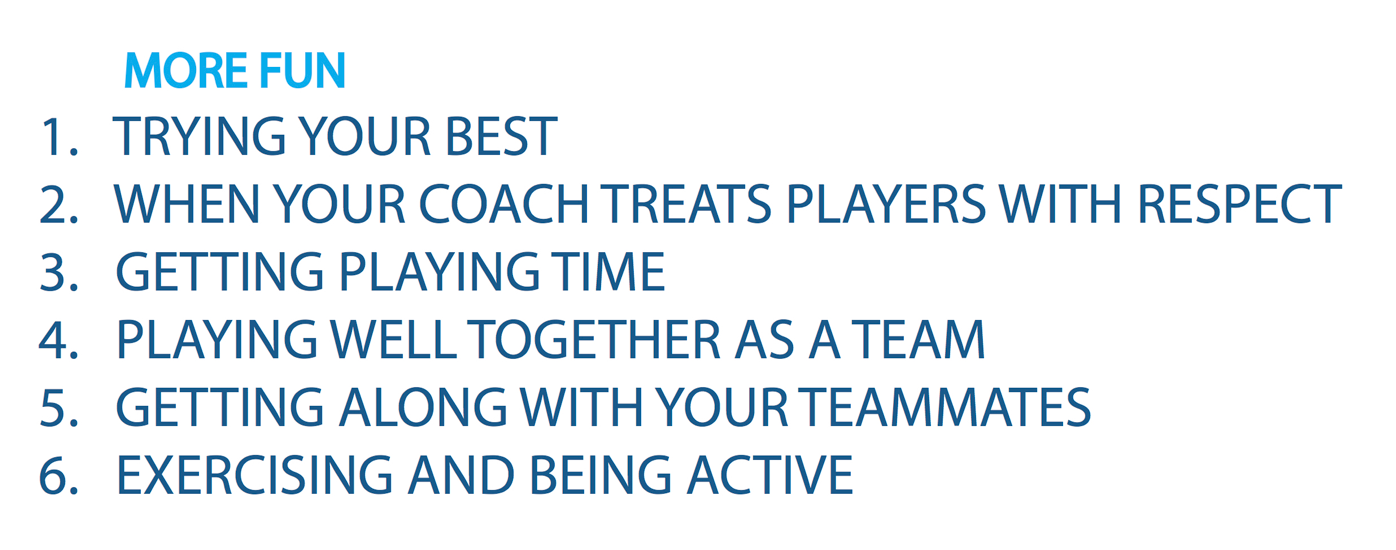
When Amanda Visek did her groundbreaking study and identified the 81 characteristics of what is fun in youth sports, the number 2 reason, second only to having the opportunity to try your best was when coaches treated players with respect
Although I would NEVER consider myself to be in the same company as John Wooden, his three rules are very similar to mine and his third was “Never criticize your teammates”, mine is Respect. Respect yourself, teammates, coaches, officials, other teams, parents, class mates, parents and so on. I believe respect is a two-way street, if coaches respect their players then they players will in turn respect their coaches and vice versa. Sadly, although the many coaches in youth sports do respect their players, there are coaches that think nothing of screaming at a player, singling them out in front of the teams, criticizing their mistakes over and over again and other ways that are not only disrespectful but crossing the fine line from demanding (pushing players to be their best) to demeaning (belittling players). It is no wonder why 70% are quitting by the age of 13 in majority of sports, but as I recently found out due to changes that USA hockey made to focus on fun, ensure the coaches respect their players and recognizing that it is all about the kids, they have moved the needle where they only lose 8% of their kids by the age 13. Number 4:
One of the key takeaways for every talk that I do for coaches is “Care Passionately“.  For me, caring and passion go hand in hand, when coaches are truly passionate for their sport, the kids will become passionate. When I think of the greatest coaches I had in many sports, same held true for me, they took on the role as father figure and truly cared about me become a better player, but also a well rounded person.  Many of which were so passionate about the game I could not follow suit which is one of the reasons why I played so many growing up. The remaining top 10 characteristics from our 2018 summary include great communicators, were positive, patient, encouraging, fair and listened. Coaches can also fill the gap for kids like me who lost their father at a young age to guide them, mentor them, and steer them out of trouble if they head down that path. Great teachers do the same, if it had not been for my Grade 12 French Teacher who took me aside one day and said “you can do better” after I acted up in class for the umpteenth time who knows where I would have ended up. She was the one that motivated me to pursue post-secondary education and as a result I was the first of all my cousins from both our extended Roman Catholic Families (over 30 first cousins) to graduate from University and one of my proudest moments as my Nanny (grandmother) was there to see me accept my degree. Think back when you grew up, did you ever take a class in school and thought you would HATE it like calculus, accounting, history, literature? Then to you surprise you ending up loving the course – Why? Because your teacher was so passionate about the subject. Same holds true for youth sports … if coaches are passionate about all aspects of the game they will instill that same passion in their players so they love the game more at the end of the season than they did at the beginning. Other – the list of other responses were endless but included characteristics like calm, challenging, committed, confident, consistent, disciplined, demanding (not demeaning), energetic, enthusiastic, fair, firm, forgiving, genuine, trustful, inspiring, integrity, invested, kind, listens, motivator, organized, personable, positive, role model, teacher and leader. In addition to care passionately and making it fun, please make it safe (to fail and for all forms of harassment), teach skills and lastly …..

Don’t be a Kid’s Last Coach

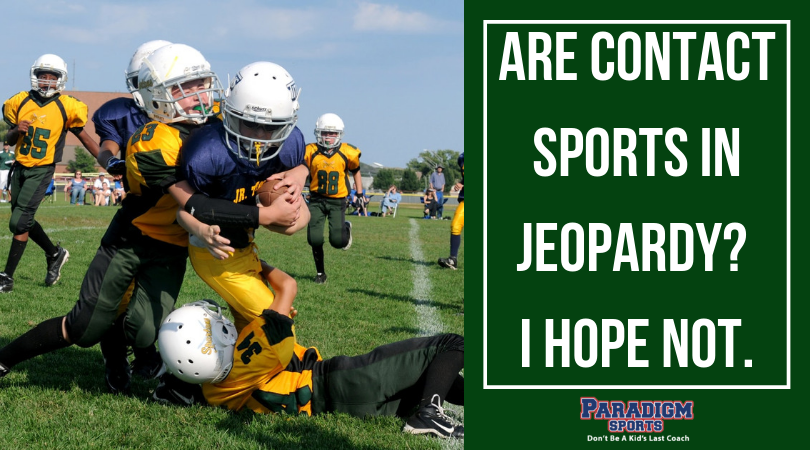
Are contact sports in jeopardy ? I hope not.

Posted Leave a commentPosted in Uncategorized
In the last couple of week’s I have read articles on the dangers of full contact sports and felt were worth sharing and commenting on.
 
One touching on recent data pertaining to CTE Findings by Boston University and supporting arguments that “Football is still worth risk.
 
Steve Simmons comments on how his two boys (who are now grown men) played several contact sports in their youth and neither suffered a concussion. They played many seasons of contact hockey and football, one even played university football.
 
Reason why I start this week’s post referencing his article is he puts forth the argument that tackling in football is still worth the risk and also believe it is but we MUST make changes immediately to how the game is being coached at the grass roots level.  First, we must eliminate the intentional head to head contact as players are using their helmets meant for their protection as weapons.  Second, we must limit full contact or tackling to later ages to allow for full development of brains to mirror what USA Hockey and Hockey Canada have done removing until Bantam and considering deferring until Midget to ensure players brains are fully developed.  Third, we must reinforce the importance of respecting our opponents and playing for the spirit of the game.
 
To review the article Steve is commenting on and short CNN Video click here
 
To support his argument, Steve shares his youth sports experience of various sports he played including baseball, hockey, football, lacrosse and basketball, all of which I played except lacrosse. My alternate was Rugby. He further shares how many life lessons he learned in football particularly including;
 
  •  Teamwork
 
  • Commitment to stay in school
 
  • Confidence
 
  • Friendships
 
  • Maturation
 
Two that I would add – Respect and Sportsmanship, two values that are missing in youth sports today that are leading to the increasing concussion and injury rates.
 
This list could be endless for me, youth sport teaches us much more than just the skills of the game, but valuable life lessons that we carry forward in non sport activities. That is the role of youth sport coaches, to make a difference by developing youth into adults.
 
For me, contact sports was my way of dealing with the challenges of losing my father when I was really young (he died tragically when I was 8 years old), a means to be aggressive, physical and keep my Irish temper in check. It also provided me surrogate fathers in a sense, as each sport the coaches would take me under their wing and would be not only teach me the skills of the game, but the skills of life. If it had not been all the GREAT coaches I had when I played all those sports, I would not be the man I am today.
 
Another contact sport that has received a lot of press in terms of head trauma’s and concussions is Hockey, recently the “Campaign to ban bodychecking in bantam hockey divides parents”
 
In 2013 Hockey Canada banned body checking until competitive hockey in Bantam, removing it from Peewee and all levels of non-competitive hockey. The reason? Studies found that the brains of peewee aged players (11-12 years old) were still developing and the research found it led to a threefold increase in body and head injuries.
 
I happened to be coaching the peewee age group at the time and witnessed first hand how body checking en masse was leading to concussions. I believe on of the biggest contributors to players getting a concussion was not body checking per se, it was what I call “The Chicken Wing”, players intentionally making head contact with their elbows or hitting players from behind.  Only a small % were due to clean bodychecking done correctly. The other, was players raising arms or sticks to protect themselves in self defence, like all other core skills of hockey, contact confidence takes years to develop.
 
I had the misfortune of watching numerous “chicken wings” by opposing teams on my players and one was such an outright intent to injure I can’t even speak of it at length. While coaching Bantam, I witnessed a 14 year old player elbow one of my players with such intensity it reminded me of the Todd Bertuzzi/Steve Moore Incident as he fell to the ice with opposing player on top of him. My player suffered a major concussion, then when followed return to play protocols suffered another due to a hit from behind.
 
One of the saddest things for me was when his parents sent an email to the team that he would not be returning to play as doctors advised him he could no longer play hockey.
 
He truly loved the game and was only 13!  Unlike 70% of kids today that are quitting youth sports for various reasons, he had to stop playing a game he truly loved because he hit in the head intentionally with an elbow. 
 
After the game as I was walking by the opposing player and his parents were joking with the coach that they would be saving money on travel for a few weeks as he received the maximum penalty possible, a 5 game suspension. It took EVERYTHING I had in me to keep walking, I could not believe a fell coach disrespected the game to that extent and condoned the incident.  In lieu, he should have had a serious conversation with the player and reached out to his association to enforce a longer suspension.  The whole point of having penalties in hockey is not to give the other team a man advantage, it is to deter the behaviour from happening.  
 
As far as I am concerned, both the player and coach should have been suspended for the season, perhaps more, then the message would have been sent.
 
This to me, is the #1 reason why concussions are now rampant in hockey, and you can defer body checking until Senior leagues (Over 30, Over 40) and even though brains are fully developed, players will still get concussed if players initiate contact to the head or hit the players from behind out of the danger zone.
 
Although many were against banning body checking when Hockey Canada did so in 2013, one of the professors that did the initial research to support bodychecking be pushed to Bantam age group confirmed it did have the desired impact
 
  • 64% decrease in concussions
 
  • 50% decrease in overall injuries
 
  • The overall number of concussions across Canada has dropped more than 4,800

See article here

Further research has shown that players brains are still developing beyond the Bantam age group (13-14 years old) so  is the reason for new campaign to defer body checking until Midget age groups but if we do so we are opening Pandora’s Box. Bodychecking, much like any other hockey core skill takes YEARS to development so in order to prepare players for older age groups we must look at a graduated system to prepare them. As the boys become closer to becoming young men, their testosterone levels increase as well as physical size. At some point we have to TEACH proper body checking techniques and the reason we have in hockey to begin with. It is not to separate the player’s head from their body, it is to separate the player from the puck. 
 
The same holds true for football, I played contact football for 9 years all the way to Junior (University age group) and although I got “my bell rung” at times I never was diagnosed with a concussion, nor did I get concussed in contact hockey, rugby, british bulldog (which has now been banned from school playgrounds) or the game we loved the most in high school “tackle basketball”. As far as my friends and I were concerned, it was not a “sport” unless it involved contact, body checking or tackling.   The difference for our age group vs. what I have seen the last 10 years is our coaches reinforced the importance of proper tackling techniques EVERY practice as well the importance of respecting our opponents in game play.
 
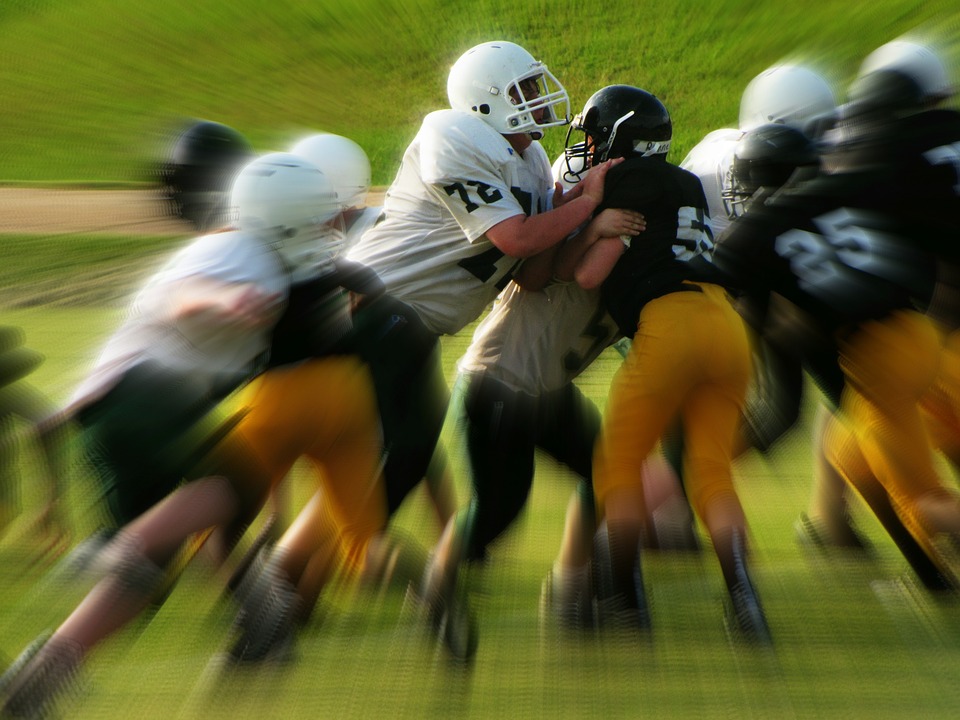
The difference in my generation vs. today’s generation and like the chicken wing in hockey, helmets today are not being used for protection as they are intended, in many instances they give players are false sense of security and many will lead with their helmet when tackling or going to be tackled.  
 
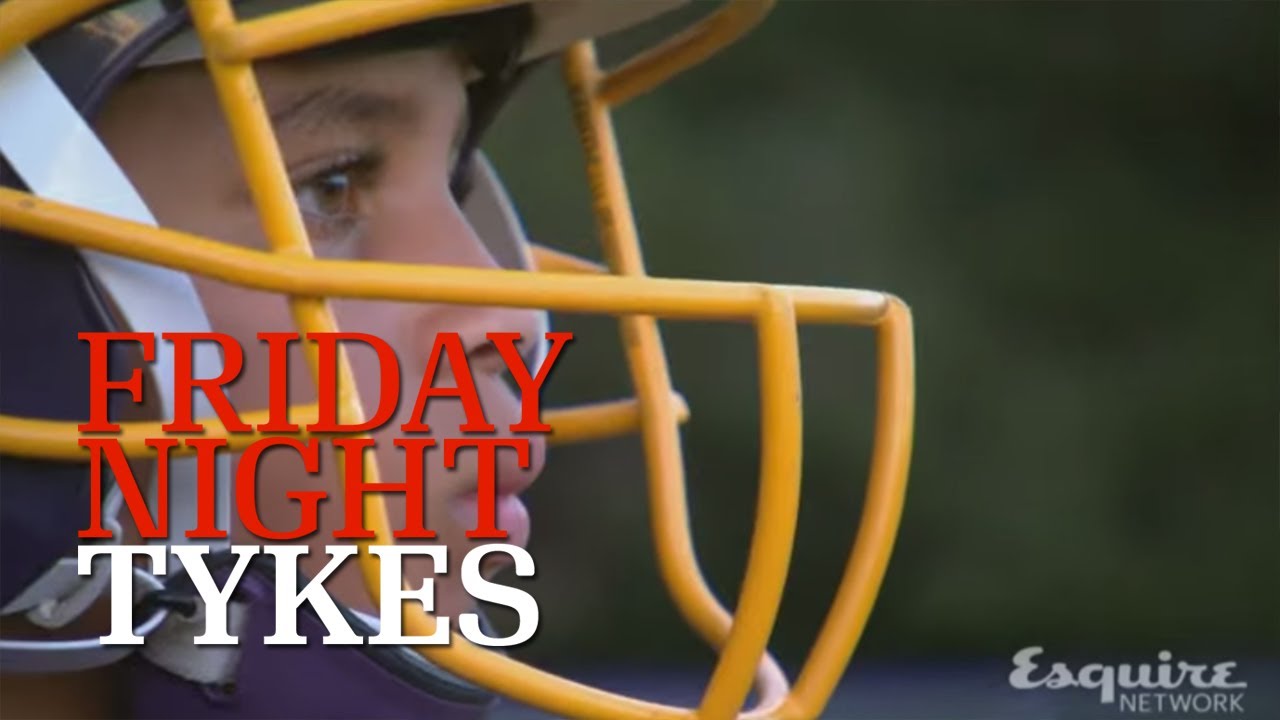
Here is a video about an elite 8-9 year old program in Texas, it is a series based on a REAL football program in Texas. Click on the link below for the original trailer for Esquire program Friday Night Tykes.
 
It is no wonder why CTE has been such an issue for the NFL as it all starts at the grassroots, if youth football coaches are not going to teach the safe and proper tackling techniques adhering to the LTAD model then it merely will continue to escalate.  
 
I have talked to several youth football coaches who are but we need ALL youth sport coaches of contact sports to do so, otherwise in addition to Hockey and American Football, other contact sports also may be in jeopardy.
 
So there is no disconnect, I am a big advocate for concussion  and CTE awareness. I am not saying that they are not serious issues, they are, and we should continue doing what is the best interests of kids to ensure they are SAFE.
 
Why am I so passionate about it? Because I suffered 3 major concussions, the third ended my competitive sports career for lack of better word in my 20’s. Ironically though, all 3 were not in a game or practice, one was a result of horsing around with one of my rugby team mates, the latter two were when I came to friends aids in bar brawls.
 
My last concussion I can only tell you what people told me as I have no recollection of the 2 weeks that lead up to the event. One of my friends was hit over the head by a beer mug, I jumped in to grab from his assailant and then one of his friends did the same to me. I was knocked down, and he and his two friends literally kicked and punched me to the point where I was so disfigured after the fact when I looked a pictures taken for police shots I did not even recognize myself.
 
I ended up in an ICU at nearby hospital and awoke groggily 2 days later and had NO IDEA where I was, how I got there and all I could remember is the migraine. Doctors told me that it would take time for me to recover, get lots of bed rest, limited reading, TV etc etc. I missed 2 months of my first college term as a result of the time it took to get back to being symptom free.
 
Needless to say, I can relate to the challenges Sid, Paul Kariya, Eric Lindros and numerous other players have had dealing with to recover from concussions
 
I believe that contact sports are getting a bad rap in a sense that it is the contact itself that is leading to CTE, Concussions. In lieu, many of injuries sustained is due to the the equipment meant to protect but used by players initiate contact leading to same … the hard plastic on elbow pads, the “concussion proof” helmets,  disregard using sticks to slash wrists, helmets or cross checking from behind.
 
Hockey (NHL) and Football (NFL) are getting a lot of press making it a hot topic for last few years but if tackling and contact was such an issue, why are we not looking at taking contact out of other sports ?
 
If contact alone was the driver for CTE, concussions and other injuries, Rugby should be the #1 sport for all but are not even in the top 5, according to Neurotracker, these are the number of high school concussions per 100,000 athletic exposures;
 
  • American Football – 70.4
 
  • Men’s Ice Hockey – 54
 
  • Men’s Lacrosse – 43.3
 
  • Women’s Soccer – 33
 
  • Women’s Lacrosse – 33
 
Honourable Mentions
 
  • Women’s field hockey – 23.5
 
  • Men’s Wrestling – 23
 
  • Women’s Basketball – 19.8
 
  • Men’s Soccer – 19.1
 
Hmmm .. Rugby still not in top 9.
 
Why ? Because it is a hooligan’s game played by gentlemen.
 
The only protective equipment are cleats, mouth guards and perhaps ear wraps (for forwards) and that’s it. Concussions are low or non-existent because players don’t have helmets, elbow pads, sticks that can make contact with players heads, wrists (slashing has become the norm, not the exception in hockey).
 
It is a sport that players still call the ref SIR and when you get older after you go to war with the other team, you socialize with them afterwards.
 
Here is another example of how 8 year olds are being taught to hit others recently posted in Instagram 
 
 
Helmet to Helmet contact starting at 7-8 years old? Coach makes no correction ?
Player attempting to tackle not protecting himself by getting down to drive shoulder into other players core, wrap arms which would avoid any head contact whatsoever.
 
Really?
 
If the NFL, NHL and others want to have players come up thru grass roots they MUST get on board with grass roots programs to bring back respect, proper checking, tackling techniques.
 
Eliminating body checking, tackling from contact sports is not the answer.
 
Reinforcing the importance of Respect, Sportsmanship and other core values is.
 
Let’s work together to bring the game back to the kids.
 PS Tagline - Dont be a kids last coach