What do parents expect for their kids in youth sports?

Posted Posted in Athlete, Coach, Organization Executive, Parents

As we head into another fall season of a myriad of youth sports, thought this would be a good time to share with coaches the importance of having answers to the top 3 questions that parents will be asking in their upcoming parent meetings.

#1 – What is your background as a coach?

This is particularly top of mind for parents in the competitive streams, many of which will make decisions whether they will support their son or daughter trying out for competitive teams based on the coaches that have been selected by organizations.

When it comes to the recreational stream, particularly the earlier age groups, parents more often than not are happy that someone put their hand up to coach the 5-8 year old age groups and are more concerned when/where they should drop their kids off for various team events than whether their kids are in qualified hands.

Whether it be recreational grassroots level or higher level older age group teams, however, this is an answer that all coaches should have the answer to before they meet the parets for the first time.

Things like;

  1. Playing experience in the respective sport they are coaching
  2. Certification they have completed
  3. If they have children themselves (more often than not parents are those that start coaching the youngest age groups)
  4. How many years they have coached
  5. How committed they will be (dedication is key, coaches should be there for the kids)

#2 – Why do you Coach?

It amazes me when I speak and ask coaches the questions to provide answers to that very question how few hands go up to begin with but am thankful for those that to stand up and share all kinds of reasons why they coach like;

  1. They love the game and want to give back
  2. They want to help kids learn the skills of the game, but also skills of life
  3. They Love Kids and watching them grow
  4. They want to help kids have a positive experience
  5. They don’t want kids to have a bad coach like they did

It is at this point where I also hear coaches shared their core values like respect, sportsmanship, winning with humility, losing with dignity, developing leaders and teaching various other life skills that the kids will need beyond the sport.

Then the one that gets me the most, when they share how passionate they are about the game and kids to love it as much as they do.

One of the things I share all the time is kids should love the game more at the end of the season than they did at the beginning of the season.

Ironically, as we shared in last weeks post, the #1 thing that parents are looking for in terms of their kid’s sports experience is that they develop character, which is followed by them having fun and making friends.

Great Coaches, as we have shared in past, are ones that truly care about the kids the coach, and those that are passionate about the game, as a parent, they had me at HI.

#3 – What is your coaching philosophy?

This again is one that I find we really need to work on with grassroots coaches, when I prompt coaches to share their philosophies either en masse or in small groups, only a small % are able to do so.  In part because they are still developing their philosophies of coaching, in part because they have never put it in writing.

Once they do so, it makes them accountable so if they talk the talk, they must walk the walk not just for the players but also for the parents, board members, officials etc.

I remember last year when I put forth the query in a clinic I was running, one of the coaches stood up and shared a very detailed coaching philosophy, so much to the point, that I then worked with him after the fact to tweak it so it was not more than a couple of sentences.

Think about it being your mission statement for WHY you coach, what your raison d’ê·tre (reason for being) which goes hand in hand with your core values that you have learned from parents, family, education, work etc.

Like that coach, I had a very lengthy coaching philosophy that was several paragraphs long until I reviewed it with one of my mentors and he told me that it had to be no more than two sentences … there was no way I would be able to share my philosophy with board members when I was interviewing for coaching positions or parents after the fact when met them for the first of several meetings over the season.

My philosophy evolved over the next couple of years to one statement:

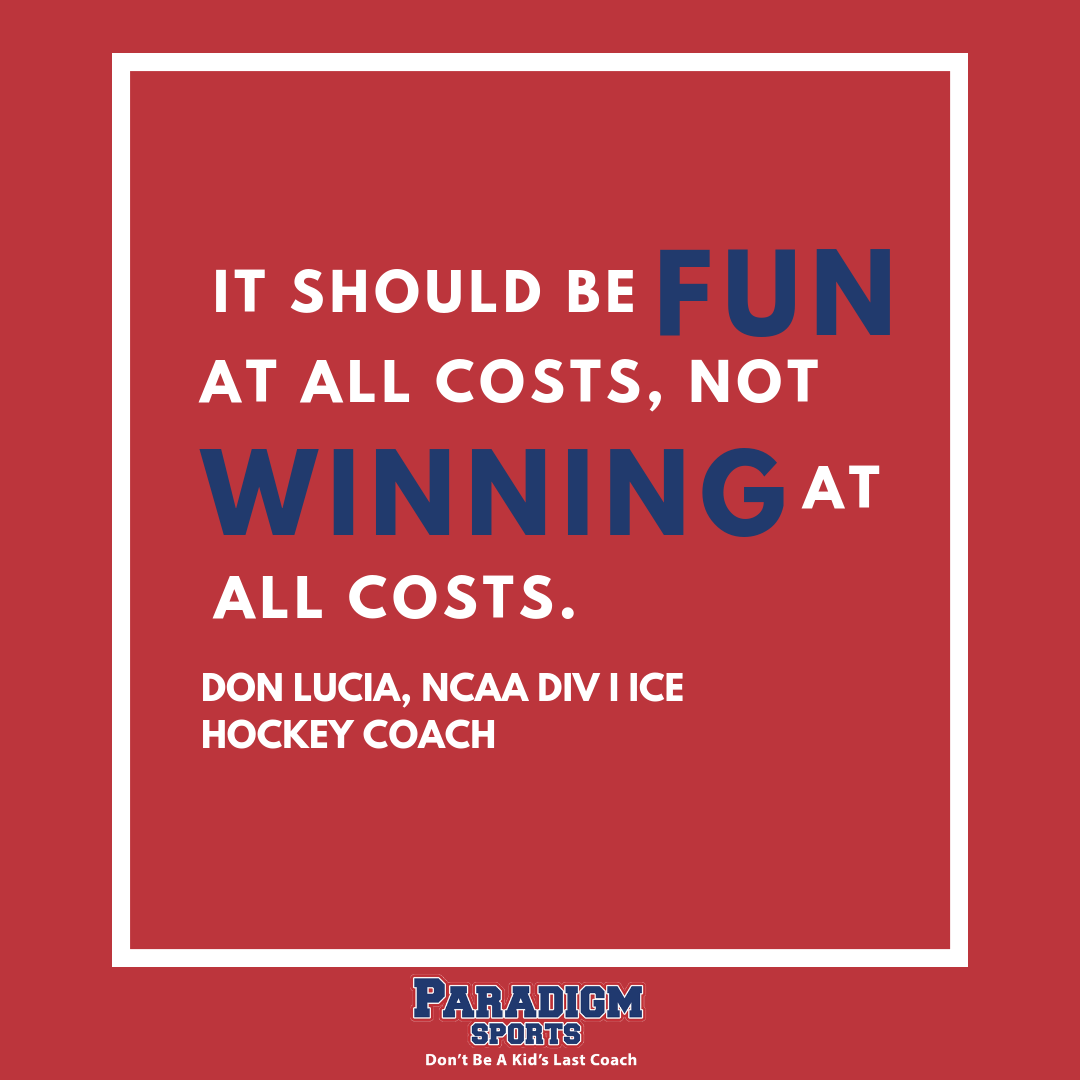
FUNdamentals, not winning, at all Costs.

Why is Fun in Caps?
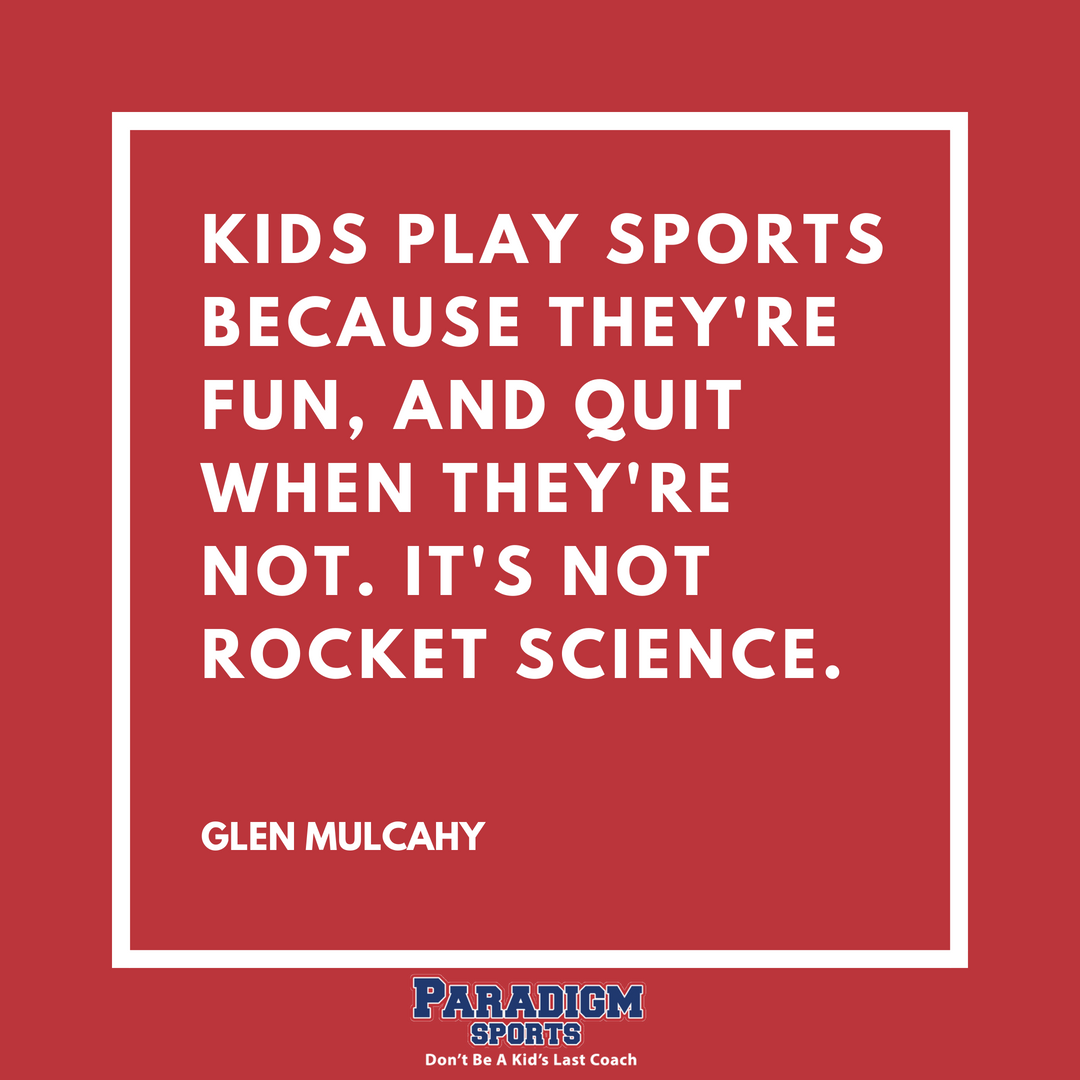


I believe strongly in developing kids skills of the game in part, but more so the skills of life to make a difference by developing youth into adults.

AND

I Have learned there is a fine line between winning and winning at all costs.

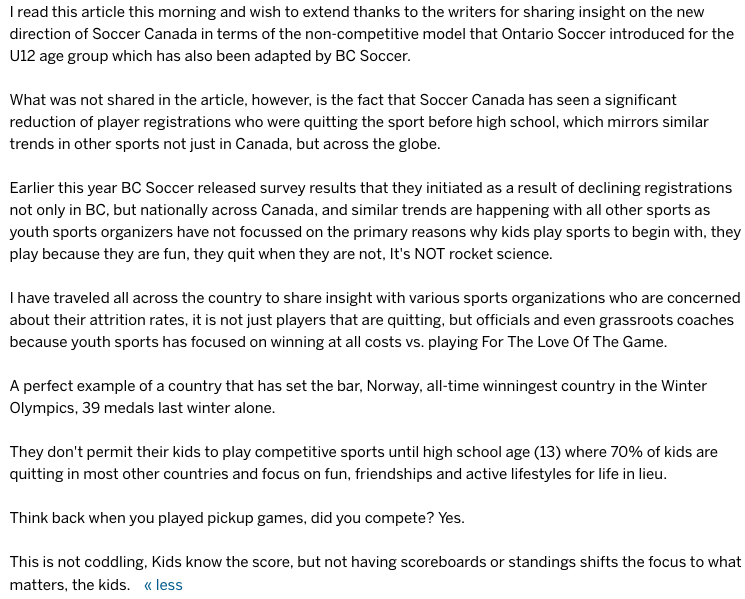
Without going into a deep dive on the article itself, just wanted to touch on a recent article co-authored by two faculty members at the University of Waterloo posted in the conversation which was reshared by the Vancouver Sun under permission.

The Conversation Title:

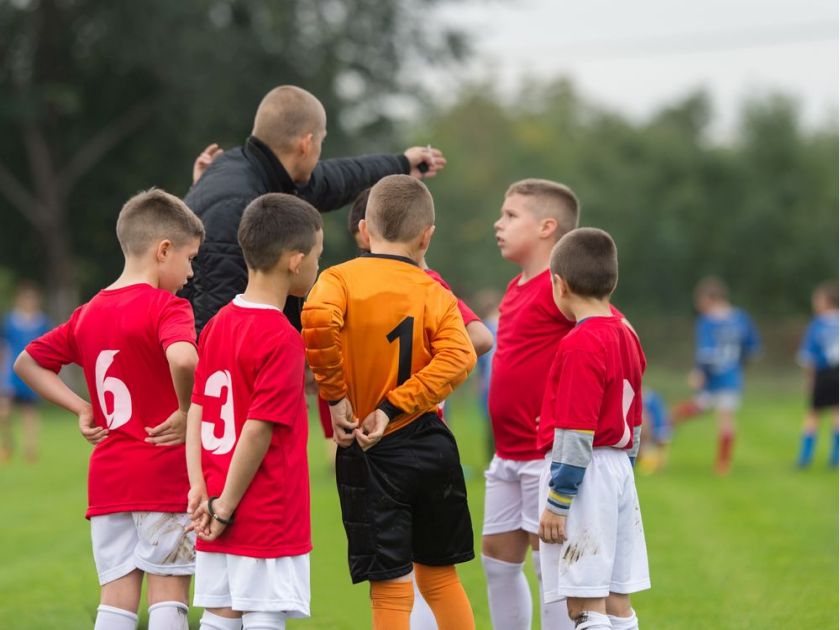
“Making Youth Soccer less Competitive: Better Skills or sign or coddling kids”

In the paper edition of the Vancouver Sun the article was titled:

Removing Competition: Good or Bad for Kids?
 

In the Vancouver Sun Digital Edition the article was titled:

Ryan Snelgrove and Daniel Wigfield: Is less-competitive youth soccer a sign of coddled kids?

My comments to the digital edition version:
 

Below is a image we shared out in the fall where the GTHL had a novice hockey game (8 yr olds) still playing full ice hockey where the final score was 41-0 although they only showed 6-0 on the scoreboard so as to “not hurt the kids feelings” that was referenced in the article why Ontario Soccer has shifted to the model of not keeping track of scores U12.

 

Like the Ontario Soccer article, there were two sides that came forward, those supporting the move to push competitive play to later age groups, and those arguing that competition introduced at earlier age groups teaches kids life lessons.

Below are just a number of other articles on page one of google pertaining to the pros and cons of competition with several other articles on subsequent pages with those for and those against having scoreboards, scoresheets for the younger age groups

 

I know that there is always two sides to every story, but if we let the adults who are pushing the pay to play winning at all costs model becomes the norm, not the exception, the kids LOSE regardless of the age group.

What coaches must be cognizant about as they head into the upcoming seasons is what both parents and the kid’s expectations are.

The top three Parents expectations they share with me when doing presentations are for their kids to build character, have fun and make friends.

The top three kids share why sports are fun (the reason they play) per Amanda Viseks research and my surveys of kids in numerous sports is when they get to try their best (work on their skills), when coaches treat them with respect (by treating them with fairness, teaching them the skills of the game and of life) AND when they get playing time (kids just want to PLAY).

And if you are the naysayer or sarcastic adult think that removing the scoreboard is for the kid’s sake, not hurt their feelings, coddle them no, it could not be farther from the truth.  Kids keep track of all the goals, assists, who the top players are, who the players are that need to develop and so on.  Before youth sports became adultified as it is now, kids formed their own teams, made and enforced their own rules, rebalanced as needed so games were competitive NOT blowouts or having coaches run short benches to win games to pad their resumes, not to develop all kids on their teams.

The reason why there is no scoreboard in the earlier age groups already in Soccer, Hockey, Baseball and many other sports to follow is so that the parents and coaches don’t take the game too seriously which has led to bench-clearing brawls involving the most infamous one to date of parents fighting at 7-year-old baseball game because a 13-year-old official made a call the spectators did not agree with.


Really?  Is winning or losing at that age group really matter? Should it not be about developing the kid’s love for the game, working on the core skills, and all the other benefits kids can reap from playing sports?

Having worked with many parents I can tell you first hand none went to this game expecting to get into a brawl, they had hoped to just go watch their kids play but as winning has become the epicenter of youth sports, anything impacting a win or loss (in this case the call by a KID) set fuel to a fire.

We (as in all the adults) must remember that youth sports are games played by KIDS, with many of the official’s kids themselves, and too many are quitting before they should and once they do, many don’t return to the game they once loved.

Let’s all work together to bring the game back to the kids … where it belongs.

Don`t be a kids last coach


How Moresports promotes a love for the game

Posted Posted in Athlete, Coach, Organization Executive, Parents


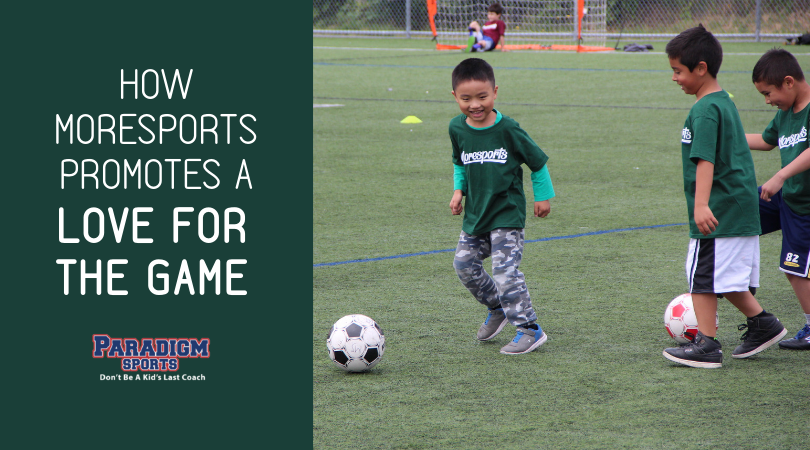
I was invited by the coordinator of Moresports, Cynthia Lee, to come out to see their annual Soccer Jam event they host and must confess, many youth sports organizations across Canada, if not the globe could learn from their model to provide quality sports programming.

As I shared in a blog I did a few weeks back, How More Sports is creating more sport opportunities for kids, they are a community-based organization in Vancouver, BC, established in 1998 to provide opportunities for kids to play sports that could not afford to be in organized leagues.

Since that time, they have grown with multiple hubs in Eastern Vancouver, one in Coquitlam and have approximately 4000 kids participate in their programs annually.

The best part, if kids can’t afford the fees, they provide subsidies so kids can play, their goal is to never turn a kid away regardless of their socio-economic status.

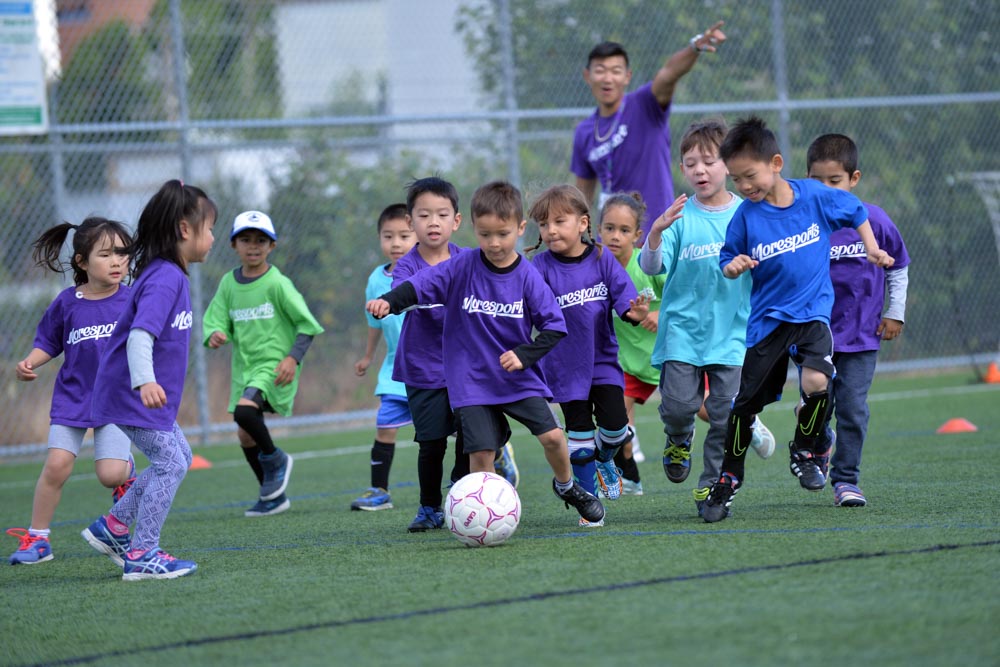
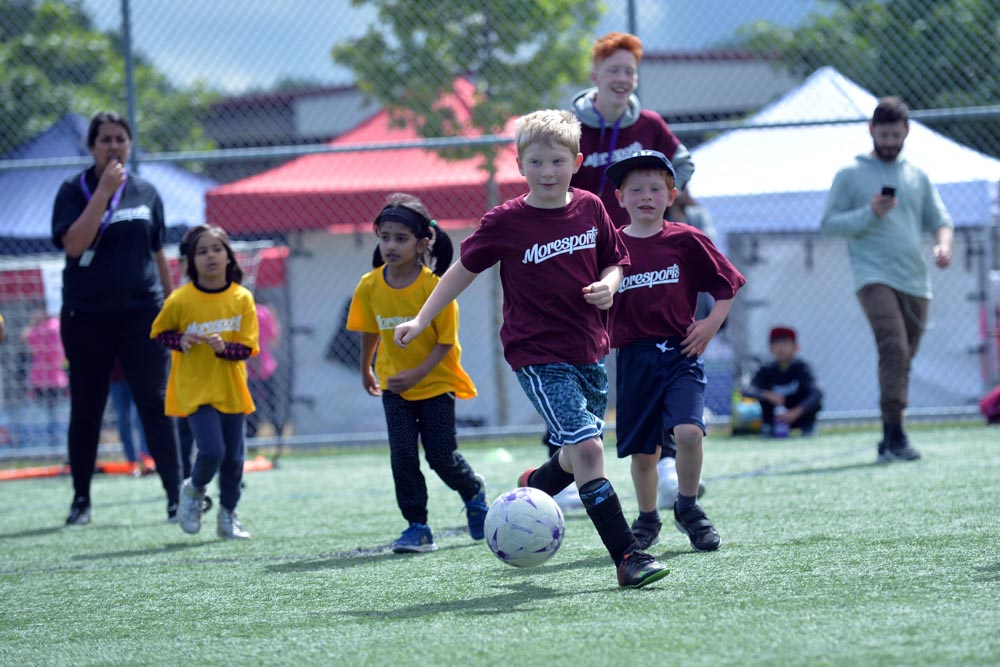
Like when I went to see one of their basketball programs in one of the hub schools last month, today I saw many kids with HUGE smiles on their faces as they played soccer but it was what I did not see that truly inspired me how we can bring the game back to the kids.


The only uniforms that the kids wore were donated Moresports t-shirts with no numbers or name bars (common in youth sports for “scouts” to ID “prospects”) in various colours.

There were no officials to enforce rules as we see in many organized sports today, as early as 6 years old when kids play “elite” level sports (which is the dirtiest word in sport today, there is no such thing as an elite 6-8-10 year old kid, they are just early bloomers)

The parents either sat quietly on blankets, bleachers or stood along the sidelines and some took pictures, most just watched in silence or cheered when the occasional goal, great save or shot was made by any, not just their own, kids on the “teams”.

There was not a vocal minority who were screaming instructions at their kids, criticizing their mistakes as is all too commonplace today in organized youth sports that is leading to so many kids quitting before high school.

Some are those are the ones that sit at the end of the field or in parking lots having tailgate parties (as is often the case at “prospect” tournaments) who become vocal as they had one too many wobbly pops.

Other than the K1 group (who had the most participants), there were no subs and when there was, the leaders ensure that every kid rotated in and out evenly but most games had 6-7 players a side.

There was No Scoreboard, No Scorekeepers, No Timekeepers.

There was no tournament board keeping track of wins and losses that coaches will check as the tournaments evolve to figure out their standings, when they will play after round robin and if they anticipate tiebreakers, goals +/for etc.

There were no trophies or participation medals or ribbons.

There was no apparel tables to resell branded merchandise for the “prospect” tournament or silent auctions, door prize raffles or volunteers selling 50/50 tickets to raise money for the tournament hosts.

Kids just played For The Love of the Game.

There were almost an equal ratio of girls to boys playing on the co-ed teams all the way to G7 (11 years old)

There were leaders (much higher % are female as they want to give back to the program than male coaches in youth sports) for each “team” who are former campers that have been identified as potential leaders in the community and receive training which includes High 5, Fundamental Movement Skills and majority are under 18 years of age.

Most only gave the teams pep talks for warm-ups, then during the games would just ensure that the game continued by getting the balls when kicked out of the mini-fields.  Some “coached” by saying … keep it going, great shot, great save it was ALL POSITIVE.

The coordinator, Cynthia Lee, was one of those herself, then a leader, and now the full-time coordinator who organizes this event.

This was the third year that the event was hosted at Trillium park, ironically one sky train stop or short drive away from Rogers Arena and BC Place Stadium where our professional soccer, football, and hockey teams play that most, if not all, of the kids playing today sadly will never have the opportunity to see due to the ongoing rising costs of tickets.

Trillium Park consists of two all-weather soccer fields, which Moresports converted by using cones and age-appropriate nets into 16 mini-fields, the epitome of small area games at its finest.


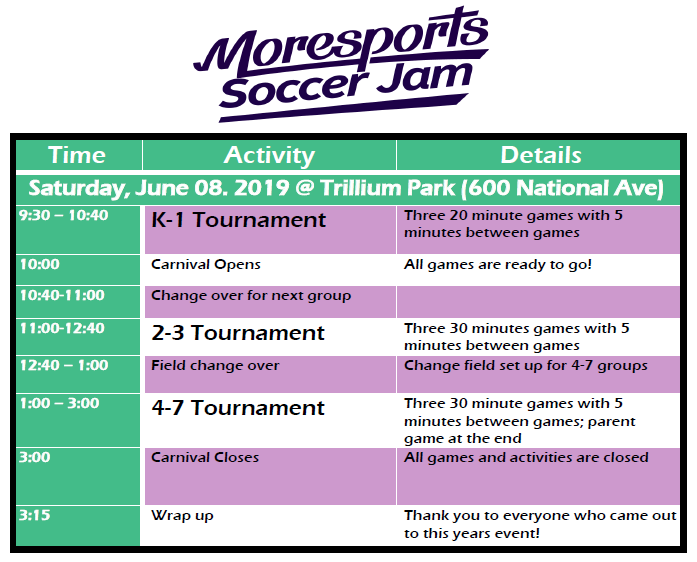
The schedule for the day is below

K1 (5-6 year old kids, their largest age group) started the day by playing 3 20 minutes games with 5 minute breaks and 2 minute hydration breaks.

When the ball would go out of play, the kids or leaders would retrieve and they would throw it in and GAME ON.

2-3 (7-8 year olds) and 4-7 (9-11 year olds) would play 3 x 30 minute games also with 5 minute changeovers and water breaks.

Approximately 1000 kids participate in the annual event.

Think about this.

60 – 90 minutes of activity, small area games, age-appropriate nets, balls to follow Soccer Canada’s new LTPD model, trained leaders and coaches providing limited feedback that is positive (to let the kids PLAY) and in lieu of multiple trips back and forth, you get to play all your games back to back.

Similar to the good old days where you went to a park and played for HOURS vs. structured games and tournaments that are all too commonplace today.

They also had a carnival with bouncy castles and various other activities and food trucks for kids to fuel up more after they devoured their snack bags they all received that included a voucher for those from economically challenged families for kid favs, grilled cheese, fish and chips (my lunch for the day) and Triple O’s burgers.

Why this truly was unique compared to any other jamboree that I attended as coach, parent or player is it also included tents from all of the community sponsors that permit Moresports to provide their amazing programs

United Way – Vancouver Parks and Rec – Vancouver School Board – Canucks Autism Network

This provided them the opportunity to engage with parents and vice versa.

As I was leaving the Vancouver Police showed up with their (motor) bikes, one of their dogs squads, their horses. Vancouver Fire Department had come in past years so they also could engage with the community that at times sees them as the bad guys (as many of these kids are in really tough neighborhoods who see more than the fair share of police and social workers).

One of the VPD’s staff sergeants volunteers as a leader for the event also.

As I was driving back home my head was spinning, why is this not THE MODEL for communities across Canada to promote quality sport and kids being active as it is only currently being run in Vancouver.  It was the epitome of organized Free Play.

I also thought, organized youth sports could also learn as unlike the vast amount of organizations that I have talked to, Moresports is growing by adding more hubs and the executive director, Bill Woodley, hinted that they are having dialogue with other provinces how they can provide the same model but only if they identify they NEED it which many have come calling.

The challenge he said, is they will have to remove all the barriers and promote collaboration as Vancouver has done with parks and rec, school boards and other community organizations.

Proof that if all stakeholders buy-in to a common vision that it CAN BE DONE.

When we all work together, the best part of it all, Kids PLAY, Have Fun and love the game more at the end than when they started.

Kudos to all the team members, the hundreds of volunteers, leaders, coaches of Moresports to show us that it can be done if we remember what it is really about, the KIDS.


Bonus – Download a Free Copy of this blog in printable flipbook format HERE


What US Lacrosse is doing to promote Multi-Sport Participation

Posted Posted in Athlete, Coach, Early Sport Specialization, Organization Executive, Parents

I recently sat in on the first webinar hosted by Project Play which highlighted three different US National Sports Bodies (NGB’s) that were promoting multi-sport participation, one of which is one of the few youth sports in the US that is growing year after year, US Lacrosse.

The insight was shared on the webinar by Erin Smith, currently the Managing Director of Education and Training for US Lacrosse and has worn many other hats over with US LAX the last 15 years.

Why is US Lacrosse one of the organizations that are bucking the trends?

Unlike many of the youth sports organization in Canada, US and globally, they continue to see increases in their membership year after year, now have over 430,000 members and continue to grow.

As a national sports organization in the US, they are still in their infancy, 9 former regional orgs merged together in 1998 to become the national sports body for the US.

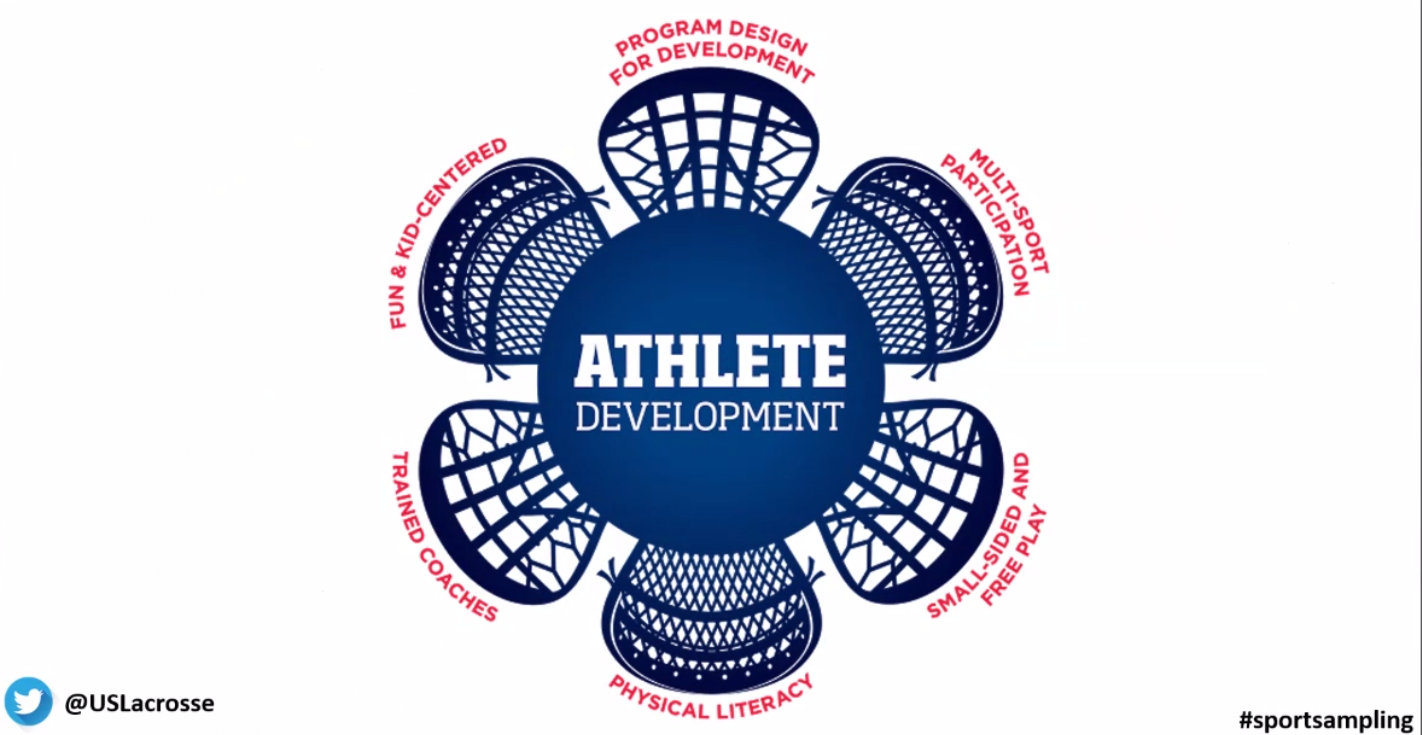
In 2015-16, largely due to the great work that USA Hockey has done in terms of developing the American Development Model, US Lacrosse created their first version of their Athlete Development Model with 6 core values.

#1 – Fun and Kid Centred

HMMMM … perhaps the sports organizations that continue to experience negative comps year after year could learn something by focusing on similar core values?

As I have shared for years, kids play sports because they are fun and quit when they are not, it’s NOT rocket science and I was so happy to see that a NGB has Fun and focusing on the kids (the end users/consumers) and believe many other orgs that are suffering high rates of attrition should do the same.

#2 – Program Design for Development

Development as in skills vs. winning at all costs?

It is great to see a NGB understand that the purpose of Youth sports organizations is developing youth into adults.

#3 – Multi-Sport Participation

Promoting Multisport participation, as the President of Greater Edmonton Lacrosse shared with me last year, Lacrosse is a great complementary sport and requires so many technical skills that will transfer to other sports.  Perhaps that is one of the reasons why Wayne Gretzky, John Tavares, Steve Stamkos and other NHL’ers were or are pretty good?

#4 – Small Sided and Free Play

Many national sports organizations in Canada and the USA who have incorporated LTAD models have incorporated small sided games that are age appropriate, examples being USA and Hockey Canada’s cross-ice hockey for ages 5-8 years old, soccer small area games with 3, 7 players, tennis, volleyball, basketball lowering the nets etc.

What really excited me about US Lacrosse was they also are focusing on the importance of Free Play that many researchers have identified in recent years is a critical to ensure optimal skill development, decision making, handling adversity and overall fundamental skill development.

#5 – Physical Literacy

Still one of the biggest challenges that many face in the grassroots segments is having coaches understand the importance of developing all fundamental movement skills so kids are not only proficient in their respective sports (thanks largely to the pitfalls of early sport specialization) so kids are confident, competent and ultimately active for life.

#6 – Trained Coaches

In terms of trained coaches, although the course content has been revamped to educate coaches on areas like multi-sport participation it was only done last year and only 5+ Years will you see the cause and effect of updated coaching modules.  I suspect in a few years you will see the changes that US LAX is aspiring for and will receive a higher grade accordingly down the road.

How do I know this?

After running Hockey Canada Clinics as one of my hats for over a decade, each time that Hockey Canada revamps the clinic materials, it takes a few years for the materials in new modules to get to the coaches that have already taken a clinic IF it gets to them.

This is why I am a big advocate for the NCCP program requiring ongoing Professional Development Credits to ensure that coaches learn the latest and greatest to be the best they can be.

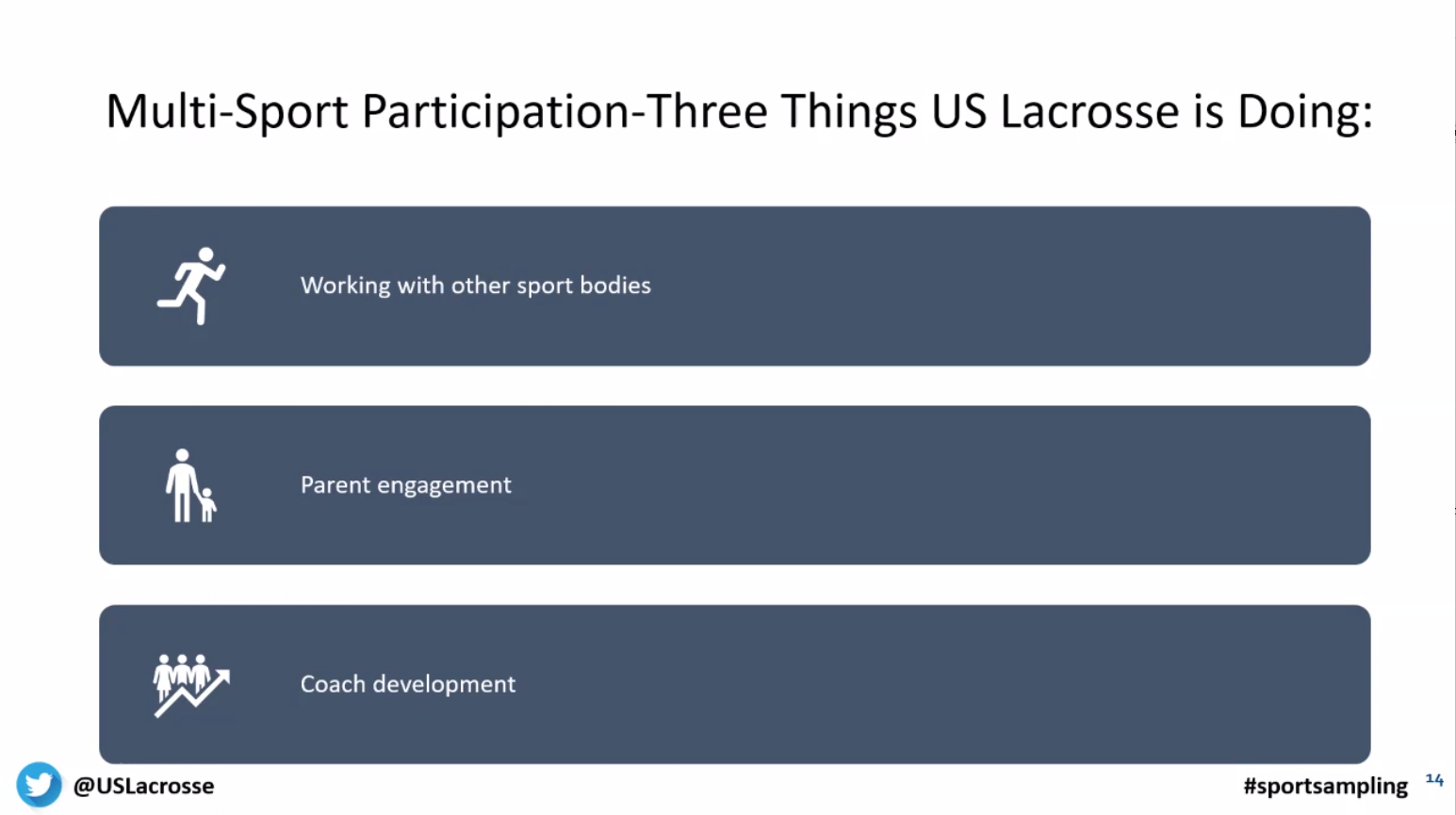
The three core areas of the Project Play checklist that US Lacrosse is focusing on to promote multi-sport participation in particular are;


#1 – Working with Other Sports Organizations

Collaborating in lieu of competing for the same player so they can play multiple sports?

KUDOS to US Lacrosse for doing so.

Here is insight from Dave Newson, the executive director at Semiahmoo Minor hockey organization who spoke with us for our winter 2018 virtual event how they were collaborated with their fellow soccer association to permit scheduling so kids could play both soccer and hockey

After they did so, many other local sports organizations started to do the same, the dominoes they are falling as kids want to PLAY more than one sport.

#2 Focused on Engaging parents

In addition to providing resources to coaches to share with parents in their parent meetings, they are promoting multi-sport participation on social media and video below using the analogy of eating pizza every day would be like playing one sport every day, not good for the kid’s development overall.

INSERT QUOTE OF THE WEEK HERE

Play More (sports) to play better (as an overall athlete)

#3 – Focused on improving their coaching development

Like US Hockey, US Lacrosse now has 4 coaching levels that ties in their athlete development model, starting at the grassroots level up to the high-performance level.

Last year they redid all of their coaching courses and the Level one course now highlights the benefits of multi-sport participation so the grassroots coaches (many of which are moms or dads that get recruited to coach because their kids are playing) get educated on the benefits right from the get-go.

The added benefit, as many are parents themselves, they can share with the parents on their teams as well as others they know so the word of mouth will spread.

Probably one of the biggest issues that I have come across when I have interacted with coaches in Canada that are just getting started regardless of the sport is there lack of knowledge or even awareness of their respective sports long term athletic development models or fundamental movement skills required to be proficient at ANY sport, let alone the ones they are now coaching.

Things like balance, agility, running, falling, getting up, throwing, catching, one handed and two handed hitting, running which are all fundamental movement skills that every kid should have but thanks to PE programs being cut so much at the school levels, too much structure taking away free play, too many kids can’t perform the basic skills as our past generation did.

KUDOS to US Lacrosse for recognizing the importance of not only talking the talk (via core values, public service messages (PSA’s), Whitepapers (PDF’s) and education but WALKING THE WALK.

Let’s all work together to bring the game back to the kids … where it belongs

PS Tagline - Dont be a kids last coach

What is LTPD?

Posted Leave a commentPosted in Athlete, Coach, Organization Executive, Parents

Long Term Player Development.

I just came back from Whitehorse, Yukon to run three Hockey Canada NCCP Clinics for BC Hockey who also is the Provincial Governing Body for the Yukon Territory. This is now the second time in as many years that I have had the opportunity to work with passionate coaches is a small town where hockey is one of the main sports, the first time was when I was asked to run clinics for another small group of passionate coaches in Fort Nelson, BC. Both trips I had the opportunity to fly via Air North, a small airline whose lanes take passengers to various stops in the Yukon, mainly from BC and Alberta, but as far from Ottawa, Ontario.  My favorite part of the trip, the warm chocolate chip cookie with Milk, one of Air Norths claims to fame. Over the last 10 years I have had the opportunity to interact and learn from thousands of coaches across Canada, and anytime I get asked to work with coaches in smaller towns I jump at the opportunity. Why? Because they are very passionate about sport, over the course of this past weekend, the coaches shared with me how their kids are bucking the trends where kids today spend on average of 7.5 hours a day on screens. In Whitehorse many of the kids play hockey and swim thanks to the legacy left behind at the Canada Games in 2007 for an amazing facility with 2 rinks, pool, gym and even a physical literacy education area. They also ski thanks to very affordable passes at their local hill of $200.00 for a season for kids up to 18 yrs. old, cross country ski, ice fishing, play soccer in spring (vs. fall in BC due to climate) and many will play indoor soccer in fall, basketball, volleyball and numerous other activities. We could all learn a little from the parents in those small towns who are encouraging their kids to participate in as many activities as possible until their latter teens when they choose a sport they are the most passionate about. We shared a quote on this weeks newsletter that I came across last week by Muffet McGraw, Head coach of the Women’s Basketball Team who has over 800 wins at the University of Notre Dame whose 2018 team is ranked Number 1 in the NCAA and reigning NCAA champions last year.
She and other high level coaches were interviewed in yet another article talking about the perils of early sport specialization where she also shared;

“Do I think we’re specializing at too young an age? Absolutely. I hate it. You don’t have to pick one sport when you are 10 or 12 years of age”

Sadly as I have shared in numerous articles, many parents are feeling the pressure to sign their kids up in one sport year round as early as 6-7-8 years of age which is due largely to the fact they are not aware of the benefits of multi-sport participation and the initiatives from all the NSO’s (National Sporting Organizations) in Canada, USA and many other countries worldwide for long term development to become the best athlete, not hockey player you can be (or any other sport) Hockey Canada is one of the NSO’s that have rolled out their version of LTAD developed many years back by Sport for Life, theirs as well as some other NSO’s like Soccer Canada, Softball Canada have called it LTPD. LTPD = Long Term Player Development. This past weekend, just as I have in any presentation or clinic I have ran going back many years, when I asked the question “What is LTPD?”, only a few hands go up. The ones whose hands go up have been coaching other sports but none of the first time coaches (many of which are parents) who are just starting out are aware of LTPD or the various versions. I then ask what about Physical Literacy or Fundamental Movement Skills? Same thing, only a few hands go up, in this instance however, many hands when up in the Coach 1 age groups (5-6) because Whitehorse has a Sport for Life Physical Literacy Centre and education thru their elementary school.

Houston we have a problem.

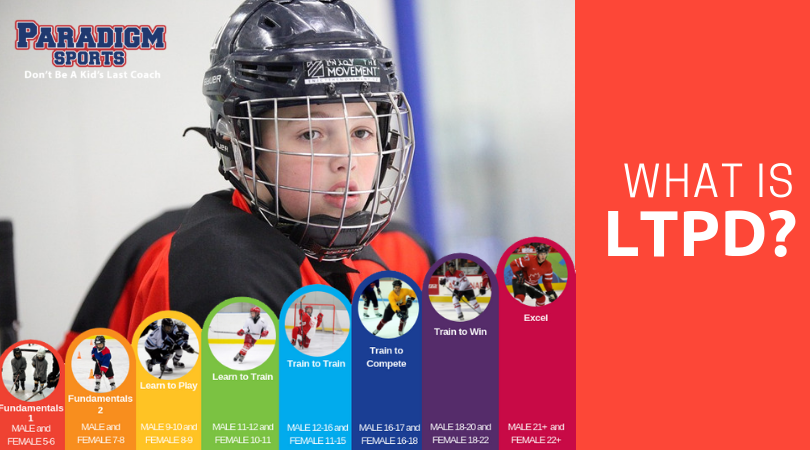
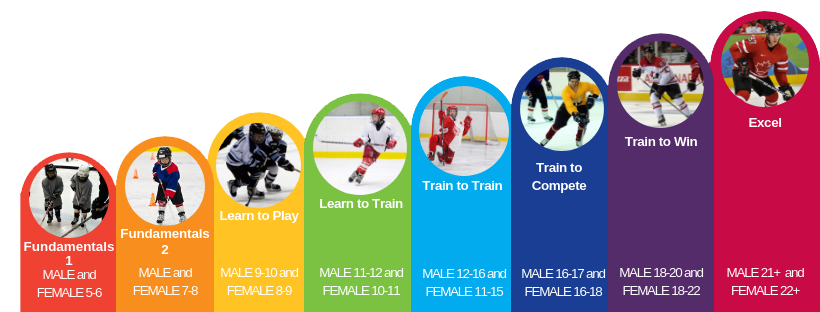
One of the issues that has been identified by every NSO that I have spoken for is that our best coaches are coaching at the highest levels in their respective sports, Provincial, National Teams but for our youth to develop the core skills needed to reach that level we should have our best coaches working with the kids in the earlier age groups to develop those core motor skills. For purposes of this post, for those unfamiliar with what is LTPD, I asked of my co-op students to tweak the Hockey Canada LTPD image that outlines all the stages and applicable age groups so it was easier to read in presentations.
The Sport for Life LTAD model starts with Active Start, 0-6 years of age, where kids should develop physical literacy and learn various fundamental movement skills like falling, getting up, jumping, skipping, balance, agility, throwing, catching, one and two-handed strikes, biking, swimming and on and on. Sadly, thanks to early sport specialization many kids cannot do these core motor skills.

Fundamentals 1

Initiation Boys and Girls – 5-6 Yrs Old

Hockey Canada’s first stage for the initiation age group, boys and girls 5-6 years of age. In this weekend’s clinic, we asked for kids to come out from 7-9 for the coaches to run thru drills and one of the younger brothers who was just starting came out and was priceless. He could stand and skate forwards largely with help of his stick as a crutch, and went thru the various stations with all his older counterparts with a HUGE smile on his face. This age group should be all about core skills, mainly balance and agility, falling, getting up, learning basic V-Stop, holding stick, hockey stance (for balance).  Ideally, they should do all drills starting with no stick so they learn to skate without the crutch many rely on NOT playing full ice games as I have learned is happening in BC, Ontario with leagues that have 6-year-old kids playing as many as 70 full ice games a year. This is totally contrary to the Cross-Ice model that Hockey Canada rolled out with resistance from these very same leagues last year for the Initiation Age group.

Fundamentals 2

Novice: Boys and Girls – 7-8 Yrs. Old

The second stage for the Novice age group (boys and girls 7-8 years of age), that is going to be cross Ice Nationally next season as Hockey Canada opted to roll out in stages vs. some provinces like BC who opted to roll out for Initiation and Novice. The focus in this age group should continue to be core skills of hockey, balance, agility, skating, passing, shooting. NOT playing full ice games where the score board shows a score of 6-0 but the actual score as reported by various news outlets across Canada in a Novice age group was 41-0
Novice Hockey Game of the Week 41 - 0. Really?

Learn to Play

Atom – Boys 9-10, Girls 8-9 Yrs. Old

This is the first stage that girls age groups differ from boys because they mature sooner than boys in terms of their physical and mental growth For me, this is the age group I enjoyed the most as they truly learn to play, they make the transition to full ice hockey now (vs. at 7 years old when I coached and was a beehive of the weaker kids chasing the early bloomers and never touching the puck) It is also the first year that Rep Hockey is introduced, but still emphasis on development, no power play, penalty kill units or any other systems.  Merely core skills and individual tactics. Unfortunately, as I have seen all too often, once the word rep or in other areas of BC “development” gets association with a team vs. recreation, many coaches jump the gun and start introducing systems, strategies when should continue working on core skills

Learn to Train – Peewee

Boys 11-12, Girls 10-11

This is the stage that coaches are required to take their Development 1 coaching certification as the rep stream is now deemed “competitive” and is a 2-day clinic, followed by a post task, MED online, practice evaluation and same CATT, RIS that all coaches have to take regardless of the age group or stage in LTPD. Only a small % of time should be on group tactics, systems and strategies still focusing on core skills (80%) but like I see in Atom, once the word competitive gets added, “some” coaches take it to the extreme. This is also the age group where spring programs really ramp up competition by going to travel tournaments all over North America, even some going to Europe that takes the current 1:1 practice to game ratio to even lower.

Kids develop in practices, not games.

In BC, the current rep model is 2 games, 2 practices and a dryland a week. I always tell coaches to get their dryland to run pre-post one of their practices to limit the time commitment to allow kids to do other sports and activities. Easy fix to increase our practice to game ratio to 3:1 (Europe is 5:1) to focus on development not competition to a practice slot. VOILA – 3:1 practice to game ratio. Better Yet – Eliminate the Scoreboard and score sheets so sports are fun, the #1 reason why kids play per all the research and studies done, including my informal surveys of all the teams I coached in multiple sports. Per Amanda Visek great research, the top 3 reasons why sports are fun are 1 – Trying my best (skills), 2. When a coach treats me with respect and 3. Playing time. Way too many Peewee coaches, regardless if it is rep or rec (AKA house) run short benches, have power play and penalty kill units that deprive all the kids the opportunity play and contribute to the outcome of games. Why? Because the parents want to see more games so their kids can be scouted to be drafted and make the NHL or get a NCAA scholarship. REALITY CHECK – 0.03% of kids that play hockey “may” it to the NHL and less than 1% of kids will play in the NCAA with only partial scholarships (approx. $8K is the average vs. $30-40K for tuition, room and board, insurance etc still leaving parents on the hook for $80K or more) It is no wonder why 70% of kids quit hockey by the age of 13 as a result.

Train to Train

Bantam Boys – 13-14, Girls 12-13 yrs. old

Coaches should continue to focus on skills, individual tactics and this is the age group that I believe we turn the scoreboard on, keep track of the results, not before. Yes – No scoreboards or scoresheets until Bantam. Norway, Sweden who have both implemented LTAD for many years do the same, kids do not compete until they are 13, until then, they play for the LOVE OF THE GAME, developing friendships, developing various skills across a myriad of sports. Some pretty good hockey players have come from Sweden no?  One being the current Calder Trophy Candidate for the Vancouver Canucks, Elias Petterson. Norway knows a little about reaching the podium also, 39 medals in this year’s Winter Olympic Games. Train to Compete Midget – Boys 16-17, Girls 16-18 This is where group tactics, positions, tactics in competitive situations but also focus on conditioning, strength and power.  Coaches should still continue to work on skill development (60-70%)

Train to Win

Male – 18-20, Female – 18-22 INTERNATIONAL

Notice how LTPD does not reference the word winning until kids are this age?  These are the players have bee identified by Hockey Canada to represent their provinces or the country but even when I have talked to these coaches they still continue to work on skill development. Brent Sutter, after they World Junior team he coached in 2014 that did not win a medal, shared that the reason we did not do so was we lacked skill, creativity that other nations had due to our system being too structured.  This is a result of our focus on competition too early and not emphasizing the importance of free play, small area games and skill development. As we shared in a prior newsletter from one of the top 10 winningest coaches in NCAA Div 1 Men’s Hockey History;
We have our work to do to ensure that the coaches who are starting out working with the 5-year-olds understand the principals of all the stages of LTPD, Physical Literacy and Fundamental Skills. We also have our work to do to ensure that parents understand the stages, the benefits and not pressuring coaches to focus on competition vs. practices where kids truly develop. Remember, Hockey, like many other sports except gymnastics, are long term development sports and it takes YEARS for kids to develop. Think Tortoise and the Hare. Not Mario Andretti racing to the finish line. The kids that rush via early specialization and competing too much, too early will suffer overuse injuries, burnout and not develop core motor skills as athletes. Even if they are early bloomers, more often than not they either quit before high school due to much focus on competition or get caught by their late bloomer counterparts. Also, per Wayne Goldsmith who we talked to in our summer summit, there is no such thing as a elite 8 year old … it is not part of my vocabulary, please get it out of yours.
https://www.youtube.com/watch?v=N6m81hkbb5M&list=PL96mRbwr3oRrFFjol99WtPNmntaeaWcYE
Let’s all work together to bring the game back to the kids … where it belongs.
Don`t be a kids last coach