
THANK YOU!

Posted Posted in Athlete, Coach, Early Sport Specialization, Organization Executive, Parents

Our 4th Youth Sports Digital Summit ran this past weekend and I am writing this at the halfway point and must confess I am truly humbled from all the feedback, comments, shares and overall numbers that visited our site, signed up and watched one or more session.

I plan to do a Facebook live version of this prior to scheduling out our newsletter but I know I will miss someone so I felt best to share in a blog as well.

As the youth sports community is in limbo as the world continues to practice physical distancing, what amazed me the most the weeks going into the summit was the fact that so many amazing organizations and sports leaders reached out either directly or by sharing out via their social media platforms to make it our best Summit to date.

It was when we were having our weekly 2-4-1 Sports Zoom call and Steve Boyle said he would jump on Facebook live with myself and team member Geoff Lenahan was a wow moment for me.

Then I spent the better part of Thursday afternoon, less than 12 hours before the summit was going “live” to figure out how we could do a joint Facebook Live Call and thanks to my best friends Google and Youtube we were able to figure it out.  After a hour of testing with our co-op students we ready to do so at 9AM Friday morning on day 1, Steve and I went “live” (albeit not without glitches as the first time).

The number of people reached, engagements and views of our first and second Facebook live posts was tenfold what we normally see on our social media.
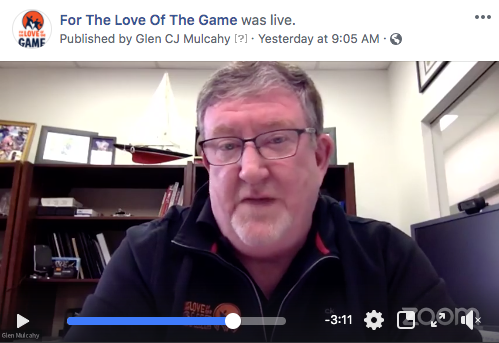
 

I would be remiss if my first thank you was not for Steve and Geoff for jumping on the Facebook live this weekend, THANKS GUYS!

I also want to take the opportunity to thank all of the amazing speakers who shared their insight for this and all of our past summits going back to Summer 2018.  Each time a speaker accepts our invitation or reaches out to me directly to participate I am truly humbled they do so.

Thanks to all of our team members, Geoff, John, current Adriel, and Isabel and all prior co-op students who have put in the work to make the digital summits, podcasts and other digital resources we have built available in the last couple of years.

Thanks to the Federal and Provincial Grant Programs to provide funding to us as a small not for profit organization so we can sponsor students to provide them valuable work experience and help us continue to grow as an organization.

Just like it is when I have attended conferences either as a speaker or as attendee I know that it will take a few weeks to reflect on this weekend and the last few weeks that lead up to what was our 4th Digital Summit.
 

Kudos to every single person who visited our site, signed up for the summits, and watched one or more of the interviews to add to their tool basket and hone their crafts during this time of hiatus.  Special thanks to all of you that signed up for monthly or yearly membership passes to help us continue providing all grassroots sports stakeholders resources, especially now, when everyone is tightening their wallets due to the impact COVID-19 has had on so many industries, not just sports.

Ironically, the platform that we have been utilizing for over 3 years is one that is being ok … in December they had 10 million users, 4 months later, Zoom has over 200 Million users like schools, workplaces are shifting to digital vs. face to face meetings.

Thanks for everything that you do in the youth sports space, whether it as a coach, parent, official, volunteer board member volunteering for why we all do this, the kids.

The very same kids that are cooped up at home during this hiatus and when health authorities do ease up on physical distancing restrictions permitting kids to return to play at parks, fields beaches or organized sports the big unknown is what is that going to look like post-COVID-19.



I know after coaching for over 25 years how it can be a thankless gig in a sense and those of you that understand the importance of lifelong learning and are doing so to get ready for the time we can return to play …. THANK YOU!!!!

To all of our allies across the globe, thanks for locking arms with us in recent years so we can all work together to bring the game back to the kids … where it belongs.

Last, but not least, I would be totally remiss if I did not thank my amazing family, my wife Melissa for 25 years, daughter Erin and Son Liam for their unwavering support to permit me to do what I am truly passionate about, Kids and Sports.

Just like it is when I have attended conferences either as a speaker or as an attendee I know that it will take a few weeks to reflect on the last few days and weeks that lead up to our 4th Digital Summit.

With the uncertainty of when youth sports programming will ramp up again, I to add a live webinar (or some facsimile thereof) in the coming weeks to augment our podcast and building other digital resources.

In the event I forgot anyone, I apologize for doing so, I will ensure that I amend this blog and update if so as all of those that have supported me I want you to know

I am truly humbled and gracious for your support.

 

#WeApplaud #OnApplaudit

Please say thank you to all medical and front line workers you know for their selfless dedication to fight this fight.

We are all in this together.

Be Safe.
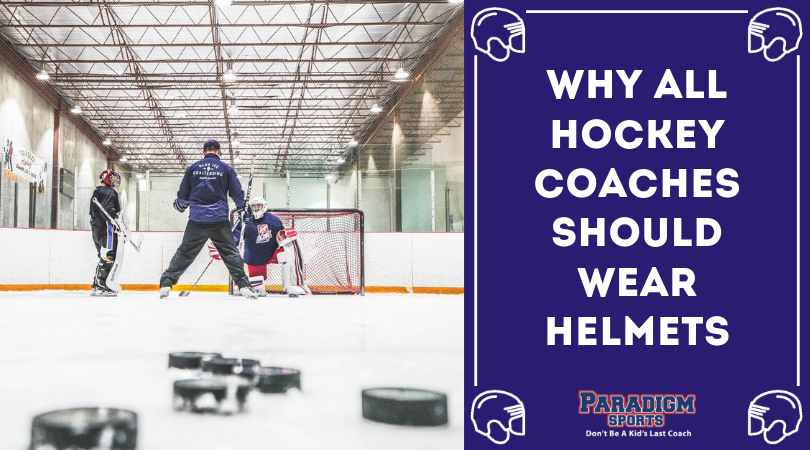


Why All Hockey Coaches Should Wear Helmets

Posted Posted in Athlete, Coach, Organization Executive, Parents

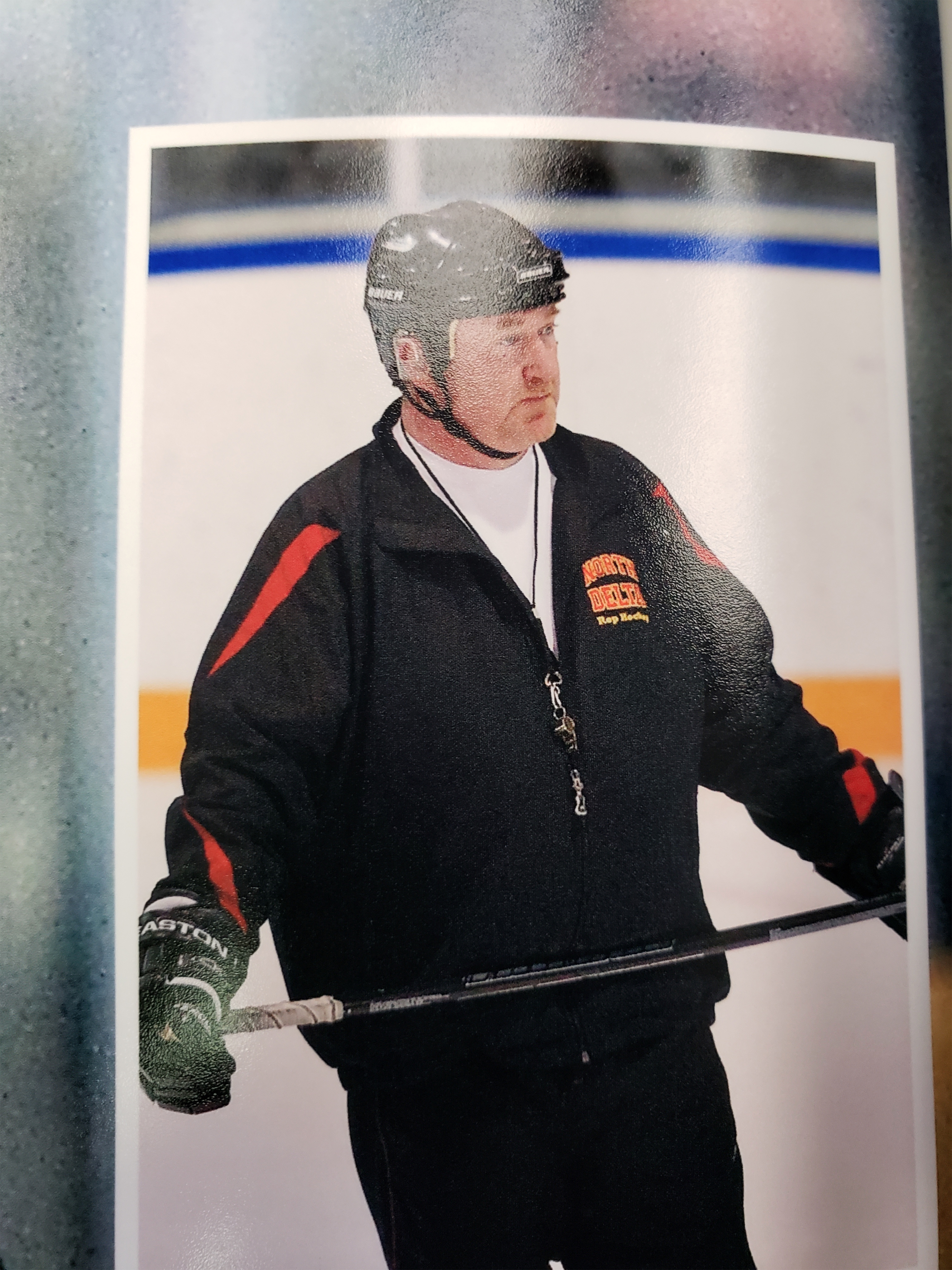
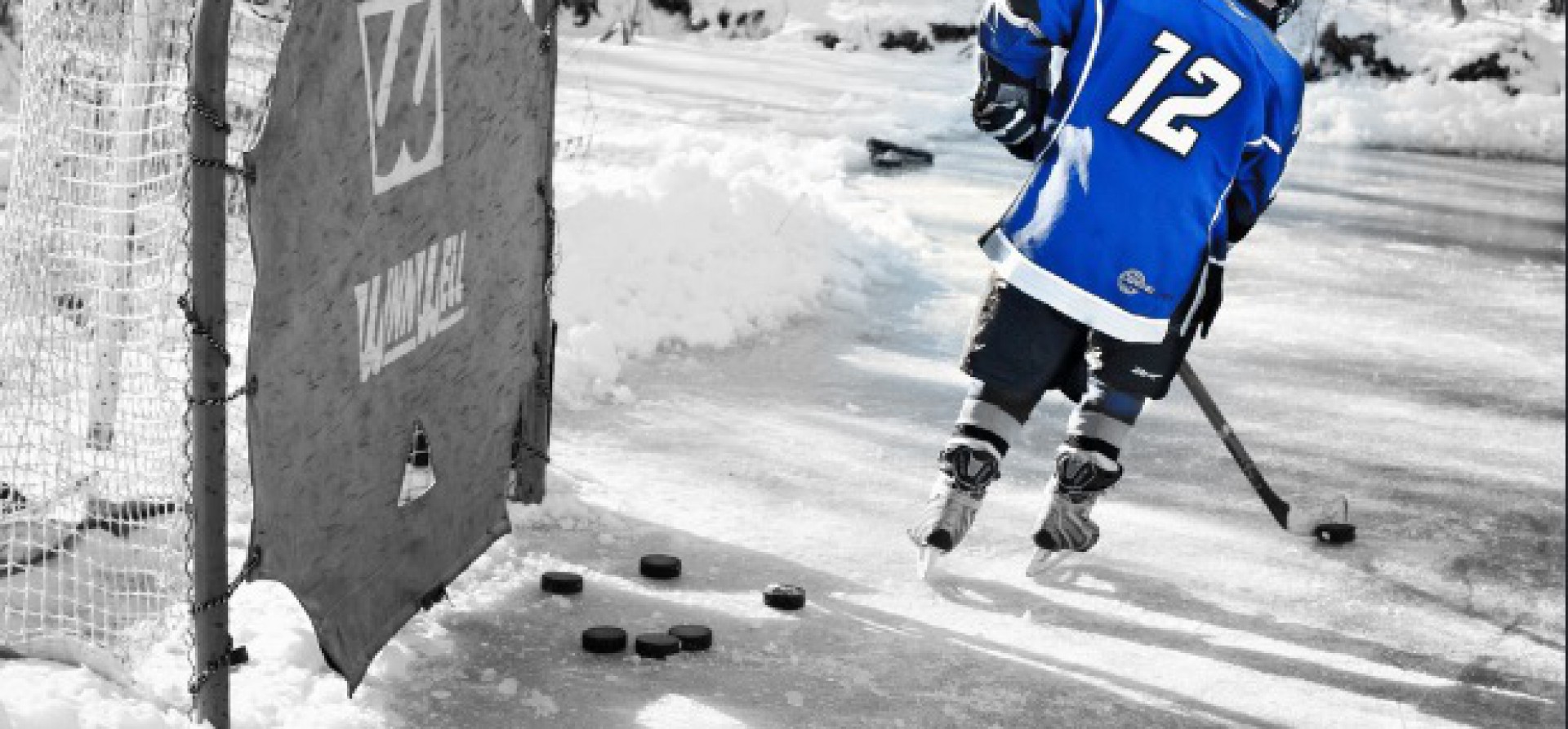
Picture of an image in the photo album I received after coaching peewee AAA

Having suffered a few major concussions myself I can relate all too well of the aftermath and challenges for recovery.

My last concussion had nothing to do with playing sports, however, it was when I was on a friends stag and while at one of the many bars we visited that evening that I share via those that told me after the fact as I have no recollection of the events I received a serious beating by three men when I jumped to the aid of my buddy who had been hitten over the head with a beer mug and knocked out.

The only recollection I have of the event was when I awoke in ICU of the hospital I had been taken to a couple of days later and had NO idea where I was, how I had gotten there, and recall vividly that I had the worst headache EVER.

At my side was my then-girlfriend, now my wife of 25 years who wept when I woke up saying she was so happy I was OK to which I said to her, OK?  My head is exploding, I’m hungry and I want to get out of here.

Thanks to my mother being in a couple of major car accidents when I was young, the second leading to her being hospitalized for over a year while she recovered from a broken neck and back I have always had an aversion of being in hospitals, particularly ICU.

My girlfriend drove me home and took several pictures of my beaten face and bruising on my back and arms for evidence for the criminal prosecution which I buried away long ago (back in the day when digital was not commonplace as it is today) but another recollection I recall is how I did not recognize myself as my face was so bruised from the punches and kicks to the face I had taken.

I share this with you as I wanted you to know that I can relate the challenges that athletes face today when they are dealing with a major concussions, it took me over 3 months before I was symptom free from my last one (diagnosed) but as a result of this being my third, and the highest severity, concussion the specialist that I was dealing with said I would have to stop playing any form of contact sports which meant my club rugby and adult recreational hockey days were over.

Having been an athlete for the better part of my life to that point, most of which playing competitively in various organized contact sports it is the reason why I then shifted to playing slo-pitch (although as years evolved and I took the mound as a pitcher dodging the dingers was no the smartest idea) and coaching.

Looking back at dealing with the fog, headaches, balance issues, nausea and even bouts with depression and frustration I can say first hand that dealing with a major concussion is not pleasant, particularly when you are very active.  The other part to this day that I have deal with is the complete loss of memory not only of the event itself but approximately 2 weeks prior to when I was concussed.  Many of my friends at the time were members of the Vancouver Police Department, Paramedics, Fire Department who all helped me fill in the blanks as several were at the scene and argued that the criminal proceedings would be a slam dunk (which only one of the three was prosecuted due to “technical issues” but that is another story in itself)

As a result of my recovery forcing me to have bed rest, dark room for a few months, I also missed two months of my third term at BCIT of my diploma in Marketing Management that followed my degree in Physical Education in UBC as my career aspirations were to get into the business side of sports.

That never came to fruition until many years later when I recognized we are in the business of developing youth into adults, and I have now coached boys, girls, young men and women for over 25 years of coaching and as a result of this and other experiences I dealt with growing up taught me the importance of resilience and how to overcome adversity, one of the core life lessons one can learn thru sports.


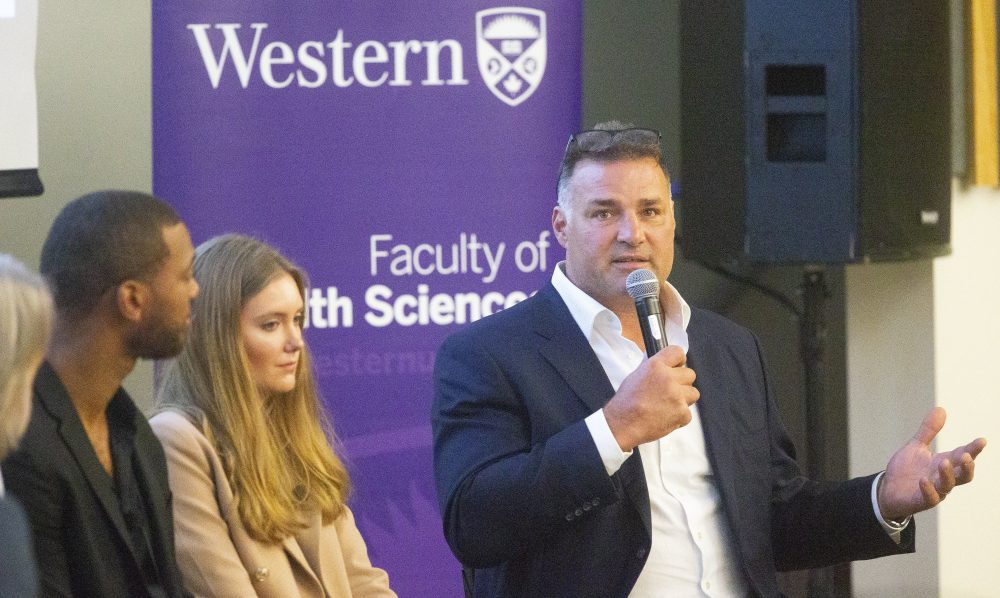
Source: Mike Hensen/The London Free Press/Postmedia Network

I write about the impacts of concussions this week as recently read another article that Eric Lindros contributed to coincide with recent symposium regarding concussions and applaud him for becoming a passionate advocate for concussion awareness due to being forced to retire from the game, like his brother who did so much earlier in his career, as a result of concussions he sustained.

I don’t think anyone that has followed hockey can forget when Scott Stevens hit Eric in the playoffs where he blatantly hit him directly in the head at full speed leading to one of his many concussions.  Stevens was infamous for those types of hits (another was the infamous blindside hit to Paul Kariya) but fortunately, the NHL has taken steps to eliminate them from the game and concussion protocols subject to evaluations if suspected to ensure a concussed player like Paul does not return to play in the same game.

Here as some of the numbers pertaining concussions in general, however, not specifically impacting the game of hockey that was highlighted in the recent article;

  • One in five of us have a lifetime risk of concussion
  • Half happen to youth under 19
  • 60% during sport and recreational activities
  • One in 10 youth suffers concussion requiring medical attention
  • 30% of those visits are recurring
  • Majority return to play within a month but 30% have longer-term symptoms

As I went thru each one of the points above, I check all the boxes but am happy to say have been symptom-free since I shifted to coaching many years back.

One of the kids that I coached in hockey the following year met many of the above also he was unable to return as he fell out of hammock in the summer and hit his head so hard on a rock he had to take a year off from all forms of contact so it does not have to be contact in hockey, or other contact sports like football, rugby, concussions can happen no differently than other injuries.

Fast forward from the day I woke up in the ICU, when I first started coaching Minor Hockey I did not wear a helmet, rather a baseball cap as did almost every other coach at the time as we naively thought we did not have to and did so for several years until Hockey Canada made wearing helmets mandatory for coaches.

This change went into effect in the 2008-9 season, after a coach in Alberta died after falling on the ice and other a coma with a head injury.  At the time, like there is with any changes for safety reasons there was a lot of push back from coaches.  The rule now applies to all winter minor hockey coaches of sanctioned leagues, Junior B, A, and university coaches.

Ironically, the very year that the helmet rule was implemented, I was coaching a couple of teams, helping my sons Atom A1 (AAA) team and also coaching an Atom rec team to honour my agreement with a player that returned to play I would coach his team after taking a year off after his father passed away.

During one of our early 6 AM practices for the Atom Recreation team, I was talking to my assistant coach explaining the drill set up as the kids were doing stick and puck before I knew it I was lying horizontal on the ice after player skated into me.  Per my AC, he had caught an edge and slid into the back of my knew and I fell backwards and had hit my head on the ice.  I did blackout for what felt like a few seconds perhaps more and then all the players and my AC came over and said COACH are you OK?

Thankfully I was able to get up and finish the practice (albeit felt a little woozy having my bell rung) and was reminded why coaches should be wearing helmets for their safety just as much as players wear for theirs.

It is that last point that I wanted to address in this week’s post, last week I was asked to present for the Pacific Coach Amateur Hockey Associations Coach Coordinator annual meeting on the changes to this year’s evaluation process of competitive coaches and the risk manager reminded all the coach coordinators that any outside skills providers they have on the ice MUST wear helmets.  Many of which that also run skills sessions in Spring Hockey do not wear helmets when doing so but if they do so when on the ice for sanctioned minor hockey ice sessions the insurance could be voided.

I get the fact that wearing a baseball hat is more comfortable than wearing a helmet, and many skills providers are very adept skaters, but as a result of a helmet saving me from yet another head trauma, worse yet potential death, I can’t for the life of me understand how one wouldn’t.

To date, the helmet rule does not apply to spring coaches, independent skills providers that are not certified by Hockey Canada or NHL/AHL and other pro league coaches which has me shaking my head in disbelief how their insurance costs are not thru the roof as a result.

Kudos to Hockey Canada, PSO’s and RSO’s like PCAHA for mandating minor hockey coaches to wear helmets for their safety just as the players have to wear them for theirs.

I only hope that spring hockey programs, NHL and affiliate professional team (i.e. AHL) coaches would follow-suit and not wait for a coach to be seriously injured or die as a result of not wearing a helmet during practices.

That’s just my two cents.

Don`t be a kids last coach


BONUS – Download a FREE printable PDF version of this blog HERE


Why running short benches is NOT a good thing

Posted Leave a commentPosted in Athlete, Coach, Organization Executive, Parents

BONUS – Download a Free Copy of this Blog in PDF Format HERE

Last night I had dinner with my wife’s siblings as my sister in law was in town for a conference.

During dinner, my sister in law shared with me that my 12-year-old nephew had quit Hockey.

WHAT?  My nephew quit a sport he once loved and when I asked her why her response was “he quit because a lot of teammates were not getting play when it was their turn as the coach was focusing on winning games”

He was playing peewee recreational team and was one of the stronger players because two years ago when he aspired to play rep (competitive level) they were advised by several parents that the only way he would make one of the rep teams (the association had 3 rep teams for peewee age group at the time) is if they signed a contract that was the only sport he was going to play.

Again, WHAT?

He opted to keep playing rec (house) so could continue to play soccer, ski, and other activities.

My head was spinning,

  1. He was playing rec (house) and coaches are not permitted to run short benches.
  2. He would have to sign a contract to play only hockey when he loved many other sports?

She further shared that parents they have talked to in the community have said their kids also quit hockey for the same reasons and the associations overall membership has dropped by a few hundred kids the last few years as a result.

This is a MINOR hockey association who have recreational coaches focusing on winning at all costs and not promoting multi-sport participation which are two of the major issues that is leading to kids quitting.

This just a couple of days after I shared an article on our social media pages called “Why ‘Shortening the Bench’ in competitive youth sports” can be a good thing written by Jamie Strashin for CBC Sports.


Soon after I posted, I received comments from parents in Canada and Australia who shared the same belief as I, that it was so short-sighted, although kids may win a game, perhaps get more games as a result, kids just want to play and in the instance of my nephew he quit because he did not think it fair for his teammates to sit on the bench when it was their turn to play.

Why did they sit?  Not because they were tired or were being disciplined, but an adult pulled them back to one their “more skilled” teammates out in their place.

I have been against short benches since I started coaching youth sports and still am, regardless if it is competitive or recreational levels.  The very fact that my nephew quit because his teammates were being deprived of ice time shows that he GETS IT even at 12 years old and I will applaud him for doing so when I see him next.

Ironically when I was up in Whitehorse running clinics this past season, I had one of the coaches come to me and expressed the very same concerns, her son was one of the top players on his atom “development” team and was getting much more ice time than his teammates, at times he was being told by coaches to stay out for 2-3-4 minutes at time.

Like the 10 year old player reference in the CBC article, her son was also 10, but in lieu of being held back for another player to take his turn, in his case stay out for shifts much longer than should have had.

Just two more examples of the adultification of youth sports.

Here is my take on running short benches;

#1 – Coaches choose the players for their teams, whether it be competitive or recreation

If you PICK THEM – you play them.

The coach that was quoted in the CBC article, whom is a non-parent coach, “I chose them to be on the team because I thought they were good enough.  If they aren’t in a position to succeed, it’s my fault”

I could not agree more, it the coaches responsibility to develop ALL players on the team and they focus on doing so early in the season, as the season evolves and all players improve, collectively the team improves and ‘Voila’ Winning is a byproduct not the focus.

#2 – I believe that coaches that run short benches either (a) don’t have the training needed to develop the skills of all players or (b) think that winning at all costs is more important than giving all players an opportunity to contribute in all situations

90% of kids would rather play on a losing team than sit on the bench for a winning team

#3 – All parents pay the same fees, so all players PLAY. There are already lawsuits in the USA coming forth from parents due to the thousands of dollars they are paying for their kids to play to be reimbursed for their prorated fees and have others pay more for their kids that PLAY more.

#4 – Having surveyed hundreds of kids on my teams over the years what is not fun about youth sports, one of the top 3 answers I have received is “when coaches play their favorites” especially when it comes to crunch time in close games where associations have implemented fair ice policies to permit coaches to use their discretion to win games. Again, kids just want to have their opportunities to contribute to the outcomes of the games just like all their other teammates.

‘YOU WIN OR LOSE AS A TEAM’

There are so many examples I can cite, not just from Hockey, but others sports now as we continue to partner with various sports groups but the one that comes to mind for me over and over was a player whom I invited to play with our 3 on 3 hockey teams who was a great kid with great parents.

In our last season when all the boys were aging out of minor hockey (17 years old), we opted to play both small ice and full ice 3 on 3 and in our first couple of games of each, he would go out for a few shifts and I noticed he was gasping for air.

In the second game I walked up to him and said T, you ok?

To which he said with a big smile on his face, yep, just need to get back into game shape.

I then asked … “but you played on the Midget A2 this year (where they would have had 2 practices, 2 games, a dryland per week) so don’t understand why not in game shape”?

He replied “because I quit with 10 games left in the season because I was only getting a handful of shifts per game.  The coaches was playing his favorites most of the games including power play, penalty kill, pissed me off as I just wanted to play so I quit”.

“My dad complained to the executive but they did not do anything, argued that it was rep hockey and only house had fair ice policies (where coaches are not permitted to run short benches).”

I shook my head in disbelief, just as I do every time I think of it.

#5 – In this particular article, 10-year-old players were the focus, which it he Atom age group, and regardless if they are playing recreationally or rep it is still a development age group

All kids, regardless of level, are to play and if a coach in BC had ran short bench in Atom he would have been suspended for doing so.

The main reason why coaches should not run short benches is the message you send to the kids, their parents …. Sorry kid, you are just not good enough be out there in key situations or give us a chance to score.

I believe this is one of the contributors why parents act up in the stands, if they come to game after game as I have and many other parents I know and watch their son or daughter sit on a bench when it is their turn to play knowing we all paid the same for them to do so, is no wonder why parents get emotional, angry as is evident daily in print, TV and social media.

Don’t get me started on the coaches that think they get a get out of jail free card for peewee and above, they should still be rolling all their lines all the way through minor hockey, when they are no longer playing to play, then they can earn their ice time (i.e. Major Junior and above)

The ONLY exception where you would tell kids to sit on the bench depriving them of playing time (or any minor sport for that reason) is if you have to discipline your players.

As the same coach in the article referenced, if they are not listening, screwing around may have to sit them a few shifts.

Other reasons, if they take a bad penalty or don’t get a penalty called on them for things like slashing, cross checking, knee on knees, head contact, hitting from behind, poor sportsmanship, using foul language, criticizing their team mates or not respecting their coaches, fellow or opposing players/coaches or officials including the scorekeeper/time keeper.

The very reason why short benches have become so common and we are turning a blind eye towards same is the shift in youth sports to win at all costs in lieu of just letting kids play kids for the love of the game.

Look at the past decade when teams go deep into the Stanley Cup Playoffs, when players or coaches are interviewed after games, including when they put the hardest trophy in sport to win above their head they say “all 4 lines contributed, we had a lot of confidence and we HAD FUN.

Hmmm .. aren’t these the best players in the WORLD?  Making Millions of Dollars a year even in the salary cap era?

Here is a great presentation from one of our For the Love of the Game Virtual Event guest speakers, VJ Stanley, that he did for a USA Hockey Level 4 coaches (equivalent to HP 1 level Coaches in Canada) and early in his presentation shares insight why coaches should PLAY all their kids in minor in hockey. About 7 minutes in to the presentation shows a vide when he talked to Ryan Callaha when he was captain of the New York Rangers.


Any coach can run short benches and play their “favorites” to win games.

GREAT coaches develop all their players and provide them the opportunity to contribute to the outcome of games and in doing so build their confidence and competence and winning becomes a byproduct as a result.


Don`t be a kids last coach


What is LTAD blog thumbnail

What is LTAD?

Posted Leave a commentPosted in Athlete, Coach, Organization Executive, Parents
It has been a hectic couple of weeks for me as the fall season ramps up for clinics and conferences wearing my various hats in the youth sports space. It started with two presentations I did for Nanaimo Minor Hockey on behalf of Changing the Game Project where they invited several other sports groups in their community to attend including Lacrosse, Baseball, Senior High School and faculty members and students in the Kinesiology program at Vancouver Island University.  I received word while I was en route for talks in Kamloops that they wish to have me back to work further with their kids, parents, coaches and exec members early in 2019 to build on the momentum to bring the game back to the kids. The second event I was presenting on behalf of PARADIGM Sports for Softball’s BC Development conference where I delivered the opening keynote, follow-up presentation and participated on their panel to end the first day along with two other amazing speakers who were at the conference.  The focus of the panel was recruitment and retention so they could continue to reverse the negative trends of attrition they saw happening a few years back which included sharing insight on LTAD/Multi-Sport Participation.
The weekend ended with my other hat as Hockey Canada NCCP facilitator for BC Hockey where I ran a Coach 2 Clinic for Abbotsford Minor Hockey Association for 18 coaches starting what I always aspire will be long coaching journies. One of the exercises that I do in clinics is asking the coaches to share why they coach and what they would like to get out of the clinic and one of the coaches shared that he got into coaching as he had retired from professional hockey that included playing for a few teams in the NHL and then playing pro in Germany until his hometown had a spot open up for their fire department that he had applied for so could move on to the next chapter of his life raising a young family.

He stated that he was still able to compete at the highest level but he had “lost the love for the game” and when his hometown  fire department came calling he felt it was time for him to hang up his skates.

After a couple of years got the itch to still be involved in the game so put his name forward to help coach an atom team (9-10 years old) and as he was leaving when the clinic wrapped up I said it won’t be long before that love and passion he once had comes back working with kids. He responded by saying, he was having a blast and it was coming back slowly but surely. In all three events I asked the coaches, executive members how many were familiar with LTAD (or variations thereof I will explain below) and although almost every NSO (National Sport Organization) in Canada has adapted their versions and some have revamped in recent years only a few hands went up. I then asked if they were familiar with Physical literacy or Fundamental Movement Skills (FMS) and even less hands went up.

Houston … we have a problem.

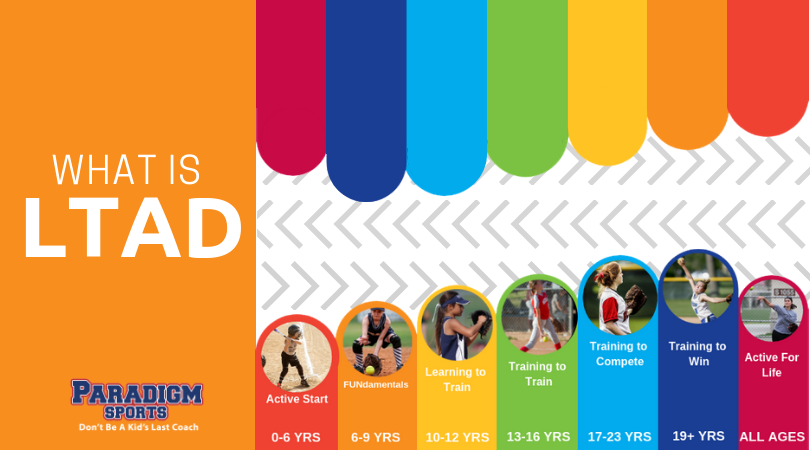
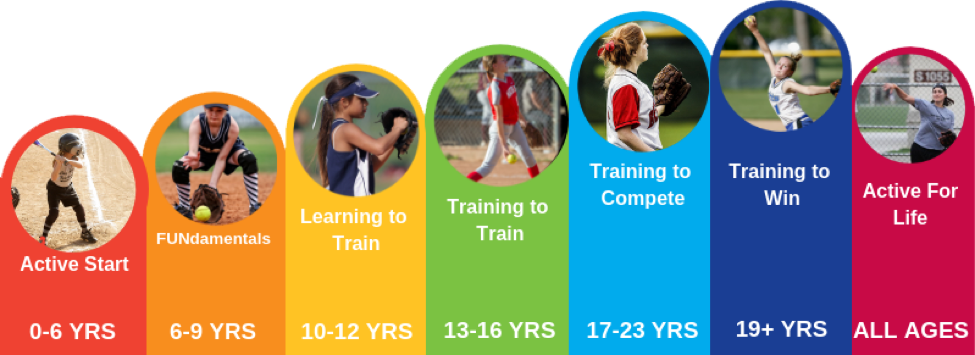
Although LTAD (or variations) have been around for decades, and developed by our very own Sport for Life in Canada, we still face our challenges for our grassroots coaches to have heard of LTAD, let alone implement it in their coaching and development programs. Why? Because in Canada we have so many sports groups, NSO’s (National Sports Organizations), Provincial Governing Bodies (i.e. Via Sport, Alberta Sport Connection), PSO’s (Provincial Sports Organizations), RSO’s (Regional Sports Organizations) and lastly LSO’s (local sports organizations) Compound that with the explosion of private programs thanks to the early sport specializations including academies, travel teams, or “elite” leagues for 8 year olds, many of which are unsanctioned where the coaches do not require to become certified under the NCCP program. The end result, each one of these groups have their own executive members, board members, policies, procedures, bylaws and initiatives each year that is leading to it taking years for it to disseminate to the very people that need it the most … the grassroots coaches.  Many of which are parents that have been recruited to step up to help and before they know are told they have become the head coach of a team even though they merely raised their hand to help on ice or in practices. This puts these parent volunteers in situations where they may or may not be comfortable with. A similar analogy would be if you were a high school student and applied to work as a cook at a fast food restaurant and the following day you were told that you were going to be the manager. Just like the players need time to develop all their core skills, so do coaches, and we truly need to look at our current system to ensure that these new coaches have ALL the tools they need before they are thrown to the wolves so to speak as head coaches. One being to ensure they know what LTAD is and why we should be adhering to so kids develop over time, participate in as many physical activities or sports as possible to avoid burnout, overuse injuries and love the game more at the end of a season than the beginning. It’s one thing for a former professional hockey player to lose the love of the game in his 30’s after playing for decades, it’s another thing altogether when kids start hanging up their skates at 10-11-12 years old because their coaches did not follow LTAD and started introducing systems, tactics, way before they should. In sum, LTAD outlines the various stages that coaches should be focusing on that is age appropriate. Below is a modified image for the Softball BC presentation that outlines the stages of LTAD, but like Hockey Canada, Softball Canada has opted to call theirs LTPD = Long Term Player Development (same guts but tweaks relative to their sport)

Stage 1 – Active Start – 0-6 Years Old

This is when kids should be exposed to as many activities as possible that involves running, falling, getting up, throwing, catching, swimming, biking, skiing, snowboarding, one handed strike (i.e. tennis), two handed strike (softball) and list goes on.  That way kids develop Physical Literacy, they develop the confidence and initial competence in a number of core motor skills so they are ultimately active for life Stage 2 – FUNdamentals – 6 – 9 Years old This is when kids should sample as many sports as possible to build on those core motor skills, softball in spring, soccer in fall, skiing/snowboarding in the winter, playing in the playgrounds year round etc etc. This not only includes organized sports, but free play, unstructured with adult supervision (yes you heard me right, let kids play with a coach, parent, ref present so they make their own teams, form their own rules and more often than not will play for HOURS) Nothing frustrates me more when I see kids at this age group already starting to specialize in ONE sport, they should play EVERYTHING until they find ones they enjoy most Learning to Train 10-12 Kids should continue to play 2-3 organized sports (ultimately not concurrently unless sports orgs provide schedules to permit).  Also encourage them to participate in free, unstructured play like pickup basketball, soccer, street hockey, playing catch, Frisbee etc. to become the best athletes, not sport specific players. I know that many parents that have their kids playing “elite” level at 6-7 years old are going to counter me on this, but I don’t believe that kids should even play competitively until they finish this level of LTAD, I believe every NSO should be looking at not tracking outcomes of games (scores, goals, assists) until kids enter high school. This is also the critical years for motor skill development, so coaches should be focusing on skills stations, free play, creativity that relates to individual tactics NOT jumping to team tactics and strategies as kids can execute until they have the technical skills to do so. WHY? If it worked for Norway, who won 39 medals this past winter Olympic Games and are the all record hold for most medals since the inception of the winter games, who does not permit their kids to compete until 13 and are one of the only nations that are not experiencing the attrition rates many other countries are where kids quit by that age. Train to Train – 13-16 Years This is when coaches should introduce team tactics and systems but continue to focus on core skill development.  Too often I see coaches implementing specialty units like power play, penalty kill and depriving 2/3 of the kids on teams from the opportunity to do in games and it can start as early as Stage 2 – Fundamentals. What happens? Parents complain about playing time, kids are deprived their opportunity to contribute and it leads them to quitting. Training to Compete – 17-23 Years Old IF kids followed the right pathway and did not specialize prior, this is when they should consider focusing on the sport they love the most BUT I still encourage kids to continue playing complementary sports so 2 per year Training to Win – 19+ Years Old Then once they graduate from high school … pick the one they love most and focus on competing at the highest the level they aspire for. Active for Life The GOAL – that all kids are active for life, less than 1% will go on to play professionally or collegiately, if they love being active will ski/snowboard, play adult rec hockey, slo-pitch (or fastball), golf, tennis, biking, running and so on. The other reason why our youth sports coaches are not adhering to LTAD is the pressure they face to win so start implementing tactics, strategies in the earlier stages that should be focused primarily on core motor skill development. Everyone then get frustrated watching kids play in games that they can’t execute systems that they don’t have the skills for, coaches are still learning also as our parents, exec members. We could all learn from the likes of Norway, just let the kids be kids, Play, Have Fun and not worry about outcomes until they reach their latter teens. We have our work to do to ensure that our youth sports coaches are armed with all the tools they need to follow LTAD, and it all starts with the grassroots coaches and parents. Just let kids be kids, encourage them to sample as many sports as possible, and then encourage them to pursue the one they LOVE the most in their late teens. Let’s all work together to bring the game back to the kids … where it belongs.
Don`t be a kids last coach