
Why do kids play Video Games?
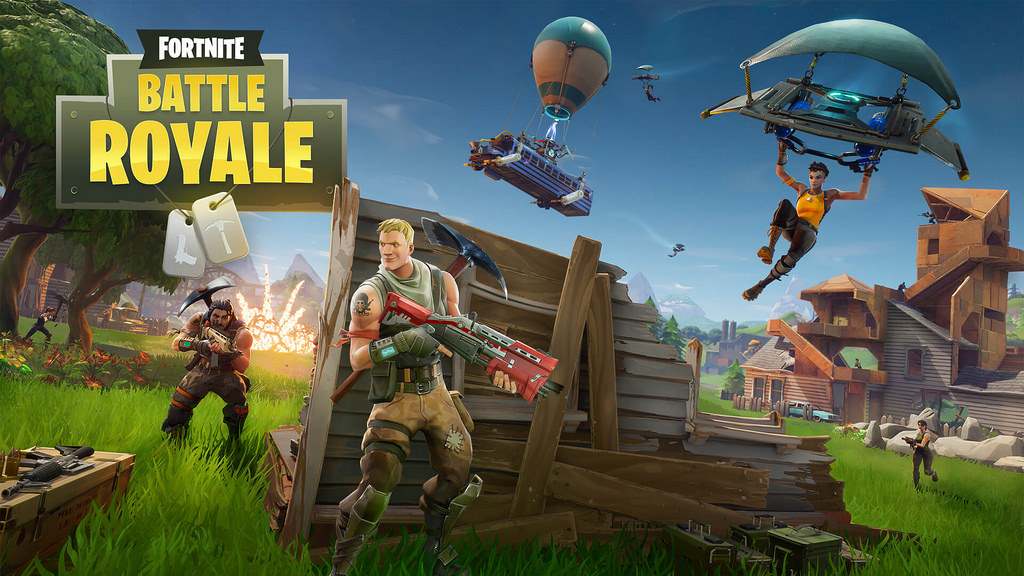
Earlier this week I received a call from a writer for CBC who wanted to get insight from my interaction with coaches across Canada regarding the impact of Fortnite and other video games on the grassroots level of youth sports.
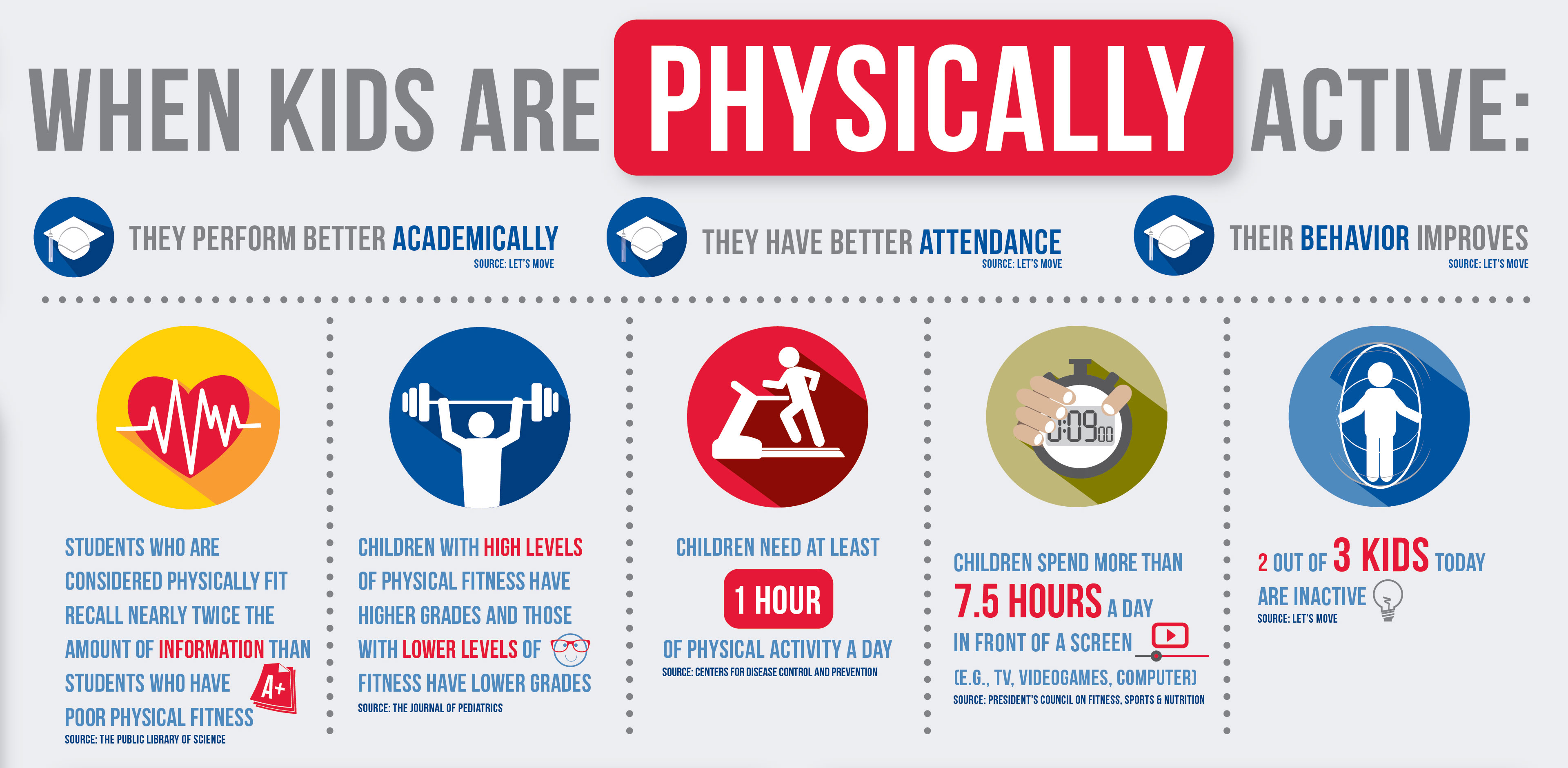
The subject comes up literally every time I do a presentation or connect with coaches on a call, as it is one of the many screens that kids have turned to in the digital era replacing their former active play time with inactive screen time.
The main reason why it is not only impacting grassroots but all the way up to the professional level is the fact that many athletes are playing video games for hours on end into the early morning hours, in particular when traveling to road games, leading to sleep deprivation which is impacting their performance during “real” games of the sports they play.
Why do Kids Play Video Games?
#1 – Fun
No different that youth sports, kids play video games because they’re fun. It’s not Rocket Science and the video game developers invest Millions of dollars into R&D to develop games so they are fun, whether it be for PC, Mac, Video Game Consoles, Tablets or Smart Phones.
#2 – Social
Also one of driving reasons why kids play Youth Sports, they play video games with their friends or meet new friends either in their communities by going to houses or as many games can be played online, they meet friends from all over the globe.
#3 – Safe
Two reasons why video games are safe;
a. They are safe to fail
There are no adults present like they are in the professionalized youth sports era today, no parents or coaches telling them what to do, no officials enforcing the rules and if they don’t like the preset rules of the games they change them and can play levels that they are comfortable playing.
If you die or the game is over … all kids do is press the reset button and PLAY AGAIN.
It would be a great way to test Carol Dweck’s research in terms of growth mindset, I suspect kids with a fixed mindset always play at a lower level so they can get the desired result vs. those with a growth mindset would also want to play at a higher level to push themselves to get better.
b. They are safe from all forms of harassment
When is the last time you saw a social media post or a news article in print or on TV that gamers have been victims of bullying, cyberbullying, sexual harassment or abuse, hazing?
Compare that to youth sports, it seems like every day I open the paper, check news feeds or social media that I come across yet another article where players, officials and even coaches are victims of one form of abuse.
As ESports continues to evolve and competitions ramp up I suspect this may creep into their sector as it has in youth sports, but the very nature of esports is inclusive, regardless of your nationality, economic status, sexual orientation as long as you can play, you PLAY without the fear of being harassed by adults (coaches, parents) or even teammates.
#4 – Addictive Nature
Video games since the onset have been addictive forms of entertainment, how many of you remember some of the original games

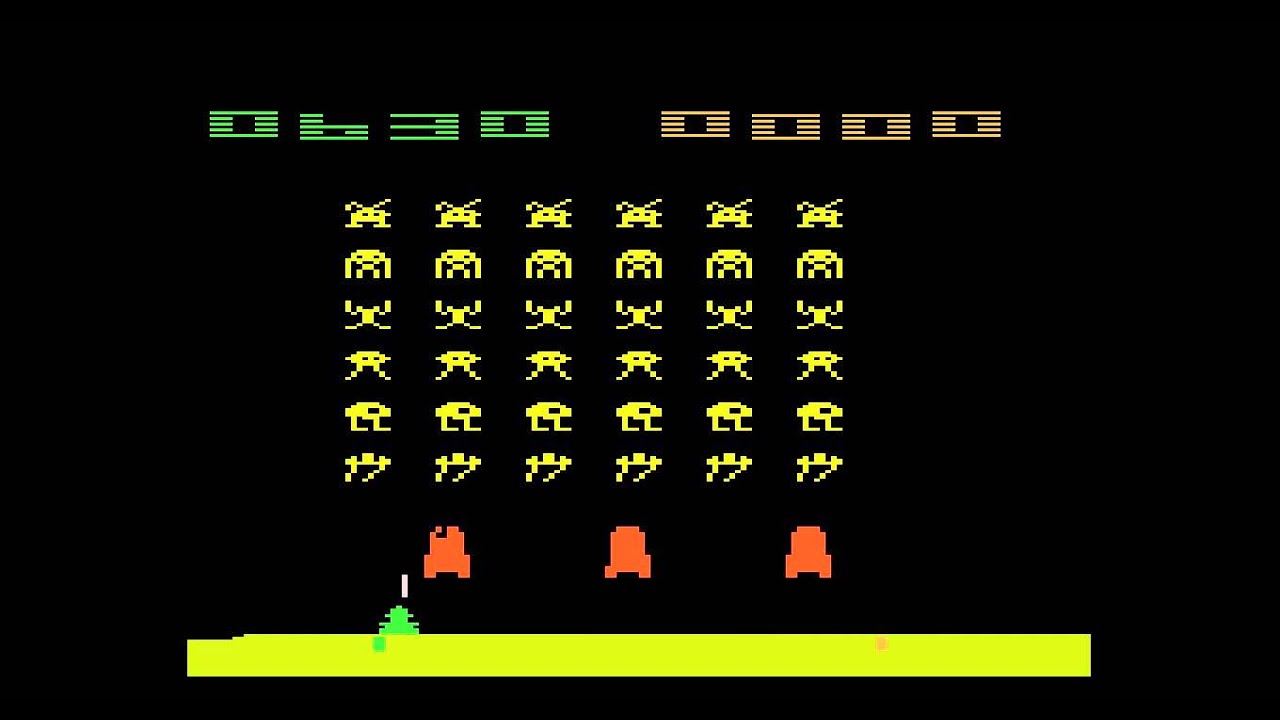

Fast forward to ones developed for Smart Phones?
The developers would not be doing their jobs if they did not make the games addictive so that (a) you purchased the games and (b) kept buying the newest versions of same.
Think of the various EA Sports top-selling games, every year they add to the games so you ante up 50-100.00 to purchase the newest version like Madden, Fifa, NHL and various others.
I would even argue they lead to the very same release of the neurotransmitter Dopamine that Simon Sinek touched on in his infamous rant about the Millenials in the Workplace we shared in our prior post This is the Future. Fortnite, in particular, has kids and even adults playing for hours one end into the wee hours of the morning.
Youth sports also can be addictive, if kids play for the love of the game, they will play for HOURS just like we did as kids.
#5 – Competitive
Many kids will say they play because they love to compete with their friends, which is no different than pick-up games when we grew up, there was nothing better than a close game of shinny, basketball, football, British Bulldog or what have you to get the adrenalin juices flowing.
The difference between kids playing video games and organized youth sports today vs. when I grew up, is the adults have turned youth sports into winning at all costs environment in lieu of playing for the love of the game, the spirit of competition, playing with your friends and FUN.
Youth Sports Organizations could learn “just a wee bit” for the Video Games Business Model and if did so could reverse the negative trends that youth sports are seeing today where 70% of kids are quitting youth sports by the age of 13.
How can Youth Sports Attract, Retain and Grow their membership?
#1 Focus on FUN at all costs, not winning at all costs.
As I have shared for many years with parents, coaches and board members;
Kids play sports is that they are fun, they quit when they’re not.
IT’S NOT ROCKET SCIENCE.
# 2 – Recognize the importance of kids playing with their friends
In the most recent survey we shared “Why Kids Play Soccer“, over 2300 kids stated the #2 reason why they played soccer was to play with their friends or meet new ones.
# 3 – Make it Safe to Fail and from all forms of harassment
In the last few weeks there have been so many articles or videos shared in social media or on TV regarding various forms of abuse that kids have bee victims and the level of abuse that officials are seeing is leading to many states in the USA declaring official attrition is a state of emergency as it will jeopardize number of games and programs they can support.
Why is this happening? Because parents think youth sports is a meal ticket to save the costs for a university education via a full ride scholarship or even better, their kids will get a professional contract to play sports.
The reality is less than 1% of kids will play collegiately with a scholarship, most of which are partials and less than 0.1% will play professionally.
In the last few weeks Kirsty Duncan, minister of Sport for Canada, has started the ball rolling to create a harmonized code of conduct with the Coaching Association of Canada as well as recently announced that there will be a 3rd party independent reporting organization and toll-free support line for any athletes that have been victims of any form of harassment.
The big unknown is how long this will take to be in place AND if the much needed cultural shift that needs to happen in youth sports will follow.
# 4 – Promote the benefits of Free PLAY.
Gone are the days where kids will play outside for hours on end as Generation X did (those born before 1984) BUT we must find a happy medium where kids have the opportunity to develop the very same addiction we had for being active and being outside so we don’t lose another generation like Simon Sinek eluded how we let the Milennials down.
There was nothing better for me and all the global experts that I have had the opportunity to talk to than going outside and playing pickup games, climbing trees, swinging into lakes, racing our bikes and so on without any adult supervision (no coaches, parents, officials)
A great example is an initiative that a coach started in Oklahama called “Unorganized Baseball” highlighted in the video below;
What does the kid say … playing baseball with my friends, I like this more
Should I tell your dad you said that?
YES.
Why?
Because the rules of unorganized baseball are there are NO RULES other than parents need to be quiet, coaches can’t coach, the kids pick sides and form their own teams, they make their own rules and enforce them. No GROWN-UPS involved.
Hmmmm .. sounds like the good old days doesn’t it?
Kids just want to play … play with their friends in their local communities, not travel and have to play sports year round (early specialization), travel, aren’t concerned about trophies or medals (participation trophies) and have FUN.
THIS IS WHY VIDEO GAMES ARE THRIVING.
# 5 – Provide a quality sports experience
The focus of youth sports should not be winning at all costs, the focus should be a positive experience where kids learn not only the skills of the game, but the skills of life.
I know there is a lot of work being done at the academia level and sports organizations to define what is quality sport, and the best one I have come across to date is one drafted by Sport Canada;
Quality sport is led by Qualified Coaches, is delivered in a Safe and Ethical manner, is administered by Sport organizations who are aiming to achieve Organizational Excellence, is Inclusive and Accessible and is Developmentally Appropriate.
Hmmm … Qualified Coaches, Safe and Ethical, Organizational Excellence, Inclusive and Accessible and Developmentally Appropriate?
If youth sports organizations would follow suit and check all the boxes, in lieu of suffering the rates they have been experiencing the last 2 decades, they could buck the trends and attract, retain and GROW their memberships. One of the biggest shortfalls in youth sports is there is no measurement to ensure that kids DEVELOP, merely rely on outcoms (game scores, goals and assists) but ask any kid what quality sport is and they are tested beginning, mid and end of season to show how much they IMPROVED, not how many wins the team got.
Ironically, as I was putting the finishing touches to this post I read in one of our online local papers that a new esports tournament stadium is going to open in Richmond (lower mainland of Vancouver) BC as one of the principals stated “We know there is a community of gamers here in the Greater Vancouver area…we’ve done our market research, so we are pretty confident,” he said.
Rendering what the new stadium will look like

Hmmm … Market Research? What a concept.
The very reason why Video Games and eSports have evolved into multi-billion industries is that they do their research, focus groups, surveys, testing so they can develop games with all the features that their customers want and focus on continuous improvement so they not only attract, but they retain and grow their customer base year after year.
Video Games now are a $180 Billion Industry Worldwide so they know a “wee bit” about attracting, retaining and growing their membership year over year.
Youth sports have to stop running their models as not for profits and understand that they are in the business of developing youth into adults.
Let’s all work together to bring the game back to the kids …. where it belongs.



 As a compromise, when Bluetooth started evolving we would assign a coach with a blue tooth enabled device to put together the team’s playlist (one rule no swearing) and they would position the speaker in the dressing room so were within 33 feet for music to play. Players of the game also would be given choice of the song before we headed out of the dressing room following game also.