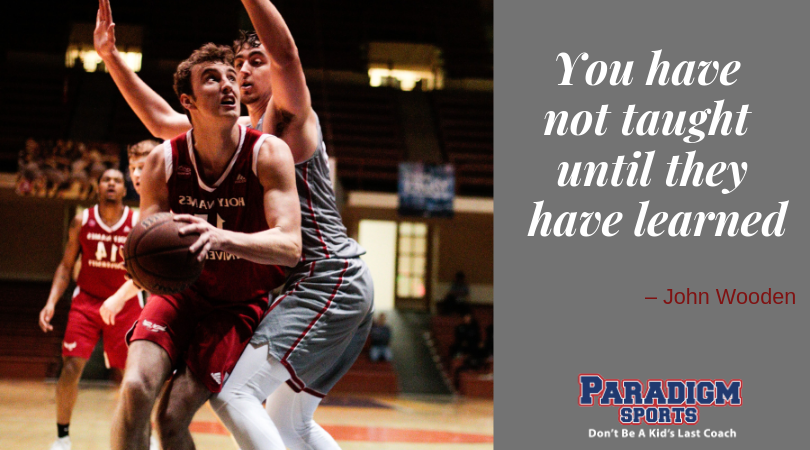
You have not taught until they have learned

Posted Leave a commentPosted in Athlete, Coach, Organization Executive, Parents

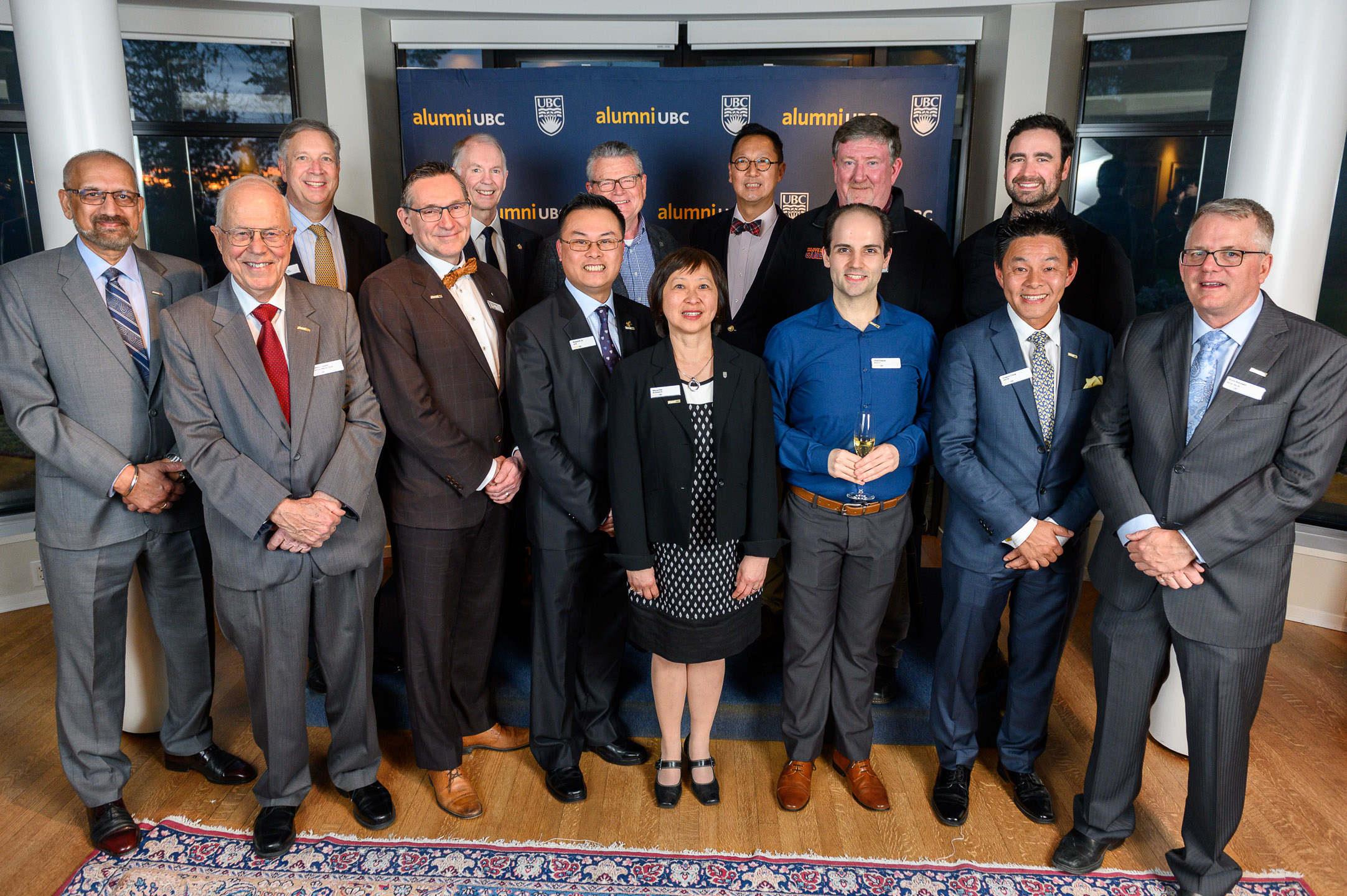
I recently had the humbling experience of participating in a year-end wrap-up reception for alumni builder award recipients at my Alma Mater UBC for my contributions to the school of Kinesiology as a mentor and speaker.  The following evening I attended a Mentorship wrap-up event and the dean of my school shared that there were over 40,000 Kin alumni and over 380,000 alumni.

He further shared that the UBC School of Kinesiology is now #1 ranked school in Canada and #5 in the WORLD.

As I said, truly humbling to be one of select few to be recognized by your alma mater.

Below is the group picture with all of the recipients this year where yours truly is standing beside the current President of UBC, Santa Ono, whom I had the opportunity to chat with among many others at the reception.
The following evening I was also at UBC for the mentorship wrap-up event where the mentee I worked with this year, Alex, was going to connect with me before he heading on holidays but unfortunately got hit with the flu but sent me a note he had hoped to give me a gift but posted it in lieu.

I received this week, knowing how much I love reading coaching books and am a big fan of Coach Wooden, he got me a book written by one his mentees, Valorie Kondos Field, long term UCLA Women’s Gymnastics Head Coach.
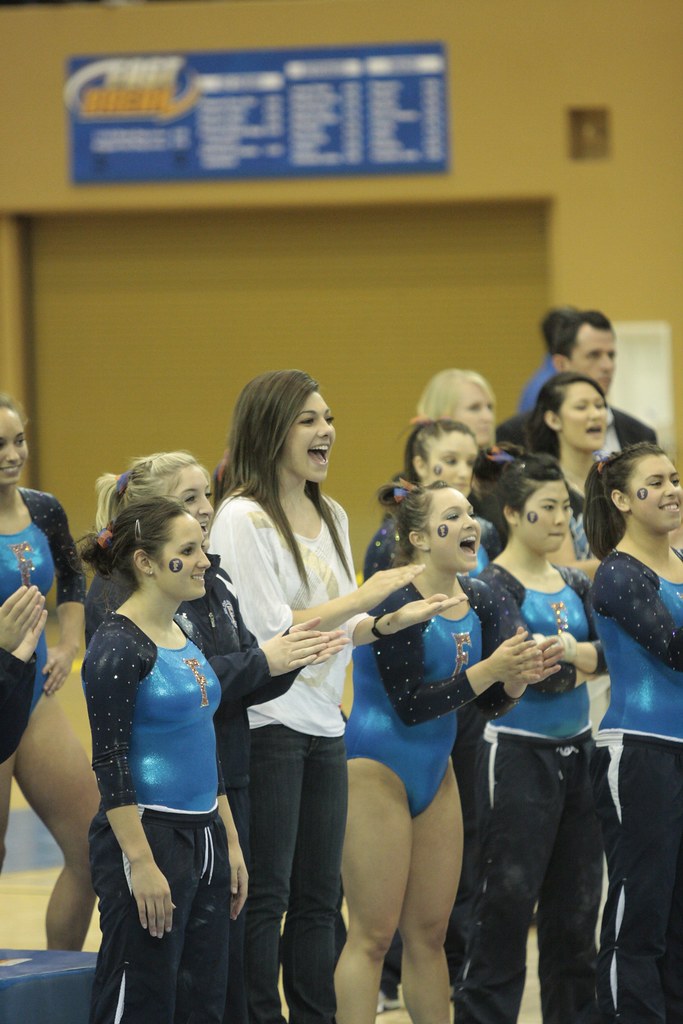
Head Coach Valorie Kondos (Field) and UCLA Bruins Women’s Gymnastic Team

Having had the opportunity to talk to a few people for our virtual events who had the opportunity to meet Coach, I immediately started to read Valerie’s book and she shares insight on how she lead UCLA to 7 NCAA National Championships even though she was not a gymnast or team sport athlete herself , rather her passion was dance and choreography.

Her book is appropriately called “Life is short, don’t wait to dance” and one of the anecdotes she shares about coach Wooden is how he regretted NOT dancing with wife often enough due to his time commitment coaching the UCLA Men’s Basketball Team for over 2 decades where he lead them to 10 NCAA Championships.

Having lost my father when I was really young I have always believed that you must live each day to the fullest, as Life truly is too short, for some even shorter than it should be.

Another tidbit that Dr. Gordon Bloom shared with me who met John a few times including an LA road trip to and from a conference along with Dr. Wade Gilbert, was the fact that it took John 16 years before he won his first National Championship.

One of the chapters I thought would be great to share was early on in the book, “Choosing to Motivate” where she shares one of the great Woodenisms “You have not taught until they have learned.”

The reason it took John 16 years to win a national championship is he had to learn all the nuances of coaching as he started his tenure at UCLA as a professor of English.

In this chapter, Valerie Highlights her approach has always been to coach the person before the athlete which was well before she met John or read any of his books.
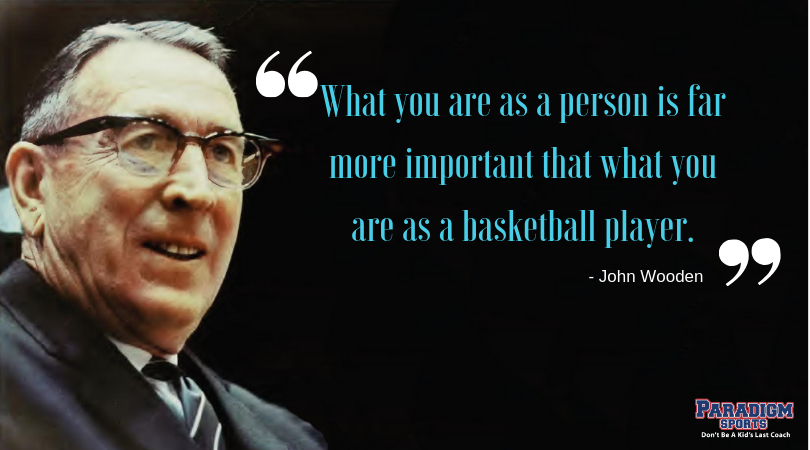


She then highlights various leadership traits of coaches, which one(s) are the ones you focus on most?

#1 – The Defeatist

Coaches that are pessimists, cheerless and uninspired

My daughters Competitive Coach was one of these coaches, he had a tendency to critique all of the player’s mistakes and never applaud the good things that they did.  Needless to say, she (nor I) could not wait until the season was over.

#2 – The Narcissist (Egoist)

Athletes Exist merely to feed the coaches ego

They constantly refer to “My team”, My athletes, My Program.

This was my sons Bantam AAA Hockey Coach, everything was all about him, not the team.  I would him hear over and over again if you don’t do this right you won’t be on MY power play, MY penalty Kill, MY first line.

All about wins, losses, banners, trophies, and feather in HIS  or HER cap.

6 players, one of which was my son, quit hockey after that season, the third year that the coached had lost 6 players but fortunately he was not invited back.

#3 – The Strategist

These are the coaches that focus on the fundamentals of the game, tactics, systems and NOT on the athletes.

They are known as “knowledge” or “transactional” coaches and also are infamous for focusing on winning at all costs.

AKA – Old School.

New school coaches that are transformational leaders recognizing by focusing on the person that winning is a byproduct.

Both my kids had more than their fair share of these type of coaches as did many of the kids that I had coached when their parents would share with me that my approach was so refreshing as I am not a big fan of systems, strategies until the kids are much, much older.  Too often I see coaches focusing too much on strategies when kids are too young, they lack the skills to implement and coaches get frustrated and criticize their players for making mistakes as a result.

Early on coaches should be focusing on FUNdamentals and doing everything possible so kids love the game more at the end of the season than they did at the beginning.

A measure of great coaches is when all the kids that a coach had one season return to play the following season.

If more youth sports organizations would do deep dives into the reasons why players play, to begin with then they would be able to reverse the current rates of attrition many are experiencing.

#4 – The Altruist

Examples – John Wooden, Clare Drake, Valerie Kondos Field, Pete Carroll, Sean McVay, Pat Summit, Phil Jackson and the numerous other transformational leaders that have been identified as GREAT COACHES.

Coaches that care more about their athletes then they do about themselves.

Coaches that recognize that family comes first, education second, sports third.

Coaches that will take the higher road and not go down to the level of winning at all costs focus as they recognized that our main role as coaches is to develop all of their players into adults, not just “their favorites”.

An ideal coach incorporates all 4 leadership styles at one time or another, thankfully we have started to see a shift where more are focusing on altruism than had in past and recognizing that it is all about coaching the person.

At the grassroots level, however, this is still a work in progress which is why we focus on working with grassroots coaches to focus on HOW to coach, not what to coach.

For more insight on these styles of leadership and other great nuggets, check out Valories Book
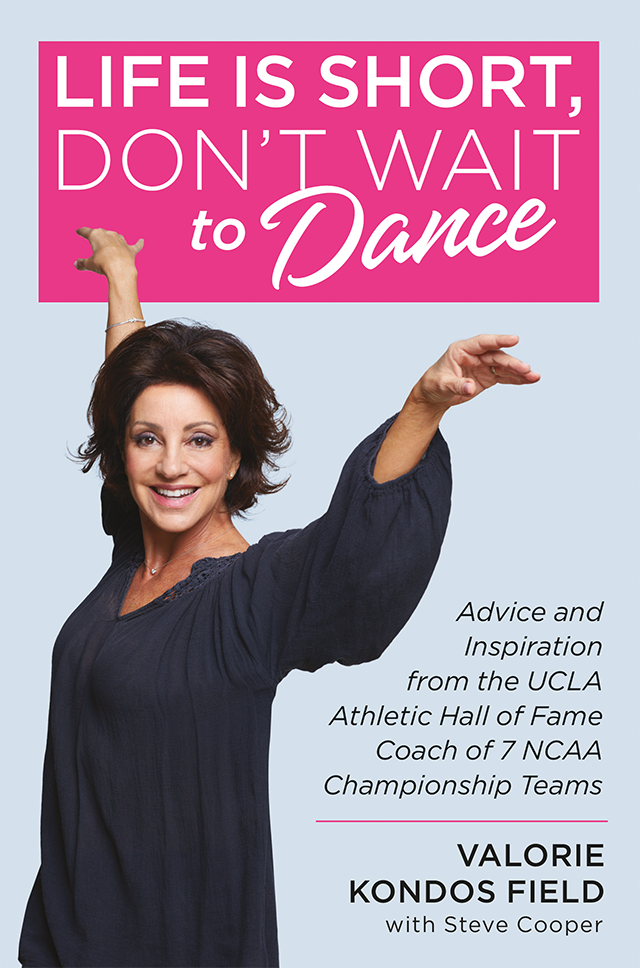
 

Thanks Alex for sharing such a great read with tons of great nuggets with me so I, in turn, can share with others. It truly was an honour to be your mentor this past school year, never lose your passion for helping your gymnasts become the best people they can be.
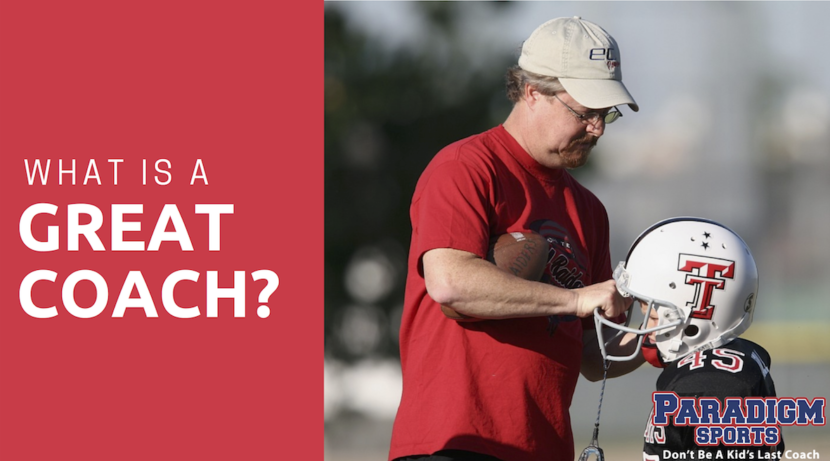
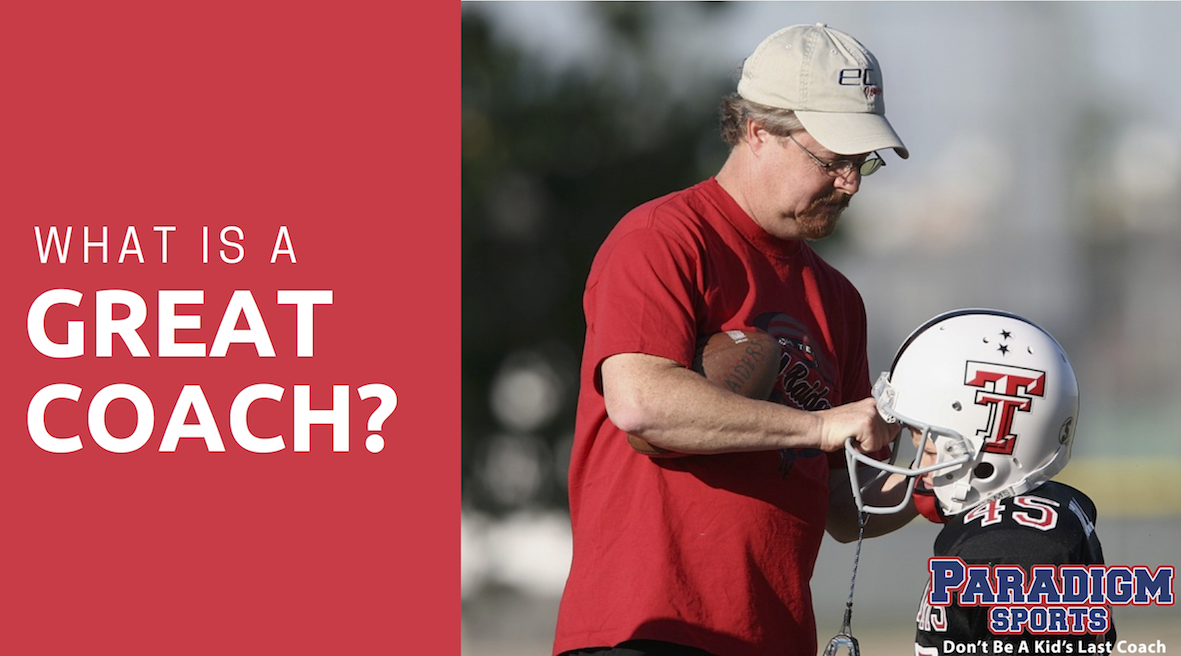


What is a great coach?

What is a Great Coach?

Posted Leave a commentPosted in Athlete, Coach, Organization Executive, Parents, Uncategorized

This past weekend I was in Boulder, Colorado for the 3rd annual Way of Champions Transformational Coaching conference hosted by my good friend John O’Sullivan and my other Changing the Game Project colleagues, Dr. Jerry Lynch, James Leath and Reed Maltbie.

Just as it was two years ago during the inaugural conference (I was unable to attend last year), I came away with so many great takeaways and contacts with some amazing people that were aspiring to move the needle to bring the game back to the kids in youth sports.  Not sure what I am more in awe about, the information we shared or the people that I met over the course of the three days.

One of which was the founder of the Positive Coaching Alliance, Jim Thompson, others were TEAM USA or US Olympic committee members in swimming, lacrosse, AD’s (Athletic Directors) for schools ranging from 123 kids in Buffalo, Wyoming (where 90% of the kids play 3 sports a YEAR) to private school in Honolulu, Hawaii with over 4000 kids, Div I/II colleges and universities or coaches from youth all the way to Div I NCAA and everything in between.

I also connected with a Rugby Coach of Coaches in the UK, Coach developer for Football (AKA soccer) in Australia, National Cricket Coach in New Zealand and even a Coordinator of a conference in Bankok who is the AD for a private school in Moscow and female coach of a Men’s Div I NCAA Water Polo Team.

In all my interactions and I shared what we do in Canada, every single person said “you are doing great work, keep it up”

Reason?

Because as I found out from many of my interactions with those in the USA and many of the other countries I learned that the levels of coaching certification are few and far between.

One of the AD’s I talked to from a university in San Diego shared that there is NO mandatory coaching certification or ongoing professional development for University coaches.

I shook my head in disbelief, as I did when I interacted with all others that only had limited or no coaching certification programs for their respective sports in their respective countries.

Being that I have been a Hockey Canada NCCP Facilitator since 2009 and have now certified thousands of coaches in both the recreational and competitive streams I know that Canada is setting the bar for many other countries due to the great work by the Coaches Association of Canada (CAC) who have developed coaching certification programs for 65 national sports in Canada which includes both traditional team sports but evolving sports like mountain biking, rock climbing, ski cross and others.

In order for all coaches of sanctioned programs by the CAC* to maintain their certification, they must augment their original certification with other professional development by attending conferences, doing online courses, reading books and so forth.

* Many Canadian Private, Academy programs who are charging 10’s of thousands of dollars to parents ironically are not sanctioned by NSO’s so their coaches can “coach” with NO CERTIFICATION whatsoever even though they make “claims” that they will get your child Full Ride scholarships or playing professionally when less than 1% of kids reach that level.


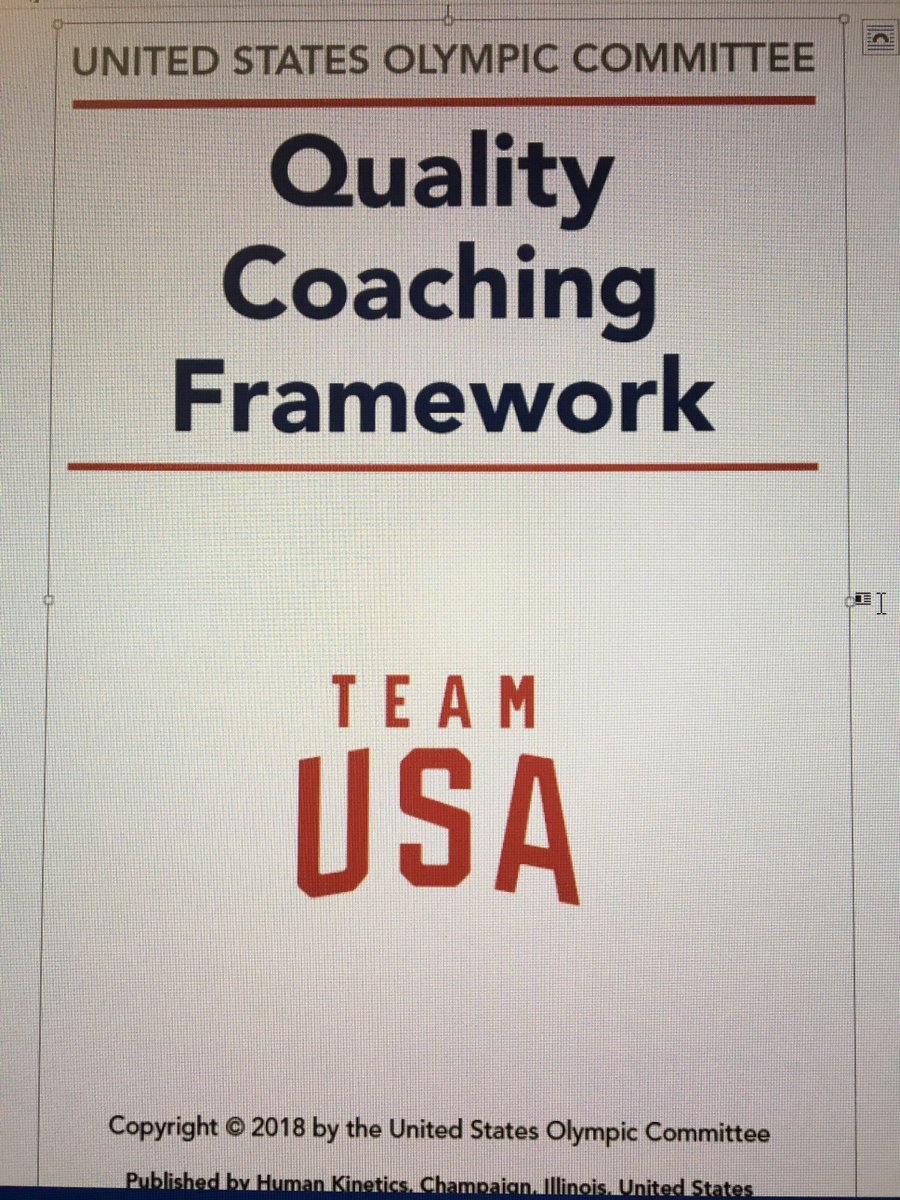
That is why I was so excited to have dialogue with a few committee members of TEAM USA that shared insight on the USOC Quality Coaching Framework that several of the NGB’s are looking at incorporating to establish national coaching standards for their respective sports.

The framework was developed by USOC coaching education director Chris Snyder and Dr. Wade Gilbert, author of Coaching Better Every Season AKA “The Coaches Doc”.

There are 6 segments to the framework;

Chapter One: Quality Coaching
Chapter Two: Essential Coaching Knowledge
Chapter Three: Athlete-Centered Outcomes
Chapter Four: Contextual Fit
Chapter Five: Evaluation and Recognition
Chapter Six: Coach Well-being

As the conference was wrapping up Sunday afternoon, one of the sponsors, Bill Kerig, founder of Great Coach Inc. reached out to many of us as we were leaving to get insight for his research and development his new ap similar to Linked in but specifically for sports coaches. He aspires for coaches to receive the credibility and professional respect they deserve, regardless if a volunteer at the grass roots level or those coaching national programs or everything in between.

He asked us all to share in one minute sound byte and answer …..

What is a great coach?

Talk about being put on the spot, end of the conference and anxious to head home with many great nuggets, having coached now for over 20 years and have been writing about, speaking, teaching other coaches for the last decade there is so much I could have shared.

Honestly, I am not sure what I was able to get in 1 minute, but thought about it on the flight home and lineup for Canada Customs, get my bag, park and ride shuttle to get my car how I would have answered if was given a “wee bit more time” to do so.

A Great Coach ….

… Is one that knows that …

… Cares about their athletes more they do about themselves, they are humble, honest, fair, great communicators, motivators and leaders by providing a safe environment for their athletes, safe to fail and make mistakes, but also safe from all forms of harassment.

… Is demanding, not demeaning, to push their players to become not only the best athletes, but the best people they can be.

… Is truly grateful for the opportunity to coach and thanks their players for the opportunity to Coach them on a consistent basis.

… Teaches their athletes the skills of the game (the competence), and cares enough to teach them confidence so they aspire to come back every season to improve and teach character life lessons like respect, sportsmanship, humility, integrity, honesty, selflessness, work ethic, leadership, communication, punctuality, commitment and NEVER giving up.

… Demonstrates they not only care, but love their athletes and the game so they love the game more at the end of the season than they did at the beginning.

… Is a positive role model and not only talk the talk, but walk the walk

… Gets invited to weddings, lunch, dinners, baptisms of their players kids or other milestones of their alumni athletes years after the athlete hung up their skates, cleats.

… Is one that current or former players reach out to in times of hardship after they lost a family member closest to them, get into trouble with the law or just need a shoulder to lean on.

… Responds to texts, emails, phone calls, or even a knock on the door at all hours of the day in or off seasons.

… Gives credit to the players for a win and takes responsibility for the loss when they lose

… Is a new school positive facilitator (AKA empowerment) vs. being an old-school negative dictator (AKA my way or the highway).

… May be a parent coach that recognize they not only are coaching their son or daughter (their original reason for getting into coaching) but have adopted 10-20-30 others depending on the sport they coach and when in the car or at home wear their parent hat, when at the field/rink or other team activities wear their coach hat.

.. Knows the reason why we all play is it is fun and will quit when it no longer is

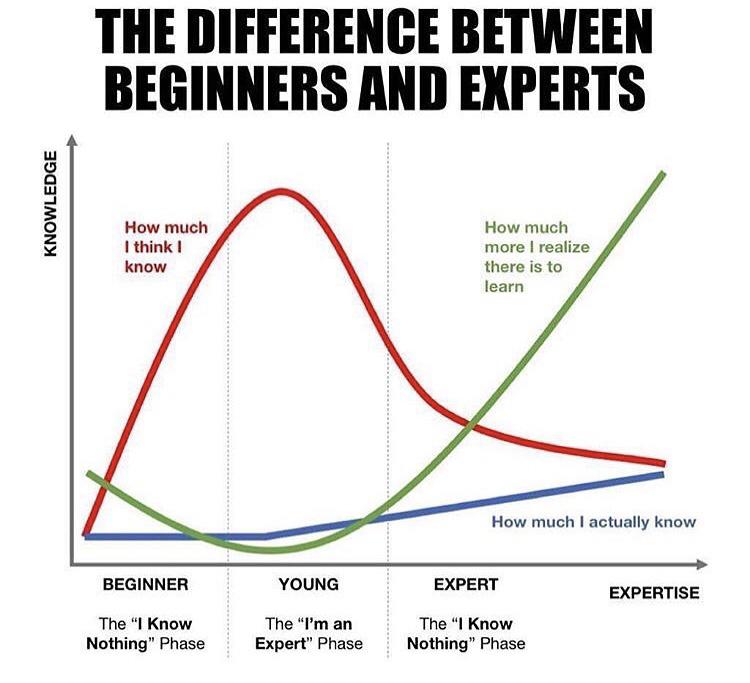
… Knows the difference between beginners and experts

They know how much more there is to learn.

As each of shared over the course of the weekend how little we knew and that to become the best coach we could be it required lifelong learning much like Clare Drake, John Wooden who were taking pages of notes at conferences well after they retired as they may learn something.

Even the one that knew the most, Dr. Jerry Lynch, who has over 50 years’ experience that includes 38 NCAA Div I National Championship Rings, author of 13 books and has worked with Steve Kerr and Golden Sport Warriors the last 4 years where they have gone to the NBA finals and one 3 of the 4 NBA Championship titles.

He was introduced on Friday night by Reed and he shared Jerry’s story from 2 years ago when he was reviewing his background on the first night that even after 50 years he was only ½ way there in terms of his quest for knowledge to share with fellow coaches.

1/2 WAY after 50 years … REALLY?

Jerry further shared with all of us in the inaugural WOC conference 2 years ago that he did not have a job.

He stated while seated on his infamous stool (that I want to recommend to John to get him one that swivels 360 degrees so he can see all the eyes of those seated around him in the circle) while we sat on the hardwood gym floor that when you had a job all you were doing was making a living.

In lieu, he shared that as coaches, we have a calling to make a difference.

Making a difference by developing youth into adults.

That is the business we are all in as coaches, AD’s, Directors, Board Members, Exec members all others adults involved with youth sports.

Coaches please ensure that the legacy that you leave behind is a positive one and Don’t Be A Kid’s Last Coach.

Let’s All work together to bring the game back to the kids … where it belongs.