

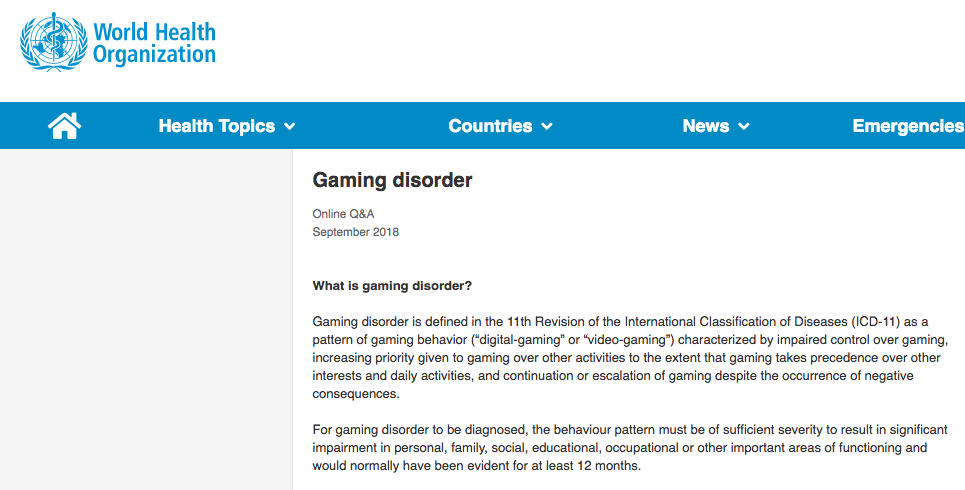
Last Fall the World Health Organization (WHO) added a section to their International Classification of Diseases (ICD) called “Gaming Disorder” which will officially go into effect in 2022.
The section focuses on the patter of gaming behavior (“digital-gaming” or “video-gaming”) that has an increasing priority over other activities that takes precedence over their personal, social, family or educational life.
No reference to the fact that excessive gaming has been identified by all of the professional sports with the next generation of athletes and one of the questions that is asked at draft combines?
As we have shared for years, as a result of the digital era, many kids today have replaced their former active free time with inactive screen time which not only includes video and mobile device games, but binge-watching Netflix, spending hours on end on social media platforms, watching YouTube so shouldn’t the (WHO) look at either amending the ICD or adding one called “Digital Disorder”?
In a prior post we shared “Why Do Kids Play Video Games” we shared several of the reasons why kids today play video games and some ending up suffering from “gaming disorders” where it does impact their lives on so many fronts in terms of their mental and physical well being.
Last week Jim Benning, GM of the Vancouver Canucks, was interviewed by the Vancouver Sun if it was a concern for the upcoming draft as they continue to go thru their rebuild (5 years in the making to get back to the playoffs and counting) and he commented that is not an issue with NHL prospects as they don’t have the time to play video games excessively due to training on and off-ice, nutrition, and recovery needed for them to make the cut so to speak in the NHL.
This in response to rumours regarding one of their top prospects, Olli Juolevi, having a gaming addiction which his agent has denied and was also one of the reasons why their leadership group on the team (players) banned video game play while they were on the road to promote team chemistry and ensure they adhered to routines for proper rest and recovery and nutrition to play the rigourous 82 game schedule we highlighted in “This is The Future” at the beginning of this season nearing its end with a few games remaining the Stanley Cup Final.
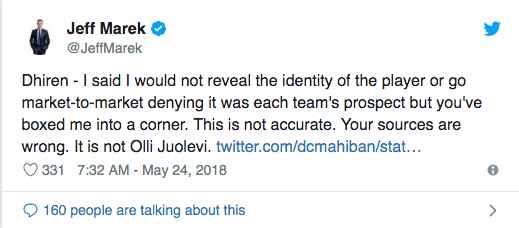
Tweet Reply by Jeff Marek in response to an interview he had with a Junior Coach regarding an NHL first-round draft pick who was affected by the “gaming disorder”.
The Junior Coach shared with Jeff in that interview as a result that the player “will never play in the NHL because of a video game addiction”
All that talent, all the time he committed to making it to the NHL, getting drafted in the first round and blowing it all way due to playing video games into the wee hours of the morning night after night?
Imagine how the parents would feel after investing 10’s of thousands (if not 100’s of thousands if their kids were in academies) of dollars chasing the dream of having their son play in the NHL and missing out due to an addiction to video games, makes you wonder if gaming addiction is added to the list of banned substances for all the professional leagues that lead to suspensions?
Although Jim Benning argued that it was not an issue with the current draft class, I would argue that it has to be on every general manager and scouts radar screen.
We recently shared out another article on our social media that shared further insight on the evolving gaming evolution posted in FORBES
Three Facts the writer shared:
#1 Professional Gamers are making REAL salaries
The highest paid eSports athlete is Kuro Takhasomi from Japan who earned $3.6 Million in one year, the average gamer is making about 60K
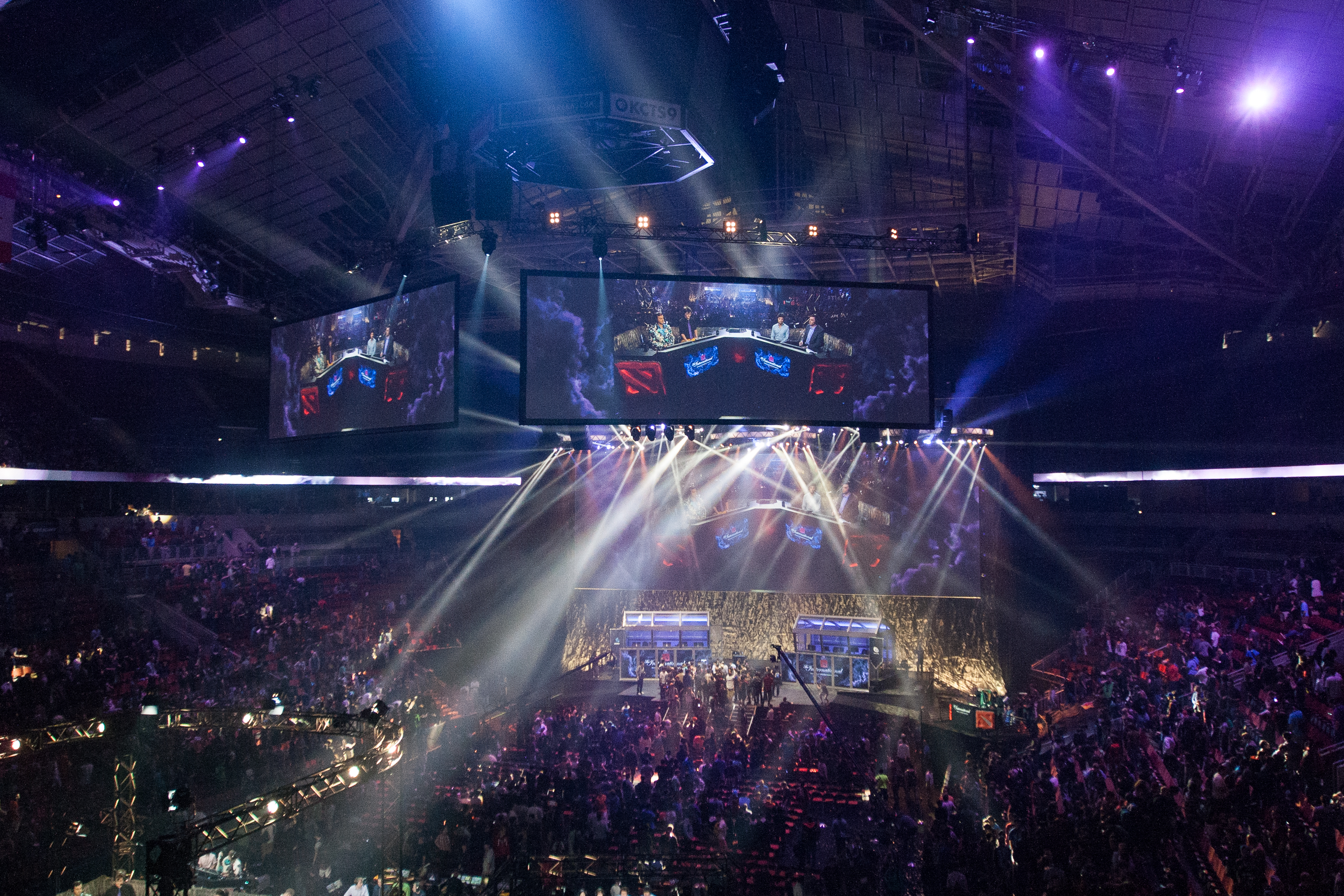
#2 Spectators for Video Game events is now more than for traditional spectator sports
The average time that young gamers are watching eSport events is approx. 3.5 hours a week, an hour more than they watch traditional sports.
The numbers are probably skewed right now with the millions of Canadians that are glued to their TV’s each night that the Raptors battle with the Golden State Warriors in their quest to win their first ever (and the first ever for a Canadian Franchise) NBA championship to dethrone the Golden State Warriors in their 5 year legacy.
#3 Only 0.1% will have a chance to become a professional gamer
There are currently only 500 professional gamers worldwide vs. millions who play games, see below for number of kids in the US alone that play digital games (PC and mobile)
Other facts
#4 – The Average age of professional gamers is 35 years old AND almost ½ of which are female.
Think about that … unlike traditional sports where the top 5 pro sports in terms of revenue and gate attendance are played by men with a huge disparity for their female counterparts in female only leagues in terms of media attention, spectators and salaries and eSports is all inclusive in terms of gender, race, sexual orientation.
Hmmm .. lack of inclusion that is affecting youth and professional sports is not a barrier to entry
With gamers developing via online (anyone in the world can play across the globe with access to the internet) before they become professional, the only thing that is required for you to be accepted in the gaming community is that you have the ability to PLAY.
#5 – 2019 revenues in eSports events is projected to exceed 1 Billion (USD) and is expected to exceed over $3 Billion by 2022
Compare that to the top 5 Traditional Professional Sports Annual Revenues ($ USD) in 2018
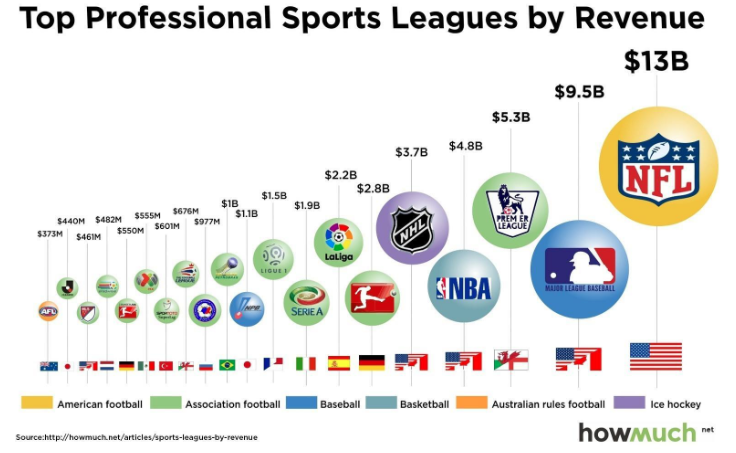
Hmmmm … NHL … pretty soon annual revenues will be trumped by eSports so if I was a general manager, coach, scout in the NHL it would be on my radar screen that prospects may have a gaming disorder and a focal point in the interview process pre-drafts or even when considering trade for prospects.
It is all about balance if they play a few hours a week is one thing, but if they play 20+ hours a week is another thing altogether as it will impact their rest, recovery and ability to adapt to playing at the level they aspired for.
#6 – The numbers
According to NPD Group, 91 % of children between the ages of 2-17 in the US alone play digital games, approximately 61 Million Kids, up 9% from 2009, attributed to 17% increase in digital game play in the 2-5 year old age group.
REALLY ??
Shouldn’t the preK age group of kids be outside playing, in parks, at beaches, learning how their bodies move in lieu of playing digital games on smartphones, tablets or computer screens?
It’s no wonder that there has been a drastic decline in free play as kids have replaced their former active play time with inactive screen time.
In 2018 (the most recent stat we could find) approximately 2.2 Billion people globally play digital games (29% of the world’s population), 1.2 Billion of those play games on PC’s!
In 2018, the gaming industry was just shy of $140 Billion in revenue, half of which is played on mobile devices (think back a few years ago how Pokemon Go went viral for all age groups, not just kids)
Compare that to the Professional Sports Industry where the annual revenue for the top 5 professional sports last year was $36.3 B and they youth sports segment in the US now exceeding $17B, sports equates to approx. 1/3 that of current gaming revenues worldwide.
As the saying goes, if you can’t beat them, join them.
If traditional youth recreational, competitive and even professional sports organizations have a fighting chance to attract, retain and grow their memberships to curb the momentum of eSports that is growing exponentially before it is too late, STOP doing the same thing over and over again and expecting different results.
Look at the gaming Industry best practices by doing your research to understand your avatars (all stakeholders involved) and provide the best quality experience possible so kids love the game more the end of the season than they did at the start.
Encourage them to sample as many games (multiple sports and physical activities) as possible
vs. Working at Pong (one sport) year round
Make it safe to fail for all stakeholders (i.e. kids, coaches, officials)
vs. Adults competing with other adults thru kids.
Let everyone PLAY regardless of their ability so all kids develop
vs. Running short benches focusing on winning at all costs
Develop your coaches to learn how to coach beyond the game
vs. Old school coaching practices focusing on X’s and O’s
AND
Most importantly ……
Make it Fun.

Let’s all work together to bring the game back to the kids… where it belongs.

BONUS – Download a Free Copy of this Blog in PDF Format HERE