
This is the Future – 2020

Posted Posted in Athlete, Coach, Parents, Uncategorized


About a year and half ago I shared the growth of eSports in This is the Future and this week saw an article in the financial post where the owners of the Canucks Sports and Entertainment, The Aquilini’s, have invested in numerous eSports leagues and teams starting back in August 2018 to build the biggest e-Sports gaming network in North America less that 2 years later.

In 2018 the industry projections of e-Sports were projected to exceed $1 Billion, and now is over $1.5 Billion, a further 50% growth in just over a year with no signs of slowing down, similar to the 400% growth rate of the youth sports sector since 2010 in Canada.

Here are the numbers shared in recent article in the Financial Post;

  • Dota2 Event hosted in Rogers Arena August 2018 had $25 Million in prize money, $11 Million going to the winning team
  • eSports events hosted across the world in the very same arenas that professional sports teams play in (NHL, NBA) are selling out faster than the top musical acts are
  • Ticket prices average $40 for fans of the eSports “athletes” to attend the live events, generating over $600,000 in ticket revenue alone per event
  • According to MarketingHub, a market research firm, 800K people had heard of the growing niche industry in 2015, by 2019 the awareness had grown to 1.57B
  • Revenue has been increasing by more than 30% per annum, in 2016 was $493 M USD, $906 M in 2018 and is projected to exceed $1.6 B USD in 2021
  • eSports is inclusive, regardless of your sex, orientation, nationality etc. if you can play you can play online against any gamers across the globe

What the Aquilinis realized in 2018 like many others in the top 5 professional sports space is eSports is no longer a niche phenomenon but it is growing exponentially and as a means to further grow revenue streams and tap into a new and evolving fan base is to invest in the eSports industry.

Other prominent owners in professional sports have done the same

Jerry Jones – the owner of the Dallas Cowboys, one of the top professional sports franchises in the world, has purchased an esports team, including the purchase of a house in the Dallas area for them to live, eat and to hone their craft who is coached by one of my colleagues, James Leath, founder of Unleash the Athlete.  For insight listen to the podcast of the week HERE when I talked to him.

Prominent athletes and celebs are also investing millions into esports


  • Michael Jordan, arguably one of, if not, the Greatest Basketball Player of all time, invested $26 Million in eSports organization Team Liquid


  • Canadian Rapper Drake who was shown supporting the Toronto Raptors as they made their amazing run to the NBA championship last year has invested in esports organization 100 thieves with teams that compete in games like Call of Duty and Team of Legends


  • Steph Curry and teammate Andre Iquodala invested $37 Million in eSports organization TSM whose teams compete in games League of Legends and Fortnite


  • Hall of Fame Quarterback and now NFL commentator Steve Young also tagged into the investment made by Steph and Andre and part of the funding will be to build a 15-20,000 square foot eSports facility in Los Angeles


  • Rapper Sean “Diddy” Combs along with a group of investors provided just over $30 Million in funding to PlayVS eSports League Based in Los Angeles that allows high school students to represents their schools in eSports competitions and can qualify for the growing number of collegiate scholarships for competitive gamers.


  • Former Golden State Warriors Team Mate Kevin Durant invested $38 Million in Vision ESports and esports investment fund and management company


Professional Sports Leagues have also jumped onto the bandwagon starting in 2017


Since this interview in 2017;


  • NBA formed a joint venture with Take 2 Interactive to form NBA2K League whose inaugural seasons was in 2018 with 21 teams who are owned by NBA Teams and has partnered with the likes of Champion, AT&T, Snickers as key sponsors


  • NHL franchises are also forming leagues, starting with Monumental Sports & Entertainment (MSE) the parent company of the Washington Capitals working closely with EA Sports.


  • Maple Leaf Sports and Entertainment (owners of the Toronto Maple Leafs) also is hosting one on one as well as eSports tournaments based on the same EA Sports iconic video game and several other NHL teams are tipping their toe in the water investing in various eSports tournaments, leagues and teams.


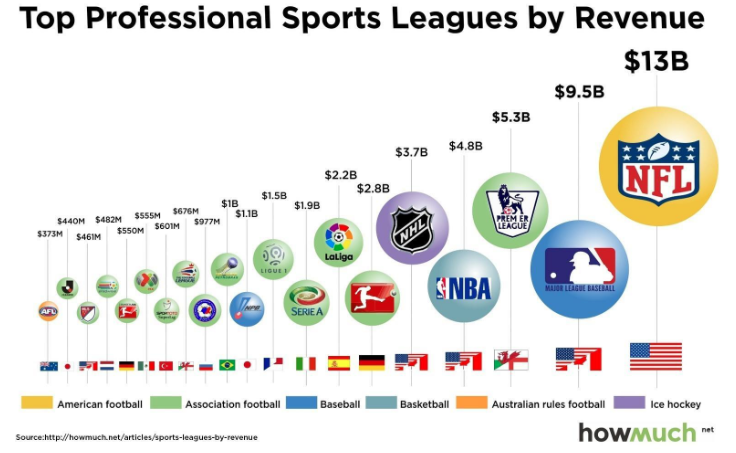
  • Major League Baseball (MLB), Major League Soccer (MLS) and even the largest professional sports in the world, the NFL with over $13 Billion in annual revenues, is jumping on the esports bandwagon starting with the Minnesota owners investing in Activision Blizzard.


It also has gotten the attention of what used to be a focus on amateur sports, the International Olympic Committee, who has shifted their mindset over the years to permit professional athletes from the MLB, FIFA, MLS, NBA, NHL to participate in winter and summer games.

They also entered into discussions with INTEL last summer to continue on the momentum of pre-Olympic showcase event before the Pyeongchang Winter Games for eSports to be an Olympic event in Paris Summer 2024 Olympics.

If you have been coaching youth sports, a former youth or even professional athlete you’re probably shaking your head why the Olympics would even consider why playing video games could even be considered as sport? Some would argue Poker, bowling, darts are games also but do get considerable coverage on ESPN and other sports networks when major sports like NFL,  NHL, NBA, MLB seasons are over.

Here is some insight in terms of the neuroscience what is needed to be a gamer at a high level;


That the video game industry, thanks to PlayStation and Microsoft 360 as well as PC games is now over a $138 Billion USD industry worldwide, has now gotten the attention of celebrities, professional athletes, teams and the Top 5 Professional sports to create a spin-off industry to generate even further revenues via competitive events for one vs. one and team play.

Youth Sports has also grown exponentially in Canada and the US in terms of revenues since 2010 as more and more families go all in supporting their kids chasing the dream of full-ride scholarships or playing professionally, based on the growth of eSports suspect will see that spin-off as well.

Sadly, as more and more specialize earlier and earlier, more and more are quitting because what started out as a fun activity became work as many games are sharing when they retire from competitive game play.

Like overuse injuries in young youth sports athletes as a result of the early specialization phenomenon, a recent science daily article share insight how esport athletes who participated in a study are also at risk for various physical, psychological disorders;

  • 56% reported eye fatigue
  • 42% report neck and back pain
  • 36% wrist pain
  • 32% hand pain
  • Yet only 2% sought medical treatment
  • 40% get no physical activity per day, and average video game playing time is 10-12 hours/day


Although video games have evolved into the competitive eSports industry, youth sports are showing similar trends in terms of physical and physiological health issues including

  • 400% increase in ACL tears
  • Over 60% of current Tommy John Surgeries on 15-18 year old arms
  • Over 200% increase in concussions
  • Increase in mental health issues due to pressure to perform, meet parental expectations for return in investment

Both Multi-Billion Industries are suffering from CHRONIC overuse injuries being sustained by KIDS?

Maybe it’s just me, but Houston, we have a problem … a very big problem as these trends will merely lead to a major impact on the medical system in future that is already pushing its limits due to funding challenges to hire nurses, doctors and other support staff.

More than ever, we have to work together to bring the game back to the kids so kids can play for the sake of playing again, not chasing the almighty dollar at a lifestyle pace that is not sustainable long term.
 

What Youth and Professional Sports can learn from the gaming industry

Posted Posted in Athlete, Coach, Organization Executive, Parents


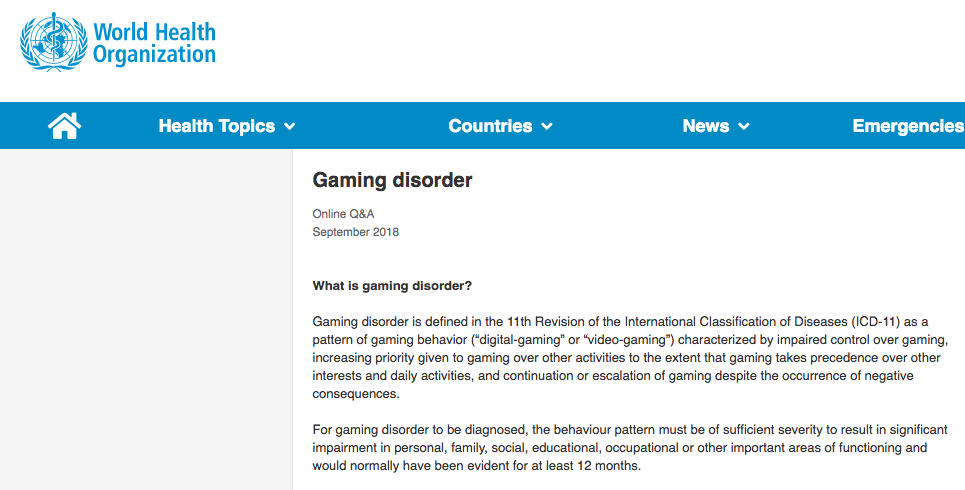
Last Fall the World Health Organization (WHO) added a section to their International Classification of Diseases (ICD) called “Gaming Disorder” which will officially go into effect in 2022.

The section focuses on the patter of gaming behavior (“digital-gaming” or “video-gaming”) that has an increasing priority over other activities that takes precedence over their personal, social, family or educational life.

No reference to the fact that excessive gaming has been identified by all of the professional sports with the next generation of athletes and one of the questions that is asked at draft combines?

As we have shared for years, as a result of the digital era, many kids today have replaced their former active free time with inactive screen time which not only includes video and mobile device games, but binge-watching Netflix, spending hours on end on social media platforms, watching YouTube so shouldn’t the (WHO) look at either amending the ICD or adding one called “Digital Disorder”?

In a prior post we shared “Why Do Kids Play Video Games” we shared several of the reasons why kids today play video games and some ending up suffering from “gaming disorders” where it does impact their lives on so many fronts in terms of their mental and physical well being.

Last week Jim Benning, GM of the Vancouver Canucks, was interviewed by the Vancouver Sun if it was a concern for the upcoming draft as they continue to go thru their rebuild (5 years in the making to get back to the playoffs and counting) and he commented that is not an issue with NHL prospects as they don’t have the time to play video games excessively due to training on and off-ice, nutrition, and recovery needed for them to make the cut so to speak in the NHL.

This in response to rumours regarding one of their top prospects, Olli Juolevi, having a gaming addiction which his agent has denied and was also one of the reasons why their leadership group on the team (players) banned video game play while they were on the road to promote team chemistry and ensure they adhered to routines for proper rest and recovery and nutrition to play the rigourous 82 game schedule we highlighted in “This is The Future” at the beginning of this season nearing its end with a few games remaining the Stanley Cup Final.


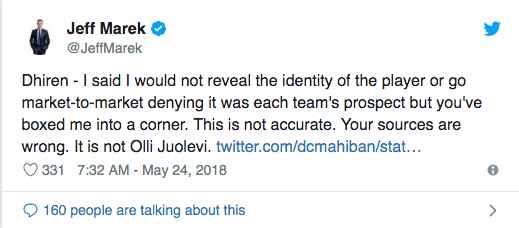
Tweet Reply by Jeff Marek in response to an interview he had with a Junior Coach regarding an NHL first-round draft pick who was affected by the “gaming disorder”.

The Junior Coach shared with Jeff in that interview as a result that the player “will never play in the NHL because of a video game addiction”

All that talent, all the time he committed to making it to the NHL, getting drafted in the first round and blowing it all way due to playing video games into the wee hours of the morning night after night?

Imagine how the parents would feel after investing 10’s of thousands (if not 100’s of thousands if their kids were in academies) of dollars chasing the dream of having their son play in the NHL and missing out due to an addiction to video games,  makes you wonder if gaming addiction is added to the list of banned substances for all the professional leagues that lead to suspensions?

Although Jim Benning argued that it was not an issue with the current draft class, I would argue that it has to be on every general manager and scouts radar screen.

We recently shared out another article on our social media that shared further insight on the evolving gaming evolution posted in FORBES

Three Facts the writer shared:

#1 Professional Gamers are making REAL salaries

The highest paid eSports athlete is Kuro Takhasomi from Japan who earned $3.6 Million in one year, the average gamer is making about 60K


#2 Spectators for Video Game events is now more than for traditional spectator sports

The average time that young gamers are watching eSport events is approx. 3.5 hours a week, an hour more than they watch traditional sports.

The numbers are probably skewed right now with the millions of Canadians that are glued to their TV’s each night that the Raptors battle with the Golden State Warriors in their quest to win their first ever (and the first ever for a Canadian Franchise) NBA championship to dethrone the Golden State Warriors in their 5 year legacy.

#3 Only 0.1% will have a chance to become a professional gamer

There are currently only 500 professional gamers worldwide vs. millions who play games, see below for number of kids in the US alone that play digital games (PC and mobile)

Other facts

#4 – The Average age of professional gamers is 35 years old AND almost ½ of which are female.

Think about that … unlike traditional sports where the top 5 pro sports in terms of revenue and gate attendance are played by men with a huge disparity for their female counterparts in female only leagues in terms of media attention, spectators and salaries and eSports is all inclusive in terms of gender, race, sexual orientation.

Hmmm .. lack of inclusion that is affecting youth and professional sports is not a barrier to entry

With gamers developing via online (anyone in the world can play across the globe with access to the internet) before they become professional, the only thing that is required for you to be accepted in the gaming community is that you have the ability to PLAY.

#5 – 2019 revenues in eSports events is projected to exceed 1 Billion (USD) and is expected to exceed over $3 Billion by 2022

Compare that to the top 5 Traditional Professional Sports Annual Revenues ($ USD) in 2018

Hmmmm … NHL … pretty soon annual revenues will be trumped by eSports so if I was a general manager, coach, scout in the NHL it would be on my radar screen that prospects may have a gaming disorder and a focal point in the interview process pre-drafts or even when considering trade for prospects.

It is all about balance if they play a few hours a week is one thing, but if they play 20+ hours a week is another thing altogether as it will impact their rest, recovery and ability to adapt to playing at the level they aspired for.

#6 – The numbers

According to NPD Group, 91 % of children between the ages of 2-17 in the US alone play digital games, approximately 61 Million Kids,  up 9% from 2009, attributed to 17% increase in digital game play in the 2-5 year old age group.

REALLY ??

Shouldn’t the preK age group of kids be outside playing, in parks, at beaches, learning how their bodies move in lieu of playing digital games on smartphones, tablets or computer screens?

It’s no wonder that there has been a drastic decline in free play as kids have replaced their former active play time with inactive screen time.

In 2018 (the most recent stat we could find) approximately 2.2 Billion people globally play digital games (29% of the world’s population), 1.2 Billion of those play games on PC’s!

In 2018, the gaming industry was just shy of $140 Billion in revenue, half of which is played on mobile devices (think back a few years ago how Pokemon Go went viral for all age groups, not just kids)

Compare that to the Professional Sports Industry where the annual revenue for the top 5 professional sports last year was $36.3 B and they youth sports segment in the US now exceeding $17B, sports equates to approx. 1/3 that of current gaming revenues worldwide.

As the saying goes, if you can’t beat them, join them.

If traditional youth recreational, competitive and even professional sports organizations have a fighting chance to attract, retain and grow their memberships to curb the momentum of eSports that is growing exponentially before it is too late, STOP doing the same thing over and over again and expecting different results.

Look at the gaming Industry best practices by doing your research to understand your avatars (all stakeholders involved) and provide the best quality experience possible so kids love the game more the end of the season than they did at the start.

Encourage them to sample as many games (multiple sports and physical activities) as possible

vs. Working at Pong (one sport) year round

Make it safe to fail for all stakeholders (i.e. kids, coaches, officials)

vs. Adults competing with other adults thru kids.

Let everyone PLAY regardless of their ability so all kids develop

vs. Running short benches focusing on winning at all costs

Develop your coaches to learn how to coach beyond the game

vs. Old school coaching practices focusing on X’s and O’s 

AND

Most importantly ……

Make it Fun.


Let’s all work together to bring the game back to the kids… where it belongs.


Don`t be a kids last coach


BONUS – Download a Free Copy of this Blog in PDF Format HERE

Why do kids play Video Games?

Posted 3 CommentsPosted in Athlete, Coach, Early Sport Specialization, Organization Executive, Parents

Earlier this week I received a call from a writer for CBC who wanted to get insight from my interaction with coaches across Canada regarding the impact of Fortnite and other video games on the grassroots level of youth sports.

The subject comes up literally every time I do a presentation or connect with coaches on a call, as it is one of the many screens that kids have turned to in the digital era replacing their former active play time with inactive screen time.

The main reason why it is not only impacting grassroots but all the way up to the professional level is the fact that many athletes are playing video games for hours on end into the early morning hours, in particular when traveling to road games, leading to sleep deprivation which is impacting their performance during “real” games of the sports they play.

Why do Kids Play Video Games?

#1 – Fun

No different that youth sports, kids play video games because they’re fun.  It’s not Rocket Science and the video game developers invest Millions of dollars into R&D to develop games so they are fun, whether it be for PC, Mac, Video Game Consoles, Tablets or Smart Phones.

#2 – Social 

Also one of driving reasons why kids play Youth Sports, they play video games with their friends or meet new friends either in their communities by going to houses or as many games can be played online, they meet friends from all over the globe.

#3 – Safe

Two reasons why video games are safe;

a. They are safe to fail

There are no adults present like they are in the professionalized youth sports era today, no parents or coaches telling them what to do, no officials enforcing the rules and if they don’t like the preset rules of the games they change them and can play levels that they are comfortable playing.

If you die or the game is over … all kids do is press the reset button and PLAY AGAIN.

It would be a great way to test Carol Dweck’s research in terms of growth mindset, I suspect kids with a fixed mindset always play at a lower level so they can get the desired result vs. those with a growth mindset would also want to play at a higher level to push themselves to get better.

b. They are safe from all forms of harassment

When is the last time you saw a social media post or a news article in print or on TV that gamers have been victims of bullying, cyberbullying, sexual harassment or abuse, hazing?

Compare that to youth sports, it seems like every day I open the paper, check news feeds or social media that I come across yet another article where players, officials and even coaches are victims of one form of abuse.

As ESports continues to evolve and competitions ramp up I suspect this may creep into their sector as it has in youth sports, but the very nature of esports is inclusive, regardless of your nationality, economic status, sexual orientation as long as you can play, you PLAY without the fear of being harassed by adults (coaches, parents) or even teammates.

#4 – Addictive Nature

Video games since the onset have been addictive forms of entertainment, how many of you remember some of the original games

Fast forward to ones developed for Smart Phones?


The developers would not be doing their jobs if they did not make the games addictive so that (a) you purchased the games and (b) kept buying the newest versions of same.

Think of the various EA Sports top-selling games, every year they add to the games so you ante up 50-100.00 to purchase the newest version like Madden, Fifa, NHL and various others.

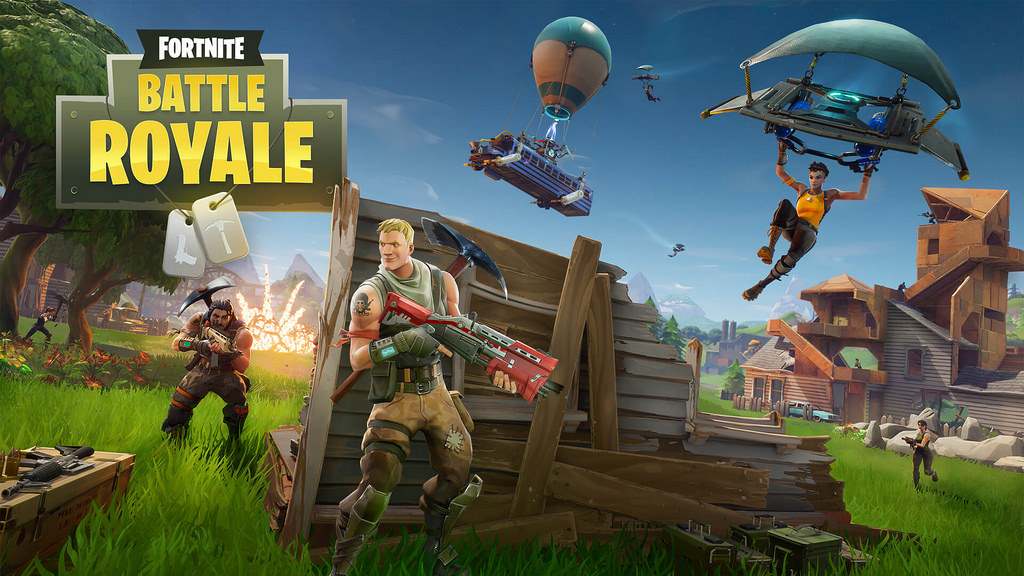
I would even argue they lead to the very same release of the neurotransmitter Dopamine that Simon Sinek touched on in his infamous rant about the Millenials in the Workplace we shared in our prior post This is the Future.  Fortnite, in particular, has kids and even adults playing for hours one end into the wee hours of the morning.

Youth sports also can be addictive, if kids play for the love of the game, they will play for HOURS just like we did as kids.

#5 – Competitive

Many kids will say they play because they love to compete with their friends, which is no different than pick-up games when we grew up, there was nothing better than a close game of shinny, basketball, football, British Bulldog or what have you to get the adrenalin juices flowing.

The difference between kids playing video games and organized youth sports today vs. when I grew up, is the adults have turned youth sports into winning at all costs environment in lieu of playing for the love of the game, the spirit of competition, playing with your friends and FUN.

Youth Sports Organizations could learn “just a wee bit” for the Video Games Business Model and if did so could reverse the negative trends that youth sports are seeing today where 70% of kids are quitting youth sports by the age of 13.

How can Youth Sports Attract, Retain and Grow their membership?

#1 Focus on FUN at all costs, not winning at all costs.

As I have shared for many years with parents, coaches and board members;


Kids play sports is that they are fun, they quit when they’re not.

IT’S NOT ROCKET SCIENCE.

# 2 – Recognize the importance of kids playing with their friends

In the most recent survey we shared “Why Kids Play Soccer“, over 2300 kids stated the #2 reason why they played soccer was to play with their friends or meet new ones.

# 3 – Make it Safe to Fail and from all forms of harassment

In the last few weeks there have been so many articles or videos shared in social media or on TV regarding various forms of abuse that kids have bee victims and the level of abuse that officials are seeing is leading to many states in the USA declaring official attrition is a state of emergency as it will jeopardize number of games and programs they can support.

Why is this happening? Because parents think youth sports is a meal ticket to save the costs for a university education via a full ride scholarship or even better, their kids will get a professional contract to play sports.

The reality is less than 1% of kids will play collegiately with a scholarship, most of which are partials and less than 0.1% will play professionally.

In the last few weeks Kirsty Duncan, minister of Sport for Canada, has started the ball rolling to create a harmonized code of conduct with the Coaching Association of Canada as well as recently announced that there will be a 3rd party independent reporting organization and toll-free support line for any athletes that have been victims of any form of harassment.

The big unknown is how long this will take to be in place AND if the much needed cultural shift that needs to happen in youth sports will follow.

# 4 – Promote the benefits of Free PLAY.

Gone are the days where kids will play outside for hours on end as Generation X did (those born before 1984) BUT we must find a happy medium where kids have the opportunity to develop the very same addiction we had for being active and being outside so we don’t lose another generation like Simon Sinek eluded how we let the Milennials down.

There was nothing better for me and all the global experts that I have had the opportunity to talk to than going outside and playing pickup games, climbing trees, swinging into lakes, racing our bikes and so on without any adult supervision (no coaches, parents, officials)

A great example is an initiative that a coach started in Oklahama called “Unorganized Baseball” highlighted in the video below;

What does the kid say … playing baseball with my friends, I like this more

Should I tell your dad you said that?

YES.

Why?

Because the rules of unorganized baseball are there are NO RULES other than parents need to be quiet, coaches can’t coach, the kids pick sides and form their own teams, they make their own rules and enforce them.  No GROWN-UPS involved.

Hmmmm .. sounds like the good old days doesn’t it?

Kids just want to play … play with their friends in their local communities, not travel and have to play sports year round (early specialization), travel, aren’t concerned about trophies or medals (participation trophies) and have FUN.

THIS IS WHY VIDEO GAMES ARE THRIVING.

# 5 – Provide a quality sports experience

The focus of youth sports should not be winning at all costs, the focus should be a positive experience where kids learn not only the skills of the game, but the skills of life.

I know there is a lot of work being done at the academia level and sports organizations to define what is quality sport, and the best one I have come across to date is one drafted by Sport Canada;

Quality sport is led by Qualified Coaches, is delivered in a Safe and Ethical manner, is administered by Sport organizations who are aiming to achieve Organizational Excellence, is Inclusive and Accessible and is Developmentally Appropriate.

Hmmm … Qualified Coaches, Safe and Ethical, Organizational Excellence, Inclusive and Accessible and Developmentally Appropriate?

If youth sports organizations would follow suit and check all the boxes, in lieu of suffering the rates they have been experiencing the last 2 decades, they could buck the trends and attract, retain and GROW their memberships. One of the biggest shortfalls in youth sports is there is no measurement to ensure that kids DEVELOP, merely rely on outcoms (game scores, goals and assists) but ask any kid what quality sport is and they are tested beginning, mid and end of season to show how much they IMPROVED, not how many wins the team got.

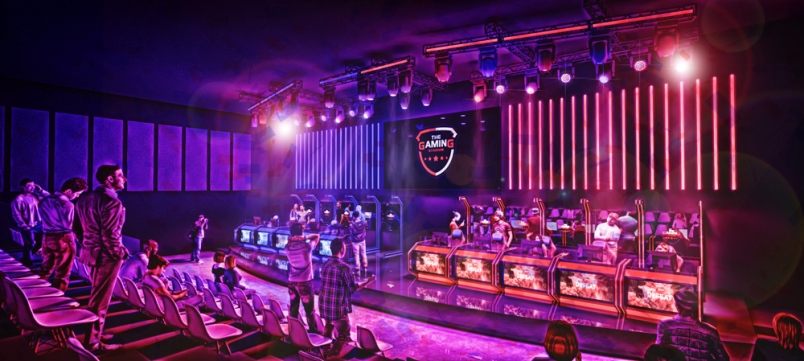
Ironically, as I was putting the finishing touches to this post I read in one of our online local papers that a new esports tournament stadium is going to open in Richmond (lower mainland of Vancouver) BC as one of the principals stated “We know there is a community of gamers here in the Greater Vancouver area…we’ve done our market research, so we are pretty confident,” he said.

Rendering what the new stadium will look like


Hmmm … Market Research?  What a concept.

The very reason why Video Games and eSports have evolved into multi-billion industries is that they do their research, focus groups, surveys, testing so they can develop games with all the features that their customers want and focus on continuous improvement so they not only attract, but they retain and grow their customer base year after year.

Video Games now are a $180 Billion Industry Worldwide so they know a “wee bit” about attracting, retaining and growing their membership year over year.

Youth sports have to stop running their models as not for profits and understand that they are in the business of developing youth into adults.

Let’s all work together to bring the game back to the kids …. where it belongs.

Don`t be a kids last coach


this is the future blog thumbnail

This Is the Future

Posted 2 CommentsPosted in Athlete, Coach, Organization Executive, Parents

(painfully so)

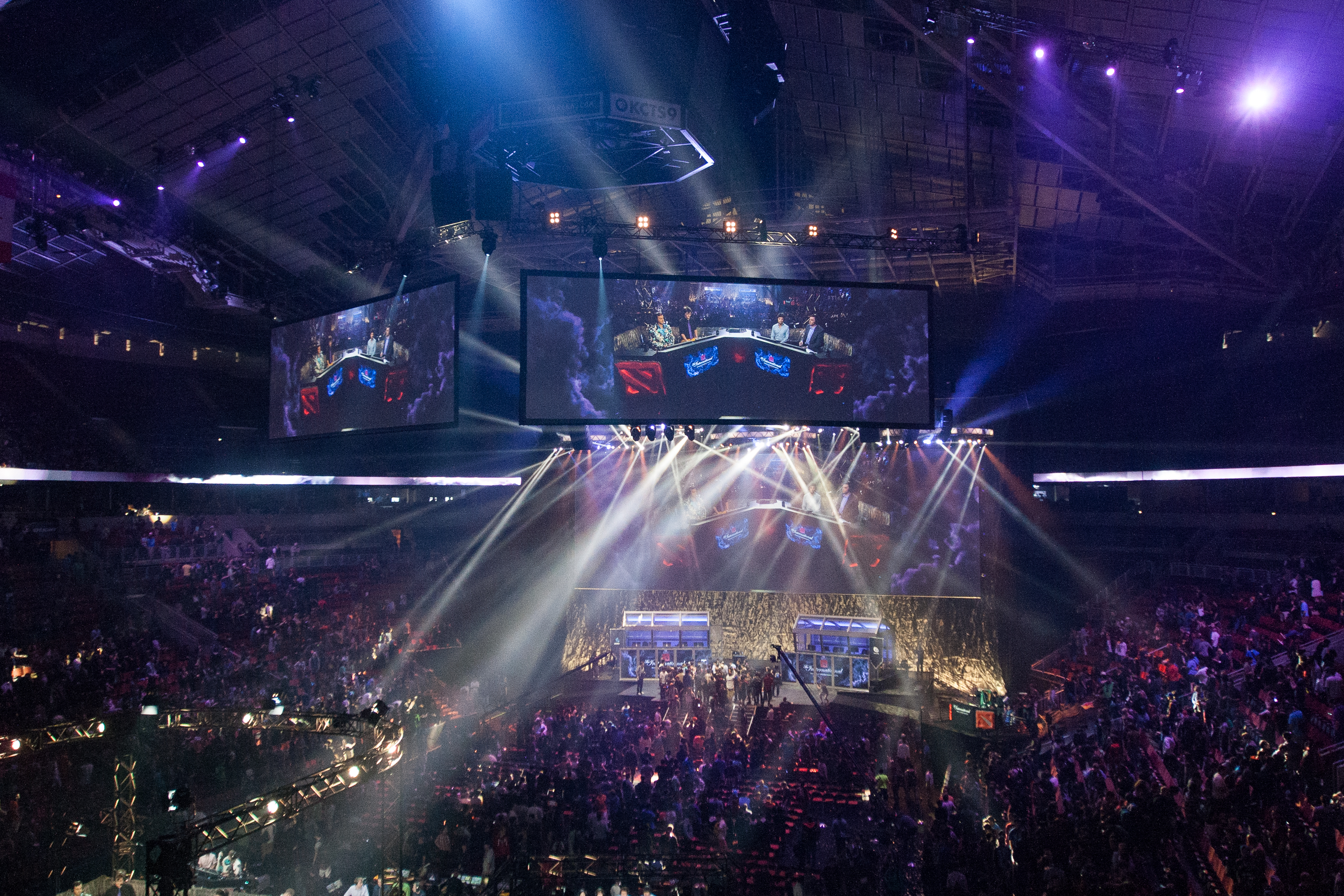
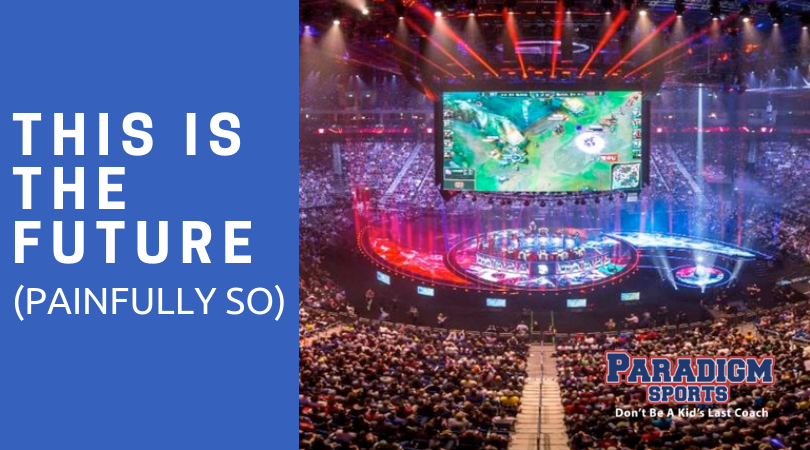
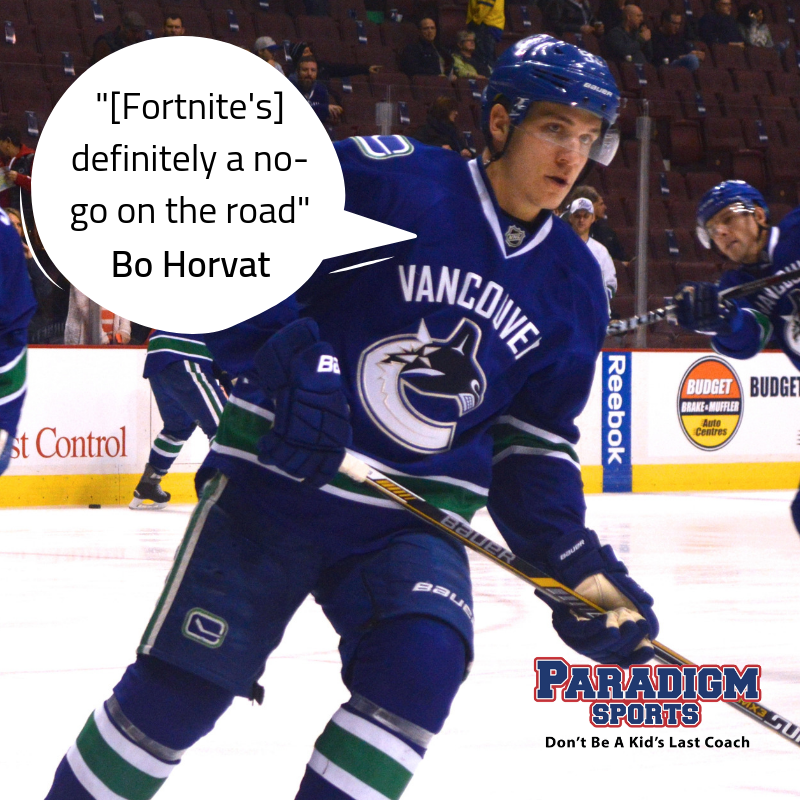
This morning I read that the Vancouver Canucks players have banned playing video games on road, in particular Fortnite, as they feel they need to develop team chemistry, something that head coach Travis Green stated they did so on their own accord, he himself is not banning video games being played. In the summer prior the NHL draft, I recall reading another article how many teams are asking prospects in their preliminary interviews leading up to the draft if they played video games due to the addictive nature and could lead to sleep deprivation as they may be playing for hours at a time. This shows that there truly is a youth movement, not just with the Vancouver Canucks who finally admitted they are going thru a rebuild and veterans were fighting for spots as Gagner and Archibald found out when put on waivers to make room for Goldobin and Leipsic. I was not able to watch the first game last night but did catch some highlights on my way back from doing presentations for Nanaimo Minor Hockey that the Canucks overcame their offensive challenges they faced all of last year and many feared would continue into this year but won their first game 5-2 against their Alberta Rivals, Calgary Flames (albeit the 5th goal was an empty net). I know only one win, but a win all the same so perhaps the focus on developing team chemistry will lead to improvement in the standings this coming season, only the future will tell. Two of the players that contributed to points in the first game were the young guns, Elias Petterson (19), the most highly touted draft pick of the Canucks since Pavel Bure, and the player they have paired him up with another first round pick in 2014 (by the Sharks) Nikolay Goldobin (soon to be 23) who both scored goals in the game.   When I saw them paired on same line in exhibition play I suspected they would stick together on same line in regular season, they play very well together so perhaps this will be Nikolay’s breakout year. When several of the players were asked in the article how they felt about video games being banned while they were on the road, they all stated it was no big deal, even Elias who admitted he did play video games when not involved in hockey activities. It would permit them to develop team chemistry by having team dinners and talking about other things other than hockey vs. ordering room service and playing the likes of Fortnite or other video games for hours on end. The sad reality is it reinforces on of the key messages that I have been sharing in presentations that Esports and video gaming IS the future and many organizations are having to adapt and implement policies to ensure that their players don’t over indulge like the Canucks have done. Below is an image that I have added to one of my slides for presentations that shows the future;
This particular picture was from an esports event in Japan, the venue seated approximately 25,000 people and it sold out in MINUTES. E-Sports are changing the landscape of sport and these are just some of the examples why;
  • Jerry Jones, the owner of the Dallas Cowboys, has an esports team who all live in the same house in the outskirts of Dallas and one of their coaches is one of our good friends, James Leath, who shared insight on how fast esports has grown when we talked to him in our summer summit.
  • The COO of Maple Leaf Entertainment, Michael Friisdahl, was interviewed earlier this year and shared insight that he felt that egamers were athletes, although they sat in chairs, used their thumbs primarily for physical exercise, in order to be successful in any of the games they played they had to execute high level decisions faster than their competitors, similar to the most elite players in any sport.  They also had a HUGE fan base and have to stay in shape to endure marathon matches of game play.
Hey, if darts and poker are considered “sports” and dominate TSN’s coverage in the off seasons in the summer, I suspect Esports will be next to fill that space. One of the things about anyone that reaches the top of their game, whether it be Wayne Gretzky, Pele, Muhammed Ali or others is they are able to see the game in slow motion permitting them to do things that many struggle with as they can not handle the speed of the game. This is the biggest challenge that all young prospects face when they enter in the NHL, especially those like Elias Petterson who played against adults but on Olympic size ice surfaces allowing for more time and space than North American Sized Rinks.
  • The IOC and Paris Olympic Committees are considering testing esports in the upcoming summer games … yes, that’s right, esports (AKA video gamers) could potentially qualify to win and OLYMPIC MEDAL (OMG).
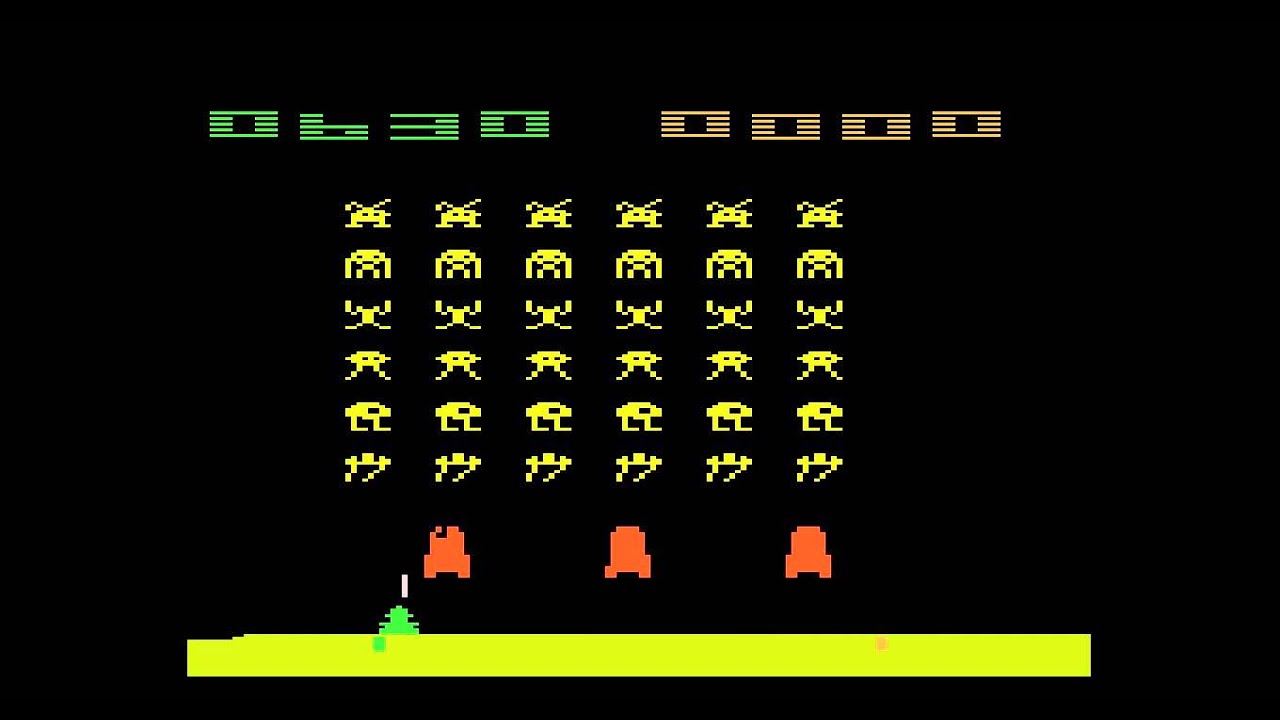
Even as I type those words, or say them in a presentation, I am dumbstruck. I grew up in the days of Atari, Donkey Kong, Space Invaders, Asteroids, playing on 13” tube TVs so after about 30 minutes of play I pretty much had my fill until I went back outside to play or off to various fields, courts, rinks for the various organized sports we played. For me, it was a form of relaxation, just like it is for the next gen Canucks, which many of the current players who either talk about when they are interviewed pre drafts or the very same Canucks like Brock Boeser who stated he and a few of his current Canuck Teammates do play Fortnite but no more than an hour at a time as a form of relaxation, much like he did when playing at University.
  • To give you an idea how fast esports has grown, projections for 2018 is it will exceed $1 Billion in gate revenue for events like the one pictured above, events are selling out in minutes, faster than any of the top music or traditional live sports events.
Think about that … egamers have more fans than the TOP artists in music, the top teams or individual athletes in the WORLD. I never thought that would be possible.
  • ESports has not been the only form of video games that has gone viral in recent years, think back two years ago when Pokemon Go took the world by storm, not only were kids playing, but adults, making it the most downloadable game of all time, exceeding over $2 Billion in sales to date.  It is the “happy medium” for parents telling their kids to go out and play, yet for kids to still be looking at their screens and both adults and kids get their infamous Simon Sinek Dopamine fix from technology when doing so
  The esports phenomena has not only tweaked the interest of Jerry Jones, but the NBA who are launching the 2K esports league next season.   Other owners, investors, and even the top 5 professional leagues themselves are looking at how esports can increase their revenues, I suspect that MLB to be the next to jump on the bandwagon due to decreasing revenues as a result of declining attendance. The very fact that esports has evolved to the level it has in just a few years time is a mere reflection how BIG video games have evolved and why they contribute to the 7.5 hours a day that kids are spending in front of their screens. Have you every asked why kids play video games to the extent they do? Partly because they are so lifelike now than our past generation, but mainly because the kids (even if they are millionaire pro athletes) have full ownership of the experience. There are no adults standing over them, or in youth sports in the stands or on the sidelines, telling them what to do, how to do it or criticizing them when they make mistakes.  If they don’t like the rules of the game, like did when played pickup or board games, would change them to speed up, slow down or add more offense/defense (i.e. no offside rule)) Video games, like youth sports used to be, are safe to fail which is the key learning environment to develop creative players And if you die in the latest craze Fortnite, League of Legends or going back to Halo when it set all the records for a video game release in 2010, all kids do is press the reset button and start over. Unfortunately, in youth sports today there are “some coaches or parents” (the vocal minority) leading to the attrition rates  where kids put up the white flag to go to screens in droves, tablets, smart phones, computer dual screens which has now lead to gaming chairs, keyboards, mice and a proliferation of other products. For all parents out there, I suggest you follow the lead of the Vancouver Canucks players who self enforced themselves and have policies to not only restrict your kids video game time, but overall screen time so falls way below the current average of 7.5 hours a day. One of the deals I had with both my kids (who have now aged out of youth sports but are still involved in various adult rec sports) was for every hour of screen time, they had to have an hour away from the various screens available to them today. We also have a hard rule no electronics at the dinner table, none in our bed rooms (the excepting being a bedside lamp so could read for one hour to offset one hour of screen time) Examples:

If you play Video Games for one Hour = Ride your bike one hour

If you watch Youtube for one hour = Go for a walk, run, to a field and throw ball, ultimate frisbee

If you watch Netlix for one hour ONLY (ONE EPISODE at a time no binging permitted) = Read a book, art, listen to music (sound mind and sound body)

If you do homework on your laptop or desktop for one hour = Go to the pool for swim, gym to play hoops, volleyball, badminton

As the cliché goes, everything is ok in moderation, but what has lead to the health issues of today’s generation is they are spending too much time in front of screens daily and not taking a break to for other physical and mental activities to promote sound mind and sound body.

Also, recognize the motivation WHY they play video games as long as they do and ensure that you support them to have the same ownership of their youth sports experience and in lieu of criticism in the car, on the sidelines ..

JUST LOVE WATCHING YOUR KIDS PLAY 

Perhaps if we all do so, youth sports will become just that again in lieu of adults competing with other adults thru their kids.
PS Tagline - Dont be a kids last coach