Early sport specialization is just wrong blog thumbnail

Early Sport Specialization is just wrong.
Posted Leave a commentPosted in Athlete, Coach, Organization Executive, Parents

This past week my son was at his annual west coast prep camp that he started participating in several years back as a player where many top level players in hockey go for 10 ice sessions, games, dryland with some of the top coaches in the game.

Marc Crawford, Phil Johnson, Ryan Walter, Barry Smith and many other NHL coaches, NCAA Div I, II and II as well as Junior A/B coaches participate in the camps that run for a week at a time to get instruction to take their games to the next level.

I never will forget the first camp he attended as a player, at 12 years old in his second year of peewee and how much he packed, a full hockey bag, a duffel bag almost the same size, a backpack, sweatshirt, pants only to find that the particular week in Port Alberni was 38 degrees and even though worked hard on ice, was much cooler than outside.

As it was his first year at the camp, like many hockey coaches, I wanted to see first hand how a top-notch camp was run so I went over for a day and watched many of the ice sessions lead by the professional coaches so I could then share with the volunteer coaches in my clinics tips and tricks to run efficient practices.

I connected with my son later that day and he said the experience had been AWESOME, although was starting to experience skate bite from his laces and was not a big fan of scrambled eggs and avoiding the table with peanut butter (due to allergies to peanuts)

I offered to take him for dinner before I was going to head to catch the late ferry to return home and he said he would rather hang out with his new “buds”

Each year he would return to the camp, even after he decided not to play winter hockey, and this was the first year after he aged out of minor hockey and was asked to come as an on-ice instructor/captain for one of the younger age groups.

This particular week, one of the guest coaches was Brendan Morrison, former NHL player who started his career with the NJ Devils and was traded and played the majority of his career for the Vancouver Canucks, played on the top line with Marcus Naslund and Todd Bertuzzi in their respective career years in points individually and as a line. They were called the west coast express as a result and qualified for playoffs (unlike last 3 years where the Canucks have not made the playoffs and recently lost their president Trevor Linden due to power struggle with owners).

One evening Brendan participated in a panel session interview and offered up a couple of tidbits that my son shared when we had dinner the night he came back;

  1. Brendan shared that he absolutely did not believe in early sports specialization and
  2. He believed in free-range parenting as a father of 3 girls and a boy and encouraged to play, get outside without supervision

My son could relate to both as we have numerous conversations on the subjects over the years both in my role with PARADIGM sports but also as a parent and coach as many know from contributions I have done for various news articles and affiliate blogs.

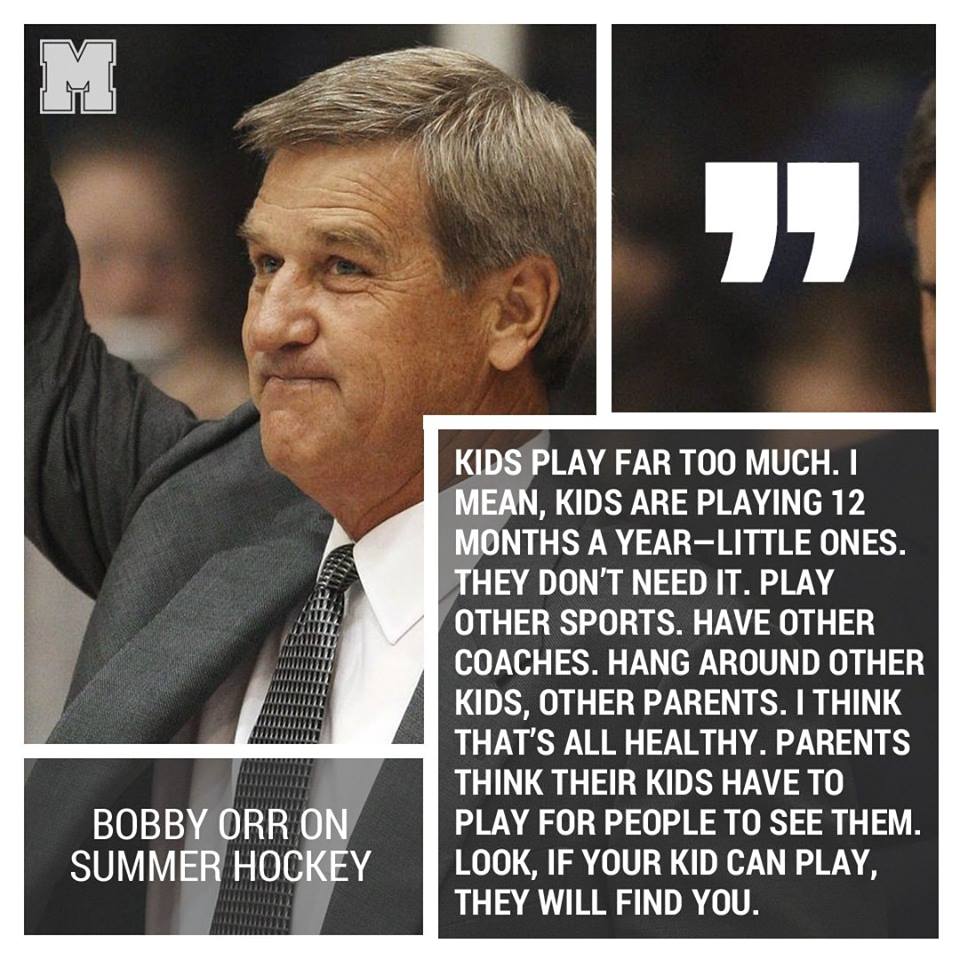
Needless to say, it was refreshing to hear that a former NHL player, Hobey Baker Award winner as top NCAA player who had a long career was against specialization and advocating for kids to play as many sports as possible until they found the one they loved.

Early Sports Specialization continues to be a hot topic, so much so that I was asked to contribute to another follow-up article on the subject for a national Canadian Magazine that is supposed to be in an upcoming edition which I will share out once it goes to print.

I was also surprised they got on the subject of free-range parenting, whom Lenore Skenazy made famous when she launched her site www.freerangekids.com to combat helicopter/snowblower and lawnmower parents where kids have been taken to police offices due to “reports of abuse” when parents encouraged them to take the bus, subway, play in the park on their own without their immediate supervision.

This I also am 100% in support of, I remember one of the reasons that kids don’t get their 2000 steps in today walking to/from school is due to the white van as parents fear their kids will be abducted.  Kids need to have play time unsupervised, need to learn how to fall and get up on their own, even if it means there will be some bruises, scratches along the way.  If parents don’t encourage kids to do so, how will they fair when they face real adversity later in life?

Our backyard since both my kids were very young was a myriad of sports balls, bats, sticks, hoops and we live a couple of blocks from a ball field and park that my wife and I would tell our kids to go to get their daily dose of activity in addition to the various sports they played.

We even encouraged them to walk to/from schools, 30-45 minute walks each way, but would drive them to school if the weather was really, really nasty (the same our parents did)

Whenever I have done talks on the subject, I have shared the video that is part of this weeks newsletter from Bill Meiers show when he interviewed Dave Barry and talked about free range parenting and how his mother would share …..

“Don’t Drown”

Like Dave’s mother, my mother would say to me or my brother before we left for the day to scour for garter snakes, go to ball fields, lacrosse boxes, fish in streams, jump our bikes over ramps, climb and fall from trees and so on … BE HOME FOR DINNER.  Other than that it was fair game, kids need more of that now more than ever, thanks to sports being adultified which has to lead to the specialization epidemic, they need their free play time.

Although free-range laws have not been passed in Canada to the best of my knowledge, both Utah and Arkansas have now incorporated legislation to protect parents who aspire their kids to be just that, KIDS and encourage them to walk to/from school, play in the park or backyard unsupervised (within reason).

At what point we find the happy medium where kids play again without fear of criticism from adults or adults are permitted to let their kids walk home from school without having police and social services knocking on their doors remains to be seen.

Hopefully, it happens sooner than later, we need to let kids BE kids again.

Let’s all work together to bring the game back to the kids … where it belongs.

Don`t be a kids last coach


I want to try the impossible blog thumnail

I want to try the impossible ….

Posted Leave a commentPosted in Athlete, Coach, Organization Executive, Parents

Source – Terry Fox Foundation

For the past couple of months I have been going thru the whirlwind of moves, I sold my warehouse/office so that we could get into a more appropriate office only layout and also helped my inlaws move out of their house the in-laws literally around the same time.

The day of their completion was the day of my marathon move day Aug 2nd, 15 hours, thanks in part to the moving company double booking their third mover and were able to find someone in operations to fill in (who had NO moving experience).

Our new office is on the second floor, with 24 steps separated by a landing that the movers and even myself and friends and family that have helped out have taken a rest while we moved the furniture, filing cabinets, desks, computers, printers and everything so we would have the workstations required for our expansion and accommodate future growth.

All the while I was going thru the viewings of potential new spaces, then finalizing the lease on what is now our office with an adjacent meeting area the landlord has agreed to rent us on case by case basis for our live presentations.  More to follow on that front once we procure the chairs, tables for us to permit us to do so.

I kept saying to myself and others that I was going thru a marathon daily and shared analogies like on a much smaller scale and can truly appreciate what Terry Fox must have went thru in his quest to cross Canada on one leg after he lost his other leg to Cancer.

My Nanny (grandmother) was a huge fan of Terry, she even had an area in her apartment with news paper clippings, prints and various other memorabilia that I have in one of the many, many boxes that are still staged in the open area of our new office that I plan to do the same.

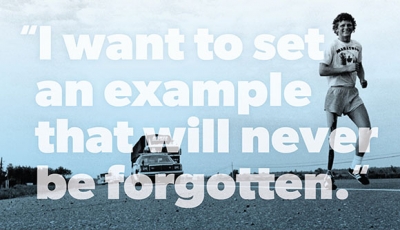
She would often share one his quotes with me whenever I was up against various challenges in my youth in sports or school one her favorite quotes from Terry “I want to try the impossible so I can prove it can be done.”

The reason it was her favorite is she was one of my biggest role models growing up, she raised 9 children (yes 9) in the era starting in the depression, second world war for the most part on her own as she divorced my grandfather soonafter the 9th child was born.

The older siblings started to work as early as 12-13 and the oldest 3 did not complete high school but the work ethic that she instilled in every single one of them was one that I will never forget.  What she did in a sense many would feel is impossible in today’s era where most families only have 2-3 children due largely to the costs to raise kids, pay for horrendous mortgages, gas and spiraling costs requiring both guardians to work.

This is why Terry became such a role model for me as she would reference the adversity that he went thru to accomplish what many felt was impossible at the time.

When he embarked on his journey to raise funds for cancer in April 12th 1980, all the naysayers running a marathon EVERY day (26 miles) and did so each day only taking 4 days off of 137 days, one day to spend time with a 10 year old boy who also lost his leg to Canada.

Can you imagine running ONE marathon in a year?  I know many people that train for many months to participate in the Vancouver Sun Run, others that train for biathalons, but I can’t imagine for an instance how he did what he did each and every day, getting up a 4AM, running 14 miles, then taking a break to fuel up, and run a subsequent 12 miles.

It was his determination, commitment that lead to all the accolades he received but even after he had to stop when the cancer returned and spread to lungs he shared with reporters if he could return to complete the marathon of hope he would.

Sadly he was not able to return to finish his cross country marathon, and his journey ended after 3000 miles in Thunder Bay, approx. 2/3 of his goal to return home to his home town in Pitt Meadows, BC (outskirts of Vancouver).

Whenever I see kids today say “I can’t” in a practice or a game I say to them, yes you can, push yourself so you can say after the practice or game that you left everything you had out there.  These were the very same words of wisdom my Nanny would share with me, thanks in part to her following the likes of Terry and many others who never gave up like she did raising 9 kids on her own while never “working” a day in her life (she remarried to whom we called Papa John who had a great job and provided for her and the younger siblings so she could do what she did best, be a mother and grandmother to all the many cousins afterwards).

This is what Terry did, he left it all out on those highways, thru the weather challenges, the dehydration, initial lack of awareness, the scarring on his stump left after the surgery from the rubbing of the prosthesis, the true fatigue he had each and every day as he head out to run another 26 miles.

Source – Terry Fox Foundation

What drove him?

Kids.

He did not want any other kids to be victims of cancer, or anyone for that matter.

One of the days that he did stop to take a break he spent time with a 10 year old Greg Skun who also lost his leg to cancer and cried when he shared why he was doing so as it was one of his most inspirational days.

Terry was the example for us all, the legacy that he left behind thru his marathon of hope has now raised over $500 Million for cancer research.

Although we are still over a month away from this years Terry Fox Run, each day that I haul boxes, furniture and so forth from my old space to the new space I think of Terry and my Nanny sharing her quote as I too want to try the impossible to show it can be done.

When I founded PARADIGM Sports several years back, I did so initially because of the year I had in 2013, I had my knee scoped in January and lost my best friend a few days later, then having to make the decision in August to put my mother (my biggest fan) into a hospice and she passed away on Oct. 8th, 2013 in the evening, a few hours before my birthday.

It was that 2013-14 hockey season where my son had a winning at all costs coach that then set the wheels in motion to ensure that ALL kids have the opportunity to contribute to the outcome of games with positive feedback  so they could try they also can try the impossible to show it could be done.

The state of play of youth sports evolving to adults competing with other adults thru kids has to lead to attrition rates where 70% of kids are quitting youth sports before they enter high school.

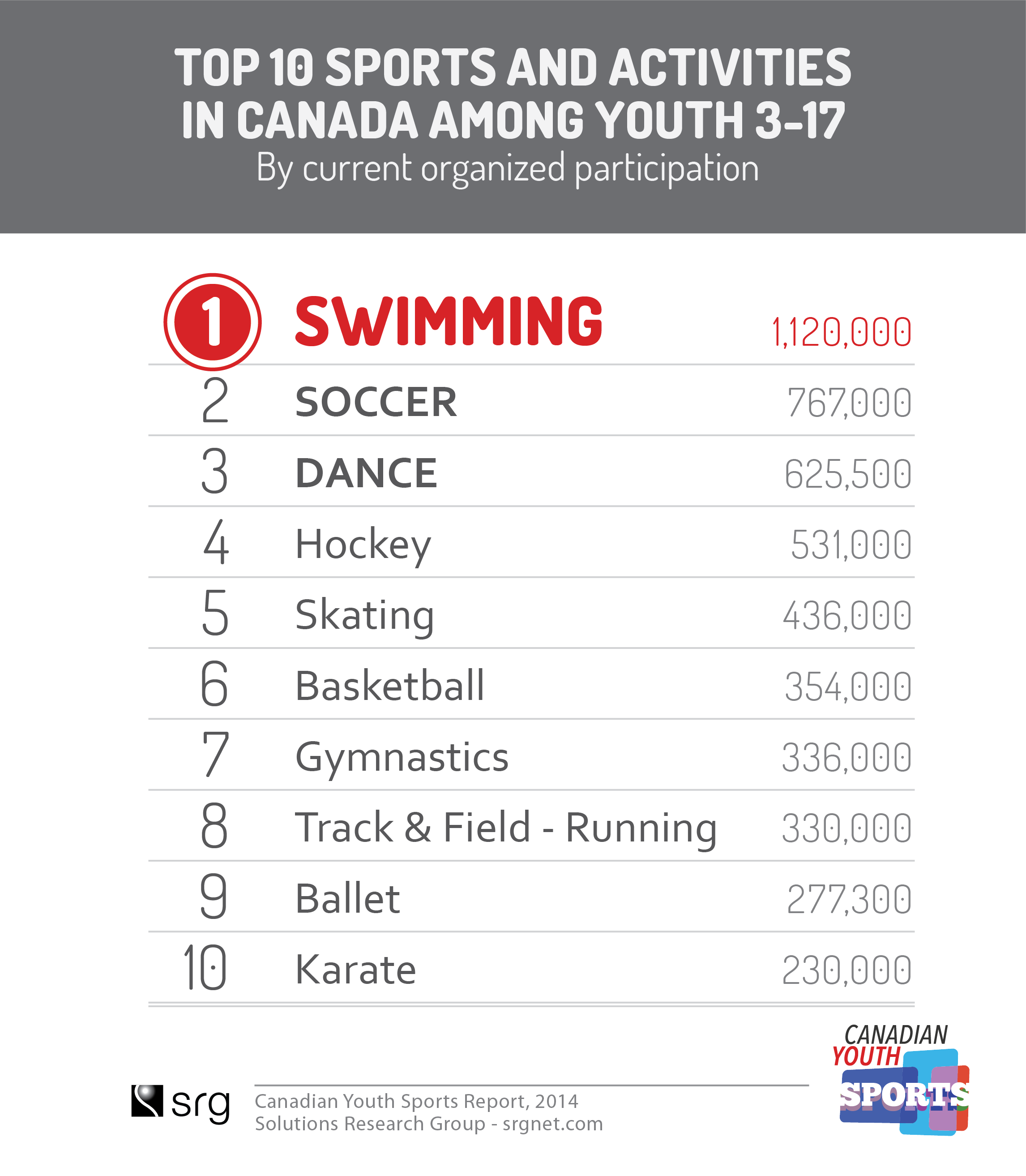
In Canada, that number could be in the area of 2.1 Million kids alone from the top five sports (swimming, soccer, dance, ice hockey, skating)


My dream is to ensure that all kids in Canada, as well as other parts of the world working with all of our global partners, have the opportunity to play without fear of criticism, own their youth sports and activities experience as our generation did when we grew up and most of all, have a smile on their face each time they go out there and PLAY.

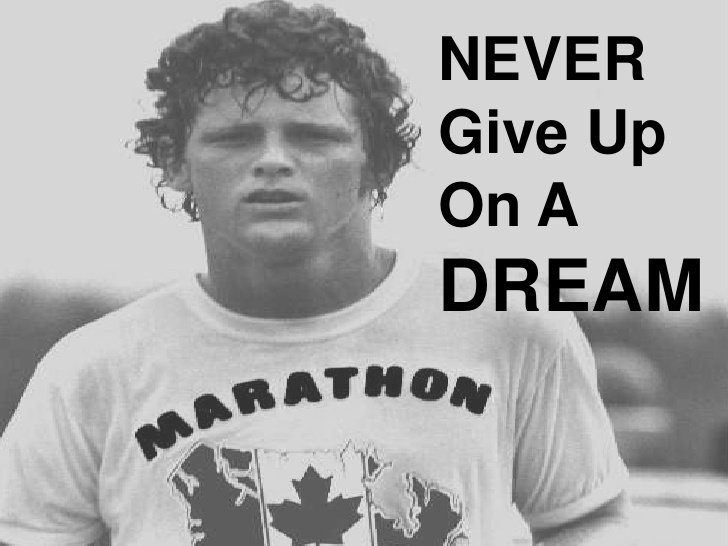
Like Terry, I won’t give up on my dream and as we go into our new chapter, new office and truly look forward to continuing our work with coaches, parent’s sports administrators to create that environment for kids to have fun enjoying what they love vs. current trends replacing former active play time with inactive screen time.

As you start planning your fall seasons as coaches, executive members, please ensure that you incorporate the Terry Fox Run as part of your teams season vs. scrambling at the 11th hour to participate.  It not only will help continue raising funds for his legacy, but it is a great team bonding activity to start your season.

Source – Terry Fox Foundation

Please ensure that the legacy that you leave behind is a positive one and you are not a kids last coach.


When things change in minor hockey blog thumbnail

When things change in minor hockey

Posted Leave a commentPosted in Athlete, Coach, Organization Executive


…… Not Necessarily for the Better

I am in the midst of a move from my former warehouse with office buildout out to a full office layout to permit us to continue growing as an organization and host on-site workshops and parent education sessions starting this fall for groups from 20 to 100+ (more to follow on that front once we are settled in the new space).

My son and daughter gave me a hand this past Friday tearing down one of the workstations so we could move it to the other space where the first thing they said was WOW this is huge and is such a better layout than your old “office”. Then my daughter commented why I was bringing all my OLD stuff there in lieu of nicer/newer to which I said because there is nothing wrong with it.

I believe we could all learn a little from that type of old-school thinking when it comes to youth sports ( I believe kids should play with wood sticks until they are strong enough to benefit from the flex also), too many people are trying to keep up with the Jones on gear, teams without cluing in when it is all over it were all worth it.

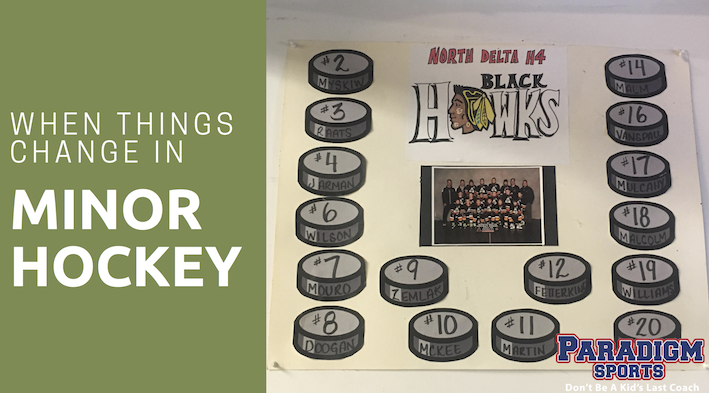
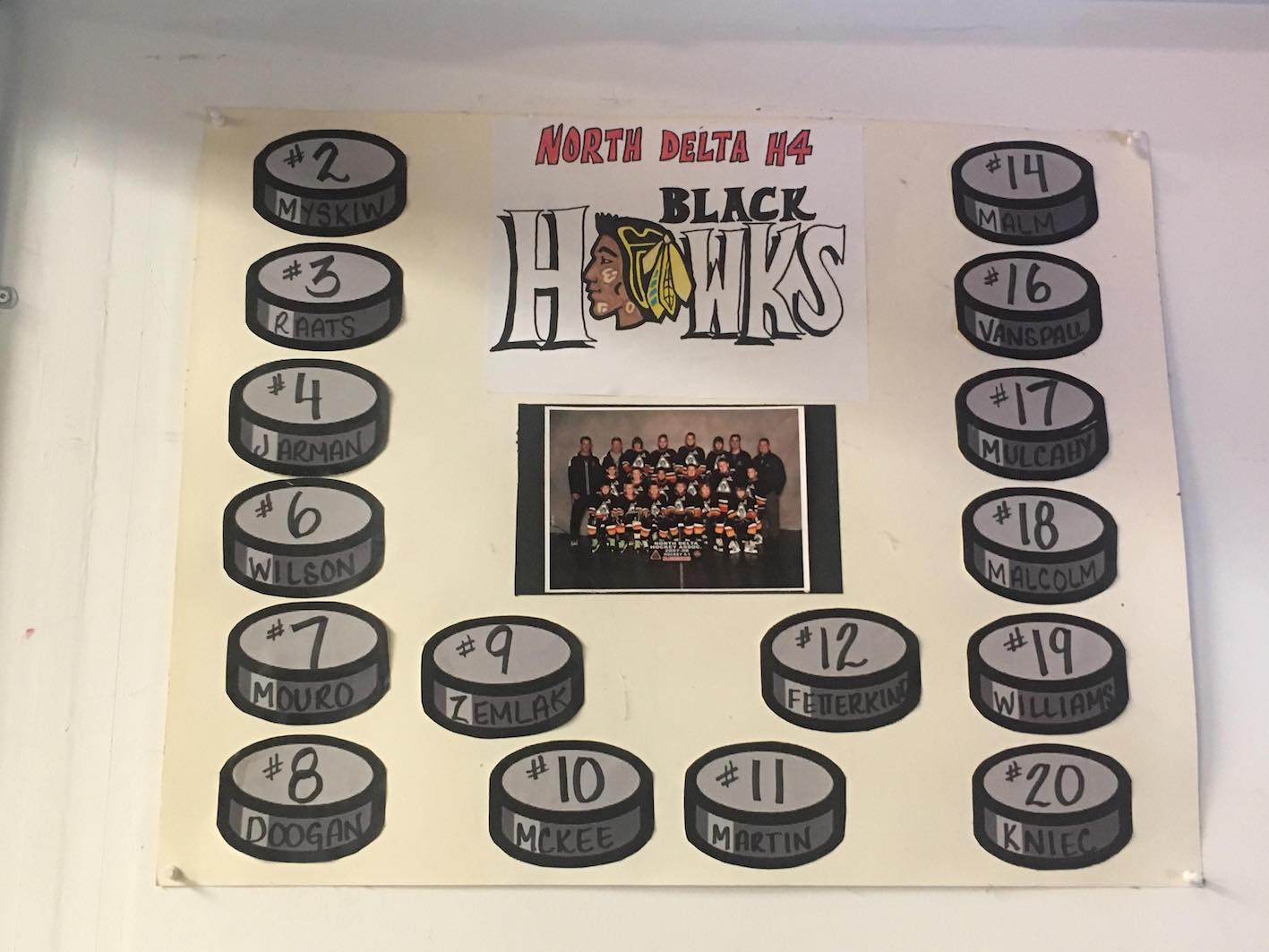
In the course of the back and forth my son commented when he was looking at many of the team photos I have along the wall that was our impromptu boardroom (pictured below) when he was looking at the team poster I still had from a tournament our association hosted and he said “That was the best team I had in Hockey”.


I turned to him and said “Why? You played on so many teams over the years including all your AAA rep and Spring teams afterward”

His response?

“Because it was the best group of guys and coaches I had, and it was the most fun I ever had playing hockey.”

He was 8 years old that season, it was our H4 Novice Team thinking back I had to agree it was one of the best teams I had coached over the years also.

It was not due to the winning record we had, far from it, we only won a handful of games.

It was not due to any tournament wins (we lost all but one game in the three tournaments we played in)

That particular team was a mix of 5 new players, 5 who played a couple of years and 5 who were going into their 4th season.

The top player on our team, “Switch” (I nicknamed as he always prompted me to switch to play forward when his turn was to play D) whom I had not coached previously, was one that I identified even then could play at a high level, and he is now playing his third season of major journey hockey 11 years later. Another that I had coached the year prior also was drafted and has played 2 years of major junior.

Being that he was so far ahead of the rest of the group and could score at will, I knew the only way that those starting out would enjoy the seasons as we were still playing full ice games (which took a decade to change to cross ice) is I would have to promote team play.

I knew in tournaments that there was a rule called the Gretzky rule, where a player could only score 3 goals in a game and any goals after that would not count. The reason for the rule was to ensure that an early bloomer would not dominate a game, would focus on team play by not only scoring but assisting goals and all players would contribute.

To ensure that we played as a team in all games, I talked to him and his parents to see if they would buy-in to the Gretzky rule for all games, not just tournaments. One of his close friends was on our team who was one of our first year players and I used that as a selling point that I would like him and all the other new players to touch the puck, make and receive passes, get shots and ultimately every player on the team to score a goal before the season ended.

Both he and his parents said they were on board, so for every game, we played that season, he would score his 3 goals, in some games soon into the first period.

At times, when he would get the puck after, as he was so proficient on his core skills he would carry the puck into the zone, and as he and his parents were big fans of the game, although Gretz was way before his time, it did not take him long to figure out where his office was, behind the opposition net.

I will never forget one of the plays he made to set up his friend for his first goal, he waited patiently behind the net for his friend to get in position with his stick on the ice in front and in lieu of skating to either side to pass to him, he flipped the puck over the net and it landed right in front of his friends stick and he buried it while the goalies head was spinning.

He was 8 when he did that and the skills he demonstrated over the years I had the opportunity to coach him never ceased to amaze me.

The celebration that followed afterward was like we had won the Stanley Cup, all the coaches jumped up, the team skated on the ice, gloves, and sticks were flying everywhere and “Switch” was probably the one celebrating the most.

As the season went on, each time a player got his first goal, especially when Switch would get the assist, our team would celebrate.

Opposing teams and coaches thought we were nuts, in most instances we were down by 5 or more goals.

One of the other activities that made the season fun for players and parents alike was “Game On”, where one of the parents would host a street hockey day for the players and Sunday NFL football party for the parents. It started out initially as a one hour game, then turned into what it was like for many of us parents, a full day of playing on the street, almost every player would take turns putting the goalie gear on.

It was that season that I also started to see the whispers in the corners amongst parents, and it was then when I started to see the beginning for what is commonplace today, the recruiting process of Spring Hockey. Switch had been playing Spring hockey literally since he put skates on, others each year started to be recruited as well and the process started earlier and earlier.  I used to say parents were more concerned about what spring team their kids were on than winter so they could brag to others.

During that season I was pulled aside by Spring “Scouts” asking about Switch after many games and each time I would either talk to or send an email to his parents to which they would say, thanks but no thanks, he is happy where he is.

Each year thereafter I would get asked by parents what spring programs to try out for, I even was asked to coach for a few programs but I did not sway from my focus on Fun and skill development focus in Spring but found the majority of programs were pushing the envelope in terms of focusing on winning tournaments for bragging rights and costs were excessive as well.

As we only a few short weeks away from kids hitting the ice for their rep tryouts and recreational evaluations after what has now been a prolonged heat wave in Vancouver, I can’t help but think back when was it that we got caught up (as in me and my son) in the insanity of Spring Hockey and it was after that season when a coach recommended to me that my son could benefit from offseason skills development.

Fast forward 10+ years, only a handful of kids that I know that went down the competitive spring hockey path played beyond minor hockey, only 2 of the hundreds of kids I coached over the years reached the Major Junior Level and although both are very strong players, they were not drafted to the NHL.

Switches parents also came to me on many occasions that year saying he was having the best year ever on any team, a ton of fun and really loved how I coached. This was a kid that played on top level teams for several years so I was always humbled when they did so.

Although my son did play with him at the AAA level on a few teams after that Novice season, he was right, that was the best year, best team, the best group of parents of any of the teams we had. Once we entered the Rep Stream followed by Spring Hockey each year the level of competition ramped up to a point where it just did was not fun anymore and kids started quitting.

A colleague of mine said his son in Midget, was the last player in his age group to still be playing, just as when my son played he was one of last 3 from his original Atom Team (9-10)

We had a ton of fun even though we did not win many games, all the kids improved significantly, every kid on the team scored at least one goal that season and most of all, all returned to play the following year.

The last thing my son shared with me when we were talking about that team was how many times he got to play D with the other strong forward on our team, whom he hung out with frequently at the house playing in our driveway playing for hours on end.

That has always been my goal, to ensure that kids love the game more at the end of a season than they did at the beginning, and for that team, I can say they all did.

Sadly 10 years later, many of those kids from that team quit for various reasons, including my son after his Bantam AAA teams season where I was just a “Hockey Dad” watching his winning at all costs coach from the stands as he shared when he quit

“it’s just not fun anymore, there is too much BS”

Fortunately, he did not lose the love for the game completely, did play one more season of Midget AAA and is looking forward to playing beer league this fall with many of his cronies.

That is where 99.96% of the kids are headed IF we do our job right as coaches, unfortunately as parents with all the pressure of spiraling costs, dreams to play collegiately, junior or long shot playing professionally, we get caught up in the madness that is supposed to be a game played by kids.

In lieu, it has become more about the adults competing with other adults thru kids.

Let’s all work together to bring the game back to the kids … where it belongs.
PS Tagline - Dont be a kids last coach

Olympic blog thumbnail

A Healthy Mind in a Healthy Body

Posted Leave a commentPosted in Athlete, Coach, Organization Executive, Parents

I would be remiss in not starting today’s post with “Vive le France” for the great run to win this year’s World Cup with a combined score against Croatia for most goals in a World Cup Final (4-2) since 1966.

The final game was filled with what one would expect in the final game which included France’s young 19 year teen phenom Kylian Mbappe scoring, the first time that a teen did so since Pele in 1958.

The buzz amongst all the people I talked to over the weeks leading to the final, have you seen the young player on France ?? He runs faster dribbling the ball then most players do without?

Being that Pele was arguably the greatest footballer EVER (who can ever forget goals he scored flipping upside down backwards) Kylian is the up and coming global superstar and suspect France will be a top seed 4 years from now in the next world Cup as a result.

One thing that both Pele and Kylian and all the other amazing players in this and every World Cup is they LOVE to play the game, the spirit of the competition, no different than every 2 years when we witness in the awe the world’s greatest athletes in the Olympic Games (vs. previously when summer and winter games were hosted in the same year).

It reminded me of the Ancient Olympic Motto “ Mens sana in copore sana” = A healthy mind in a healthy body as the world’s best footballers or athletes would not have reached that level if their minds were in harmony with their bodies and vice versa.

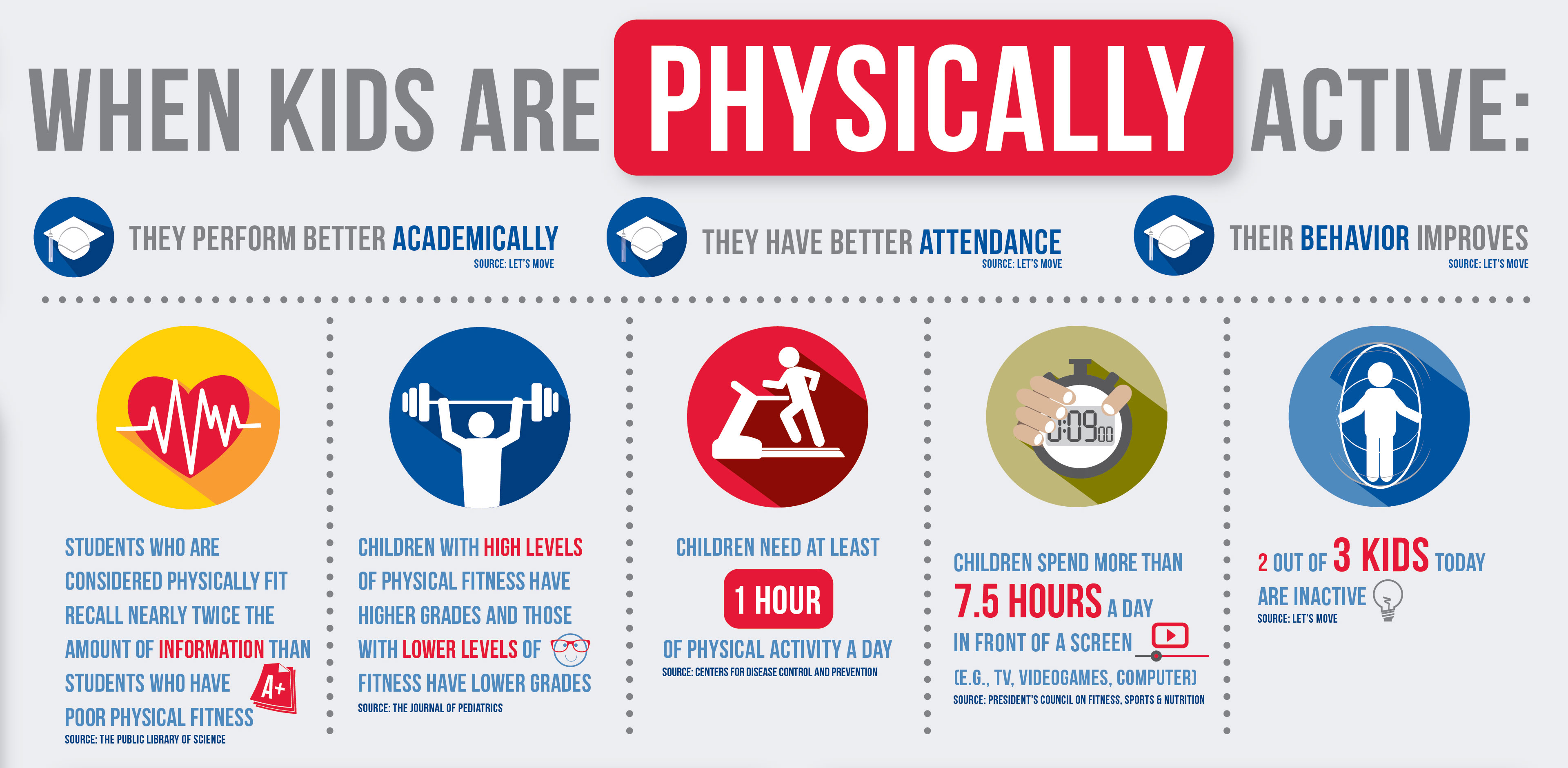
This is the very reason why I have shared my concerns regarding the amount of screen time that kids today have, on average 7.5 hours a day getting their dopamine fixes vs. the same rushes of adrenalin being active playing with their friends in the spirit of competition, regardless if organized or free play activities.

One of the things I started enforcing my teams well before it became common practice thanks to awareness campaigns by the Respect Group and others was a ban for all electronics in the dressing rooms, playing fields or team activities.

The first few times I have done so with team’s kids have looked at me like “are you freaking kidding me” This smartphone, iPod or tablet is my fifth appendage and I am not parting with it.

The reason I did so was two-fold;

  1. As smartphones, even iPods, evolved and added video and camera capability that could be easily uploaded to social media platforms, I did not want any players to be victims of harassment. See below for one of the extreme examples of how a coaches rant was shared on social media that lead to his immediate dismissal


  1. Although every player would argue they brought so could listen to music pre-game, practice, more often than not I saw they snap-chatting, texting, posting to Instagram or other social media platforms to the infamous dopamine fix (AKA Simon Sinek infamous rant on the Millenials)


As a compromise, when Bluetooth started evolving we would assign a coach with a blue tooth enabled device to put together the team’s playlist (one rule no swearing) and they would position the speaker in the dressing room so were within 33 feet for music to play.  Players of the game also would be given choice of the song before we headed out of the dressing room following game also.

I know many will feel that I am old school as a result, but I don’t even take my phone into the dressing room, field of play (or whatever playing surface), I leave it in my car.  One of my biggest pet peeves is when I have seen coaches answer calls, text or email on their smartphones during games.

Why?

Because, I, like the very same players I coach, aspire for practices and games to be electronics free to bring that same love of the game back like all those players in the World Cup showed or any other high level competition like the Olympics.  To experience the game the way it is meant to be, without the distractions of electronics.  When coaches are texting, answering calls in my eyes it is disrespectful to the game and the players they are coaching, no different than I am speaking at an event and people do the same.

This is why I can say with confidence that the needle is shifting, parents are recognizing they we did in part let the prior Gen Z (Millenials) down in part and more and more parents I talk to are enforcing electronics rules like;

No electronics at the dinner table (this has been a firm rule in our household since the digital era started)

For every hour of screen time, you must have 60 minutes of non-screen time and a minimum of 60 minutes of physical activity/day.  Incremental activity may include playing a musical instrument, reading, art, drama, preparing for a speech, meditation, hanging out with a friend or friends and the only electronics devices are music while you talk face to face.

Or better yet – play board games … yes, board games.

My wife went to friends on the weekend and they sat outside on her friend’s deck playing a version of reverse gin rummy for 2 hours and shared how much fun it was, how many of you remember playing board games?  One of my favorites is RISK, nothing better than a multi-day Risk marathon to rule the world (no I am not competitive at all).

As the cliché goes going back to the Ancient Olympics, Mens sana in corpore sano

Translation: A healthy mind in a healthy body

In the most recent Participaction report for 2018, yet again we received failing or near-failing grades for physical activity standards being met by Canadian Kids under the age of 18, only 35% of kids between the ages of 5-17 are getting 60 minutes a day.                Grade  D

Other areas that we received D’s;  Active Play, Leisure, Active Transportation, Sedentary behaviors.  One of the biggest challenges we face today thanks to “the white van” is kids not getting their 2000 steps to and from school.

Where we have seen improvements (albeit slight) is an increase in organized sport participation and increase in physical education active minutes per week.

This means the needle is moving, but must continue to move in the right direction so the health issues that have come to light since the onset of the digital era are reversed.

Another interesting spin to this year’s Participaction Report has they highlighted the correlation between physical activity and the positive impact it will have on brain health.

This after over 40 years of promoting the benefits of physical activity for all the physical health benefits (agility, strength, cardio, physiological) but now has highlighted research how being active leads to brain health.

This coincides with the growing body of research that links physical activity with academic achievements as well as improved behavior, reduced truancy.

Being physically active improves blood flow, O2 capacity, agility, cardio that leads to faster decision making, short and long term memory, improved attention span and a myriad of other benefits for the brain so kids that are active will perform better in school and will also attend school vs. their less active counterparts.

The other HUGE benefit?  Being active improves your mental health, improves your concentration, enhances your creativity and also studies show will reduce your cognitive decline.

Although it has taken centuries to come up with the scientific data to support the Ancient Olympic Motto, the proof is in the pudding, being active leads to Mens sana in corpore sana.

Everything in life is good in moderation, but please implement rules on your teams and at home to limit kids screen time so they can develop both a healthy mind and body.

Let’s all work together to bring the game back to the kids … where it belongs.
Don`t be a kids last coach


What is a great coach?

What is a Great Coach?

Posted Leave a commentPosted in Athlete, Coach, Organization Executive, Parents, Uncategorized

This past weekend I was in Boulder, Colorado for the 3rd annual Way of Champions Transformational Coaching conference hosted by my good friend John O’Sullivan and my other Changing the Game Project colleagues, Dr. Jerry Lynch, James Leath and Reed Maltbie.

Just as it was two years ago during the inaugural conference (I was unable to attend last year), I came away with so many great takeaways and contacts with some amazing people that were aspiring to move the needle to bring the game back to the kids in youth sports.  Not sure what I am more in awe about, the information we shared or the people that I met over the course of the three days.

One of which was the founder of the Positive Coaching Alliance, Jim Thompson, others were TEAM USA or US Olympic committee members in swimming, lacrosse, AD’s (Athletic Directors) for schools ranging from 123 kids in Buffalo, Wyoming (where 90% of the kids play 3 sports a YEAR) to private school in Honolulu, Hawaii with over 4000 kids, Div I/II colleges and universities or coaches from youth all the way to Div I NCAA and everything in between.

I also connected with a Rugby Coach of Coaches in the UK, Coach developer for Football (AKA soccer) in Australia, National Cricket Coach in New Zealand and even a Coordinator of a conference in Bankok who is the AD for a private school in Moscow and female coach of a Men’s Div I NCAA Water Polo Team.

In all my interactions and I shared what we do in Canada, every single person said “you are doing great work, keep it up”

Reason?

Because as I found out from many of my interactions with those in the USA and many of the other countries I learned that the levels of coaching certification are few and far between.

One of the AD’s I talked to from a university in San Diego shared that there is NO mandatory coaching certification or ongoing professional development for University coaches.

I shook my head in disbelief, as I did when I interacted with all others that only had limited or no coaching certification programs for their respective sports in their respective countries.

Being that I have been a Hockey Canada NCCP Facilitator since 2009 and have now certified thousands of coaches in both the recreational and competitive streams I know that Canada is setting the bar for many other countries due to the great work by the Coaches Association of Canada (CAC) who have developed coaching certification programs for 65 national sports in Canada which includes both traditional team sports but evolving sports like mountain biking, rock climbing, ski cross and others.

In order for all coaches of sanctioned programs by the CAC* to maintain their certification, they must augment their original certification with other professional development by attending conferences, doing online courses, reading books and so forth.

* Many Canadian Private, Academy programs who are charging 10’s of thousands of dollars to parents ironically are not sanctioned by NSO’s so their coaches can “coach” with NO CERTIFICATION whatsoever even though they make “claims” that they will get your child Full Ride scholarships or playing professionally when less than 1% of kids reach that level.


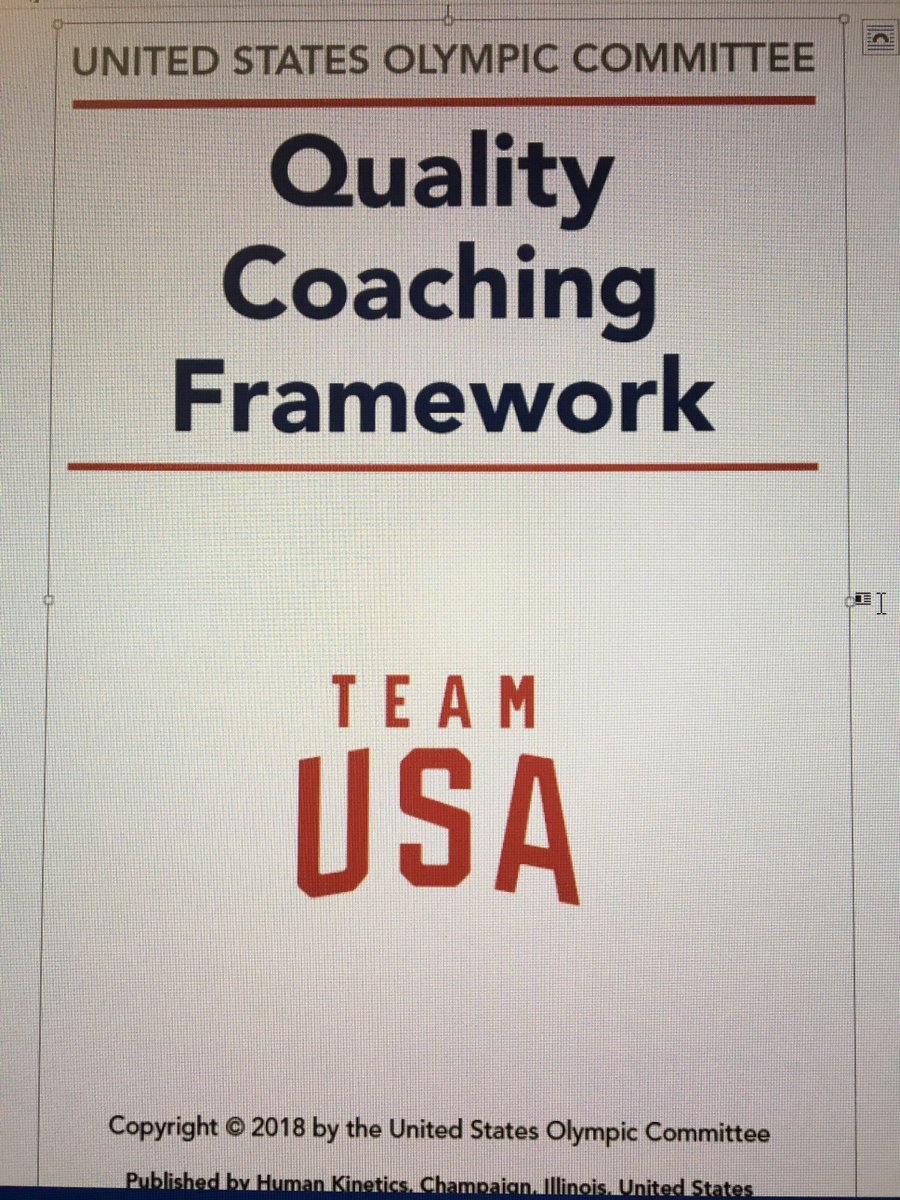
That is why I was so excited to have dialogue with a few committee members of TEAM USA that shared insight on the USOC Quality Coaching Framework that several of the NGB’s are looking at incorporating to establish national coaching standards for their respective sports.

The framework was developed by USOC coaching education director Chris Snyder and Dr. Wade Gilbert, author of Coaching Better Every Season AKA “The Coaches Doc”.

There are 6 segments to the framework;

Chapter One: Quality Coaching
Chapter Two: Essential Coaching Knowledge
Chapter Three: Athlete-Centered Outcomes
Chapter Four: Contextual Fit
Chapter Five: Evaluation and Recognition
Chapter Six: Coach Well-being

As the conference was wrapping up Sunday afternoon, one of the sponsors, Bill Kerig, founder of Great Coach Inc. reached out to many of us as we were leaving to get insight for his research and development his new ap similar to Linked in but specifically for sports coaches. He aspires for coaches to receive the credibility and professional respect they deserve, regardless if a volunteer at the grass roots level or those coaching national programs or everything in between.

He asked us all to share in one minute sound byte and answer …..

What is a great coach?

Talk about being put on the spot, end of the conference and anxious to head home with many great nuggets, having coached now for over 20 years and have been writing about, speaking, teaching other coaches for the last decade there is so much I could have shared.

Honestly, I am not sure what I was able to get in 1 minute, but thought about it on the flight home and lineup for Canada Customs, get my bag, park and ride shuttle to get my car how I would have answered if was given a “wee bit more time” to do so.

A Great Coach ….

… Is one that knows that …

… Cares about their athletes more they do about themselves, they are humble, honest, fair, great communicators, motivators and leaders by providing a safe environment for their athletes, safe to fail and make mistakes, but also safe from all forms of harassment.

… Is demanding, not demeaning, to push their players to become not only the best athletes, but the best people they can be.

… Is truly grateful for the opportunity to coach and thanks their players for the opportunity to Coach them on a consistent basis.

… Teaches their athletes the skills of the game (the competence), and cares enough to teach them confidence so they aspire to come back every season to improve and teach character life lessons like respect, sportsmanship, humility, integrity, honesty, selflessness, work ethic, leadership, communication, punctuality, commitment and NEVER giving up.

… Demonstrates they not only care, but love their athletes and the game so they love the game more at the end of the season than they did at the beginning.

… Is a positive role model and not only talk the talk, but walk the walk

… Gets invited to weddings, lunch, dinners, baptisms of their players kids or other milestones of their alumni athletes years after the athlete hung up their skates, cleats.

… Is one that current or former players reach out to in times of hardship after they lost a family member closest to them, get into trouble with the law or just need a shoulder to lean on.

… Responds to texts, emails, phone calls, or even a knock on the door at all hours of the day in or off seasons.

… Gives credit to the players for a win and takes responsibility for the loss when they lose

… Is a new school positive facilitator (AKA empowerment) vs. being an old-school negative dictator (AKA my way or the highway).

… May be a parent coach that recognize they not only are coaching their son or daughter (their original reason for getting into coaching) but have adopted 10-20-30 others depending on the sport they coach and when in the car or at home wear their parent hat, when at the field/rink or other team activities wear their coach hat.

.. Knows the reason why we all play is it is fun and will quit when it no longer is

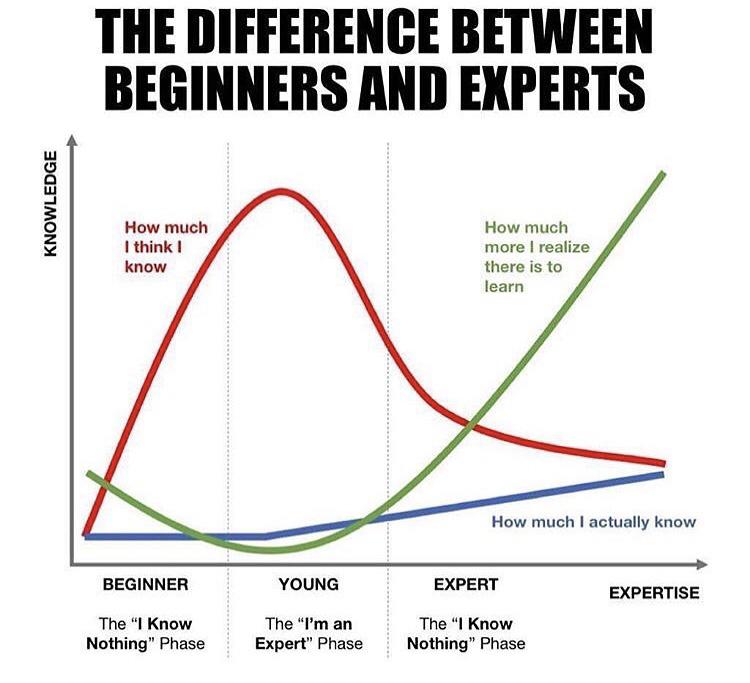
… Knows the difference between beginners and experts

They know how much more there is to learn.

As each of shared over the course of the weekend how little we knew and that to become the best coach we could be it required lifelong learning much like Clare Drake, John Wooden who were taking pages of notes at conferences well after they retired as they may learn something.

Even the one that knew the most, Dr. Jerry Lynch, who has over 50 years’ experience that includes 38 NCAA Div I National Championship Rings, author of 13 books and has worked with Steve Kerr and Golden Sport Warriors the last 4 years where they have gone to the NBA finals and one 3 of the 4 NBA Championship titles.

He was introduced on Friday night by Reed and he shared Jerry’s story from 2 years ago when he was reviewing his background on the first night that even after 50 years he was only ½ way there in terms of his quest for knowledge to share with fellow coaches.

1/2 WAY after 50 years … REALLY?

Jerry further shared with all of us in the inaugural WOC conference 2 years ago that he did not have a job.

He stated while seated on his infamous stool (that I want to recommend to John to get him one that swivels 360 degrees so he can see all the eyes of those seated around him in the circle) while we sat on the hardwood gym floor that when you had a job all you were doing was making a living.

In lieu, he shared that as coaches, we have a calling to make a difference.

Making a difference by developing youth into adults.

That is the business we are all in as coaches, AD’s, Directors, Board Members, Exec members all others adults involved with youth sports.

Coaches please ensure that the legacy that you leave behind is a positive one and Don’t Be A Kid’s Last Coach.

Let’s All work together to bring the game back to the kids … where it belongs.