

A Healthy Mind in a Healthy Body

I would be remiss in not starting today’s post with “Vive le France” for the great run to win this year’s World Cup with a combined score against Croatia for most goals in a World Cup Final (4-2) since 1966.
The final game was filled with what one would expect in the final game which included France’s young 19 year teen phenom Kylian Mbappe scoring, the first time that a teen did so since Pele in 1958.
The buzz amongst all the people I talked to over the weeks leading to the final, have you seen the young player on France ?? He runs faster dribbling the ball then most players do without?
Being that Pele was arguably the greatest footballer EVER (who can ever forget goals he scored flipping upside down backwards) Kylian is the up and coming global superstar and suspect France will be a top seed 4 years from now in the next world Cup as a result.
One thing that both Pele and Kylian and all the other amazing players in this and every World Cup is they LOVE to play the game, the spirit of the competition, no different than every 2 years when we witness in the awe the world’s greatest athletes in the Olympic Games (vs. previously when summer and winter games were hosted in the same year).
It reminded me of the Ancient Olympic Motto “ Mens sana in copore sana” = A healthy mind in a healthy body as the world’s best footballers or athletes would not have reached that level if their minds were in harmony with their bodies and vice versa.
This is the very reason why I have shared my concerns regarding the amount of screen time that kids today have, on average 7.5 hours a day getting their dopamine fixes vs. the same rushes of adrenalin being active playing with their friends in the spirit of competition, regardless if organized or free play activities.
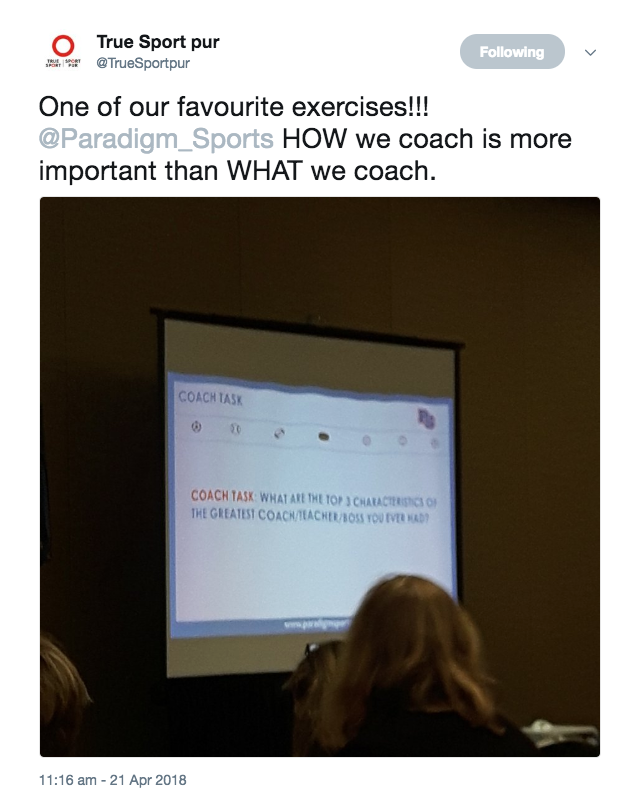
One of the things I started enforcing my teams well before it became common practice thanks to awareness campaigns by the Respect Group and others was a ban for all electronics in the dressing rooms, playing fields or team activities.
The first few times I have done so with team’s kids have looked at me like “are you freaking kidding me” This smartphone, iPod or tablet is my fifth appendage and I am not parting with it.
The reason I did so was two-fold;
- As smartphones, even iPods, evolved and added video and camera capability that could be easily uploaded to social media platforms, I did not want any players to be victims of harassment. See below for one of the extreme examples of how a coaches rant was shared on social media that lead to his immediate dismissal
- Although every player would argue they brought so could listen to music pre-game, practice, more often than not I saw they snap-chatting, texting, posting to Instagram or other social media platforms to the infamous dopamine fix (AKA Simon Sinek infamous rant on the Millenials)
 As a compromise, when Bluetooth started evolving we would assign a coach with a blue tooth enabled device to put together the team’s playlist (one rule no swearing) and they would position the speaker in the dressing room so were within 33 feet for music to play. Players of the game also would be given choice of the song before we headed out of the dressing room following game also.
I know many will feel that I am old school as a result, but I don’t even take my phone into the dressing room, field of play (or whatever playing surface), I leave it in my car. One of my biggest pet peeves is when I have seen coaches answer calls, text or email on their smartphones during games.
Why?
Because, I, like the very same players I coach, aspire for practices and games to be electronics free to bring that same love of the game back like all those players in the World Cup showed or any other high level competition like the Olympics. To experience the game the way it is meant to be, without the distractions of electronics. When coaches are texting, answering calls in my eyes it is disrespectful to the game and the players they are coaching, no different than I am speaking at an event and people do the same.
This is why I can say with confidence that the needle is shifting, parents are recognizing they we did in part let the prior Gen Z (Millenials) down in part and more and more parents I talk to are enforcing electronics rules like;
No electronics at the dinner table (this has been a firm rule in our household since the digital era started)
For every hour of screen time, you must have 60 minutes of non-screen time and a minimum of 60 minutes of physical activity/day. Incremental activity may include playing a musical instrument, reading, art, drama, preparing for a speech, meditation, hanging out with a friend or friends and the only electronics devices are music while you talk face to face.
Or better yet – play board games … yes, board games.
My wife went to friends on the weekend and they sat outside on her friend’s deck playing a version of reverse gin rummy for 2 hours and shared how much fun it was, how many of you remember playing board games? One of my favorites is RISK, nothing better than a multi-day Risk marathon to rule the world (no I am not competitive at all).
As the cliché goes going back to the Ancient Olympics, Mens sana in corpore sano
Translation: A healthy mind in a healthy body
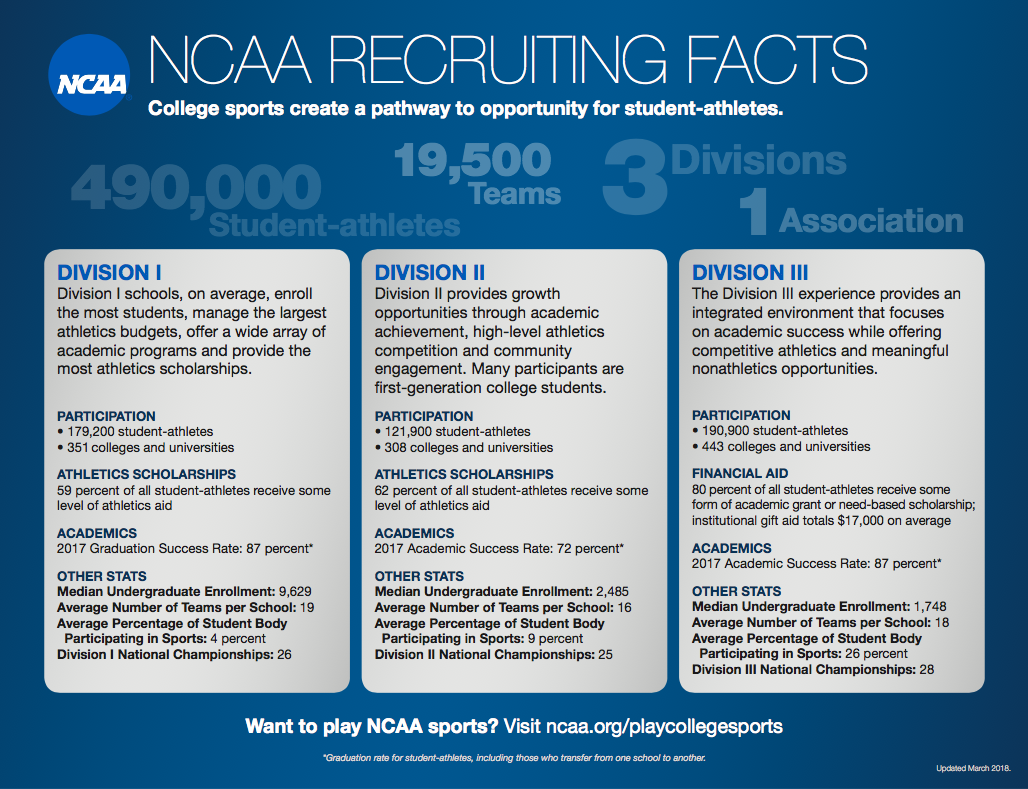
In the most recent Participaction report for 2018, yet again we received failing or near-failing grades for physical activity standards being met by Canadian Kids under the age of 18, only 35% of kids between the ages of 5-17 are getting 60 minutes a day. Grade D
Other areas that we received D’s; Active Play, Leisure, Active Transportation, Sedentary behaviors. One of the biggest challenges we face today thanks to “the white van” is kids not getting their 2000 steps to and from school.
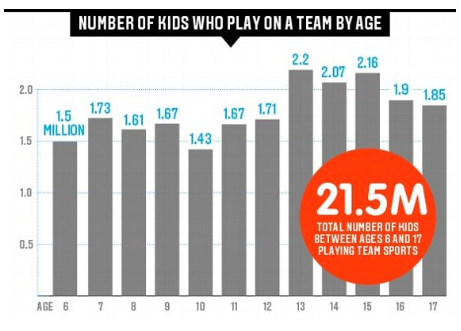
Where we have seen improvements (albeit slight) is an increase in organized sport participation and increase in physical education active minutes per week.
This means the needle is moving, but must continue to move in the right direction so the health issues that have come to light since the onset of the digital era are reversed.
Another interesting spin to this year’s Participaction Report has they highlighted the correlation between physical activity and the positive impact it will have on brain health.
This after over 40 years of promoting the benefits of physical activity for all the physical health benefits (agility, strength, cardio, physiological) but now has highlighted research how being active leads to brain health.
This coincides with the growing body of research that links physical activity with academic achievements as well as improved behavior, reduced truancy.
Being physically active improves blood flow, O2 capacity, agility, cardio that leads to faster decision making, short and long term memory, improved attention span and a myriad of other benefits for the brain so kids that are active will perform better in school and will also attend school vs. their less active counterparts.
The other HUGE benefit? Being active improves your mental health, improves your concentration, enhances your creativity and also studies show will reduce your cognitive decline.
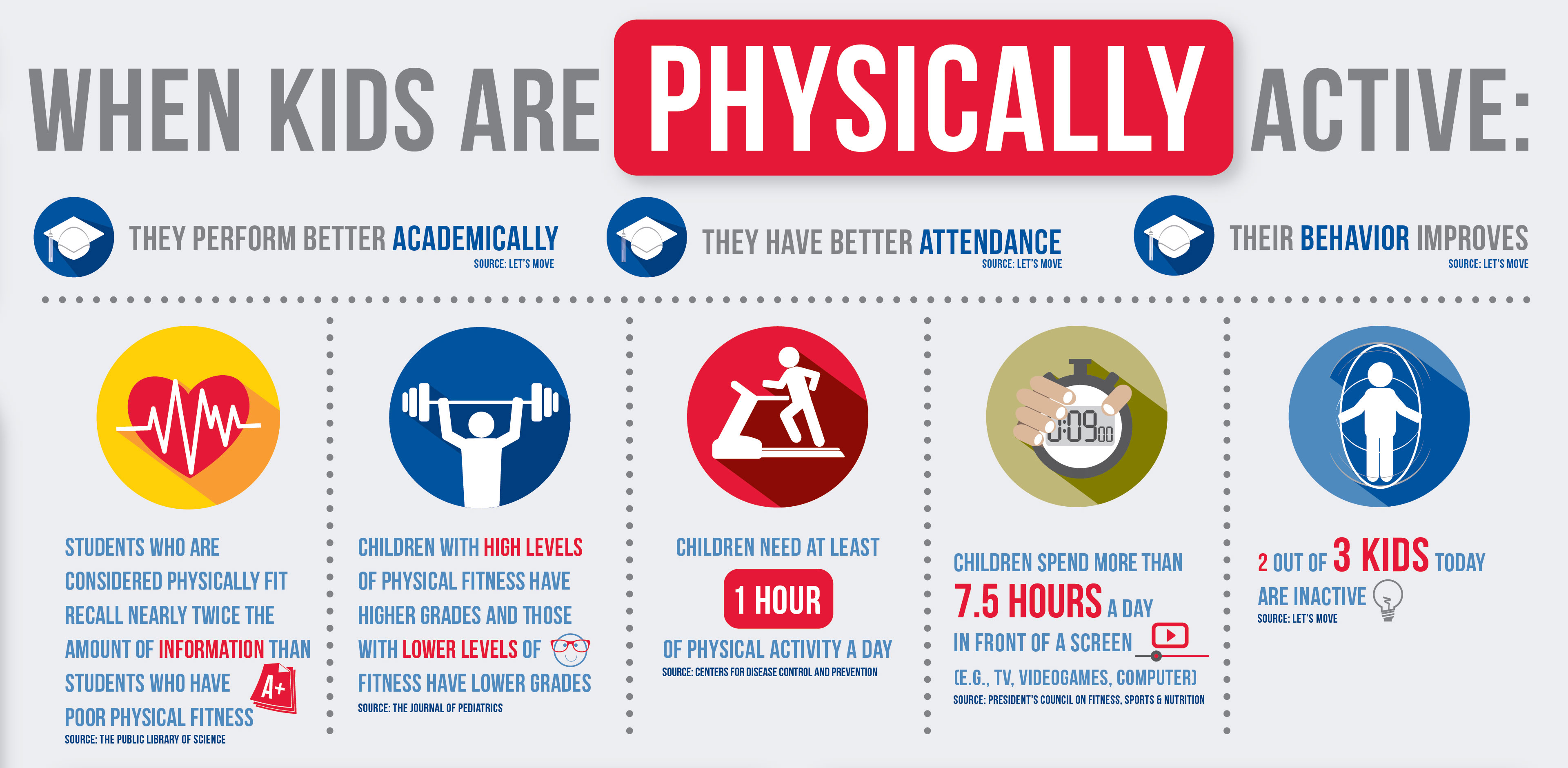
Although it has taken centuries to come up with the scientific data to support the Ancient Olympic Motto, the proof is in the pudding, being active leads to Mens sana in corpore sana.
Everything in life is good in moderation, but please implement rules on your teams and at home to limit kids screen time so they can develop both a healthy mind and body.
Let’s all work together to bring the game back to the kids … where it belongs.