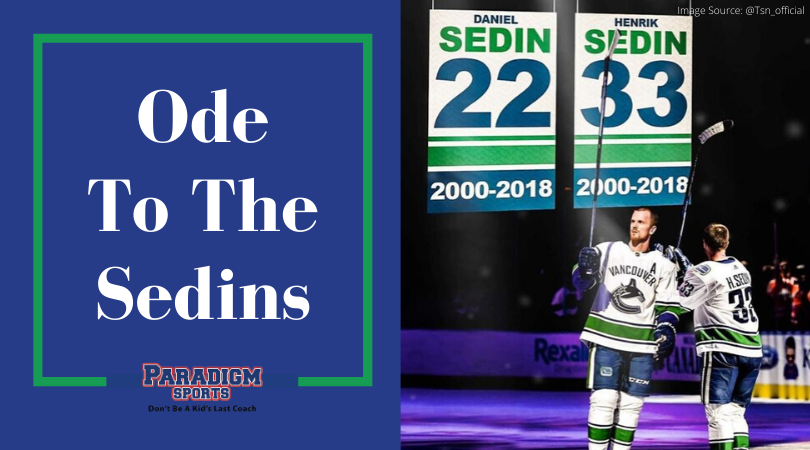
Ode to the Sedins

Posted Posted in Athlete, Coach, Early Sport Specialization, Organization Executive, Parents

I would like to give Kudo’s to the Vancouver Canucks Organization for the amazing events they hosted this past week to celebrate the amazing careers that Henrik (Hank) and Daniel (Danny) Sedin had playing for the Canucks for their entire careers (a true rarity in this day and age of free agency, salary caps).

I was fortunate, as were many other residents of Vancouver, to see two boys drafted by Brian Burke #2 and #3 in the 1999 draft (coincidentally the birth year of my son) and watch them grow into men over the course of 18 amazing years.

#1 Their work ethic was off the charts and not just amazing hockey players, but ATHLETES. 

Even though they may not have been the greatest skaters early or later in their careers, they worked on becoming better every practice and off seasons for their entire career.  This not only included working on skating but all other core hockey skills AND balance, agility, strength, aerobic capacity.

This could be part of the reason why; check out this short video highlighting the differences of the Swedish Hockey Development Model vs. other nations and they now have the highest per capita number of players in the NHL as a result.

#2 They were extremely humble during their careers and still are

For them it was all about the team, including when their contracts came up for renewal, they accepted contracts lower than market value so they could help the team succeed which included the amazing run to the Stanley Cup in 2011 (the Canucks third since entered the league but still looking to win their last game).

#3 Founding the Sedin Family Foundation

Founded by both Hank and Danny and their wives to celebrate people, recognize achievements and address the needs of family and children and all the philanthropic fundraising to do so.

 

#4 They are the second-highest brother scoring duo in the NHL of ALL TIME
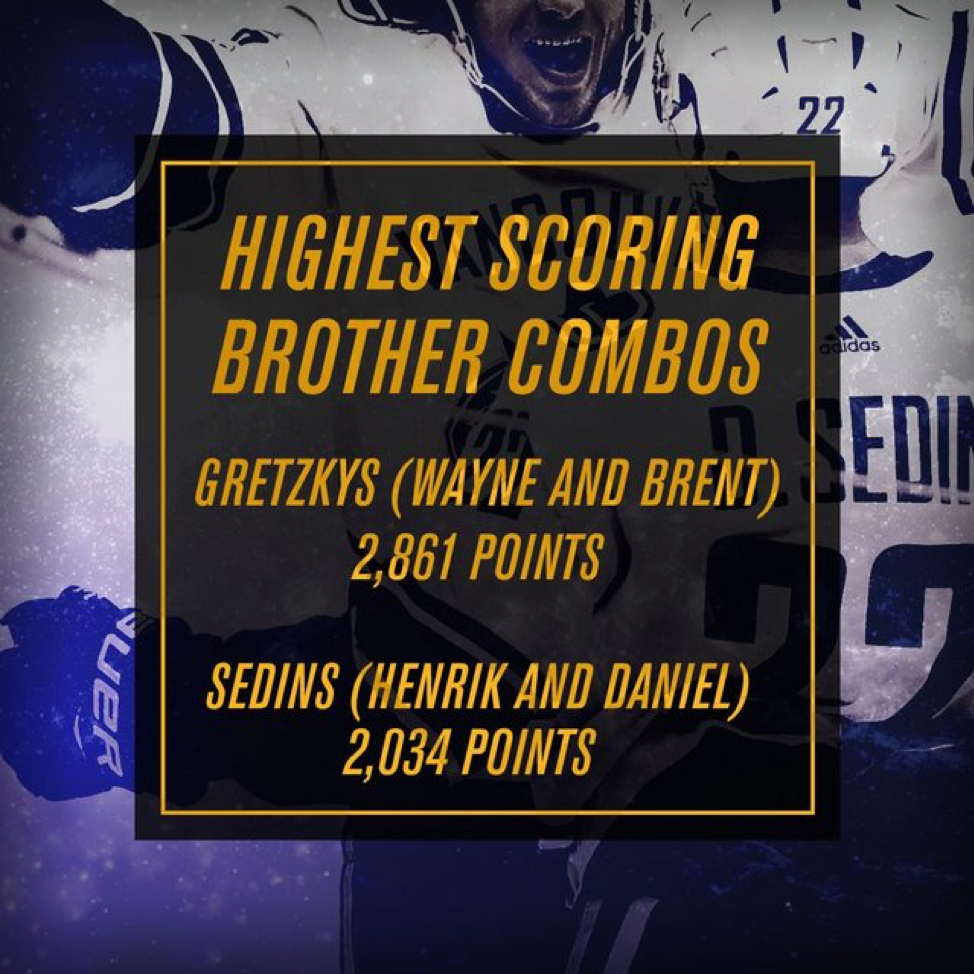
** Based on the fact that the Canucks has one of the Hughes Brothers, Quinn, and his brother Jack (Devils) now in the league both drafted in the first round, perhaps they will be the next duo to chase the Sedins record?

#5 – For all those naysayers that thought they were too soft;

Hank held the ironman streak for consecutive games 679 games! Over 10 Years including several playoff deep playoff runs including 2011 Stanley Cup run.

It ended only because of a vicious cross-check in the back of the ribs although he tried to play in two subsequent games and assistant coach Mike Sullivan shared when could not suit up the following game ending his ironman streak;

“The fact he’s been able to play that many games consecutively is just a testament to his determination and how tough he is,” Sullivan said. “Him and [twin brother] Daniel both play in the hard areas of the rink on a consistent basis because they have the puck so much.”

Danny also was durable as Hank but his longest time out of the lineup was recovering from concussion when he was knocked out (literally) by a vicious hit by Duncan Keith

I have called this type of hit the infamous chicken wing, where players raise their elbows up to a players head and knock them out, a type of hit that has now been deemed intent to injure and players have received multi-game suspensions as a result as the NHL continues to focus on protecting the players from what could be career-ending injuries

Ironically when the Canucks played the Black hawks who Keith has been with since the beginning of his career, every time he touched the puck he was booed for that hit in 2012… deservedly so.

#6 – How they evolved as leaders for the next generation of young prospects

Bo Horvat was named the team captain after one season of having alternate captains only in part to respect Hanks legacy as long time captain who took over the reins from fellow swede from same home town Markus Naslund who jersey number also has been retired and hangs high in Rogers arena adjacent to the Sedins and other Vancouver great players, Trevor Linden, Pavel Bure and Stan Smyl.

When Bo was chosen as captain, Hank handed him his jersey in a public ceremony pre-game but this was after the players had been told by Hank who the next captain was going to be in the team dressing room a few days prior to the game.

# 7 – How good they are as people

In addition to their foundation, all of the community work they did and still continue to do including supporting Canuck Place Hospice I must confess I teared up as I sadly had to move my mother from hospital to hospice as she was losing her fight to cancer.  It’s one thing for a son or daughter to lose their parent, its another thing altogether for a parent to lose their son or daughter to Cancer.

As I shared several years back, in 2013 I lost both my best friend AND my mother.

When I was at my best friend’s house for days after he passed and helped the family plan his service, all we kept saying is NO parent should bury their child.

I remember how much his parents cried that week and probably still do although they are too proud to admit it.

The work that Hank and Danny as well as all other members of the Canucks organization to support Canuck Place to help families was (and still) is amazing


# 8 – They were top in fitness testing on the team their entire career (although Kevin Bieksa’s roast claimed Hank would come to training camp every year overweight)

As a result of their work ethic, in all the fitness tests the team did every year, both Hank and Danny were #1 and 2 (with a competitive fire to be #1) which set the bar for all of their teammates to follow.


#9 – They were grateful

After their jerseys were retired, they took out a full-page ad in the Vancouver Sun and Province to thank the fans for their support over their 18-year career in Vancouver

 

In all the years that I have followed various professional sports in the Vancouver area, I think the only other professional athlete that took out a full-page ad was one of their teammates, Roberto Luongo after he was traded back to the Florida Panthers after 10 amazing seasons for the Canucks.

I only hope that the Canucks organization show the same class they showed this season in tributes to the Sedins (retiring their jerseys) and Alex Burrows (Ring of Honour) and do the same for Roberto, the way they handled the goalie controversy with emerging Corey Sneider to become the starting goaltender over Roberto only to trade him for Bo Horvat left everyone’s head spinning, including Roberto who was then back to the starter and eventually traded to Florida to make room for current starter Jacob Markstrom to take the reins.

Roberto deserved better, like the Sedins, was one of Vancouver’s top players for a decade and also a great person.

#10 – The fact they continue to call Vancouver their home

Although some professional athletes return back to their birth cities, countries, they continue to reside in Vancouver and are raising their kids and still supporting current players, coaches, and other Canucks Organization members when asked.

I will never forget watching them play live or on TV over the years and just shaking my head in awe of their raw skill and their compete level.

Their short 3-5 foot passes while cycling, behind the back passes, innovators of the slap pass now common in the league or what wowed me the most were the full cross-ice saucer passes on their forehand as well as backhand literally dropping on their brother’s sticks was amazing to see.

Off-Ice, aside from all the great community work they did, I thought this (and still is) one of the funnier things they did, when they appeared in an NHL commercial to help promote the league after the lock-out season to regain their fan base.

Over and over again this past week former teammates, coaches, general managers, and sports journalists shared the top character traits of the Sedins were (and still are):

Goodness – Decency – Selfishness – Humility – Work Ethic – Leadership 

As coaches, please ensure that you focus on reinforcing these character traits with all of your players in lieu of just focusing on the outcome of a game as has become commonplace today with the focus of winning at all costs.

Our calling as coaches is not to make a living.

Our calling is to make a difference by developing youth into adults.

Kudos to the Sedins for their amazing career, becoming not only great players, but great adults before our eyes for 18 amazing seasons.

Kudos also to their original grassroots coaches that helped develop them into the adults they became to set the bar for so many kids as role models.
 

PS Tagline - Dont be a kids last coach


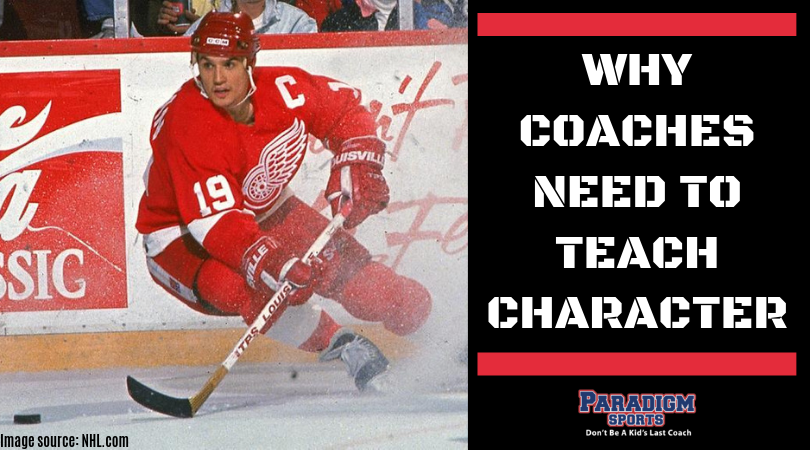
Why Coaches need to teach character

Posted Posted in Athlete, Coach, Organization Executive, Parents

For all the years that I have coached various sports, one of the most stressful times of the year for coaches, parents and players are the tryouts for competitive teams or even skills evaluations of recreational (formerly known as house) teams.

As the upcoming hockey tryout season for rep teams is fast approaching and all associations will be hosting their respective tryouts here are some tips for coaches to look for (and parents to share with their aspiring rep player son or daughter)

Rep player evaluations consist of three areas

#1 Core Skills

This is when evaluators will look at players go thru various ice sessions to evaluate players core hockey skills, skating, passing, shooting, balance, agility, and contact (body checking if applicable bantam age groups and up). Players are scored either out of 5 or 10 then after each skate evaluators (hopefully organizations have independent or ones not involved with the age group for impartiality) to compare notes and then players are ranked.

Many organizations have policies that the top X forwards (5-6) and 2-3 defencemen will receive spots on the rep teams and then the coaches have the discretion to fill the remaining spots on the team based on the holes they are looking to fill.

#2 Game Play

Players will be randomly put on to teams to be evaluated in terms of their performance during gameplay, this is where coaches not only reaffirm their skills but how they play positionally, what they do without the puck (as most of the game they will not have the puck on the stick), whether they backcheck, play on the defensive side of the puck, demonstrate sportsmanship, are unselfish and so forth.

#3 Character

This is the hardest area for coaches to evaluate, this is what I call the “Fire in the Belly Section” and coincidentally in a recent survey, I did for a parent presentation the #1 expectation that parents have for their kid’s youth sports experience is they will develop character.

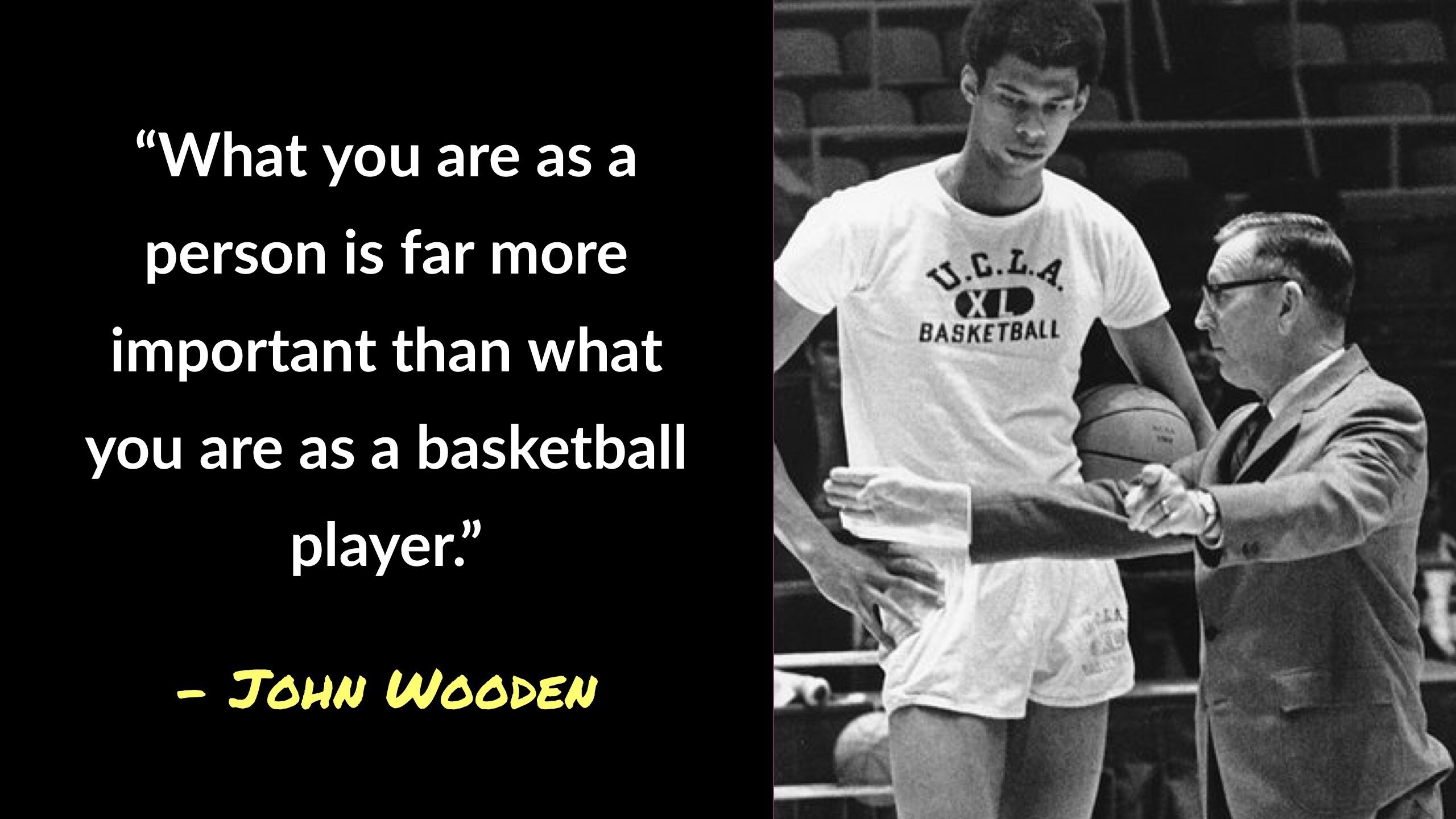
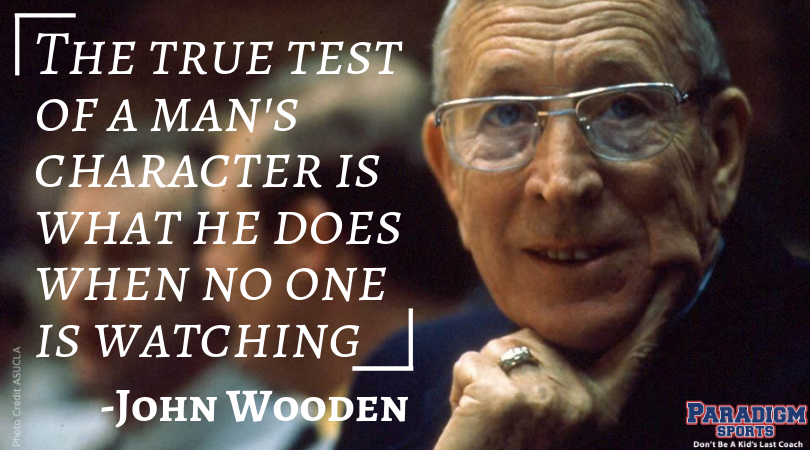
Prior to every tryout of any of the sports I have coached over the years, the only tip that shared with players is the importance that they may be evaluated at any time during a skill session or scrimmage/exhibition games and share one of many great woodenisms below;


Asides from watching body language which everyone in the arena can see, below are some of the key ones that I recommend coaches look for when evaluating players for rep hockey tryouts (same would hold true for any other sports), which is why I have argued for years that sports don’t build character, it’s the coaches in sports that do.

GRIT – The Passion and Perseverance for long-term and meaningful goals.

When it comes to tryouts, it can be a stressful experience for kids, but what can really affect their stress levels is how their parents support them to reach their realistic goals.

COURAGE – The first step of demonstrating courage is to commit to trying out in the first place, I have known many kids over the years that had the skills to play at the competitive level but lacked the confidence in their ability that they would be able to make rep teams in the first place.

The other part of demonstrating courage during the tryouts are things like how hard they battle along the boards for pucks, in front of the net for dirty goals, carrying the puck up the ice, going into the corners as a D man with a forechecker coming fast and so on.  If kids shy away from the puck but have the skills, chances are the more courageous players are going to be selected for the AAA team vs. not.

SELFLESSNESS – Are they a puck mover or a puck hog?

When I surveyed older players (after 13 years old) what they did not like about hockey, one of the top answers I received was when their teammates were selfish.  Hockey is a team sport, so when I have had selfish players on teams at the beginning of the season, I talk to them and say if they won’t pass the puck, then perhaps they should consider playing golf in lieu.

COMMITMENT – Do they show up early for every ice time, are they the last to leave the ice? Are they putting in extra time at home working on their shots, strength, cardio, balance and agility? Have they attended every ice session or have they missed any (the exception being family issues)

One of the things I remind all players, and now various co-op students that have worked with us over the years … if you’re not early you’re late.

LEADERSHIP – Do they talk to other players on the bench, do they communicate on the ice by calling defensive plays, calling for passes, letting players know to get their head up, lead warm-ups before games etc. ?

The ones that I look for are the players that bring their toolbox to every ice time, work hard, play thru adversity (other players chirping, slashing) never complain, are their early and leave the ice last, help the coaches clean up and just set an example of being a great teammate

SPORTSMANSHIP – Do they celebrate goals “they” score excessively or do they humbly circle with their teammates and thank them for making passes to set them up?  Do they have “pissy” fits when they don’t score or have the puck taken away from them, make mistakes that may lead to a goal being scored against their team and so on.

PATIENCE – When they have the puck on their stick, do they methodically up the ice with the puck, make passes at the right time (without telegraphing), wait for teammates to get open, make that first past as a D man to get the puck out of the zone OR do they panic when they get to the puck and throw it right up the strong side of the boards to be intercepted easily by the opposing team?

CREATIVITY – do they try things in the skills sessions as well as evaluation scrimmages as they have the confidence to do so OR do they not take risks as they are scared of making mistakes?

The latter is usually a sign that they lack confidence due to the fact that adults have instructed them not to do things.

Many of the above are the intangibles that we look for as coaches when selecting players for our teams but are probably the hardest things to teach kids which is why coaches have to recognize the importance of not only teaching the skills of the game but the skills of life.

The last tip I would provide for coaches, if it appears that players have the skills but lack various character traits outlined above, more often than not you would be better off opting for a player perhaps with a little less skill but with the character you are looking for who fits your desired culture.


The Reason why the ALL blacks have the winningest record in the last decade of any sports organization is one of their core values is to recruit players with character that will fit their culture (teamwork, hard work, commitment, resilient, selfless, communication) vs. those having more skills and lack character traits to fit in.

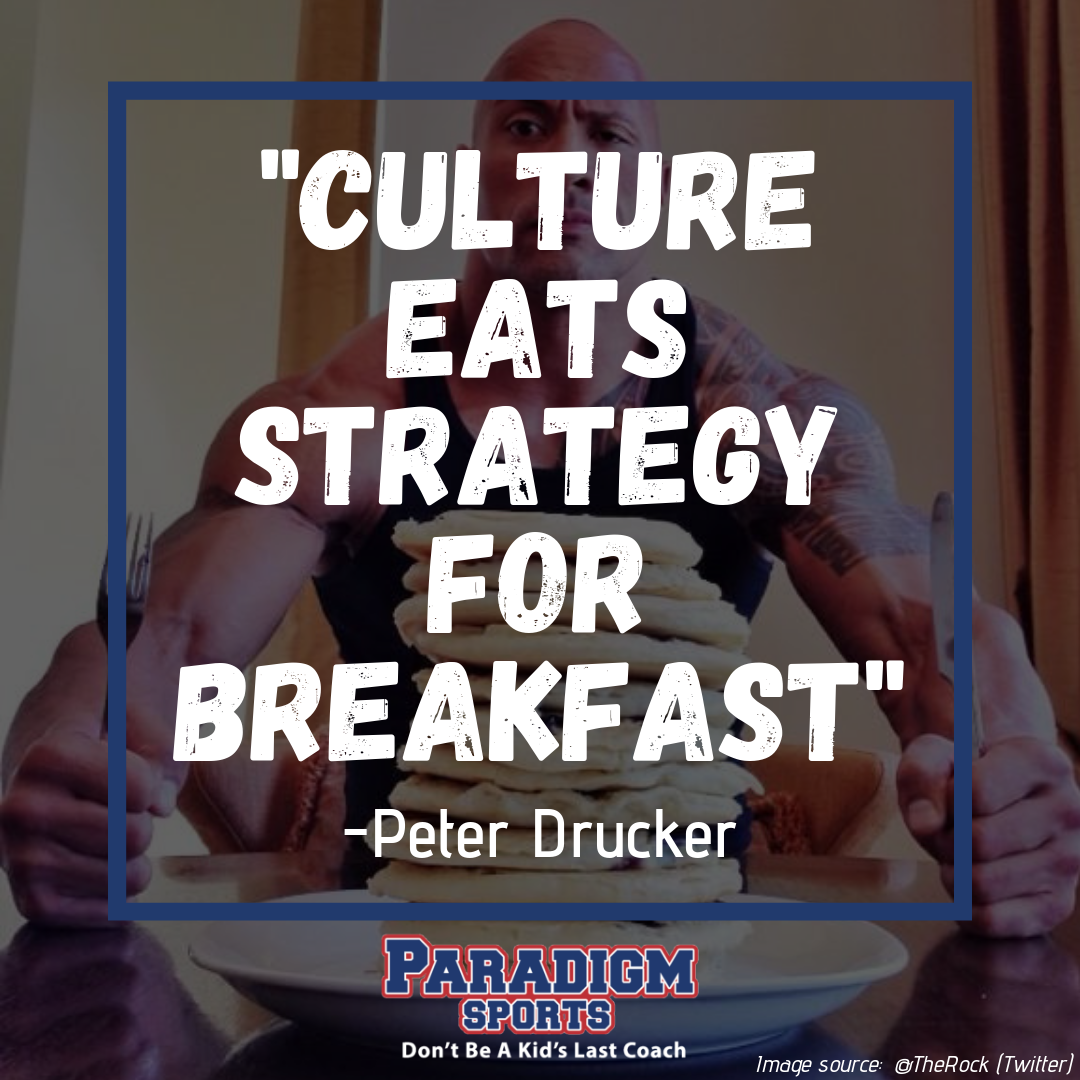
This will permit your team to go thru the storming stage much faster than if you had a few players that not buying into the desired culture you aspire for the team, as Peter Drucker made famous;


What is a great coach?

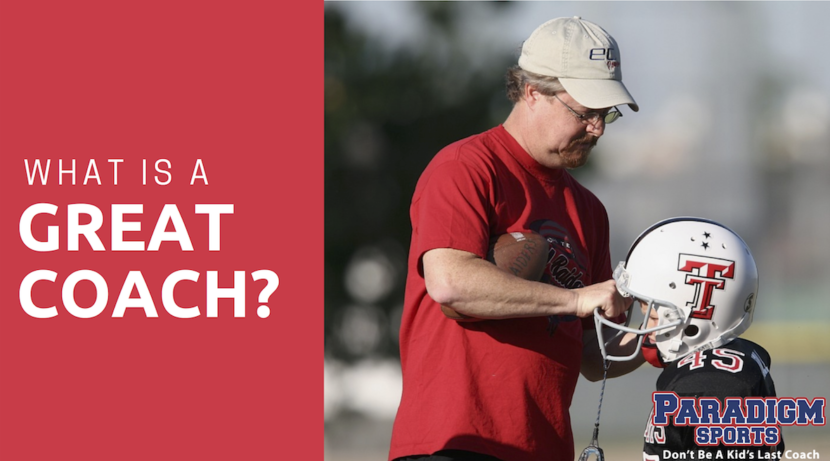
What is a Great Coach?

Posted Leave a commentPosted in Athlete, Coach, Organization Executive, Parents, Uncategorized

This past weekend I was in Boulder, Colorado for the 3rd annual Way of Champions Transformational Coaching conference hosted by my good friend John O’Sullivan and my other Changing the Game Project colleagues, Dr. Jerry Lynch, James Leath and Reed Maltbie.

Just as it was two years ago during the inaugural conference (I was unable to attend last year), I came away with so many great takeaways and contacts with some amazing people that were aspiring to move the needle to bring the game back to the kids in youth sports.  Not sure what I am more in awe about, the information we shared or the people that I met over the course of the three days.

One of which was the founder of the Positive Coaching Alliance, Jim Thompson, others were TEAM USA or US Olympic committee members in swimming, lacrosse, AD’s (Athletic Directors) for schools ranging from 123 kids in Buffalo, Wyoming (where 90% of the kids play 3 sports a YEAR) to private school in Honolulu, Hawaii with over 4000 kids, Div I/II colleges and universities or coaches from youth all the way to Div I NCAA and everything in between.

I also connected with a Rugby Coach of Coaches in the UK, Coach developer for Football (AKA soccer) in Australia, National Cricket Coach in New Zealand and even a Coordinator of a conference in Bankok who is the AD for a private school in Moscow and female coach of a Men’s Div I NCAA Water Polo Team.

In all my interactions and I shared what we do in Canada, every single person said “you are doing great work, keep it up”

Reason?

Because as I found out from many of my interactions with those in the USA and many of the other countries I learned that the levels of coaching certification are few and far between.

One of the AD’s I talked to from a university in San Diego shared that there is NO mandatory coaching certification or ongoing professional development for University coaches.

I shook my head in disbelief, as I did when I interacted with all others that only had limited or no coaching certification programs for their respective sports in their respective countries.

Being that I have been a Hockey Canada NCCP Facilitator since 2009 and have now certified thousands of coaches in both the recreational and competitive streams I know that Canada is setting the bar for many other countries due to the great work by the Coaches Association of Canada (CAC) who have developed coaching certification programs for 65 national sports in Canada which includes both traditional team sports but evolving sports like mountain biking, rock climbing, ski cross and others.

In order for all coaches of sanctioned programs by the CAC* to maintain their certification, they must augment their original certification with other professional development by attending conferences, doing online courses, reading books and so forth.

* Many Canadian Private, Academy programs who are charging 10’s of thousands of dollars to parents ironically are not sanctioned by NSO’s so their coaches can “coach” with NO CERTIFICATION whatsoever even though they make “claims” that they will get your child Full Ride scholarships or playing professionally when less than 1% of kids reach that level.


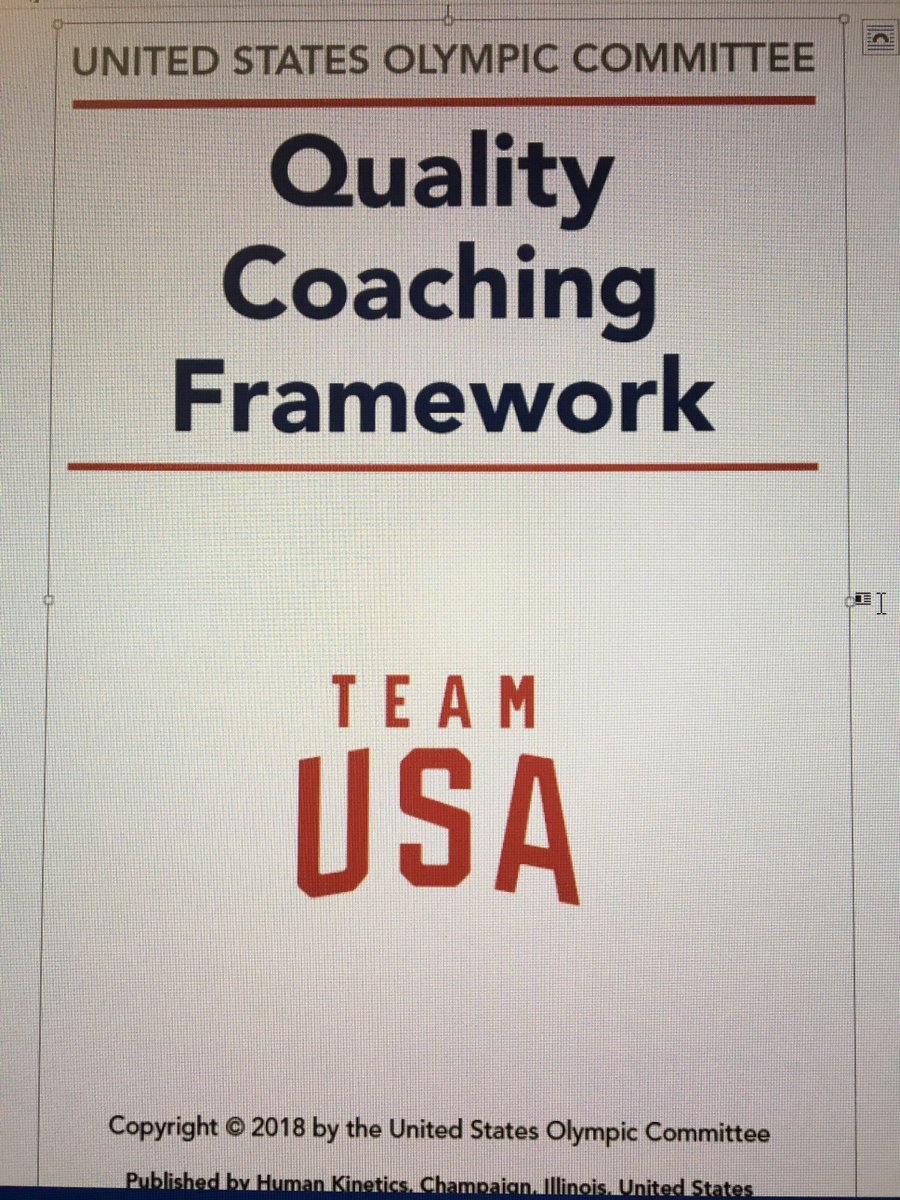
That is why I was so excited to have dialogue with a few committee members of TEAM USA that shared insight on the USOC Quality Coaching Framework that several of the NGB’s are looking at incorporating to establish national coaching standards for their respective sports.

The framework was developed by USOC coaching education director Chris Snyder and Dr. Wade Gilbert, author of Coaching Better Every Season AKA “The Coaches Doc”.

There are 6 segments to the framework;

Chapter One: Quality Coaching
Chapter Two: Essential Coaching Knowledge
Chapter Three: Athlete-Centered Outcomes
Chapter Four: Contextual Fit
Chapter Five: Evaluation and Recognition
Chapter Six: Coach Well-being

As the conference was wrapping up Sunday afternoon, one of the sponsors, Bill Kerig, founder of Great Coach Inc. reached out to many of us as we were leaving to get insight for his research and development his new ap similar to Linked in but specifically for sports coaches. He aspires for coaches to receive the credibility and professional respect they deserve, regardless if a volunteer at the grass roots level or those coaching national programs or everything in between.

He asked us all to share in one minute sound byte and answer …..

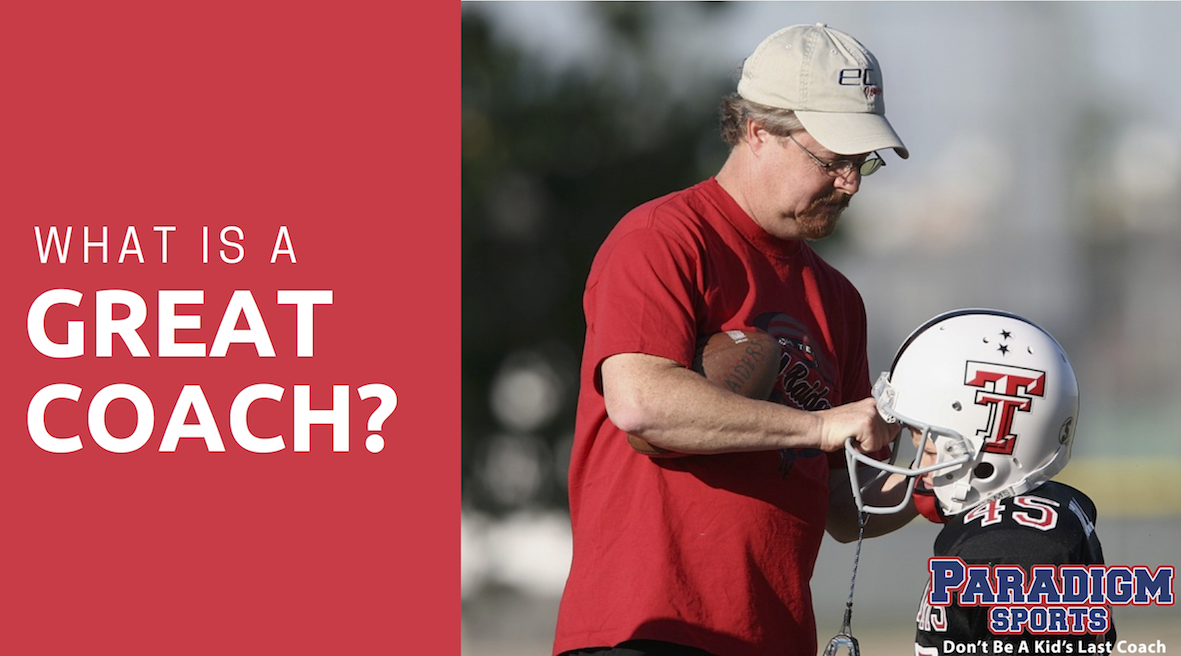
What is a great coach?

Talk about being put on the spot, end of the conference and anxious to head home with many great nuggets, having coached now for over 20 years and have been writing about, speaking, teaching other coaches for the last decade there is so much I could have shared.

Honestly, I am not sure what I was able to get in 1 minute, but thought about it on the flight home and lineup for Canada Customs, get my bag, park and ride shuttle to get my car how I would have answered if was given a “wee bit more time” to do so.

A Great Coach ….

… Is one that knows that …

… Cares about their athletes more they do about themselves, they are humble, honest, fair, great communicators, motivators and leaders by providing a safe environment for their athletes, safe to fail and make mistakes, but also safe from all forms of harassment.

… Is demanding, not demeaning, to push their players to become not only the best athletes, but the best people they can be.

… Is truly grateful for the opportunity to coach and thanks their players for the opportunity to Coach them on a consistent basis.

… Teaches their athletes the skills of the game (the competence), and cares enough to teach them confidence so they aspire to come back every season to improve and teach character life lessons like respect, sportsmanship, humility, integrity, honesty, selflessness, work ethic, leadership, communication, punctuality, commitment and NEVER giving up.

… Demonstrates they not only care, but love their athletes and the game so they love the game more at the end of the season than they did at the beginning.

… Is a positive role model and not only talk the talk, but walk the walk

… Gets invited to weddings, lunch, dinners, baptisms of their players kids or other milestones of their alumni athletes years after the athlete hung up their skates, cleats.

… Is one that current or former players reach out to in times of hardship after they lost a family member closest to them, get into trouble with the law or just need a shoulder to lean on.

… Responds to texts, emails, phone calls, or even a knock on the door at all hours of the day in or off seasons.

… Gives credit to the players for a win and takes responsibility for the loss when they lose

… Is a new school positive facilitator (AKA empowerment) vs. being an old-school negative dictator (AKA my way or the highway).

… May be a parent coach that recognize they not only are coaching their son or daughter (their original reason for getting into coaching) but have adopted 10-20-30 others depending on the sport they coach and when in the car or at home wear their parent hat, when at the field/rink or other team activities wear their coach hat.

.. Knows the reason why we all play is it is fun and will quit when it no longer is

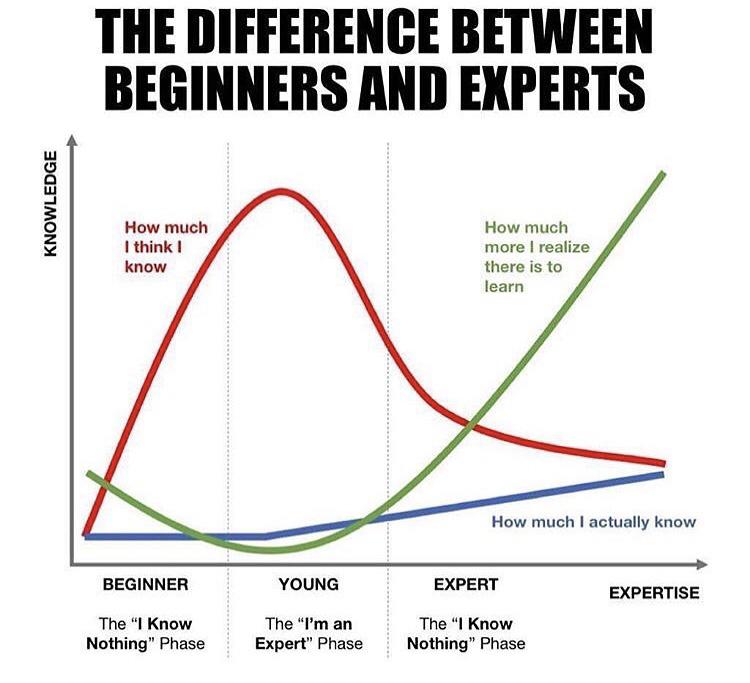
… Knows the difference between beginners and experts

They know how much more there is to learn.

As each of shared over the course of the weekend how little we knew and that to become the best coach we could be it required lifelong learning much like Clare Drake, John Wooden who were taking pages of notes at conferences well after they retired as they may learn something.

Even the one that knew the most, Dr. Jerry Lynch, who has over 50 years’ experience that includes 38 NCAA Div I National Championship Rings, author of 13 books and has worked with Steve Kerr and Golden Sport Warriors the last 4 years where they have gone to the NBA finals and one 3 of the 4 NBA Championship titles.

He was introduced on Friday night by Reed and he shared Jerry’s story from 2 years ago when he was reviewing his background on the first night that even after 50 years he was only ½ way there in terms of his quest for knowledge to share with fellow coaches.

1/2 WAY after 50 years … REALLY?

Jerry further shared with all of us in the inaugural WOC conference 2 years ago that he did not have a job.

He stated while seated on his infamous stool (that I want to recommend to John to get him one that swivels 360 degrees so he can see all the eyes of those seated around him in the circle) while we sat on the hardwood gym floor that when you had a job all you were doing was making a living.

In lieu, he shared that as coaches, we have a calling to make a difference.

Making a difference by developing youth into adults.

That is the business we are all in as coaches, AD’s, Directors, Board Members, Exec members all others adults involved with youth sports.

Coaches please ensure that the legacy that you leave behind is a positive one and Don’t Be A Kid’s Last Coach.

Let’s All work together to bring the game back to the kids … where it belongs.