Gone are the days of “Just getting your bell rung”

Posted Posted in Athlete, Coach, Early Sport Specialization, Organization Executive, Parents

This past week was absolutely crazy for me in terms of various webinars and zoom meetings as it was National Coaches Week in Canada.  I took advantage of the various webinars, virtual conferences, summits during the day, and at night was participating in Zoom meetings to prep for online delivery of Hockey Canada NCCP clinics for BC Hockey due to COVID-19.

A couple of the sessions I did was attend a presentation on concussion management and the following day had a great chat with the director of an organization based in Florida who is providing Hyperbaric O2 Therapy to help people recover from brain trauma that I will expand on below.

Both of which really resonated with me personally as I probably suffered a few minor concussions during my playing days of tackle football when was hit helmet to helmet or tackled really hard.  I recall a few times over the years when that would happen and I would be sitting or lying on the field woozy from the impact and trainers would run on the field to help me.

The first thing that they did was pull smelling salts out of their first aid kits and swipe under my nose where I would become more coherent and then they would say “Hey Bud, you’re good, you just got your bell rung” then help me back to the sidelines.

Then the head coach would come to me and ask me how I was doing and like players were doing for many years until recently where mandatory medical or return to play protocols were implemented and my response would be “I’m Good Coach” (but was I??)

To which they would say … Good to hear, Get back out there.

Fast forward many years later while running clinics, workshops or presentations across Canada interacting with coaches and other youth sports stakeholders may feel that the increasing concussion rates are attributed to the fact there is so much awareness now than it was in my playing days.

To which I say … I am glad that is the case because not only did I “probably” have a few minor concussions playing contact sports (none were diagnosed), I did have 2 Grade 3 concussions (most severe), the second ended my competitive playing career in contact sports in my 20’s.

Ironically it, like the first, were not from sports, rather were are result of bar brawls, the second I can only share what people told me after the fact as I lost approximately 2 weeks of memory leading up the incident and vague tidbits the days that followed.

In sum, I was doing a pub crawl with my buds for a stag and the one that was getting married was hit over the head with a beer mug and knocked out to which I came to his aid and I in turn was hit over the head and knocked the ground.

I literally had the S..T kicked out of me by three young men and I was taken to hospital, was in and out of consciousness per the doctors when I finally game to a couple of days later with what felt like a knife digging into my head …

The days, weeks and months that followed were extremely tough on me as doctors said I had to limit any activity, keep the lights off, rest while I recovered from the migraines, headaches, dizziness, nausea and other symptoms as a result of the concussion.

The incident happened in July and I was returning back to my second year of college and had to reach out to my advisor and instructors to advise that I could not return until I had the green light, that did not happen until early November.

I missed two month of my third term (of 4) in a really intense program but my instructors and fellow classmates were amazing helping me return and get back up to speed.

I share this as I know what it is like to deal with a major concussion, it is tough not only physically, but mentally as you are unable to do things I just took for granted, running, biking, hiking, playing sports, swimming, skiing, golf and so on.

So when coaches say to me the only reason so many more concussions are being diagnosed is due to awareness now vs in past I reply … I would rather doctor’s, coaches err on the side of caution.

I also have had players on teams I coached suffer concussions, one of the ones to this day I regret agreeing to let him return to play as soon as he did (even though he had doctor’s approval) was one that sustained a bad concussion in a game, came back a month later and sustained another concussion.

I received a call from his father later that night saying the doctor had advised that his son not play the remainder of the season and that he no longer play rep/competitive hockey with body checking as a result.

Although everyone said it was not my fault, I still feel some of the blame as I could have pushed back to his parents more and said give it more time but they insisted he was good to go.

This is why I was excited when I attended the webinar and talked with Hilary Loftus this week in terms of advances that the medical profession has made in terms of concussion management and recovery
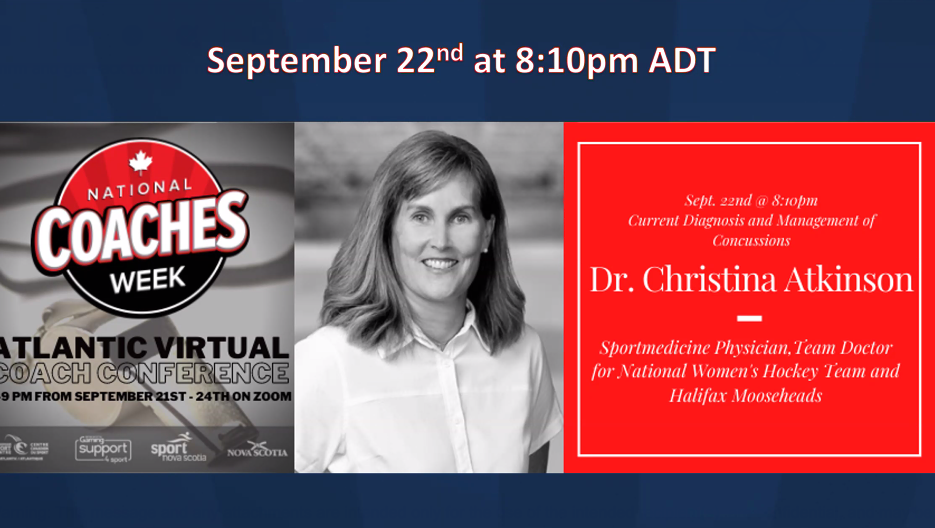


Tina did a great presentation highlighting what concussions were, the ways that the can now be diagnosed by coaches and trainers utilizing concussion recognition tools like the one below

There have also been changes in terms how concussions are managed when diagnosed

  1. Complete rest for 48-72 hours is no longer advised in lieu early return to light activity that does not increase symptoms
  2. Slowly return to play/learn or work in terms of a graduated approach

Yikes … I potentially could have saved myself of 2+ months being in a dark room and literally doing nothing during that time?

She also shared following stats

  • Most people recover quickly and fully
  • 85-90% within 3 weeks
  • Children take a little longer 4 weeks

Only 10-15% may have persistent symptoms (months to years), which mine as well as Sidney Crosby’s example as well as many other professional athletes who took months to return or had to retire as a result of concussions (i.e. Eric Lindros, Paul Kariya)
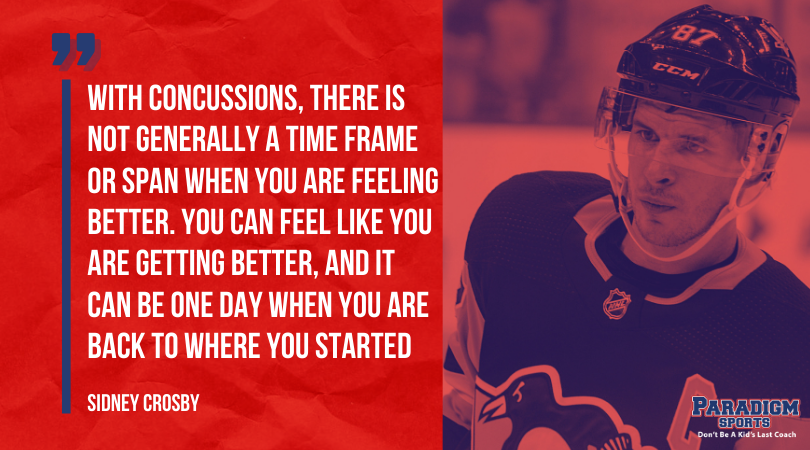


The Key takeaways that Tina ended her presentation for Coaches


  • Know your athlete
  • Be Supportive
  • Community with the health care team managing the concussion if need quidance how to be supportive
  • Speak the same language as the health care team

The day following Tina’s webinar, I had an opportunity to chat with Hilary Loftus, the director for HOW (Helping Our Wounded) Foundation which was established initially to help US military and veterans recover from brain trauma and PTSD using Hyperbaric Oxygen Therapy (HBOT)

The sessions are either done in mono type chambers like the one above or they have larger ones that can accommodate groups of 4-8 or 12 at a time.

Pure O2 affects the body at a cellular level and by using pressured chambers it enhances and provides the tools for the body to naturally heal.  A session is 80 minutes and the technology has been around for decades used mainly in hospitals for severe injuries, burns etc but is now becoming more mainstream in conjunction with other injury therapy practices (i.e. physical, occupational therapy)

Hilary shared an amazing stat with me also, if athletes who are diagnosed with a concussion start HBOT sessions within a week of being diagnosed they only have to do 3 sessions to recover and return to normal activity.

All I could say to myself during our chat and prior conversation was “I wish this was around for me many years ago” but it is exciting to see the advances that we are seeing for concussion management both in terms of recovery but ultimately in terms of prevention as many sports have implemented training programs for coaches, players to reduce head contact and severity of concussions many suffered in past.

If you are a coach and suspect one of your players has had “their bell rung”, that should be a red flag for you to immediately pull them from the field, ice, court and reach out to their parents to get them checked out and follow return to play protocols accordingly.

As the cliché goes, it is better to be safe than to be sorry.
 

PS Tagline - Dont be a kids last coach


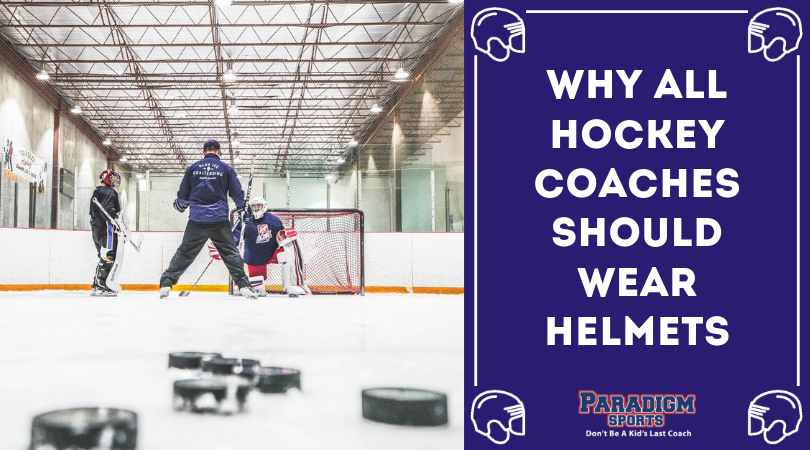
Why All Hockey Coaches Should Wear Helmets

Posted Posted in Athlete, Coach, Organization Executive, Parents

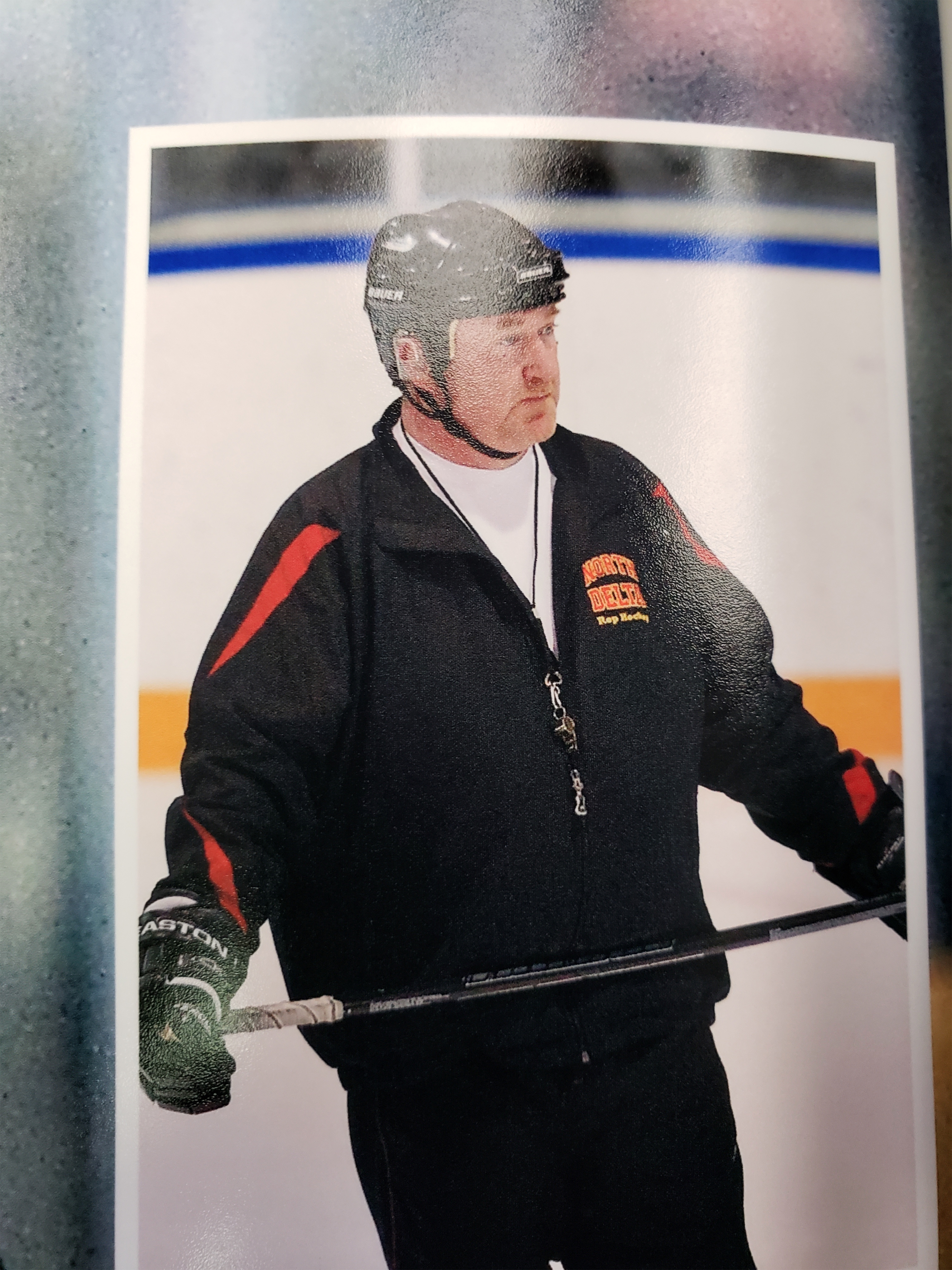
Picture of an image in the photo album I received after coaching peewee AAA

Having suffered a few major concussions myself I can relate all too well of the aftermath and challenges for recovery.

My last concussion had nothing to do with playing sports, however, it was when I was on a friends stag and while at one of the many bars we visited that evening that I share via those that told me after the fact as I have no recollection of the events I received a serious beating by three men when I jumped to the aid of my buddy who had been hitten over the head with a beer mug and knocked out.

The only recollection I have of the event was when I awoke in ICU of the hospital I had been taken to a couple of days later and had NO idea where I was, how I had gotten there, and recall vividly that I had the worst headache EVER.

At my side was my then-girlfriend, now my wife of 25 years who wept when I woke up saying she was so happy I was OK to which I said to her, OK?  My head is exploding, I’m hungry and I want to get out of here.

Thanks to my mother being in a couple of major car accidents when I was young, the second leading to her being hospitalized for over a year while she recovered from a broken neck and back I have always had an aversion of being in hospitals, particularly ICU.

My girlfriend drove me home and took several pictures of my beaten face and bruising on my back and arms for evidence for the criminal prosecution which I buried away long ago (back in the day when digital was not commonplace as it is today) but another recollection I recall is how I did not recognize myself as my face was so bruised from the punches and kicks to the face I had taken.

I share this with you as I wanted you to know that I can relate the challenges that athletes face today when they are dealing with a major concussions, it took me over 3 months before I was symptom free from my last one (diagnosed) but as a result of this being my third, and the highest severity, concussion the specialist that I was dealing with said I would have to stop playing any form of contact sports which meant my club rugby and adult recreational hockey days were over.

Having been an athlete for the better part of my life to that point, most of which playing competitively in various organized contact sports it is the reason why I then shifted to playing slo-pitch (although as years evolved and I took the mound as a pitcher dodging the dingers was no the smartest idea) and coaching.

Looking back at dealing with the fog, headaches, balance issues, nausea and even bouts with depression and frustration I can say first hand that dealing with a major concussion is not pleasant, particularly when you are very active.  The other part to this day that I have deal with is the complete loss of memory not only of the event itself but approximately 2 weeks prior to when I was concussed.  Many of my friends at the time were members of the Vancouver Police Department, Paramedics, Fire Department who all helped me fill in the blanks as several were at the scene and argued that the criminal proceedings would be a slam dunk (which only one of the three was prosecuted due to “technical issues” but that is another story in itself)

As a result of my recovery forcing me to have bed rest, dark room for a few months, I also missed two months of my third term at BCIT of my diploma in Marketing Management that followed my degree in Physical Education in UBC as my career aspirations were to get into the business side of sports.

That never came to fruition until many years later when I recognized we are in the business of developing youth into adults, and I have now coached boys, girls, young men and women for over 25 years of coaching and as a result of this and other experiences I dealt with growing up taught me the importance of resilience and how to overcome adversity, one of the core life lessons one can learn thru sports.


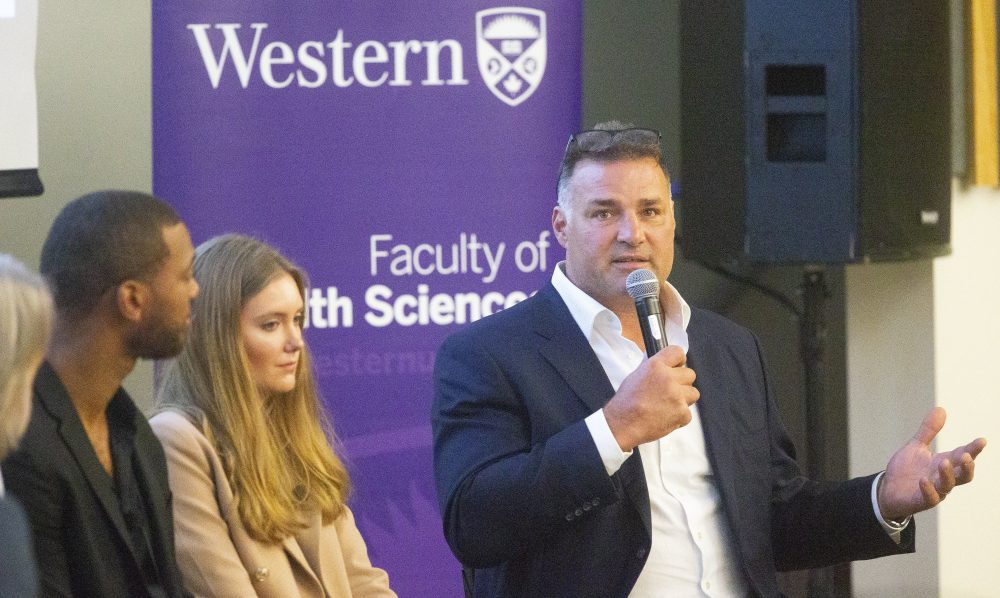
Source: Mike Hensen/The London Free Press/Postmedia Network

I write about the impacts of concussions this week as recently read another article that Eric Lindros contributed to coincide with recent symposium regarding concussions and applaud him for becoming a passionate advocate for concussion awareness due to being forced to retire from the game, like his brother who did so much earlier in his career, as a result of concussions he sustained.

I don’t think anyone that has followed hockey can forget when Scott Stevens hit Eric in the playoffs where he blatantly hit him directly in the head at full speed leading to one of his many concussions.  Stevens was infamous for those types of hits (another was the infamous blindside hit to Paul Kariya) but fortunately, the NHL has taken steps to eliminate them from the game and concussion protocols subject to evaluations if suspected to ensure a concussed player like Paul does not return to play in the same game.

Here as some of the numbers pertaining concussions in general, however, not specifically impacting the game of hockey that was highlighted in the recent article;

  • One in five of us have a lifetime risk of concussion
  • Half happen to youth under 19
  • 60% during sport and recreational activities
  • One in 10 youth suffers concussion requiring medical attention
  • 30% of those visits are recurring
  • Majority return to play within a month but 30% have longer-term symptoms

As I went thru each one of the points above, I check all the boxes but am happy to say have been symptom-free since I shifted to coaching many years back.

One of the kids that I coached in hockey the following year met many of the above also he was unable to return as he fell out of hammock in the summer and hit his head so hard on a rock he had to take a year off from all forms of contact so it does not have to be contact in hockey, or other contact sports like football, rugby, concussions can happen no differently than other injuries.

Fast forward from the day I woke up in the ICU, when I first started coaching Minor Hockey I did not wear a helmet, rather a baseball cap as did almost every other coach at the time as we naively thought we did not have to and did so for several years until Hockey Canada made wearing helmets mandatory for coaches.

This change went into effect in the 2008-9 season, after a coach in Alberta died after falling on the ice and other a coma with a head injury.  At the time, like there is with any changes for safety reasons there was a lot of push back from coaches.  The rule now applies to all winter minor hockey coaches of sanctioned leagues, Junior B, A, and university coaches.

Ironically, the very year that the helmet rule was implemented, I was coaching a couple of teams, helping my sons Atom A1 (AAA) team and also coaching an Atom rec team to honour my agreement with a player that returned to play I would coach his team after taking a year off after his father passed away.

During one of our early 6 AM practices for the Atom Recreation team, I was talking to my assistant coach explaining the drill set up as the kids were doing stick and puck before I knew it I was lying horizontal on the ice after player skated into me.  Per my AC, he had caught an edge and slid into the back of my knew and I fell backwards and had hit my head on the ice.  I did blackout for what felt like a few seconds perhaps more and then all the players and my AC came over and said COACH are you OK?

Thankfully I was able to get up and finish the practice (albeit felt a little woozy having my bell rung) and was reminded why coaches should be wearing helmets for their safety just as much as players wear for theirs.

It is that last point that I wanted to address in this week’s post, last week I was asked to present for the Pacific Coach Amateur Hockey Associations Coach Coordinator annual meeting on the changes to this year’s evaluation process of competitive coaches and the risk manager reminded all the coach coordinators that any outside skills providers they have on the ice MUST wear helmets.  Many of which that also run skills sessions in Spring Hockey do not wear helmets when doing so but if they do so when on the ice for sanctioned minor hockey ice sessions the insurance could be voided.

I get the fact that wearing a baseball hat is more comfortable than wearing a helmet, and many skills providers are very adept skaters, but as a result of a helmet saving me from yet another head trauma, worse yet potential death, I can’t for the life of me understand how one wouldn’t.

To date, the helmet rule does not apply to spring coaches, independent skills providers that are not certified by Hockey Canada or NHL/AHL and other pro league coaches which has me shaking my head in disbelief how their insurance costs are not thru the roof as a result.

Kudos to Hockey Canada, PSO’s and RSO’s like PCAHA for mandating minor hockey coaches to wear helmets for their safety just as the players have to wear them for theirs.

I only hope that spring hockey programs, NHL and affiliate professional team (i.e. AHL) coaches would follow-suit and not wait for a coach to be seriously injured or die as a result of not wearing a helmet during practices.

That’s just my two cents.

Don`t be a kids last coach


BONUS – Download a FREE printable PDF version of this blog HERE


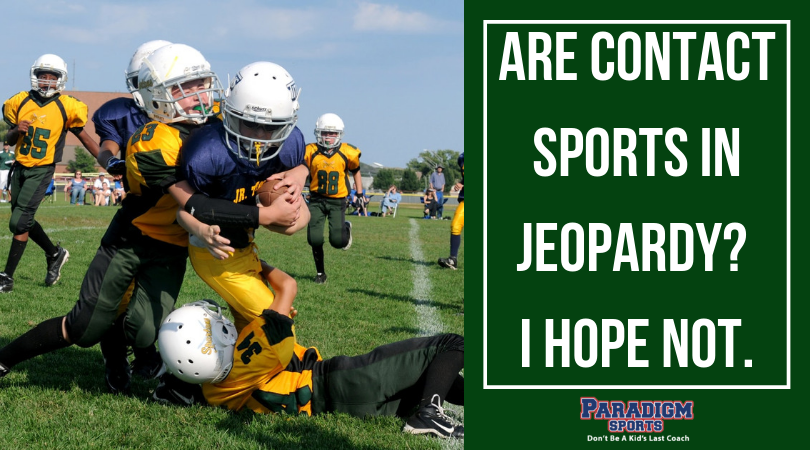
Are contact sports in jeopardy ? I hope not.

Posted Leave a commentPosted in Uncategorized
In the last couple of week’s I have read articles on the dangers of full contact sports and felt were worth sharing and commenting on.
 
One touching on recent data pertaining to CTE Findings by Boston University and supporting arguments that “Football is still worth risk.
 
Steve Simmons comments on how his two boys (who are now grown men) played several contact sports in their youth and neither suffered a concussion. They played many seasons of contact hockey and football, one even played university football.
 
Reason why I start this week’s post referencing his article is he puts forth the argument that tackling in football is still worth the risk and also believe it is but we MUST make changes immediately to how the game is being coached at the grass roots level.  First, we must eliminate the intentional head to head contact as players are using their helmets meant for their protection as weapons.  Second, we must limit full contact or tackling to later ages to allow for full development of brains to mirror what USA Hockey and Hockey Canada have done removing until Bantam and considering deferring until Midget to ensure players brains are fully developed.  Third, we must reinforce the importance of respecting our opponents and playing for the spirit of the game.
 
To review the article Steve is commenting on and short CNN Video click here
 
To support his argument, Steve shares his youth sports experience of various sports he played including baseball, hockey, football, lacrosse and basketball, all of which I played except lacrosse. My alternate was Rugby. He further shares how many life lessons he learned in football particularly including;
 
  •  Teamwork
 
  • Commitment to stay in school
 
  • Confidence
 
  • Friendships
 
  • Maturation
 
Two that I would add – Respect and Sportsmanship, two values that are missing in youth sports today that are leading to the increasing concussion and injury rates.
 
This list could be endless for me, youth sport teaches us much more than just the skills of the game, but valuable life lessons that we carry forward in non sport activities. That is the role of youth sport coaches, to make a difference by developing youth into adults.
 
For me, contact sports was my way of dealing with the challenges of losing my father when I was really young (he died tragically when I was 8 years old), a means to be aggressive, physical and keep my Irish temper in check. It also provided me surrogate fathers in a sense, as each sport the coaches would take me under their wing and would be not only teach me the skills of the game, but the skills of life. If it had not been all the GREAT coaches I had when I played all those sports, I would not be the man I am today.
 
Another contact sport that has received a lot of press in terms of head trauma’s and concussions is Hockey, recently the “Campaign to ban bodychecking in bantam hockey divides parents”
 
In 2013 Hockey Canada banned body checking until competitive hockey in Bantam, removing it from Peewee and all levels of non-competitive hockey. The reason? Studies found that the brains of peewee aged players (11-12 years old) were still developing and the research found it led to a threefold increase in body and head injuries.
 
I happened to be coaching the peewee age group at the time and witnessed first hand how body checking en masse was leading to concussions. I believe on of the biggest contributors to players getting a concussion was not body checking per se, it was what I call “The Chicken Wing”, players intentionally making head contact with their elbows or hitting players from behind.  Only a small % were due to clean bodychecking done correctly. The other, was players raising arms or sticks to protect themselves in self defence, like all other core skills of hockey, contact confidence takes years to develop.
 
I had the misfortune of watching numerous “chicken wings” by opposing teams on my players and one was such an outright intent to injure I can’t even speak of it at length. While coaching Bantam, I witnessed a 14 year old player elbow one of my players with such intensity it reminded me of the Todd Bertuzzi/Steve Moore Incident as he fell to the ice with opposing player on top of him. My player suffered a major concussion, then when followed return to play protocols suffered another due to a hit from behind.
 
One of the saddest things for me was when his parents sent an email to the team that he would not be returning to play as doctors advised him he could no longer play hockey.
 
He truly loved the game and was only 13!  Unlike 70% of kids today that are quitting youth sports for various reasons, he had to stop playing a game he truly loved because he hit in the head intentionally with an elbow. 
 
After the game as I was walking by the opposing player and his parents were joking with the coach that they would be saving money on travel for a few weeks as he received the maximum penalty possible, a 5 game suspension. It took EVERYTHING I had in me to keep walking, I could not believe a fell coach disrespected the game to that extent and condoned the incident.  In lieu, he should have had a serious conversation with the player and reached out to his association to enforce a longer suspension.  The whole point of having penalties in hockey is not to give the other team a man advantage, it is to deter the behaviour from happening.  
 
As far as I am concerned, both the player and coach should have been suspended for the season, perhaps more, then the message would have been sent.
 
This to me, is the #1 reason why concussions are now rampant in hockey, and you can defer body checking until Senior leagues (Over 30, Over 40) and even though brains are fully developed, players will still get concussed if players initiate contact to the head or hit the players from behind out of the danger zone.
 
Although many were against banning body checking when Hockey Canada did so in 2013, one of the professors that did the initial research to support bodychecking be pushed to Bantam age group confirmed it did have the desired impact
 
  • 64% decrease in concussions
 
  • 50% decrease in overall injuries
 
  • The overall number of concussions across Canada has dropped more than 4,800

See article here

Further research has shown that players brains are still developing beyond the Bantam age group (13-14 years old) so  is the reason for new campaign to defer body checking until Midget age groups but if we do so we are opening Pandora’s Box. Bodychecking, much like any other hockey core skill takes YEARS to development so in order to prepare players for older age groups we must look at a graduated system to prepare them. As the boys become closer to becoming young men, their testosterone levels increase as well as physical size. At some point we have to TEACH proper body checking techniques and the reason we have in hockey to begin with. It is not to separate the player’s head from their body, it is to separate the player from the puck. 
 
The same holds true for football, I played contact football for 9 years all the way to Junior (University age group) and although I got “my bell rung” at times I never was diagnosed with a concussion, nor did I get concussed in contact hockey, rugby, british bulldog (which has now been banned from school playgrounds) or the game we loved the most in high school “tackle basketball”. As far as my friends and I were concerned, it was not a “sport” unless it involved contact, body checking or tackling.   The difference for our age group vs. what I have seen the last 10 years is our coaches reinforced the importance of proper tackling techniques EVERY practice as well the importance of respecting our opponents in game play.
 
The difference in my generation vs. today’s generation and like the chicken wing in hockey, helmets today are not being used for protection as they are intended, in many instances they give players are false sense of security and many will lead with their helmet when tackling or going to be tackled.  
 
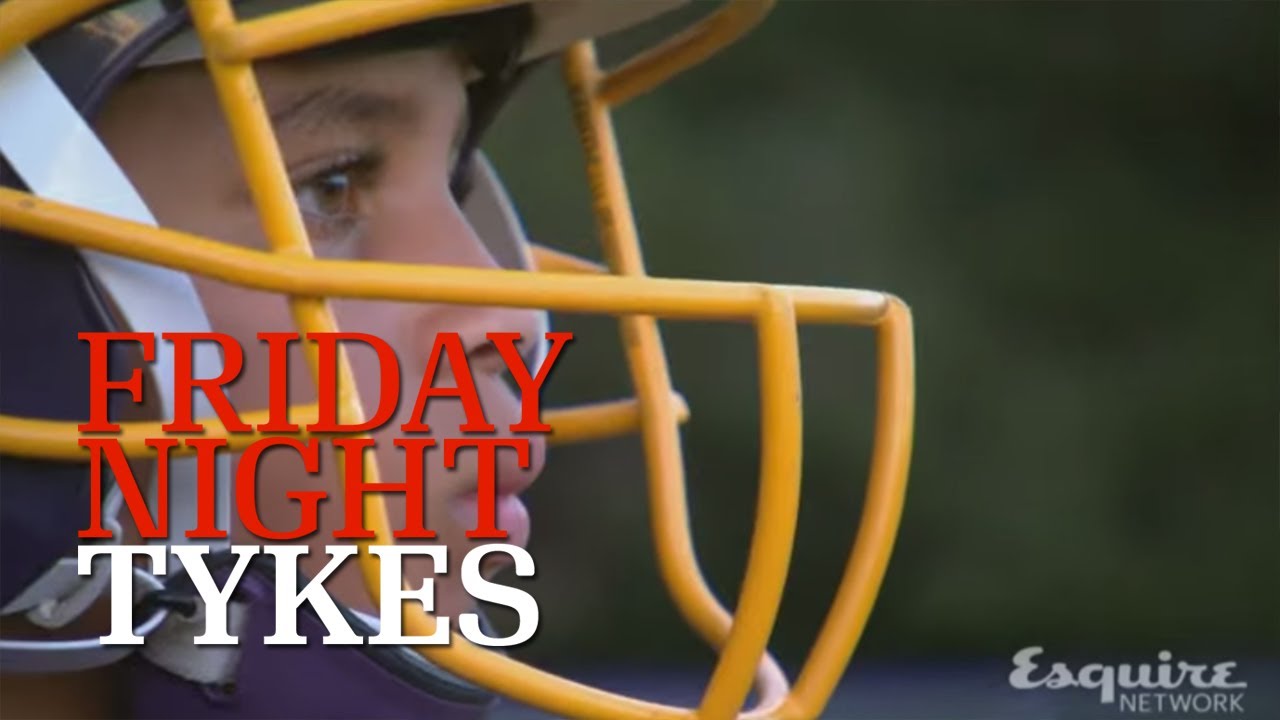
Here is a video about an elite 8-9 year old program in Texas, it is a series based on a REAL football program in Texas. Click on the link below for the original trailer for Esquire program Friday Night Tykes.
 
It is no wonder why CTE has been such an issue for the NFL as it all starts at the grassroots, if youth football coaches are not going to teach the safe and proper tackling techniques adhering to the LTAD model then it merely will continue to escalate.  
 
I have talked to several youth football coaches who are but we need ALL youth sport coaches of contact sports to do so, otherwise in addition to Hockey and American Football, other contact sports also may be in jeopardy.
 
So there is no disconnect, I am a big advocate for concussion  and CTE awareness. I am not saying that they are not serious issues, they are, and we should continue doing what is the best interests of kids to ensure they are SAFE.
 
Why am I so passionate about it? Because I suffered 3 major concussions, the third ended my competitive sports career for lack of better word in my 20’s. Ironically though, all 3 were not in a game or practice, one was a result of horsing around with one of my rugby team mates, the latter two were when I came to friends aids in bar brawls.
 
My last concussion I can only tell you what people told me as I have no recollection of the 2 weeks that lead up to the event. One of my friends was hit over the head by a beer mug, I jumped in to grab from his assailant and then one of his friends did the same to me. I was knocked down, and he and his two friends literally kicked and punched me to the point where I was so disfigured after the fact when I looked a pictures taken for police shots I did not even recognize myself.
 
I ended up in an ICU at nearby hospital and awoke groggily 2 days later and had NO IDEA where I was, how I got there and all I could remember is the migraine. Doctors told me that it would take time for me to recover, get lots of bed rest, limited reading, TV etc etc. I missed 2 months of my first college term as a result of the time it took to get back to being symptom free.
 
Needless to say, I can relate to the challenges Sid, Paul Kariya, Eric Lindros and numerous other players have had dealing with to recover from concussions
 
I believe that contact sports are getting a bad rap in a sense that it is the contact itself that is leading to CTE, Concussions. In lieu, many of injuries sustained is due to the the equipment meant to protect but used by players initiate contact leading to same … the hard plastic on elbow pads, the “concussion proof” helmets,  disregard using sticks to slash wrists, helmets or cross checking from behind.
 
Hockey (NHL) and Football (NFL) are getting a lot of press making it a hot topic for last few years but if tackling and contact was such an issue, why are we not looking at taking contact out of other sports ?
 
If contact alone was the driver for CTE, concussions and other injuries, Rugby should be the #1 sport for all but are not even in the top 5, according to Neurotracker, these are the number of high school concussions per 100,000 athletic exposures;
 
  • American Football – 70.4
 
  • Men’s Ice Hockey – 54
 
  • Men’s Lacrosse – 43.3
 
  • Women’s Soccer – 33
 
  • Women’s Lacrosse – 33
 
Honourable Mentions
 
  • Women’s field hockey – 23.5
 
  • Men’s Wrestling – 23
 
  • Women’s Basketball – 19.8
 
  • Men’s Soccer – 19.1
 
Hmmm .. Rugby still not in top 9.
 
Why ? Because it is a hooligan’s game played by gentlemen.
 
The only protective equipment are cleats, mouth guards and perhaps ear wraps (for forwards) and that’s it. Concussions are low or non-existent because players don’t have helmets, elbow pads, sticks that can make contact with players heads, wrists (slashing has become the norm, not the exception in hockey).
 
It is a sport that players still call the ref SIR and when you get older after you go to war with the other team, you socialize with them afterwards.
 
Here is another example of how 8 year olds are being taught to hit others recently posted in Instagram 
 
 
Helmet to Helmet contact starting at 7-8 years old? Coach makes no correction ?
Player attempting to tackle not protecting himself by getting down to drive shoulder into other players core, wrap arms which would avoid any head contact whatsoever.
 
Really?
 
If the NFL, NHL and others want to have players come up thru grass roots they MUST get on board with grass roots programs to bring back respect, proper checking, tackling techniques.
 
Eliminating body checking, tackling from contact sports is not the answer.
 
Reinforcing the importance of Respect, Sportsmanship and other core values is.
 
Let’s work together to bring the game back to the kids.
 PS Tagline - Dont be a kids last coach