Posted Posted in Athlete, Coach, Officials, Organization Executive, Parents

One of the 5 takeaways I share in every talk, workshop or clinic is the importance for coaches to make the environment for their players safe, as the hockey world has recently coming to terms with the Kyle Beech tragedy and the dominoes that are falling, it is just another painful and emotional reminder why we need to make it safe from all forms of harassment that I wrote on in 2017.

The other area that I have been advocating for years is the importance for coaches to make it safe to fail, unlike the coaches and parents that are highlighted time and time again in social media for their outbursts towards kids as players, officials, I have always been a believe thanks to the coaches that I had growing up to encourage to make mistakes in practices and even in games and have fun when they do so.

WHAT ?

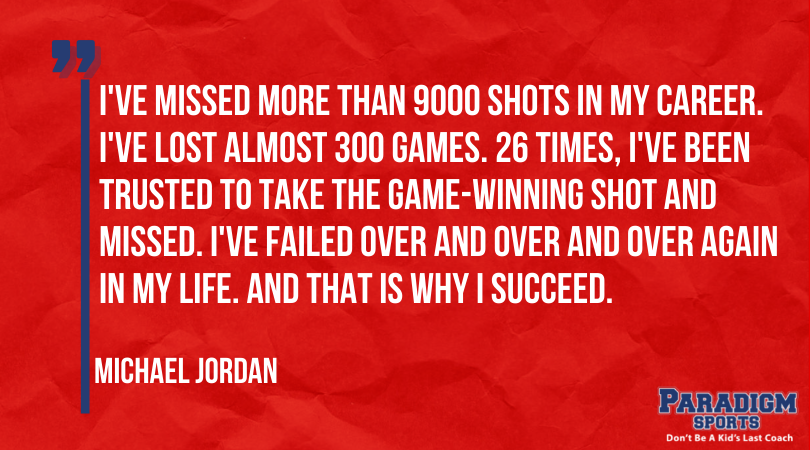
Recommend they make mistakes, the uglier the better … what if they coughed up the puck that lead to a goal, fumbled the ball that lead to a touchdown by opposing teams, missed that free throw or field goal that could have won the game and son on.

Hmmm … there have been just a few players that were pretty good that made a ton of mistakes, but had they not done so, never would have achieved their milestones and become some of the best ever to play their respective sports.
 

Reggie Jackson/Babe Ruth

Reggie Jackson holds the record to this day of the most strikeouts of any player in MLB history (2597) but was touted year over year in his Hall of Fame Career as Mr. October where his bat would hit many out of the park, much like Babe Ruth who did the same decades back.


Another recent example is Mason Crosby missing 3 field goals in regulation but made the 4th to win the game in overtime for the Cheeseheads (Green Bay Packers) against the Cincinatti Bengals (whose kicker also missed 2 field goal attempts in the same game)

This was a complete surprise for all those that watched as Mason had only missed 2 field goals in the last 2 seasons combined !

Why was he to make the 4th field goal?  Because he had the support of their teammates, coaches, managers who recognized that mistakes would happen and once they did, were history, was time to move on to the next play.  This is in a league that is focused on winning, the top sport in the world in terms of revenue with millions of dollars in player salaries, billions of dollars in TV and merchandising revenue NOT community youth sports.

Sadly in today’s era of youth sports where it has become adultified, where adults are competing with other adults thru their kids, gone are the days where kids play without fear of failure which was prevalent in free play (i.e. pond hockey, pickup basketball, sandlot baseball) where there were no adults present (no coaches, parents or officials), it has lead to increasing attrition rates as a result.

In lieu of focusing on the results, wins/losses, goals/assists, focus on the process of development, ensure that kids are having fun and winning will be the byproduct vs. the focus.

Growth Mindset

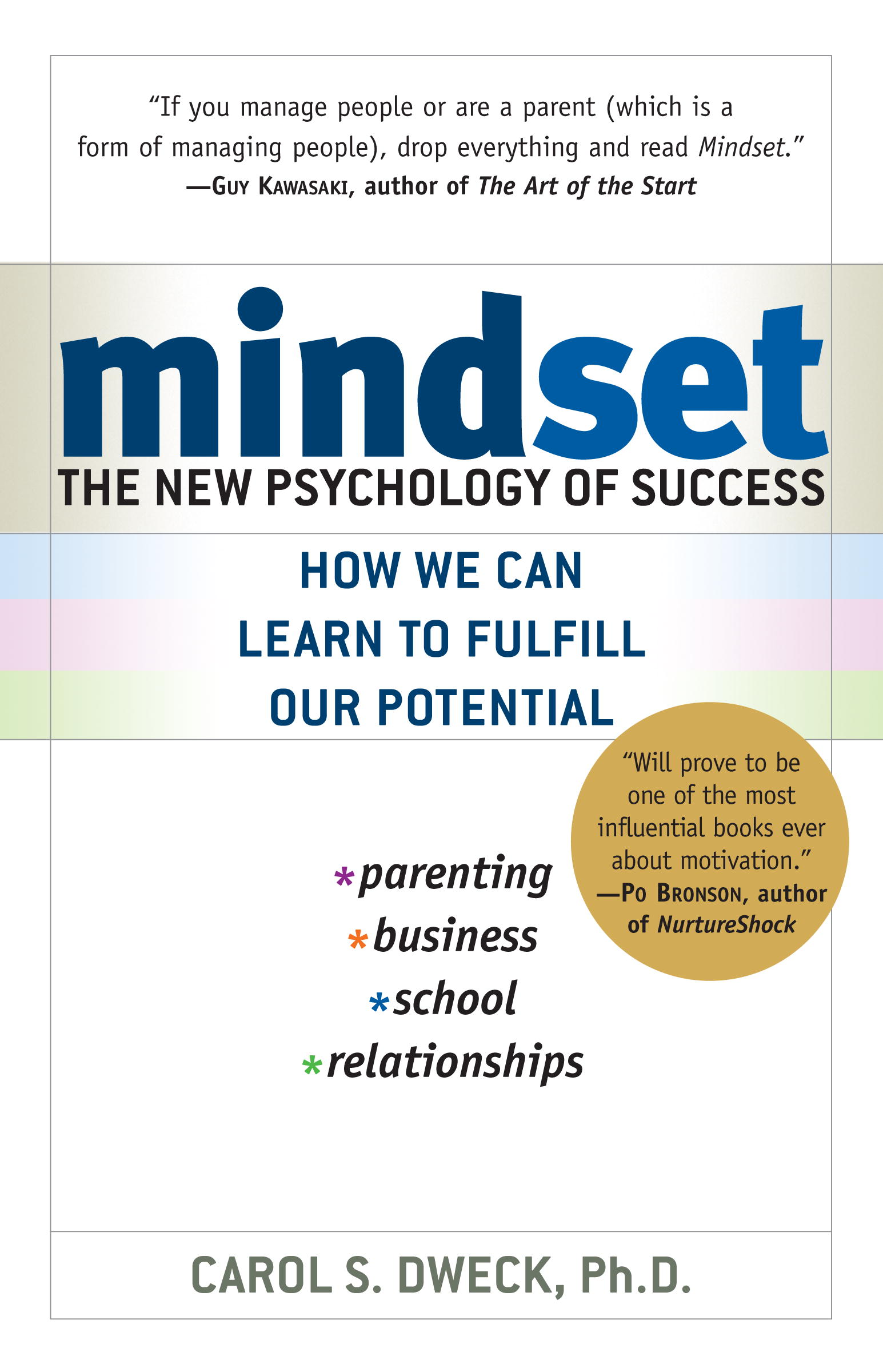
One of my top recommendations for books for coaches, parents and youth sports leaders I the book Mindset by Carol Dweck who shares the differences between the fixed and growth mindset.

Those with a fixed mindset believe that their skills are fixed due to DNA, they don’t believe in working to improve, and fear failure so would focus on simpler tasks.  Those with the growth mindset however, believe they are not that good YET, and will put in the effort to improve and recognize making mistakes is part of the process.

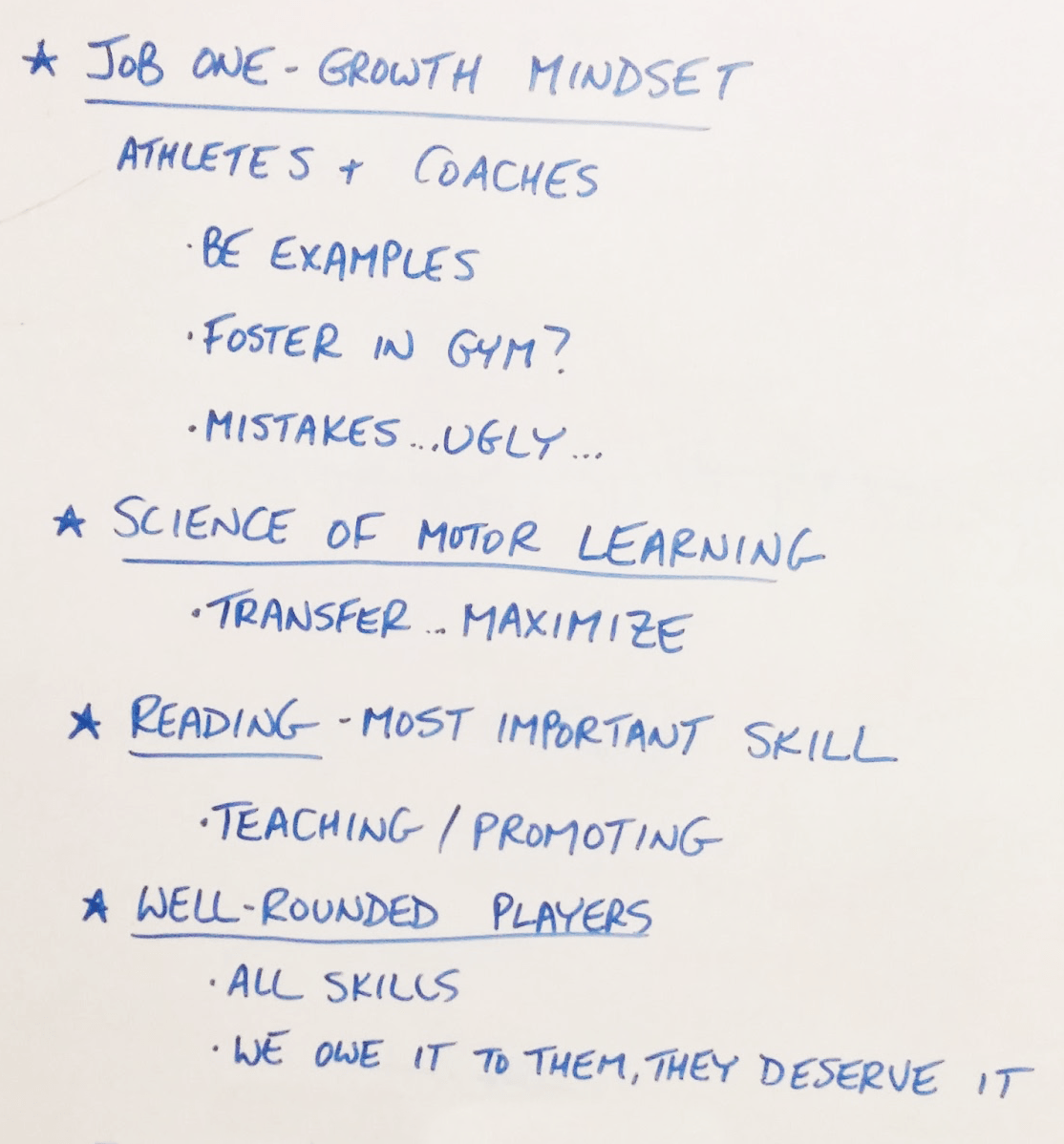
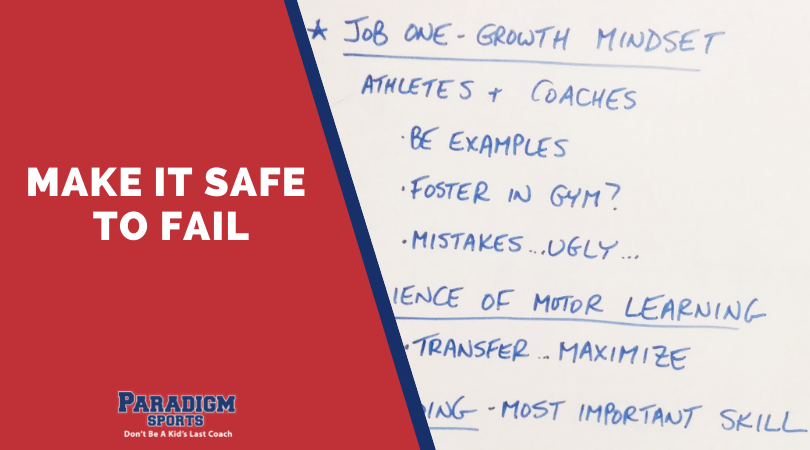
A perfect example of a coach that has incorporated the growth mindset with their team is Karch Karaly, voted best men’s volleyball player in sand and courts of all time, in 2012 he became the head coach of the US Women’s Volleyball team soon after he read Carol’s book and as I have shared in past their team white board encourages the players to make UGLY mistakes so they develop.
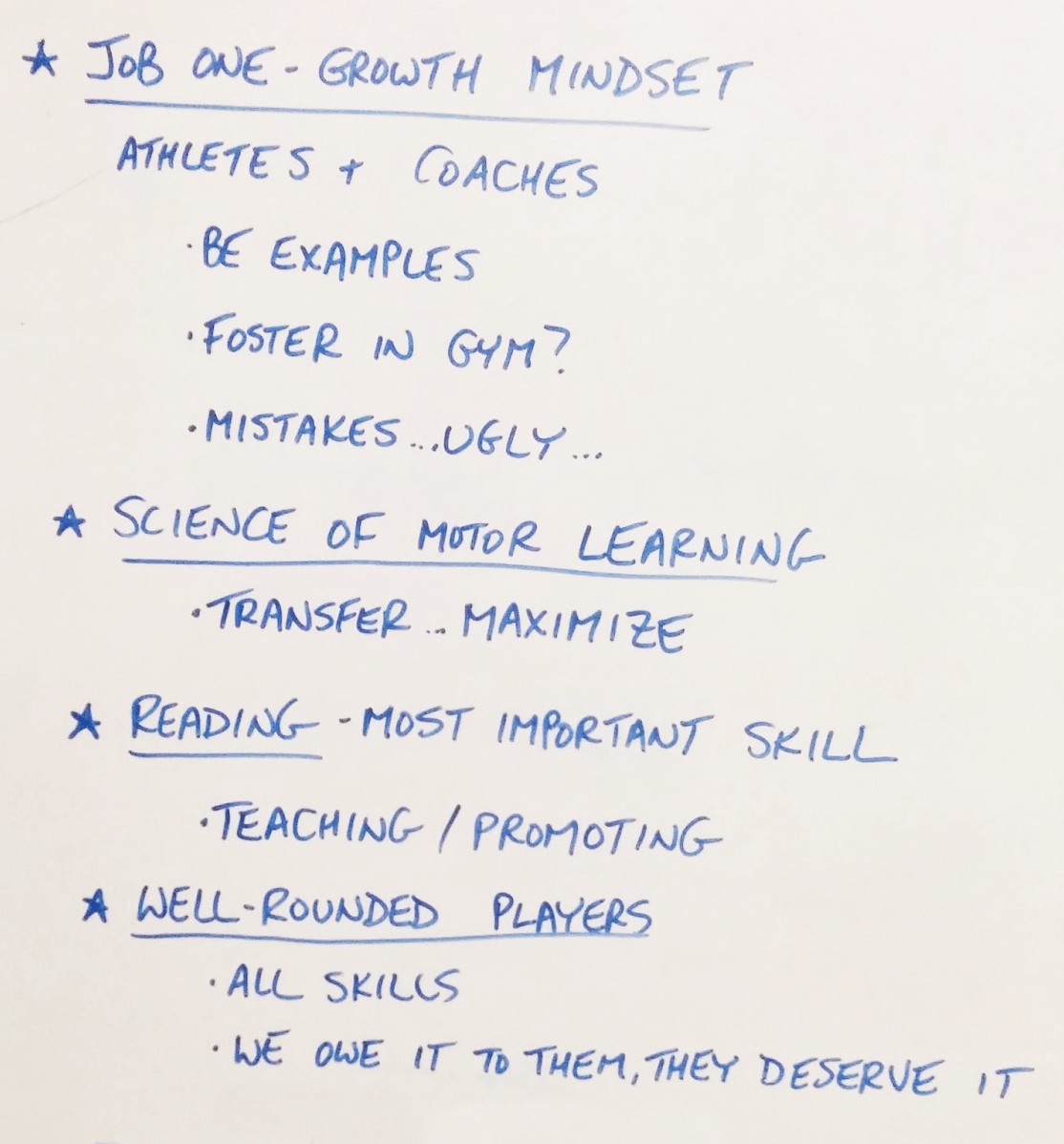
He has lead the team to their first gold medal at an international event in 2013, and medaled at the three Olympic games under his watch, including Gold at this years summer games in Korea.

In order for us to reverse the negative trends we have seen in youth sports for over a decade, we need to create an environment for not only for our players where it is safe for them to fail, but also for the young officials.

Sadly, we lose 50% of young officials in many sports (especially what I refer to as the money sports, Hockey, Baseball, Football, Basketball and Soccer) in their FIRST YEAR.

Why?

The #1 reason is due to the abuse they are taking from the adults in the stands or along the sidelines.

We subsequently lose 30% on average every year so we are literally are constantly recruiting and not allowing time to mentor and train these young officials so they can hone their craft which just creates this vicious circle.

To give you some numbers, in Canada, we have approximately 30,000 officials registered across Canada to ref minor hockey games, and every year we lose over 10,000!!!

This is not a recent trend, this has been the case since I started running Hockey Clinics over a decade ago.

It is the reason why Hockey Canada and USA Hockey came up with the campaign “Relax it’s just a game” in 2007 … 14 years ago


The focus was more on parents who are coaching or critiquing their kids, but I have also seen my share of coaches do the same towards players and officials.

Ironically, during a recent clinic that I was running, at the lunch break just before we all shut down out audio/video a coach shared with me and those that were still in the room (we have shifted to online virtual clinics in part due to COVID, in part due to efficiencies) and he shared that two parents were fighting in the stands at a U11 minor hockey game and the Police had been called in.

This was not a the zone or academy level where parental expectations are even higher (due largely due to the costs financially and time).

Time after time each time I run a clinic coaches share similar analogies how other coaches are running short benches to win games, parents are screaming from the stands or in parking lots,  the ride home (or to) games/practices.

The saddest analogy and driving reason for me to continue running clinics to shift the needle is when a coach stood up to introduce himself in a in person clinic and said the reason he started to coach is his 8 year old daughter shared with him why she wanted to quit Hockey at the end of the season.

He said, with emotion in voice and tears in his eyes which made the rest of us in the room do the same (including yours truly)….

“My daughter told me that she was going to quit because she was scared of making mistakes.”

Until we make youth sports safe to fail again like it was in prior generations, we will continue to experience high rates of attrition, so if you are an adult involved in youth sports (parent, coach, administrator) please provide the players under your watch that opportunity to do so.


PS Tagline - Dont be a kids last coach

Why the 10,000 Hour Rule is a Fallacy

Posted Leave a commentPosted in Athlete, Coach, Early Sport Specialization, Organization Executive, Parents


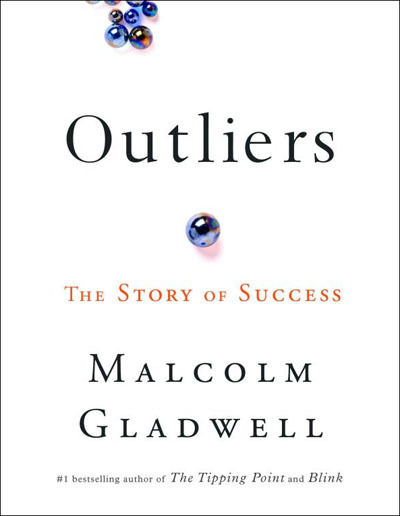
It has been over 10 years now since Malcolm Gladwell wrote his national best seller Outliers where he shared Anders Erickson research on a group of concert violinists that practiced  10,000 hours to perfect their craft.

Since that point Malcolm has been challenged by researchers, coaches, and experts in the space including David Epstein who debunked the 10,000 rule in his book The Sports Gene.


Not that I would EVER put myself in the same space as authors of best sellers, but from the time I read Outliers years back I too questioned Malcolm’s argument as have coached for many years and have never believed in the cliché that practice makes perfect nor in the benefits of starting to practice at such an early age and work one sport that is driving early sports specialization.

In lieu … Practice Makes Permanent

If you practice 10,000 hours wrong … you have a real serious bad habit.

Every kid I have coached at the beginning of the season I would tell them .. I would rather you do it slow and RIGHT than fast and WRONG.  Too many kids want to rush thru drills so they can get to the end of the practice that coaches will have “fun time” but the entire practice should be fun and if you disguise your drills and they are fun, kids won’t rush thru, cheat the drill and do them right so they do develop correctly in lieu of building bad habits that can’t be reversed later.

Here are the reasons why I have argued that the 10,000 hour rule is a fallacy to reach the highest levels of athletics, earn an NCAA Sports Scholarship or playing professionally (where less that 1% will reach those levels)


#1 –  Practice Must be Deliberate AND Unstructured


As Malcolm is more of a historian, than a researcher whose very livelihood revolves around publishing journal articles and books with their scientific data and longitudinal studies, one who was the first to challenge him was the very person whom he did not consult with when he was writing his best seller Outliers, Anders Erickson.

Anders did share in a research study many years back when he looked at concert violinist and the amount of practice that they had to do in order to reach that level on average it took over 10,000 hours of working on their craft.

It was not just the fact that they sat down and practiced daily to accumulate those hours, it was due to how deliberate the practice was, which included working with some of the top music teachers who provided practice plans, feedback and error correction.

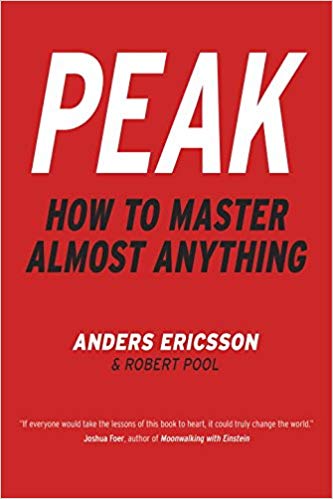
As David did with the Sports Gene, he released his counter to Malcolm’s Outliers with his book Peak where he shares insight on the research done on deliberate practice.

What further research has shown is practice must have purpose but the best way to audment the skills is to allow for unstructured free play, where athletest can develop anticipatory skills and adapt.  The best analogy is Wayne Gretzky who many argue was the greatest player ever not because of his skill set but he anticipated where the puck was going to be.  This is why I have an issue with the term “read and react”, meaning read the play, react to the play BUT due to the speed of hockey and many other sports today you don’t have time to react.  In lieu, I have always told my players to read and ACT.  Yes, that means at times they may be caught offside, may make mistakes, but in order to play at the highest level, you must be able to make decisions on the fly.  This is why every practice must include unstructure free play time where coaches don’t coach, just allow the players to PLAY and develop creativity, reading the game and making decisions without criticism.

#2 – Practice must have key teaching and execution points

Having evaluated many team sports coaches over the years, one of the key shortfalls of their practices is they run drill after drill but the majority of grass roots coaches working with kids in their key development years of motor skill acquisition do not focus on key teaching points for every one of those drills.

This can also go hand in hand with the error correction that must be relayed to players when they are running thru the drill by the coach that is assigned to do so.  As more and more sports are implementing their versions of LTAD, many practices including skills stations where players move from one station to the other and more often than not a coach will merely setup the drill for the players to run thru but not share what they are looking for in terms of the skill mechanics nor correct errors.

This is due largely in part to the head coach not communicating with the assistant coaches what the key teaching points are and the importance of stopping the drill to correct errors when they happen.

The feedback must be relayed soon after the skill was done, both positive praise for real effort (great job) and if error correction needed (johnny, in order to accelerate thru the turn you must lead with your inside skate, outside edge so can cross over with your outside skate with speed).

As many coaches neglect to do in practices, they try to correct mistakes in games (both strategic and skills) but games should be the time for the kids to PLAY to develop confidence and try the skills they worked on in games in a safe to fail environment.

#3 – Praise Effort to reinforce the Growth Mindset

As the entire sports world has learned thru the work of Carol Dweck, feedback relayed to athletes in those drills must focus on the growth mindset and encourage kids to try harder variations of the drill even it if means they will make mistakes.


Yes … mistakes … the uglier the better which Karch Kiraly made infamous on his whiteboard for the US National Women’s Volleyball team that he guided to their first EVER international championship and a bronze medal in the 2016 Summer Olympics after reading and implementing the growth mindset with the team.


The only way that kids will develop their skills and creativity is if their practice environment mirrors more what it was like for Gen X whose sports development relayed more on unstructured free play and the opportunity to take risks and learn from them with no adults telling them what to do, how to do it, and criticizing their mistakes.

This criticism is also coming from parents either at home or the ride to/from the facility and even their team mates if coaches do not have a code of conduct to respect their teammates or the late great John Wooden 3rd rule “Never criticize your teammates”

#4 – The Research

One of the top 10 MUST Read books that we recommend to everyone is David Epstein’s book “The Sports Gene” that debunked the 10,000 hour rule and also highlights the benefits of multi-sport participation vs. the pitfalls of early sports specialization with data.  Another that I know will be a top recommendation will be his upcoming book Range highlighting how generalization, not specialization, is the optimal pathway to become the best athlete a person can be.


In 2014 a study was done at Princeton University by Brooke Macnamara that looked at the amount of deliberate practice accumulated over time only had a limited impact in high performance or skill acquisition across various domains including music, games, sports, professions, and education.

The highest impact was found on strategic games like Scrabble and Chess, where chances of becoming a grandmaster have a direct correlation on the amount of practice one gets before a certain age and study showed 18% was attributed to deliberate practice.

The second was Music – Violin, and piano @ 21%

The third was Sports – where deliberate practice accounted for 18% of what was required to reach the highest level.

Why?

Because you can practice perfectly until you are blue in face for YEARS but in addition to practice … DNA plays a role … I have seen it firsthand as a parent, both my kids (who have now aged out of youth sports) inherited my wife’s gene for size (she is 5’1  and I am 6’2”) and although both appeared to inherit my multi-sport athletic gene, were unable to advance to higher levels (junior, collegiate) as were told over and over again they were too small.

Kids also need to have the right eating, sleeping habits to provide the nutrition balance for carbs vs. proteins and associated vitamins, rest and recovery to avoid injuries.  Many kids today are also addicted to screens, as I shared in a prior post, Why Kids Play Video Games, eSports has evolved to a Billion Dollar industry thanks to games becoming more and more addictive in their nature.

As a result of specialization accelerating travel ball and chasing AAA teams that travel across the country or to other countries where kids play multiple “prospect” tournaments annually they also need parents that either (a) have the financial resources to support the costs or (b) are going deeper and deeper into debt trying to keep up with the jones to do so.

Kids also need to have GREAT coaches, parents, teachers to help them get the great grades (if aspire for NCAA must also do well in school to be a student-athlete) as well as support from others in their network (neighbors, friends other family members)

It takes a village to raise a child.

 #5 – Because Malcolm Gladwell acknowledged the very rule he is infamous for was false.

It takes courage to own up to when one made a mistake and I applaud Malcolm (fellow Canadian) for doing so, at the time he wrote the book he based his analysis on what was available at the time, but since that point there has been so much evidence brought forth, not just yours truly opinion well before Outliers became a National Best Seller.

In an interview he recently had with David Epstein for MIT’s Sports Analytics conference, he shares how he and David became friends due to the fact David challenged the rule 5 years ago with his research and expertise in terms of the optimal pathway to reach the top level in sport was developing physical literacy by sampling as many sports and physical activities as possible.

Below is the entire interview he did with David, go to 54 minute mark to hear when he admits the 10,000 hour rule was false when it comes to early specialization.

If you have gotten this point in the blog hopefully, like Malcolm, your opinion has swayed and if you truly aspire for your players, son or daughter to become the best they can be, in lieu of having them work a sport by specializing as early as 7 years old, support them to sample as many sports and other activities (drama, art, science, theatre, music, languages) as possible and have a normal childhood so they can find what they truly will be passionate in doing later in life.

Ask yourself – what is your calling?

Do you know? If so when did you figure it out? Your 20’s – 30’s – 40’s later or still figuring it out?

How then as an adult can we be vulnerable to other adults who are “recommending” to us as coaches or parents for our son or daughter to have them specialize at an early age which will potentially deprive them of finding their true calling later in life.

Too many kids are quitting youth sports before high school or were deselected that potentially could have been late bloomers or played other sports early on only to find the one they became passionate about later on and the list is endless of athletes I could share that did reach NCAA or professional level as they did not burn out, developed all core motor skills or suffered potential career-ending injuries way too early.

Our calling as youth sports coaches is not to make a living (especially as majority are volunteers), or huge profits those that are advocating early sport specialization, but to make a difference by developing youth into adults.

Let’s all work together to bring the game back to the kids …. where it belongs


Don`t be a kids last coach


How to develop creative players

Posted 1 CommentPosted in Uncategorized

BONUS – Download a Free Copy of this Blog in PDF Format HERE  

As the Hockey Clinic season has started I have reinforced the importance with new coaches the importance in developing creativity with their young athletes.

Below is a poster board of the 10 ways to develop creative youth players that we have posted to Facebook with examples outlining each.

Our thoughts on the top 10 ways;


One of the biggest issues facing youth sports today is the focus on winning at all costs where “some” youth coaches will play their favorites or shorten their benches in games to win games, tournaments and banners.  One of the top 5 reasons identified by Amanda Visek in her groundbreaking study why kids play sports is when they get an opportunity to play.  90% of kids would rather play on a losing team in all situations than sit on a bench for a winning team.

In Hockey, much like many other sports, we need to teach players positional awareness so they know where to be without the puck as players will only have the puck for a very small portion of the game. For Peewee Recreational players, the average puck time is only 8 seconds in an average 50 minute game.

Players should not be pigeon holed in a specific position until they opt to specialize in their latter teens if they follow the LTPD model (don’t get me started on early specialization). In a recent clinic where we have a bantam A1 team come out for the coaches to run thru drills, one of the players had converted from being a A1 goalie to a player and was one of the top skaters on the ice. I have even been told that some MHA’s will only permit players to try out for defence or forward and that is the position they are to play all season long.

What happens if your team suffers injuries, a flu breakout then?

Coaches should be developing players by giving them the opportunity to play all positions in game play until their late teens or even later.

Would Dustin Byfuglien or Brent Burns have been able to make the transition from D-F and vice versa when in the NHL if they had played one position only in their youth?


In lieu of planning out every single drill in a practice to limit players having the opportunity to be creative in game play scenarios, ensure that you incorporate small area games with limited instruction to permit players to work on their skills. This will permit them to be creative in 1 on 1 battles, 2 on 1 and so forth that they could then transfer to game play.

This is probably one of top challenges for youth sport coaches today, it is important that you create a safe to fail environment not only in practices and encourage players to make mistakes, the uglier the better, but also have their backs in games so they don’t play in fear.

When I have talked to WHL coaches and scouts over the years, they have identified many of the deficiencies of Bantam Draft players that affects their draft position or being drafted at all including;

  1. Lack of creativity
  2. Not being able to shoot or receive a pass on a backhand
  3. Not making backhand passes
  4. Lack of checking skills
  5. Not “competing” for pucks along the boards or in front of the net

These are all areas that coaches should be working on developing not just in practices, but also in game play in lieu of screaming at a player when they try to do so and worse yet is not executed perfectly and leads to a turnover and a scoring opportunity by the opposing teams.

Was the first goal that Free Agent Louie Erickson scored a highlight reel on TSN ? Yes, but not because he went in on a breakaway but he tried to pass the puck back on a delayed penalty and it ended up going the length of the ice and into the Canucks net.

When Brent Sutter was interviewed after the 2014 World Juniors and Team Canada did not medal, he stated one of the reasons was that we lacked skill and creativity vs. other nations.  This is due largely in part to the fact that minor hockey coaches are spending too much time telling players what to do, vs. encouraging them to try the skills that they worked on in practices.

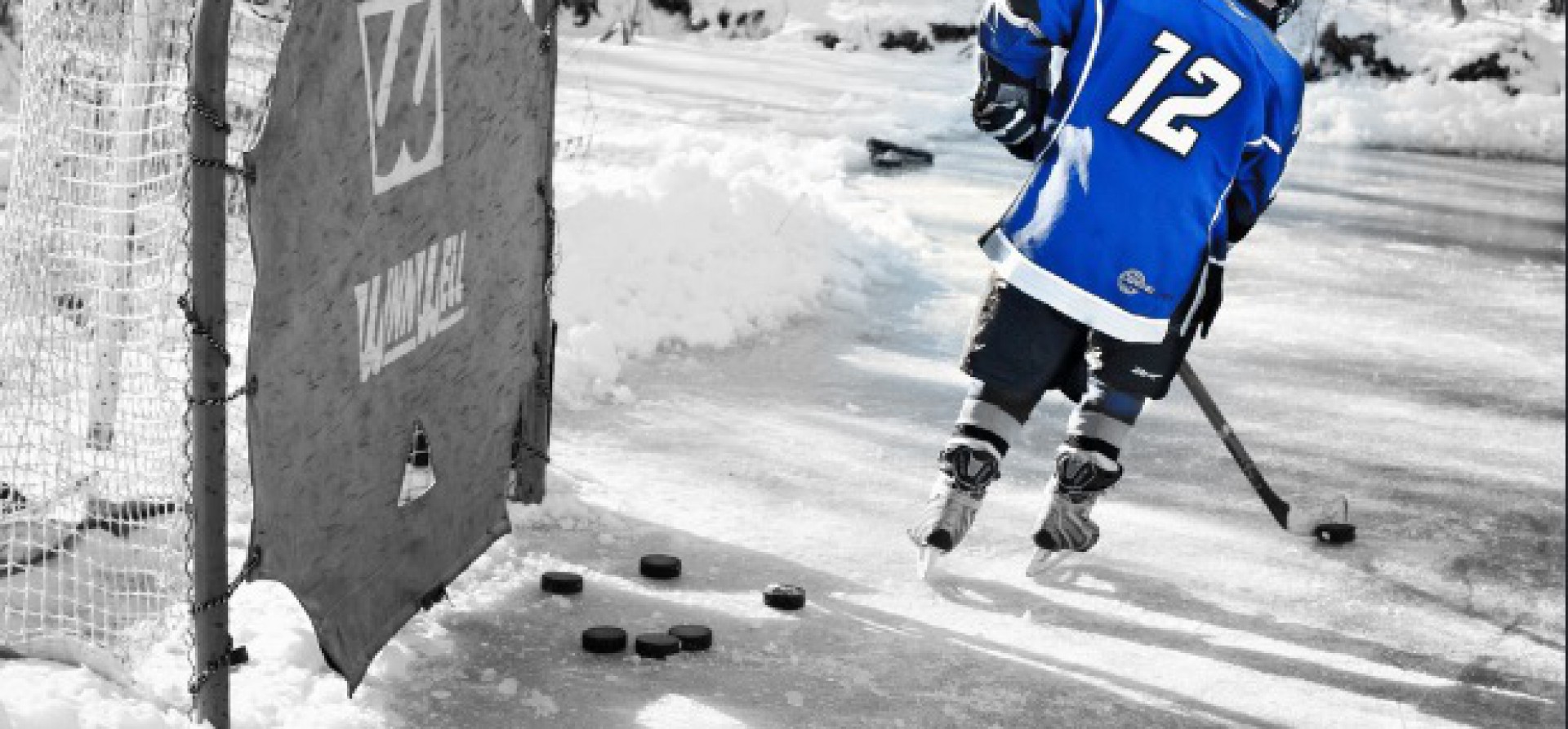
We also need to give players the opportunity to play without coaching whatsoever, Bobby Orr attributes he development and creativity to all the repetitions he had playing on the pond in Parry Sound.  When a goal was scored, all the players would do is pull the puck out of the net and start again.  There were not coaches, parents of officials telling the players what to do.

We will never get back to that time due to the digital era we now live in, but we must find a happy medium where players are safe to fail and have the freedom to try different things in practices and games so it will make them more creative when they get to higher levels of play.

The perfect example of this transformation is John Tortorella, who for many years was known for his tirades screaming at players and officials and not connecting to his players.  Last season, he was hired to coach the Columbus Blue Jackets much to many experts surprise due to the poor outing the World Championship Team had he coached in Fall 2016 but the management of Columbus told him he would need to change and adapt in order for his contract to be renewed.

He did so and guided Columbus to a record winning streak and into the playoffs and was acknowledged as Coach of the Year in the NHL receiving the Jack Adams award.

The best coaches that I ever had in my youth challenged me every practice to become the best player I could be, and they did so without being demeaning. That is the fine line we all have to walk, but in order to get the best out of our players individually and teams collectively is to push our players to become better each and every practice.

Reinforcing the importance of effort, praising when they make mistakes so they get up and try again.  As I have told every player over the years, if you aren’t pushing yourself, you are never going to get better.

If we continue to let them do it the same way over and over again and expect different results, that is insanity – Albert Einstein

In every practice and games I ask players what do they need to do, or we as a team need to do to improve?  Then I wait for the answers.

I have done this with Novice all the way to Midget and all age groups in between in both the competitive (rep) and recreational (rec) streams.

What I have also learned is the importance of P&R (Patience and repetitions from Terry Crisp), as yout sport coaches we have to be patient first and foremost and we have to provide opportunities for players to work on their skills thru numerous repetitions, adding to the difficulty (progression) thru the season.

The funniest anecdote I have shared in many clinics is a player that I had on my Bantam A2 team, at intermission breaks I would ask the players what we needed to do in the next period and he was infamous for one word answers like

Pass

Shoot

Score

His nickname became “Cone head” from the movie miracle for Herb Brooks Line “Cone Heads” when they came into his office and said coach we pass, we shoot and we score.

This is probably the biggest challenges for coaches, many want to develop set systems, tactics and strategies and many will scream at their players if they deviate from in game play.

I will never forget talking to a defencemen on a Bantam A1 team who shared the analogy with me that the coach only had one set play for power play where the team would cycle the puck to set up the weak side D to come in the back door and shoot on goal.  The problem was every team clued into the set play at the first powerplay each game and would position a player in the gap to prevent that setup pass or prevent the defensemen from shooting.  He (13 years old at the time) stated as he was not given any options, would try to slap the shot thru that player but would have to shoot wide as did not want to hurt him.

I heard similar stories from many other players over the years as coaches were not giving them the opportunity to “adapt, overcome and improvise” in game play.

Coaches, practices you can control, but games you can not as there are too many variables (other teams, coaches, the officiating) so it this last point is the key takeaway, you MUST support your players to improvise in all game situations, if you have a set play, provide players option B, C, D etc. so they can still follow in part but use their imagination in doing so.

Let’s work together to bring the game back to the kids.


PS Tagline - Dont be a kids last coach