

Why Coaches Must Teach the importance of FINISHING

Posted Posted in Athlete, Coach, Organization Executive, Parents

Why coaches must teach the importance of FINISHING.

In addition to all the players I have coached over the years, I have also now worked with 15 University and College co-students (our 16th will be starting in a few weeks) who have been instrumental in helping us develop our websites, social media, digital content and hosting of online events and podcasts, I have come to appreciate how today’s generation(s) (Millennials and Gen Z) differs from Gen X (the baby boomers).

Although each one of them has left their own legacy based on projects we started at the beginning of a co-op term that I have looked back in awe at times what they have accomplished, I must confess there one of my pet peeves having worked with the Millennials and now Gen Z is their lack of appreciation of not only starting a task but finishing a task assigned at times.

Generation Z Attention Span is only 8 seconds, LESS than a goldfish


I continue to see instances even of co-op students and many of which share our passion as they  played various sports think nothing of taking on a project or task with vigor but due to their upbringing in the digital era with shortened attention spans with all the time they spend on screens, social media it has been something I have to reinforce with all of them.

Some examples of instances where I had to go to the student’s desks after they thought they were finished to FINISH the task or project;

#1 – We have been a long term sponsor of a charity “Dreams Take Flight” and each year have provided them various samples, promotional items from past and current lives and in back to back summers when I prompted our co-op student to help stage, they would return back to their desks before we were finished. I would then have to ask for them to come back so we could finish what we started.

#2 – Recently I asked one of our students to re: and re: two PC computers from our conference room to another area of the office and although they did a great job with the computer in the conference room, they merely plugged in the other and hooked up to the screen and then returned back to their desk but failed to test the mouse, keyboard, internet, audio where I then had to finish the task assigned.

#3 – Various other students over the years I would assign tasks of projects to and they would take on with vigor and would get to approximately 80% completion and would shift to other projects either as they thought they were finished or suspect their attention waned, particularly with some of the more mundane tasks like manually filing, bookkeeping, that I would have to come to them and highlight they were not finished the first project. It reminded me every time just how short their attention spans could be but is direct cause in effect of their upbringing thru the digital era.

I could cite many other examples but as I run our organization now incorporates the art of coaching over the years including growth mindset, safe to fail environment, connection, developing trust, cultures of excellence etc. in lieu of getting frustrated with every student all too commonplace today with coaches and parents criticizing kids for making mistakes I sit down with them and review why it is important for them to not only commit, but FINISH the task assigned. This is no different that when coaches run drills during practices and remind players not to cheat the drill (rush thru it as fast as possible) which completely defeats the purpose.

Each time I would do so I would use analogies going back to their sports experiences where coaches should reinforce the importance of FINISHING (AKA Go THRU, not TO, the line).

Analogies that I have shared with them with videos (Gen Z is highly visual and if you can’t beat them, join them) top 5 in reverse order;

#5 – Life is a game of inches (Rugby version)

We play as a team or we will die as individuals.


#4 – Don’t celebrate until you FINISH


#3 – Never Give up, it takes a village


Everything about the importance of finishing the race including the epitome of sportsmanship from a 17 year old high school student, reminscient of when Derek Redmond’s father assisted him finish the race in Barcelona 1992 Summer Olympics (video protected by IOC)


#2 – Run THRU, not TO, the goal line

Just one of many examples why players must run thru, not to, the goal line


Many would share that they never had coaches that reinforced the importance of commitment, finishing or sportsmanship.

To which I would shake my head in disbelief as sports should be the medium to develop youth into adults and if coaches are not reinforcing the importance of Commitment and FINISHING is no wonder why today’s generation is rushing thru tasks and not completing 100%.

I just sat down with my current student to review a project that he had taken on, but did not complete the last step as he got distracted with a newer task that was assigned to remind him of the importance and reviewed all of the analogies above to which he responded no coach he had had ever shared with him.

Below is our all-time favorite example of how a player was able to accomplish a lifetime goal and finish with the support of opponents, the epitome of sportsmanship, yet another area that I have had to remind many Gen Z players of various teams I have coached the importance of.

And Our All Time Favorite at #1

Sara Tucholsky First Home Run – Ultimate Sportsmanship to achieve a lifetime goal


If you are a coach of any sport today if you don’t reinforce life skills of commitment, finishing, and sportsmanship you have not prepared them for life beyond sport.

Remember, our role as coaches is not to make a living (as most coaches are volunteers), it is to make a difference by developing youth into adults.

Let’s all work together to bring the game back to the kids.

 

Don`t be a kids last coach


How to Coach the Alpha’s

Posted Posted in Athlete, Coach, Early Sport Specialization, Organization Executive, Parents


We previously posted “How to Coach Generation Z” based on our experience coaching kids born as of 1995 to 2009 (post-Millenials Gen Y born as of 1984) and gone are the days where a generation was 30+ years, now they are 15 due largely to the exponential growth of the Digital Era.

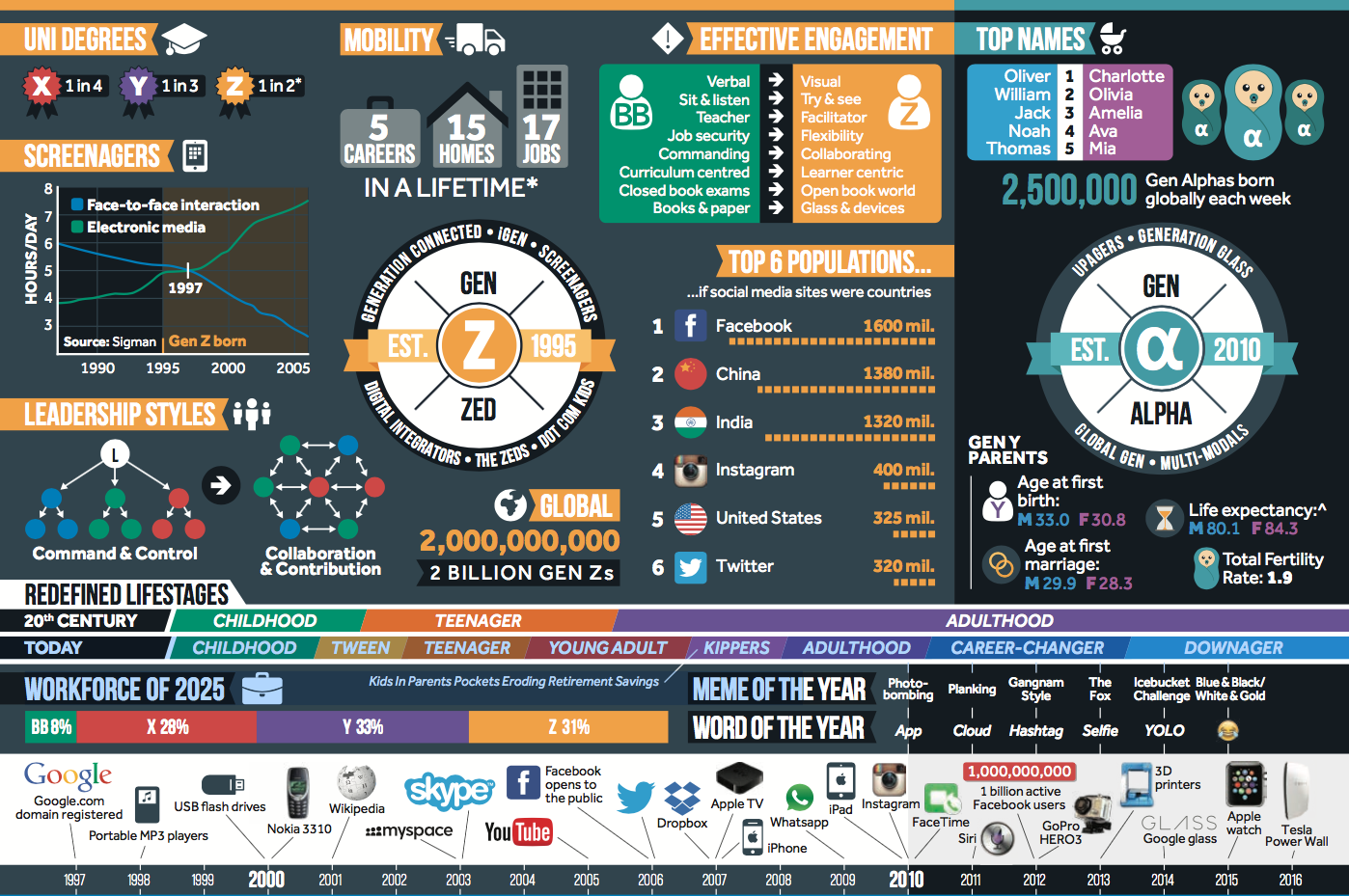
Below is a great infographic produced by McGrindle in Australia that compares Gen Z to the next Gen Alpha’s (will next gen be the Bumble B’s?)

As I highlighted about Gen Z, some of their key differences from the Millenials is they grew up completely in the digital era starting with the introduction of Google in 1997 and the Alpha’s generation born entirely in the 21st century with life expectancy in the 22nd century.

So Who are the Alpha’s ?

The year of Gen A, are ones born as of 2010 to 2025, which coincidentally was year that the iPad (and other tablets since) were introduced and became babysitters of the iGeneration, like Baby Boomers kids who watched Disney VHS Tapes (anyone remember a VHS player?).

It is also the year that Instagram was introduced, Gen Z and now Gen Alpha’s preferred medium for social media networking vs Millenial and Baby Boomers Facebook preference so if you are coaching and using social media for team updates, time to come up to speed with Instagram.

Parents of Gen A are the infamous Millenials that Simon Sinek and many others including yours truly feel we as adults let down that led to their “sense of entitlement”, participation trophies, and dopamine fixation with screens (smartphones, tablets, video games, computer screens)

Having grown up on iPads, accessing Google and Youtube with vigor, they have the ability to absorb information at record paces even beyond their Gen Z counterparts.

What they are lacking, however, due to increase screen time and parents reliance on same (even when they are at dinner by themselves I see couples pulling out their phones only to “chat” with their online counterparts than the very person they are sitting across or beside) are basic social skills prior generations had.

As they spend much more time one on one playing games on their phones, tablets as their “babysitters” vs. stay at home Moms to feed the neighborhood kids after playing outside for hours on end (can’t afford to do so) or being at daycare with others they also have been deprived of unsupervised Free Play.

Unsupervised activity outside where they previously developed the core motor skills we all took for granted, running, biking, swimming, throwing, catching, falling, getting up, jumping, climbing and so on.  It amazes me how often I talk to coaches of the Gen A’s from 5-9 years of age who share how few of them can do all the basic motor skills, but worse yet, how they struggle to overcome adversity, lack problem solving, creativity and ability to make decisions with direct instruction.

Why?

Because they have not played for the sake of playing, all of their activities are structured and their former active play time we had as kids has been replaced by inactive screen time on average 7.5 hours a day.

Here are some things that you need to know about the Alpha’s so that you can connect with and coach/teach them better:

#1 – They are the most diverse cultural generation EVER in North America

As of 2010 census bureau and Stats Can surveys, as a result of aging populations, the growth to both USA and Canada has been via immigration from across the world.  This in itself is leading to challenges with verbal communication if the alpha’s are still speaking their native language at home and English is a second language so more than evet coaches and teachers must rely on non-verbal communication (which represents over 80% regardless of the words coming out of your mouths)

#2 – They are even more digitally literate then they Gen Z predecessors

“Generation Alpha is part of an unintentional global experiment where screens are placed in front of them from the youngest age as pacifiers, entertainers and educational aids.”

Mark McCrindle – Australian Futurist

In my day, pacifiers were call “susses” and they were only given to kids who were going thru really bad teething and a trick used by many parents was to dip the suss in whiskey to ease the pain for babies and permit them and their parents to sleep.

In the case of Gen Z, as a baby boomer parents of two Gen Z “kids”, my wife and I avoided giving either of my susses as I knew how dependent some kids would be on them and remember seeing some kids with them a 5-7 years of age when I started coaching hockey and softball. I also avoided giving both any electronic devices until they were teens, including their first cell phones at 15 years of age and even now we do not permit any electronics at the dinner table for face to face conversations as well as curfews for use and total time.

Did we face scrutiny from other parents as a result?

Yes.

Do you know who also raised their kids tech-free?

The two whose livelihoods and companies they created dominated the digital era, Bill Gates (Microsoft) and Steve Jobs (Apple)

Hmmm ….. both when interviewed stated they limited to ensure that their kids used technology in moderation so perhaps the Millenial parents now could do the same?

#3 – Their parents will be the oldest and most educated of ANY generation

On average mothers will become mothers for their first in their early 30’s (vs. late 20’s for the Baby Boomers) and first-time fathers a few years older into their mid 30’s

What this means for coaches, many of which will be parents starting out coaching their 5-9-year-old kids in various organized sports that have been adapted for age-appropriate programming is coaches will need to understand the importance of engaging parents more than ever.  The parents will also EXPECT the reasoning for seasonal planning to be supported by the science, not old school coaching practices this is the way we have always done it.

They also will seek measurement tools to prove that their kids have DEVELOPED, not rely strictly on results on the scoreboard to ensure that your seasonal planning incorporated baseline, mid and end of season testing.

This includes communicating what is Physical Literacy, Fundamental Movement Skills, the various stages of the development pathways so the Millennial parents understand the reasons for the madness so to speak why we no longer play full ice or full field games, incorporate small area games and skills stations in practices and competition is pushed to later age groups.

This is why coaches and board members of all sports must implement parental support and engagement vs. the current us vs. them or dealing with parents.

#4 – The Alpha’s are the age group that literally coincide with the introduction of LTAD models by the majority of National Sports or National Governing Bodies as of 2010

These have been identified by various LTAD adaptations (as Sport for Life has recently released v. 3.0 and NGB’s have their own variations like Hockey Canada’s LTPD, USA Hockey and many other US NGB’s AGM) as Active Start (0-4 yrs old) and Fundamentals (5-8 yrs. old). The emphasis for these age groups is focusing on Physical literacy and Fundamental Movement skills.

Although LTAD models have been around now for a couple of decades, for whatever reason there are various versions LTAD, LTPD, LTAD, ADM and updates with the latest version now being introduced by Sport for Life called “Long Term Developing in Sport and Physical Activity 3.0” The reason they omitted athlete for v. 3.0 is they did not want it to be a reference only for athletes, but to promote physical literacy for all people to be active for life BUT there are still sports orgs and grassroots coaching catching up to the concept of 1.0.  If Nike changed their swoosh every few years do you think they would have the same powerful brand and consistent messaging they do today?  Just my two bits.

#5 – Like their Gen Z counterparts, they have the attention of a flea (less than 8 seconds which is the attention of a goldfish)

What this means – Cut to the Chase QUICKLY, avoid board time at all costs with Initiation (5-6), and Novice (8-9 yr) age groups, keep your instructions simple and better yet DON’T coach, let them figure it out by providing general guidance for disguised drills

Many national sports orgs now have “an APP for that”, video, audio, drills you can share via email, text or show directly on phones, tablets or better yet, dongle right to TV’s.  Embrace the technology that the Alpha’s know very well to help you coach and connect with them.

Below are just a few examples how National Sports Organizations have adapted their coaching certification programs to guide coaches how to coach of Generation Alpha to coincide with their version of LTAD programs they have recently or are going thru revisions on since 2010:

Baseball Canada Rally Cap Program – Initiation to Baseball (first phase of LTPD)

The main reason kids were quitting T-Ball or early years of baseball (which I did coach) was the kids did not have fun, largely in part to the lack of movement or engagement, standing in lines to take their turn to hit in practices, also due to fact the kids did not have the core skills needed to throw, catch, run, slide, hit.

The focus of the program is to help kids understand the fundamentals of the game while having FUN vs. the old t-Ball program.  Check out the great video Baseball Canada made of a Rally Cap Session in one my many stops growing up a kid in the outskirts of Montreal, Lasalle.


  • 5 More touches
  • 15X more hits
  • 5 More Steps
  • More Dynamic
  • More Movement
  • More engagement
  • 3X more positions played

The Best Part – Kids want to come back after each session as they had FUN.

USA Hockey – ADM Model and Hockey Canada LTPD (Long Term Player Development)

Both now have incorporated that we highlighted in Cross Ice Hockey Benefits (smaller area of ice surface leading to similar results as the Rally Cap program for more puck touches, contact confidence, shots, passes, saves etc.)

Next Season, both USA Hockey and Hockey Canada will be rolling out revamped development programs for the Atom age groups (9-10 years old) which coincidentally coincides with the first Gen Alpha’s entering those pathways who were born in 2010.

Both National Organizations have introduced Digital APPs to help coaches to better connect with the iGeneration of kids they are now coaching also

Soccer Canada LTPD

Soccer Canada now has mandatory age-appropriate coaching certification for all age groups, including the Alpha’s with their first two of four community stream clinics (rec level) and incremental licensing for competitive levels

  • Active Start – U4-U6
  • Fundamentals – U6-9 (boys), U6-8 (girls)
  • Learn to Train – U9-12 (boys) and U8-11 (girls)
  • Soccer For Life – 13+

As John Herdman, Head Coach of Canada’s Men’s National Soccer Team, shares in the LTPD Grassroots highlight video by Canada Soccer, the principals are there, that 5 to 12, is to FALL IN LOVE WITH THE GAME.

Many other sports organizations are implementing similar models so they can ensure that their coaches have the tools to coach the next generation of Alpha’s so they have fun and love the game more at the end of the season than they did at the beginning.

PS Tagline - Dont be a kids last coach

 BONUS – Download a FREE printable PDF of this blog HERE

Why do kids play Video Games?

Posted 3 CommentsPosted in Athlete, Coach, Early Sport Specialization, Organization Executive, Parents

Earlier this week I received a call from a writer for CBC who wanted to get insight from my interaction with coaches across Canada regarding the impact of Fortnite and other video games on the grassroots level of youth sports.

The subject comes up literally every time I do a presentation or connect with coaches on a call, as it is one of the many screens that kids have turned to in the digital era replacing their former active play time with inactive screen time.

The main reason why it is not only impacting grassroots but all the way up to the professional level is the fact that many athletes are playing video games for hours on end into the early morning hours, in particular when traveling to road games, leading to sleep deprivation which is impacting their performance during “real” games of the sports they play.

Why do Kids Play Video Games?

#1 – Fun

No different that youth sports, kids play video games because they’re fun.  It’s not Rocket Science and the video game developers invest Millions of dollars into R&D to develop games so they are fun, whether it be for PC, Mac, Video Game Consoles, Tablets or Smart Phones.

#2 – Social 

Also one of driving reasons why kids play Youth Sports, they play video games with their friends or meet new friends either in their communities by going to houses or as many games can be played online, they meet friends from all over the globe.

#3 – Safe

Two reasons why video games are safe;

a. They are safe to fail

There are no adults present like they are in the professionalized youth sports era today, no parents or coaches telling them what to do, no officials enforcing the rules and if they don’t like the preset rules of the games they change them and can play levels that they are comfortable playing.

If you die or the game is over … all kids do is press the reset button and PLAY AGAIN.

It would be a great way to test Carol Dweck’s research in terms of growth mindset, I suspect kids with a fixed mindset always play at a lower level so they can get the desired result vs. those with a growth mindset would also want to play at a higher level to push themselves to get better.

b. They are safe from all forms of harassment

When is the last time you saw a social media post or a news article in print or on TV that gamers have been victims of bullying, cyberbullying, sexual harassment or abuse, hazing?

Compare that to youth sports, it seems like every day I open the paper, check news feeds or social media that I come across yet another article where players, officials and even coaches are victims of one form of abuse.

As ESports continues to evolve and competitions ramp up I suspect this may creep into their sector as it has in youth sports, but the very nature of esports is inclusive, regardless of your nationality, economic status, sexual orientation as long as you can play, you PLAY without the fear of being harassed by adults (coaches, parents) or even teammates.

#4 – Addictive Nature

Video games since the onset have been addictive forms of entertainment, how many of you remember some of the original games

Fast forward to ones developed for Smart Phones?


The developers would not be doing their jobs if they did not make the games addictive so that (a) you purchased the games and (b) kept buying the newest versions of same.

Think of the various EA Sports top-selling games, every year they add to the games so you ante up 50-100.00 to purchase the newest version like Madden, Fifa, NHL and various others.

I would even argue they lead to the very same release of the neurotransmitter Dopamine that Simon Sinek touched on in his infamous rant about the Millenials in the Workplace we shared in our prior post This is the Future.  Fortnite, in particular, has kids and even adults playing for hours one end into the wee hours of the morning.

Youth sports also can be addictive, if kids play for the love of the game, they will play for HOURS just like we did as kids.

#5 – Competitive

Many kids will say they play because they love to compete with their friends, which is no different than pick-up games when we grew up, there was nothing better than a close game of shinny, basketball, football, British Bulldog or what have you to get the adrenalin juices flowing.

The difference between kids playing video games and organized youth sports today vs. when I grew up, is the adults have turned youth sports into winning at all costs environment in lieu of playing for the love of the game, the spirit of competition, playing with your friends and FUN.

Youth Sports Organizations could learn “just a wee bit” for the Video Games Business Model and if did so could reverse the negative trends that youth sports are seeing today where 70% of kids are quitting youth sports by the age of 13.

How can Youth Sports Attract, Retain and Grow their membership?

#1 Focus on FUN at all costs, not winning at all costs.

As I have shared for many years with parents, coaches and board members;


Kids play sports is that they are fun, they quit when they’re not.

IT’S NOT ROCKET SCIENCE.

# 2 – Recognize the importance of kids playing with their friends

In the most recent survey we shared “Why Kids Play Soccer“, over 2300 kids stated the #2 reason why they played soccer was to play with their friends or meet new ones.

# 3 – Make it Safe to Fail and from all forms of harassment

In the last few weeks there have been so many articles or videos shared in social media or on TV regarding various forms of abuse that kids have bee victims and the level of abuse that officials are seeing is leading to many states in the USA declaring official attrition is a state of emergency as it will jeopardize number of games and programs they can support.

Why is this happening? Because parents think youth sports is a meal ticket to save the costs for a university education via a full ride scholarship or even better, their kids will get a professional contract to play sports.

The reality is less than 1% of kids will play collegiately with a scholarship, most of which are partials and less than 0.1% will play professionally.

In the last few weeks Kirsty Duncan, minister of Sport for Canada, has started the ball rolling to create a harmonized code of conduct with the Coaching Association of Canada as well as recently announced that there will be a 3rd party independent reporting organization and toll-free support line for any athletes that have been victims of any form of harassment.

The big unknown is how long this will take to be in place AND if the much needed cultural shift that needs to happen in youth sports will follow.

# 4 – Promote the benefits of Free PLAY.

Gone are the days where kids will play outside for hours on end as Generation X did (those born before 1984) BUT we must find a happy medium where kids have the opportunity to develop the very same addiction we had for being active and being outside so we don’t lose another generation like Simon Sinek eluded how we let the Milennials down.

There was nothing better for me and all the global experts that I have had the opportunity to talk to than going outside and playing pickup games, climbing trees, swinging into lakes, racing our bikes and so on without any adult supervision (no coaches, parents, officials)

A great example is an initiative that a coach started in Oklahama called “Unorganized Baseball” highlighted in the video below;

What does the kid say … playing baseball with my friends, I like this more

Should I tell your dad you said that?

YES.

Why?

Because the rules of unorganized baseball are there are NO RULES other than parents need to be quiet, coaches can’t coach, the kids pick sides and form their own teams, they make their own rules and enforce them.  No GROWN-UPS involved.

Hmmmm .. sounds like the good old days doesn’t it?

Kids just want to play … play with their friends in their local communities, not travel and have to play sports year round (early specialization), travel, aren’t concerned about trophies or medals (participation trophies) and have FUN.

THIS IS WHY VIDEO GAMES ARE THRIVING.

# 5 – Provide a quality sports experience

The focus of youth sports should not be winning at all costs, the focus should be a positive experience where kids learn not only the skills of the game, but the skills of life.

I know there is a lot of work being done at the academia level and sports organizations to define what is quality sport, and the best one I have come across to date is one drafted by Sport Canada;

Quality sport is led by Qualified Coaches, is delivered in a Safe and Ethical manner, is administered by Sport organizations who are aiming to achieve Organizational Excellence, is Inclusive and Accessible and is Developmentally Appropriate.

Hmmm … Qualified Coaches, Safe and Ethical, Organizational Excellence, Inclusive and Accessible and Developmentally Appropriate?

If youth sports organizations would follow suit and check all the boxes, in lieu of suffering the rates they have been experiencing the last 2 decades, they could buck the trends and attract, retain and GROW their memberships. One of the biggest shortfalls in youth sports is there is no measurement to ensure that kids DEVELOP, merely rely on outcoms (game scores, goals and assists) but ask any kid what quality sport is and they are tested beginning, mid and end of season to show how much they IMPROVED, not how many wins the team got.

Ironically, as I was putting the finishing touches to this post I read in one of our online local papers that a new esports tournament stadium is going to open in Richmond (lower mainland of Vancouver) BC as one of the principals stated “We know there is a community of gamers here in the Greater Vancouver area…we’ve done our market research, so we are pretty confident,” he said.

Rendering what the new stadium will look like


Hmmm … Market Research?  What a concept.

The very reason why Video Games and eSports have evolved into multi-billion industries is that they do their research, focus groups, surveys, testing so they can develop games with all the features that their customers want and focus on continuous improvement so they not only attract, but they retain and grow their customer base year after year.

Video Games now are a $180 Billion Industry Worldwide so they know a “wee bit” about attracting, retaining and growing their membership year over year.

Youth sports have to stop running their models as not for profits and understand that they are in the business of developing youth into adults.

Let’s all work together to bring the game back to the kids …. where it belongs.

Don`t be a kids last coach


Olympic blog thumbnail

A Healthy Mind in a Healthy Body

Posted Leave a commentPosted in Athlete, Coach, Organization Executive, Parents

I would be remiss in not starting today’s post with “Vive le France” for the great run to win this year’s World Cup with a combined score against Croatia for most goals in a World Cup Final (4-2) since 1966.

The final game was filled with what one would expect in the final game which included France’s young 19 year teen phenom Kylian Mbappe scoring, the first time that a teen did so since Pele in 1958.

The buzz amongst all the people I talked to over the weeks leading to the final, have you seen the young player on France ?? He runs faster dribbling the ball then most players do without?

Being that Pele was arguably the greatest footballer EVER (who can ever forget goals he scored flipping upside down backwards) Kylian is the up and coming global superstar and suspect France will be a top seed 4 years from now in the next world Cup as a result.

One thing that both Pele and Kylian and all the other amazing players in this and every World Cup is they LOVE to play the game, the spirit of the competition, no different than every 2 years when we witness in the awe the world’s greatest athletes in the Olympic Games (vs. previously when summer and winter games were hosted in the same year).

It reminded me of the Ancient Olympic Motto “ Mens sana in copore sana” = A healthy mind in a healthy body as the world’s best footballers or athletes would not have reached that level if their minds were in harmony with their bodies and vice versa.

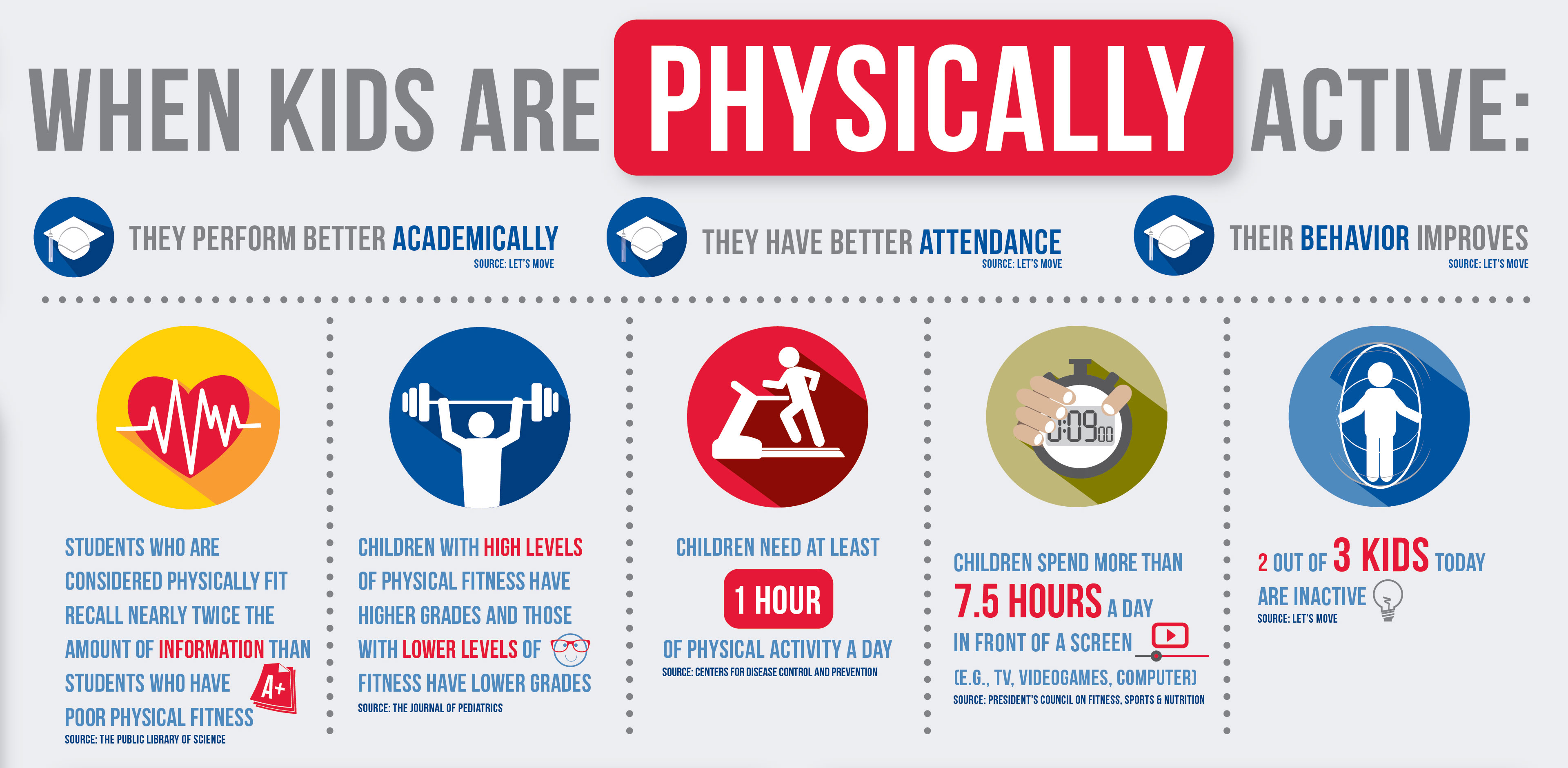
This is the very reason why I have shared my concerns regarding the amount of screen time that kids today have, on average 7.5 hours a day getting their dopamine fixes vs. the same rushes of adrenalin being active playing with their friends in the spirit of competition, regardless if organized or free play activities.

One of the things I started enforcing my teams well before it became common practice thanks to awareness campaigns by the Respect Group and others was a ban for all electronics in the dressing rooms, playing fields or team activities.

The first few times I have done so with team’s kids have looked at me like “are you freaking kidding me” This smartphone, iPod or tablet is my fifth appendage and I am not parting with it.

The reason I did so was two-fold;

  1. As smartphones, even iPods, evolved and added video and camera capability that could be easily uploaded to social media platforms, I did not want any players to be victims of harassment. See below for one of the extreme examples of how a coaches rant was shared on social media that lead to his immediate dismissal


  1. Although every player would argue they brought so could listen to music pre-game, practice, more often than not I saw they snap-chatting, texting, posting to Instagram or other social media platforms to the infamous dopamine fix (AKA Simon Sinek infamous rant on the Millenials)


As a compromise, when Bluetooth started evolving we would assign a coach with a blue tooth enabled device to put together the team’s playlist (one rule no swearing) and they would position the speaker in the dressing room so were within 33 feet for music to play.  Players of the game also would be given choice of the song before we headed out of the dressing room following game also.

I know many will feel that I am old school as a result, but I don’t even take my phone into the dressing room, field of play (or whatever playing surface), I leave it in my car.  One of my biggest pet peeves is when I have seen coaches answer calls, text or email on their smartphones during games.

Why?

Because, I, like the very same players I coach, aspire for practices and games to be electronics free to bring that same love of the game back like all those players in the World Cup showed or any other high level competition like the Olympics.  To experience the game the way it is meant to be, without the distractions of electronics.  When coaches are texting, answering calls in my eyes it is disrespectful to the game and the players they are coaching, no different than I am speaking at an event and people do the same.

This is why I can say with confidence that the needle is shifting, parents are recognizing they we did in part let the prior Gen Z (Millenials) down in part and more and more parents I talk to are enforcing electronics rules like;

No electronics at the dinner table (this has been a firm rule in our household since the digital era started)

For every hour of screen time, you must have 60 minutes of non-screen time and a minimum of 60 minutes of physical activity/day.  Incremental activity may include playing a musical instrument, reading, art, drama, preparing for a speech, meditation, hanging out with a friend or friends and the only electronics devices are music while you talk face to face.

Or better yet – play board games … yes, board games.

My wife went to friends on the weekend and they sat outside on her friend’s deck playing a version of reverse gin rummy for 2 hours and shared how much fun it was, how many of you remember playing board games?  One of my favorites is RISK, nothing better than a multi-day Risk marathon to rule the world (no I am not competitive at all).

As the cliché goes going back to the Ancient Olympics, Mens sana in corpore sano

Translation: A healthy mind in a healthy body

In the most recent Participaction report for 2018, yet again we received failing or near-failing grades for physical activity standards being met by Canadian Kids under the age of 18, only 35% of kids between the ages of 5-17 are getting 60 minutes a day.                Grade  D

Other areas that we received D’s;  Active Play, Leisure, Active Transportation, Sedentary behaviors.  One of the biggest challenges we face today thanks to “the white van” is kids not getting their 2000 steps to and from school.

Where we have seen improvements (albeit slight) is an increase in organized sport participation and increase in physical education active minutes per week.

This means the needle is moving, but must continue to move in the right direction so the health issues that have come to light since the onset of the digital era are reversed.

Another interesting spin to this year’s Participaction Report has they highlighted the correlation between physical activity and the positive impact it will have on brain health.

This after over 40 years of promoting the benefits of physical activity for all the physical health benefits (agility, strength, cardio, physiological) but now has highlighted research how being active leads to brain health.

This coincides with the growing body of research that links physical activity with academic achievements as well as improved behavior, reduced truancy.

Being physically active improves blood flow, O2 capacity, agility, cardio that leads to faster decision making, short and long term memory, improved attention span and a myriad of other benefits for the brain so kids that are active will perform better in school and will also attend school vs. their less active counterparts.

The other HUGE benefit?  Being active improves your mental health, improves your concentration, enhances your creativity and also studies show will reduce your cognitive decline.

Although it has taken centuries to come up with the scientific data to support the Ancient Olympic Motto, the proof is in the pudding, being active leads to Mens sana in corpore sana.

Everything in life is good in moderation, but please implement rules on your teams and at home to limit kids screen time so they can develop both a healthy mind and body.

Let’s all work together to bring the game back to the kids … where it belongs.

Don`t be a kids last coach


How to Coach Generation Z

Posted 1 CommentPosted in Uncategorized

BONUS – Download a Free Copy of this Blog in PDF Format HERE  

Youth sport coaches needs to be aware we have now evolved from the Millenials, known for their sense of entitlement, to Generation Z, known for their screen addictions (7.5 hours a day) who are also known as The Digital Natives, iGen, Homelanders, Selfie Generation.

These are kids that were born after 1996, 100% in the digital era per below timeline;

Est. 1997

    Est. 1998

Est. 2004

Est. 2005

Est. 2006

 *Est. 2007

*although blackberry was the first smartphone with email capability, iPhone introduced web browsing, photo, video, music and other applications and it still is the leader in the space today (albeit Samsung and several other android based smartphones have eaten into iPhones market share).

Est. 2010

Est. 2010


Est. 2011


Not including various Video Game Consoles (Playstation, Xbox, Nitentendo) and other social media, and as the cliché goes, “There is an ap for that”..

I can speak with the perspective of coaching Gen Z kids as they entered organized sports at the age of 5 but also as parent of two that were part of the youth sports system since 2000.

As each year evolved and technology became more of our day to day lives, I also had to adapt my parenting and coaching styles to relate to this generation. I saw the digital era evolve pre internet, then IBM clones with 5 ¼” floppies with approx. 0.5Mb storage capability (when a micro SD card now hold 128 GB), amber screens taking up ½ a desk, dial-up evolving to cable and DSL high speed, Computer monitors and TV’s changing from tubes to LCD, then LED, now OLED and the list goes on. There was no digital era when my generation played sport, now it is commonplace with parents on the sidelines filming with smartphones, tablets and checking latest aps for schedules, scores, streaming of siblings games etc.

Gen Zedders are exposed to more information in ONE day, than two generations back would see in an entire lifetime.

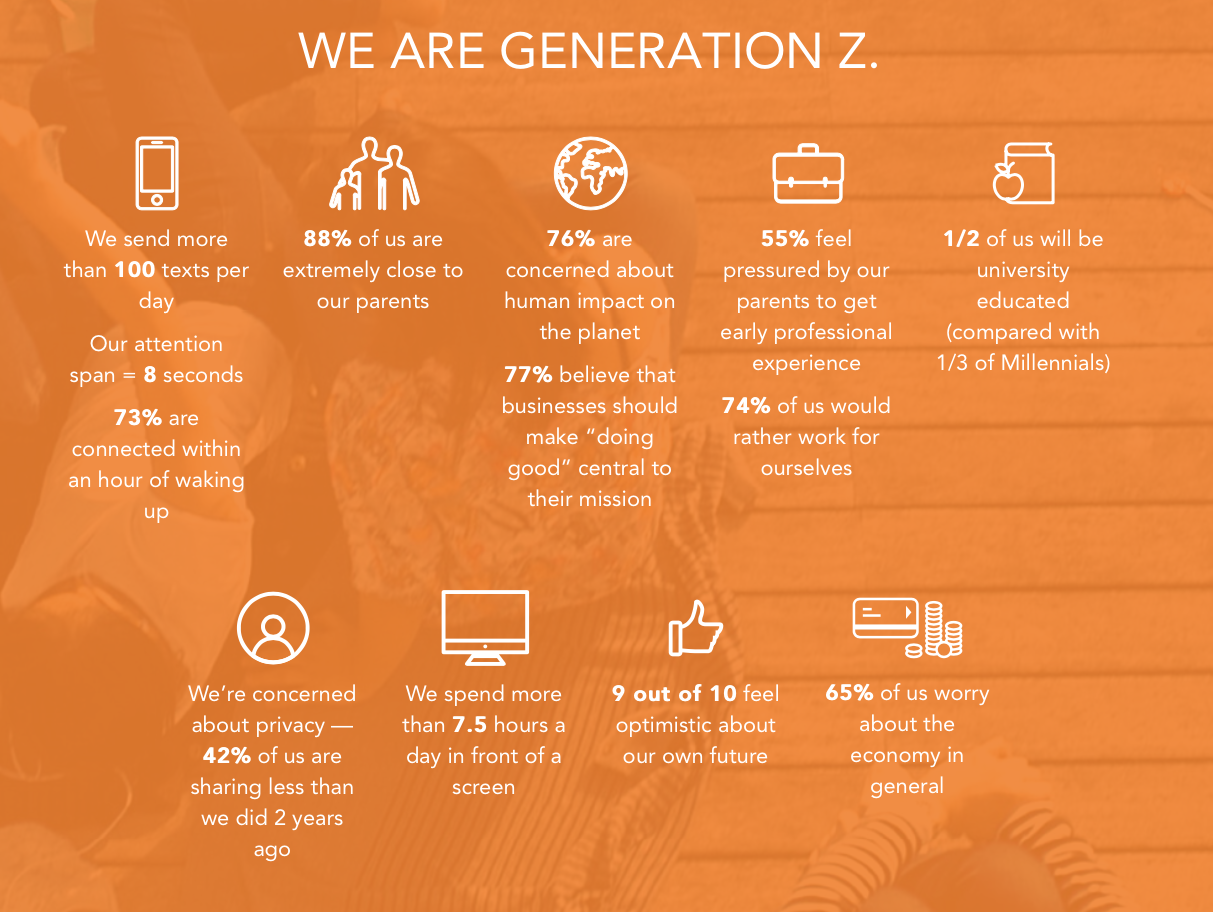
Below is a summary of Gen Z characteristics;

Source: Ologie.com


Top ones that jumped out at me …

Coaches – you have 8 seconds to get your message across when explaining a drill so best to involve technology Gen Zedders use daily (video, youtube, facebook live etc) so cut to the chase so to speak to overcome their 8 second attention span.

Texting – on average 100/day = +3000/mth (hopefully you have unlimited texting plans). Use platforms that work like texting to relay reminders, scheduling and so forth like Facebook Messenger group room I created for my High School Senior Rugby Team

88% of Gen Z are VERY close to their parents, so engage, don’t deal with, parents. There has been a lot of media coverage on parental behavior on the sidelines or the ride home in recent years, but the reality is the vocal majority only represents a small % of all parents, most are great and unfortunately a few bad apples are spoiling the broth. Treat parents on your teams as your allies, not your enemies and remember the enemy of your enemy is your friend. The more education we do, more the silent majority start speaking, the sooner we wean the vocal minority out of the game to bring it back to the kids.

One of the most important things you will do all season is running your initial parent meeting, here is link to prior article I contributed to One Million Skates with summary of agenda items that coaches should cover in their parent meetings.

Screen time that is replacing their former active play time now is 7.5 hours PER DAY. We never will get back to the good old days where kids will play organized and free play sports and activities for hours on end, but we must find a happy medium where they get their minimum 60 minutes of required physical activity daily.

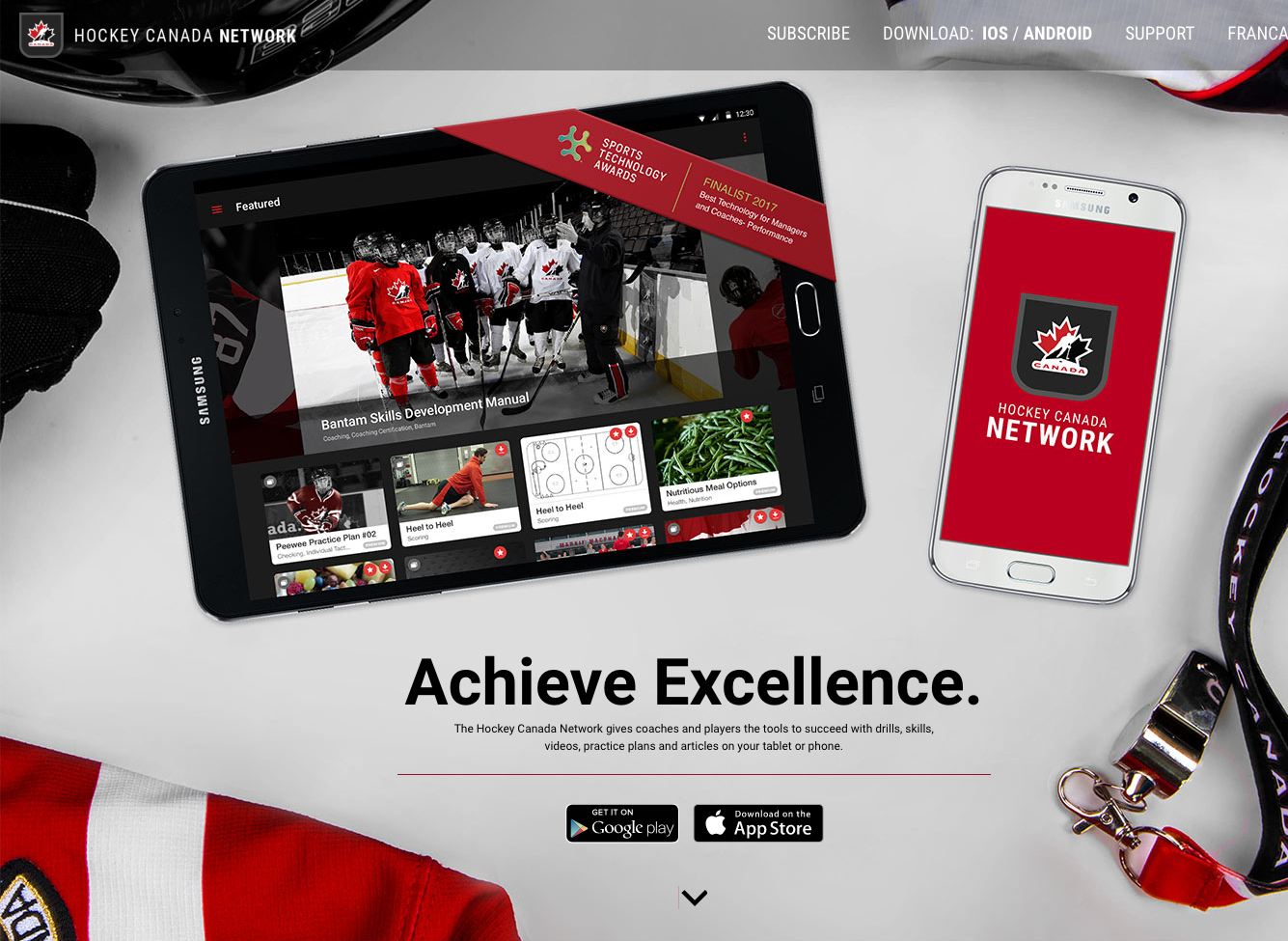
In my role as Hockey Canada NCCP instructor, I was one of first to introduce the new Hockey Canada Network Ap this past hockey season. I was thrilled that we now had access to HC’s full database with an ap to create practice plans in minutes vs. hour or more used to take me when I first started coaching minor hocky. The fact that I no longer have to haul binders to every clinic alone is HUGE and I look forward to how coaches start incorporating for their practice planning.

The biggest benefit is that coaches can now pull up demo videos and show to players in advance (email PDF with video links) or bring a tablet to the rink to show before they run a drill.

Gen Z are highly visual, and having only an 8 second attention span is important that coaches tap into their grey matter as quickly as possible.

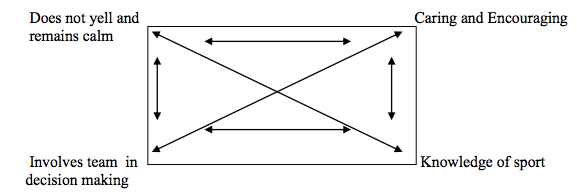
Krisha Parker the University of Georgia surveyed female and male gen Z soccer players and asked them what characteristics they would like to see from their coaches today and below is a table that summarizes the top 4 characteristics;

Source: Journal of Coaching Education: The Preferred coaching styles of Generation Z Athletes July 2012


In order, players desired;

  1. That coaches does not yell (at them, officials, other teams) and remain calm.

Hmmm .. how often have you been in the stands or sidelines and saw a coach screaming at the top of their lungs at a player because they made a mistake? Screaming at a young official as they missed a call or made one coach did not agree with? These are top reasons why 70% of Gen Z athletes are quitting all youth sports before they enter high school (by age 13).

  1. Caring and Encouraging

In literally every talk I do with youth sport coaches I ask them the question “What is the top characteristic of the greatest coach or teacher you ever had?”

The number 1 characteristic EVERY time pertains to how much the coach cared, demonstrated empathy and provided positive encouragement.

As the great Teddy Roosevelt stated “No one cares how much you know, until the know how much you care”

  1. Knowledge of the sport

Coaches must develop their knowledge of the respective sport and for EVERY drill they run in practice, have the answer to WHY. If you try to use the answer “because I said it, or this is the way we have always done it” you have lost them. Coaches must know the reason behind every drill, why it will help the players improve their skills and how it will help them in game play. If not, the will lose players trust and they will google it at the earliest opportunity to find out the answer if don’t believe coaches reply.

Don’t run a drill to fill up time in a practice plan, plan your drills and progressions to ensure optimal development with key teaching points to share with players and assistant coaches.

  1. Involve team in decision making

John Tortorella recently received the Jack Adams award as coach of the year for how he transformed the Columbus Blue Jackets and took them to the playoffs, had a record winning streak in league play.

I will be the first to admit that I did not see this EVER happening after the USA World Cup team under Tort’s guidance did not even medal in Sept 2016, nor seeing highlights of many of his tirades from the bench over the years.

Torts was asked by Columbus management to calm down and refrain from those types of outbursts Torts was infamous for, as well have a lot more patience to allow the younger players to make mistakes. Like Ken Hitchcock before him who also was awarded the Jack Adams trophy who did the same and changed his coaching style to accommodate the young players he had with St. Louis Blues

Both acknowledged instead of using former coach to player only feedback, they incorporated democratic 360 degree coaching styles and asked players for input when came to decision making for practice planning, systems, strategies that would work best for their core group of players.

For John Tortorella, this was a complete role reversal from the time where he coached the Canucks, missing the playoffs and many of the players having their worst years EVER (Edler was -37, Sedins suffered many injuries and lowest points totals in years).

As Gen Z has grown up only knowing the digital era and many of their coaches have not to same extent, the last tip I want to share is you incorporate technology on your teams.

  1. Communicate with Social Media – For my High School Rugby Team this past spring, I setup a group chat room on Facebook Messenger and sent all team postings, even schedules and attachments to communicate with the Gen Zedders. I laughed every time I hit Send and within seconds after I posted would see images of each players face pop up as they read the messages.

Note: Ensure that all applicable team members are included in groups and have codes of conduct for appropriate posts, language, images posted and ZERO tolerance for any form of cyberbullying.

  1. Use Video to demonstrate drills, review strategies in games. Pre Hockey Canada Network Ap I would use Hockey Canada skills of gold on DVD’s and showed players videos of drills we would be doing on an old laptop (AKA boat anchor), then tablets. When I attended a coaches conference a couple of years ago and Corey McNabb (manager of player development for Hockey Canada) talked about the new Ap, he envisioned it would evolve to the a point where coaches would have access to big screens in dressing rooms as TV pricing had eroded so much.


When he did so, Don Hay (Major Junior Coach) who was standing beside me, “Cory I still write my practice plans on paper towel/napkins”. Translation – old school coaches write drills down on whatever they have on hand at the moment so must adapt to new school technologies.

  1. Connect with each of your players face to face (old school not Skype), and get to know each of your players to develop trust. The hardest thing for you as a coach will be to trust your players FIRST before they extend trust of you and your coaching practices but it was the greatest tip I ever received from one of my mentors.

This is exactly what John Tortorella did this past season with Columbus, he let his players play vs. over coaching them in games, much like Ken Hitchcock did before him in 2011 when coaching the St. Louis Blues. That is probably the hardest thing that we all have to do as coaches is extending trust to our players before they have earned it.

Follow these key tips and you will not only connect better with your players, but should see improvement in your overall team play as a result.

Let’s work together to bring the game back to the kids.
PS Tagline - Dont be a kids last coach