
It’s All About The Kids

Posted Posted in Athlete, Coach, Organization Executive, Parents

I have had a crazy couple of months interacting with numerous grassroots hockey coaches in clinics and workshops and have had some great interactions with some really amazing people who have either put their hands up to coach or are looking for more development in workshops.

As the requirements for coaching certification have increased over the years, so has the number of coaches that complain about the amount of time that it takes to become certified, on average I have 2-3 coaches per clinic that will complain, but the past couple of weekends there were two coaches, in particular, that did so literally from the beginning to the end of the clinic.

This past weekend one was a coach that was now entering the competitive stream (rep hockey) which entails a 2 day (16 hour clinic) to become certified in addition to all the other requirements coaches of all levels have to do including concussion / return to play protocols, respect in sport, criminal record checks and interviews by board members.

Ironically, in the very same clinic I had 4 coaches from Washington State who are required to complete both the Hockey Canada certification AND USA Hockey’s and as a result of the work that USA Hockey has done with their coaching certification programs, when I ask coaches if they are familiar with terms like LTAD/LTPD/ADM, Physical Literacy, Fundamental Skills only those from the USA put their hands up.

I asked one of them to provide insight what they needed to do for USA Hockey in addition to what we were doing to remind the coach who was complaining that it was a requirement for all levels of coaching so that you could help your kids become the best they could be.

Two weeks back I had another coach do the same who had previously stepped up to be a manager of many teams but as their association was short of coaches (like many are) he put his hand up to be an assistant coach and on both the Saturday and Sunday came to me complaining about all the work he had to do to merely open the gate during games and “chase pucks” (set up drills) during practices.

My answer to that coach was he was not merely opening the gate during games, he probably had one of the most important roles as a coach in today’s winning at all costs era, he controlled all the players playing time as he opened and closed that gate during line changes.  Fair playing time is one of the top 3 issues that parents and players have in organized sports, so for that reason alone coaches need to complete the certification.

 

We also cover other important modules like communication, team meetings, LTPD (Long Term Player Development), Incorporating technology in their practices, skill analysis, skill development, drill and practice design.

A few years back Hockey Canada added practice evaluations as a requirement of certification for the competitive stream coaches (rep hockey U13 age group or later) so that more tenured coaches can come out and observe a new coach run a practice and provide tips how they can improve going forward.

The reasoning behind the practice evals is so that we can ensure that new coaches recognize the importance not only of planning practices, but all the key requirements to ensure that it is effective in teaching kids.

Having coached now for over 25 years, majority of that time various youth sports, time after time when I have observed new coaches running practices they miss out on some key requirements to ensure that each practice offers key teaching moments

The three that evaluators look for to ensure coaches are doing from the onset

  1. Are the providing the WHY of the drills in terms of how the skills they are teaching relate to game play
  2. Are the able to breakdown the various skills to the fundamental techniques and most importantly
  3. Do they correct errors when the players are not doing the skill correctly?

It is this last point that newer coaches omit time after time and in many instances will get frustrated with players as they not executing the drills the way they were drawn up.

There are many reasons why this is the case, but as I tell all coaches, encouraging kids to make mistakes in practices will only translate to more confidence, competence in games and better yet, creativity.

Too often coaches will focus too much on structure in practices and not allow time for unstructured free play where kids have the opportunity to be creative so it will translate to game play.

The last part of running effective practices and becoming a great coach is the importance of connecting with all your players as individuals, getting to know them as people.

As Jerry York shared in his recent Hockey Hall of Fame Induction Speech
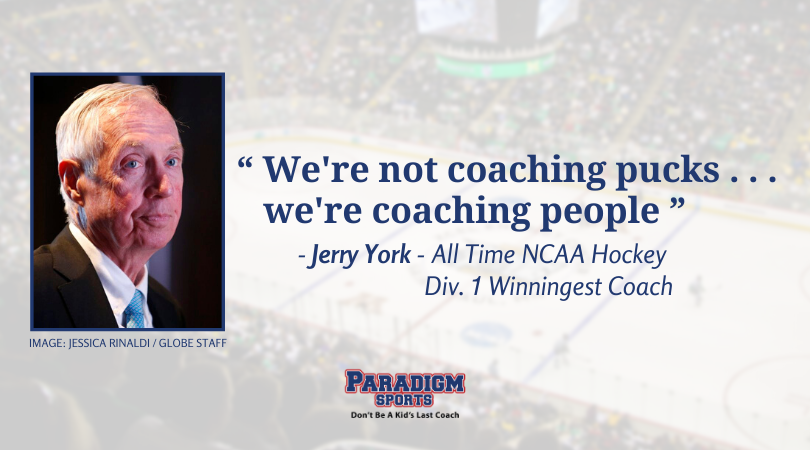
 

When James Duthie was introducing him before he received his plaque he stated that Jerry’s style of coaching involved patience, being positive and being a great teacher”

Jerry is now the most winningest NCAA Div 1 coach of all time and tied for most national championships and has developed more players at Boston College that went on to the NHL than any other collegiate program.

I shared that quote and analogy last week in our newsletter and have hence shared it several workshops/weekend clinic ran this past weekend.

Jerry, like all of the great coaches over the years, works tirelessly putting in hundreds, if not thousands of hours coaching to not only help their teams but to develop their players into better people.

This is the reminder that I also shared with both recent coaches that challenged me about the time commitment that is required to become certified to become with, but to be a coach ultimately for years to come.

It is all about the kids, and as I remind all of them play playing sports is a privilege, not a right, so is coaching.

Yes, it can be a big-time commitment and at times may be a thankless gig, maybe you get a Starbucks or Tim Horton’s gift prepaid card, better yet a personalized card with same from a player but the best reward you can receive as a coach is when that player comes to you at the end of the season or years down the road and says THANKS COACH.

Then all those hours that you commit up front to get certified and during the seasons make you realize the main reason we have to do so.

It’s all about the kids.

As coaches, it is not about making a living, particularly as majority of coaches in all sports are volunteers.

Our purpose, as those who may be frustrated with the time commitments up front in clinics all the time including the two I referred to at the beginning of this post  may not realize when they first start out, is our purpose as coaches is to make a difference developing youth into adults.

When you are given that opportunity to be a coach and make that difference, yes the certification requirements and time to do so can be a lot but please remember what it is all about.

It’s all about the kids.

Just as I remind players all the time that playing a youth sport is a privilege, not a right as many kids can’t afford to play, so is coaching.

It truly is a privilege to be a coach and as the years go by, and kids share with you how happy they are to be able to do a skill they are working on, did well on tests at school, made friends on their teams, learned values like respect, sportsmanship, communication or leadership skills and so on the time we invest as coaches is worth it.

Even more so when you see how the players you started coaching at 5 years old develop into great young men and women.

Better yet when they see you years later and they still call you Coach.
 

PS Tagline - Dont be a kids last coach


BONUS – Download a FREE printable PDF version of this blog HERE
The Steelers Way

Posted Posted in Athlete, Coach, Organization Executive, Parents

October has evolved to be the business months of the year for us as various fall sports seasons ramp up and does not allow me to follow many professional sports including one of my favorite teams in the NFL, the Pittsburgh Steelers.

My interest in the Steelers goes back to my playing days in Tackle football, as the name for our youth football program teams once we got into the Bantam age group (13-14 years of age) was the Steelers and our uniforms were the same black and gold as Pittsburgh Steelers iconic franchise.  How can anyone argue that their 70’s dynasty team was not one of the best EVER as they won four Superbowls under the guidance of the Chuck Noll as head coach, Terry Bradshaw at QB, the iron curtain on defense (Mean Joe Green, LC Greenwood, Ernie Holmes and Dwight White), running back Franco Harris and the infamous Lynn Swan among other Hall of Famers.

This year the Steelers have been served a tough blow losing their QB Ben Roethesberger early in the season for the remainder of the year, and their backup Mason Rudolf who was concussed when he was sandwiched by two Baltimore Ravens players and has been the case with NFL officiating issues there was no penalty called on the play.

The result of the head contact that Mason sustained was something that you never want to see in the game and after the fact, Baltimore player was fined $21,000 for head contact which many argue was the NFL’s attempt to make amends for no penalty being called.

Having suffered 3 major concussions myself, the last I not only was knocked unconscious as Mason was but suffered a memory loss of approximately 2 weeks, I can relate all too well what it’s like to recover from this type of injury.

Although the NFL has made significant improvements in player safety, particularly for the quarterbacks, I don’t think anyone would disagree that they still have their work cut out for them.

As a result of Mason following return to play protocol (thankfully he should be able to return to play this season), the Steelers were forced to play their third-string QB Devlin Hodges,  nicknamed duck caller, who started his first game this weekend and lead the Steelers to their second victory of the season (now 2-4) over the LA Chargers (albeit Phillip Rivers et al did come back from 24-3 to almost tying the game in the 4th quarter for a final score of 24-17)

During the broadcast, Chris Collingsworth, colour commentator for Sunday Night Football, spoke about the fact that this was the Steelers Way, they have been known for their strong defense, gritty coaches (i.e. Bill Cower and his infamous scowl) and their tough defensive play since the inception of the franchise in the 60’s.

What many don’t know is that current Steelers coach Mike Tomlin is second in all-time winningest NFL coach who has coached for over 10 years only to Bill Bellichek, the long-time head coach of the New England Patriots dynasty team with Tom Brady at the helm.

Not only are they having to sustain the season-ending injury of Ben this year, they also had to deal with offseason theatrics from two of their former Killer B’s, Antonio Brown and Le’ Veon Bell.

Bell opted to sit out all of last season to hold out for a better contract (is now with the New York Jets), and the antics of AB became so ridiculous that I shook my head in disbelief from his demand for a trade, the LA (soon to be Las Vegas) Raiders taking a chance on him only for him to be let go and outright disappointment by head Coach John (Chucky) Gruden due in part to his whining about having to wear a new helmet, then the very same Patriots committing to a contract after he was released for AB only to reneg on it a few days later because of sexual abuse allegations that have come forth.

Good luck getting any of that $40 Million in guaranteed salary AB you are seeking, you demonstrated to the masses via your selfishness and lack of character why you do not deserve it.

Both players proved to be major distractions last and in the offseason but the Steelers found a way to overcome the adversity as they always have.

James Conner, the new tailback for the Steelers story has been well documented, growing up in Pittsburgh, playing for Pitt in college, suffering an MCL tear in his Junior season and then was diagnosed with Hodgkins in his 3rd year at Pitt.

He immediately underwent chemo with his coach and fellow teammates at his side while he fought his battle while he continued to work out with his team to stay in game shape.

Just 4 months after final chemo treatment he successfully fought cancer and returned to play for his team and was selected as one of the captains in his senior season.

Following that season, in 2017 his dream was realized and he was drafted by the Steelers in the third round and is now their starting running back, replacing Who?

The reason that I can relate to his story of the fight he went thru, I lost my mother to Cancer and remember all too well talking about winning the battles of the day to ultimately win the war, something I learned from my many years of playing and now coaching competitive sports.  Both my inlaws have dealt with Cancer and yet again we recently found out my mother in law has been diagnosed with breast cancer for the second time, in the very same month that the NFL and numerous other organizations are doing awareness campaigns for same.


Ironically I watched the Steelers game this past weekend when I was up in the interior to shut down my inlaws trailer and we spent a lot of time with them over the course of the weekend and I was reminded of the importance of fighting thru adversity yet once again by my mother in law.

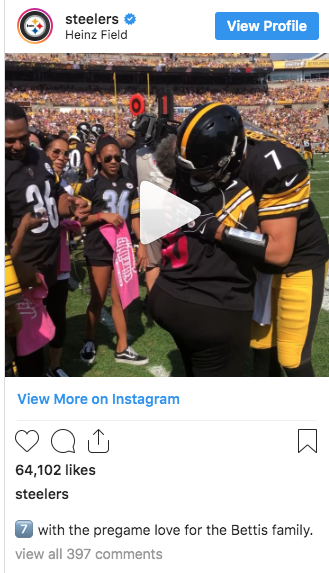
One of former Steelers player DeAngelo Williams lost his mother to breast cancer and recently committed to pay for 500 Mammograms. Jerome Bettis, AKA The Bus, also received tons of support from his Steelers organization when his mother fought and successfully won her battle with Breast Cancer including a huge hug from Ben last season prior to a home game.


Like James Conner, my mother, Jerome Bettis’s Mother, my mother in law refuses to go down without a fight and will be undergoing her second surgery and chemo to follow starting Oct. 23rd so like it was the first time the support people provide via fundraising activities for those impacted is really close to home for us.

Per the late great coach that Scott Stuart shares in the video we highlight in this weeks newsletter;

Don’t Give Up.

Don’t EVER give up.

Kudos to the Steelers, the leadership of Mike Tomlin, players like James and all the others that adhering to the Steelers way as a blue-collar team from Pittsburgh whose uniform colours highlight the steel industry in their town, Black and Gold.  The fact that they iconic helmet stickers are based on the original steel mark of the steel industry Pittsburgh is known for and are only placed on  the right side of the helmets as a result of the early success they had in the 60’s when they were testing how the stickers would look.  The Pittsburgh Steelers epitomize the very city they represent where many are employed by various US Steel manufacturers.

The same uniform colours hold true for The Pittsburgh Penguins (NHL) and Pirates (MLB) teams as tributes to their hard-working blue collar origins.

Ironically, Penguins former player, captain and now owner Mario Lemieux also dealt with Hodgkins and has been instrumental in rebuilding the Penguins to be one of the NHL’s top franchises thanks to drafting another pretty good player, Sidney Crosby among others.

Kudos to the Steelers for continuing to demonstrate their blue-collar routes, they nor the fans for never giving up and waving their terrible towels no matter what the circumstances of forms of adversity they face.

I suspect whatever other hurdles they face the remainder of this and seasons to come in future will continue to be dealt with “The Steelers Way”.

Don`t be a kids last coach


Why All Hockey Coaches Should Wear Helmets

Posted Posted in Athlete, Coach, Organization Executive, Parents

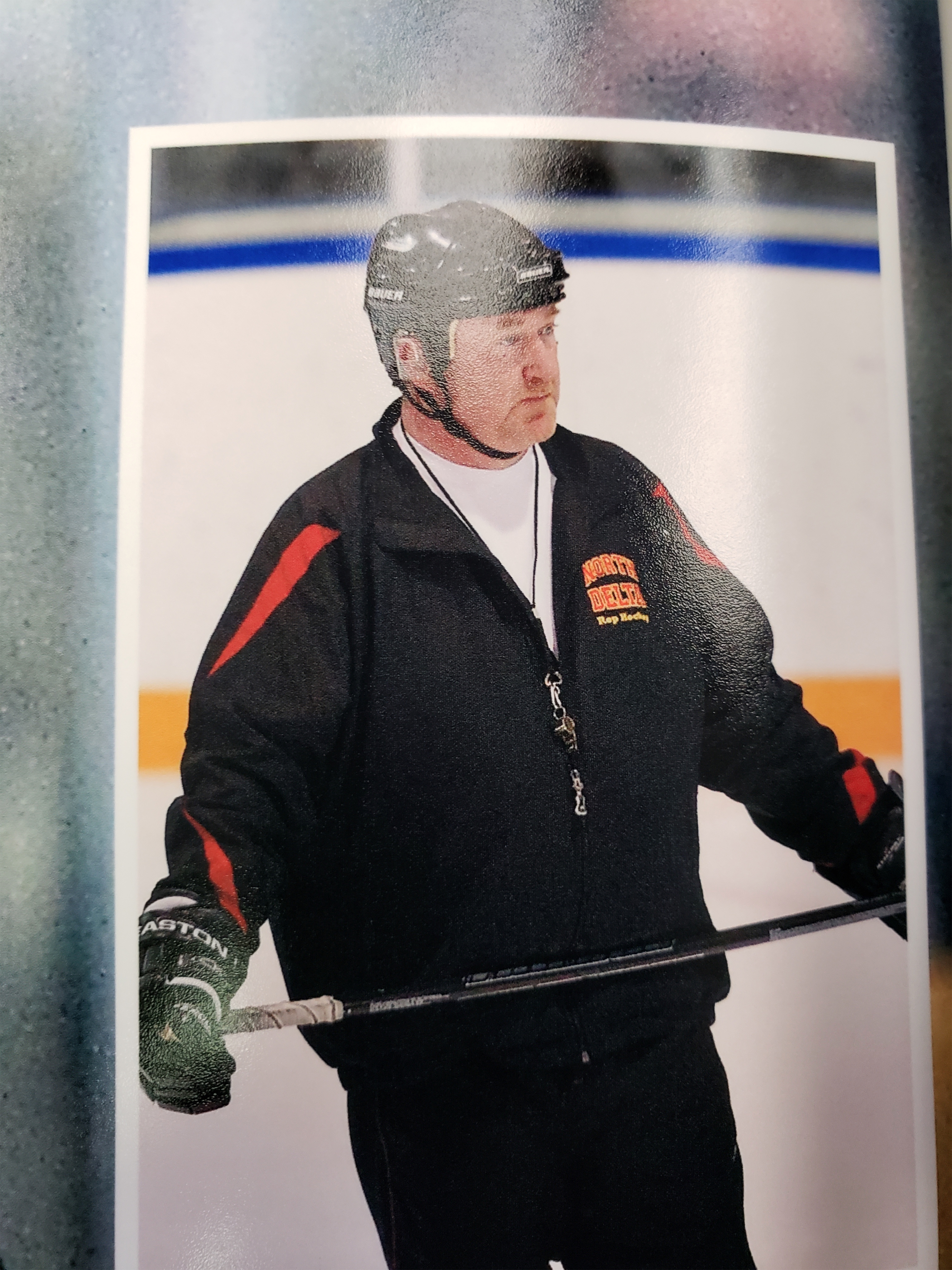
Picture of an image in the photo album I received after coaching peewee AAA

Having suffered a few major concussions myself I can relate all too well of the aftermath and challenges for recovery.

My last concussion had nothing to do with playing sports, however, it was when I was on a friends stag and while at one of the many bars we visited that evening that I share via those that told me after the fact as I have no recollection of the events I received a serious beating by three men when I jumped to the aid of my buddy who had been hitten over the head with a beer mug and knocked out.

The only recollection I have of the event was when I awoke in ICU of the hospital I had been taken to a couple of days later and had NO idea where I was, how I had gotten there, and recall vividly that I had the worst headache EVER.

At my side was my then-girlfriend, now my wife of 25 years who wept when I woke up saying she was so happy I was OK to which I said to her, OK?  My head is exploding, I’m hungry and I want to get out of here.

Thanks to my mother being in a couple of major car accidents when I was young, the second leading to her being hospitalized for over a year while she recovered from a broken neck and back I have always had an aversion of being in hospitals, particularly ICU.

My girlfriend drove me home and took several pictures of my beaten face and bruising on my back and arms for evidence for the criminal prosecution which I buried away long ago (back in the day when digital was not commonplace as it is today) but another recollection I recall is how I did not recognize myself as my face was so bruised from the punches and kicks to the face I had taken.

I share this with you as I wanted you to know that I can relate the challenges that athletes face today when they are dealing with a major concussions, it took me over 3 months before I was symptom free from my last one (diagnosed) but as a result of this being my third, and the highest severity, concussion the specialist that I was dealing with said I would have to stop playing any form of contact sports which meant my club rugby and adult recreational hockey days were over.

Having been an athlete for the better part of my life to that point, most of which playing competitively in various organized contact sports it is the reason why I then shifted to playing slo-pitch (although as years evolved and I took the mound as a pitcher dodging the dingers was no the smartest idea) and coaching.

Looking back at dealing with the fog, headaches, balance issues, nausea and even bouts with depression and frustration I can say first hand that dealing with a major concussion is not pleasant, particularly when you are very active.  The other part to this day that I have deal with is the complete loss of memory not only of the event itself but approximately 2 weeks prior to when I was concussed.  Many of my friends at the time were members of the Vancouver Police Department, Paramedics, Fire Department who all helped me fill in the blanks as several were at the scene and argued that the criminal proceedings would be a slam dunk (which only one of the three was prosecuted due to “technical issues” but that is another story in itself)

As a result of my recovery forcing me to have bed rest, dark room for a few months, I also missed two months of my third term at BCIT of my diploma in Marketing Management that followed my degree in Physical Education in UBC as my career aspirations were to get into the business side of sports.

That never came to fruition until many years later when I recognized we are in the business of developing youth into adults, and I have now coached boys, girls, young men and women for over 25 years of coaching and as a result of this and other experiences I dealt with growing up taught me the importance of resilience and how to overcome adversity, one of the core life lessons one can learn thru sports.


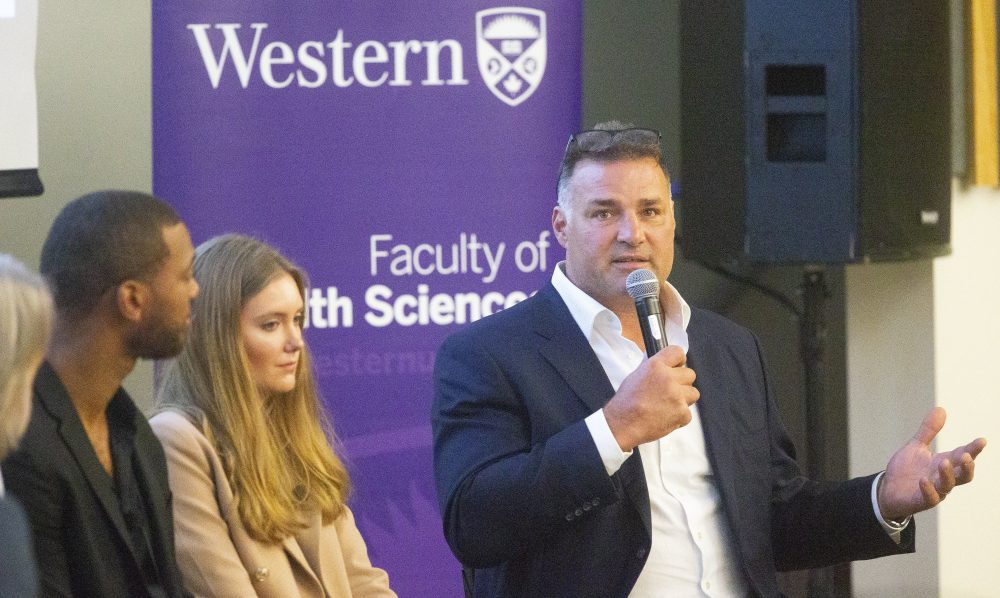
Source: Mike Hensen/The London Free Press/Postmedia Network

I write about the impacts of concussions this week as recently read another article that Eric Lindros contributed to coincide with recent symposium regarding concussions and applaud him for becoming a passionate advocate for concussion awareness due to being forced to retire from the game, like his brother who did so much earlier in his career, as a result of concussions he sustained.

I don’t think anyone that has followed hockey can forget when Scott Stevens hit Eric in the playoffs where he blatantly hit him directly in the head at full speed leading to one of his many concussions.  Stevens was infamous for those types of hits (another was the infamous blindside hit to Paul Kariya) but fortunately, the NHL has taken steps to eliminate them from the game and concussion protocols subject to evaluations if suspected to ensure a concussed player like Paul does not return to play in the same game.

Here as some of the numbers pertaining concussions in general, however, not specifically impacting the game of hockey that was highlighted in the recent article;

  • One in five of us have a lifetime risk of concussion
  • Half happen to youth under 19
  • 60% during sport and recreational activities
  • One in 10 youth suffers concussion requiring medical attention
  • 30% of those visits are recurring
  • Majority return to play within a month but 30% have longer-term symptoms

As I went thru each one of the points above, I check all the boxes but am happy to say have been symptom-free since I shifted to coaching many years back.

One of the kids that I coached in hockey the following year met many of the above also he was unable to return as he fell out of hammock in the summer and hit his head so hard on a rock he had to take a year off from all forms of contact so it does not have to be contact in hockey, or other contact sports like football, rugby, concussions can happen no differently than other injuries.

Fast forward from the day I woke up in the ICU, when I first started coaching Minor Hockey I did not wear a helmet, rather a baseball cap as did almost every other coach at the time as we naively thought we did not have to and did so for several years until Hockey Canada made wearing helmets mandatory for coaches.

This change went into effect in the 2008-9 season, after a coach in Alberta died after falling on the ice and other a coma with a head injury.  At the time, like there is with any changes for safety reasons there was a lot of push back from coaches.  The rule now applies to all winter minor hockey coaches of sanctioned leagues, Junior B, A, and university coaches.

Ironically, the very year that the helmet rule was implemented, I was coaching a couple of teams, helping my sons Atom A1 (AAA) team and also coaching an Atom rec team to honour my agreement with a player that returned to play I would coach his team after taking a year off after his father passed away.

During one of our early 6 AM practices for the Atom Recreation team, I was talking to my assistant coach explaining the drill set up as the kids were doing stick and puck before I knew it I was lying horizontal on the ice after player skated into me.  Per my AC, he had caught an edge and slid into the back of my knew and I fell backwards and had hit my head on the ice.  I did blackout for what felt like a few seconds perhaps more and then all the players and my AC came over and said COACH are you OK?

Thankfully I was able to get up and finish the practice (albeit felt a little woozy having my bell rung) and was reminded why coaches should be wearing helmets for their safety just as much as players wear for theirs.

It is that last point that I wanted to address in this week’s post, last week I was asked to present for the Pacific Coach Amateur Hockey Associations Coach Coordinator annual meeting on the changes to this year’s evaluation process of competitive coaches and the risk manager reminded all the coach coordinators that any outside skills providers they have on the ice MUST wear helmets.  Many of which that also run skills sessions in Spring Hockey do not wear helmets when doing so but if they do so when on the ice for sanctioned minor hockey ice sessions the insurance could be voided.

I get the fact that wearing a baseball hat is more comfortable than wearing a helmet, and many skills providers are very adept skaters, but as a result of a helmet saving me from yet another head trauma, worse yet potential death, I can’t for the life of me understand how one wouldn’t.

To date, the helmet rule does not apply to spring coaches, independent skills providers that are not certified by Hockey Canada or NHL/AHL and other pro league coaches which has me shaking my head in disbelief how their insurance costs are not thru the roof as a result.

Kudos to Hockey Canada, PSO’s and RSO’s like PCAHA for mandating minor hockey coaches to wear helmets for their safety just as the players have to wear them for theirs.

I only hope that spring hockey programs, NHL and affiliate professional team (i.e. AHL) coaches would follow-suit and not wait for a coach to be seriously injured or die as a result of not wearing a helmet during practices.

That’s just my two cents.

Don`t be a kids last coach


BONUS – Download a FREE printable PDF version of this blog HERE



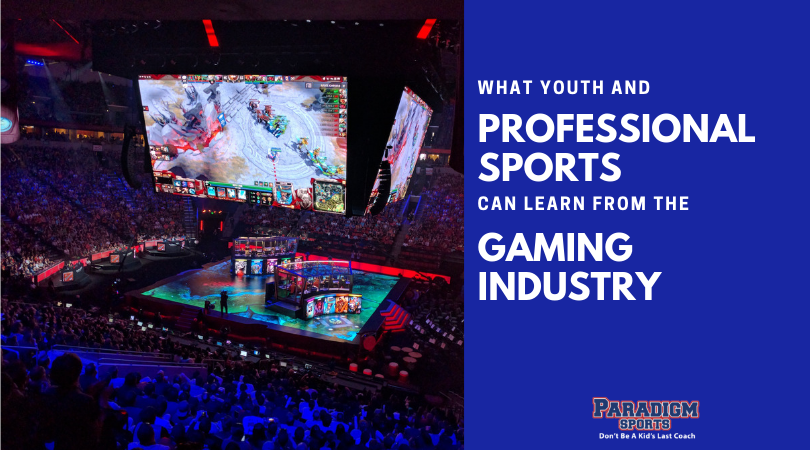
What Youth and Professional Sports can learn from the gaming industry

Posted Posted in Athlete, Coach, Organization Executive, Parents


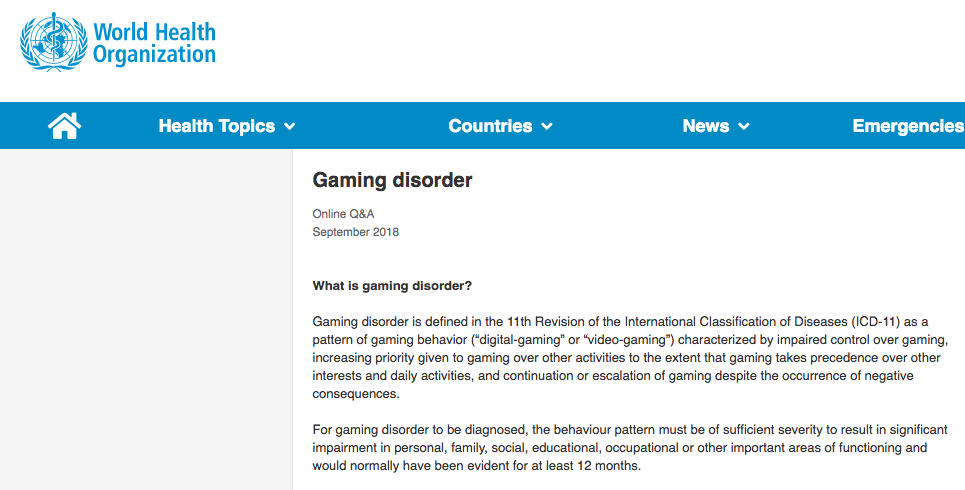
Last Fall the World Health Organization (WHO) added a section to their International Classification of Diseases (ICD) called “Gaming Disorder” which will officially go into effect in 2022.

The section focuses on the patter of gaming behavior (“digital-gaming” or “video-gaming”) that has an increasing priority over other activities that takes precedence over their personal, social, family or educational life.

No reference to the fact that excessive gaming has been identified by all of the professional sports with the next generation of athletes and one of the questions that is asked at draft combines?

As we have shared for years, as a result of the digital era, many kids today have replaced their former active free time with inactive screen time which not only includes video and mobile device games, but binge-watching Netflix, spending hours on end on social media platforms, watching YouTube so shouldn’t the (WHO) look at either amending the ICD or adding one called “Digital Disorder”?

In a prior post we shared “Why Do Kids Play Video Games” we shared several of the reasons why kids today play video games and some ending up suffering from “gaming disorders” where it does impact their lives on so many fronts in terms of their mental and physical well being.

Last week Jim Benning, GM of the Vancouver Canucks, was interviewed by the Vancouver Sun if it was a concern for the upcoming draft as they continue to go thru their rebuild (5 years in the making to get back to the playoffs and counting) and he commented that is not an issue with NHL prospects as they don’t have the time to play video games excessively due to training on and off-ice, nutrition, and recovery needed for them to make the cut so to speak in the NHL.

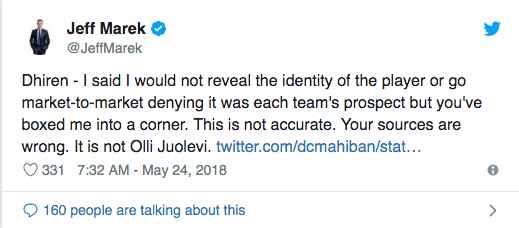
This in response to rumours regarding one of their top prospects, Olli Juolevi, having a gaming addiction which his agent has denied and was also one of the reasons why their leadership group on the team (players) banned video game play while they were on the road to promote team chemistry and ensure they adhered to routines for proper rest and recovery and nutrition to play the rigourous 82 game schedule we highlighted in “This is The Future” at the beginning of this season nearing its end with a few games remaining the Stanley Cup Final.


Tweet Reply by Jeff Marek in response to an interview he had with a Junior Coach regarding an NHL first-round draft pick who was affected by the “gaming disorder”.

The Junior Coach shared with Jeff in that interview as a result that the player “will never play in the NHL because of a video game addiction”

All that talent, all the time he committed to making it to the NHL, getting drafted in the first round and blowing it all way due to playing video games into the wee hours of the morning night after night?

Imagine how the parents would feel after investing 10’s of thousands (if not 100’s of thousands if their kids were in academies) of dollars chasing the dream of having their son play in the NHL and missing out due to an addiction to video games,  makes you wonder if gaming addiction is added to the list of banned substances for all the professional leagues that lead to suspensions?

Although Jim Benning argued that it was not an issue with the current draft class, I would argue that it has to be on every general manager and scouts radar screen.

We recently shared out another article on our social media that shared further insight on the evolving gaming evolution posted in FORBES

Three Facts the writer shared:

#1 Professional Gamers are making REAL salaries

The highest paid eSports athlete is Kuro Takhasomi from Japan who earned $3.6 Million in one year, the average gamer is making about 60K


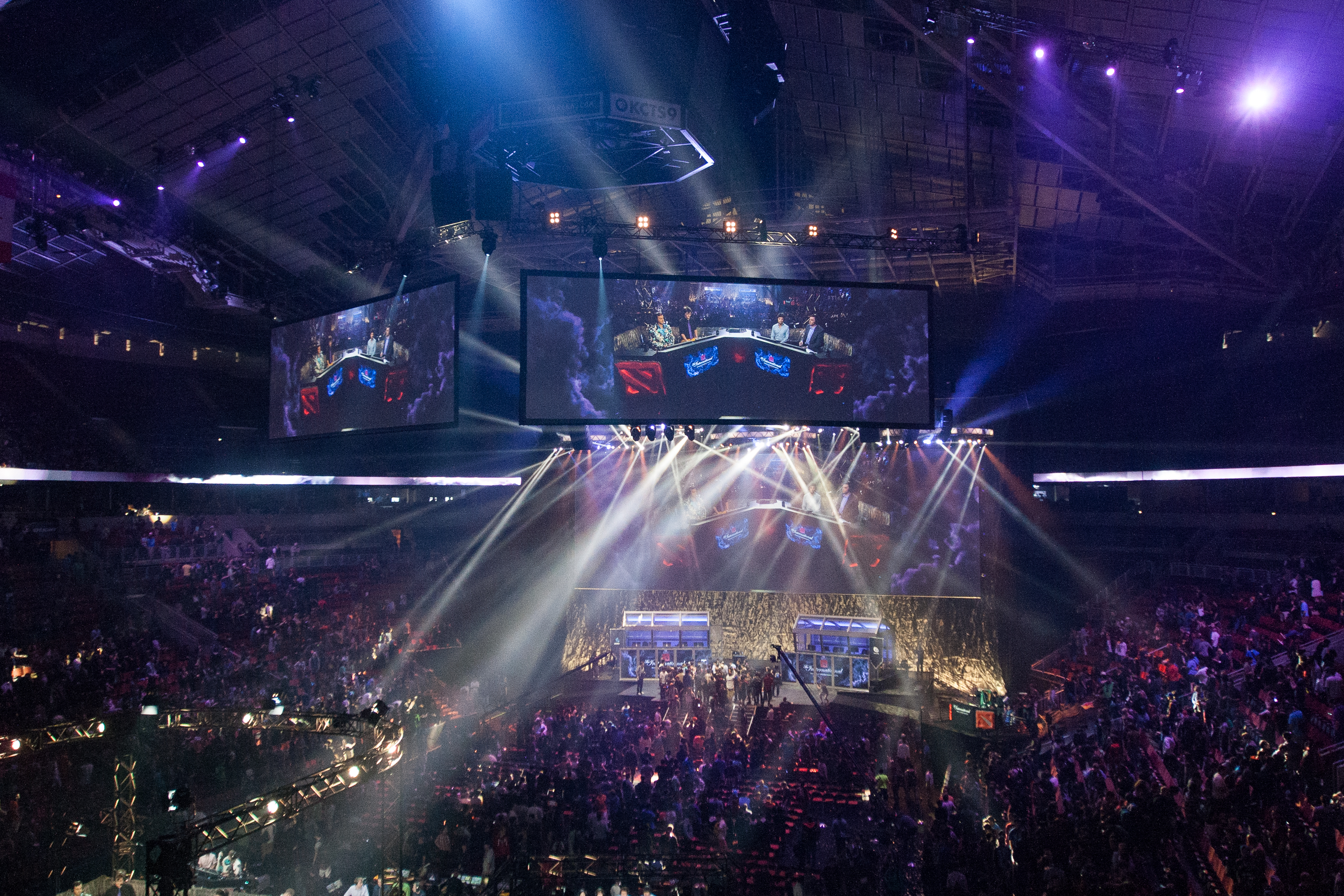
#2 Spectators for Video Game events is now more than for traditional spectator sports

The average time that young gamers are watching eSport events is approx. 3.5 hours a week, an hour more than they watch traditional sports.

The numbers are probably skewed right now with the millions of Canadians that are glued to their TV’s each night that the Raptors battle with the Golden State Warriors in their quest to win their first ever (and the first ever for a Canadian Franchise) NBA championship to dethrone the Golden State Warriors in their 5 year legacy.

#3 Only 0.1% will have a chance to become a professional gamer

There are currently only 500 professional gamers worldwide vs. millions who play games, see below for number of kids in the US alone that play digital games (PC and mobile)

Other facts

#4 – The Average age of professional gamers is 35 years old AND almost ½ of which are female.

Think about that … unlike traditional sports where the top 5 pro sports in terms of revenue and gate attendance are played by men with a huge disparity for their female counterparts in female only leagues in terms of media attention, spectators and salaries and eSports is all inclusive in terms of gender, race, sexual orientation.

Hmmm .. lack of inclusion that is affecting youth and professional sports is not a barrier to entry

With gamers developing via online (anyone in the world can play across the globe with access to the internet) before they become professional, the only thing that is required for you to be accepted in the gaming community is that you have the ability to PLAY.

#5 – 2019 revenues in eSports events is projected to exceed 1 Billion (USD) and is expected to exceed over $3 Billion by 2022

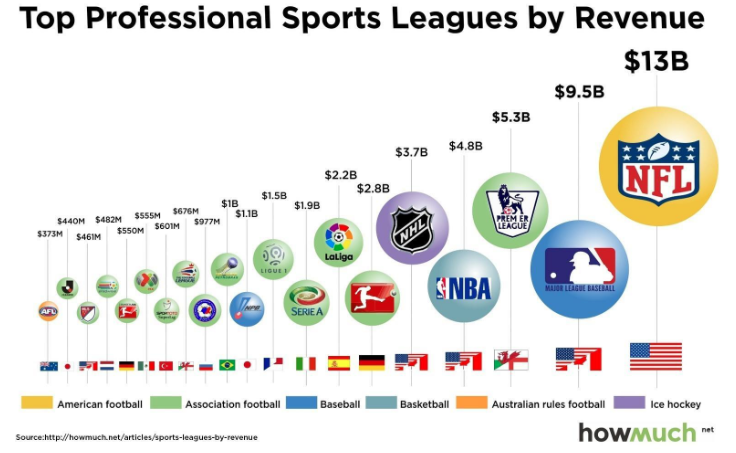
Compare that to the top 5 Traditional Professional Sports Annual Revenues ($ USD) in 2018

Hmmmm … NHL … pretty soon annual revenues will be trumped by eSports so if I was a general manager, coach, scout in the NHL it would be on my radar screen that prospects may have a gaming disorder and a focal point in the interview process pre-drafts or even when considering trade for prospects.

It is all about balance if they play a few hours a week is one thing, but if they play 20+ hours a week is another thing altogether as it will impact their rest, recovery and ability to adapt to playing at the level they aspired for.

#6 – The numbers

According to NPD Group, 91 % of children between the ages of 2-17 in the US alone play digital games, approximately 61 Million Kids,  up 9% from 2009, attributed to 17% increase in digital game play in the 2-5 year old age group.

REALLY ??

Shouldn’t the preK age group of kids be outside playing, in parks, at beaches, learning how their bodies move in lieu of playing digital games on smartphones, tablets or computer screens?

It’s no wonder that there has been a drastic decline in free play as kids have replaced their former active play time with inactive screen time.

In 2018 (the most recent stat we could find) approximately 2.2 Billion people globally play digital games (29% of the world’s population), 1.2 Billion of those play games on PC’s!

In 2018, the gaming industry was just shy of $140 Billion in revenue, half of which is played on mobile devices (think back a few years ago how Pokemon Go went viral for all age groups, not just kids)

Compare that to the Professional Sports Industry where the annual revenue for the top 5 professional sports last year was $36.3 B and they youth sports segment in the US now exceeding $17B, sports equates to approx. 1/3 that of current gaming revenues worldwide.

As the saying goes, if you can’t beat them, join them.

If traditional youth recreational, competitive and even professional sports organizations have a fighting chance to attract, retain and grow their memberships to curb the momentum of eSports that is growing exponentially before it is too late, STOP doing the same thing over and over again and expecting different results.

Look at the gaming Industry best practices by doing your research to understand your avatars (all stakeholders involved) and provide the best quality experience possible so kids love the game more the end of the season than they did at the start.

Encourage them to sample as many games (multiple sports and physical activities) as possible

vs. Working at Pong (one sport) year round

Make it safe to fail for all stakeholders (i.e. kids, coaches, officials)

vs. Adults competing with other adults thru kids.

Let everyone PLAY regardless of their ability so all kids develop

vs. Running short benches focusing on winning at all costs

Develop your coaches to learn how to coach beyond the game

vs. Old school coaching practices focusing on X’s and O’s 

AND

Most importantly ……

Make it Fun.


Let’s all work together to bring the game back to the kids… where it belongs.


Don`t be a kids last coach


BONUS – Download a Free Copy of this Blog in PDF Format HERE

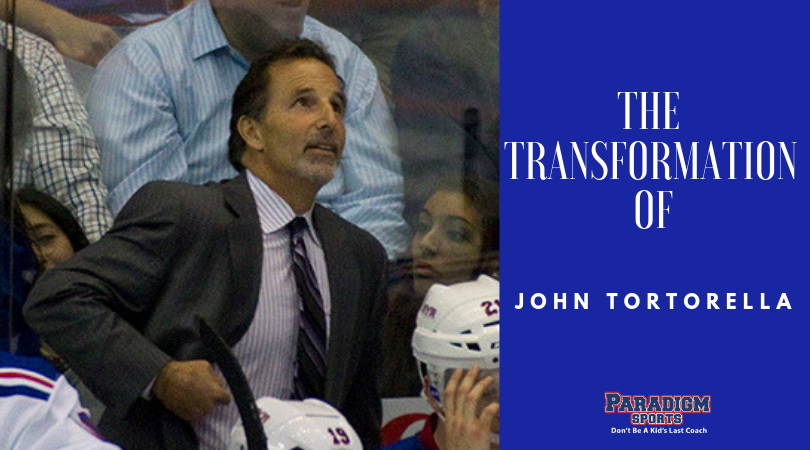
The Transformation of John Tortorella

Posted Posted in Athlete, Coach, Organization Executive, Parents

I am writing this as the Columbus Blue Jackets are going to start the second round of the NHL playoffs against the Boston Bruins but won’t be posting for another week so won’t reflect the first 4+ games played in the second round.

I would be remiss not doing a post during the Stanley Cup Playoffs not referencing the amazing accomplishment of the Columbus Blue Jackets led by the “new” John Tortorella.

Everyone knows John for his antics in past exploding towards players, coaches, and officials when he lost his temper.

But what people don’t know is he is no longer the John Tortorella of old, people say you can’t teach an old dog new tricks but John is the epitome of how this is not this case.

In 2004 John led the Tampa Bay Lighting to their first (and only to date) Stanley Cup captained by Dave Andreychuk with fellow Canadian counterparts Vinny Lecavalier, Martin St. Louis, Brad Richards and 13 others who won against the Calgary Flames in 7 games. The following season the Carolina Hurricanes won the Stanley Cup against the last Canadian Team to reach the finals, the Edmonton Oilers and another Stanley Cup Final will be US teams as all three Canadian teams that made the playoffs this season were knocked out in the first round.

Fast Forward to this season, Columbus Manager rolled the dice before the trade deadline to acquire several rental players to reach their goal to win their first playoff round EVER acquiring Adam McQuaid, Keith Kinkaid, Ryan Dzingel, Matt Duchene and Julius Bergmen.

Although it took several weeks for the new players to buy-in to John’s systems the results paid off, and John led the Blue Jackets to their first ever playoff win against his former Tampa Bay Lighting team he led to the Stanley Cup 15 years prior.

I remember watching game 4 and was blown away how Columbus outplayed this season’s President Cup Winners as the top team, tying the NHL record for points and wins (62) in one season only to be swept by Columbus in the first round. Others followed Calgary (top team in the west) and recently the Washington Capitals who were defeated by Carolina who advanced to the second round for the first time since 2010.

The buzz amongst all those in the Hockey world is WOW, Tampa, Washington, Pittsburgh, Leafs, Jets, and Calgary who were all picked as favorites at the beginning of the season to potentially go deep in the playoffs have been eliminated in the first round.

This has Boston licking their chops now as the top seed remaining of the 8 teams

GO BLUE JACKETS!!! (never been a fan of Boston as long-time Habs fan)

Often when teams load up on rental players with the aspirations of going deep into the playoffs don’t make the playoffs or sputter out early so how did John Tortorella lead the Columbus Blue Jackets to take out the best team in the league in the first round?

Because he transformed.

John Tortorella is no longer the John of old that was infamous for his rants, systems, and strategies that many know him for.

Think back when he was hired by the Vancouver Canucks, in the only season he coached the team as they did not make the playoffs for the first time in 7 years, which included multiple 100+ point seasons and advancing to the Stanley Cup Final in 2010-11.

I will never forget when John lost it when Calgary started their 4th line in January game in 2014 where he did the same and ensuing line brawl that occurred and then Torts chased down Calgary Coach at the time Bob Hartley in the dressing room hallway.

Suspect not his proudest moment, nor was it a great moment for the NHL with a full 5 on 5 brawl to start a game reminiscent of what the Hansens in Slapshot.

That season he coached the Canucks he overplayed many of his top players, opted to play his top two lines for the majority of the ice time where the third and 4th lines saw limited ice time.

The Sedins had their WORST seasons ever in terms of points, suffered injuries, as did Edler who was -37 that season and many of the other players also had poor seasons.

At the end of the season, John was fired by Mike Gillis and in his end of the season media conference, John shared that the Canucks needed to get younger to return back to the playoffs.

Ironically the Canucks hired Willie Desjardins the following season and he opted to roll 4 lines, connected with all of his players and lead them to the playoffs although they lost in the first round. As the Canucks were getting older and needed to go thru a “rebuild” Willy only lasted 2 seasons behind the bench and was let go but has returned to coach Team Canada in 2018 Olympics and interim head coach for the LA Kings this season.

John was the head coach of the USA World Championship Team in 2016 that received a lot of criticism as they did not medal and finished 7th overall and many in the hockey space felt that John would not behind the bench again as a result.

This after Columbus had hired John to be their head coach in 2015 and one of the conditions that they made when they did so is that he would have to change his coaching style to be less confrontational (Old School) and more transformational (New School)

The season that was prefaced by the World Cup of Hockey in 2016, John continued to change his coaching style so that he could be more of a player’s coach and less abrasive when dealing with media, he committed to developing all of his players in lieu of “playing his favorites” and rolled 4 lines and VOILA at the end of the 2016-17 season he was voted Coach of the Year.

In that season he led Columbus to a 16 game winning streak, one game short of NHL record held by the 1992-93 Pittsburgh Penguins (Mario Lemieux and Jaromir Jagr were “pretty good” that year)

Columbus finished 3rd overall that season with 50 wins, 108 points, with the Capitals and Penguins (who won the cup that year) finishing 1st and second in the East.

Unlike this season, however, when they knocked Tampa out in the first round, they faced the Pittsburgh Penguins who knocked Columbus out in the first round and went on to win the Stanley Cup in back to back seasons.

A few other things that commentators shared during one of the Columbus playoff games;

John and his wife founded the John and Christine Tortorella Family Foundations for Giving Back.

The foundation focusing on providing funding to those that protect children, animals, and environment from harm. Prior he provided funding to charities in Tampa and New York where he previously coached.

When John moved to Columbus he opted to buy a horse farm as he LOVES animals, particularly dogs.

“If it isn’t Hockey, its Dogs”

People want to keep their dogs but can’t afford to do it, have a program in the foundation, try to facilitate helping people keep their dogs that require expensive vet care.

Although John and Christine have never had experience raising horses, they recently adopted two Bella Run Fosters who were going to be slaughtered.

John has always been one of the most knowledgeable coaches in the NHL, but now that he has modified his coaching style to focus on the players, has a softer demeanor where he even wears hoodies on the bench, it is another example of how winning just becomes a byproduct if you are transformational coach focusing more on the person than the outcomes of games.

If John can transform his leadership style if you are not drinking the kool-aid yet in terms of transformational leadership, shouldn’t you?

The Greatest Coaches EVER were/are transformational leaders including John Wooden, Clare Drake, Phil Jackson, Pete Carroll, Sean McVay amongst others.

Will you be next?

Let’s all work together to bring the game back to the kids …. Where it belongs.

Don`t be a kids last coach