
Meeting and Engaging your youth sports parents

Posted Posted in Athlete, Coach, Organization Executive, Parents

As I shared in last years post “How to engage, not deal with, Parents” the #1 question I still get asked all the time by coaches is for insight “how to deal with parents”.  I immediately counter by saying you should not deal with your parents, in lieu engage them as part of the team, when you are coaching any youth sports, the players on your team will have parents or guardians that merely want the best for their kids.

The sooner that you shift your mindset to engagement, support, collaboration vs. many coaches and organizations “Us vs. Them” approach, the sooner you will be steering your teams to have amazing seasons regardless of the outcome on the scoreboard.

As many sports have ramped up with their tryouts for competitive teams and evaluations for their recreation teams one of the best ways you can do so is starting your season once teams are formed with a really effective parent meeting.

The KEY is to have answers to the 5 W’s and H so you can share in that meeting, this will be the building blocks for credibility and trust so everyone has a great season;

Below is the agenda with some key pointers on how to do so;



“Well, who are you? (Who are you? Who, who, who, who)

I really want to know (Who are you? Who, who, who, who)

Tell me who are you? (Who are you? Who, who, who, who)

Because I really want to know (Who are you? Who, who, who)”

The first thing that you need to cover when you start your parent meeting is welcoming the parents to the meeting, thanking them for making the time and supporting their kids and introducing yourself and your team.

Think of it as sharing your linked in or CV in a face to face to face meeting

  • How many years have you coached?
  • What Age Groups? Level of Competition?
  • What is your certification in coaching?
  • What is your education?
  • What are you doing to continue to improve as a coach?
  • What playing experience do you have? (Just because you played to a high level does not mean you will be a great coach, i.e. Wayne Gretzky)
  • What’s your day Job (the majority of coaches are volunteers)

Don’t make the mistake that many younger coaches do and introduce yourself as the head coach ONLY, also have your assistant coaches introduce themselves and share their philosophies as well. My son was on a team where the assistant coaches were never introduced and it was half a season before he even knew their names !!  Needless to say they never really came together as a team due to what was an oversight by the young and inexperienced head coach.

Tip that I share with all coaches is to recruit a team manager in advance of the first parent meeting and discuss with them how the communication should flow, in many instances team managers can be the first go-to for general inquiries, advising if players will be late, are still following return to play protocols, are sick etc.


This permits the coaches to focus on coaching vs. handling the administrative tasks that a great manager will take care of on your behalf.

A great manager is worth their weight in gold (make sure you thank them all season long for their help and give them credit for same) and they should also have opportunity to introduce themselves and can prepare and handout all the paperwork in advance of the meeting (i.e. sending medical forms, codes of conduct, contact info out PRIOR to the meeting so parents come with)

The manager can also give all the parents the heads up prior to the parent meeting will be looking for the other crucial members of the “team” which are the volunteers to help out with;

  • Safety person/Trainer: the person that will be responsible for dealing with any injuries that players sustain, sickness, adherence to return to play protocols as well as checking equipment. All teams should have two, a primary and a backup to ensure that they always have one at all team activities.


  • Timekeeper/Scorekeeper: this could be a few parents for the season or rotation of all parents so everyone takes turns


  • Jersey Keepers: who wash the stinky jerseys after every game (usually one family for home, another for away jerseys)


  • Snack Coordinators: up to Peewee as most kids beyond that have their nutritional preferences pre-post game. This is a very important role for two reasons; (1) many kids have allergies so they can ensure that the snacks don’t have peanuts etc. and (2) it is one of the driving reasons why kids play “What’s the Snack”


  • Treasurer: who setups up and manages the team’s bank account (along with minimum one other with signing authority to ensure full transparency of team funds and accountability)


  • Tournament Coordinators: those will be involved with association hosted tournaments on the team’s behalf (i.e. arranging scorekeepers/team keepers, snacks in dressing rooms post/pre-game etc)


  • Team Parent: One that has the best job, organizing the team functions like lunches/dinners at tournaments, windup parties


  • Den Dads/Moms: If coaches are unable to make it to games/practices there should be a couple of parents that can monitor the dressing rooms (ensuring they have the organization certification like respect in sport or safety training to do so)


ALL Teams regardless of the sport should have 2 ADULTS in the dressing rooms until the last player leaves, kids should never be alone with an adult. Why?

Because we don’t need any more kids abused in youth sports, per CBC’s series of articles early 2019, in Canada 222 coaches were prosecuted for abusing over 600 athletes across various sports since 1989.


ONE IS TOO MANY.


  • Fundraising Coordinator(s): As Youth sports continue to escalate in costs, this has become another important role on teams, don’t assume that everyone on the team has the same financial situation, respect that the costs may be too much and figure out creative ways to raise funds to help reduce the team budget.


  • Stats: This is the role I usually recruit for parents that may be a little overzealous in the stands to keep them busy during games


Any travel tournaments should be voted on and anything is done to offset the costs for hotels, bus, meals etc. as they can cost families anywhere from $1500-3000.00 on average that is NOT in the team budget. This can take a team budget from 25K to actual out of pocket costs for all families if two travel tournaments to over $100K


My general rule of thumb is every family should volunteer in some capacity, if they have work commitments that prevent them from taking on one of above, then help the organization with various events like floats in parades, Terry Fox Runs, Equipment reshares/sales etc.

This is also the opportunity for you to share with parents how they can support their kids during the season to ensure they have the best experience.

Things like please let the coaches coach, avoid yelling instructions from the stands/sidelines or in the car, ensure they get proper sleep, play video games in moderation, avoid junk foods and sports drinks (the best is cold water until they are late teens), etc.

This is also the time that I make book recommendations, share video links and do so thru the season to ensure that the ship continues to move in the right direction.



In your introduction, also share Why you coach, which I suspect may be one the top 3 reasons that coaches coach based on surveys I have been done with coaches over the years or it can be something different altogether but parents will want to know you Why.

#1 – They have skin in the game – Their kid is playing

If this is the case, within 4 weeks of coaching if it is your first time as a head coach hopefully you clue into the fact that you have just adopted 10+ more kids as they become part of your family and to treat your son or daughter the same as the rest of the players and vice-versa.

#2 – For the Love of the Game

They coach because they love the game and they want kids to love it like they do.

Kids should love the game more at the end of the season than they did at the beginning if you do your job right.  If so, they will come back the following season with HUGE smiles on their faces.

Sadly, youth sports continue to face challenges to attract and retain their players recently has been shared by the Aspen Institute that 62% of kids in the USA are quitting youth sports by the age of 11 (yes by the age of 11, on average having a 3 year career in youth sports)

Canada’s attrition rates are as high YET, but having worked with many US companies in my past life I know that Canada follows their trends a few years after the fact.

Please ensure that kids on your team “don’t retire” as this campaign is highlighting


#3 – To Give Back/Pay Forward

Coaches put their hand up to do so as they want to give back to their associations or pay it forward so kids have a great experience (or ensure they don’t have a bad coach like they did)

Once you cover Why you coach, you also should take this time to share what your philosophy is of coaching and it amazes me as I have interacted with coaches from across Canada how few have a philosophy, and even if they do, how few have it in writing.

This should identified on your handouts that you provide to parents so they know right away what your philosophy is and should be no more than a few bullet points or sentences.

Philosophy goes hand in hand with why you coach and is tied in with your core values as to what you believe in.

  • Do you believe in fair play?
  • Do you believe in respect, honesty, integrity?
  • Winning with humility and losing with dignity?
  • Respect?
  • Making a difference by developing youth into adults?
  • Developing other life skills like work ethic, resiliency, communication, leadership?
  • What is your playing time policy?

By having it in writing, as much as it may put you on the hot seat, it will ensure not only that you talk the talk and walk the walk by holding you accountable just as you will do with your players.

 

What is your season plan?

When will the team practice, play games, do any office activities or development?

This addresses the question all parents have in terms of what will it cost in terms of time but it is also important that you address what it will cost in terms of $$$ in detail during a follow-up finance meeting

“Show me da money”

My advice is you touch on what the team budget will be in the initial parent meeting and they have a separate “Finance” meeting to go thru every line item with parents to ensure that they are onside.

As many organizations only require coaches to budget the registration fees for travel tournaments in their team budgets also, please respect the fact that every family has different financial circumstances.

Also, if you want to ENGAGE parents, refrain from using mandatory with exception what should be per organization and league policies (outlined in expectations below)

 

Where are the practices?

Provide maps with the locations for your regular practice slots as well as share where your homes and away games will potentially be (usually away games subject to the tier that your team is in after balancing rounds)

Also share where the tournaments may be that you are aspiring to enter the team into and any out of province or country must be voted on based on organization policies.

 

#1 Code of Conduct

Many national or Provincial Sports Organizations have parent, player, coach and officials contracts to outline the expectations to adhere to which are a good start but I encourage you to modify based on what your expectations are

Respect for all is one of my 3 rules which I spend time going thru and another is zero tolerance for any forms of harassment.

In order for your parents and players to understand the various forms of harassment, however, I suggest that you table that to another meeting where you review what they are (i.e. what is cyberbullying, sexual harassment, hazing) and then have all players/parents sign off they attended.


#2 Your expectations

When you want players to arrive for practices? When do you want them to be ready?

Keep into account the age group you are coaching, if they are “the little people” many will get dressed at home and arrive a few minutes before a practice but as they kids get older and to limit time explaining drills etc during the practice I ask all players to be fully dressed 10 minutes prior to practice

When do you want players to arrive for games?

Again, be realistic to the age group and level, a rule of thumb is 30-60 minutes prior to games so the players can do a warm-up and be ready 10 minutes prior to games for chalk talks.  Be respectful in your ask for the players and their families times, particularly if they are driving long distances and moreso recognizing the importance of recovery and rest for early morning games

Dress Code for games, practices, other team activities?

Expected Behavior at same?

#3 – Communication and dealing with disagreements

No matter how effective your initial and follow-up meetings will be with parents, players, it is important that you outline how the team will communicate in terms of scheduling, budgets and other asks.

Many sports teams are using Apps like Team Snap for team communication, others use social media but as this generation of kids are the first to grow up 100% in the digital era ensure that you use Aps that THEY use like Instagram, Texting and EVERYONE is on the distribution list to avoid any potential of cyberbullying

This is also where you should highlight your expectations for parental behavior, the most powerful words you can share with them is “Just Love Watching them Play” and also the basics in terms of not letting their emotions (lizard brain) get the better of them.

Parents and players will react as you react, so if you are calm and positive during games and practices they will follow suit, however, if you become emotional it will lead to a domino affect.


IF you have one of “those parents” who have the tendency to yell instructions or criticism towards players, coaches, officials the sooner that you have a face to face meeting with them to address the better.  If you still don’t work things out, then escalate to a board member as parents should be just that parents and watch and support all the kids on the team in lieu of acting up in the stands.

One of the things I share with parents if they feel their emotions getting out of whack (which is referred to as the lizard or chimp part of the brain that controls emotion, irrational behavior), to take a breath and say “serenity now” to calm down.  If they do act up I have personally escorted away from the game so they could calm down as many parents don’t know that the players will make fun of teammates in the dressing room when they do so.  In essence, they contribute to their kids becoming bullied and is against our code of conduct.

We all have to be reminded at times that it is just a game, played and in many instances officiated by kids, coached by volunteers.

MANDATORY – Although I truly avoid mandatory there are a few things that you need to mandate as a coach to adhere to association policies;

  1. NO EMAIL when it comes to issues/disagreements. They can be taken out of context and go viral where it could come back to bite all parties on the string.
  2. 24 Hour policy – If parents have an issue please ask them to wait 24 hours before reaching out to coaches or manager to ensure emotion does not come into play
  3. Zero Tolerance for any forms of harassment – The only way that we are going to eliminate harassment from youth sports if coaches become the advocate for same.
  4. 2 Deep Rule – ALWAYS 2 adults in the dressing room area to ensure the kids are safe, this could be



GOALS For the Season

This is when would touch on what your goals are for the team but ensure that they are realistic, and how you are going to achieve them, t amazing me how many coaches go into those meetings saying our goal is to win the provincials even though they have no development plan to do so.  As the cliché goes, if you fail to plan, you plan to fail.

I also encourage all coaches to do measurement (baseline, mid and end of season testing) with their teams as well as goal setting with their players so they can have end of season meetings with parents and players what they achieved individually in lieu of relying on outcomes (the standings and the scoreboard)

Below is a summary agenda as a template as well as other recommended meetings to continue to engage parents as well as your players

FIRST PARENT MEETING AGENDA – Max 60 Minutes


  • Welcome/Introductions
  • Why you Coach/Philosophy
  • Code of Conduct/Expectations
  • Season Plan
  • Tentative Budget (follow-up Finance Meeting in detail)
  • Communication/Dealing with a disagreement
  • Parents Help (Volunteers0
  • How Parents can Help their Child
  • Goals and Aspirations for the Season
  • THANK YOU


Other Meetings

Team Meetings – Players Only – Review much of what was covered in parent meeting (exclude budget)

Team and Parent Meeting – Code of Conduct, Various Forms of Harassment and goal setting

Ask parents what their expectations are and players what their goals are and have a group discussion to ensure that they are aligned

Team Meeting – Developing Values/Culture for the team (you are the facilitator, not the dictator)

Finance Meeting – review budget in detail, get all parents onside (mandatory that a parent/guardian for every player attend)

Parent Meeting – Pub Night, Dinner etc to get to know each other can be parent only or can be something like team (parents and players) bowling, laser tag parties

Team Storming Meetings – Address any discipline issues and what it will get to get thru the storming period so can get to norming and PERFORMING

Team Meeting – Bonding, Developing Chemistry/Trust doing a non-sport specific activity (i.e. if hockey team, rent a gym to play basketball, floorball, go-cart racing, trampoline park etc)

Parent Meeting – Mid Season, End of Season Recaps

Team/Parent – End of Season Windup

The KEY to engaging parents on your team is to be PROactive and positive in terms of your communication and never forget to mention how important it is for everyone, parents, players, coaches to HAVE FUN.

Too many kids are quitting a game they once loved due to various issues that affecting youth sports, and the goal should be for them to have active lifestyles and play well into their adulthood.

Let’s all work together to bring the game back to the kids … where it belongs.


BONUS – Download a FREE printable PDF version of this blog HERE

 

Don`t be a kids last coach

How to engage, not deal with, Parents

Posted Posted in Athlete, Coach, Organization Executive, Parents

As we are about a month away now from fall seasons of various seasons starting to ramp up in hockey, ringette, basketball, soccer, volleyball, and other fall sports I thought this would be a good time to share some insight on the importance of engaging parents so that you can ultimately avoid some of the parental issues that coaches run into.

For many years I have shared out a video from Don Lucia for hockey clinics, his keynote address at the University of Minnesota to coincide with USA Hockey’s roll-out of their ADM (American Development Model) and he stars the keynote by saying;


“People think that I have the best job in the world (Head Coach of University of Minnesota Men’s Division I Hockey Team) but I would say that the best job would be the head coach in an orphanage ….. NO parents to deal with” Don Lucia

I immediately share with all the coaches that I will provide insight over the course of the one or two-day clinic how they can avoid dealing with, rather engage parents, to set themselves up for a great season.

This week I received an email from a coach mentor asking me for some insight how coaches can deal with various forms of conflict on their teams including how to deal with team conflicts, when team parents divide into to which I replied back it all comes down to how the coaches start the season and subsequent meetings as every team will go thru forming – storming – norming – performing stages that we shared in prior post “Coaching your team to grow, tackle challenges and deliver

Probably the #1 question I have had from coaches over the years is “how do I deal with parents” which then leads into a conversation where I reinforce the importance of engaging and supporting parents vs. dealing with them when they have issues.

As the old cliché goes, prevention is 99% of the cure, and one of the things that I learned very early coaching youth sports teams of both girls and boys was the importance of being proactive, vs. reactive, with my parent group and recognizing they were part of the team.

As the years have evolved, the dynamics of “parents” has changed also with single parents, divorced/separated, guardians or parents that are members of the LGBTQ community so has required adaptation as gone are the days where Dad is the breadwinner and Mom stays at home to raise the kids and take care of the house due to raising costs of mortgages and overall cost of living.

We also are now starting to work with several organizations who have identified the importance of parental support/education in part to address the issues that now seems commonplace with parents acting up in the stands/sidelines of games screaming or even getting into physical altercations with officials, coaches and players.

So how can you ENGAGE and support your parent group?


#1 – Start off by working on your seasonal plan well before the season starts to include;

  1. Practice Themes by month
  2. Game Schedules home and away
  3. Tournaments (ensure for out of town parents vote on)
  4. Timing and agenda’s for meet the coaches, parent-only meeting, player meeting(s), parent and player meetings, finance meetings and any others that will provide insight in terms of the ship going in the RIGHT direction

One of the main points to cover in all meetings is the reasons why kids PLAY, to begin with, which could even include sharing surveys of players which I have done for years, ask all your players as teams are formed the following;


  1. Why do you play X (whatever sport you are coaching)
  2. What is fun about it (#1 reason is fun)
  3. What is not fun about it?
  4. What support would you like from us (Coaches) and your parents?

BEST way – do this as an exercise in your player/parent meeting and ask parents similar questions then review to ensure that parents expectations align with the players (more often than not their expectations are results orientated (win the championship) and players are process orientated (make friends, get better at my skills)

Other items to consider for seasonal planning:

  1. Development focus and contracts with any third party development organizations (i.e. for dryland, skills coaches to come to practices, strength and conditioning, sport psychologists, nutritionists) contingent on the level that you are coaching.
  2. Baseline, Mid and End of Season Testing of players to PROVE that they have developed over the course of the season
  3. Individual and Team Goal Setting
  4. Identification of Team Values and Culture
  5. Communication preferences (i.e. Team Snap for the calendar, updates), email for meetings, face to face for issues (no email/text as they can be taking out of context and go viral)
  6. Budget flow (initial and subsequent cheques needed to cover team expenses)


#2 – The Meetings

A. Parents/Players meet the coaches – this is the opportunity for parents and players to meet coaches of teams BEFORE the season starts so the coaches can share their backgrounds, why they coach, their philosophies and executive summary of their seasonal plan

B. Parent Meeting once teams are formed – this is when coaches would do a deep dive into their philosophy, why they coach, backgrounds, goals for the team and players for the season and also touch on things like finance (budget), recruiting volunteers (manager, treasurer, safety people, assistant coaches, tournament coordinator, team parent, den dads/moms, snack coordinator, jersey keepers etc). This is also the time when coaches share their expectations for parental behavior in the stands/sidelines at games, practices or any other team function.

C. Team Meeting(s) – I traditionally have 3 early in the season (a) meet the coaches to share same info shared to parents, (b) ask players to come up with core values for THEIR team (coaches are merely the facilitators) and (c) Reviewing discipline for various forms of harassment (zero tolerance for any form)

D. Player/Parent Meeting – Review codes of conduct and all sign off on so can hold them accountable, review team goals, reinforce the importance for parents to understand reasons why their kids are playing and their goals

E. Coach Meeting(s) – One of the biggest challenges that newer head coaches have is they fall short in terms of recognizing that their assistant coaches also can provide valuable insight in terms of the team, practice playing, seasonal planning and also should be assigned specific responsibilities (head coach – big picture, assistants to work with goalies, defense and offense)

Communication – Coaches should share insight every week about team progress, scheduling, goals for practices, tips for parents and players, resources so all are on board. As the cliché goes, it takes a village to raise a child and is important that everyone is on board so that the ship moves in the right direction


#3 – Make it Fun

Depending on the sport, the season can be 3 months to as long as 8 so a few times per season I encourage coaches to have practices and event team events including parents so that they can develop chemistry.

Early season tournaments are a good means to do this, other activities may include things like non-related pickup sports activities like renting a gym and playing other sports where parents have opportunities to participate OR go to a theme park, play mini-golf, movies, the beach, biking and so forth.

One of the activities that I did with my Novice Hockey Team we named “Game On” and our kids would go to one of the parent’s houses on Sundays that we did not have games (our practices were during the week) and the players would play street hockey.

It started out pretty formally, parents would drop off their players for an hour only like it was a practice or game, but as the weeks, months evolved in the season the boys would ask can we PLAY longer, and Sunday happened to be NFL games parents would go inside to watch a game while the players played then parents were invited to join for GAME ON at times.

Playing street hockey as a parent with 8-year-old kids was so much fun for me and all the other parents.

In essence, whatever you can do to develop relationships not just with your players, but your parent group will set you up for a great season.

Let’s all work together to bring the game back to the kids … where it belongs


Don`t be a kids last coach


 BONUS – Download a free printable PDF of this blog HERE
 

Copyright 2019

PARADIGM Sports

Don't just talk the talk, but walk the walk blog thumbnail

Don’t just Talk the Talk, Walk the Walk

Posted Leave a commentPosted in Athlete, Coach, Organization Executive, Parents
As we are heading into a new fall season for various fall sports, ice hockey, soccer, volleyball, basketball and others, coaches will be meeting with parents, players and various other team meetings as they start their seasons. I am putting the finishing touches on two presentations I will be doing on Wednesday on behalf of Changing the Game Project for Nanaimo Minor Hockey and plan to share insight with coaches how they can engage, not deal with, parents and players on their teams. Reason? Because over the years running clinics, doing workshops, breakout sessions and keynote presentations, the #1 question that coaches ask me during or post talks is “Can you provide me some advice how to deal with problem parents and parents?” The first thing I say to them is that you need to shift your focus from dealing with, to engaging. These are a few tips on how you can do so as you start your upcoming seasons:

Run an effective parent meeting

If you have not done so already, regardless of what level you are coaching from Novice to Midget, recreation or competitive, if you want to avoid potential issues you may run into during the season, starting with a well planned parent meeting will address many of those potential issues up front.
  1. Be prepared to answer the first question that parents have, “Why should my child play for you?”  AKA – What is your coaching philosophy?
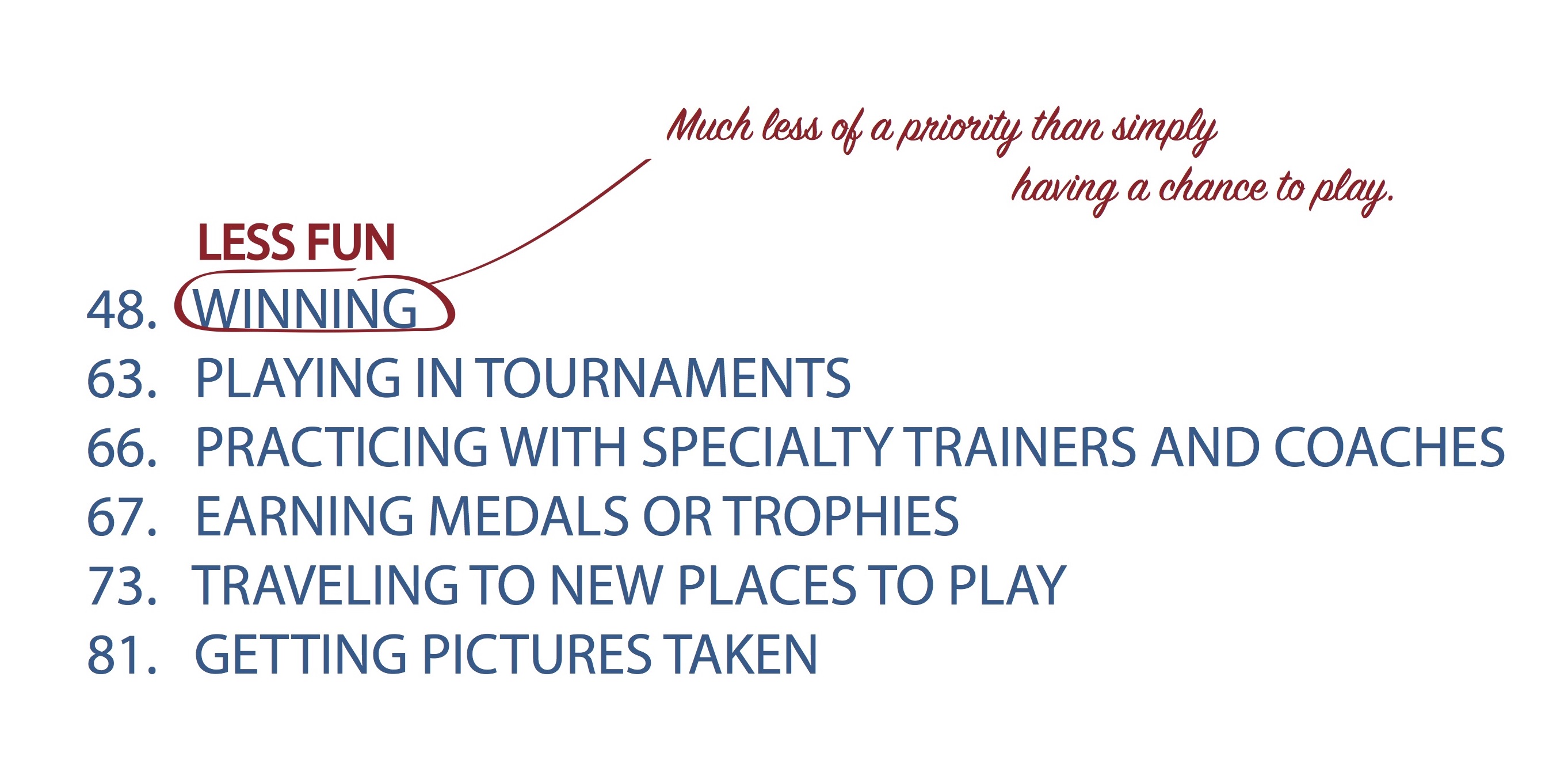
Many coaches that are just getting starting in their journeys as coaches don’t have a written philosophy, which outlines their core values and expectations for their teams. My written philosophy used to be several paragraphs but as I continued to gain experience, learn more as a coach, I tweaked it to a simple phrase; FUNdamentals, not winning, at all costs. If you have followed various contributions that I have made to various media, a key takeaway that I share with coaches and parents is the importance of making it fun. Many people say if you just want to have fun then play recreational sports as the expectation of competitive sports is to win. Yes, kids like to win, but the current win at all costs environment in sports is due to the adults focusing on the bottom 1/3 of what is fun in sports as Amanda Visek research findings found when she asked kid why they played sports.
In all the years that I asked kids why they played none said winning and although it was identified in Amanda’s study, was bottom 1/2.  Others in the bottom 1/3 were all adult driven as well (tournaments, specialty trainers for specialization, trophies (AKA participation trophies), travel and getting pictures taken (the thing I hated the most as a kid but did so to make my grandparents happy). Having played numerous competitive sports in my youth, including captaining provincial winning teams in 3 different sports (hockey, football and rugby), I can tell you first hand if the coaches focused on fun even when competing at the highest level, winning is the byproduct. Just ask any professional athlete or Olympian if you don’t believe me why they play as I have found out in my interaction with many high level athletes over the years.  Although seems like a distant memory, remember last Stanley Cup when the Golden Knights made it to the final in their inaugural season … how many of them stated in post game interviews they were have a ton of fun and keeping it light….
  • Have a detailed agenda for your meeting and be proactive by sharing the agenda in advance via email to all the parents

Key points to cover

  • Introductions of all the coaching team (each to share their philosophies, background and team goals for season)
  • Finance (Budget)
  • Season Plan (time for practices, games, development focus)
  • Volunteers (treasurer, manager, other coaches, trainer, fundraiser, tournament coordinator, snack coordinator)
  • Discipline / Zero Tolerance for any form of harassment
  • Expectations (Don’t just talk the Talk, but Walk the Walk)
It is this area where coaches set themselves for failure in the season, whenever I did not coach my kids on teams and I was just a dad, in addition to the coaches philosophies, they were the top things I wanted to know as do all parents.
Ensure that all members of the coaching staff have the opportunity to introduce themselves, don’t assume that parents know who they are or what their philosophies are (they should be aligned with yours) If you say something in your meeting, ensure that you follow thru and “walk the walk” to ensure that you maintain trust with parents. Doing so will prevent them questioning you why you did things in practices, will alleviate issues like playing time, disciplining players for inappropriate behavior, violation of team standards, as well as one of the most sensitive issues, the $$$$. All youth sports have become very costly, hockey being the most expensive, and for every line item on your budget ensure that you justify the expense.
  • Communicate regularly and consistently
Discuss how you (as in the head coach) and your assistants will communicate with the team, deal with any issues that arise and ensure that you enforce the 24 hour rule to ensure emotions are in check. My rule of thumb – NO EMAIL/TEXTS for issues, setup a meeting with the parents as emails can be taken out of context and can go viral Face to face communication is best or a phone call if setting up a meeting is not doable short term. It is more personal and will nip majority of issues in the bud but my experience if you run an effective parent and follow-up meeting early in the season majority of potential issues you will run into will be avoided I also recommend that you share resources to parents on consistent basis including websites, blogs, videos that reinforce the key agenda items and your philosophy. On our website home page we have a list of our various allies who share insight for coaches, parents, sport executive members as well as regular posts to various social media sites.
  • Team meetings – something I encourage you to do in the first team meeting is asking your players the following;
  1. Why are you playing X (the sport you are coaching)
  2. What is fun about it (as that will the answer from 95% of the players)
  3. What is not fun about it (this will help you ID red flags like the ride home, criticism, abuse, coaches playing favorites)
  4. What are the top 3 qualities that you would like to see from your team mates
This will help you define the team core values as every team you coach will have different players, coaches
  • Then meet with each player individually and go over their goals for the season, ones they believe the team should have
  • Lastly – have a follow-up meeting with the players AND parents to review their goals as well as education regarding the various forms of harassment that will not be tolerated including bullying, cyberbullying, hazing and ANY forms of abuse.
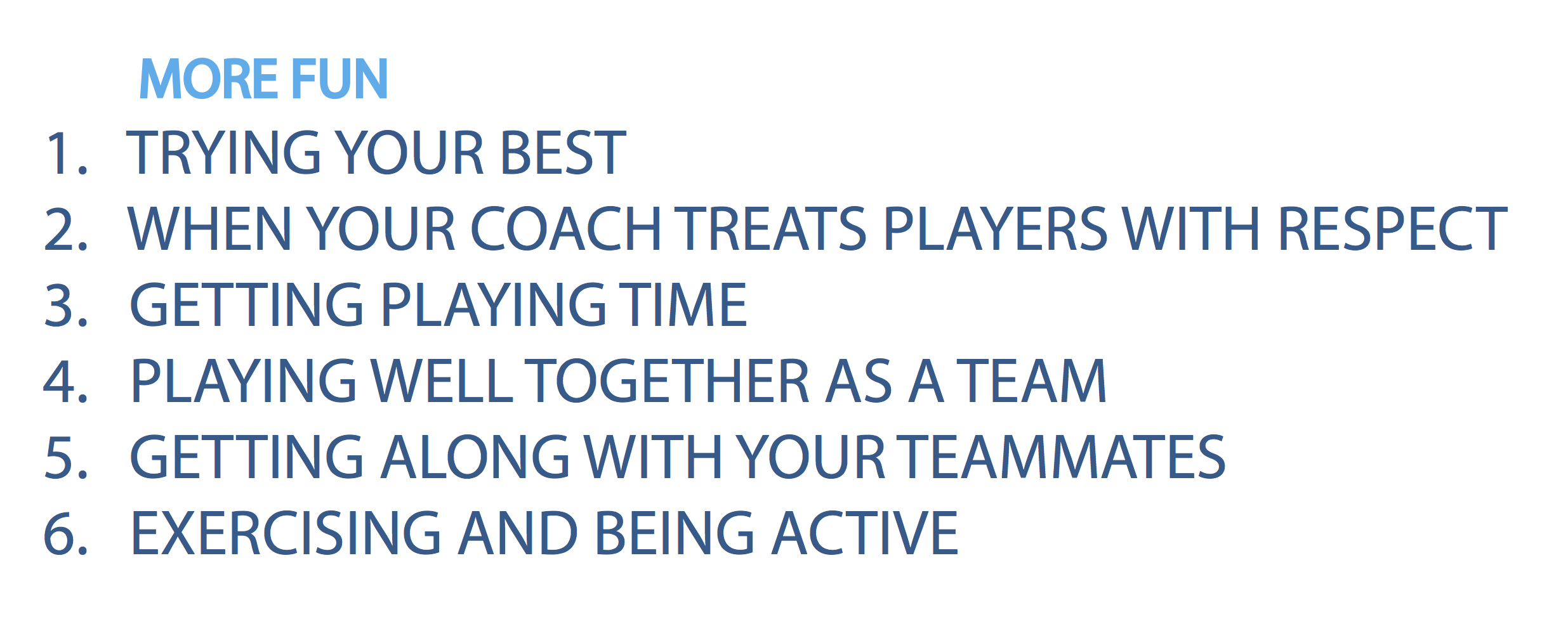
Other meetings in the season can be team building activities for both players and parents, finance updates, fundraising, tournament votes, planning. In sum, the more you talk the talk, walk the walk and communicate with your players, parents reduces ambiguity and will create an environment of trust. Too often, when I am asked to speak at events and I talk to executive members about their pain points that they would like me to address it comes down to issues they have with parents, players or the coaches themselves. Much of it is merely due to (a) lack of experience and (b) lack of clear, consistent and FAIR communication. Don’t be that coach that says one thing at the beginning the season and then reveal your true colours by screaming at kids, ignoring or avoiding parents, abusing officials, mandating expenses that were not approved or various other concerns that parents and exec members share with me. In lieu of focusing on the bottom 1/3 of what kids identified in Amanda’s research, focus on the top 6
  1. Give kids an opportunity “to try their best”
  2. Treat all your kids with respect
  3. Give them ALL playing playing time (exception being discipline)
  4. Provide them the opportunity to play well as a team by running efficient practices and praising effort (growth mindset) for making mistakes with positive error correction
  5. Ensure that you have team building activities early in the season and zero tolerance for all forms of harassment so all the players get along with each other (and ensure none are singled out by players or coaches)
  6. Ensure that a minimum 75% are active during all practices (avoid lines) and encourage all players to work on skills and be active 60+ minutes a day to ensure their conditioning levels are up for your season
If you do so, I can guarantee that you will have a tough season, but if you keep it in perspective and remember that it is all about the kids, keep it fun, make it safe, teach skills (of the game and life) and most importantly care passionately (the #1 characteristics of great coaches) you will not be a kid’s last coach. In lieu, they will love the game more at the end of the season than they did at the beginning. Let’s all work together to bring the game back to the kids … where it belongs.
Don`t be a kids last coach

How to Coach Generation Z

Posted 1 CommentPosted in Uncategorized

BONUS – Download a Free Copy of this Blog in PDF Format HERE  

Youth sport coaches needs to be aware we have now evolved from the Millenials, known for their sense of entitlement, to Generation Z, known for their screen addictions (7.5 hours a day) who are also known as The Digital Natives, iGen, Homelanders, Selfie Generation.

These are kids that were born after 1996, 100% in the digital era per below timeline;

Est. 1997

    Est. 1998

Est. 2004

Est. 2005

Est. 2006

 *Est. 2007

*although blackberry was the first smartphone with email capability, iPhone introduced web browsing, photo, video, music and other applications and it still is the leader in the space today (albeit Samsung and several other android based smartphones have eaten into iPhones market share).

Est. 2010

Est. 2010


Est. 2011


Not including various Video Game Consoles (Playstation, Xbox, Nitentendo) and other social media, and as the cliché goes, “There is an ap for that”..

I can speak with the perspective of coaching Gen Z kids as they entered organized sports at the age of 5 but also as parent of two that were part of the youth sports system since 2000.

As each year evolved and technology became more of our day to day lives, I also had to adapt my parenting and coaching styles to relate to this generation. I saw the digital era evolve pre internet, then IBM clones with 5 ¼” floppies with approx. 0.5Mb storage capability (when a micro SD card now hold 128 GB), amber screens taking up ½ a desk, dial-up evolving to cable and DSL high speed, Computer monitors and TV’s changing from tubes to LCD, then LED, now OLED and the list goes on. There was no digital era when my generation played sport, now it is commonplace with parents on the sidelines filming with smartphones, tablets and checking latest aps for schedules, scores, streaming of siblings games etc.

Gen Zedders are exposed to more information in ONE day, than two generations back would see in an entire lifetime.

Below is a summary of Gen Z characteristics;

Source: Ologie.com


Top ones that jumped out at me …

Coaches – you have 8 seconds to get your message across when explaining a drill so best to involve technology Gen Zedders use daily (video, youtube, facebook live etc) so cut to the chase so to speak to overcome their 8 second attention span.

Texting – on average 100/day = +3000/mth (hopefully you have unlimited texting plans). Use platforms that work like texting to relay reminders, scheduling and so forth like Facebook Messenger group room I created for my High School Senior Rugby Team

88% of Gen Z are VERY close to their parents, so engage, don’t deal with, parents. There has been a lot of media coverage on parental behavior on the sidelines or the ride home in recent years, but the reality is the vocal majority only represents a small % of all parents, most are great and unfortunately a few bad apples are spoiling the broth. Treat parents on your teams as your allies, not your enemies and remember the enemy of your enemy is your friend. The more education we do, more the silent majority start speaking, the sooner we wean the vocal minority out of the game to bring it back to the kids.

One of the most important things you will do all season is running your initial parent meeting, here is link to prior article I contributed to One Million Skates with summary of agenda items that coaches should cover in their parent meetings.

Screen time that is replacing their former active play time now is 7.5 hours PER DAY. We never will get back to the good old days where kids will play organized and free play sports and activities for hours on end, but we must find a happy medium where they get their minimum 60 minutes of required physical activity daily.

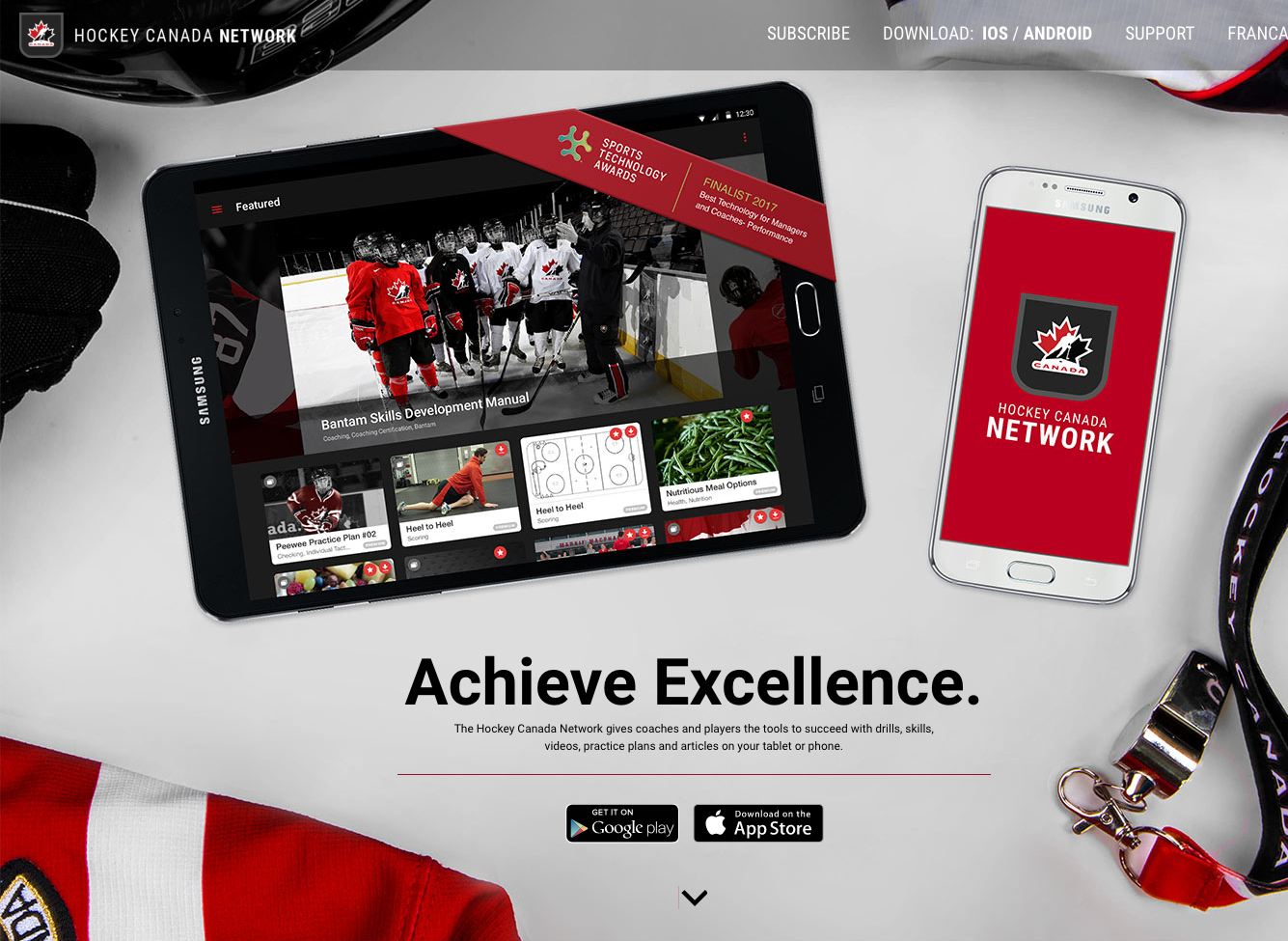
In my role as Hockey Canada NCCP instructor, I was one of first to introduce the new Hockey Canada Network Ap this past hockey season. I was thrilled that we now had access to HC’s full database with an ap to create practice plans in minutes vs. hour or more used to take me when I first started coaching minor hocky. The fact that I no longer have to haul binders to every clinic alone is HUGE and I look forward to how coaches start incorporating for their practice planning.

The biggest benefit is that coaches can now pull up demo videos and show to players in advance (email PDF with video links) or bring a tablet to the rink to show before they run a drill.

Gen Z are highly visual, and having only an 8 second attention span is important that coaches tap into their grey matter as quickly as possible.

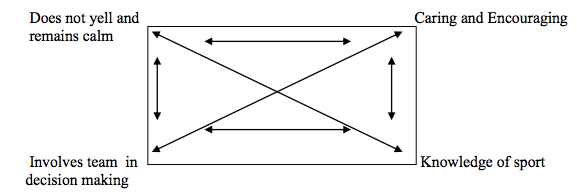
Krisha Parker the University of Georgia surveyed female and male gen Z soccer players and asked them what characteristics they would like to see from their coaches today and below is a table that summarizes the top 4 characteristics;

Source: Journal of Coaching Education: The Preferred coaching styles of Generation Z Athletes July 2012


In order, players desired;

  1. That coaches does not yell (at them, officials, other teams) and remain calm.

Hmmm .. how often have you been in the stands or sidelines and saw a coach screaming at the top of their lungs at a player because they made a mistake? Screaming at a young official as they missed a call or made one coach did not agree with? These are top reasons why 70% of Gen Z athletes are quitting all youth sports before they enter high school (by age 13).

  1. Caring and Encouraging

In literally every talk I do with youth sport coaches I ask them the question “What is the top characteristic of the greatest coach or teacher you ever had?”

The number 1 characteristic EVERY time pertains to how much the coach cared, demonstrated empathy and provided positive encouragement.

As the great Teddy Roosevelt stated “No one cares how much you know, until the know how much you care”

  1. Knowledge of the sport

Coaches must develop their knowledge of the respective sport and for EVERY drill they run in practice, have the answer to WHY. If you try to use the answer “because I said it, or this is the way we have always done it” you have lost them. Coaches must know the reason behind every drill, why it will help the players improve their skills and how it will help them in game play. If not, the will lose players trust and they will google it at the earliest opportunity to find out the answer if don’t believe coaches reply.

Don’t run a drill to fill up time in a practice plan, plan your drills and progressions to ensure optimal development with key teaching points to share with players and assistant coaches.

  1. Involve team in decision making

John Tortorella recently received the Jack Adams award as coach of the year for how he transformed the Columbus Blue Jackets and took them to the playoffs, had a record winning streak in league play.

I will be the first to admit that I did not see this EVER happening after the USA World Cup team under Tort’s guidance did not even medal in Sept 2016, nor seeing highlights of many of his tirades from the bench over the years.

Torts was asked by Columbus management to calm down and refrain from those types of outbursts Torts was infamous for, as well have a lot more patience to allow the younger players to make mistakes. Like Ken Hitchcock before him who also was awarded the Jack Adams trophy who did the same and changed his coaching style to accommodate the young players he had with St. Louis Blues

Both acknowledged instead of using former coach to player only feedback, they incorporated democratic 360 degree coaching styles and asked players for input when came to decision making for practice planning, systems, strategies that would work best for their core group of players.

For John Tortorella, this was a complete role reversal from the time where he coached the Canucks, missing the playoffs and many of the players having their worst years EVER (Edler was -37, Sedins suffered many injuries and lowest points totals in years).

As Gen Z has grown up only knowing the digital era and many of their coaches have not to same extent, the last tip I want to share is you incorporate technology on your teams.

  1. Communicate with Social Media – For my High School Rugby Team this past spring, I setup a group chat room on Facebook Messenger and sent all team postings, even schedules and attachments to communicate with the Gen Zedders. I laughed every time I hit Send and within seconds after I posted would see images of each players face pop up as they read the messages.

Note: Ensure that all applicable team members are included in groups and have codes of conduct for appropriate posts, language, images posted and ZERO tolerance for any form of cyberbullying.

  1. Use Video to demonstrate drills, review strategies in games. Pre Hockey Canada Network Ap I would use Hockey Canada skills of gold on DVD’s and showed players videos of drills we would be doing on an old laptop (AKA boat anchor), then tablets. When I attended a coaches conference a couple of years ago and Corey McNabb (manager of player development for Hockey Canada) talked about the new Ap, he envisioned it would evolve to the a point where coaches would have access to big screens in dressing rooms as TV pricing had eroded so much.


When he did so, Don Hay (Major Junior Coach) who was standing beside me, “Cory I still write my practice plans on paper towel/napkins”. Translation – old school coaches write drills down on whatever they have on hand at the moment so must adapt to new school technologies.

  1. Connect with each of your players face to face (old school not Skype), and get to know each of your players to develop trust. The hardest thing for you as a coach will be to trust your players FIRST before they extend trust of you and your coaching practices but it was the greatest tip I ever received from one of my mentors.

This is exactly what John Tortorella did this past season with Columbus, he let his players play vs. over coaching them in games, much like Ken Hitchcock did before him in 2011 when coaching the St. Louis Blues. That is probably the hardest thing that we all have to do as coaches is extending trust to our players before they have earned it.

Follow these key tips and you will not only connect better with your players, but should see improvement in your overall team play as a result.

Let’s work together to bring the game back to the kids.

PS Tagline - Dont be a kids last coach