

As we are about a month away now from fall seasons of various seasons starting to ramp up in hockey, ringette, basketball, soccer, volleyball, and other fall sports I thought this would be a good time to share some insight on the importance of engaging parents so that you can ultimately avoid some of the parental issues that coaches run into.
For many years I have shared out a video from Don Lucia for hockey clinics, his keynote address at the University of Minnesota to coincide with USA Hockey’s roll-out of their ADM (American Development Model) and he stars the keynote by saying;
“People think that I have the best job in the world (Head Coach of University of Minnesota Men’s Division I Hockey Team) but I would say that the best job would be the head coach in an orphanage ….. NO parents to deal with” Don Lucia
I immediately share with all the coaches that I will provide insight over the course of the one or two-day clinic how they can avoid dealing with, rather engage parents, to set themselves up for a great season.
This week I received an email from a coach mentor asking me for some insight how coaches can deal with various forms of conflict on their teams including how to deal with team conflicts, when team parents divide into to which I replied back it all comes down to how the coaches start the season and subsequent meetings as every team will go thru forming – storming – norming – performing stages that we shared in prior post “Coaching your team to grow, tackle challenges and deliver”
Probably the #1 question I have had from coaches over the years is “how do I deal with parents” which then leads into a conversation where I reinforce the importance of engaging and supporting parents vs. dealing with them when they have issues.
As the old cliché goes, prevention is 99% of the cure, and one of the things that I learned very early coaching youth sports teams of both girls and boys was the importance of being proactive, vs. reactive, with my parent group and recognizing they were part of the team.
As the years have evolved, the dynamics of “parents” has changed also with single parents, divorced/separated, guardians or parents that are members of the LGBTQ community so has required adaptation as gone are the days where Dad is the breadwinner and Mom stays at home to raise the kids and take care of the house due to raising costs of mortgages and overall cost of living.
We also are now starting to work with several organizations who have identified the importance of parental support/education in part to address the issues that now seems commonplace with parents acting up in the stands/sidelines of games screaming or even getting into physical altercations with officials, coaches and players.
So how can you ENGAGE and support your parent group?
#1 – Start off by working on your seasonal plan well before the season starts to include;
- Practice Themes by month
- Game Schedules home and away
- Tournaments (ensure for out of town parents vote on)
- Timing and agenda’s for meet the coaches, parent-only meeting, player meeting(s), parent and player meetings, finance meetings and any others that will provide insight in terms of the ship going in the RIGHT direction

One of the main points to cover in all meetings is the reasons why kids PLAY, to begin with, which could even include sharing surveys of players which I have done for years, ask all your players as teams are formed the following;
- Why do you play X (whatever sport you are coaching)
- What is fun about it (#1 reason is fun)
- What is not fun about it?
- What support would you like from us (Coaches) and your parents?
BEST way – do this as an exercise in your player/parent meeting and ask parents similar questions then review to ensure that parents expectations align with the players (more often than not their expectations are results orientated (win the championship) and players are process orientated (make friends, get better at my skills)
Other items to consider for seasonal planning:
- Development focus and contracts with any third party development organizations (i.e. for dryland, skills coaches to come to practices, strength and conditioning, sport psychologists, nutritionists) contingent on the level that you are coaching.
- Baseline, Mid and End of Season Testing of players to PROVE that they have developed over the course of the season
- Individual and Team Goal Setting
- Identification of Team Values and Culture
- Communication preferences (i.e. Team Snap for the calendar, updates), email for meetings, face to face for issues (no email/text as they can be taking out of context and go viral)
- Budget flow (initial and subsequent cheques needed to cover team expenses)
#2 – The Meetings
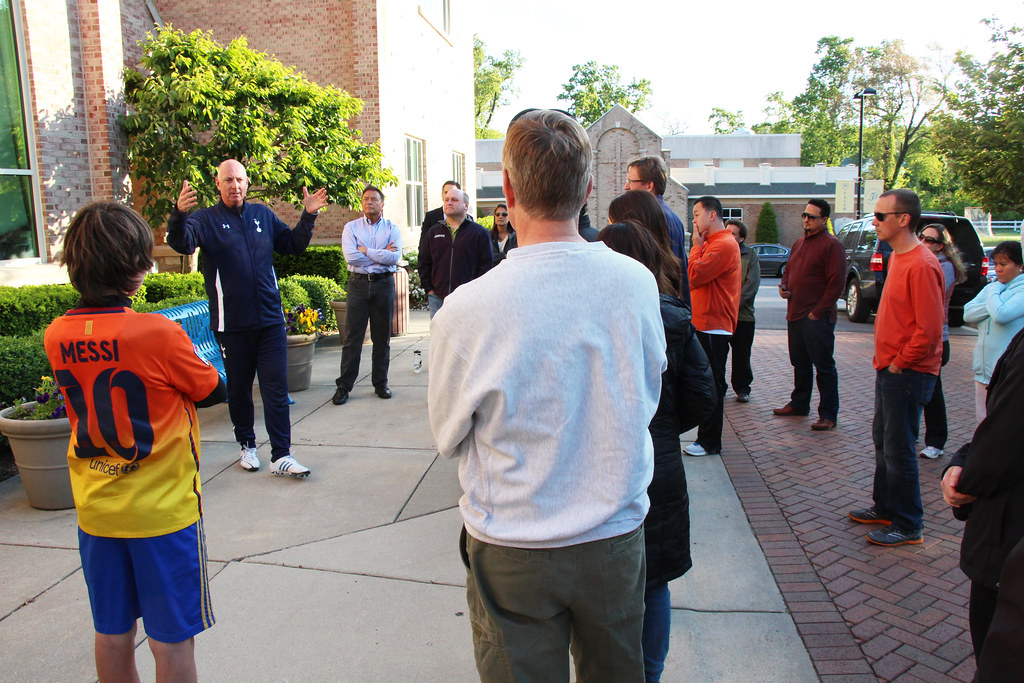
A. Parents/Players meet the coaches – this is the opportunity for parents and players to meet coaches of teams BEFORE the season starts so the coaches can share their backgrounds, why they coach, their philosophies and executive summary of their seasonal plan
B. Parent Meeting once teams are formed – this is when coaches would do a deep dive into their philosophy, why they coach, backgrounds, goals for the team and players for the season and also touch on things like finance (budget), recruiting volunteers (manager, treasurer, safety people, assistant coaches, tournament coordinator, team parent, den dads/moms, snack coordinator, jersey keepers etc). This is also the time when coaches share their expectations for parental behavior in the stands/sidelines at games, practices or any other team function.
C. Team Meeting(s) – I traditionally have 3 early in the season (a) meet the coaches to share same info shared to parents, (b) ask players to come up with core values for THEIR team (coaches are merely the facilitators) and (c) Reviewing discipline for various forms of harassment (zero tolerance for any form)
D. Player/Parent Meeting – Review codes of conduct and all sign off on so can hold them accountable, review team goals, reinforce the importance for parents to understand reasons why their kids are playing and their goals
E. Coach Meeting(s) – One of the biggest challenges that newer head coaches have is they fall short in terms of recognizing that their assistant coaches also can provide valuable insight in terms of the team, practice playing, seasonal planning and also should be assigned specific responsibilities (head coach – big picture, assistants to work with goalies, defense and offense)
Communication – Coaches should share insight every week about team progress, scheduling, goals for practices, tips for parents and players, resources so all are on board. As the cliché goes, it takes a village to raise a child and is important that everyone is on board so that the ship moves in the right direction
#3 – Make it Fun
Depending on the sport, the season can be 3 months to as long as 8 so a few times per season I encourage coaches to have practices and event team events including parents so that they can develop chemistry.
Early season tournaments are a good means to do this, other activities may include things like non-related pickup sports activities like renting a gym and playing other sports where parents have opportunities to participate OR go to a theme park, play mini-golf, movies, the beach, biking and so forth.
One of the activities that I did with my Novice Hockey Team we named “Game On” and our kids would go to one of the parent’s houses on Sundays that we did not have games (our practices were during the week) and the players would play street hockey.
It started out pretty formally, parents would drop off their players for an hour only like it was a practice or game, but as the weeks, months evolved in the season the boys would ask can we PLAY longer, and Sunday happened to be NFL games parents would go inside to watch a game while the players played then parents were invited to join for GAME ON at times.
Playing street hockey as a parent with 8-year-old kids was so much fun for me and all the other parents.
In essence, whatever you can do to develop relationships not just with your players, but your parent group will set you up for a great season.
Let’s all work together to bring the game back to the kids … where it belongs

BONUS – Download a free printable PDF of this blog HERE
Copyright 2019
PARADIGM Sports