Why running short benches is NOT a good thing
Posted Leave a commentPosted in Athlete, Coach, Organization Executive, Parents

BONUS – Download a Free Copy of this Blog in PDF Format HERE

Last night I had dinner with my wife’s siblings as my sister in law was in town for a conference.

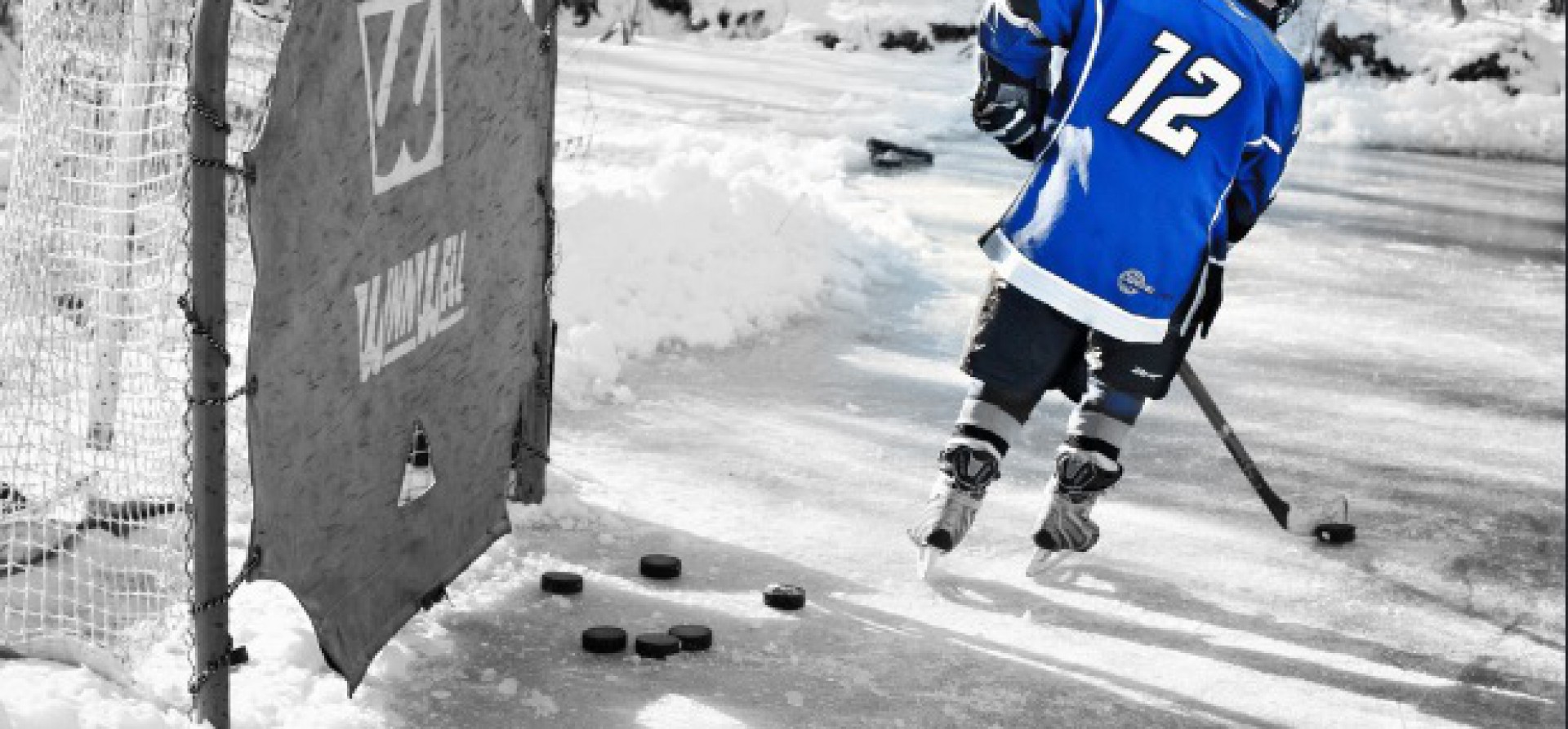
During dinner, my sister in law shared with me that my 12-year-old nephew had quit Hockey.

WHAT?  My nephew quit a sport he once loved and when I asked her why her response was “he quit because a lot of teammates were not getting play when it was their turn as the coach was focusing on winning games”

He was playing peewee recreational team and was one of the stronger players because two years ago when he aspired to play rep (competitive level) they were advised by several parents that the only way he would make one of the rep teams (the association had 3 rep teams for peewee age group at the time) is if they signed a contract that was the only sport he was going to play.

Again, WHAT?

He opted to keep playing rec (house) so could continue to play soccer, ski, and other activities.

My head was spinning,

  1. He was playing rec (house) and coaches are not permitted to run short benches.
  2. He would have to sign a contract to play only hockey when he loved many other sports?

She further shared that parents they have talked to in the community have said their kids also quit hockey for the same reasons and the associations overall membership has dropped by a few hundred kids the last few years as a result.

This is a MINOR hockey association who have recreational coaches focusing on winning at all costs and not promoting multi-sport participation which are two of the major issues that is leading to kids quitting.

This just a couple of days after I shared an article on our social media pages called “Why ‘Shortening the Bench’ in competitive youth sports” can be a good thing written by Jamie Strashin for CBC Sports.
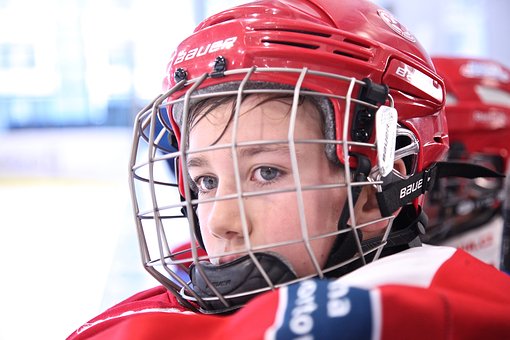
 

Soon after I posted, I received comments from parents in Canada and Australia who shared the same belief as I, that it was so short-sighted, although kids may win a game, perhaps get more games as a result, kids just want to play and in the instance of my nephew he quit because he did not think it fair for his teammates to sit on the bench when it was their turn to play.

Why did they sit?  Not because they were tired or were being disciplined, but an adult pulled them back to one their “more skilled” teammates out in their place.

I have been against short benches since I started coaching youth sports and still am, regardless if it is competitive or recreational levels.  The very fact that my nephew quit because his teammates were being deprived of ice time shows that he GETS IT even at 12 years old and I will applaud him for doing so when I see him next.

Ironically when I was up in Whitehorse running clinics this past season, I had one of the coaches come to me and expressed the very same concerns, her son was one of the top players on his atom “development” team and was getting much more ice time than his teammates, at times he was being told by coaches to stay out for 2-3-4 minutes at time.

Like the 10 year old player reference in the CBC article, her son was also 10, but in lieu of being held back for another player to take his turn, in his case stay out for shifts much longer than should have had.

Just two more examples of the adultification of youth sports.

Here is my take on running short benches;

#1 – Coaches choose the players for their teams, whether it be competitive or recreation

If you PICK THEM – you play them.

The coach that was quoted in the CBC article, whom is a non-parent coach, “I chose them to be on the team because I thought they were good enough.  If they aren’t in a position to succeed, it’s my fault”

I could not agree more, it the coaches responsibility to develop ALL players on the team and they focus on doing so early in the season, as the season evolves and all players improve, collectively the team improves and ‘Voila’ Winning is a byproduct not the focus.

#2 – I believe that coaches that run short benches either (a) don’t have the training needed to develop the skills of all players or (b) think that winning at all costs is more important than giving all players an opportunity to contribute in all situations

90% of kids would rather play on a losing team than sit on the bench for a winning team

#3 – All parents pay the same fees, so all players PLAY. There are already lawsuits in the USA coming forth from parents due to the thousands of dollars they are paying for their kids to play to be reimbursed for their prorated fees and have others pay more for their kids that PLAY more.

#4 – Having surveyed hundreds of kids on my teams over the years what is not fun about youth sports, one of the top 3 answers I have received is “when coaches play their favorites” especially when it comes to crunch time in close games where associations have implemented fair ice policies to permit coaches to use their discretion to win games. Again, kids just want to have their opportunities to contribute to the outcomes of the games just like all their other teammates.

‘YOU WIN OR LOSE AS A TEAM’

There are so many examples I can cite, not just from Hockey, but others sports now as we continue to partner with various sports groups but the one that comes to mind for me over and over was a player whom I invited to play with our 3 on 3 hockey teams who was a great kid with great parents.

In our last season when all the boys were aging out of minor hockey (17 years old), we opted to play both small ice and full ice 3 on 3 and in our first couple of games of each, he would go out for a few shifts and I noticed he was gasping for air.

In the second game I walked up to him and said T, you ok?

To which he said with a big smile on his face, yep, just need to get back into game shape.

I then asked … “but you played on the Midget A2 this year (where they would have had 2 practices, 2 games, a dryland per week) so don’t understand why not in game shape”?

He replied “because I quit with 10 games left in the season because I was only getting a handful of shifts per game.  The coaches was playing his favorites most of the games including power play, penalty kill, pissed me off as I just wanted to play so I quit”.

“My dad complained to the executive but they did not do anything, argued that it was rep hockey and only house had fair ice policies (where coaches are not permitted to run short benches).”

I shook my head in disbelief, just as I do every time I think of it.

#5 – In this particular article, 10-year-old players were the focus, which it he Atom age group, and regardless if they are playing recreationally or rep it is still a development age group

All kids, regardless of level, are to play and if a coach in BC had ran short bench in Atom he would have been suspended for doing so.

The main reason why coaches should not run short benches is the message you send to the kids, their parents …. Sorry kid, you are just not good enough be out there in key situations or give us a chance to score.

I believe this is one of the contributors why parents act up in the stands, if they come to game after game as I have and many other parents I know and watch their son or daughter sit on a bench when it is their turn to play knowing we all paid the same for them to do so, is no wonder why parents get emotional, angry as is evident daily in print, TV and social media.

Don’t get me started on the coaches that think they get a get out of jail free card for peewee and above, they should still be rolling all their lines all the way through minor hockey, when they are no longer playing to play, then they can earn their ice time (i.e. Major Junior and above)

The ONLY exception where you would tell kids to sit on the bench depriving them of playing time (or any minor sport for that reason) is if you have to discipline your players.

As the same coach in the article referenced, if they are not listening, screwing around may have to sit them a few shifts.

Other reasons, if they take a bad penalty or don’t get a penalty called on them for things like slashing, cross checking, knee on knees, head contact, hitting from behind, poor sportsmanship, using foul language, criticizing their team mates or not respecting their coaches, fellow or opposing players/coaches or officials including the scorekeeper/time keeper.

The very reason why short benches have become so common and we are turning a blind eye towards same is the shift in youth sports to win at all costs in lieu of just letting kids play kids for the love of the game.

Look at the past decade when teams go deep into the Stanley Cup Playoffs, when players or coaches are interviewed after games, including when they put the hardest trophy in sport to win above their head they say “all 4 lines contributed, we had a lot of confidence and we HAD FUN.

Hmmm .. aren’t these the best players in the WORLD?  Making Millions of Dollars a year even in the salary cap era?

Here is a great presentation from one of our For the Love of the Game Virtual Event guest speakers, VJ Stanley, that he did for a USA Hockey Level 4 coaches (equivalent to HP 1 level Coaches in Canada) and early in his presentation shares insight why coaches should PLAY all their kids in minor in hockey. About 7 minutes in to the presentation shows a vide when he talked to Ryan Callaha when he was captain of the New York Rangers.


Any coach can run short benches and play their “favorites” to win games.

GREAT coaches develop all their players and provide them the opportunity to contribute to the outcome of games and in doing so build their confidence and competence and winning becomes a byproduct as a result.

 

Don`t be a kids last coach


Playing For the Love of the Game

Posted Leave a commentPosted in Athlete, Coach, Organization Executive, Parents


This coming Monday I will be returning back to Nanaimo to speak on behalf of Changing the Game Project hosted by Nanaimo Minor Hockey who is working with various other sports groups to develop an amazing sports experience for the kids in their community.

As I was when I made the ferry trip in October, I am truly honored to be invited to share nuggets but also interact with so many amazing people who are passionate about quality sport.

I came across some great nuggets the last few weeks that I will be sharing in the presentation that thought would be great to share on this week’s newsletter as well.

Why do Kids play Sports?

Simple, they play because they’re fun, they quit when they’re not.  It’s NOT Rocket science.

This is the quote that I have shared for years and it really comes down to just that.   What our role as parents, coaches should be, however, is not just making sure that youth sports are fun, but they should also ensure that kids love the sports they are playing more at the end of a SEASON than they did at the beginning.

Due to the growth of early sports specialization, however, there are no more seasons to youth sports, and in lieu of PLAYING sports, kids WORK sports for over 10 months of the year

As Wade Gilbert, the Coaches Doc, shares in many of his talks … do kids ask you Mom, Dad can I WORK Hockey? WORK Soccer?  No, they ask you if they can PLAY baseball, PLAY football and so on.

The more I thought about the reason why kids played a sport for more than one season is this held true, I Loved the Sport more at the end of a season that I could hardly wait to return to play again.  This was because when the season ended in March, I hung up my skates to play baseball, golf, go to the beach, ride bikes, hike, swim, tennis and so many other activities so when the season started again in Sept I missed the rink, my buddies, coaches and was eager to start another season.

Thank you for being a sport that helps me with other sports.


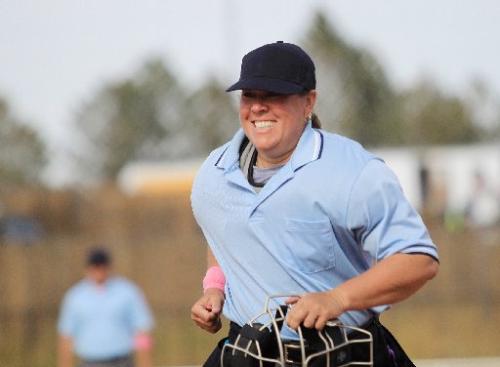
Why then do Officials (refs, umpires) start or continue to officiate?

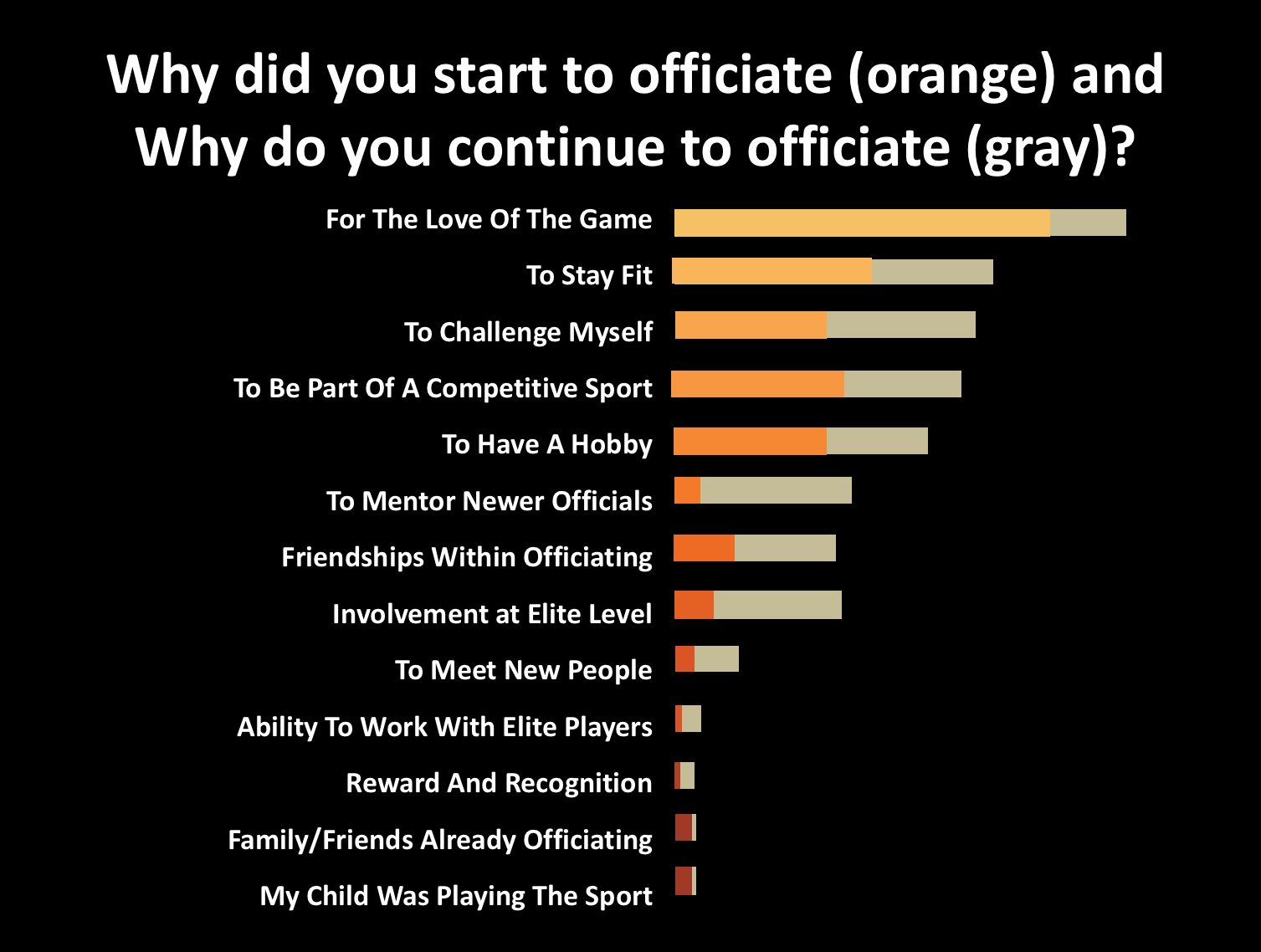
According to the largest survey I have come across today over 17,000 officials were asked why and the #1 Answer was “For the Love of the Game”.

See below for the other top 10 reasons why they started and continue to be officials.


Other reasons included staying fit, challenge self, be part of the competitive sport, have a hobby and near the bottom was reward/recognition and lowest motivator was the fact that they had a child playing the sport.  This is probably due to the fact that a lot of officials start before they are parents, and ironically one of the motivators that organizations do is provide stipends for refs to do so so if get enough games, they can have a decent part-time income of the course of those seasons.

Why do Coaches Coach?

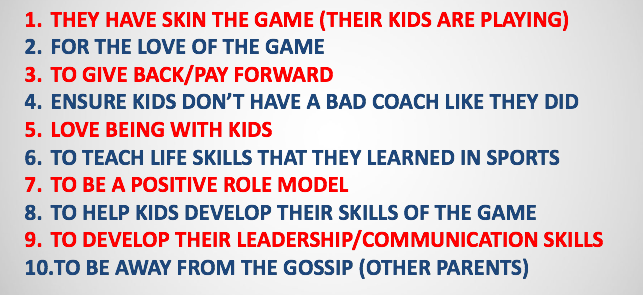
Ironically, when I have surveyed grassroots coaches over the years in clinics or talks and asked them why they coached, the #1 answer is because they had skin in the game, they stepped up to coach because their kids were playing and either asked them to coach OR a board member runs around the field, rinks at the beginning of the season asking for help.

I was one of those “suckers” initially putting my hand up to help on ice when board members came calling when my son was 5 starting hockey or my 7-year-old daughter in softball and 15 years and hundreds of kids later, I still put my hand up, now is to mentor the coaches of kids so they can help them become the best people they can become.

See below for the other reasons why Coaches Coach that I hear over and over again when I prompt coaches why they are coaching;

The second reason, whether they are a parent or not, is coaches step up to coach For the Love of the Game, they love the game and everything that it did for them, that they want to give back/pay it forward to help others reap the same benefits.

Many of which shared they are coaching so kids don’t have a BAD coach like they did when they grew up (which sadly there are still coaches even with all the certification coaches have today that coach the way they had been coached)

One reason that parents may not be aware of, coaches have also shared with me and I can relate, they are at the games anyway, drive to the practices and no point going home, so they put their hand up to help coach.  They also do so, as I did, to be away from the gossip that parents at times will share amongst themselves or worse yet those would be too vocal and scream coaching instructions at their kids or critique them/coaches or officials.

Another interesting stat came out of official vs. coach surveys, although officials receive fees and some coaches get honorariums for coaching now, neither officials or coaches stated when surveyed they started or continued to do so for the $$ in their top 10 reasons for doing so.

They do so not only because they love the game, and a few weeks into a season realize they also love being with kids as they have adopted large families when they start coaching.

Now let’s talk about why these three key stakeholders QUIT the Sports they once loved

Why do kids Quit Sports?

They not only quit because they are no longer fun, but they quit because the lost the passion, love for the game they once had and for various reasons lost their way in a sense.

More often than not, they no longer love for the game as they have been deprived of the opportunity to play in all key situations in games, have had adults screaming at them when made mistakes or have been on teams where harassment has taken place to some extent.

They quit because the games are no longer about what snacks they get after the games and being with their buds in the dressing room, hanging out in dugouts or sidelines it is about the results of the game that takes the focus due to winning at all costs.

They also quit because they can’t afford it any longer due to travel, equipment, spiraling fees and all the other costs now associated with youth sports unlike the “good old days” where you community sports were just that, played in the community or at high schools with low, no fees and even could use the same pair of cleats for 3 different sports as I did (baseball, rugby and football)

Why Do Officials Quit?

#1 Reason Poor Sportsmanship

As I shared in a prior post “Why do officials officiate” the #1 reason why officials quit is due to poor sportsmanship.

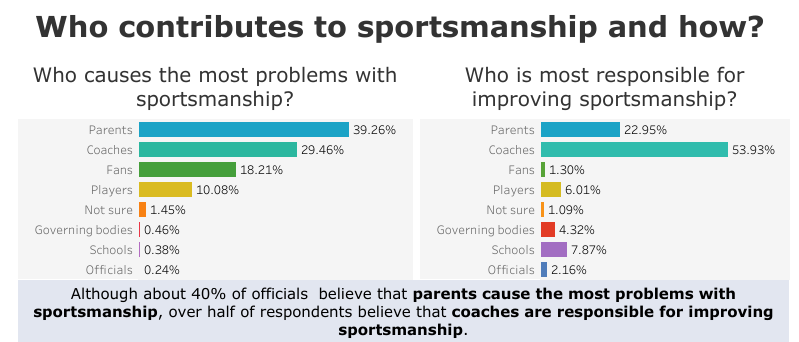
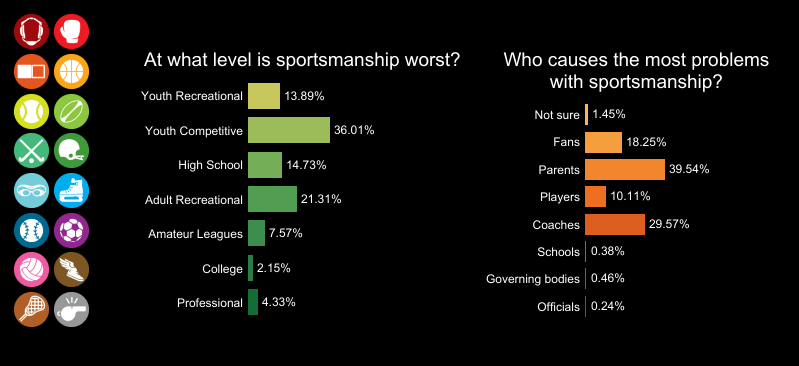
In the NASO study of over 17,000 officials, almost 40% of the respondents stated that parents caused the most problems with sportsmanship, followed by just shy of 30% of coaches.

When asked who is responsible for improving sportsmanship, over half stated coaches were.

Why?

Because they are the catalysts for change.

They interact with their players, assistant coaches, officials, board members and parents but also coaches and players of other teams, perhaps even their parent groups.

If coaches do not talk the talk but also walk the walk and demonstrate and expect good sportsmanship then whom is going to improve it?

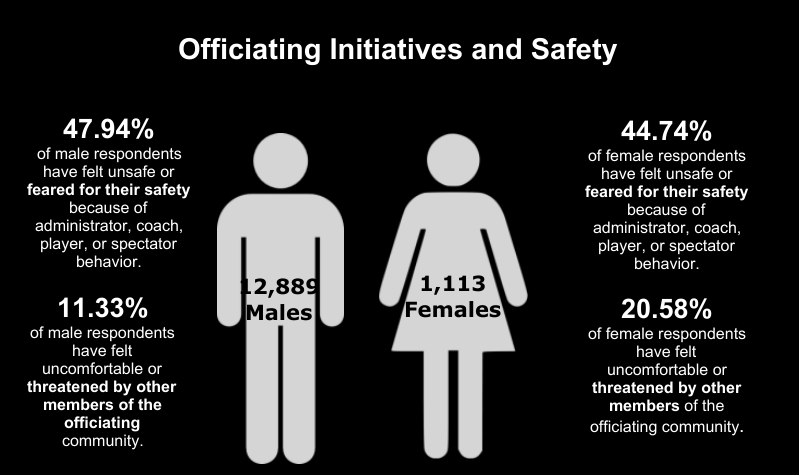
They also quit because they are concerned about their safety, over 40% of male and female officials are due to administrator, parent, coach or player behavior

Even worse, they are intimidated by their fellow officials who will criticize them during games?

I just came across this extreme video where one parent kept telling the refs after a call he did not agree with “would see them after the game” (meaning we will duke it out in the parking lot – really?), but the entire group of parents and fans were ejected from a youth soccer game due to their behavior and threats towards young officials (about the same age of the players they were officiating)

This after each day I came across similar parental behavior, coach abuse towards players or officials, series of articles about sexual abuse, or various issues at minor hockey associations I shared in last week’s post “When will the culture of Youth Sports change for the better?”

Why do Coaches Quit?

Coaches, like players and officials, are either not putting their hand up, to begin with due to lack of willingness to “deal with” parents OR are quitting due to frustrations of the problems they had “dealt” with over their coaching careers.  This is why the most common ask I receive is “who do I deal with parents” to which I counter, it is not about dealing with parents, it is all about how you engage them as allies.

Over 80% of coaches surveyed by Syracuse.com stated that parent issues had gotten worse over their careers, the #1 problem they dealt with by over 80% of the respondents was parents complaining about their kids playing time.

IF a coach is playing everyone equally so they all have an opportunity to contribute to the outcome of the game in ALL situations this would be a non-issue (the exception being when kids need to be disciplined for behavioral issues).

I argue that coaches in a sense are a victim of their own demise, due to our winning at all costs culture, many coaches who may have had the best of intentions when they started coaching fall into the trap of running short benches starting from the beginning of the game and parents are merely venting their frustration as they ALL PAY THE SAME $ so expect all kids to PLAY THE SAME amount of time.

Again it comes down to pointing fingers at one of the key stakeholders that impacts what should be a quality and positive sports experience and the majority of the issues could be avoided from the GET GO.

In lieu, the officials blame the parents, the coaches blame the officials, players or parents, the parents blame the coaches, officials or board members blame the parents and goes round and round in circles like the merry go round at schools I loved when I was a kid (which kids can’t ride anymore as they may get hurt?)

When then are we going to stop pointing fingers at each other and understand the motivation for the players, officials, coaches to begin with?

They started because wanted to try a sport For the Love of the Game, they continue to do so for the same reason, and they quit because they lost that Love and passion they had to start with due the various issues that have taken the Play out of Play Ball.

In lieu of pointing fingers, what I suggest to all parties concerned is bury the axe, work on collaborating so it is a quality sports experience for ALL stakeholders so they all can do so For the Love of the Game.

Let’s all work together to bring the game back to the kids ….. where it belongs.


Why Officials Quit (2019)

Posted Leave a commentPosted in Athlete, Coach, Organization Executive, Parents

A couple of years back I posted Why Officials Quit and have continued to do a lot of research on the subject due to the fact that every sport organization that I work with is not only having challenges with player attrition, they also are losing officials to the point where many say they have to scale back on number of teams or games as a result, and in some states in the USA they have declared many of their sports programs are in jeopardy due to lack of officials.

This weekend I will be doing a talk on that very subject for Softball BC, titled “How to attract, retain and increase the number of officials in your organization”

It is based in part on the post I followed up with last year called “Why do Officials Officiate” but for purposes of this post wanted to share why we are losing so many officials year after year.

Top Reasons why officials are quitting are;

  1. It is not safe to fail:

Having talked to many officials and those responsible in various sports organizations, the trends are consistent, as I shared prior Hockey Canada loses 30% of their officials every year, as does every sport that I have talked to as we started to partner with various other sports organizations.

Why?  Because the officials who take a lot of pride in not make mistakes, are quitting because of the abuse that they are taking from adults (parents, coaches or fans) when they do make a mistake OR when they believe they made a mistake.

This is one of the videos I came across that shows very clearly that the umpire made the right call, but received 17 different abusive phrases from parents who were seated in the visitor section (along the 1st base line) who did not have the same perspective as the umpire.

He clearly made the right call as did have the right perspective, but all the parents on the visiting team thought nothing of screaming out their perspective which was wrong.


  1. Poor Sportsmanship: 

Above are the results for the largest study I have come across where over 17,000 officials replied to a survey from multiple sports done in 2017.  Almost 40% stated it was the parents that were causing the problems, followed by almost 30% of coaches, combining for approx. 70%.

Poor Sportsmanship was also one of the top 3 reasons that were the reasons why 11,000 players quit playing lacrosse in the retention report Alberta Lacrosse shared with me.

No matter what organization that I reach out to potentially partner with across Canada regardless of the hat I am wearing, even though 70% of the issues leading to officials quitting which goes hand in hand with the players is poor sportsmanship, when I ask what they are doing to curve the problem, they say they don’t have budgets for coach or parental education.


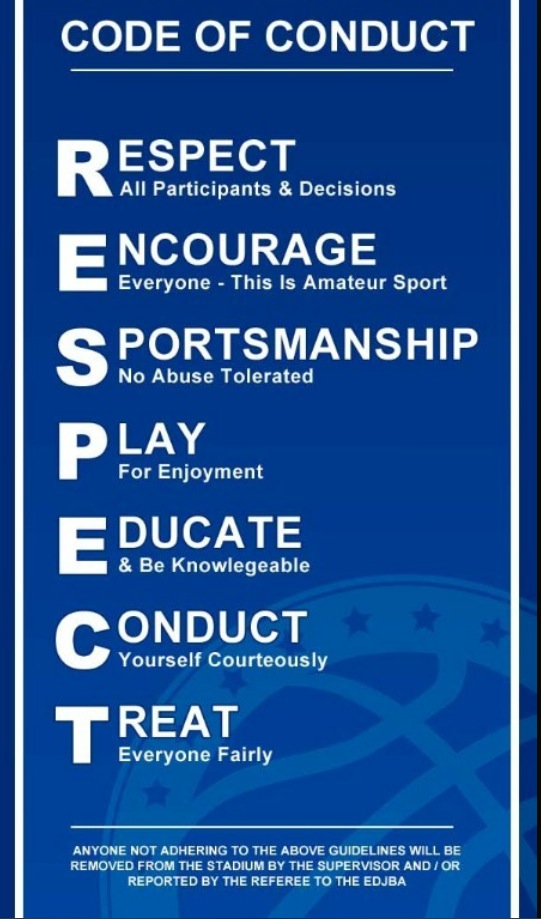
Translation: They keep doing the same thing over and over again expecting different results (Insanity), posting signs at rinks or fields like the ones above, making it mandatory for parents and coaches to take respect in sport online course for approximately 3 hours but don’t rigidly enforce policies for a zero tolerance for ANY forms of harassment.


When asked at what level is sportsmanship the worst, 36% of the officials stated it was the youth competitive level, followed by 21.3% adult recreational level.

These results did not surprise me at all.

Youth Competitive due to high expectations from parents due for a return on investment for the tens of thousands of dollars they invest in their child’s completive youth sports experience to get an NCAA scholarship or play professionally is what is translating to the vocal minority of parents screaming and umpires when they perceive they made a bad call.

Parents – the majority of these officials are just a level above your son or daughter, and many officials start at the age of 12 years old, and within 3 years associations are starting all over again to recruit officials as most have quit.

The second highest level, adult recreational, having played adult rec hockey, as well as slo-pitch for many years, I saw it firsthand how many who were playing adult rec thought they were living the dream playing professionally and took it a wee bit too far and would go at refs or umpires like they lost a Stanley Cup or World Series Game.

Every time I would approach them and say, relax, it’s just a game (yet another PSA campaign by Hockey Canada in 2004 when things really started to ramp up in terms of parental behavior in the stands).

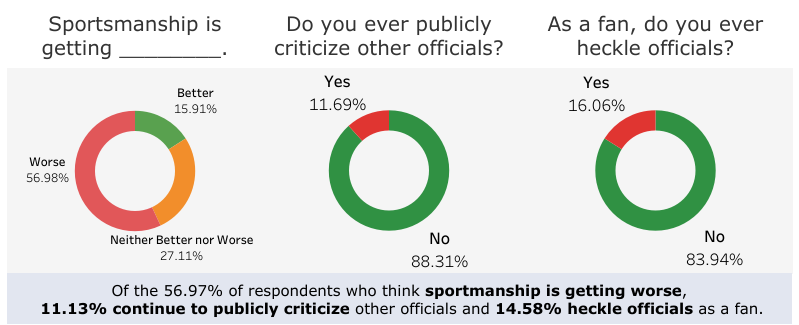
When officials were then asked if Sportsmanship is getting _______, almost 57% said it was getting worse, 27% neither better or worse but thankfully the remainder, close to 16%, stated that sportsmanship was getting better.

This I believe is due to all the organizations and awareness campaigns that have come to fruition in the last decade (including our own) to combat the impact of poor sportsmanship that is impacting the quality of the youth sports experience for kids.

What I was truly surprised with, however, was the fact that some officials responded (11.69%) publicly criticized other officials and when a fan at games, just over 16% confess they heckle their own fraternity.  If truly are going to change the way officials are treated, they must adhere to the very same Respect rule I have for all my teams and NEVER criticize your teammates.


  1. Fear for their Safety

I shared this in the prior post that Almost 48% of the male respondents, and 45% of the female respondents shared they feared for their safety because of administrator, coach, player of spectator behavior?

What I did not highlight is just over 11% of male and 20% of female official felt uncomfortable or threatened by members of their very own officiating community.

Really?

What happened to all being it in together as a team?  Again, officials have to respect all others and avoid threats towards others in their community if we are going to reverse their fear for their own safety.

How then do organizations reverse these trends by ensuring that officials have a safe to fail environment, take pride in becoming the best they can be, are not in fear, that sportsmanship includes respecting ALL calls made by officials?

Organizations have to stop putting up signs, sending out public service announcements and as a means “to deal with parents”.  Most people don’t read signs anyway (thanks to my past experience working in the hospitality industry) and the time for PSA’s/Whitepapers is OVER.  It has come time to activate strategies so that sports organizations are accountable for everyone’s safety and creating a quality sporting experience.

In lieu, invest in parent education and teaching their coaches how to engage parents in lieu.

The vast majority of parents are AMAZING people who are doing everything they can to support their kids navigate what has become professional youth sports in lieu of kids playing kids like it was when I grew up.

They also have to recognize that officials are key stakeholders to ensure that today’s youth have a positive sporting experience, without them, kids will merely be having practices.

I worked at BC Place Stadium in security for many years and worked many BC Lions games as well as concerts and if fans became unruly (more often than not due to drinking too much) it was really simple, they were removed from the facility.

If they got into a fist of cuffs with fellow fans, we escorted them to the Police Wagon where they were brought to the station and potentially charged.

If we did so at professional sports events, why then do we not do it at youth sports events?

In lieu of having security surveying the stands, coaches and parents should be doing the same just as they did a generation removed.  If someone was acting up, a coach, parent or board member would approach them and eject them from the facility.

If a parent, coach or fan becomes unruly, too emotional, abusive, they should be removed so they can calm down and not permitted to return no differently when coaches are ejected.  The vocal minority of parents that do so be held accountable to the point where future incidents are treated with longer suspensions and using the same 3 strike rule, if a repeat offender;

Sorry we will miss you.

Meaning, we will not permit you to be a member of our organization.  Just like playing youth sports is a privilege (now more than ever due to pay to play model), so is that of being a member of the organization as parent, official, board member.

As far as I am concerned, no one, whether it be player, coach, official or board member should be in fear or a victim of verbal, worse yet potentially physical abusive threats and we need to bring the game back to the kids.

It’s time to stop doing the same things over and over again and expecting different results (Insanity)

Just like we should see the smiles on players when they are at games, the same should hold true for officials of any sport, they too should have a quality sport experience, otherwise the trends where 30% quit every year will just get worse.


Let’s all work together to bring the game back to the kids … where it belongs.


Don`t be a kids last coach

9 Lessons (I Wish) I learned from my father

Posted Leave a commentPosted in Athlete, Coach, Organization Executive

One of my favorite parts of the holiday season is taking downtime to catch up on reading books that have piled up in my office based on recommendations from various people I have talked to.

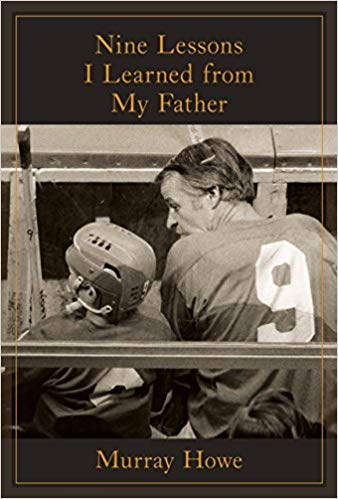
One of the books I recently finished, however, was one that was not recommended to me but was given to me by my son, “Nine Lessons I Learned From My Father, brilliantly written by Dr. Murray Howe, the youngest son of the late great Mr. Hockey, Gordie Howe.  The book is an accumulation of the various anecdotes that he wrote down for the eulogy that he was asked to do for his father’s service when he passed away.

Sadly as I lost my father at a young age, I did not learn many of the life lessons from him that I aspire that my son and daughter to learn from me, but as the old cliché goes, everything happens for a reason. Some of which I learned from my mother, grandparents, uncles and many others I learned from all the amazing coaches that I had along the way of my youth sports journey playing multiple sports.

Below are the nine lessons with quotes of Mr. Hockey that he cited in the book;

  1. Live Honorably

“People depend on you to do the right thing”


  All of my coaches talk me this valuable lesson, particularly the importance of walking the talk vs. those that talk the talk.  Probably the biggest issues I come across with “some” youth sports coaches today is they say all the right things in the parent meetings like they plan to develop all players, teach valuable life lessons, ensure all the kids have fun and so forth only to show their true colours in games and practices screaming at kids who make mistakes.

As a result they lose parents and players trust early in the season and more often than not the players don’t return the following season as they did not have the positive experience that youth sports should provide

  1. Live Generously

“What good is money except to do something good for someone”

 One of the co-coaches that I coached with on my daughters softball team for many years, Patchie as he was affectionately called by all of us, thought nothing of buying all the girls helmets, bats, snacks and more than one round of bevies when the adults would get together.


Several of the coaches I had over the years did the same, they thought nothing of spending their own money for equipment, meals, gas, hotels and all the other costs to be a coach so they could develop us into adults.

The trend today in the competitive stream in minor hockey is most associations in the lower mainland have gone to paid non-parent coaches to promote impartial player selection and eliminate other politics associated with rep hockey.  The coaches are paid from team budgets, so are “professional coaches /employees” of those very same parents that expect quality coaching, and the honorariums these coaches are receiving can be as high as $10,000 per season.

I don’t agree with the model, as it is putting a lot of pressure on these coaches (many of which are just getting started out after they finished their junior hockey careers) to win at all costs, and many of the players are quitting as a result way before their “hockey careers” are over.

  1. Play Hard, but Have Fun

“If it’s not fun, do something else.”

Hmmmm … Mr. Hockey who played professional hockey for over 3 decades believed in FUN?  One of the quotes I came across that Murray shared in the book was “you can’t score from the bench” when Gordie was at the end of his career and the coaches were opting to go with the younger players and he sat on the bench.  Murray also did the same even though he did play one season with Wayne Gretzky in Junior when Wayne was 15 but had the misfortune of sitting on the bench in Junior and like his Dad, opted to hang up his skates from competitive hockey as a result.

The only reason that a kid should be sitting on a bench in minor hockey is for discipline, kids deserve to PLAY the game so they can contribute to the outcome.

  1. Patience, Patience, Patience


“Take your time and do it right”


Every talk do I tell the coaches the importance of error correction during practices and don’t let the players cheat the drills by rushing thru them.  I would rather they do it SLOW and right, that fast and wrong.  The latter just leads to players developing bad habits that coaches at the older age groups get frustrated having to correct.

Another analogy I share is from Terry Crisp, who coached in the NHL and international level for many years, he believed in P & R – Patience and repetitions.  Hockey, like majority of sports other than gymnastics, is a long term development sport where coaches should be adhering to LTAD/LTPD or ADM (depending on the sport) and ensure that coaching skills relative to the age group.

Too many coaches just starting out implement team tactics, strategies way too early, then scream at their players because they make mistakes in practices and games.  The reason they are making mistakes is they don’t have the SKILL to do the strategies and when they are screamed at too much, the become scared to a point where many kids quit as a result.

  1. Live Selflessly

“If you want a good workout, grab the shovel over there”

Gordie was infamous for shoveling not only his driveway, but his neighbors, as well as one that did not believe in celebrating his own goals but that of the players that he setup to score.

Selfish players hurt team chemistry to a point where you may never get out of the storm period (forming, storming, norming and performing) so it is essential that you have ALL players buy-in to team and remind them that the play for the crest on the front of the jersey, not the nameplate on the back.

  1. Be Humble

“Don’t read your own press clippings. You’ll start to believe them.”

One of the greatest lessons I learned from my Peewee Hockey Coach who lead our team to win the Ontario Provincials and as a result we were invited to the Quebec Peewee Tournament well before it became the international event it is today.

He always said before games, Boys … today we will win with humility or lose with dignity.  No one should know if you won or lost when you leave the dressing room.

I have had the misfortune coaching against many teams in various sports where the coaches would have benefited from learning that core value as they not only permitted, but promoted excessive celebrations by their players when they were way up on us or their players were demonstrating poor sportsmanship when scored upon or they would lose it on their players.

This has been one of the biggest contributors when I have talked to players why they have quit the sports they once loved.

One of my favorite videos how much a fan idolized Gordie Howe is the one below …


  1. Be Tough

“There’s no such thing as cold weather. Only cold clothing.”

The numerous anecdotes that Murray shared about Gordies grit which goes back to his childhood as he was bullied due to having a learning disability and struggled reading and writing until it was identified and became proficient later on.

This is what lead him to pursue hockey as it was his outlet, much like it was for me when I was growing up.  Although my mother did an amazing job raising me and my brother, as a result of have strawberry red hair and living in various suburbs of the separatism era of Quebec, the Northwest Territories as a token child of white man’s burden and even when we moved to BC the first and second times, I was a victim of bullying as well.

Like Gordie, sports for me was the outlet to deal with the bullying I experienced, and I channeled my focus, frustration on the field but in a clean way thanks to the encouragement that I received from all the amazing coaches I had.

  1. Stay Positive

“I never keep track of my shots that miss.”

 Having played many organized sports with so many coaches, the one constant with all of them was reinforcing the importance to stay positive and it is not over until it is over.  Even in games were way down in, they would remind us of the valuable lessons we learned after the fact like being resilient, sportsmanship, respect, losing with dignity, resiliency, getting up when were down.


  1. Friends and Family Are Like Gold – Treasure Them

“Never forget where you came from, or who got your there”


 The World Juniors is a perfect example of the importance of remembering how players got there, I had the opportunity to see Team Canada play in a game and MacKenzie Entwistle’s Mother was sitting right beside us.  She watched the game very quietly, cheered when Canada made great plays but jumped literally to the roof when MacKenzie scored his 2nd of now three goals thus far in the tournament (tonight is the final round robin game against Russia).

He started out this years tournament as the teams 13th forward but has now been dubbed the teams Swiss Army knife for his contributions and would never have reached that level if it had not been for the support from his parents and family, many of which were there to support him when he was drafted to the NHL.


JPEG Pro


I tell players on all my teams, and ask coaches to do the same, to remind them that their biggest fans are their parents and family always comes first. Although “some parents (AKA the vocal minority) take their support too far by putting pressure on their kids, coaches, the silent majority of parents are amazing as their kids “biggest fans”

Don`t be a kids last coach


What is LTAD blog thumbnail

What is LTAD?

Posted Leave a commentPosted in Athlete, Coach, Organization Executive, Parents
It has been a hectic couple of weeks for me as the fall season ramps up for clinics and conferences wearing my various hats in the youth sports space. It started with two presentations I did for Nanaimo Minor Hockey on behalf of Changing the Game Project where they invited several other sports groups in their community to attend including Lacrosse, Baseball, Senior High School and faculty members and students in the Kinesiology program at Vancouver Island University.  I received word while I was en route for talks in Kamloops that they wish to have me back to work further with their kids, parents, coaches and exec members early in 2019 to build on the momentum to bring the game back to the kids. The second event I was presenting on behalf of PARADIGM Sports for Softball’s BC Development conference where I delivered the opening keynote, follow-up presentation and participated on their panel to end the first day along with two other amazing speakers who were at the conference.  The focus of the panel was recruitment and retention so they could continue to reverse the negative trends of attrition they saw happening a few years back which included sharing insight on LTAD/Multi-Sport Participation.
The weekend ended with my other hat as Hockey Canada NCCP facilitator for BC Hockey where I ran a Coach 2 Clinic for Abbotsford Minor Hockey Association for 18 coaches starting what I always aspire will be long coaching journies. One of the exercises that I do in clinics is asking the coaches to share why they coach and what they would like to get out of the clinic and one of the coaches shared that he got into coaching as he had retired from professional hockey that included playing for a few teams in the NHL and then playing pro in Germany until his hometown had a spot open up for their fire department that he had applied for so could move on to the next chapter of his life raising a young family.

He stated that he was still able to compete at the highest level but he had “lost the love for the game” and when his hometown  fire department came calling he felt it was time for him to hang up his skates.

After a couple of years got the itch to still be involved in the game so put his name forward to help coach an atom team (9-10 years old) and as he was leaving when the clinic wrapped up I said it won’t be long before that love and passion he once had comes back working with kids. He responded by saying, he was having a blast and it was coming back slowly but surely. In all three events I asked the coaches, executive members how many were familiar with LTAD (or variations thereof I will explain below) and although almost every NSO (National Sport Organization) in Canada has adapted their versions and some have revamped in recent years only a few hands went up. I then asked if they were familiar with Physical literacy or Fundamental Movement Skills (FMS) and even less hands went up.

Houston … we have a problem.

Although LTAD (or variations) have been around for decades, and developed by our very own Sport for Life in Canada, we still face our challenges for our grassroots coaches to have heard of LTAD, let alone implement it in their coaching and development programs. Why? Because in Canada we have so many sports groups, NSO’s (National Sports Organizations), Provincial Governing Bodies (i.e. Via Sport, Alberta Sport Connection), PSO’s (Provincial Sports Organizations), RSO’s (Regional Sports Organizations) and lastly LSO’s (local sports organizations) Compound that with the explosion of private programs thanks to the early sport specializations including academies, travel teams, or “elite” leagues for 8 year olds, many of which are unsanctioned where the coaches do not require to become certified under the NCCP program. The end result, each one of these groups have their own executive members, board members, policies, procedures, bylaws and initiatives each year that is leading to it taking years for it to disseminate to the very people that need it the most … the grassroots coaches.  Many of which are parents that have been recruited to step up to help and before they know are told they have become the head coach of a team even though they merely raised their hand to help on ice or in practices. This puts these parent volunteers in situations where they may or may not be comfortable with. A similar analogy would be if you were a high school student and applied to work as a cook at a fast food restaurant and the following day you were told that you were going to be the manager. Just like the players need time to develop all their core skills, so do coaches, and we truly need to look at our current system to ensure that these new coaches have ALL the tools they need before they are thrown to the wolves so to speak as head coaches. One being to ensure they know what LTAD is and why we should be adhering to so kids develop over time, participate in as many physical activities or sports as possible to avoid burnout, overuse injuries and love the game more at the end of a season than the beginning. It’s one thing for a former professional hockey player to lose the love of the game in his 30’s after playing for decades, it’s another thing altogether when kids start hanging up their skates at 10-11-12 years old because their coaches did not follow LTAD and started introducing systems, tactics, way before they should. In sum, LTAD outlines the various stages that coaches should be focusing on that is age appropriate. Below is a modified image for the Softball BC presentation that outlines the stages of LTAD, but like Hockey Canada, Softball Canada has opted to call theirs LTPD = Long Term Player Development (same guts but tweaks relative to their sport)

Stage 1 – Active Start – 0-6 Years Old

This is when kids should be exposed to as many activities as possible that involves running, falling, getting up, throwing, catching, swimming, biking, skiing, snowboarding, one handed strike (i.e. tennis), two handed strike (softball) and list goes on.  That way kids develop Physical Literacy, they develop the confidence and initial competence in a number of core motor skills so they are ultimately active for life Stage 2 – FUNdamentals – 6 – 9 Years old This is when kids should sample as many sports as possible to build on those core motor skills, softball in spring, soccer in fall, skiing/snowboarding in the winter, playing in the playgrounds year round etc etc. This not only includes organized sports, but free play, unstructured with adult supervision (yes you heard me right, let kids play with a coach, parent, ref present so they make their own teams, form their own rules and more often than not will play for HOURS) Nothing frustrates me more when I see kids at this age group already starting to specialize in ONE sport, they should play EVERYTHING until they find ones they enjoy most Learning to Train 10-12 Kids should continue to play 2-3 organized sports (ultimately not concurrently unless sports orgs provide schedules to permit).  Also encourage them to participate in free, unstructured play like pickup basketball, soccer, street hockey, playing catch, Frisbee etc. to become the best athletes, not sport specific players. I know that many parents that have their kids playing “elite” level at 6-7 years old are going to counter me on this, but I don’t believe that kids should even play competitively until they finish this level of LTAD, I believe every NSO should be looking at not tracking outcomes of games (scores, goals, assists) until kids enter high school. This is also the critical years for motor skill development, so coaches should be focusing on skills stations, free play, creativity that relates to individual tactics NOT jumping to team tactics and strategies as kids can execute until they have the technical skills to do so. WHY? If it worked for Norway, who won 39 medals this past winter Olympic Games and are the all record hold for most medals since the inception of the winter games, who does not permit their kids to compete until 13 and are one of the only nations that are not experiencing the attrition rates many other countries are where kids quit by that age. Train to Train – 13-16 Years This is when coaches should introduce team tactics and systems but continue to focus on core skill development.  Too often I see coaches implementing specialty units like power play, penalty kill and depriving 2/3 of the kids on teams from the opportunity to do in games and it can start as early as Stage 2 – Fundamentals. What happens? Parents complain about playing time, kids are deprived their opportunity to contribute and it leads them to quitting. Training to Compete – 17-23 Years Old IF kids followed the right pathway and did not specialize prior, this is when they should consider focusing on the sport they love the most BUT I still encourage kids to continue playing complementary sports so 2 per year Training to Win – 19+ Years Old Then once they graduate from high school … pick the one they love most and focus on competing at the highest the level they aspire for. Active for Life The GOAL – that all kids are active for life, less than 1% will go on to play professionally or collegiately, if they love being active will ski/snowboard, play adult rec hockey, slo-pitch (or fastball), golf, tennis, biking, running and so on. The other reason why our youth sports coaches are not adhering to LTAD is the pressure they face to win so start implementing tactics, strategies in the earlier stages that should be focused primarily on core motor skill development. Everyone then get frustrated watching kids play in games that they can’t execute systems that they don’t have the skills for, coaches are still learning also as our parents, exec members. We could all learn from the likes of Norway, just let the kids be kids, Play, Have Fun and not worry about outcomes until they reach their latter teens. We have our work to do to ensure that our youth sports coaches are armed with all the tools they need to follow LTAD, and it all starts with the grassroots coaches and parents. Just let kids be kids, encourage them to sample as many sports as possible, and then encourage them to pursue the one they LOVE the most in their late teens. Let’s all work together to bring the game back to the kids … where it belongs.
Don`t be a kids last coach