When will sports teams shake hands again?

Posted Posted in Athlete, Coach, Organization Executive, Parents

In the last couple of weeks, I have been thinking about the challenges that student-athletes are having as their spring seasons were put on hold and plans for this coming fall are in limbo due to the novel coronavirus pandemic canceling commencement ceremonies.

Two of which are my niece and nephew and I reflected back on my graduation ceremony from high school with over 600 of us wearing our gowns and gaps and the parties that took place in May and June as we ramped up for our official graduation ceremony.

The one thing that I keep being reminded of is one of the turning points that made me whom I am today, when one of my greatest teachers reminded me of the importance of never giving up in my last year of high school.

In my last year of high school, I played community football in the fall where I team went to the provincial championships (equivalent to state) only to lose in the last game which was a major disappointment but like many of my teammates we all aspired to go on and play collegiately or Junior and during that fall I also worked approximately 30 hours a week as a pizza driver and was in the honours program in my school.

After one of many crazy weekends where I played a game on the Sunday early afternoon then headed to the restaurant for my evening shift and got home around 11AM I woke up at 7 AM the following morning and went to my French 12 honours class and soon after I sat down my French Teacher, Mrs. Statz announced to the class we would be having a surprise quiz to help us prepare the provincial exam we would be taking in the spring.

To which I said … F>>> That, I am not taking a quiz in my groggy state

To which Mrs. Statz said “Mr. Mulcahy, get your ass out of my class”

I groggily picked up my textbook and binder and headed out of the class and heard the door slam behind me and as I turned to head to my locker I was shocked to see her standing in the hallway and she started to go up one side of me then down the other reminding me that I had so much potential and what I had done was not only disrespectful to her, my classmates but I was letting myself down.

It was reminiscent of that talks I had with many of coaches over the years that helped steer me in the right direction, having lost my father at 8 years old, then throwing (literally) my step-father out of our house for abusing my mother at 16 my teen years were full of anger and resentment and I had no aspirations other than getting my dogwood.

After all, I had a job, a car, a place to live and the idea of going to college or university was not even a inkling in my mind, moreso playing football, rugby that was an outlet for my anger issues but at the moment when Mrs. Statz asked reminded me of my potential to do so much more I said silently to myself that she was right … so the first thing I did was apologize to her, then went back in the class and did the same to my classmates and then set the wheels in motion what I would be doing after high school.

My grades were not quite good enough to go to University (as I worked, partied, and played sports) but was able to get into a junior college where I could still play Junior Football and Rugby in the Spring for the collegiate team so my path to higher education began.

I share all of this with you as I can relate all too well to the difficulties that my niece, nephew and all other student-athletes are having right now as they have been distanced from their teammates and classmates, they have had to improvise, adapt and overcome to complete their diplomas but unlike me and hundreds in my school will not be permitted to walk across the stage “live” to receive their diplomas, shake hands with their teachers in acknowledgment of their accomplishments nor having the opportunity to compete for what may be their last spring teams in Rugby, baseball, lacrosse or various other spring sports.


In lieu, their schools are working on creative ways to create a “virtual” graduation, where they still can put on a gown and cap, perhaps go to the stages they would have and being recorded walking across it, with representatives from the school and community than sharing via Zoom their “virtual handshake”

However these commencement ceremonies take place this May/June timeframe I believe there will be many “virtual commencement” speeches shared which cannot be done live, but below is one from Prince EA that I believe should be as regardless of the fact no ceremonies can take place this year, there is no reason why all the high school seniors should not celebrate in their own way and ensure that they do in fact “Live their dreams”

Dr. Anthony Fauci, The US Director of the National Institute of Allergy and Infectious Diseases has shared during the COVID19 quarantine period in April “we’ll never shake hands again” which had my head spinning when I came across the quote.

“WE’LL NEVER SHAKE HANDS AGAIN”

The reason?

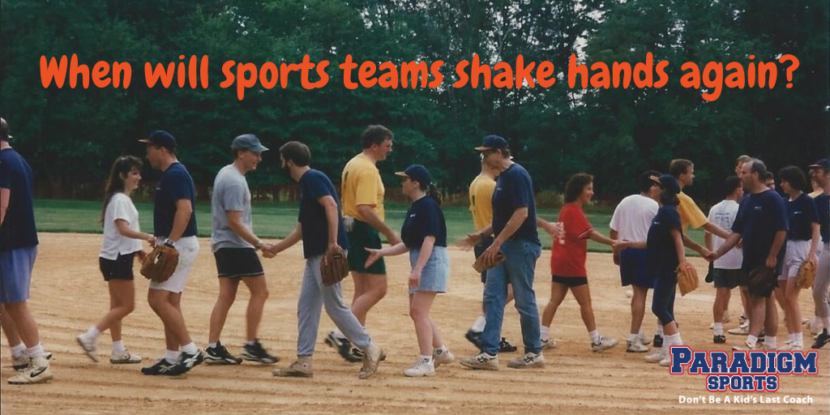
Having played and coached sports my entire life, one of the core things that we do after games is do just that, shake hands after a competition in the spirit of sportsmanship and respect towards our opponents.

I did so for decades as I have all others involved in sports.

Can you imagine the Stanley Cup Playoffs and when teams are eliminated in a series not shaking hands after a game as one team moves on and the others head to the links?

The NBA, MLS, MLB, or any other sports when their playoff runs end not shaking hands in the spirit of competition, respect for their opponents for providing the opportunity to do just that, compete?

Any other sports competition at the professional, collegiate, high school, or community level not shaking hands after games, long playoff runs in the spirit of sportsmanship?

It all starts early on at the grassroots level where we as coaches remind our players the importance of respect, of themselves, their teammates, the officials, the opposing team and coaches, and shaking hands with respect.

Is that never going to happen in the New Post COVID19 Era of sports?

I hope not, I hope that when we do get thru this troubling time as entering into Phase I, II, III and beyond where large formal gatherings are permitted that the handshake is part of our tradition just as others like singing Take Me Out to the Ball Game in the 7th inning, singing anthems before games, raising retired jersey numbers to the rafters of great players, community celebrations to celebrate championships and so on have been for decades.

I also can say as a longtime coach, that one of the biggest rewards I have received as a coach over the years is when my players come to me at the end of a practice, a game, or season and extend their hand and say THANKS COACH.

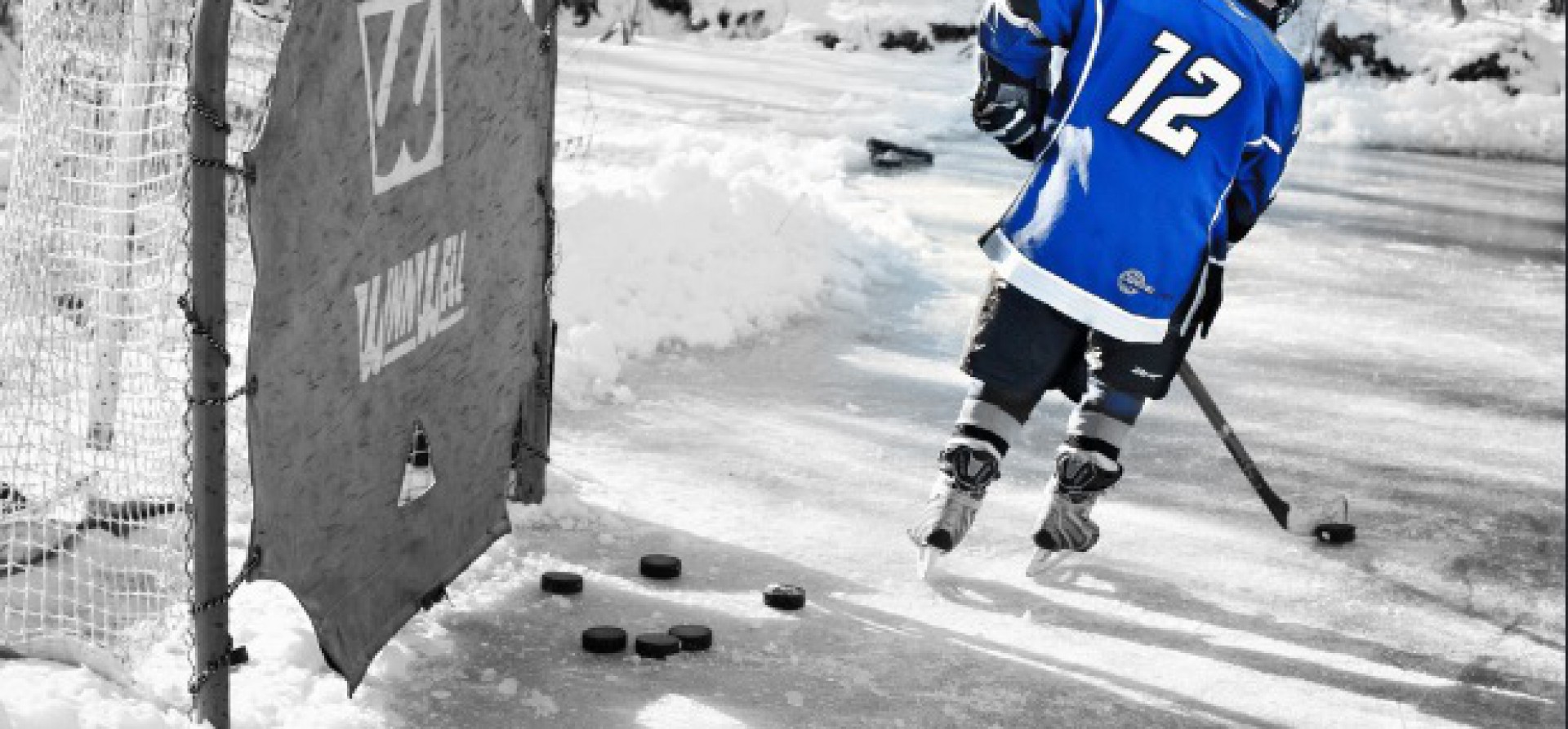
I still remember to this day when a 6-year-old player did so on my hockey team and when he extended his tiny hand to do so made me realize just what coaching is all about, it is not about making a living, it is about making a difference developing youth into adults.

Until we can, in fact, practice the tradition of shaking hands again in the spirit of respect, sportsmanship, winning with humility and losing with dignity … stay the course … stay safe as we transition to phase II and I am crossing my fingers that Dr. Fauci was incorrect and we will be shaking hands sooner than later.

 

PS Tagline - Dont be a kids last coach


Respect has to be a core value

Posted Posted in Athlete, Coach, Early Sport Specialization, Organization Executive, Parents


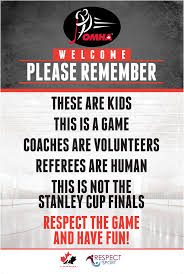
For years I have been advocating for the importance of bringing back respect to youth sports and although I have seen a shift, and many organizations have done public service announcements, campaigns or signage when I come across various posts in social media or in print it just leaves my head spinning how much more work we have to do.

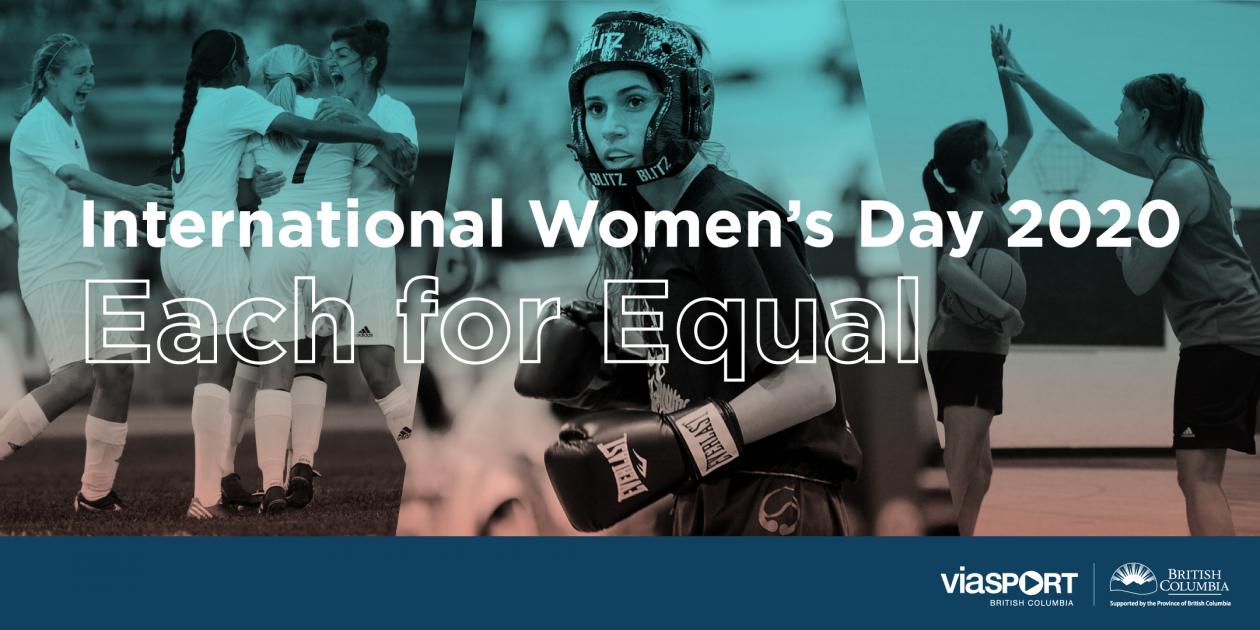
This past week we attended ViaSport’s International Women’s day event as we believe strongly in the importance of growing all levels of female participation of athletes, coaches, officials, board members, and various other leadership roles.


There were approximately 100 attendees for the event from various sports organizations in BC, which did include a small representation of he/him/his (including yours truly) and had a series of speakers reviewing the challenges to increase female and women’s (she/her/hers) participation within their various organizations.

In the afternoon, we went thru a Gender-Based Analysis Plus Workshop ran by Dr. Melanie Stewart from BC’s Provincial Gender Equity Office where she started off by highlighting some of the gender inequalities that still exist but the statistics that jumped out at me the most were gender-based Violence

  • In 2016/17 – 55% of sexual assault victims were females under 25 that were reported
  • More alarming, only 5% of sexual assaults are reported to police, and only 11% of those will lead to a conviction.

The reason these numbers jumped out at me to the extent they did was the fact that literally a year ago around the same time I attended another event sponsored by Via Sport, the BC Safe Sport Summit in response to the series of articles LY that Jamie Strashin and Lori Ward wrote for CBC that highlighted 222 coaches in Canada had been prosecuted sexually assaulting over 600 athletes from their late teens until mid ’20s.

If the 5% rule of thumb that are reported to police is, in fact, accurate, that means there could be over 10,000 athletes that were sexually assaulted the last 20 years in Canada!

As far as I am concerned, ONE is too many, we still have work to do to ensure sport is safe from all forms of harassment.

This just a week after I read an article highlighting the harassment towards a high school hockey player in Philadelphia, Alyssa Wruble, where a fan-created a sign challenging for her to declare her gender and number of the students from opposition school she was playing against chanting “she’s a dude”

In the morning address to all the attendees Mitzi Dean, the BC Parliamentary Secretary for Gender Equality shared a story about her 7-year-old daughter who played on a mixed hockey team with boys almost quit the game because the boys told her frequently that she did not belong on the team.

REALLY?  Both examples were just a painful reminder that we still have so much work to do to change the culture in youth sports for the better and I believe one of the reasons is due to the lack of respect we have, yes we talk about it, but do we truly walk the walk?

The very definition of respect is:

re·spect

/rəˈspekt/

noun

#1- a feeling of deep admiration for someone or something elicited by their abilities, qualities, or achievements.

“the director had a lot of respect for Douglas as an actor”

#2 due regard for the feelings, wishes, rights, or traditions of others.

“young people’s lack of respect for their parents”

verb

  1. admire (someone or something) deeply, as a result of their abilities, qualities, or achievements.

“she was respected by everyone she worked with”

With inclusivity being one of the hot topics and initiatives we discussed over the day as well as prior Women’s day and other events I have attended, one of the biggest issues that we still continue to face is the current culture of youth sports needs to change so youth sport is not only inclusive but the core value of respecting others so it becomes ingrained in all of our DNA’s.

Had it been a core value as part of the overall culture vs. highlighted on signage, public service announcements, or strategic initiatives still in the development phases Alyssa, Mitzi’s daughter all the other girls out there that aspire to play a game and may be forced to play with the boys as there are no programs in place for them for girls only teams would be respected and admired for their skills and abilities in lieu.

My niece is another one of those girls, who is a very skilled player and the only option was to play on boys teams who shared similar stories with me until she reached Bantam so had to move to play on and academy all-girls team (at a great expense to my in-laws for her to do so).

Fortunately, her love for the game never wavered like Hayley Wickenheiser and many other female trailblazers before her and she just received confirmation that she has been accepted to McGill and offered a spot on the Women’s Hockey Team starting next season.

Fortunately leaders in the space including Via Sport, Provincial and Federal Government, PSO NSO, and even professional sports are working towards programs to ensure we do keep moving the boulder up the mountain as the keynote speaker Charmaine Crooks (OLY, Order of Canada) used in her great keynote presentation so sport is inclusive, safe and sport can be a positive for all.

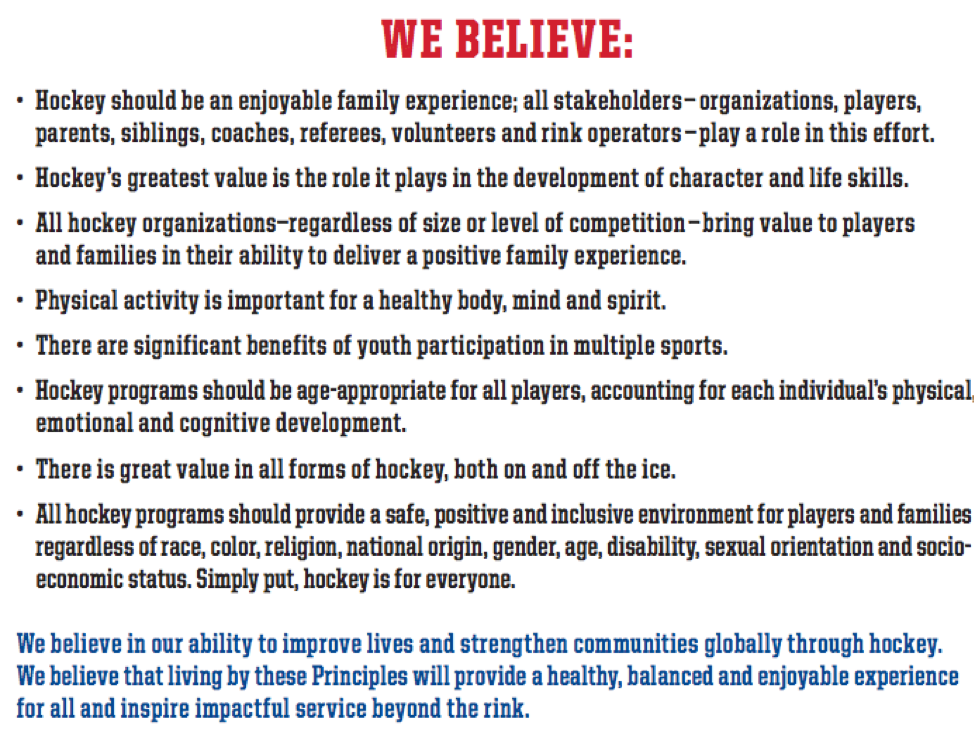
I can’t think of a better example of an initiative to ensure that respect does become part of our core values than the Hockey Declaration of Principles drafted by all the governing hockey associations worldwide in collaboration with the NHL released in Fall 2017.

We concur with the declaration of principals, not just for hockey, but sports are for everyone globally.

Sadly as each day passes while all sports are on hold to ensure the safety of all stakeholders as the world comes together to fight the spread of the Corona Virus I would be remiss not ending this post focusing on the importance of respect not acknowledging all the first responders and medical community who have come together as a global team to make the world safe again.

My utmost admiration to all of those that are doing so and let’s all work together to ensure that all those who love the game, whether it be young kids, teens or collegiate, professional athletes, and all the other stakeholders involved can return to the games they love when the medical community deems it safe to do so.


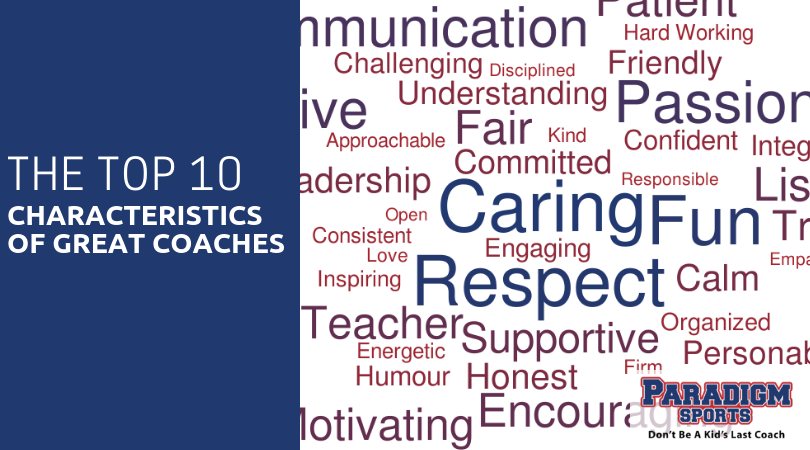
The Top 10 Characteristics of great coaches

Posted Leave a commentPosted in Athlete, Coach, Organization Executive, Parents, Uncategorized
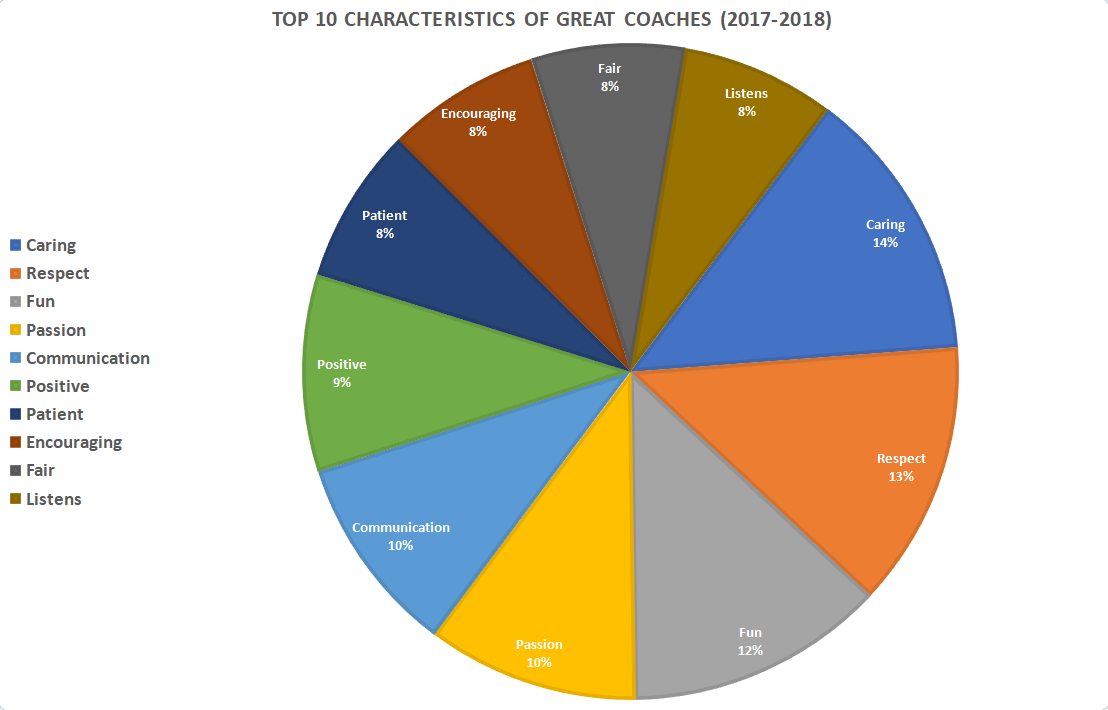
This is an update to last years post that I posted in December 2017 as I have continued to interact with coaches at conferences and clinics and ask them; What are the top 3 qualities of the greatest coach (or teacher, manager) you ever had? Last fall our co-op student created a tracking sheet to summarize all the characteristics that I had recorded by various means and now our “informal” database is just shy of 1000 coaches, board members and even parents. By no means is this a formal research study, but the below pie chart outlines the updated results for the top 10 characteristics;
Just as it was last year, and every time I do the exercise, the Number 1 characteristic was the coaches cared about their players. This also was one of the characteristics when I talked to the amazing guest speakers in our summer and winter digital summits we hosted thru our digital arm For the Love of the Game. Number 1 (always)
Not only do they care about helping them develop into the best athletes they can be, but the best people. This is what John Wooden, Clare Drake, Phil Jackson in past and current coaches like Pete Carroll, Mike Kryzyzewski, Sean McVay and others have demonstrated or shared with journalists what was really important to them as they guided their teams to achieve at the highest level. Coaches that care, not only teach the skills of the game, but the skills of life. Number 2  (moreso the reason kids play but coaches must foster an engaging environment for it to be fun)
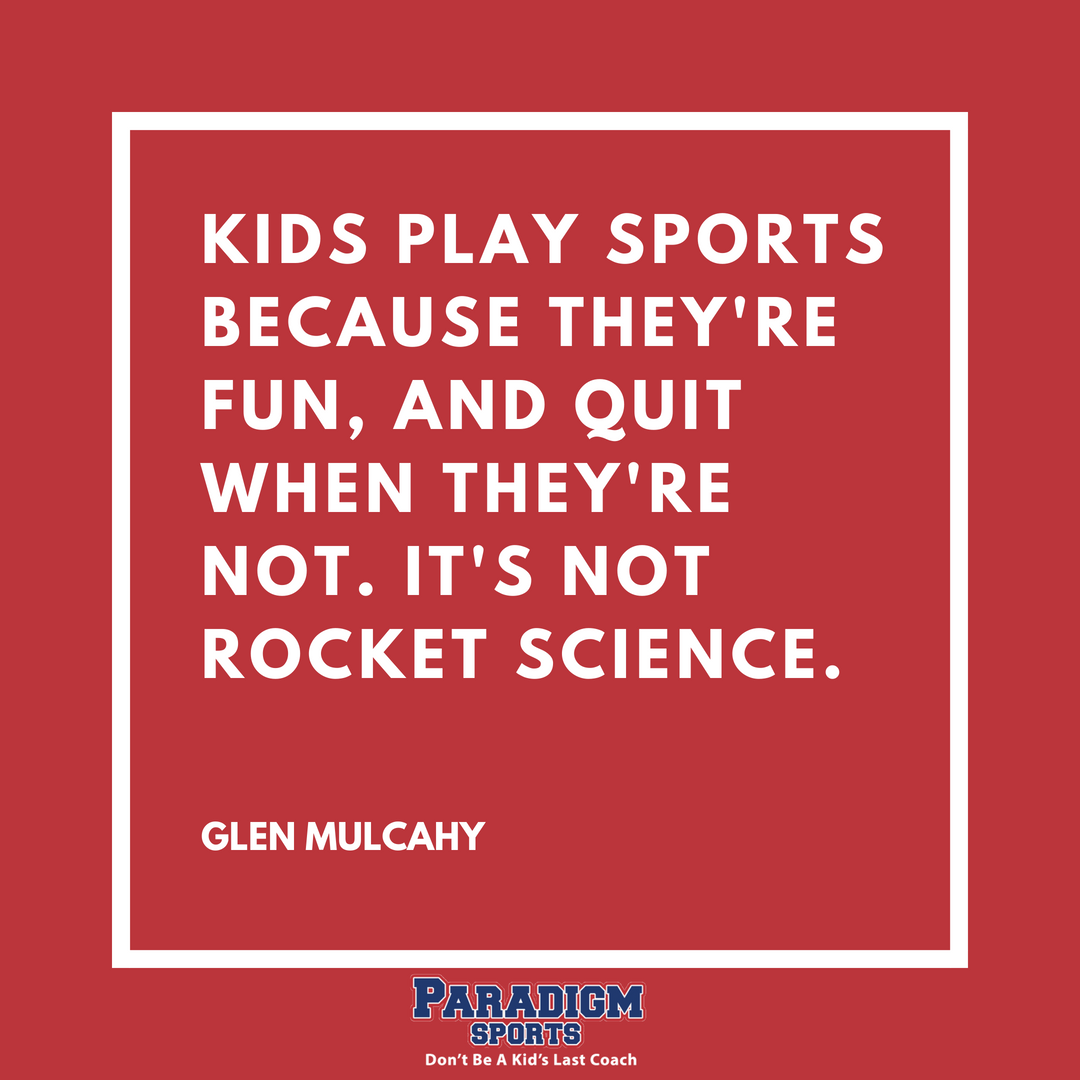
Another of the top characteristics was they coaches made the experience fun, both in games and practices as well as other team activity. Many misinterpret that I am not competitive because my philosophy of coaching is “FUNdamentals, not winning, at all costs”. Like all the great coaches who worked on the process of developing all players on their teams that lead to results on the scoreboard, I know how important it is for players to have fun, even on the most competitive teams. As I have been saying for years;
Mike Babcock, now the highest paid NHL coach with Stanley Cup, World Championship and Olympic Gold achievements on his resume is another one of those great coaches. When he became the coach of the Toronto Maple Leafs, he shared that his main role was to develop all the players into great young men. Prior to the 2010 Olympic Gold Medal game, when he was coaching some of the best players in the WORLD at the time, when asked by the media what he told the team before the game he said “I just told them to go out there and have fun.” Many people think when kids they just want to have fun that it means goofing off, but kids actually don’t want their team mates to do so they want to play, the want to compete, they want play for the love of the game. That is what fun is. Number 3:
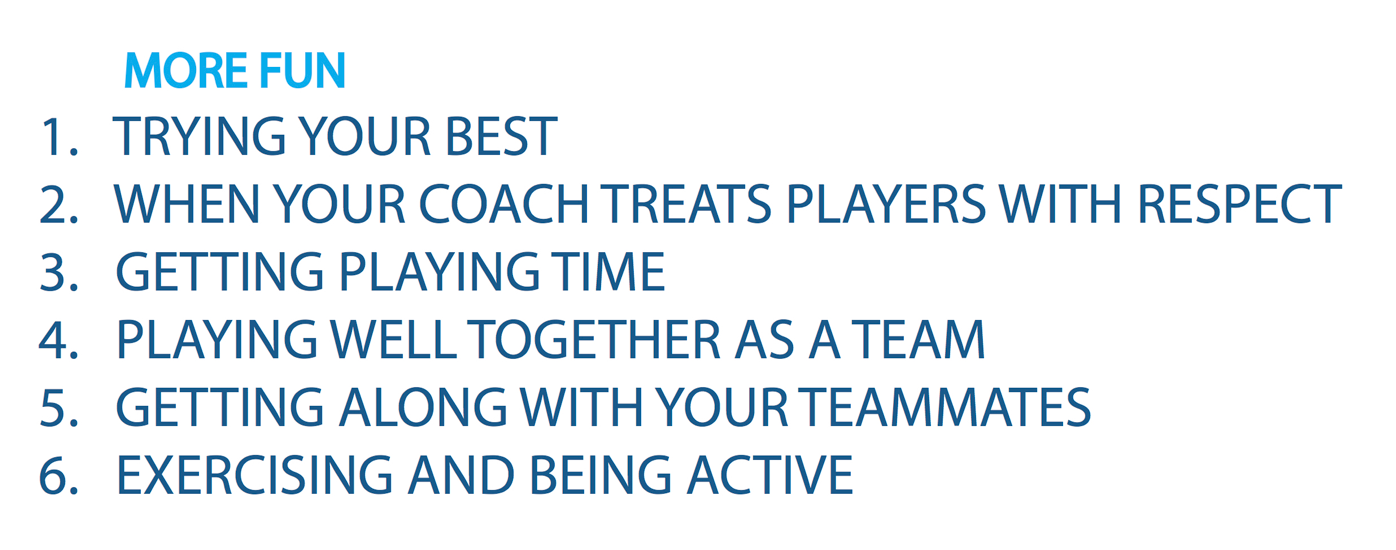
When Amanda Visek did her groundbreaking study and identified the 81 characteristics of what is fun in youth sports, the number 2 reason, second only to having the opportunity to try your best was when coaches treated players with respect
Although I would NEVER consider myself to be in the same company as John Wooden, his three rules are very similar to mine and his third was “Never criticize your teammates”, mine is Respect. Respect yourself, teammates, coaches, officials, other teams, parents, class mates, parents and so on. I believe respect is a two-way street, if coaches respect their players then they players will in turn respect their coaches and vice versa. Sadly, although the many coaches in youth sports do respect their players, there are coaches that think nothing of screaming at a player, singling them out in front of the teams, criticizing their mistakes over and over again and other ways that are not only disrespectful but crossing the fine line from demanding (pushing players to be their best) to demeaning (belittling players). It is no wonder why 70% are quitting by the age of 13 in majority of sports, but as I recently found out due to changes that USA hockey made to focus on fun, ensure the coaches respect their players and recognizing that it is all about the kids, they have moved the needle where they only lose 8% of their kids by the age 13. Number 4:
One of the key takeaways for every talk that I do for coaches is “Care Passionately“.  For me, caring and passion go hand in hand, when coaches are truly passionate for their sport, the kids will become passionate. When I think of the greatest coaches I had in many sports, same held true for me, they took on the role as father figure and truly cared about me become a better player, but also a well rounded person.  Many of which were so passionate about the game I could not follow suit which is one of the reasons why I played so many growing up. The remaining top 10 characteristics from our 2018 summary include great communicators, were positive, patient, encouraging, fair and listened. Coaches can also fill the gap for kids like me who lost their father at a young age to guide them, mentor them, and steer them out of trouble if they head down that path. Great teachers do the same, if it had not been for my Grade 12 French Teacher who took me aside one day and said “you can do better” after I acted up in class for the umpteenth time who knows where I would have ended up. She was the one that motivated me to pursue post-secondary education and as a result I was the first of all my cousins from both our extended Roman Catholic Families (over 30 first cousins) to graduate from University and one of my proudest moments as my Nanny (grandmother) was there to see me accept my degree. Think back when you grew up, did you ever take a class in school and thought you would HATE it like calculus, accounting, history, literature? Then to you surprise you ending up loving the course – Why? Because your teacher was so passionate about the subject. Same holds true for youth sports … if coaches are passionate about all aspects of the game they will instill that same passion in their players so they love the game more at the end of the season than they did at the beginning. Other – the list of other responses were endless but included characteristics like calm, challenging, committed, confident, consistent, disciplined, demanding (not demeaning), energetic, enthusiastic, fair, firm, forgiving, genuine, trustful, inspiring, integrity, invested, kind, listens, motivator, organized, personable, positive, role model, teacher and leader. In addition to care passionately and making it fun, please make it safe (to fail and for all forms of harassment), teach skills and lastly …..

Don’t be a Kid’s Last Coach

"thank you" blog thumbnail

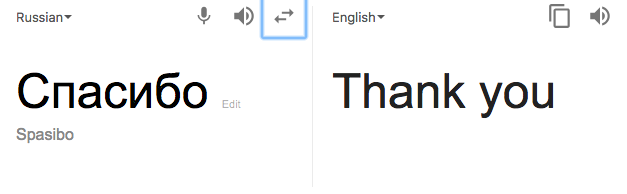
SPASIBO (THANK YOU)

Posted Leave a commentPosted in Uncategorized

As this year’s World Cup is being hosted in Russia, my wife’s family have been rooting for their home country as they moved to Canada from Russia a generation back (my wife’s Baba (AKA Grandmother) was born in Russia and only English word she knew was EAT.  Each time she extended the invite, I learned to say “Spasibo” / Thank-You from my wife and in-laws (one of the few Russian words I know).

Now that they lost in the semi-final in a closely contested match vs. Croratia, suspect her family will not be glued to the TV watching remaining games, but I wanted to touch on a couple of other teams that have made headlines this World Cup.

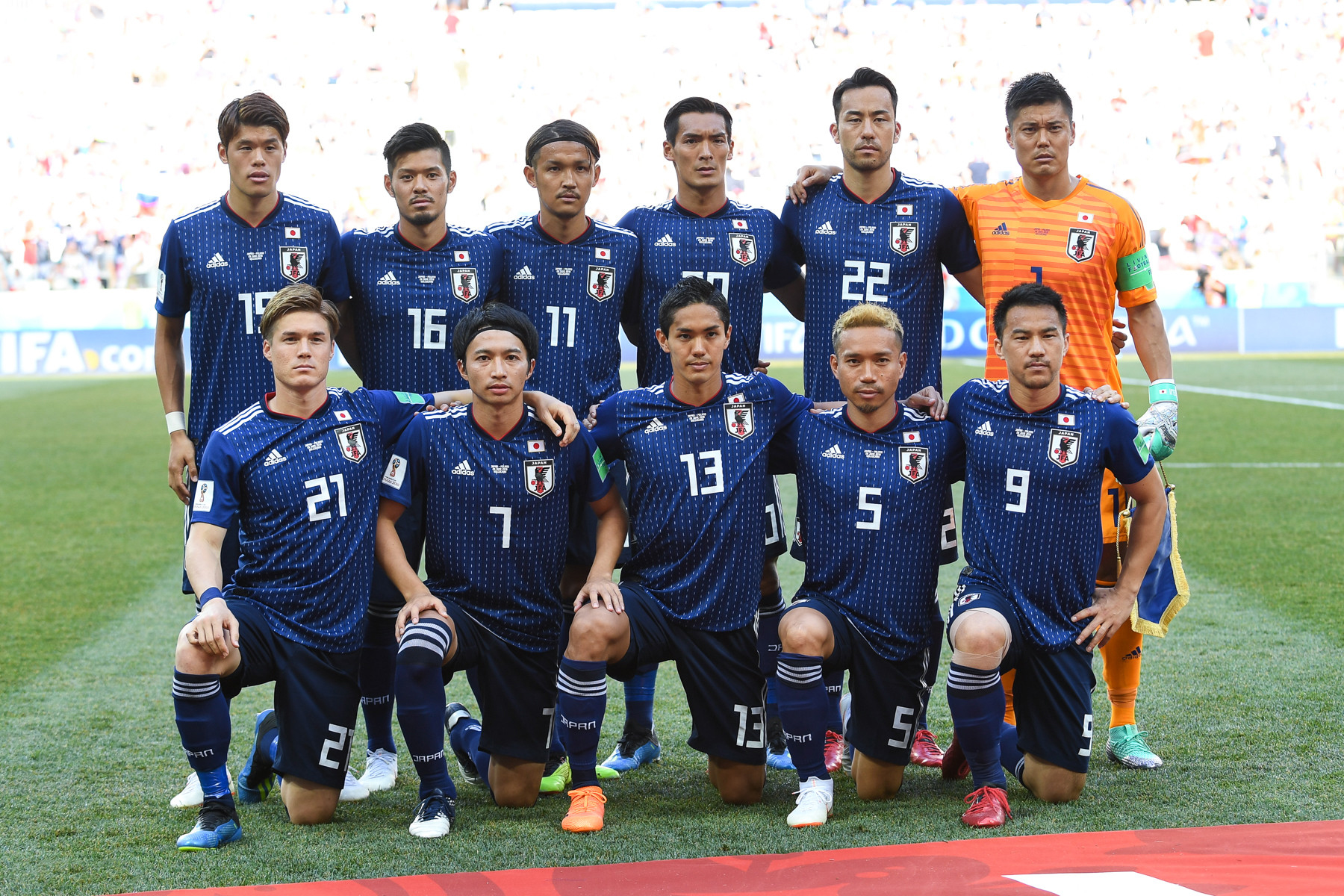
The first, is Japan, and how they handled a bitter defeat losing to Belgium who came from behind and show the world the epitome of class and respect for the hosts.


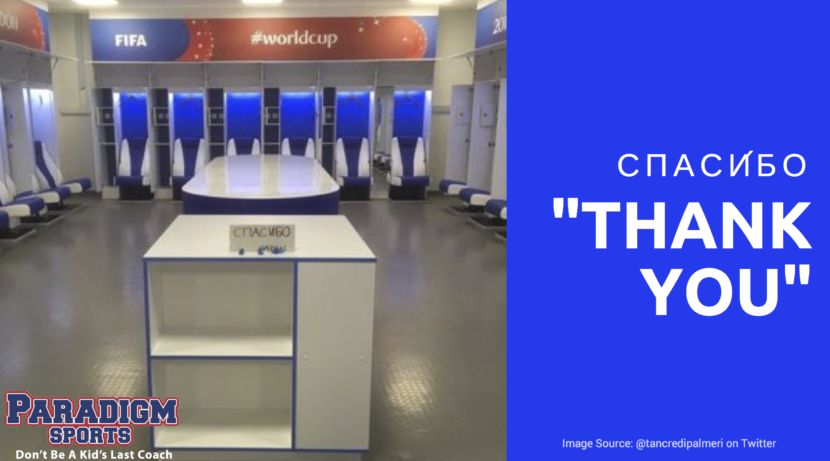
Not only did the team leave the dressing room cleaner they found it, they left a note of gratitude to the hosts in Russian.

Their fans, also did the same in the stands, they picked up all the litter although the stadiums operation staff were paid to do so.

As a result of their demonstration of true sportsmanship and respect for the game, their hosts, their opponents, the image of the dressing room and thank you note was shared amongst numbers social media accounts across the world.

Kudo’s to the coach, the players, the Japanese National Team and all their organizers for showing us what winning with humility and losing with dignity really means (one of the core values that I have taught all my players since I learned the same from my coaches.

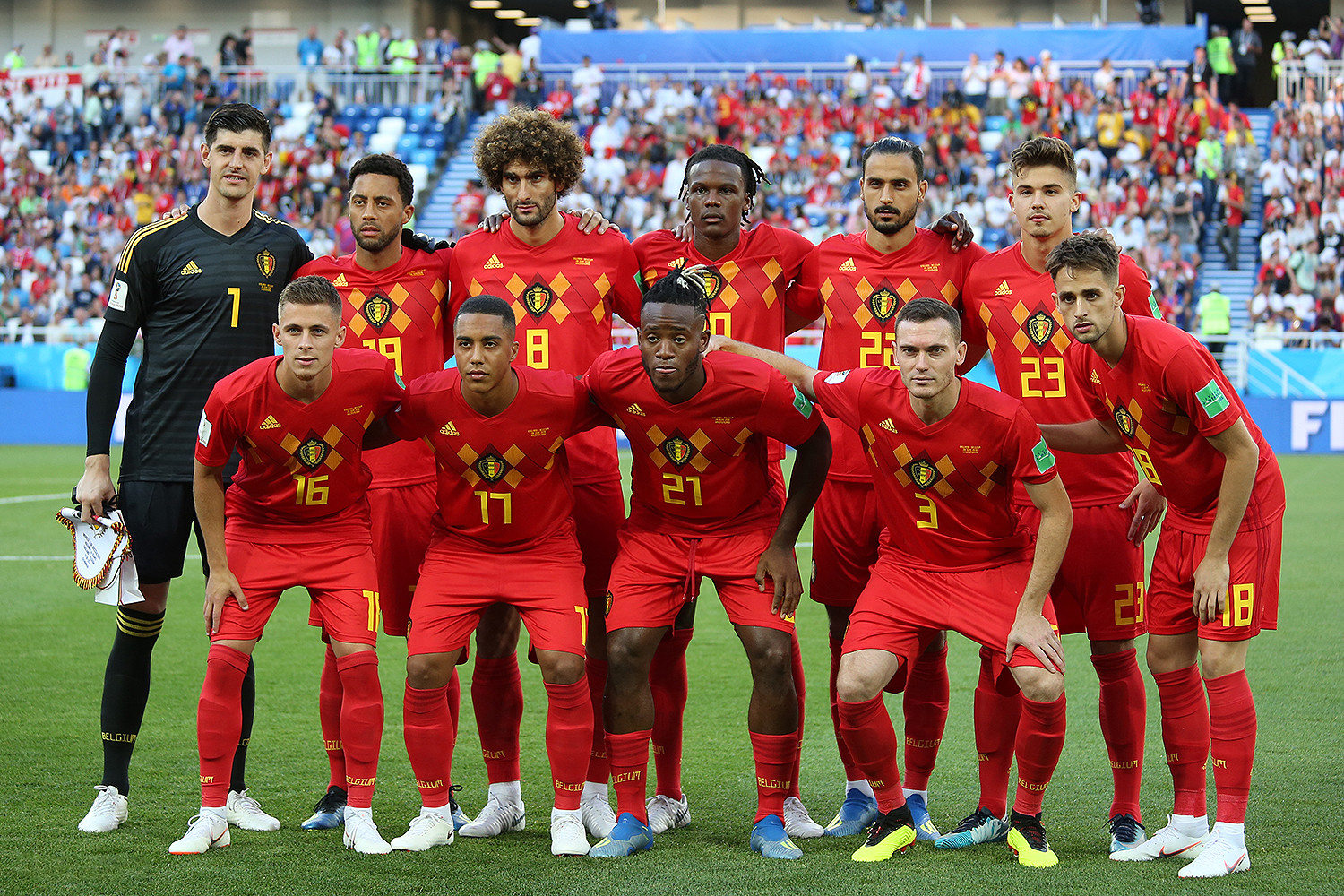
The other team that is receiving a lot of attention is the very same team that defeated Japan in the bittersweet game coming back from behind to win, Belgium.


It all happened due to the changes that Belgian FA director of coaching education Kris Van der Haegen made to the football program starting at the grassroots level.

He shared insights with our good friend John O’Sullivan, host of Way Of Champions Podcast, the changes they made to their program since they did not make it thru the first round of the Euro Cup they hosted in 2000 and have since moved from being ranked 66th in World Rankings to #1 in 2015.

  1. Player-Centred Approach – he changed the approach from being a team or coaches ego’s to focusing on the players wants and needs to ensure they not only attracted players, but retained and grew their football programs (reverse of trends facing many youth sports globally today)
  2. They implemented Small-Area Games so 1 on 1, 3 on 3 vs. 8 on 8 or 11 on 11 so it increased the number of touches, scoring opportunities, dribbling. Other sports have also followed suit, like Hockey Canada rolling out cross-ice hockey to mirror for USA Hockey a few years prior to ensure that kids touch the puck vs. beehive that I saw when coaching novice age group and still was full ice hockey.
  3. Multi-Move (Multi-Sport/Activity) – ensuring that kids sample as many activities as possible until they are 13 years old to pursue football if that is the sport they love the most.
  4. Giving Players Freedom (AKA Street Soccer) – No refs, parents, coaches, kids just play without the fear of being criticized

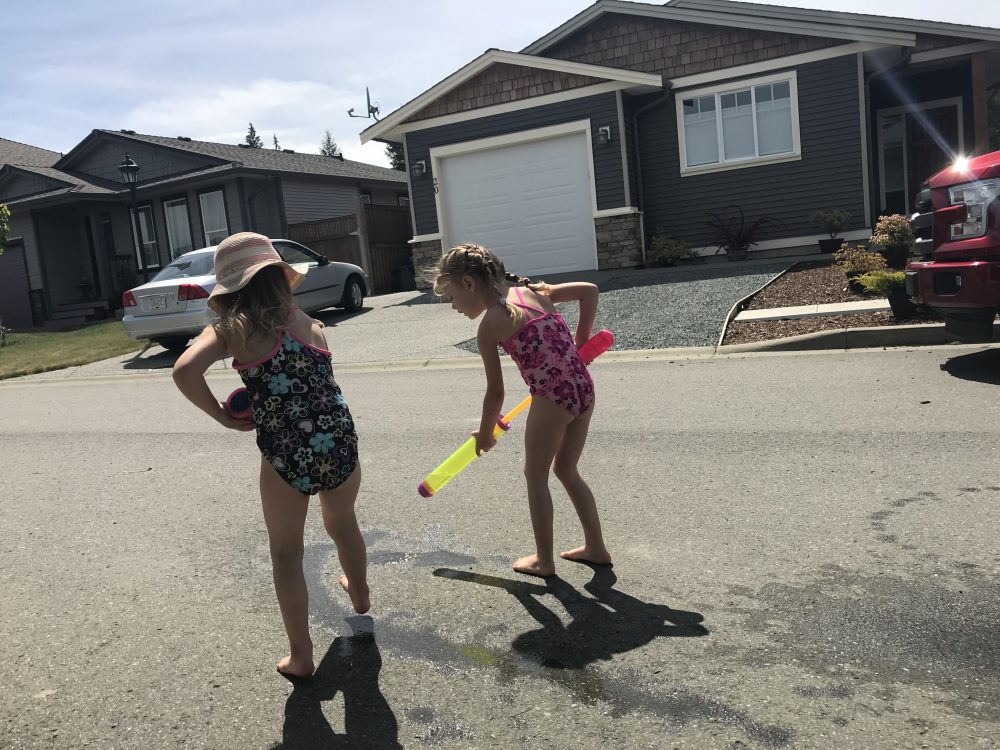
A strata in Chemainus may want to look into the benefits of street sports as I read in the paper today SORRY KIDS, NO FUN ALLOWED they passed an amendment to their bylaws to prohibit any form of PLAY on the streets.
Really?

Obviously, the very same people that voted for are oblivious to the fact that there are multiple organizations that are promoting the importance and benefits of free play so that kids LOVE to be active and are ultimately active for life.  The list of banned activities includes “hockey, baseball, basketball, skateboarding, chalk artistry, bicycling and other sports and recreational activities”

Wonder what Sidney Crosby is going to say when he finds out after he battled a street hockey ban in his hometown Province in 2006, followed by other former NHL’s who did the same when the issues came to light including another “pretty good player” Bobby Orr, Tiger Williams just to name a few.   I imagine Walter Gretzky, whose legacy is the world’s largest street hockey tournament, as would his son Wayne, may have a few words to say also on the same subject.

Even the VP of the very same strata council voted against the bylaw as she enjoys watching the kids PLAY, the others that voted for the bylaw should give their heads a shake as playing on the streets in urban areas, especially those in poorer neighborhoods is for many kids the ONLY option to get outside and PLAY.

  1. Game-Based Approach for Practices

Kris also changed the way that coaches run practices to ensure it is based on a game based approach, in lieu of deferring to scrimmaging the last 5-10 minutes of a practice followed by technical drills only, he implemented the slogan “make your players love the game” After that, you can help them learn the game.

  1. Winning doesn’t matter – No Competitive games until 14 Years old

Perhaps Kris researched the model in Norway, who don’t permit competitive play in many of their clubs until same 14 year od age group.

This is now the second nation that not keep track of wins, losses, goals, assists who has reached the HIGHEST level of the sport with their national teams.

Hmmm … wonder when Canada, USA and other countries that are suffering horrific attrition rates in youth sports will GET IT … KIDS JUST WANT TO PLAY.

  1. Looking after the late bloomers

If late bloomers need to drop down a level until they catch up to their early bloomer counterparts, they will, to ensure they develop confidence and love the sport vs. chasing the ball like kids do in North America chasing as only recently USA soccer is experimenting with bio-banding putting players in their physical maturity groupings vs. chronological.

With early exits in this year’s World Cup by Germany, Brazil, Argentina I suspect all eyes are on Belgium to see if they advance and potentially win.

I would be remiss not referencing Iceland, who in their FIRST EVER World Cup tied Argentina, who like Belgium, totally revamped their approach to how they develop their players going back also to 2000 when they were ranked 124th in the world and now are ranked 22nd.

The Nations that continue to do the same thing over and over again expecting different results (AKA Insanity) need to seriously look at how others have developed cultures of excellence.

Better yet – cultures where kids LOVE to play and continue to play beyond current trends where 70% by the age of 13 because the game is not about the kids, it is about adults competing with other adults thru kids.

Let’s all work together to bring the game back to the kids … where it belongs.

PS Tagline - Dont be a kids last coach


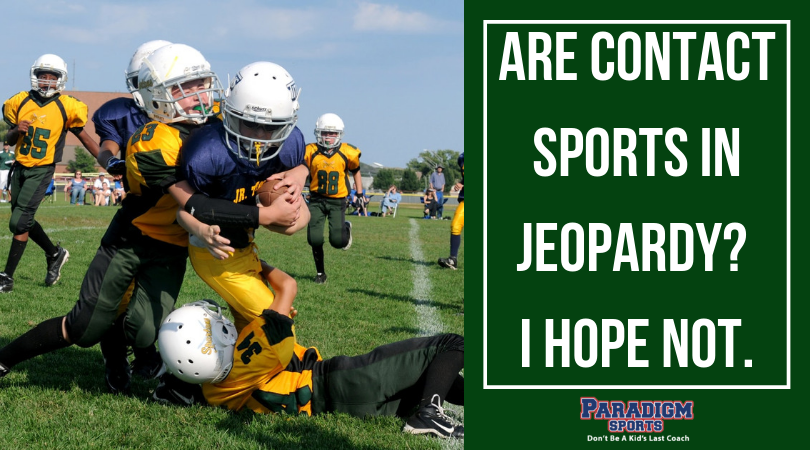
Are contact sports in jeopardy ? I hope not.

Posted Leave a commentPosted in Uncategorized
In the last couple of week’s I have read articles on the dangers of full contact sports and felt were worth sharing and commenting on.
 
One touching on recent data pertaining to CTE Findings by Boston University and supporting arguments that “Football is still worth risk.
 
Steve Simmons comments on how his two boys (who are now grown men) played several contact sports in their youth and neither suffered a concussion. They played many seasons of contact hockey and football, one even played university football.
 
Reason why I start this week’s post referencing his article is he puts forth the argument that tackling in football is still worth the risk and also believe it is but we MUST make changes immediately to how the game is being coached at the grass roots level.  First, we must eliminate the intentional head to head contact as players are using their helmets meant for their protection as weapons.  Second, we must limit full contact or tackling to later ages to allow for full development of brains to mirror what USA Hockey and Hockey Canada have done removing until Bantam and considering deferring until Midget to ensure players brains are fully developed.  Third, we must reinforce the importance of respecting our opponents and playing for the spirit of the game.
 
To review the article Steve is commenting on and short CNN Video click here
 
To support his argument, Steve shares his youth sports experience of various sports he played including baseball, hockey, football, lacrosse and basketball, all of which I played except lacrosse. My alternate was Rugby. He further shares how many life lessons he learned in football particularly including;
 
  •  Teamwork
 
  • Commitment to stay in school
 
  • Confidence
 
  • Friendships
 
  • Maturation
 
Two that I would add – Respect and Sportsmanship, two values that are missing in youth sports today that are leading to the increasing concussion and injury rates.
 
This list could be endless for me, youth sport teaches us much more than just the skills of the game, but valuable life lessons that we carry forward in non sport activities. That is the role of youth sport coaches, to make a difference by developing youth into adults.
 
For me, contact sports was my way of dealing with the challenges of losing my father when I was really young (he died tragically when I was 8 years old), a means to be aggressive, physical and keep my Irish temper in check. It also provided me surrogate fathers in a sense, as each sport the coaches would take me under their wing and would be not only teach me the skills of the game, but the skills of life. If it had not been all the GREAT coaches I had when I played all those sports, I would not be the man I am today.
 
Another contact sport that has received a lot of press in terms of head trauma’s and concussions is Hockey, recently the “Campaign to ban bodychecking in bantam hockey divides parents”
 
In 2013 Hockey Canada banned body checking until competitive hockey in Bantam, removing it from Peewee and all levels of non-competitive hockey. The reason? Studies found that the brains of peewee aged players (11-12 years old) were still developing and the research found it led to a threefold increase in body and head injuries.
 
I happened to be coaching the peewee age group at the time and witnessed first hand how body checking en masse was leading to concussions. I believe on of the biggest contributors to players getting a concussion was not body checking per se, it was what I call “The Chicken Wing”, players intentionally making head contact with their elbows or hitting players from behind.  Only a small % were due to clean bodychecking done correctly. The other, was players raising arms or sticks to protect themselves in self defence, like all other core skills of hockey, contact confidence takes years to develop.
 
I had the misfortune of watching numerous “chicken wings” by opposing teams on my players and one was such an outright intent to injure I can’t even speak of it at length. While coaching Bantam, I witnessed a 14 year old player elbow one of my players with such intensity it reminded me of the Todd Bertuzzi/Steve Moore Incident as he fell to the ice with opposing player on top of him. My player suffered a major concussion, then when followed return to play protocols suffered another due to a hit from behind.
 
One of the saddest things for me was when his parents sent an email to the team that he would not be returning to play as doctors advised him he could no longer play hockey.
 
He truly loved the game and was only 13!  Unlike 70% of kids today that are quitting youth sports for various reasons, he had to stop playing a game he truly loved because he hit in the head intentionally with an elbow. 
 
After the game as I was walking by the opposing player and his parents were joking with the coach that they would be saving money on travel for a few weeks as he received the maximum penalty possible, a 5 game suspension. It took EVERYTHING I had in me to keep walking, I could not believe a fell coach disrespected the game to that extent and condoned the incident.  In lieu, he should have had a serious conversation with the player and reached out to his association to enforce a longer suspension.  The whole point of having penalties in hockey is not to give the other team a man advantage, it is to deter the behaviour from happening.  
 
As far as I am concerned, both the player and coach should have been suspended for the season, perhaps more, then the message would have been sent.
 
This to me, is the #1 reason why concussions are now rampant in hockey, and you can defer body checking until Senior leagues (Over 30, Over 40) and even though brains are fully developed, players will still get concussed if players initiate contact to the head or hit the players from behind out of the danger zone.
 
Although many were against banning body checking when Hockey Canada did so in 2013, one of the professors that did the initial research to support bodychecking be pushed to Bantam age group confirmed it did have the desired impact
 
  • 64% decrease in concussions
 
  • 50% decrease in overall injuries
 
  • The overall number of concussions across Canada has dropped more than 4,800

See article here

Further research has shown that players brains are still developing beyond the Bantam age group (13-14 years old) so  is the reason for new campaign to defer body checking until Midget age groups but if we do so we are opening Pandora’s Box. Bodychecking, much like any other hockey core skill takes YEARS to development so in order to prepare players for older age groups we must look at a graduated system to prepare them. As the boys become closer to becoming young men, their testosterone levels increase as well as physical size. At some point we have to TEACH proper body checking techniques and the reason we have in hockey to begin with. It is not to separate the player’s head from their body, it is to separate the player from the puck. 
 
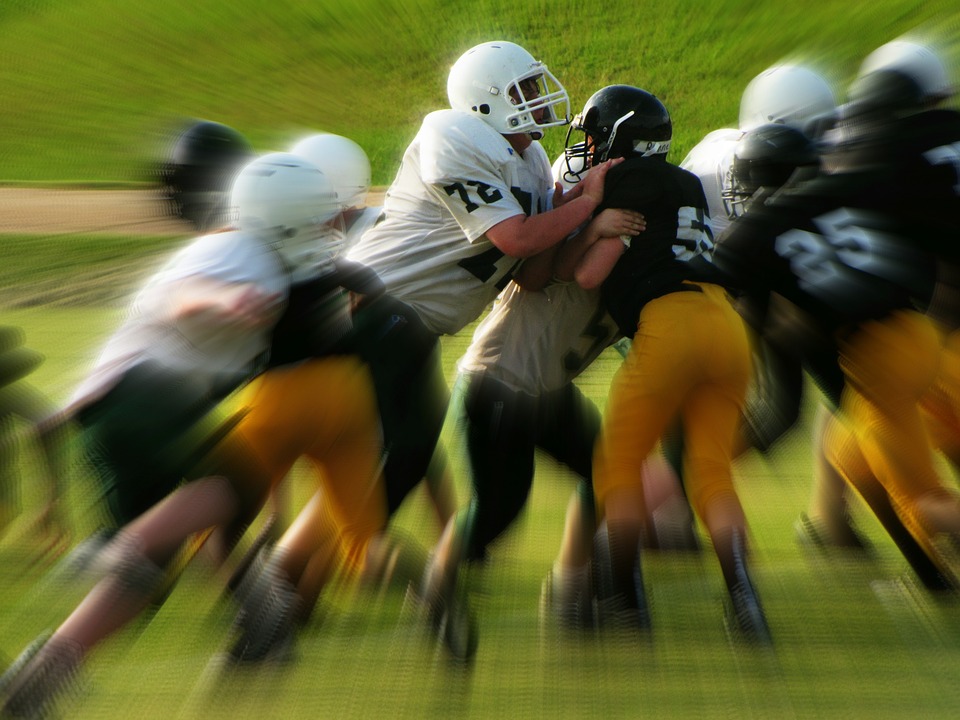
The same holds true for football, I played contact football for 9 years all the way to Junior (University age group) and although I got “my bell rung” at times I never was diagnosed with a concussion, nor did I get concussed in contact hockey, rugby, british bulldog (which has now been banned from school playgrounds) or the game we loved the most in high school “tackle basketball”. As far as my friends and I were concerned, it was not a “sport” unless it involved contact, body checking or tackling.   The difference for our age group vs. what I have seen the last 10 years is our coaches reinforced the importance of proper tackling techniques EVERY practice as well the importance of respecting our opponents in game play.
 
The difference in my generation vs. today’s generation and like the chicken wing in hockey, helmets today are not being used for protection as they are intended, in many instances they give players are false sense of security and many will lead with their helmet when tackling or going to be tackled.  
 
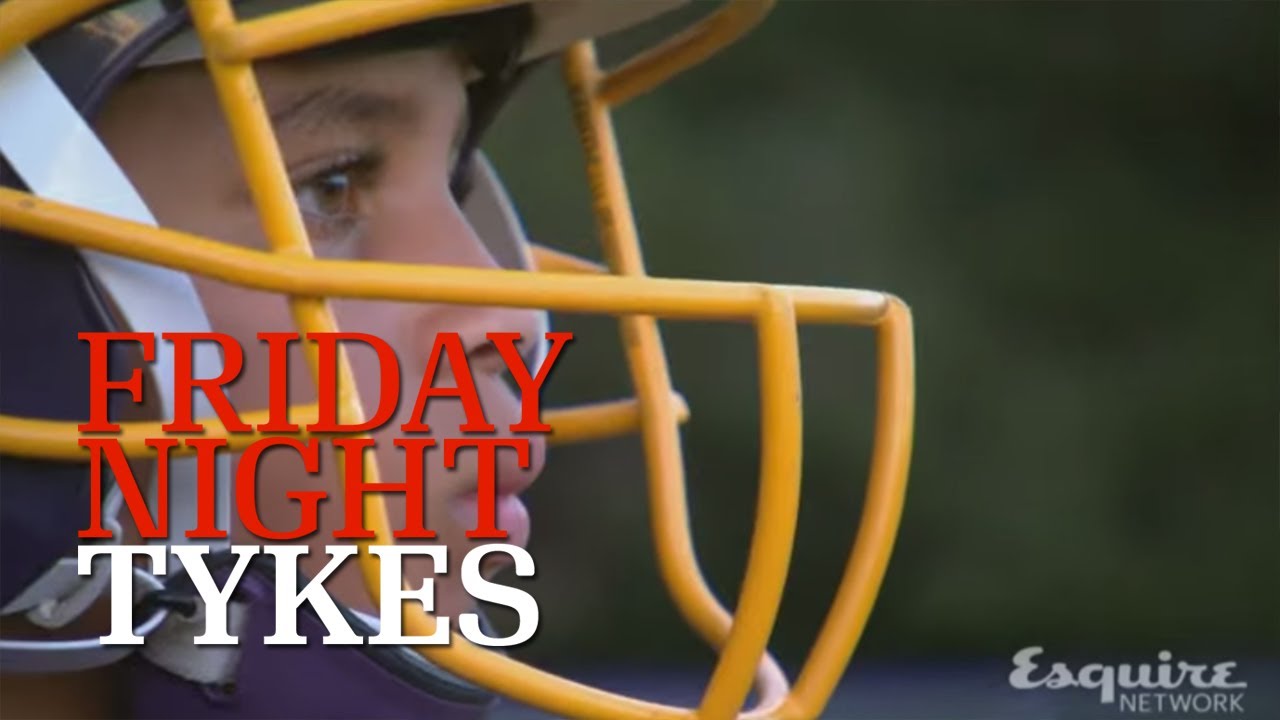
Here is a video about an elite 8-9 year old program in Texas, it is a series based on a REAL football program in Texas. Click on the link below for the original trailer for Esquire program Friday Night Tykes.
 
It is no wonder why CTE has been such an issue for the NFL as it all starts at the grassroots, if youth football coaches are not going to teach the safe and proper tackling techniques adhering to the LTAD model then it merely will continue to escalate.  
 
I have talked to several youth football coaches who are but we need ALL youth sport coaches of contact sports to do so, otherwise in addition to Hockey and American Football, other contact sports also may be in jeopardy.
 
So there is no disconnect, I am a big advocate for concussion  and CTE awareness. I am not saying that they are not serious issues, they are, and we should continue doing what is the best interests of kids to ensure they are SAFE.
 
Why am I so passionate about it? Because I suffered 3 major concussions, the third ended my competitive sports career for lack of better word in my 20’s. Ironically though, all 3 were not in a game or practice, one was a result of horsing around with one of my rugby team mates, the latter two were when I came to friends aids in bar brawls.
 
My last concussion I can only tell you what people told me as I have no recollection of the 2 weeks that lead up to the event. One of my friends was hit over the head by a beer mug, I jumped in to grab from his assailant and then one of his friends did the same to me. I was knocked down, and he and his two friends literally kicked and punched me to the point where I was so disfigured after the fact when I looked a pictures taken for police shots I did not even recognize myself.
 
I ended up in an ICU at nearby hospital and awoke groggily 2 days later and had NO IDEA where I was, how I got there and all I could remember is the migraine. Doctors told me that it would take time for me to recover, get lots of bed rest, limited reading, TV etc etc. I missed 2 months of my first college term as a result of the time it took to get back to being symptom free.
 
Needless to say, I can relate to the challenges Sid, Paul Kariya, Eric Lindros and numerous other players have had dealing with to recover from concussions
 
I believe that contact sports are getting a bad rap in a sense that it is the contact itself that is leading to CTE, Concussions. In lieu, many of injuries sustained is due to the the equipment meant to protect but used by players initiate contact leading to same … the hard plastic on elbow pads, the “concussion proof” helmets,  disregard using sticks to slash wrists, helmets or cross checking from behind.
 
Hockey (NHL) and Football (NFL) are getting a lot of press making it a hot topic for last few years but if tackling and contact was such an issue, why are we not looking at taking contact out of other sports ?
 
If contact alone was the driver for CTE, concussions and other injuries, Rugby should be the #1 sport for all but are not even in the top 5, according to Neurotracker, these are the number of high school concussions per 100,000 athletic exposures;
 
  • American Football – 70.4
 
  • Men’s Ice Hockey – 54
 
  • Men’s Lacrosse – 43.3
 
  • Women’s Soccer – 33
 
  • Women’s Lacrosse – 33
 
Honourable Mentions
 
  • Women’s field hockey – 23.5
 
  • Men’s Wrestling – 23
 
  • Women’s Basketball – 19.8
 
  • Men’s Soccer – 19.1
 
Hmmm .. Rugby still not in top 9.
 
Why ? Because it is a hooligan’s game played by gentlemen.
 
The only protective equipment are cleats, mouth guards and perhaps ear wraps (for forwards) and that’s it. Concussions are low or non-existent because players don’t have helmets, elbow pads, sticks that can make contact with players heads, wrists (slashing has become the norm, not the exception in hockey).
 
It is a sport that players still call the ref SIR and when you get older after you go to war with the other team, you socialize with them afterwards.
 
Here is another example of how 8 year olds are being taught to hit others recently posted in Instagram 
 
 
Helmet to Helmet contact starting at 7-8 years old? Coach makes no correction ?
Player attempting to tackle not protecting himself by getting down to drive shoulder into other players core, wrap arms which would avoid any head contact whatsoever.
 
Really?
 
If the NFL, NHL and others want to have players come up thru grass roots they MUST get on board with grass roots programs to bring back respect, proper checking, tackling techniques.
 
Eliminating body checking, tackling from contact sports is not the answer.
 
Reinforcing the importance of Respect, Sportsmanship and other core values is.
 
Let’s work together to bring the game back to the kids.
 PS Tagline - Dont be a kids last coach