The Old Guard Vs. The New Guard

Posted Leave a commentPosted in Athlete, Coach, Early Sport Specialization, Parents

The Old Guard Vs. The New Guard

I am writing this before the 53rd Superbowl game as I know all the hoopla come the day will be sharing out in our weekly newsletter will be about how the old guard (Bill Belichick and Tom Brady) matched up against the new guard (Sean McVay and Jared Goff).

It will make for another Superbowl gathering at my house with friends and family will be cursing every great play that Tom Brady et al. execute against yet another underdog with the vast majority of the bets on Patriots to win their 2nd Superbowl in three years and their 6th since their amazing legacy began in 2002 with the Brady/Belichick Tandem.
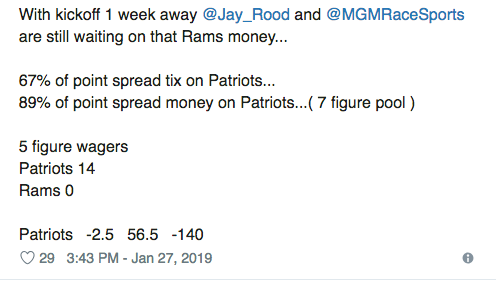
The above Tweet is one I came across when checking to see how Vegas et al. were hedging their bets, and having made many trips there over the years for trade shows, it was going as suspected, due to prior success and numerous AFC Championship games, The Patriots are the favorites yet once again.

One would think that father time (Tom Brady) would be showing signs of slowing down now in his 40’s, but as much as I am not a big fan of the Patriots for their run over the last two decades (am always a fan of the underdog), one thing that it does provide me is one of the best reasons why kids should NOT specialize early until their late teens.  As I wrote to coincide with last years Superbowl 52, Tom Brady Wins the World Series, he was a draft pick of the only MLB team I followed in my youth and still pissed off they left, the Montreal Expo’s.  He was picked in the 6th round by the Patriots as he was already a MLB Draft Pick.

Had he specialized in football like many kids are doing today as early as 8-9-10 years old, I can guarantee that his Hall Of Fame Career would have ended much sooner or potentially never happened to begin with.

Why ?

Because he would have suffered overuse injuries, potentially multiple serious concussions, ACL tears, perhaps even needing Tommy John Surgery for his throwing arm. He may have burned out as he did not have an OFF season to play other sports and would not have developed fundamental movement skills to transfer to football.

He may have been one of those 70% of kids that quit sports before 13 as a result.

The Patriots potentially would have continued to be in the cellar of the NFL as they had been literally since inception, Bill Belichick potentially would have been fired and hired to lead another team to multiple AFC championships, Superbowl titles and all the records that the Patriots have set under his leadership.

To this day I am still pissed that the Expos had their only potential World Series taken away from them when the strike ended the season in 1994, then a decade later were relocated to Washington (Nationals).

Fast forward to 2019, yet another multi-sport athlete in Baseball and Football has been shared out via Social Media,  Kyle Murray, Heisman Trophy winner and QB of the Oklahoma Sooners Final 4 BCS (Bowl Championship Series) #4 Ranked team (who lost to Alabama in the quarter final).

One of those SM posts were done by our good friends at 2 4 1 Sports, as Kyle was also drafted by the Oakland A’s Major League Baseball Team.
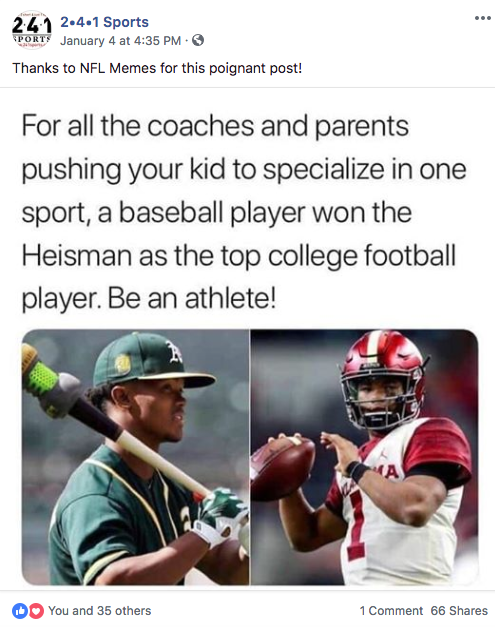


Kyle is yet another Multisport athlete to be drafted by the MLB and many are projecting if he enters the NFL draft he will be a 1st round NFL pick because he is such a great ATHLETE.

Others that you may be familiar with as they were or are “pretty good” include:

Dan Marino
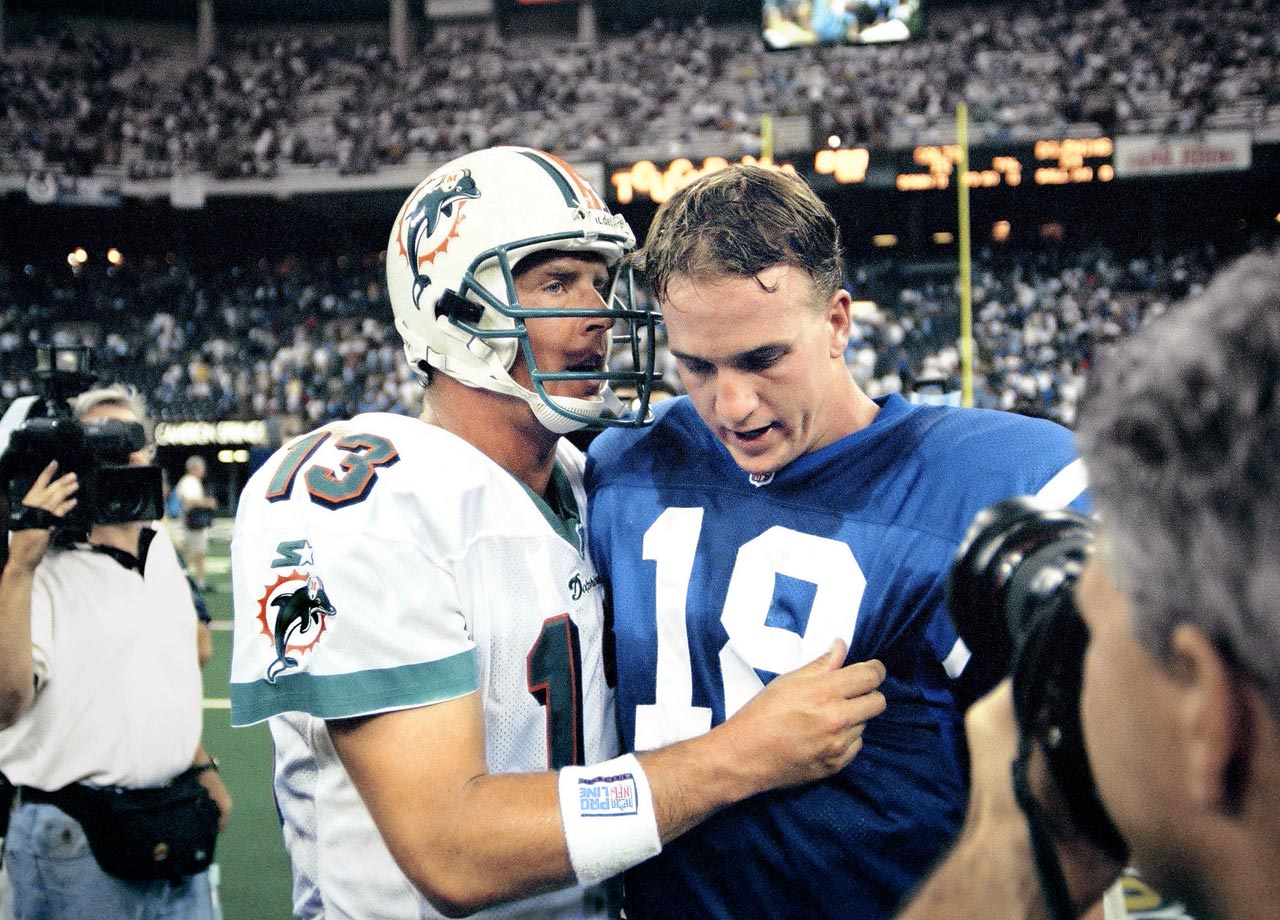
Source: One of my favorite Sports Illustrated Pics, the old guard (Dan Marino) talking to the new guard (Peyton Manning) post Game

One of the best passers of all time, 2005 NFL HOF inductee played 17 years in the NFL but he was initially drafted as a pitcher by the Kansas City Royals.

Colin Kaepernick
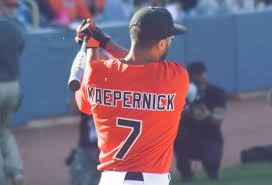
 

In just his rookie season, Colin demonstrated his raw athleticism and lead the 49’ers to their first Superbowl since their glory days with Steve Young and Joe Montana.

He also was a great baseball pitcher, two time all state in high school, and was drafted by the Chicago Cubs in the 2009 MLB Draft and was drafted 2 years later in the 2011 NFL draft.

Last year he received the support of Nike to become the face of their 30th anniversary “Just Do It Campaign” with the commercial that lead their sales to surge 31% just after it aired.


“Don’t ask if your dreams are crazy, ask if they are crazy enough”


Brandon Weeden
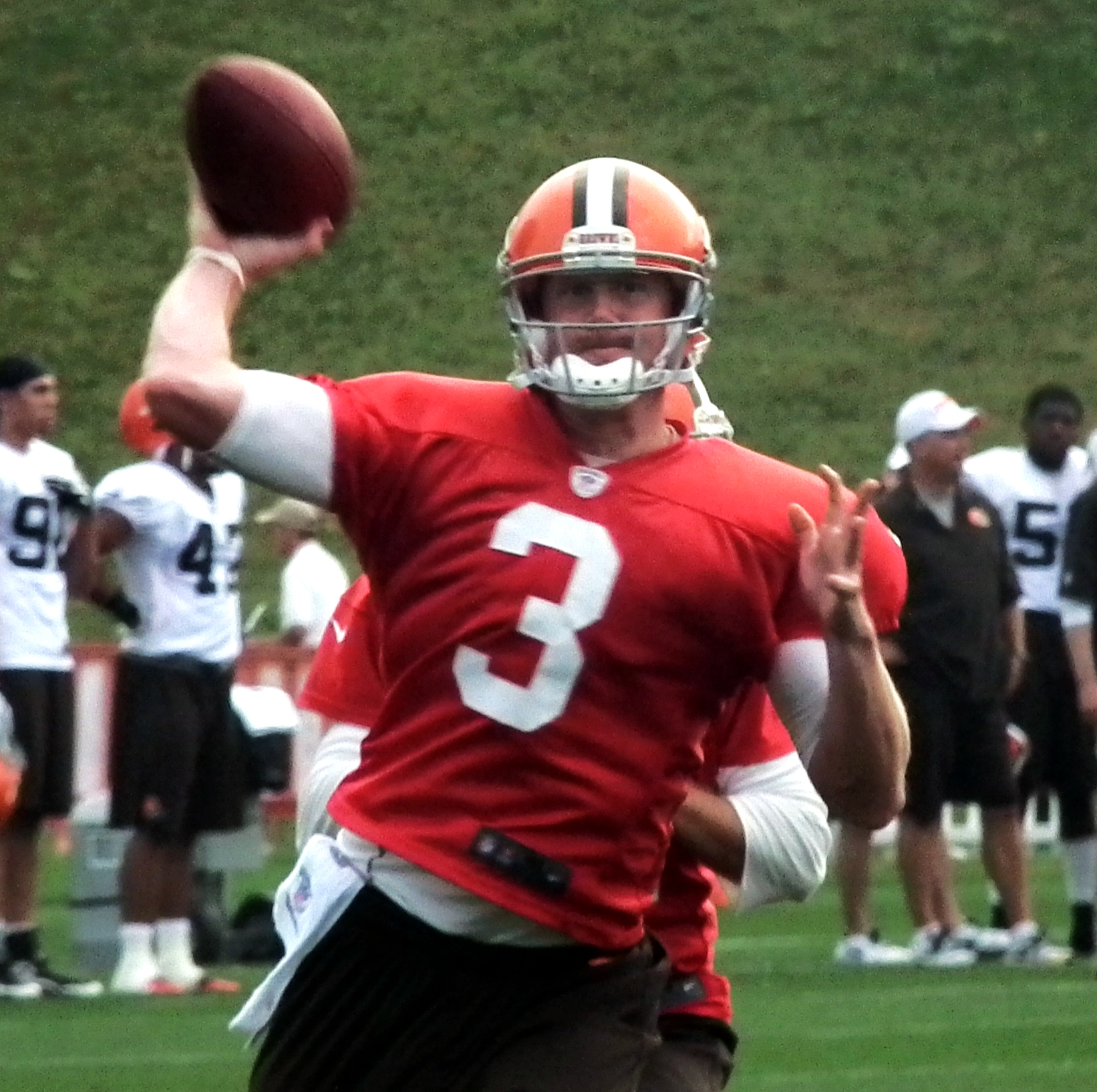
Current Houston Texans Backup QB was drafted in the 1st round of the NFL 2006 by the Cleveland Browns draft four years after he had been selected as the second overall 2002 MLB pick by the New York Yankees

Troy Aikman
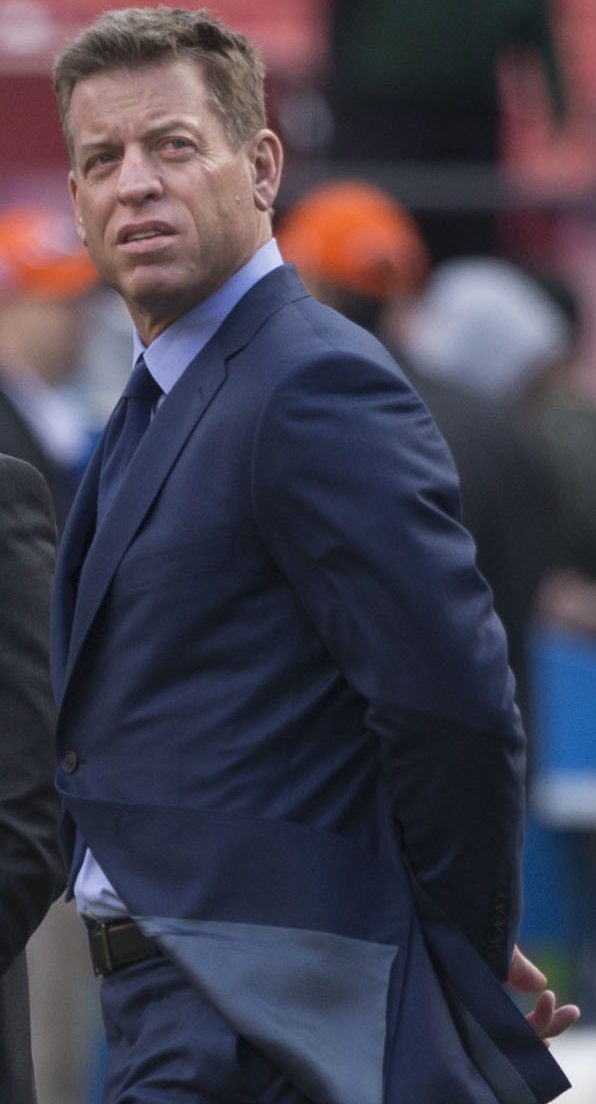
 

Hall of Famer NFL QB for the Dallas Cowboys, now Fox NFC Colour Commentator, was the NFL #1 overall pick in 1989 also was a baseball pitcher and shortstop and the NY Mets tried to sign him to a baseball contract but he declined as he opted to focus on football in university.

Patrick Mahomes
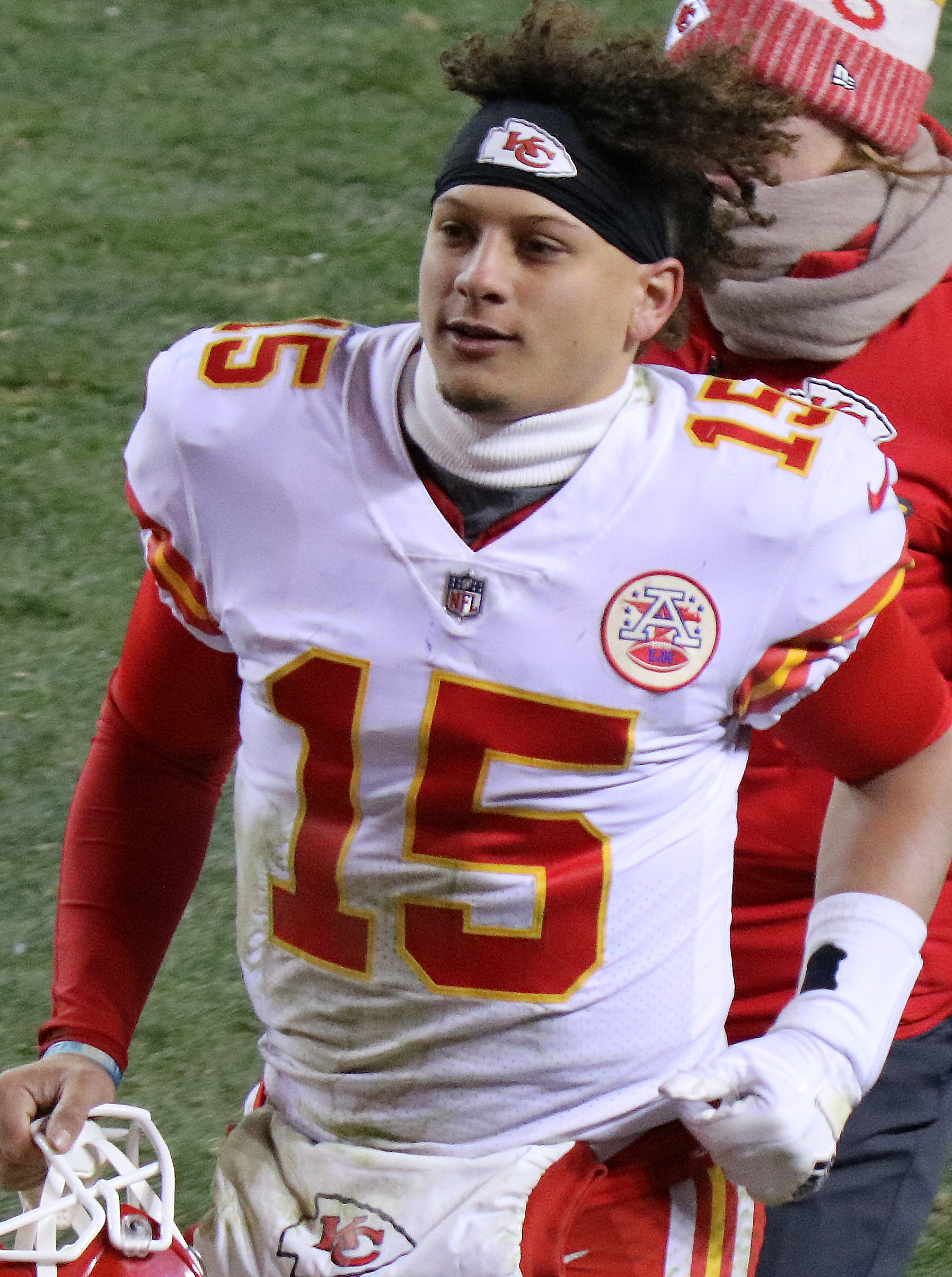
 

Like his father before him who was drafted by the MLB (and went on to play 11 seasons), Patrick was was selected by the Detroit Tigers in the 2014 MLB Draft but was also drafted by the Kansas City Chiefs in the first round of the 2017 NFL draft. Another member of the potential new guard may be Kyle Murray if opts to enter the NFL draft and play football in lieu of baseball.

Had it not been for a penalty in OT where the Patriots were able to continue a drive that lead to their game-winning touchdown, Patrick could very well have been the new guard playing another new guard counterpart in Jared Goff but Tom Brady et al. were able to weather the storm to score a TD to win the AFC Championship.

In my many years playing and watching both sports I have never seen such raw athleticism of so many ways to throw the football as Patrick demonstrated leading the Chiefs in only his second season in the NFL.  His sidearm and no-look passes remind me of another great athlete playing in the NBA, Steph Currey, another multi-sport athlete until he opted to focus on basketball in college.

Russell Wilson
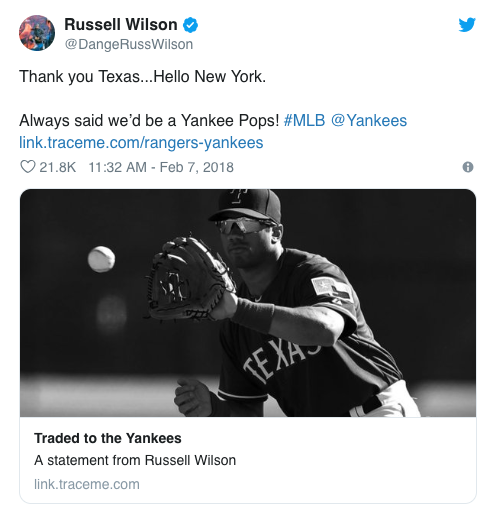
Seattle Seahawks Superbowl winning QB Russell Wilson also played baseball, was drafted by the Colorado Rockies and played two seasons in their minor league affiliate, then traded to the Texas Rangers and then New York Yankees but opted to focus on his career in the NFL in lieu of baseball.

Then there were two that played BOTH sports Professionally

Deion Sanders (AKA Prime Time)
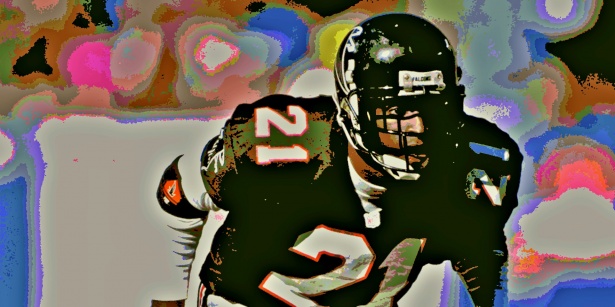


Deion was drafted in the first round of the NFL Draft and played for several teams including playing for the 49’ers and Cowboys Super Bowl Winning Teams and was inducted into the football hall of fame in 2011.  He also drafted in the 6th round of the 1988 MLB draft by the Kansas City Royals and played several years for them moreso on part time basis (NFL took precedence when the seasons overlapped).

Bo Jackson (Bo Knows)
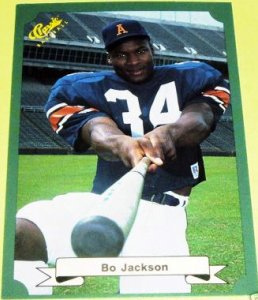
 

Bo Jackson is the only professional athlete to be named an all-star in two different professional sports, Football and Baseball.  Like Kyle Murray, Bo won the Heisman trophy in 1985, he was originally drafted by the Tampa Bay Bucanneers First Overall in the 1986 NFL Draft.  He also was the drafted by the Kansas City Royals and played several seasons in both sports.

Not only was Bo a great football and baseball player, in high school AND college, he participated in numerous track and field events including sprinting, hurdling, jumping and throwing.

Just further proof in the pudding to support the benefits of participating in multiple sports growing up so you can become the best ATHLETE you can be.

By not focusing on one sport too early, one of the biggest benefits, is all those that played both sports of the old guard went on to have long careers in their respective sports, Dan Marino, Troy Aikman and now Tom Brady still being one that continues to set the bar playing at the highest level at 42 years of age. Same will hold true for Patrick Mahome, Kyle Murray may be as the new guard as they are great ATHLETES as a result of playing multiple sports.

Let’s all work together to bring the game back to the kids …. Where it belongs.

Don`t be a kids last coach


What is Mindfulness ?

Posted 1 CommentPosted in Athlete, Coach, Organization Executive, Parents

We recently hosted our second digital summit thru our digital arm, For the Love of the Game, where I had the opportunity to talk with another amazing group of sports leaders who shared tips, tricks and nuggets to help coaches shave years off their learning curves.

Each guest speaker I talked to was absolutely amazing and if you did not have a chance to sign up for our summit you can sign up here for on-demand access to it (will be uploaded by the end of December 2018), our summer summit and all of our training modules for lump sum annual or monthly membership. We now have over 40 hours of digital content and will continue to build so you have access to insight from global leaders to help you become the best coach you can be.

The last speaker that reached out to us only a few days before the summit was going live was Dr. Amy Saltzman, Holistic Physician and Mindfulness coach for several decades based in Northern California.  Amy holds the record thus far of the fastest turnaround to doing the interview and the recording being edited and uploaded to our platform in less than 48 hours.

One thing that I found this winter summit that we will have to revisit for others going forward was the challenges to coordinate times, days with guest speakers as many have full plates in season, including yours truly and I was ecstatic was able to connect with Amy in time so she could share her amazing insight in our winter summit.

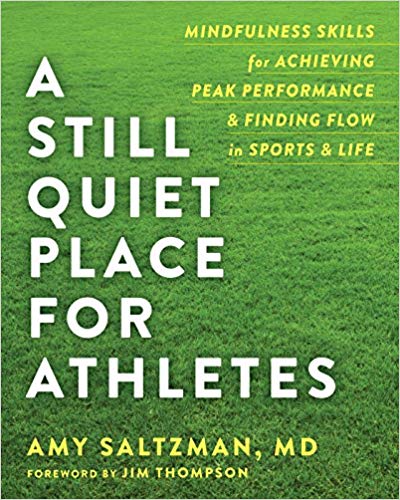
We talked about her most recent book I was able to read in that same 48 hour turn around time frame as she sent me the PDF version that I believe will be a go-to book for athletes and coaches, “ A still quiet place for athletes: Mindfulness skills for Achieving Peak Performance & Finding Flow in Sports and Life”.


One of the testimonials that Amy received was from one of her longtime mentors, Mindfulness coach George Mumford who was Phil Jacksons “secret weapon” when he coached the Bulls to 6 and Lakers to 5 NBA Championships.

Once I started to read the PDF version Amy sent me I could not stop turning the pages and I know it will be my go-to book going forward to help not only players but coaches and even parents understand the value of incorporating mindfulness so they can reach the highest level of performance possible.

For purposes of this post, I am going to share some of the great nuggets that Amy wrote in the last two chapters geared towards coaches and parents as many of the coaches that I interact with across the country wear both hats as parent volunteer coaches.

Amy shares in the video clip for this week’s newsletter her definition;

Mindfulness is paying attention here and now;

with kindness and curiosity,

so that we can choose our behavior

 Breaking it down;

  1. Paying attention here and now – not dwelling on the past or worrying about the future but what is happening in this

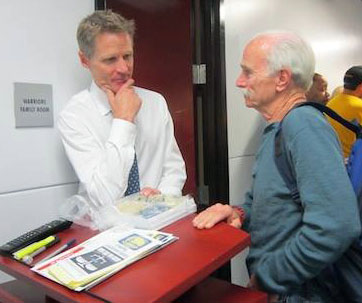
One of the examples she shares in the book is about Steph Currey, who is one of the top players in the NBA and coached by Steve Kerr whose core values for the Golden State Warriors is Mindfulness-Compassion-Competition and Joy.  Steve had the opportunity to play for Phil Jackson on those Championship Chicago Bulls Teams who received mindfulness training from George Mumford.

The Golden State Warriors version of George Mumford, is the great Dr. Jerry Lynch, long-term practitioner of mindfulness and one of the top sport psychologists in the USA who has also worked with over 30 National Championship NCAA teams.


Steph has bought in into mindfulness to the extent that he and his wife have tattoos on their arms of two arrows pointing to each other, the middle being THE MOMENT, not the past or the future. Before every game, he points to that tattoo and his wife does the same.

I don’t think anyone would argue with me when Steph is in the Zone (AKA flow state) and hitting all those 3 pointers from all over the court that he is “pretty good” staying in that moment vs. worrying about the past (missed a shot) or future (worrying about the score if team is down)

  1. “with kindness and curiosity” – in lieu of being hard on ourselves as we made a mistake or feel we screwed up or the vocal minority of coaches and parents screaming at us we did so, in order for teams to practice mindfulness they have to understand that mistakes are part of the process and if it happens continue to move forward.


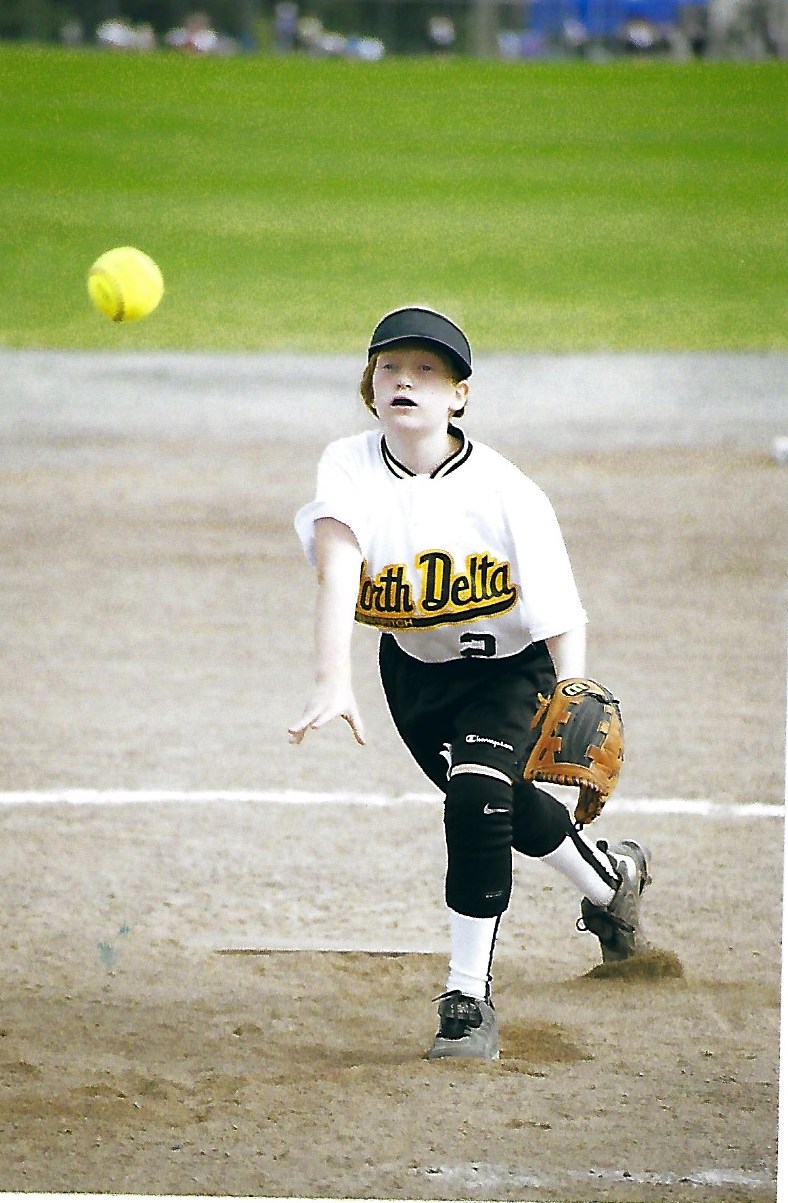
The analogy that I shared with Amy was my daughter who I coached in softball for many years and was a pitcher.  Above is one of my favorite pictures of her from when she was in one of the several provincials we went to. She loved inside pitches so could jam up batters and there were a couple of regular umpires in our association that would not call them strikes but give her outside pitches all day long.  When she would get frustrated, in lieu adapting and staying in the flow state and throwing pitches that would be called strikes, her face would get red, could tell she was mumbling words and trying to vent so I would call blue to be able to go talk to her.

In lieu, “focus on being in the present”, “you got this” or other positive words of encouragement and VOILA … she would be back in the zone and tweak her pitch to get inside the umps strike zone.

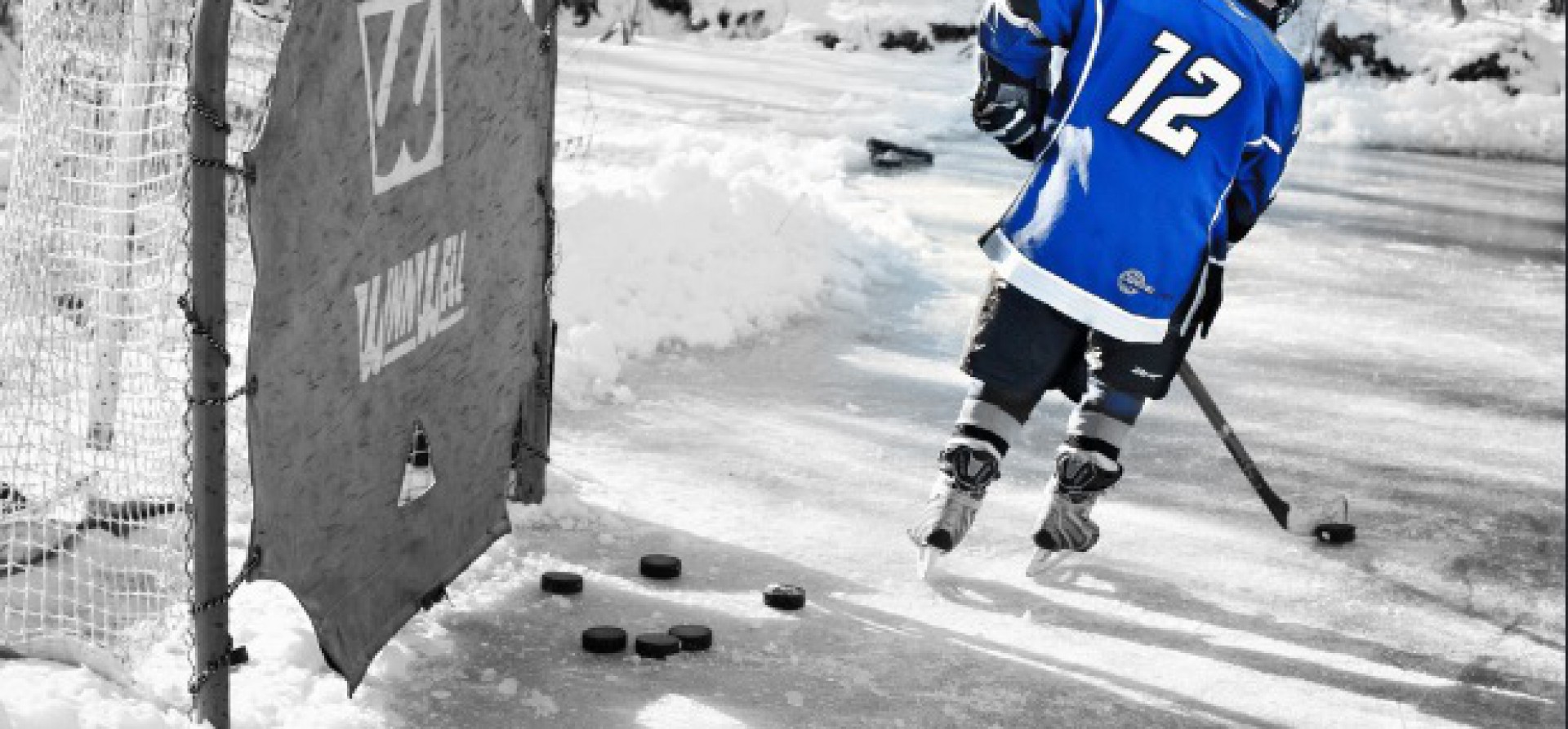
The same held true with numerous other players I coached over the years, in particular goalies in hockey. I would work with all of them early in the season to come up with their own pre-game routines so they were in the present when the game started vs. some would still be goofing off or not focused and early in the game would let in a goal that 90% of the time would made the save when in the zone.

I would call a timeout and call them to the bench, not to pull them as I see too many coaches do and put their “favorite” in, to bring them back into the present, remind them that the goal was history and there was nothing they could do but focus and be ready for the next shot.

Then I would send them back to the net with positive phrases like you got this, we got your back, just go out there and have fun or something as simple as a thumbs up and their smile would come to their face and be in that flow state needed.

As the cliché goes, you have to be nuts to be a goalie in the NHL facing 100 MPH slap shots, so of all the positions in sports, I believe hockey goalies need to focus on mindfulness, breathing techniques so they are in the zone when they need to be.  Not before, not after, but in the that moment when they are facing the shooter to make that save.

Amy then shares a great exercise for coaches to start working on developing their coaching philosophy, probably one of the biggest shortfalls I run into every I talk.  It is amazing how many coaches DON’T have a philosophy, and even when they do, they don’t have it in writing.

There are three things that every parent wants to know about coaches;

  1. Who are they, what is their background (how many years coached, what certifications do they have etc.)
  2. Why do they coach
  3. What is their philosophy

It amazes me in this era with all the parental behavior we see almost on a daily basis and coaches come to me all the time asking “how to deal with parents” they don’t recognize if they have the answers to the above and is in writing so they can be held accountable.

In lieu, they talk the talk, but don’t necessarily walk the walk and wonder why they lose the players and parents trust and they act up in the stands or sidelines.

This exercise alone is worth adding the book to your library.

Amy then touches on the importance of developing culture, core values, filling their emotional tanks so when have to use tough love they will do what coaches ask them without question and understanding the importance that your players are individuals with several exercises so that you can connect with your players.  Connection is one of the tips that every speaker that I talked to both in the summer and winter summit stated is one of the characteristics of great coaches and Amy lays out the framework in a very practical way how you can do so.

The last chapter focuses on tips for parents to help their kids develop mindfulness practices which I will defer to another post in future but it includes summaries that you can share with your parents in terms of the reality how many high school athletes in the US go on to NCAA level as well as player and parent goal setting so in lieu of putting pressure on their kids, they truly are supporting their kids to achieve their own goals, not those of their parents.

The best part of the book is that it is supported by online audio resources and PDF’s of the various exercises for the athlete, coaches and parents.

According to Amy, you can start incorporating mindfulness with players as early as 8-9 years old with the first part of the book, then as they get older evolve to the second stages explained in the second phase much like you would do adding progressions to your drills and practices.

I highly recommend that you add it your tool basket, if you truly aspire to guide your teams to the highest level of performance possible, you must focus on developing their minds to be in the optimal flow state at the time needed, not before or after but the NOW.

Thought the best way to finish this post is the quote that Amy shares at the beginning of the coaches chapter;

A common mistake among those who work in sports is spending a disproportional amount of time on x’s and o’s as compared to time spent learning about people.

—- Mike Krzyzekski, Duke University Men’s Basketball coach (5 National NCAA champions) and Team USA Men’s Basketball Coach leading the team to Olympic gold in 2008 and 2012

There is so much to coaching that writing up the X’s and O’s on a whiteboard, mindfulness training being one of them, the sooner you add to your tool basket, the sooner you as a coach and your athletes will reach higher level of performance.


Don`t be a kids last coach