
Respect has to be a core value
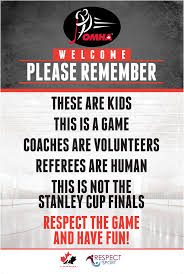
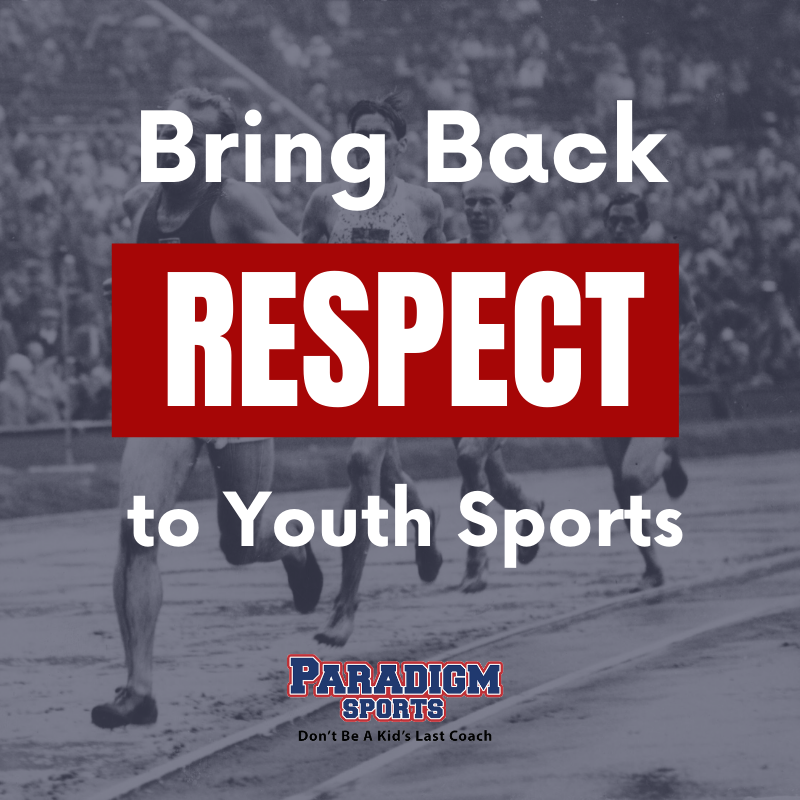
For years I have been advocating for the importance of bringing back respect to youth sports and although I have seen a shift, and many organizations have done public service announcements, campaigns or signage when I come across various posts in social media or in print it just leaves my head spinning how much more work we have to do.
This past week we attended ViaSport’s International Women’s day event as we believe strongly in the importance of growing all levels of female participation of athletes, coaches, officials, board members, and various other leadership roles.
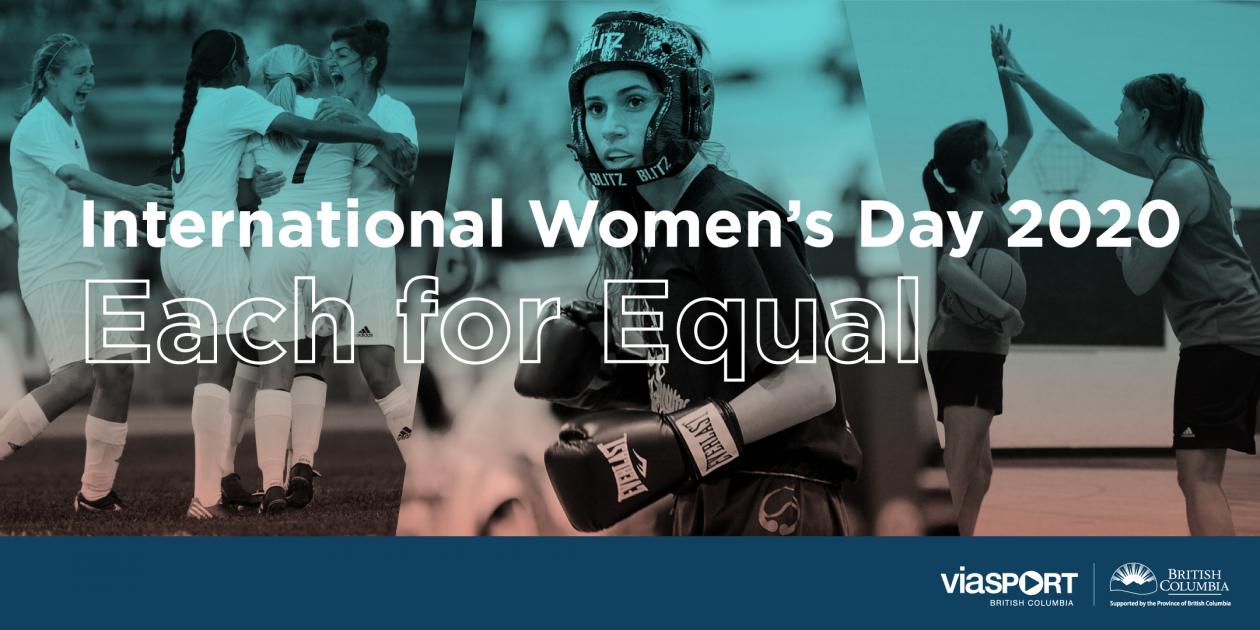
There were approximately 100 attendees for the event from various sports organizations in BC, which did include a small representation of he/him/his (including yours truly) and had a series of speakers reviewing the challenges to increase female and women’s (she/her/hers) participation within their various organizations.
In the afternoon, we went thru a Gender-Based Analysis Plus Workshop ran by Dr. Melanie Stewart from BC’s Provincial Gender Equity Office where she started off by highlighting some of the gender inequalities that still exist but the statistics that jumped out at me the most were gender-based Violence
- In 2016/17 – 55% of sexual assault victims were females under 25 that were reported
- More alarming, only 5% of sexual assaults are reported to police, and only 11% of those will lead to a conviction.
The reason these numbers jumped out at me to the extent they did was the fact that literally a year ago around the same time I attended another event sponsored by Via Sport, the BC Safe Sport Summit in response to the series of articles LY that Jamie Strashin and Lori Ward wrote for CBC that highlighted 222 coaches in Canada had been prosecuted sexually assaulting over 600 athletes from their late teens until mid ’20s.
If the 5% rule of thumb that are reported to police is, in fact, accurate, that means there could be over 10,000 athletes that were sexually assaulted the last 20 years in Canada!
As far as I am concerned, ONE is too many, we still have work to do to ensure sport is safe from all forms of harassment.
This just a week after I read an article highlighting the harassment towards a high school hockey player in Philadelphia, Alyssa Wruble, where a fan-created a sign challenging for her to declare her gender and number of the students from opposition school she was playing against chanting “she’s a dude”
In the morning address to all the attendees Mitzi Dean, the BC Parliamentary Secretary for Gender Equality shared a story about her 7-year-old daughter who played on a mixed hockey team with boys almost quit the game because the boys told her frequently that she did not belong on the team.
REALLY? Both examples were just a painful reminder that we still have so much work to do to change the culture in youth sports for the better and I believe one of the reasons is due to the lack of respect we have, yes we talk about it, but do we truly walk the walk?
The very definition of respect is:
re·spect
/rəˈspekt/
noun
#1- a feeling of deep admiration for someone or something elicited by their abilities, qualities, or achievements.
“the director had a lot of respect for Douglas as an actor”
#2 due regard for the feelings, wishes, rights, or traditions of others.
“young people’s lack of respect for their parents”
verb
- admire (someone or something) deeply, as a result of their abilities, qualities, or achievements.
“she was respected by everyone she worked with”
With inclusivity being one of the hot topics and initiatives we discussed over the day as well as prior Women’s day and other events I have attended, one of the biggest issues that we still continue to face is the current culture of youth sports needs to change so youth sport is not only inclusive but the core value of respecting others so it becomes ingrained in all of our DNA’s.
Had it been a core value as part of the overall culture vs. highlighted on signage, public service announcements, or strategic initiatives still in the development phases Alyssa, Mitzi’s daughter all the other girls out there that aspire to play a game and may be forced to play with the boys as there are no programs in place for them for girls only teams would be respected and admired for their skills and abilities in lieu.
My niece is another one of those girls, who is a very skilled player and the only option was to play on boys teams who shared similar stories with me until she reached Bantam so had to move to play on and academy all-girls team (at a great expense to my in-laws for her to do so).
Fortunately, her love for the game never wavered like Hayley Wickenheiser and many other female trailblazers before her and she just received confirmation that she has been accepted to McGill and offered a spot on the Women’s Hockey Team starting next season.
Fortunately leaders in the space including Via Sport, Provincial and Federal Government, PSO NSO, and even professional sports are working towards programs to ensure we do keep moving the boulder up the mountain as the keynote speaker Charmaine Crooks (OLY, Order of Canada) used in her great keynote presentation so sport is inclusive, safe and sport can be a positive for all.
I can’t think of a better example of an initiative to ensure that respect does become part of our core values than the Hockey Declaration of Principles drafted by all the governing hockey associations worldwide in collaboration with the NHL released in Fall 2017.
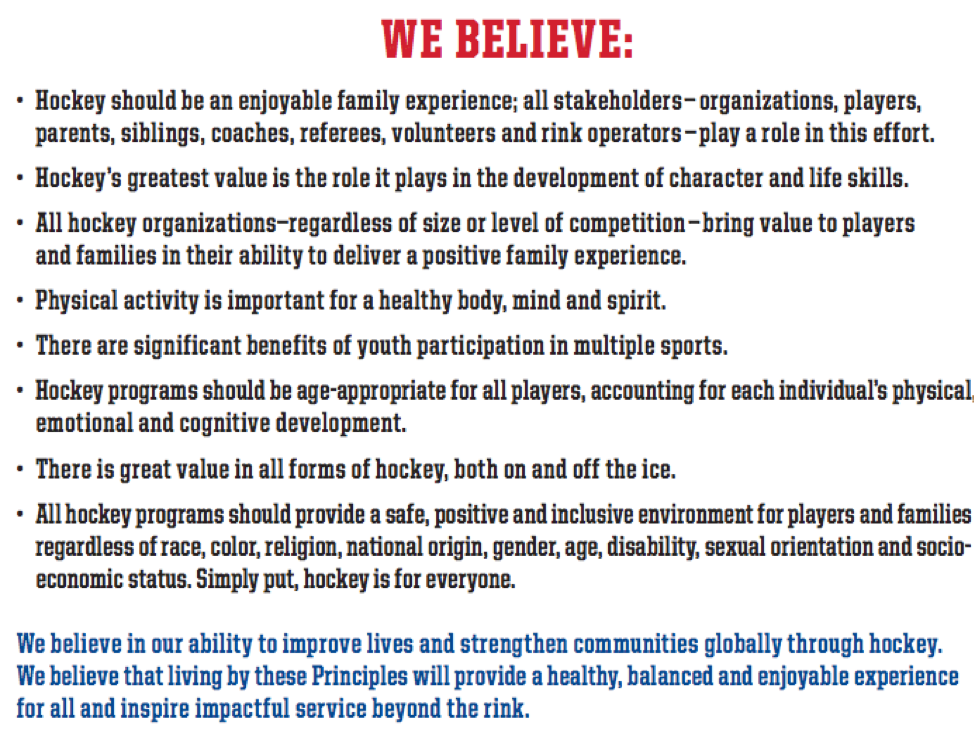
We concur with the declaration of principals, not just for hockey, but sports are for everyone globally.
Sadly as each day passes while all sports are on hold to ensure the safety of all stakeholders as the world comes together to fight the spread of the Corona Virus I would be remiss not ending this post focusing on the importance of respect not acknowledging all the first responders and medical community who have come together as a global team to make the world safe again.
My utmost admiration to all of those that are doing so and let’s all work together to ensure that all those who love the game, whether it be young kids, teens or collegiate, professional athletes, and all the other stakeholders involved can return to the games they love when the medical community deems it safe to do so.