

Why Youth Sports need to walk the walk, NOT talk the talk

Posted Leave a commentPosted in Athlete, Coach, Early Sport Specialization, Organization Executive, Parents

In the last few weeks, there have been so many examples of scandals that have to the forefront revolving around youth/collegiate sports it has led to me shaking my head in disbelief.

As I came across each article, video, a podcast I kept saying to myself, am I missing something, how can all these organizations think they would never be called out in today’s age of social media?

How can all those involved in leadership roles with sports organizations, universities think nothing about talking the talk, but are not walking the walk?

They thought nothing of sweeping issues under the rug in lieu of owning up to them and doing the right thing showing honesty and integrity were core values they not just wrote down in policies, best practices, KPI’s, mission statement but they adhered to them EVEN WHEN NO ONE WAS LOOKING, the true test of integrity.

As I was raised by my single parent mother and her mother with Scottish and Irish Heritage, the one thing that I learned from both was the importance of integrity, regardless if someone was watching, always do the right thing even when it may mean you have to deal with repercussions.

Perfect example, while still in Montreal was playing pickup baseball in the street and I got a hold of a pitch and broke a neighbors window.  I immediately went to them and apologized and offered to pay for the damages out of my allowance.  Some of my buddies said to me, what are you doing, run, decades later suspect they may not appreciate the value of integrity.

It is one of the very reasons why I love the game of golf, you play the ball where it is played, and the greatest amateur of all time, Bobby Jones, lost out on the 1925 US Open Major Championship as he called a penalty on himself as the ball moved when was lined up his club although no one else saw it.

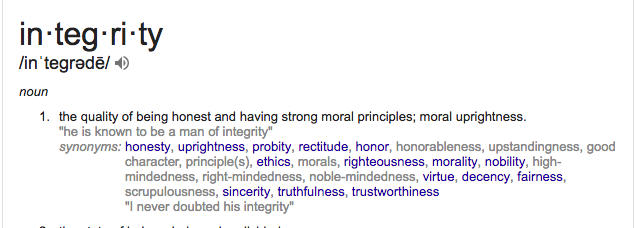
Below is the dictionary definition of Integrity:
 

Perhaps I am old school, but I still (naively) believe in the concept of a man’s word meaning just that, a man’s word.  Shaking a hand with someone and honouring that commitment.

Early on in my youth coaching tenure I had a 7 year old player tell me that “you did not honour your promise” when we ran out of time during a practice and not have a game to end it and to this day I tell all coaches, if you say something, you better deliver or the trust you have worked on developing with your players will be lost for the remainder of the season and then some.

Unfortunately, I wonder why every day why so many people today think nothing of not adhering to the very same values.

Some of the examples that come to the top of my mind why youth sports need to walk the walk, NOT just talk the talk:

#1 – Operation Varsity Blues:

A number of NCAA DIV I and Ivy league schools have had criminal charges filed by the FBI brought forth for bribes to coaches, administrators for acceptance into their programs from $200,000 to over $6.5 Million Dollars (USD) !  Check out this article for 30 Fast Facts about the college admission scandal

#2 – Sexual Abuse/Harassment:

All of the sexual abuse and harassment scandals that have come to light the last couple of years, in particular, USA Gymnastics who continued to try and hide evidence well after the allegations had come forward leading to the USOC to initiate removing their sanctions as a national governing body.

As a result of the CBC three-part series where 222 coaches were convicted of abusing over 600 victims, Kirsty Duncan, Federal Minister of Sport, the COC/CPC and others committed to not just talking the talk, but walking the walk by coming up with a harmonized code of conduct for all sports organizations that WILL hold them accountable to ensure that no other kids are victims of a system that requires a drastic shift in culture.

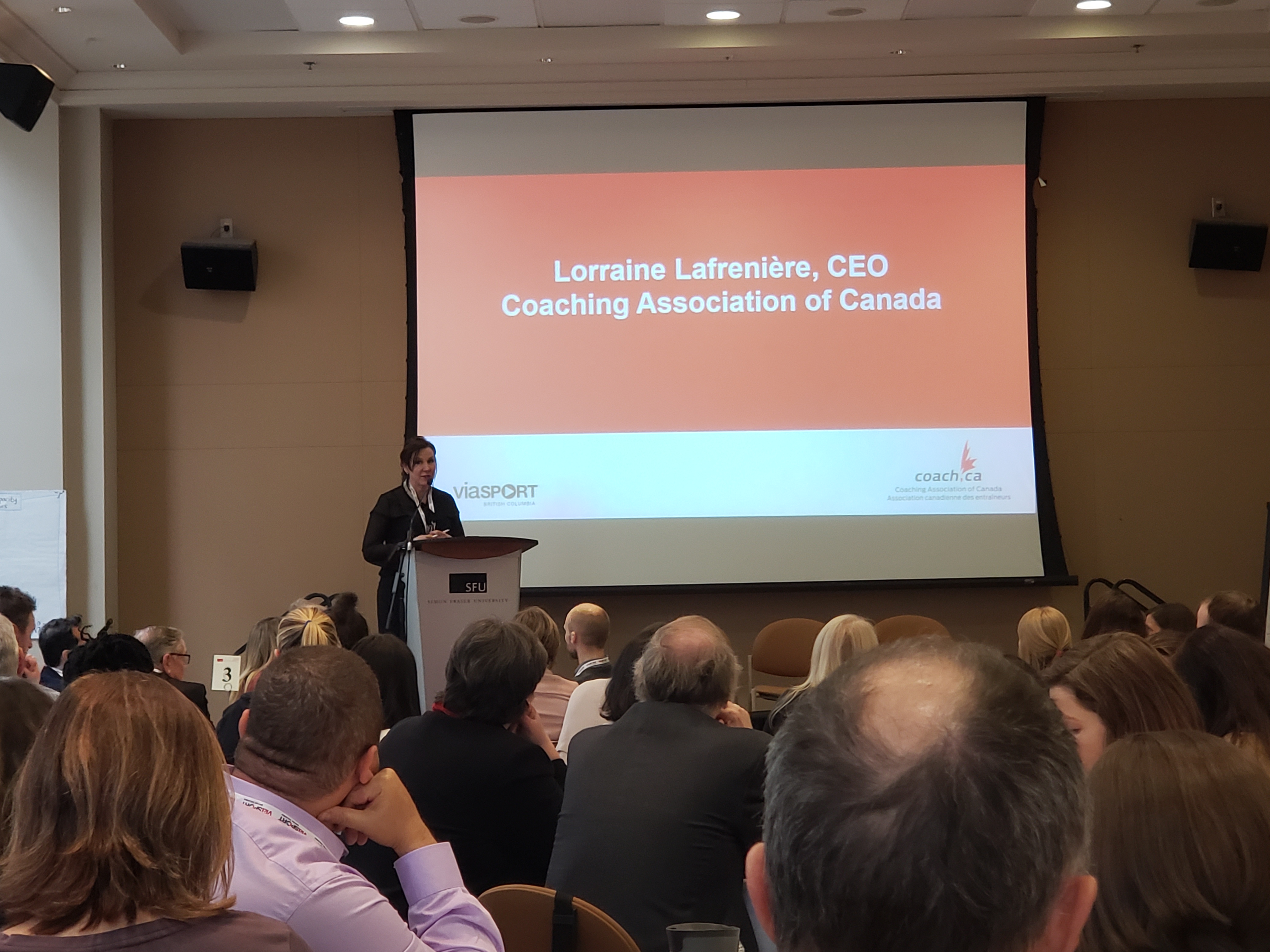
Hopefully, this leads to further action in terms of implementing a third party reporting and review organization that is totally impartial so athletes have can report instances of abuse without fear as was tabled by all those present I talked to at one of the Safe Sport Summits held in Vancouver earlier this week.
 

#3 – Minor Hockey Organizations Harassment

All the recent harassment and abuse allegations brought forth in recent news that they did their own internal investigations and either extended short suspensions or nothing at all as a result of their internal investigation.  Do they then wonder why they have seen such a huge decrease in their membership or just write it off as a bad year (after year, after year)?

#4 – Junior Hockey Clubs – Spring Camp Invites

One of my favorite examples of complete disregard for integrity and transparency.

Junior Hockey Clubs that are infamous for hosting Spring/Summer prospect camps, inviting 60 players, up to 30 goalies (yes one camp one my former goalies went to had 34 goalies vying for 2 spots) which many argue is a cash grab, not a real opportunity for the players invited to earn a spot on those teams.

As my son has been invited to so many camps over the years we both lost track, even now, after he aged out of Junior level I still get the odd invite as we ended up on “a List” of prospect players going back to when he played Bantam A1 at 14 years old.

Ironically even after he quit hockey we still receive invites and the reason why I recommend to any parents that go thru the same is to be selective which camps you go to and ideally confirm that someone at the team saw your child at a game, tournament before you accept the invitation so it is fact legitimate vs. mass mail out to fill the camps.

There is nothing more humorous then getting an email saying “Dear Prospect” from a Junior Team in Ontario or Eastern USA that is “guaranteeing a spot on the team” sight unseen.

There is also nothing more frustrating as a parent when you are sitting beside the coaches and scouting staff when they are supposed to be evaluating ALL the players in the first game at the camp and they are sitting in a bar, drinking, ordering meals, joking and then talking about their roster where they only have 2 spots to fill (of the 60 players invited to the camp)

Translation:  Junior teams lack integrity and merely host the camps to start building their bank account as camps can equate to approx. 15K of revenue of which only 1/3 goes to ice and practice jerseys players/goalies receive for attending.

#5 – Private Non-Sanctioned Sports Organizations

All the private sports organizations that are “selling” early sports specialization to vulnerable parents “guaranteeing” if they spend thousands of dollars for the son or daughter to specialize as early as 6-7 years old they will get an NCAA full ride scholarship or play professionally.

A perfect example is one of many private non-sanctioned hockey organizations that are popping up all over Canada that are recruiting 6-8-year-olds.

Below is screenshot from the most recent one that I was made aware of that started up in the Lower Mainland of Vancouver, HPL Hockey (for High-performance league) who are recruiting 6-8-year-old kids to participate in winter ice, games to prep them for spring hockey.
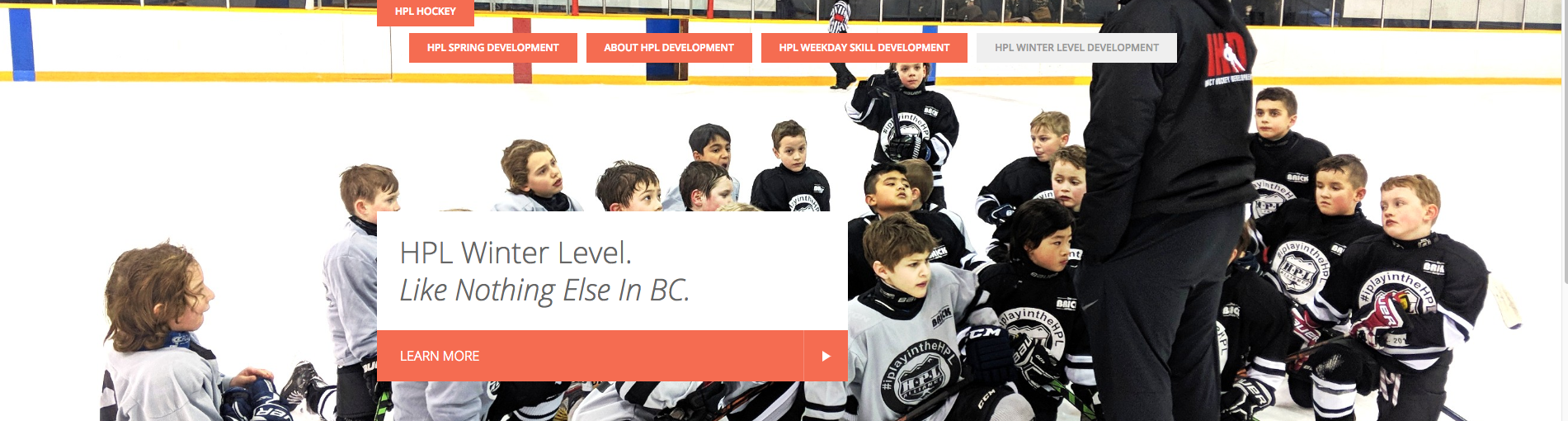
The very fact that all these kids had their picture taken on the ice WITHOUT helmets and suspect the non-certified coach also (if pic showed) goes against the Hockey Canada Safety requirements so that in itself should be a major red flag for parents.

Did every one of those parents sign a waiver so their kids could be pictured for the ENTIRE WORLD to see online?

When all the science/data shows that early specialization is NOT the right path to become the best athlete you can be, in lieu long term athletic development as it takes YEARS, every time I see another one of these pop up I shake my head.

It’s a SCAM, they are just in it for the money not having the best interests of the kids at heart and suspect majority in this picture will quit hockey by 13 as a result of “working” hockey vs. “playing” hockey seasonally.  If you truly believe the fact they are doing so for the kids, then I have some great swampland in Florida would be interested in talking to you about to give you a GREAT Deal.

There are so many other examples I can cite, but as I share with all stakeholders I work with, if sports organizations do not have integrity and honesty as the basis for their core values and not only talk the talk (policies, procedures, mission statements) but WALK THE WALK (full transparency, accountability, enforcement, discipline) their memberships will just continue to decline as a result.



Coaches at all sports organizations, the very catalysts for the change that we need to bring the game back to the kids also must follow suit, I can’t tell you how many parents or fellow coaches have shared with me that the coach stated in his initial parent/team meeting that they were going to focus on player development, be positive, fun and the first opportunity they have to show their true colours run short benches to win games at all costs, scream at kids or officials for making mistakes and so on.

Both Board members and coaches of sports organizations need to adhere to core values of integrity and honesty and be transparent and accountable not just talking the talk, but WALK THE WALK.

Let’s all work together to bring the game back to the kids … where it belongs.

 

PS Tagline - Dont be a kids last coach


Why Kids (May) Quit Soccer

Posted Leave a commentPosted in Athlete, Coach, Early Sport Specialization, Organization Executive, Parents

Why Kids (May) Quit Soccer

Last post we shared the reasons why Kids play Soccer based on responses from the BC Soccer 2018 Retention Survey, in this post will highlight the responses to the two other areas BC Soccer was looking for insight from their players;

#1 – The Likelihood of playing Next Year (Why Kids (May) Quit Soccer)

And

# 2 – What was not so good about their program this year (what areas received fair or poor rankings but the players)


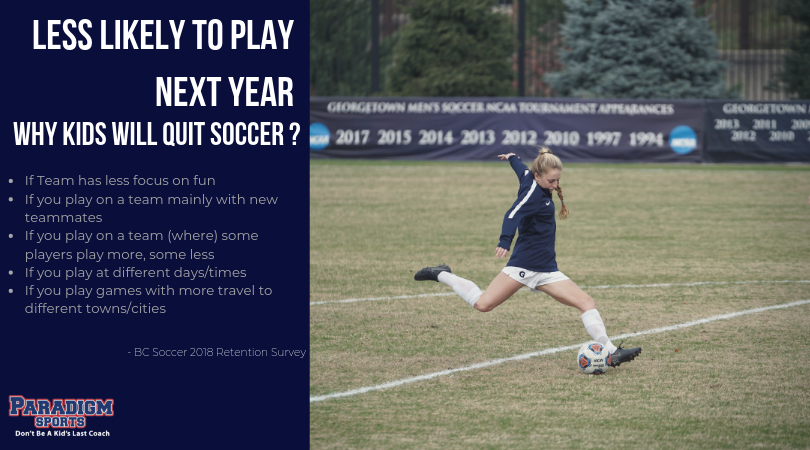
LESS LIKELY TO PLAY NEXT YEAR

When asked “Will you come back next season”.. the top 5 reasons kids would be less likely to do so (high probability they will NOT come back to play soccer) 


SURVEY SAYS…

#1 – If your team has less focus on fun

#2 reason they would return back if their team focused on fun, second only to focusing on skills.

HMMMM … Similar to Amanda Viseks top reasons why sports were fun, #1 reason is when kids had the opportunity to try their best (focus on skills)

#2 – If you play on a team mostly with new teammates (not with their friends)

Two things that kids ask after games (sometimes during the games)

What is the snack? As Steve Simmons shared in an article he wrote many years back he continues to share every year Attention Coaches, parents: Minor Hockey is for the Children where he shares the anecdote of a novice player who stated:

“I Hope they don’t bring apple juice, I don’t like Apple Juice”

And the last question as they leave the field/rink/court…

When do we play again? (emphasis on PLAY not work as is now the case with early sport specialization)

If you loved sports as a kid and continue to play adult rec team sports ….

First question you ask after a game – Who has/how much is the beer? 

AKA – THE SNACK

Last question you ask after a game – When do we play again?

Hmmm … if we love sports in our youth, we love them as adults because they are fun, we get to play with our buddies and we play for the love of the game.

#3 – If you play on a team (where) some players play more, some (play) less.

Translation: Coaches running short benches where their weaker players sit on the bench so they can win at all costs.

90% of kids would rather play on a losing team, in ALL situations, than sit on a bench for a winning team.

As my son shared after he had the misfortune sitting on the bench with some of his teammates for the better part of a game as coach was infamous for playing his favorites and shared how he felt after the game,

“I am pissed because I was deprived of the opportunity to contribute to the outcome”.

He was only 14 at the time, and I will never forget it because it was a month after he lost his Nanny (my mother) to a 2 year battle with cancer prior to that tournament game that the coach shared with me prior to the game he dedicated the game to her in her memory.  Had she still be alive and attended that game, I can tell you she would have had some not so nice words to share with that same coach as she, like I, just loved watching my son and all of his teammate’s PLAY.

As far as I am concerned, the only reason why kids should be sitting on a bench is discipline (they took a bad penalty, acted inappropriately, hit an opposing player that could lead to injury etc.), other than that kids should PLAY.  Coaches that rely on short bench tactics to win games is a short-sighted tactic/strategy that more often than not will backfire. If you focus on the process of developing all players on your teams, care about them, believe in them, connect with them,  and develop their competence and character over time collectively as a team will improve and winning will be a byproduct NOT the focus.

There is a real simple fix to address this, incorporate fair play policies so coaches are only given a get out of jail free card for the last few minutes of a game only IF it is close and it should be the players that have BROUGHT IT that game (even if they are not the coaches “favorites” that get rewarded to be out there in latter part of the game.

This also will address the parental issues we see on social media every day, parents just want their kids to PLAY, coaches that run short benches as a far as I am concerned are a victim of their own demise.

#4 – If you play at different days/times

With every family in the lower mainland of Vancouver and many cities across Canada forced to have dual incomes now to pay mortgages and all other household expense PLUS rising costs for kids to play youth sports, scheduling consistency is critical for sports organizations so families know when/where they have to be over the course of the season, not just 4 weeks at a time.

#5 – If you play games with more travel to different towns/cities.

As soccer is now the #1 team sport in Canada, where provinces have organizations with thousands of players, why would kids even have to travel to begin with?  Community sport should be just that, community sport (the exception being smaller rural communities that do require travel to play)

The evolution of the travel teams and prospect tournaments that are driving the $17 Billion industry in the USA is based on the premise that scouts, coaches will be at these events to see “prospects” for NCAA scholarships or be drafted to Professional sports.

News flash – with the evolution of the digital era, almost any of these prospect tournaments have all of their games streamed, scouts don’t even have to leave their houses to see kids play against others on “elite” teams.  As every scout or high-level/collegiate/professional coach has shared with me, if they are good, they will be found regardless if they attend these prospect tournaments.

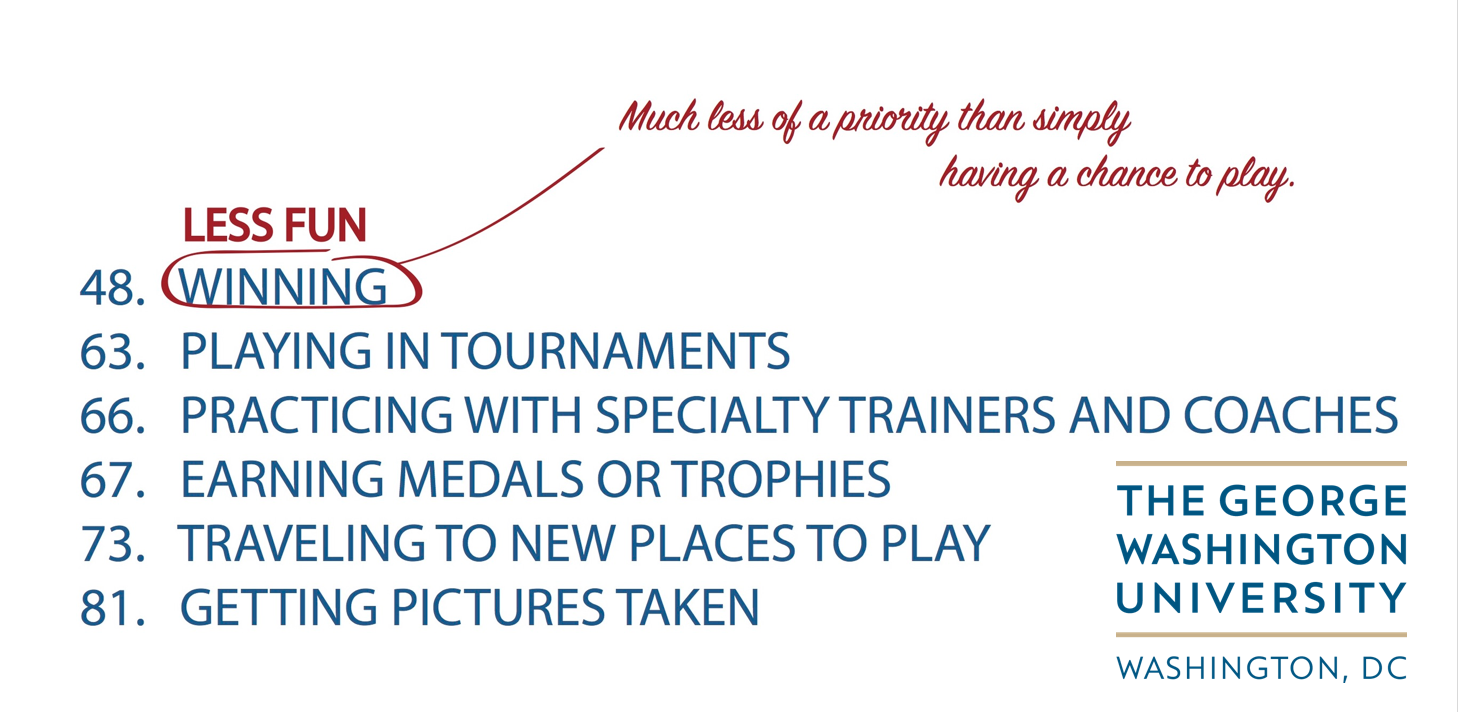
Note also in Amanda’s study, of 81 characteristics what is fun about youth sports, traveling to new places to play ranked right near the bottom of least fun reasons, 73rd out of 81.

It is not the kids that want to travel, it is the adultification of youth sports that has forced many families to spend their holiday time at ball fields, ice rinks, soccer pitches when they should be lying on a beach, taking a hike, swimming in a lake, going to amusement park of other TRUE forms of holidays.

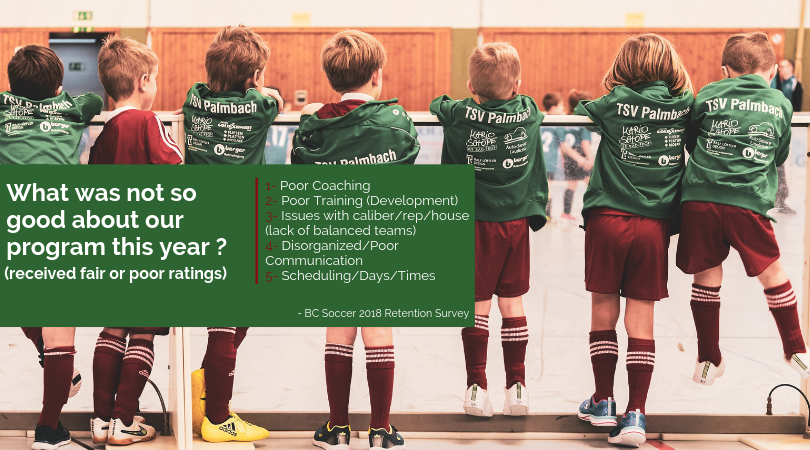
What was not so good about our program this year? (received fair or poor rankings)

SURVEY SAYS….

#1 – Poor Coaching

With the roll-out of NCCP program for all levels of coaching in soccer this will help address the what of coaching relative to the age groups to adhere to LTAD, small area games, age-appropriate drills, focusing on skill development vs. tactics and strategy and so forth.

It also will take several years to see the cause and effect as many other nations have experienced like Iceland who made the same commitment to coaching in 2000 and started to see the results once they qualified for the 2016 Euro Cup and 2018 World Cups of Soccer.

It also won’t address HOW to coach, How not be a kid’s last coach, coach beyond the game, how to connect with your players, how to engage parents, how to coach generation Z, LTAD vs. Early Sport Specialization, How to coach girls vs. boys, Grow your Mindset, Make it Safe to fail and from all levels of harassment, How to develop your philosophy and culture of excellent on teams etc.

Hmmm … this is why we have coaching modules to address all of the above, not WHAT to coach, but HOW to coach.

#2 – Poor Training

Goes hand in hand with #1, poor coaches are poor teachers and vice versa

This is not the fault of coaches that have the best of intentions to coach, is due to lack of experience and training at the grassroots level and like players, it takes YEARS to develop all the skills to become a great coach to teach the skills of the game, but also the skills of life.

#3 – Issues with caliber/rep/house/unequal skill on the teams

This comes down to player evaluations to form balanced teams, in lieu of subject measurement (which has led to a lot of politics associated with team selections), organizations should be using quantitative means to evaluate players and have baselines beginning of the season, mid and end of season skill evaluations to track development.

The only one that we recommend to all organizations is the personal sport record  as many sports orgs across the globe are looking at or have already adapted for quantitative measurement including Norway Sport Federation who know “just a tad about being successful at the international level being the all-time winningest country in the winter Olympics in terms of medals”, Sport New Zealand,  US Olympic Committee, BC Rugby, GTHL and many others.

Click on the logo to go the website for more information:


In lieu, the current model used by orgs is how many wins did the teams have?

How many banners did we win?  Who scored all the goals and assists?

Focusing on outcomes, not the process.

For more insight the impact of the shift to winning at all costs has had on youth sports, reach out to us to schedule a FREE screening of The Cost of Winning followed by a Q&A session where sports leaders from across the globe provide their insights on the state of play in youth sports and the importance of bringing the game back to the kids.

#4 Disorganized/Poor Communication

From a coaching standpoint, one of the biggest asks I get all the time is how do I “deal with parents” to which I respond you should engage parents, not deal with them.

Engagement includes ongoing communication starting with a culture of excellence, a well-run parent meeting, team meetings, mid and end of season meetings as well as regular communication to all stakeholders (players, parents, fellow coaches) to ensure the ship (team) moves in the right direction.

#5 – (Poor) Schedule/Days/Times

This should be a focus for all local sports organizations to ensure consistency.

I suspect, like Amanda Visek’s Study, many other sports organizations not only across Canada but globally will be referring to BC Soccer’s Retention Survey for their current and seasons to come IF they truly aspire to buck the trends and attract, retain and grow their membership.

Kudo’s to all the board members at BC Soccer for taking this on, and now that have the answers “out of the mouth of babes” and better understanding of the motivations for their key stakeholders (players and parents) so their regional and local organizations can implement the changes to also buck the trends seen across Canada with declining numbers.

One sports org that did so that has shown it is possible, is USA Hockey who is setting the bar for all other sports organizations globally for all the great work they are doing to grow the game.

Several years back they were losing 60% of their kids by peewee (11-12 yrs. old)

They did three things to reverse the trends


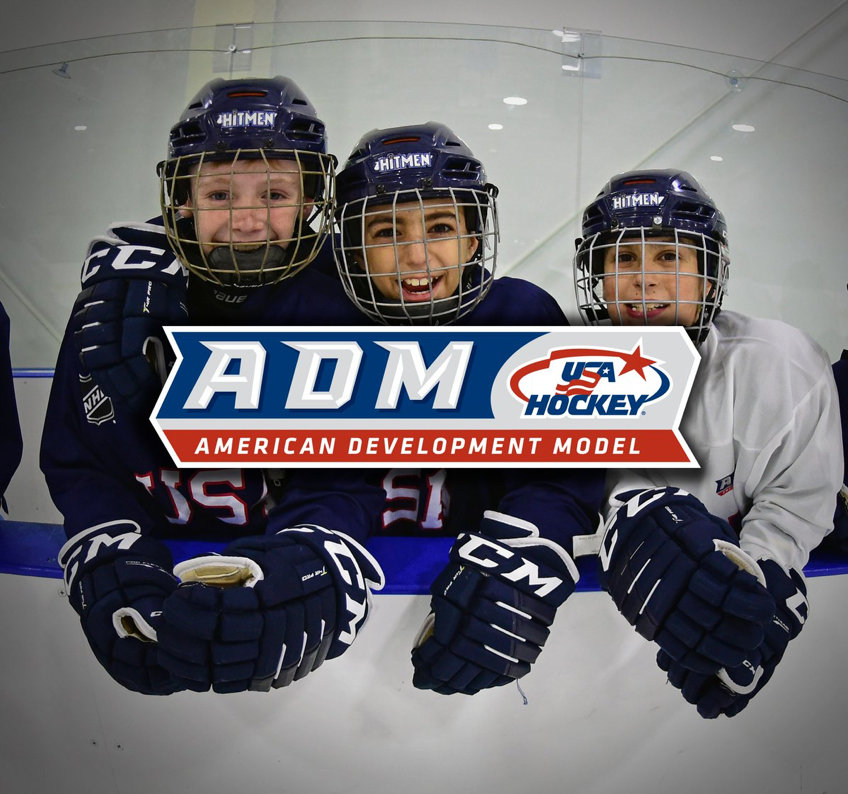
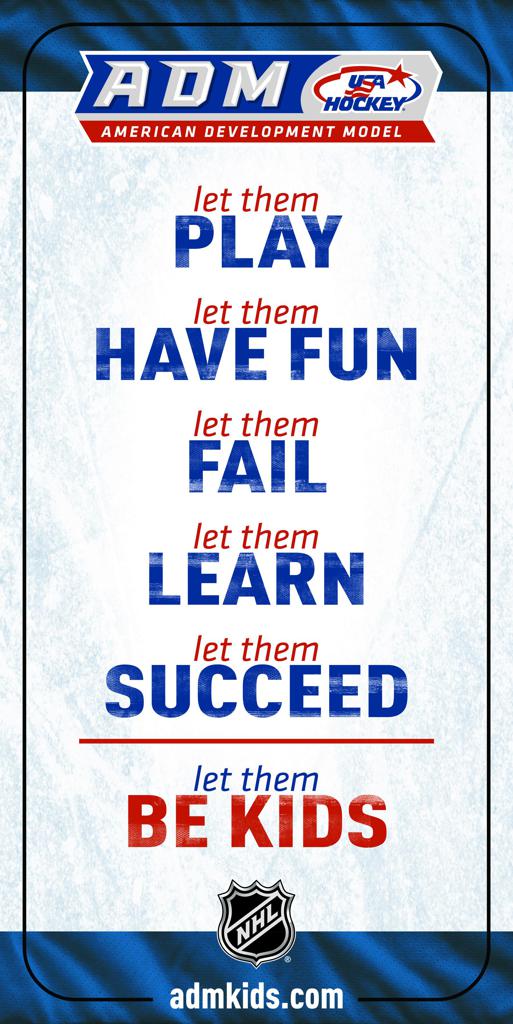
  1. Rolled out their version of LTAD, the American Development Model, ADM, that focused on age appropriate training and coaching certification
  2. Emphasized fun for all age groups (regardless if rec or competitive streams)
  3. Cancelled their U12 national Championship that put too much pressure on parents and players who aspired to play in that championship

The result?

In lieu of 60% attrition, they retained 92% of their kids, only a 8% decrease.

For the naysayers that say it can’t be done or those that keep doing the same things over and over again expecting different results (insanity)…..

….. It CAN be done, as USA Hockey showed it takes a village to raise a child and requires collaboration by all parties concerned to focus on the things that matter most to the kids, Fun, Friends, Quality Coaching and having the opportunity to PLAY and contribute For the Love of the Game.


Don`t be a kids last coach


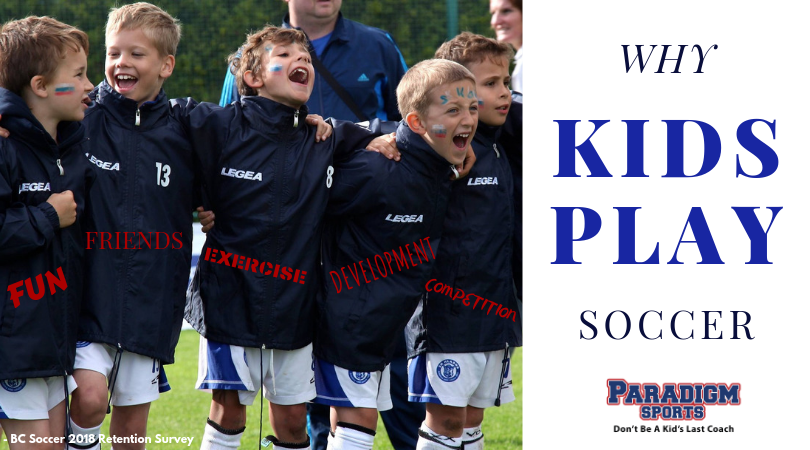
Why Do Kids Play Soccer?

Posted 1 CommentPosted in Athlete, Coach, Early Sport Specialization, Organization Executive, Parents

Did you know that Soccer Canada has seen their number of players between the ages of 6-17 yrs. old decline by almost 100,000 (yes 100,000) the last 10 years?

This reflects the trend in Youth sports where 70% of kids are quitting by the age of 13 and the 10 year decline led BC Soccer to conduct a player retention survey in 2018 to find out why kids play soccer, but why this was different than past surveys or research done it was  first time by ANY sport organization I am aware of that asked their clients (the players) not only why they play but why will they stop playing BEFORE they potentially do so and have them review their current program offerings.

Kudo’s to BC Soccer for doing so, in lieu of what majority of sports crossing their fingers that attrition rates they are experiencing are a short term “glitch” and not reaching out to their core stakeholders, or if they do, conduct exit interviews AFTER they quit, they took the proactive approach to reach out to their “clients” BEFORE they quit …. Prevention is 99% of the CURE.

This is also the first time I have seen any sports organization recognize that players are their CLIENTS, and as any business owner knows, it costs 10X more to attract new customers than it does to retain existing customers.

For me it really simple, ensure that kids love the sport more at the end of the season than they did at the beginning and focus on their core motivation for being involved to begin with and in lieu of negative trends we experience in youth sports the reverse will hold true, organizations will not only attract new players but they will GROW and buck the trends.

The survey was sent out to approximately 14,000 thousand players of which 2381 responded (rounded to 2400 for purposes of reference) in 2018 and this past week (Feb. 19th, 2019) BC Soccer shared the results which they forwarded to all their affiliated Soccer Provincial Sport Organizations (PSO’s) across Canada.

Here is the recap of the findings with our feedback;


SURVEY SAYS …..

  1. FUN*

*Enjoyment was the actual heading in the survey but the majority of responses included the word FUN

As I have been sharing for years, kids play sports because they’re fun, they quit when they’re not.  It’s NOT Rocket Science.

We shared this great video clip of 4-year-old hockey player that was mic’d up this week on all our social media pages (as did many others across the globe)… do you think he had fun?  Will he continue to have fun down the road?  Only if the association he plays for recognizes that fun is the #1 reason why kids play sports.

  1. Friends

Kids also play sports to be with their friends or meet new ones, most of my best friends came from the sports I played in my youth, including the MC and Best Man at my wedding.  Sadly I lost my best friend in 2013, but I still have many vivid memories of all the various sports we played, some organized (Football, Rugby) but moreso unorganized, skiing, golf, raquetball, tennis, biking, swimming, adult rec pickup hockey, street hockey, tackle football without pads, camping, fishing and so on.

  1. Exercise

Thankfully kids do want to get exercise and stay in shape in lieu of replacing their former active play time with inactive screen time so if the experience is a positive one, kids will PLAY sports.

  1. Skill Development

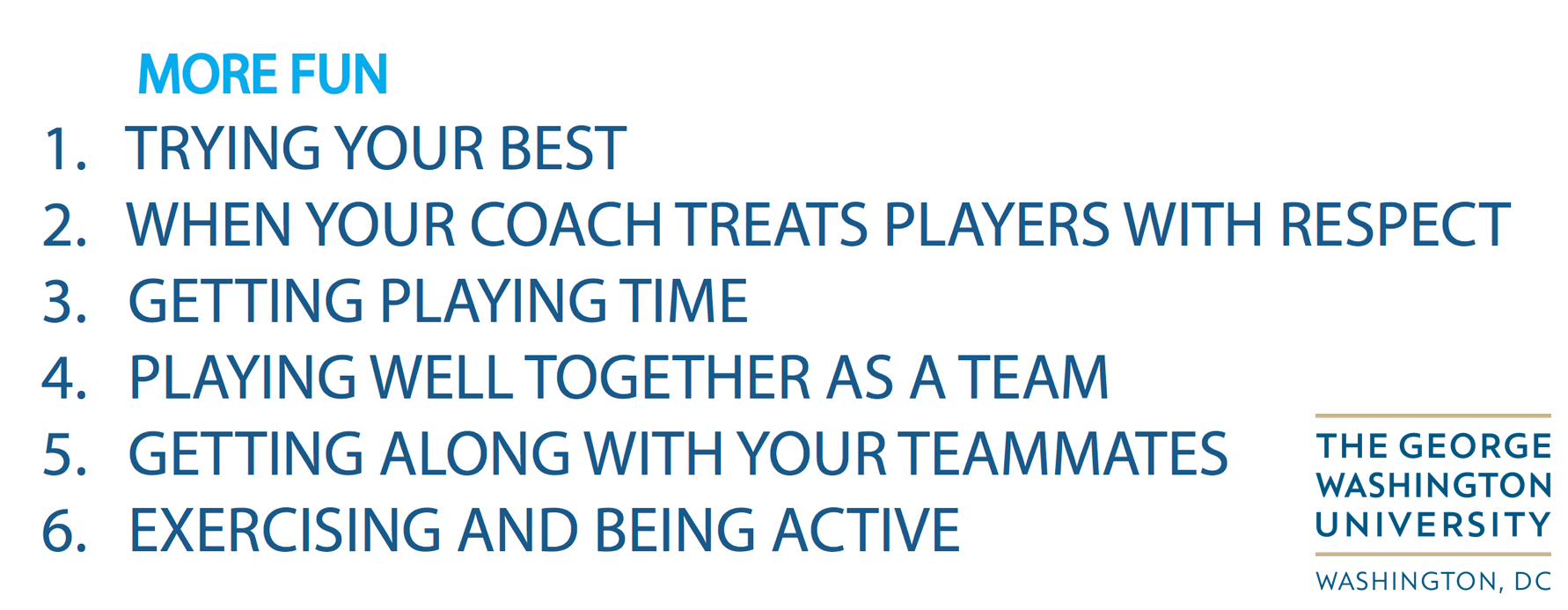
As Amanda Visek’s study highlighted when she surveyed soccer players at George Washington University and highlighted 81 characteristics why sports were fun, the #1 reason why they were is when kids had an opportunity to try their best (working on their skills)

  1. Competition

Although competition was one of the top 5 reasons kids played soccer that responded to this survey, Of the 119 (14% of 2381), Only 5% (17) stated winning or scoring. This would be comparable to #4 of the top 6 reasons why sports were fun in the GWU study, playing well as a team. Never in the 10+ years and 100’s of kids I asked why they played sports on teams I coached did I ever have a kid say winning. Kids LOVE to compete, but only when it is a positive experience and the most fun any kid has is when there are no adults there to spoil the experience.

Think back when you were a kid, what did you love most, organized sports with parents in the stands, coaches and officials or pickup games with your buddies with no adults present? How competitive were the latter?

This is no different than any of the other studies I have come across including Amanda’s where winning was not in the top 10 or in GWU’s survey, ranked 48th of 81 reasons why sports were fun.

Truthfully, the results of the retention survey don’t surprise me as I have surveyed hundreds of kids over the years on teams of various sports I coached and received similar answers.

Hopefully, all local soccer organizations not only in BC but across Canada will use the reasons why kids play to be the focus point when they are developing program offerings.

In our next post, I will share the results to the latter two queries that BC Soccer reached out to their clients (the players) for answers on so they could be proactive, not reactive.

This should not only assist all of their affiliate PSO’s and Soccer Canada address their declining numbers so they can attract, retain and ultimately GROW but also other sports organizations do the same; (1) Why Kids (May) Quit Soccer – The top 5 reasons kids would be less likely to come back next season and (2) Fair or Poor Rankings in terms of their program offering so the could address and do something about for future seasons.


Don`t be a kids last coach


The Old Guard Vs. The New Guard

Posted Leave a commentPosted in Athlete, Coach, Early Sport Specialization, Parents

The Old Guard Vs. The New Guard

I am writing this before the 53rd Superbowl game as I know all the hoopla come the day will be sharing out in our weekly newsletter will be about how the old guard (Bill Belichick and Tom Brady) matched up against the new guard (Sean McVay and Jared Goff).

It will make for another Superbowl gathering at my house with friends and family will be cursing every great play that Tom Brady et al. execute against yet another underdog with the vast majority of the bets on Patriots to win their 2nd Superbowl in three years and their 6th since their amazing legacy began in 2002 with the Brady/Belichick Tandem.

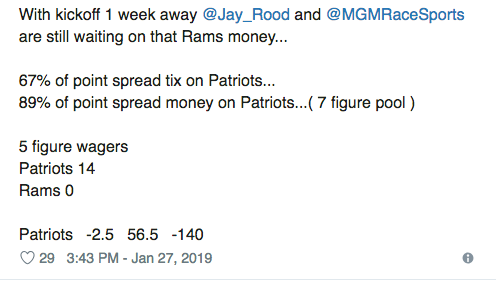
The above Tweet is one I came across when checking to see how Vegas et al. were hedging their bets, and having made many trips there over the years for trade shows, it was going as suspected, due to prior success and numerous AFC Championship games, The Patriots are the favorites yet once again.

One would think that father time (Tom Brady) would be showing signs of slowing down now in his 40’s, but as much as I am not a big fan of the Patriots for their run over the last two decades (am always a fan of the underdog), one thing that it does provide me is one of the best reasons why kids should NOT specialize early until their late teens.  As I wrote to coincide with last years Superbowl 52, Tom Brady Wins the World Series, he was a draft pick of the only MLB team I followed in my youth and still pissed off they left, the Montreal Expo’s.  He was picked in the 6th round by the Patriots as he was already a MLB Draft Pick.

Had he specialized in football like many kids are doing today as early as 8-9-10 years old, I can guarantee that his Hall Of Fame Career would have ended much sooner or potentially never happened to begin with.

Why ?

Because he would have suffered overuse injuries, potentially multiple serious concussions, ACL tears, perhaps even needing Tommy John Surgery for his throwing arm. He may have burned out as he did not have an OFF season to play other sports and would not have developed fundamental movement skills to transfer to football.

He may have been one of those 70% of kids that quit sports before 13 as a result.

The Patriots potentially would have continued to be in the cellar of the NFL as they had been literally since inception, Bill Belichick potentially would have been fired and hired to lead another team to multiple AFC championships, Superbowl titles and all the records that the Patriots have set under his leadership.

To this day I am still pissed that the Expos had their only potential World Series taken away from them when the strike ended the season in 1994, then a decade later were relocated to Washington (Nationals).

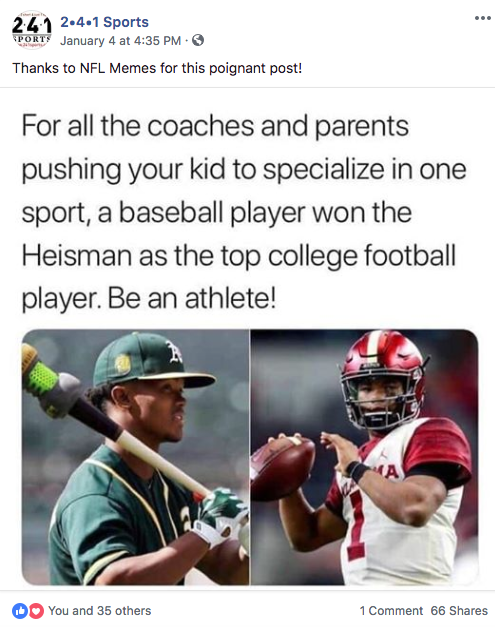
Fast forward to 2019, yet another multi-sport athlete in Baseball and Football has been shared out via Social Media,  Kyle Murray, Heisman Trophy winner and QB of the Oklahoma Sooners Final 4 BCS (Bowl Championship Series) #4 Ranked team (who lost to Alabama in the quarter final).

One of those SM posts were done by our good friends at 2 4 1 Sports, as Kyle was also drafted by the Oakland A’s Major League Baseball Team.


Kyle is yet another Multisport athlete to be drafted by the MLB and many are projecting if he enters the NFL draft he will be a 1st round NFL pick because he is such a great ATHLETE.

Others that you may be familiar with as they were or are “pretty good” include:

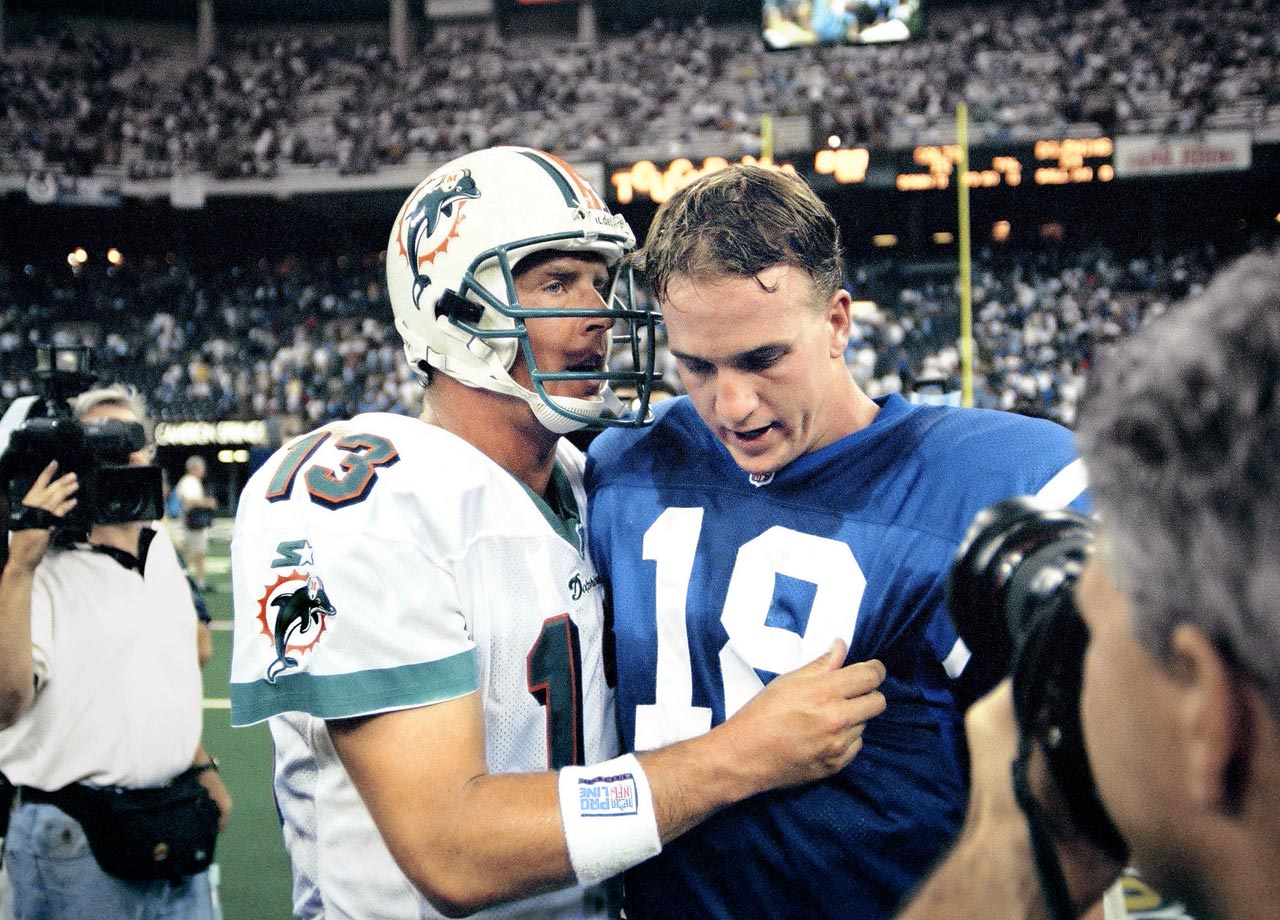
Dan Marino

Source: One of my favorite Sports Illustrated Pics, the old guard (Dan Marino) talking to the new guard (Peyton Manning) post Game

One of the best passers of all time, 2005 NFL HOF inductee played 17 years in the NFL but he was initially drafted as a pitcher by the Kansas City Royals.

Colin Kaepernick


In just his rookie season, Colin demonstrated his raw athleticism and lead the 49’ers to their first Superbowl since their glory days with Steve Young and Joe Montana.

He also was a great baseball pitcher, two time all state in high school, and was drafted by the Chicago Cubs in the 2009 MLB Draft and was drafted 2 years later in the 2011 NFL draft.

Last year he received the support of Nike to become the face of their 30th anniversary “Just Do It Campaign” with the commercial that lead their sales to surge 31% just after it aired.


“Don’t ask if your dreams are crazy, ask if they are crazy enough”


Brandon Weeden

Current Houston Texans Backup QB was drafted in the 1st round of the NFL 2006 by the Cleveland Browns draft four years after he had been selected as the second overall 2002 MLB pick by the New York Yankees

Troy Aikman


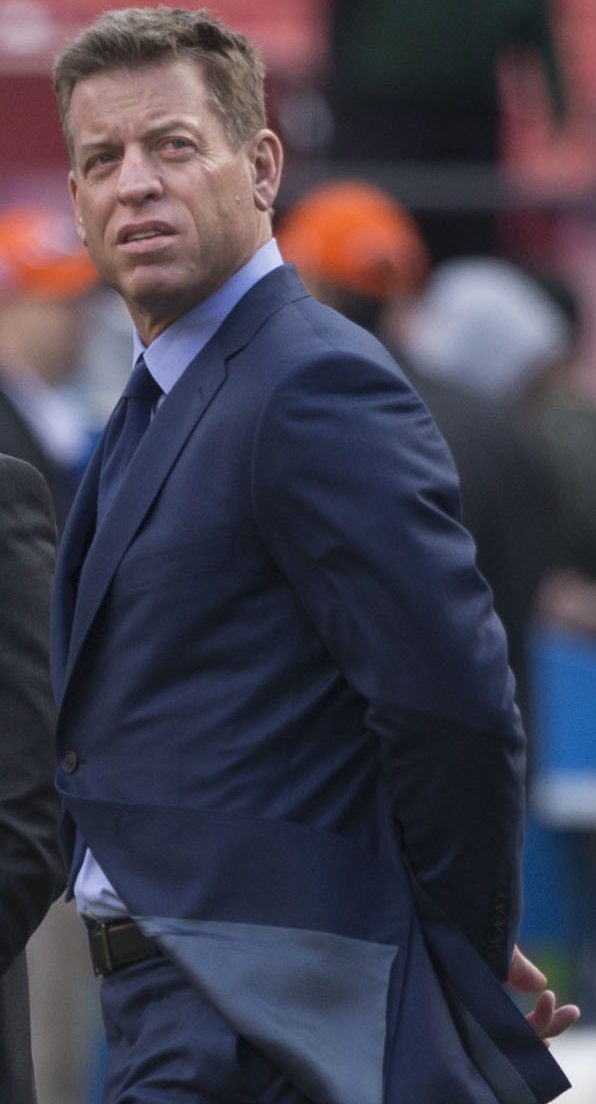
Hall of Famer NFL QB for the Dallas Cowboys, now Fox NFC Colour Commentator, was the NFL #1 overall pick in 1989 also was a baseball pitcher and shortstop and the NY Mets tried to sign him to a baseball contract but he declined as he opted to focus on football in university.

Patrick Mahomes


Like his father before him who was drafted by the MLB (and went on to play 11 seasons), Patrick was was selected by the Detroit Tigers in the 2014 MLB Draft but was also drafted by the Kansas City Chiefs in the first round of the 2017 NFL draft. Another member of the potential new guard may be Kyle Murray if opts to enter the NFL draft and play football in lieu of baseball.

Had it not been for a penalty in OT where the Patriots were able to continue a drive that lead to their game-winning touchdown, Patrick could very well have been the new guard playing another new guard counterpart in Jared Goff but Tom Brady et al. were able to weather the storm to score a TD to win the AFC Championship.

In my many years playing and watching both sports I have never seen such raw athleticism of so many ways to throw the football as Patrick demonstrated leading the Chiefs in only his second season in the NFL.  His sidearm and no-look passes remind me of another great athlete playing in the NBA, Steph Currey, another multi-sport athlete until he opted to focus on basketball in college.

Russell Wilson

Seattle Seahawks Superbowl winning QB Russell Wilson also played baseball, was drafted by the Colorado Rockies and played two seasons in their minor league affiliate, then traded to the Texas Rangers and then New York Yankees but opted to focus on his career in the NFL in lieu of baseball.

Then there were two that played BOTH sports Professionally

Deion Sanders (AKA Prime Time)


Deion was drafted in the first round of the NFL Draft and played for several teams including playing for the 49’ers and Cowboys Super Bowl Winning Teams and was inducted into the football hall of fame in 2011.  He also drafted in the 6th round of the 1988 MLB draft by the Kansas City Royals and played several years for them moreso on part time basis (NFL took precedence when the seasons overlapped).

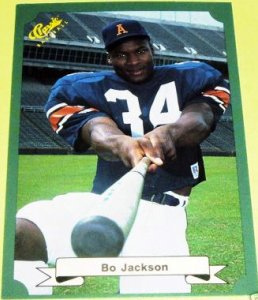
Bo Jackson (Bo Knows)


Bo Jackson is the only professional athlete to be named an all-star in two different professional sports, Football and Baseball.  Like Kyle Murray, Bo won the Heisman trophy in 1985, he was originally drafted by the Tampa Bay Bucanneers First Overall in the 1986 NFL Draft.  He also was the drafted by the Kansas City Royals and played several seasons in both sports.

Not only was Bo a great football and baseball player, in high school AND college, he participated in numerous track and field events including sprinting, hurdling, jumping and throwing.

Just further proof in the pudding to support the benefits of participating in multiple sports growing up so you can become the best ATHLETE you can be.

By not focusing on one sport too early, one of the biggest benefits, is all those that played both sports of the old guard went on to have long careers in their respective sports, Dan Marino, Troy Aikman and now Tom Brady still being one that continues to set the bar playing at the highest level at 42 years of age. Same will hold true for Patrick Mahome, Kyle Murray may be as the new guard as they are great ATHLETES as a result of playing multiple sports.

Let’s all work together to bring the game back to the kids …. Where it belongs.
Don`t be a kids last coach


We can all learn something from the Navy Seals

Posted Leave a commentPosted in Athlete, Coach, Early Sport Specialization, Parents, Uncategorized
Reposted Nov 22, 2021 My wife forwarded me some links to videos for a meeting she was having with her national organization and one I thought was definitely worth highlighting in particular more than merely posting to FB/Twitter. It was the Texas U 2014 Commencement address done by Admiral William H. McRaven, 36 Years as a Navy Seal, that has had close to 7 Million views on Youtube. In his presentation, he shares 10 tidbits how we the graduating class of 2014 can change the world highlighting his experience as a Navy Seal and the training they have to go thru to become the top warriors in the World.

Their training lasts 6 months, including long tortuous runs in the soft sand, midnight swims, obstacle courses, unending calisthenics, days without sleep and always being cold, wet and miserable.

The training is intended to eliminate the weak of mind and body, but also to find those that can lead thru hardship and challenges.

Here are the 10 tips he shared;

Make your bed every morning (the little things matter) 

Reinforcing the point that the little things matter, which every successful coach in the world emphasizes with their teams.  Perfect example, John Wooden at the beginning of every season would walk players thru how to tie their shoes, pull up their socks, wear their shorts, jerseys.  All little things but like the Navy Seals, felt it was important so that the players could do the big things right.

Find someone to help you paddle

Every morning crews of 7 are required to paddle their boats, requiring equal effort, everyone must paddle for the boat to make it to its destination. You can’t do it alone, takes friends, colleagues, goodwill of strangers. One of mine and most coaches pet peeves is selfish players, probably the most infamous “rant” about how a player was not contributing a member of the team is former San Francisco 49’rs head coach Mike Singleterry’s “Can’t Do it” rant post game why he asked Vernon Davis to leave the game. A year removed, Vernon and the 49’rs made it to the Superbowl under new Coach Jim Harbaugh and this is what Vernon shared about the lesson that he learned “Come on, you have all the tools in the world,”

Measure a person by the size of their heart (not their flippers)

He shares the analogy of the munchkin boat crew the smallest members of the aspiring seals, none over 5’ 5” but outpaddled, outran and outswam all the other boat crews even though they had the smallest flippers that all the much larger men would make fun of.  It showed the importance of the willingness to succeed.

Get over being a sugar cookie and keep moving forward

Several times a week the instructors would do uniform inspection and would find something wrong, when failed students had to run fully clothed into the surf zone, then roll in the sand which was dubbed sugar cookie.  Many students did not understand the purpose that you were never going to have a perfect uniform and they did not make it thru training.

Don’t be afraid of the circuses

Every day during training challenged with multiple physical events, every one had standards, if you failed to meet those standards, you were invited to the circus training of additional 2 hours of physical training. No one wanted to be on the circus list, but ironically those that were on the list more often than not, developed resiliency, became stronger.

Sometimes you have to slide down the obstacles head first

He shares an analogy how a student decided to do down the slide for life (200’ rope between a 3 tiered and one tiered tower) on the obstacle course head first instead of upside down, dangerous move and instead of several minutes broke the longtime record that held before doing so.

Don’t back down from the sharks

Students have to do a series of long swims which includes an area of shark invested waters and encourage the students to summon up all your strength and punch them in the snout.

You must be your very best in the darkest moments

Another demanding task of seal training is a 2 mile underwater attack mission using nothing but a depth gauge and compass, during the swim there is some light but as approach the ship it blocks all ambient light and to be successful have to go to the centre keel that is pitch dark. This is the time where you must be calm, composed.

Start singing when you are up to your neck in mud

The 9th week of Seal Training is called Hell Week – 6 days of no sleep, constant physical and mental harassment and one special day at the mud flats, swampy patch where the mud engulfs you, nothing visible but their heads and instructors said could leave if 5 students quit even though had 8 hours left to go. Then one voice raised in song, sung with great enthusiasm, then one became two, two became three, and the singing persisted. The singing raised the hope of all the students, the power of one person, King, Washington, Mandela has the ability to change the world by giving people hope.

 Don’t EVER, EVER ring the bell

All you have to do to quit is ring the bell, never have to wake up at 5, no more cold swims, obstacle course, Physical Training or endure the hardships of training. In order to get thru the demands of the Seal Training, it pushes every student to their absolute limits, physically, mentally and the vast majority that enter each training class do end up ringing that bell.  In Williams class, it started with approximately 150 students and just in the first few weeks 2/3 of the students rang the bell where only 42 remained and completed the 6 months training to become the warriors they aspired to become. The Navy Seals training program is the most challenging of any program in the world in terms of physical and mental preparation. Of the 10 tips that William shared how the students of U of T in 2014 how they could change the world, the one that jumped out at me the most was #3, measure a person by the size of their heart (not their flippers) as a coach of many years, I always look for players that have character, heart, and commitment first and foremost regardless of their stature or current skill set. Using the NHL as an example as we head into the 2018-19 season, each day I read the paper there has been highlight of various Vancouver Canucks prospects and emphasis on how all are bigger, faster, stronger than they were a year ago.  The same holds true I suspect in every major paper in cities across Canada and the USA as teams go thru their respective training camps where many of the prospects are saying they are sore but they are only a few weeks long, followed by a series of exhibition games and daily practices vs. 6 months of Seal Training. Rarely have I seen any references in all of the prospects in terms of the character, spirit, determination to not only get thru their rigors of training camps, ex games and to date no journalist has commented or the size of their heart.
Brendan Gallagher in his infamous spot – Source: The Score
A perfect example is Brendan Gallagher, all 5’7” of him who every year and each level he moved up coaches I know from all the evaluations and scouting have done would say “he is too small” But like the “munchkin crew” of the Navy Seals training class, he has proved all the naysayers wrong as he is entering his 7th season for the Habs, one of the alternate captains on a long term 5.5M cap hit deal as they continue to go thru their rebuild (don’t even get me started about my thoughts on the Max Pacioretty trade) Who would have thought a 5’7” forward would go the front of the net with reckless abandon as Brendan does game in a game out? Apparently, the majority of the coaches, scouts, GM’s in the league had their doubts as Brendan was no selected until the 5th round, 147th overall. RARELY does any player drafted that late every get to see action in the NHL, majority become journeymen AHL or other semi-pro players never to be heard of. All of those that overlooked the likes of Brendan in the NHL, Bantam drafts or Minor Hockey Rep Tryouts could learn a little something from the Navy Seals … as I have said every year during evaluations, it is not the size of the player, it is the size of their heart that matters. That is something we as coaches can’t teach, they either have it or they don’t as Brendan and many other smaller stature players have proved to all the naysayers. Below is the video of the Admirals full Commencement Speech.   Don`t be a kids last coach