
The Costs of Going ALL IN

Posted Posted in Athlete, Coach, Early Sport Specialization, Organization Executive, Parents

The Costs of Going ALL IN


This week we came across an article and W5 Episode that aired last spring highlighting two families where they have gone all in to support their kids in chasing their dreams of playing NCAA on full-ride scholarships, national teams or professionally.

In the first of three-part series, they focused mainly on young hockey players and ended with an interview with the chief executive officer of a marketing research company based in the US that focused on the costs of youth sport participation not only in the US but internationally.

Their findings had my head spinning and although I have always encouraged players to chase their dream whatever they aspire to (regardless if it is sport, music, drama, academics) but what this 3 part series showed is a reflection how so many families are chasing the dream it has lead to youth sports exploding into multi-billion dollar industries primarily in Canada and the USA with no signs that it will slow down anytime soon.

A couple of years back Time Magazine’s front page highlighted that the US Youth Sports industry had then exceeded $15 Billion USD (approx. $20B CDN based on current foreign exchange).  The highlight of the article was a young baseball phenom appropriate nicknamed Joey Baseball
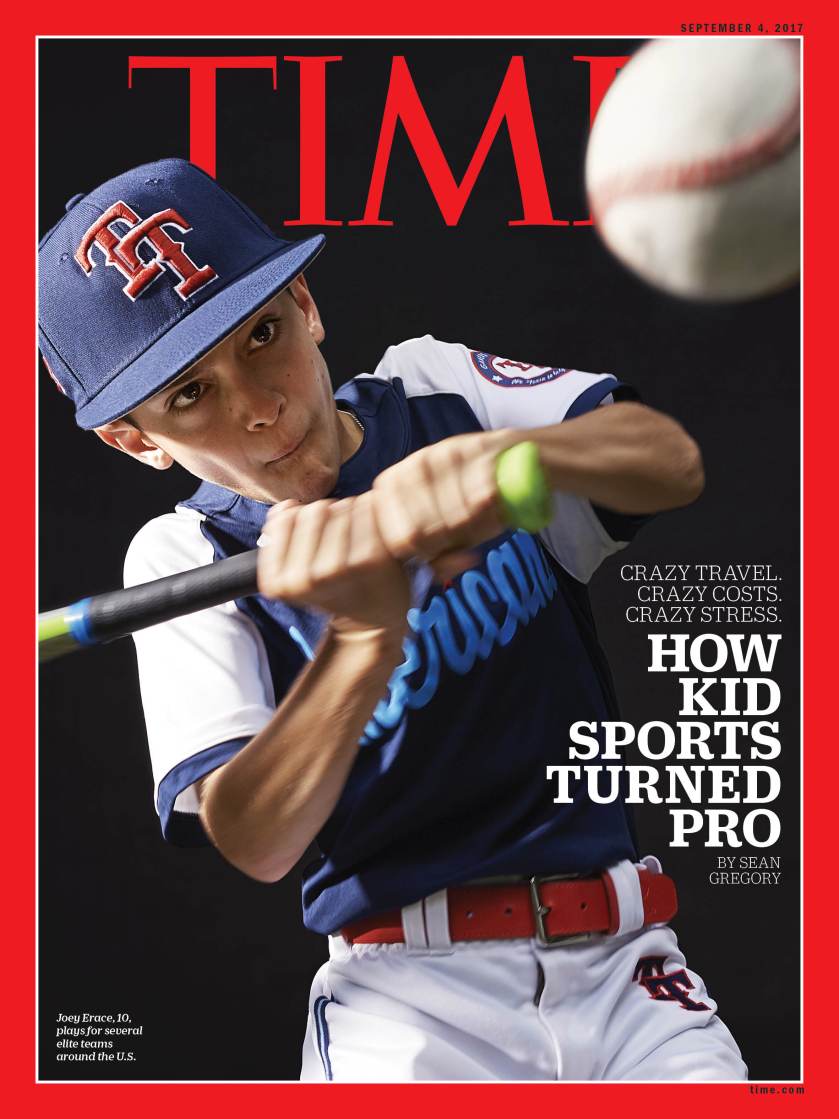
The article and spin-off videos highlighted how Joey Erace, then 10 years old, and his family were chasing the dream for him to play MLB.  He was playing on multiple travel teams, getting private one on one instruction for pitching ($100/hr), one on one fielding sessions ($100.00/Hr), had his own home batting cage, was getting sponsorship offers, over 24K followers on Instagram and even being asked for autographs from fellow aspiring young kids who were following him.

His life had evolved to baseball, baseball, baseball.

All this at 10 Yrs. Old?

Fast forward to 2019 and the US Youth Sports Industry had grown to over $17 Billion as a result of more and more players and their parents continuing to chase the dream to reach those lofty goals of representing their countries on national teams, getting NCAA scholarships, what is now multi-million salaries in various professional sports and possibly the Olympics.

Coming back to the W5 episodes shared last Spring, the marketing research firm WinterGreen whose chief executive Susan Eustis was interviewed at the tail end of episode one shared that the Canadian Youth Sports Industry in 2010 was $1.2 Billion, had grown to 5.2 Billion mid-way point of the 2000’s but in 2017 had climbed to $7.6B and last reported number for 2018 was a staggering ….


$8.7 BILLION DOLLARS!!! 

THAT’S OVER A 400% INCREASE SINCE 2010


Based on the current exchange this is approx. $6.5 B USD.

Compare that to the USA with 9X the population of Canada (327 M vs. 37M) whose last reported number is $17 Billion USD

As a result, Canada’s youth sport participation costs are the HIGHEST cost per capita than any other country in the world.

Highlighted in the episodes were two youth sports players and their families who were all in as either a hockey or soccer family;

Ethan Mcfarland – 14 years old at the time the episodes aired who aspires to get a full-ride Michigan State Scholarship to play NCAA Div 1 hockey and be drafted and play in the NHL.

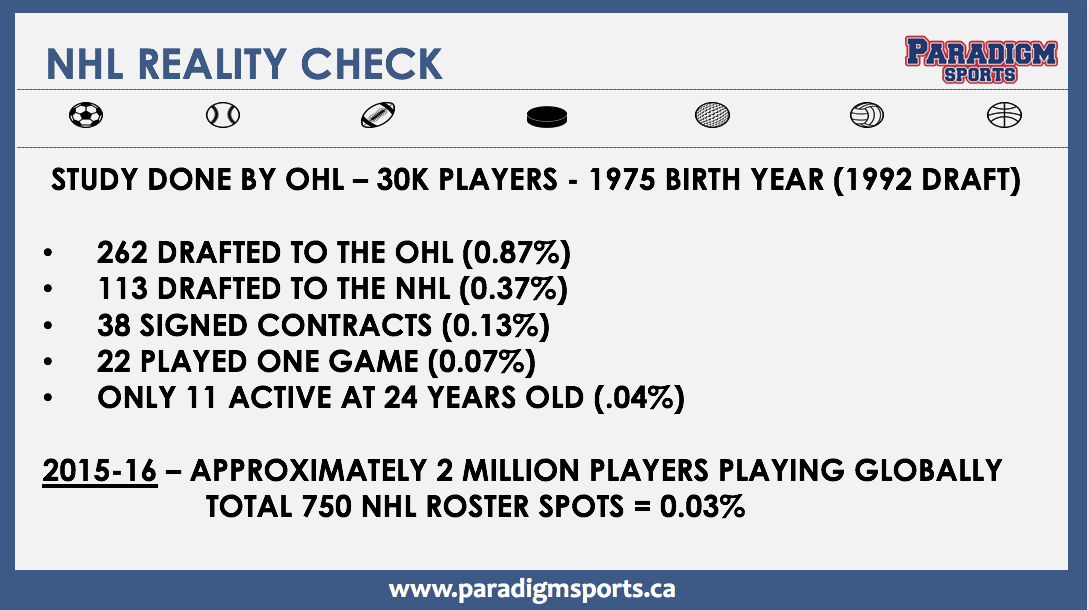
No different than many kids have growing up in prior generations, playing shinny with their buds on frozen lakes, outdoor ice rinks, stick and puck for hours on end BUT the sad reality is 0.3% of those will reach that level as I have shared out in talks across Canada.
 

The cost for him to reach that goal is he has abandoned what all the powers that be and sports medicine research has shown is multi-sport participation so he becomes the best athlete he can be.

He also has a modified school course load geared specifically for “elite” athletes as a hybrid to homeschooling so he can make it to all of his shooting, skating, puck control sessions both on and off-ice in addition to sessions with Psychologists, nutritionists, custom skate, stick equipment manufacturers

All the while his parents seem to be nonchalant about the fact to support doing all of this is costing them tens of thousands of dollars a year much like thousands of other kids across Canada that are doing the same to chase the dream.

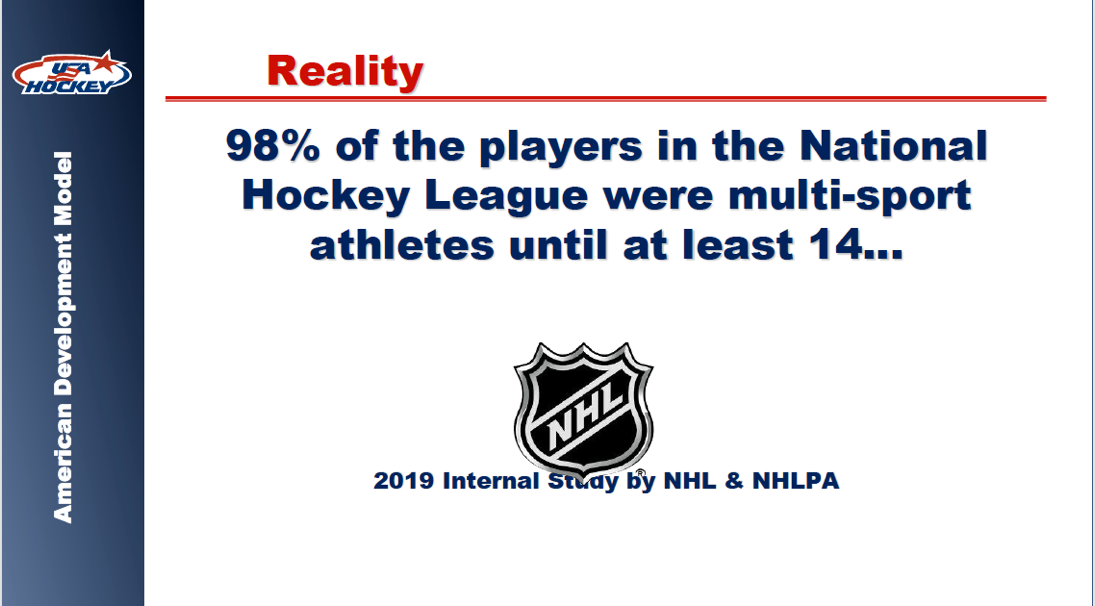
Probably one of the best data sets that I can provide to hockey parents to reinforce the importance for their kids to avoid this excessive time and financial commitment to focus on hockey, hockey, hockey is the NHL players association was surveyed last year and as Ken Martel (technical director for USA Hockey) shared with me and has now shared with other sports orgs, below is a slide from presentation he did for New Zealand Hockey (yes they play hockey in New Zealand)


Another statistic – Since 2010, there has been a 63% decrease in full-ride scholarships offered to Canadian born players to play in the NCAA which is a direct correlation with the ADM model in the USA, more and more US-born players are being recruited for those scholarships vs. past years seeking Canadian born players.

The other family highlighted was the Nicolazzo family whose three children, Xavier (7 at the time), sister Kiarra (10), and older brother Romero (13).  Their Dad Frank coaches both boys teams.

Year-Round Soccer, Soccer, Soccer, every day all year long including indoor session when Canada’s winter kicks in including playing on numerous travel teams costing tens of thousands of dollars every year.

REALITY CHECK – a colleague of mine shared me the soccer statistics which I reciprocated with hockey a few years back regarding NCAA/Professional path of US Soccer Players
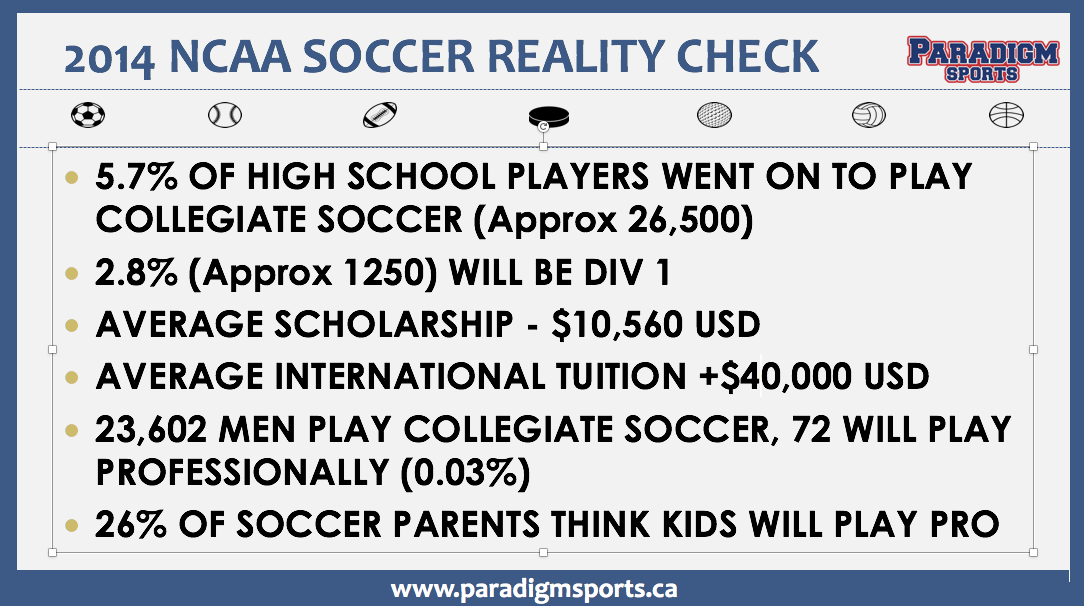


As admirable as it is for all three of their children to chase the dream, like Hockey, the reality that they will reach that level is a longshot at best and depends on so many factors for all the stars to align.

The sad reality for both families and their kids who are rolling the dice and going all-in with one sport year-round as early as 7 years old is there is a very strong possibility that one or all of the issues below may happen;

  1. Kids are suffering pressure as early as 9-10 years old W5 highlighted in their episode.

Shouldn’t 9 -10-year-olds be playing a game for the sake of it, not feeling the pressure to reach a lofty goal 10 years or more down the road?


  1. All the research and data shows that these young players may quit (62% in the US are quitting by age 11, 70% by age 13 with similar trends in Canada and many other nations) due to pressure, burnout, not having fun as a result of focusing on winning at all costs chasing the dream because they are not having fun


  1. They may suffer a season-ending, worse yet a potentially career-ending injury like multiple concussions, tears of ulnar, medial, anterior cruciate ligaments


  1. May suffer depression, anxiety IF they make it to the NCAA, pro-level as they were deprived of a normal childhood which has been identified by many NCAA athletic directors is a major issue of new players coming into their programs now vs. a decade ago


  1. Worse case –  may consider, or actually do commit suicide as there has been a 56% increase in the suicide rate the last 10 years from 10-24 years of age. If you don’t think this is a reality, I personally know of 3 kids who committed suicide, the third happened to be the brother of one and cousin of two other players I coached so really hit me hard.  This stat was shared by Corey Hirsch, advocate for mental health and the Hockey Talks program the day that Tyler Motte shared he is dealing with depression and anxiety issues with amazing support by the Vancouver Canucks.  Why?  Because 7 years ago Rick Rypien committed suicide as a result of similar mental health issues stemming from the pressure to perform.

All of the above aside, many of the single-sport players I have interacted with as they got to older levels (15+) stopped smiling, stopped laughing, appeared methodical, robotic when they came to training sessions, games, other activities.

Why?

Because they lost that original love for the game they had which many parents argue with me is the reason when they support their kids to play year long, pay for all kinds of development the grind of playing one sport all year long starting as early as many kids do today became a job.

When they originally started down the path did they ask if they could WORK hockey, soccer etc?

No – they asked if they could PLAY hockey, soccer etc.

Last but not least, in the event that you have not been following business news of late, many countries are looming towards another recessionary period so the tens of thousands of dollars that parents are spending each year, much of which via credit facilities including second mortgages, credit cards, lines of credit will put the entire family in harm’s way if one of the dual incomes is lost to downsizing.

Is it really worth taking that risk going all in with one sport?

In lieu of looking at youth sports as a return on investment, we should be looking at all the other benefits it provides, developing character, valuable life lessons, healthy (both physical and mental) lifestyles, friendships, social skills being part of teams, being well rounded and becoming the best ATHLETE they can be.

If at the end of the day they are one of the select few to reach the level of NCAA, National or professional level then that is just icing on the cake.

Let’s all work together to bring the game back to the kids ….. where it belongs.


What US Lacrosse is doing to promote Multi-Sport Participation

Posted Posted in Athlete, Coach, Early Sport Specialization, Organization Executive, Parents

I recently sat in on the first webinar hosted by Project Play which highlighted three different US National Sports Bodies (NGB’s) that were promoting multi-sport participation, one of which is one of the few youth sports in the US that is growing year after year, US Lacrosse.

The insight was shared on the webinar by Erin Smith, currently the Managing Director of Education and Training for US Lacrosse and has worn many other hats over with US LAX the last 15 years.

Why is US Lacrosse one of the organizations that are bucking the trends?

Unlike many of the youth sports organization in Canada, US and globally, they continue to see increases in their membership year after year, now have over 430,000 members and continue to grow.

As a national sports organization in the US, they are still in their infancy, 9 former regional orgs merged together in 1998 to become the national sports body for the US.

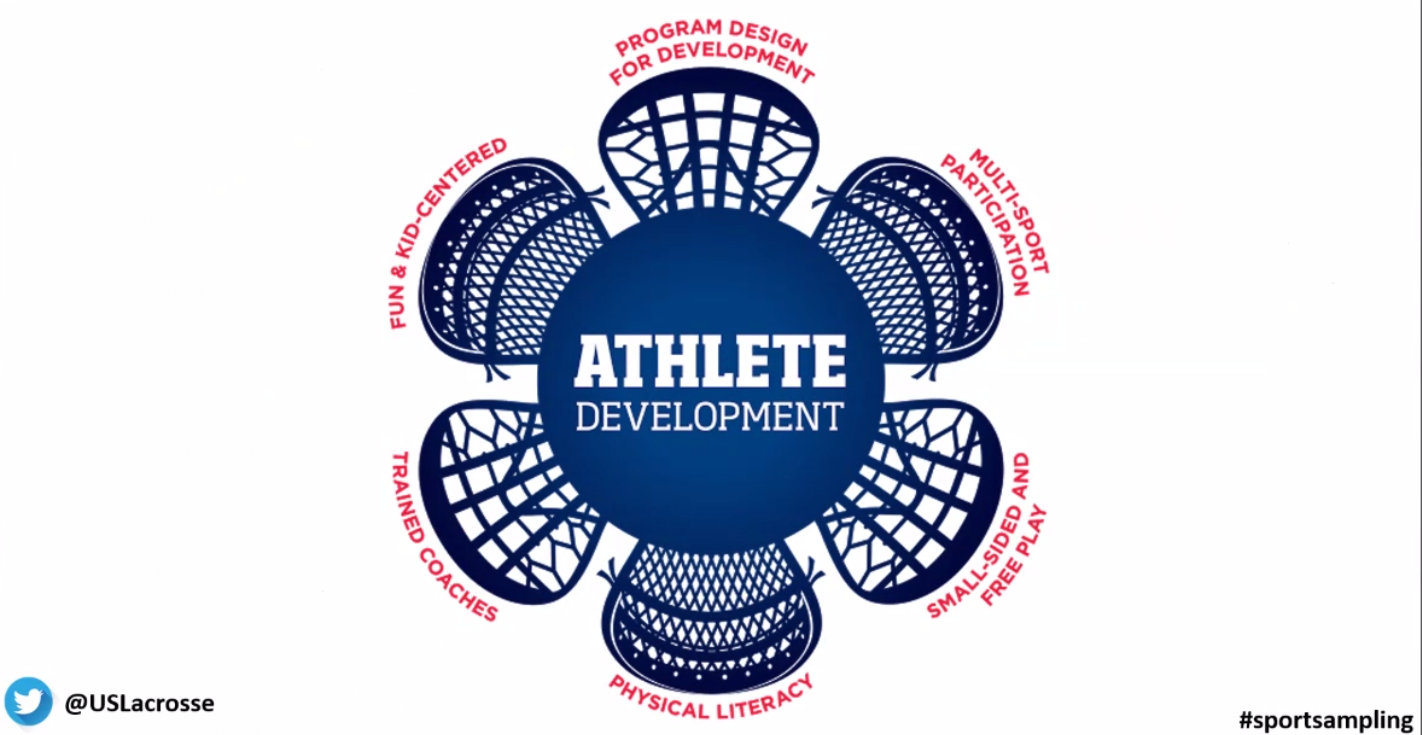
In 2015-16, largely due to the great work that USA Hockey has done in terms of developing the American Development Model, US Lacrosse created their first version of their Athlete Development Model with 6 core values.

#1 – Fun and Kid Centred

HMMMM … perhaps the sports organizations that continue to experience negative comps year after year could learn something by focusing on similar core values?

As I have shared for years, kids play sports because they are fun and quit when they are not, it’s NOT rocket science and I was so happy to see that a NGB has Fun and focusing on the kids (the end users/consumers) and believe many other orgs that are suffering high rates of attrition should do the same.

#2 – Program Design for Development

Development as in skills vs. winning at all costs?

It is great to see a NGB understand that the purpose of Youth sports organizations is developing youth into adults.

#3 – Multi-Sport Participation

Promoting Multisport participation, as the President of Greater Edmonton Lacrosse shared with me last year, Lacrosse is a great complementary sport and requires so many technical skills that will transfer to other sports.  Perhaps that is one of the reasons why Wayne Gretzky, John Tavares, Steve Stamkos and other NHL’ers were or are pretty good?

#4 – Small Sided and Free Play

Many national sports organizations in Canada and the USA who have incorporated LTAD models have incorporated small sided games that are age appropriate, examples being USA and Hockey Canada’s cross-ice hockey for ages 5-8 years old, soccer small area games with 3, 7 players, tennis, volleyball, basketball lowering the nets etc.

What really excited me about US Lacrosse was they also are focusing on the importance of Free Play that many researchers have identified in recent years is a critical to ensure optimal skill development, decision making, handling adversity and overall fundamental skill development.

#5 – Physical Literacy

Still one of the biggest challenges that many face in the grassroots segments is having coaches understand the importance of developing all fundamental movement skills so kids are not only proficient in their respective sports (thanks largely to the pitfalls of early sport specialization) so kids are confident, competent and ultimately active for life.

#6 – Trained Coaches

In terms of trained coaches, although the course content has been revamped to educate coaches on areas like multi-sport participation it was only done last year and only 5+ Years will you see the cause and effect of updated coaching modules.  I suspect in a few years you will see the changes that US LAX is aspiring for and will receive a higher grade accordingly down the road.

How do I know this?

After running Hockey Canada Clinics as one of my hats for over a decade, each time that Hockey Canada revamps the clinic materials, it takes a few years for the materials in new modules to get to the coaches that have already taken a clinic IF it gets to them.

This is why I am a big advocate for the NCCP program requiring ongoing Professional Development Credits to ensure that coaches learn the latest and greatest to be the best they can be.

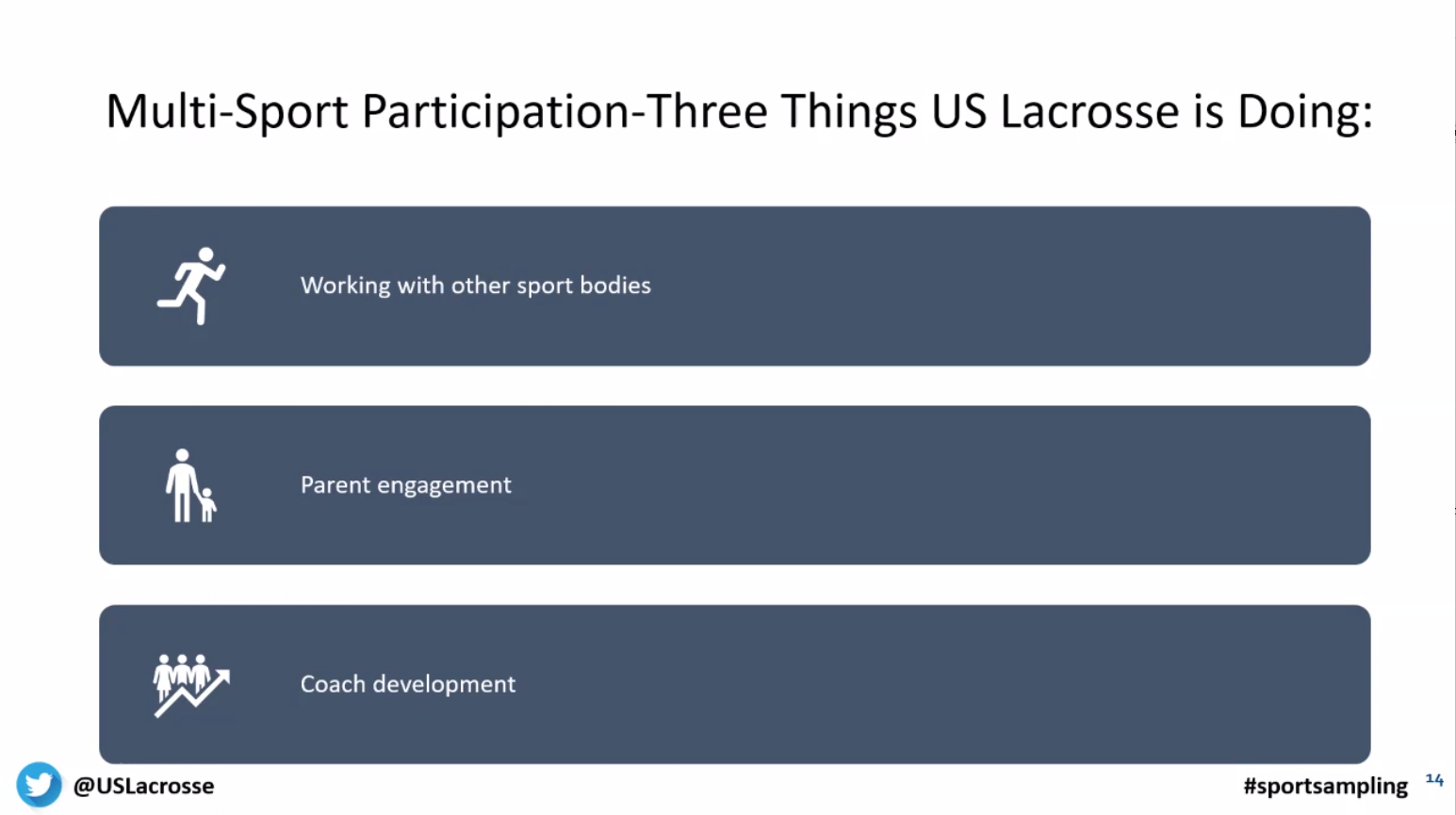
The three core areas of the Project Play checklist that US Lacrosse is focusing on to promote multi-sport participation in particular are;


#1 – Working with Other Sports Organizations

Collaborating in lieu of competing for the same player so they can play multiple sports?

KUDOS to US Lacrosse for doing so.

Here is insight from Dave Newson, the executive director at Semiahmoo Minor hockey organization who spoke with us for our winter 2018 virtual event how they were collaborated with their fellow soccer association to permit scheduling so kids could play both soccer and hockey

After they did so, many other local sports organizations started to do the same, the dominoes they are falling as kids want to PLAY more than one sport.

#2 Focused on Engaging parents

In addition to providing resources to coaches to share with parents in their parent meetings, they are promoting multi-sport participation on social media and video below using the analogy of eating pizza every day would be like playing one sport every day, not good for the kid’s development overall.

INSERT QUOTE OF THE WEEK HERE

Play More (sports) to play better (as an overall athlete)

#3 – Focused on improving their coaching development

Like US Hockey, US Lacrosse now has 4 coaching levels that ties in their athlete development model, starting at the grassroots level up to the high-performance level.

Last year they redid all of their coaching courses and the Level one course now highlights the benefits of multi-sport participation so the grassroots coaches (many of which are moms or dads that get recruited to coach because their kids are playing) get educated on the benefits right from the get-go.

The added benefit, as many are parents themselves, they can share with the parents on their teams as well as others they know so the word of mouth will spread.

Probably one of the biggest issues that I have come across when I have interacted with coaches in Canada that are just getting started regardless of the sport is there lack of knowledge or even awareness of their respective sports long term athletic development models or fundamental movement skills required to be proficient at ANY sport, let alone the ones they are now coaching.

Things like balance, agility, running, falling, getting up, throwing, catching, one handed and two handed hitting, running which are all fundamental movement skills that every kid should have but thanks to PE programs being cut so much at the school levels, too much structure taking away free play, too many kids can’t perform the basic skills as our past generation did.

KUDOS to US Lacrosse for recognizing the importance of not only talking the talk (via core values, public service messages (PSA’s), Whitepapers (PDF’s) and education but WALKING THE WALK.

Let’s all work together to bring the game back to the kids … where it belongs

PS Tagline - Dont be a kids last coach

Why the 10,000 Hour Rule is a Fallacy

Posted Leave a commentPosted in Athlete, Coach, Early Sport Specialization, Organization Executive, Parents


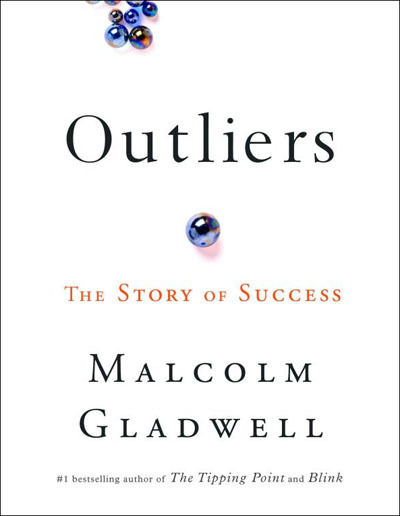
It has been over 10 years now since Malcolm Gladwell wrote his national best seller Outliers where he shared Anders Erickson research on a group of concert violinists that practiced  10,000 hours to perfect their craft.

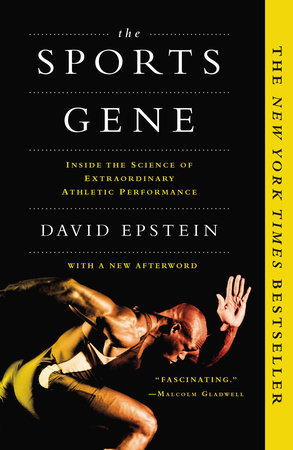
Since that point Malcolm has been challenged by researchers, coaches, and experts in the space including David Epstein who debunked the 10,000 rule in his book The Sports Gene.


Not that I would EVER put myself in the same space as authors of best sellers, but from the time I read Outliers years back I too questioned Malcolm’s argument as have coached for many years and have never believed in the cliché that practice makes perfect nor in the benefits of starting to practice at such an early age and work one sport that is driving early sports specialization.

In lieu … Practice Makes Permanent

If you practice 10,000 hours wrong … you have a real serious bad habit.

Every kid I have coached at the beginning of the season I would tell them .. I would rather you do it slow and RIGHT than fast and WRONG.  Too many kids want to rush thru drills so they can get to the end of the practice that coaches will have “fun time” but the entire practice should be fun and if you disguise your drills and they are fun, kids won’t rush thru, cheat the drill and do them right so they do develop correctly in lieu of building bad habits that can’t be reversed later.

Here are the reasons why I have argued that the 10,000 hour rule is a fallacy to reach the highest levels of athletics, earn an NCAA Sports Scholarship or playing professionally (where less that 1% will reach those levels)


#1 –  Practice Must be Deliberate AND Unstructured


As Malcolm is more of a historian, than a researcher whose very livelihood revolves around publishing journal articles and books with their scientific data and longitudinal studies, one who was the first to challenge him was the very person whom he did not consult with when he was writing his best seller Outliers, Anders Erickson.

Anders did share in a research study many years back when he looked at concert violinist and the amount of practice that they had to do in order to reach that level on average it took over 10,000 hours of working on their craft.

It was not just the fact that they sat down and practiced daily to accumulate those hours, it was due to how deliberate the practice was, which included working with some of the top music teachers who provided practice plans, feedback and error correction.

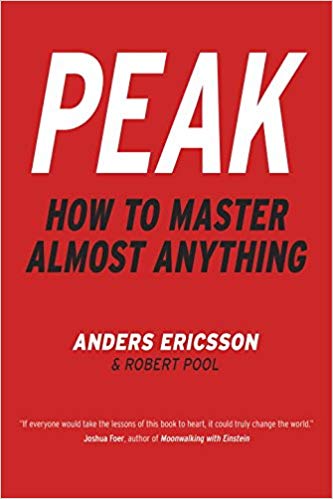
As David did with the Sports Gene, he released his counter to Malcolm’s Outliers with his book Peak where he shares insight on the research done on deliberate practice.

What further research has shown is practice must have purpose but the best way to audment the skills is to allow for unstructured free play, where athletest can develop anticipatory skills and adapt.  The best analogy is Wayne Gretzky who many argue was the greatest player ever not because of his skill set but he anticipated where the puck was going to be.  This is why I have an issue with the term “read and react”, meaning read the play, react to the play BUT due to the speed of hockey and many other sports today you don’t have time to react.  In lieu, I have always told my players to read and ACT.  Yes, that means at times they may be caught offside, may make mistakes, but in order to play at the highest level, you must be able to make decisions on the fly.  This is why every practice must include unstructure free play time where coaches don’t coach, just allow the players to PLAY and develop creativity, reading the game and making decisions without criticism.

#2 – Practice must have key teaching and execution points

Having evaluated many team sports coaches over the years, one of the key shortfalls of their practices is they run drill after drill but the majority of grass roots coaches working with kids in their key development years of motor skill acquisition do not focus on key teaching points for every one of those drills.

This can also go hand in hand with the error correction that must be relayed to players when they are running thru the drill by the coach that is assigned to do so.  As more and more sports are implementing their versions of LTAD, many practices including skills stations where players move from one station to the other and more often than not a coach will merely setup the drill for the players to run thru but not share what they are looking for in terms of the skill mechanics nor correct errors.

This is due largely in part to the head coach not communicating with the assistant coaches what the key teaching points are and the importance of stopping the drill to correct errors when they happen.

The feedback must be relayed soon after the skill was done, both positive praise for real effort (great job) and if error correction needed (johnny, in order to accelerate thru the turn you must lead with your inside skate, outside edge so can cross over with your outside skate with speed).

As many coaches neglect to do in practices, they try to correct mistakes in games (both strategic and skills) but games should be the time for the kids to PLAY to develop confidence and try the skills they worked on in games in a safe to fail environment.

#3 – Praise Effort to reinforce the Growth Mindset

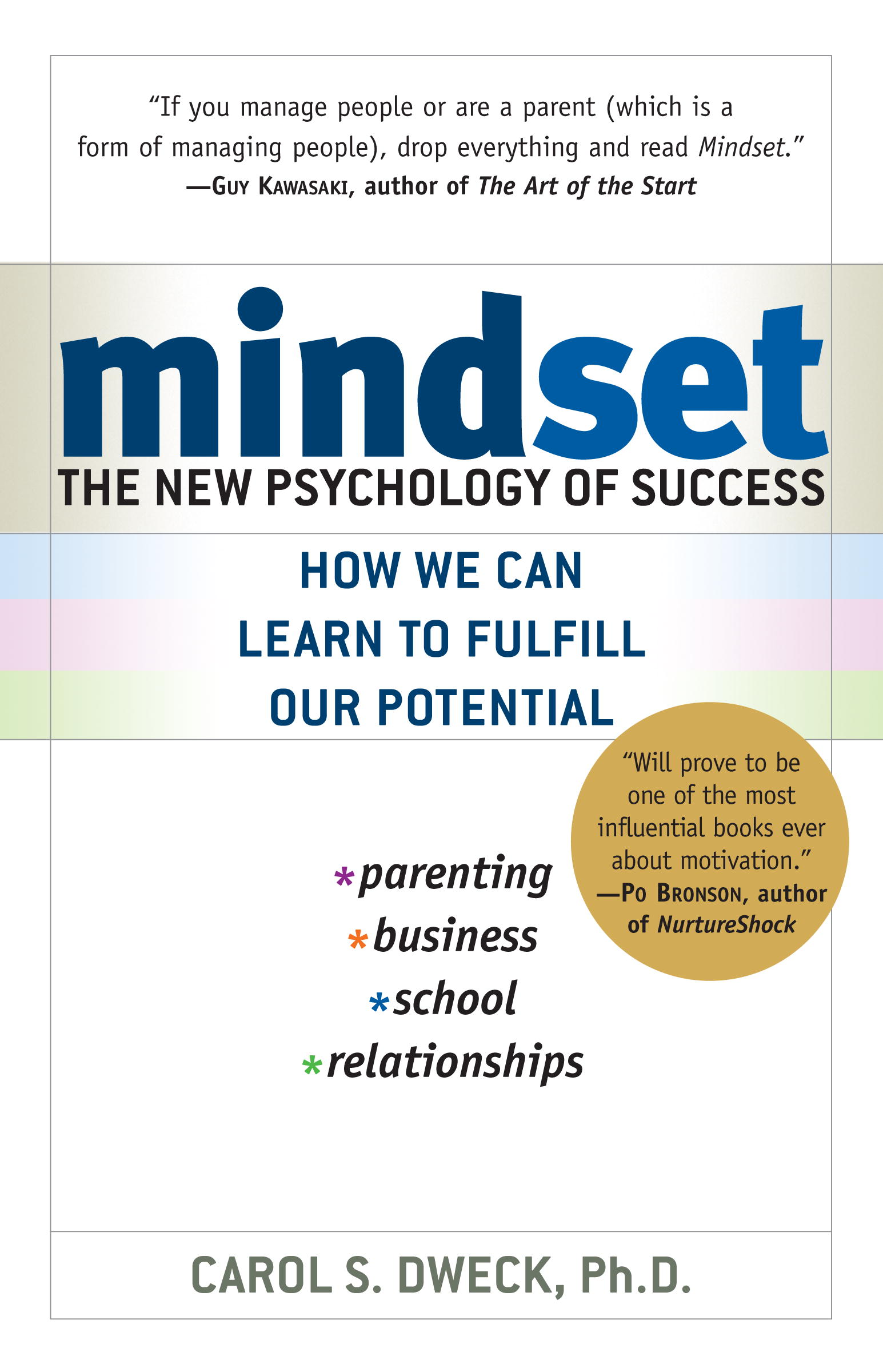
As the entire sports world has learned thru the work of Carol Dweck, feedback relayed to athletes in those drills must focus on the growth mindset and encourage kids to try harder variations of the drill even it if means they will make mistakes.


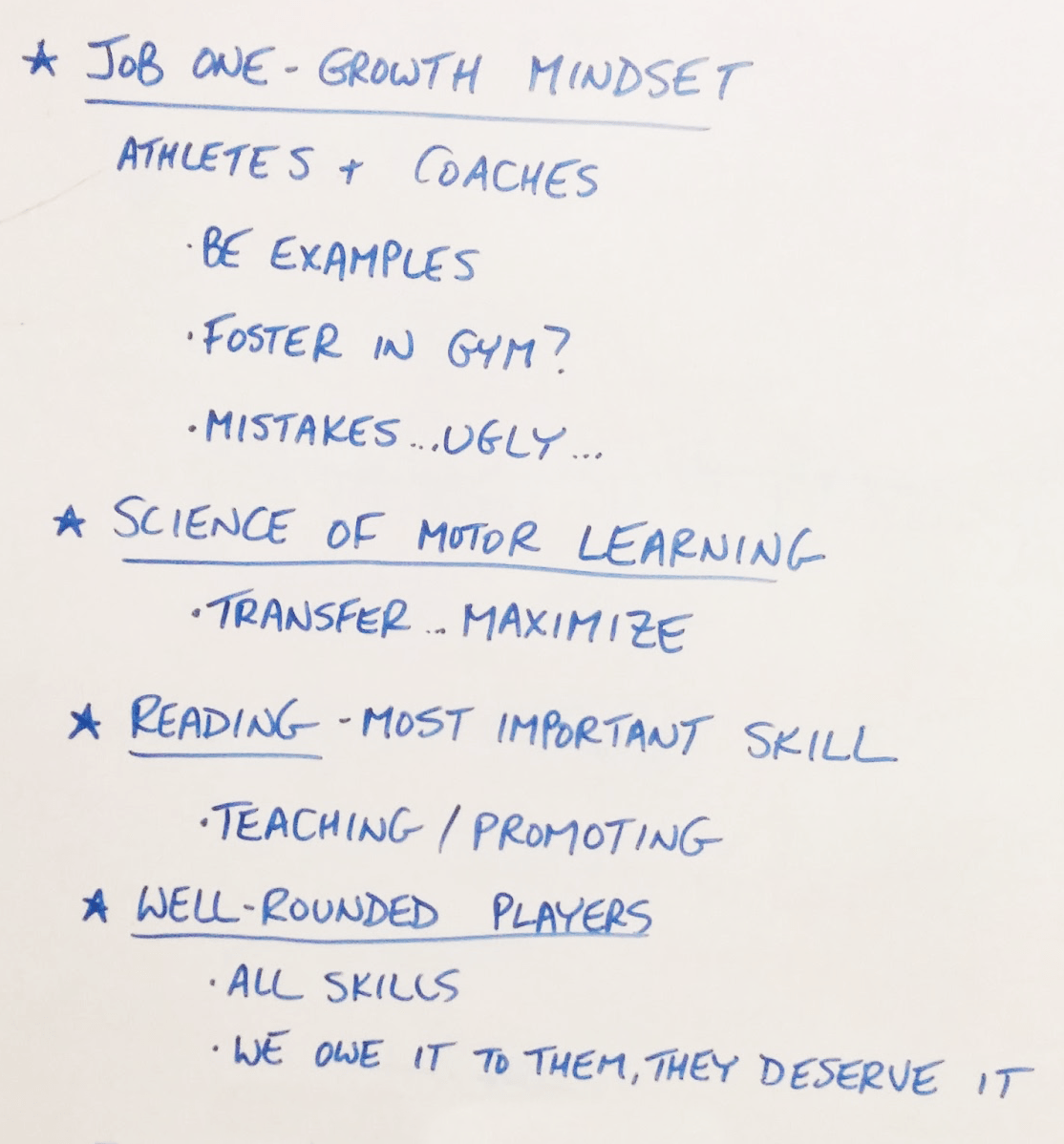
Yes … mistakes … the uglier the better which Karch Kiraly made infamous on his whiteboard for the US National Women’s Volleyball team that he guided to their first EVER international championship and a bronze medal in the 2016 Summer Olympics after reading and implementing the growth mindset with the team.


The only way that kids will develop their skills and creativity is if their practice environment mirrors more what it was like for Gen X whose sports development relayed more on unstructured free play and the opportunity to take risks and learn from them with no adults telling them what to do, how to do it, and criticizing their mistakes.

This criticism is also coming from parents either at home or the ride to/from the facility and even their team mates if coaches do not have a code of conduct to respect their teammates or the late great John Wooden 3rd rule “Never criticize your teammates”

#4 – The Research

One of the top 10 MUST Read books that we recommend to everyone is David Epstein’s book “The Sports Gene” that debunked the 10,000 hour rule and also highlights the benefits of multi-sport participation vs. the pitfalls of early sports specialization with data.  Another that I know will be a top recommendation will be his upcoming book Range highlighting how generalization, not specialization, is the optimal pathway to become the best athlete a person can be.


In 2014 a study was done at Princeton University by Brooke Macnamara that looked at the amount of deliberate practice accumulated over time only had a limited impact in high performance or skill acquisition across various domains including music, games, sports, professions, and education.

The highest impact was found on strategic games like Scrabble and Chess, where chances of becoming a grandmaster have a direct correlation on the amount of practice one gets before a certain age and study showed 18% was attributed to deliberate practice.

The second was Music – Violin, and piano @ 21%

The third was Sports – where deliberate practice accounted for 18% of what was required to reach the highest level.

Why?

Because you can practice perfectly until you are blue in face for YEARS but in addition to practice … DNA plays a role … I have seen it firsthand as a parent, both my kids (who have now aged out of youth sports) inherited my wife’s gene for size (she is 5’1  and I am 6’2”) and although both appeared to inherit my multi-sport athletic gene, were unable to advance to higher levels (junior, collegiate) as were told over and over again they were too small.

Kids also need to have the right eating, sleeping habits to provide the nutrition balance for carbs vs. proteins and associated vitamins, rest and recovery to avoid injuries.  Many kids today are also addicted to screens, as I shared in a prior post, Why Kids Play Video Games, eSports has evolved to a Billion Dollar industry thanks to games becoming more and more addictive in their nature.

As a result of specialization accelerating travel ball and chasing AAA teams that travel across the country or to other countries where kids play multiple “prospect” tournaments annually they also need parents that either (a) have the financial resources to support the costs or (b) are going deeper and deeper into debt trying to keep up with the jones to do so.

Kids also need to have GREAT coaches, parents, teachers to help them get the great grades (if aspire for NCAA must also do well in school to be a student-athlete) as well as support from others in their network (neighbors, friends other family members)

It takes a village to raise a child.

 #5 – Because Malcolm Gladwell acknowledged the very rule he is infamous for was false.

It takes courage to own up to when one made a mistake and I applaud Malcolm (fellow Canadian) for doing so, at the time he wrote the book he based his analysis on what was available at the time, but since that point there has been so much evidence brought forth, not just yours truly opinion well before Outliers became a National Best Seller.

In an interview he recently had with David Epstein for MIT’s Sports Analytics conference, he shares how he and David became friends due to the fact David challenged the rule 5 years ago with his research and expertise in terms of the optimal pathway to reach the top level in sport was developing physical literacy by sampling as many sports and physical activities as possible.

Below is the entire interview he did with David, go to 54 minute mark to hear when he admits the 10,000 hour rule was false when it comes to early specialization.

If you have gotten this point in the blog hopefully, like Malcolm, your opinion has swayed and if you truly aspire for your players, son or daughter to become the best they can be, in lieu of having them work a sport by specializing as early as 7 years old, support them to sample as many sports and other activities (drama, art, science, theatre, music, languages) as possible and have a normal childhood so they can find what they truly will be passionate in doing later in life.

Ask yourself – what is your calling?

Do you know? If so when did you figure it out? Your 20’s – 30’s – 40’s later or still figuring it out?

How then as an adult can we be vulnerable to other adults who are “recommending” to us as coaches or parents for our son or daughter to have them specialize at an early age which will potentially deprive them of finding their true calling later in life.

Too many kids are quitting youth sports before high school or were deselected that potentially could have been late bloomers or played other sports early on only to find the one they became passionate about later on and the list is endless of athletes I could share that did reach NCAA or professional level as they did not burn out, developed all core motor skills or suffered potential career-ending injuries way too early.

Our calling as youth sports coaches is not to make a living (especially as majority are volunteers), or huge profits those that are advocating early sport specialization, but to make a difference by developing youth into adults.

Let’s all work together to bring the game back to the kids …. where it belongs


Don`t be a kids last coach


Youth Sports Organizations that are bucking the trends

Posted 1 CommentPosted in Athlete, Coach, Early Sport Specialization, Organization Executive, Uncategorized

Many sports organizations are still suffering high rates of attrition where 70% of kids are quitting youth sports by the age of 13 due to the myriad of reasons that we have shared in blogs, presentations, social media and daily interactions with exec, coaches, parents, officials, and players themselves.

It is due largely in part to the professionalism of youth sports and focus on winning at all costs which it turn has led to parental behavior, coach criticism or running short benches, the commitment (time, financial and travel), ride home (and to), harassment and not being safe for kids to fail.

Translation – Kids are quitting in droves because youth sports are no longer fun for them to PLAY.

Last week we posted “Why kids play Video Games” as they are one of the key competitors vying for kids time today where kids are running to screens spending on average 7.5 hours a day so have replaced their former active playing time with inactive screen time.

It seems like literally every day that I open a paper, scroll thru various social media feeds or we follow that there are so many negative posts it is really hard to be positive (Half Full) vs. negative (half empty) outlook.

This only leads to complaining more about the issues in lieu of being part of the solution and doing something about it.

We have been extremely fortunate as an organization to partner with some amazing counterparts across the world who are advocating for the much needed change we need in youth sports and what gets lost in all the negativity we see daily are some of the AMAZING people and organizations that are bucking the trends and reversing their attrition rates by creating an amazing customer and quality sports experience.

This is our focus when working with organizations, to develop programs so they can attract, retain and ultimately grow their memberships.

This week we wanted to share some of those that we feel deserve Kudos for moving the needle in the right direction.

Others we are working with or come access will share in our posts, social media and digital mediums (podcasts, videos) as they deserve to be highlighted for one, but they also provide examples that if all stakeholders within organizations buy-in to the main reason we all are involved in youth sports is to focus on providing the best experience possible so the kids LOVE the game more at the end of a season than they did at the beginning.

These are three of the ones we have had an opportunity to connect with various coaches, parents, board members who have shared how they are moving the needle in the right direction.


I could not write anything about sports organizations that are setting the bar for long term athletic development and reversing their attrition rates if did not reference the one that has been the reference by many in the sports space for several years now.

In the fall I had the great pleasure to talk to Bob Mancini, Regional ADM Manager for USA Hockey and he shared with me insight on the roll-out of their ADM model which has been a 20-year work in progress.

From 2002-2012 they worked on creating the framework for the model along with representatives of their state, regional and city hockey organizations.

This included evaluation of various LTAD models adapted by other countries that was created by Sport for Life in Canada in the 1990’s and tweaked the American Development Model (ADM) to work best for their membership to include;

  1. Age Appropriate Training
  2. Quality Age Appropriate Coaching Development
  3. Small Area Games
  4. Cross-Ice Hockey
  5. Smaller equipment, nets, adaptable pads, lighter pucks
  6. Mobile Ap for practice planning
  7. Resources for practice planning by age groups and positions
  8. Promoting Multi-Sport Participation
  9. Equal Playing Time for all players U12

In 2009 USA Hockey rolled out the ADM model and although it was seen with original resistance similar to when Hockey Canada Mandated Cross-Ice Hockey, delaying body checking until Bantam in the competitive stream, removing from all recreational levels, according to Bob when I talked to him he shared that after a few years and doing the Analytics showing the benefits they got buy-in from the entire membership.

One of the hats that I wear for BC Hockey is Regional Evaluation Lead and I am responsible for getting coaches in parts of the lower mainland of Vancouver as well as all of Washington State evaluated running practices to complete their Dev 1 Certification requirements for coaches in the competitive stream.  I also interact with many of them in clinics and when they are prompted about long term player development, physical literacy, fundamental movement skills many of their hands go up as they are about 5 years ahead of when Hockey Canada rolled out their Long Term Player Development model.

Like many other sports worldwide, USA Hockey was experiencing high rates of attrition during the roll-out of ADM, losing 60% of players by peewee (by age of 12)

Three things that they did to reverse the trends

  1. Continued to focus on ADM and age-appropriate coaching development
  2. Focused on FUN
  3. Eliminated their National U12 Championships

It was #3 that Bob shared had the biggest impact as organizations that vied to get teams in their national championships could back off from the former winning at all costs focus (one of reasons why kids quit) and focus on long term development and loving the game.

Their attrition rate reduced to only 8% as a result, retaining 92% of their players at the peewee age group.

For more insight on the USA Hockey ADM Model and other resources, here is a link to their website  www.admkids.com


Another sports organization, TopSports based in Toronto, Ontario, that I had an opportunity to talk to one of the founders, Luke Earl, as he and a few colleagues came together to found a sports organization as were unhappy with current offerings for their young kids.

Luke and all of the other team members are former multi-sports athletes themselves, some playing professionally after their collegiate playing days for tops schools like Yale, Harvard, Ryerson, Loyola and Brock Universities.

They also are going to be one of the first early adopters of the Personal Sport record for all of their programs so they can provide both qualitative AND quantitative measurements to their athletes and their families.


What gets measures – Matters.

What are they doing differently?

#1 Focusing on multi-sport participation – kids play hockey in the winter and hang up their skates at the end of the winter season – No Spring Hockey – No Summer Hockey – No Spring or Summer Development.

In lieu -Playing Lacrosse in the Spring and are working on a Soccer and Baseball arm as well to give kids an opportunity to play other sport

#2 Focusing on LTAD (Long Term Athletic Development)

#3 Having NCCP Certified Coaches for all sports (vs. many private non-sanctions sports organizations where they bring in former players to “coach”, many of which with no or limited coaching experience and no certification

#4 Fees that are 1/3 or less that of other similar sports organizations

#5 Focus on FUN, Life Skills and love for the game

For more information on their organization check out their website www.topsports.ca


I came across representatives of More Sports, a community multiple sport model based in Vancouver, BC in various hubs of Vancouver while I was attending UBC’s Career Fair as potential employer (we sponsor co-op students who do all the AMAZING work behind the scenes so you can read these blogs, listen to podcasts and watch videos, digital events etc.)

They shared with me that they were founded to provide neighborhood-based sports programs for children and leadership courses for their young leaders.  It started when a father took his kids to a local park in east Vancouver in 1998 and was told they could not play on a soccer field without a permit.

They only way they could play soccer would be signing up for the local club with reg fees (at the time of $125) which was more than the family could afford.

Fast forward 20 years later, More Sports has supported thousands of kids playing multiple sports for fees as low as $40 for 12-week programs, and if kids can’t afford that, are subsidized by organizations like Jumpstart and the United Way.

The kids range in ages from 6 to 12 years of age and have an opportunity to sample several different sports including soccer, basketball, spikeball, volleyball, floor hockey, badminton, flag football,  and are looking at including ice hockey to the mix contingent on partnering with groups that can help subsidize.

The other benefit is that all of the “coaches” are not much older than the kids, they are High school age between 12-18 years old, who lead the kids in multiple sports activities and are provided with a youth leadership program who then will give back to the community.

In this day and age of play to play, travel teams leading to even further disparity of the haves vs. the have nots having the opportunity to participate in sports, it truly was refreshing to see a community-based sports organization that was providing great experiences to all those involved.

I hope to have the opportunity to visit their programs and share more insight in the future.

For more information, check out their website wwww.moresports.org

These are just 3 great examples of organizations that are bucking the trends from a national governing body to two community-based organizations who are providing quality sports experiences and unlike many other sports organizations the,y not only are attracting but retaining and GROWING year after year.

The needle can move if all stakeholders buy-in to move it.

Let’s all work together to bring the game back to the kids … where it belongs.
 

Don`t be a kids last coach


Why Youth Sports need to walk the walk, NOT talk the talk

Posted Leave a commentPosted in Athlete, Coach, Early Sport Specialization, Organization Executive, Parents

In the last few weeks, there have been so many examples of scandals that have to the forefront revolving around youth/collegiate sports it has led to me shaking my head in disbelief.

As I came across each article, video, a podcast I kept saying to myself, am I missing something, how can all these organizations think they would never be called out in today’s age of social media?

How can all those involved in leadership roles with sports organizations, universities think nothing about talking the talk, but are not walking the walk?

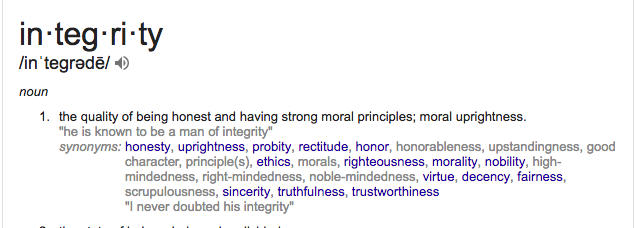
They thought nothing of sweeping issues under the rug in lieu of owning up to them and doing the right thing showing honesty and integrity were core values they not just wrote down in policies, best practices, KPI’s, mission statement but they adhered to them EVEN WHEN NO ONE WAS LOOKING, the true test of integrity.

As I was raised by my single parent mother and her mother with Scottish and Irish Heritage, the one thing that I learned from both was the importance of integrity, regardless if someone was watching, always do the right thing even when it may mean you have to deal with repercussions.

Perfect example, while still in Montreal was playing pickup baseball in the street and I got a hold of a pitch and broke a neighbors window.  I immediately went to them and apologized and offered to pay for the damages out of my allowance.  Some of my buddies said to me, what are you doing, run, decades later suspect they may not appreciate the value of integrity.

It is one of the very reasons why I love the game of golf, you play the ball where it is played, and the greatest amateur of all time, Bobby Jones, lost out on the 1925 US Open Major Championship as he called a penalty on himself as the ball moved when was lined up his club although no one else saw it.

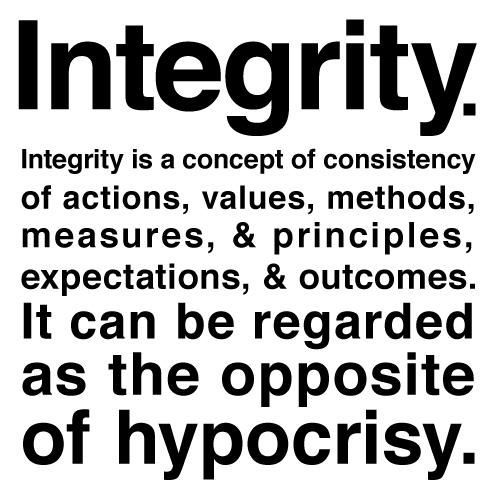
Below is the dictionary definition of Integrity:


Perhaps I am old school, but I still (naively) believe in the concept of a man’s word meaning just that, a man’s word.  Shaking a hand with someone and honouring that commitment.

Early on in my youth coaching tenure I had a 7 year old player tell me that “you did not honour your promise” when we ran out of time during a practice and not have a game to end it and to this day I tell all coaches, if you say something, you better deliver or the trust you have worked on developing with your players will be lost for the remainder of the season and then some.

Unfortunately, I wonder why every day why so many people today think nothing of not adhering to the very same values.

Some of the examples that come to the top of my mind why youth sports need to walk the walk, NOT just talk the talk:

#1 – Operation Varsity Blues:

A number of NCAA DIV I and Ivy league schools have had criminal charges filed by the FBI brought forth for bribes to coaches, administrators for acceptance into their programs from $200,000 to over $6.5 Million Dollars (USD) !  Check out this article for 30 Fast Facts about the college admission scandal

#2 – Sexual Abuse/Harassment:

All of the sexual abuse and harassment scandals that have come to light the last couple of years, in particular, USA Gymnastics who continued to try and hide evidence well after the allegations had come forward leading to the USOC to initiate removing their sanctions as a national governing body.

As a result of the CBC three-part series where 222 coaches were convicted of abusing over 600 victims, Kirsty Duncan, Federal Minister of Sport, the COC/CPC and others committed to not just talking the talk, but walking the walk by coming up with a harmonized code of conduct for all sports organizations that WILL hold them accountable to ensure that no other kids are victims of a system that requires a drastic shift in culture.

Hopefully, this leads to further action in terms of implementing a third party reporting and review organization that is totally impartial so athletes have can report instances of abuse without fear as was tabled by all those present I talked to at one of the Safe Sport Summits held in Vancouver earlier this week.


#3 – Minor Hockey Organizations Harassment

All the recent harassment and abuse allegations brought forth in recent news that they did their own internal investigations and either extended short suspensions or nothing at all as a result of their internal investigation.  Do they then wonder why they have seen such a huge decrease in their membership or just write it off as a bad year (after year, after year)?

#4 – Junior Hockey Clubs – Spring Camp Invites

One of my favorite examples of complete disregard for integrity and transparency.

Junior Hockey Clubs that are infamous for hosting Spring/Summer prospect camps, inviting 60 players, up to 30 goalies (yes one camp one my former goalies went to had 34 goalies vying for 2 spots) which many argue is a cash grab, not a real opportunity for the players invited to earn a spot on those teams.

As my son has been invited to so many camps over the years we both lost track, even now, after he aged out of Junior level I still get the odd invite as we ended up on “a List” of prospect players going back to when he played Bantam A1 at 14 years old.

Ironically even after he quit hockey we still receive invites and the reason why I recommend to any parents that go thru the same is to be selective which camps you go to and ideally confirm that someone at the team saw your child at a game, tournament before you accept the invitation so it is fact legitimate vs. mass mail out to fill the camps.

There is nothing more humorous then getting an email saying “Dear Prospect” from a Junior Team in Ontario or Eastern USA that is “guaranteeing a spot on the team” sight unseen.

There is also nothing more frustrating as a parent when you are sitting beside the coaches and scouting staff when they are supposed to be evaluating ALL the players in the first game at the camp and they are sitting in a bar, drinking, ordering meals, joking and then talking about their roster where they only have 2 spots to fill (of the 60 players invited to the camp)

Translation:  Junior teams lack integrity and merely host the camps to start building their bank account as camps can equate to approx. 15K of revenue of which only 1/3 goes to ice and practice jerseys players/goalies receive for attending.

#5 – Private Non-Sanctioned Sports Organizations

All the private sports organizations that are “selling” early sports specialization to vulnerable parents “guaranteeing” if they spend thousands of dollars for the son or daughter to specialize as early as 6-7 years old they will get an NCAA full ride scholarship or play professionally.

A perfect example is one of many private non-sanctioned hockey organizations that are popping up all over Canada that are recruiting 6-8-year-olds.

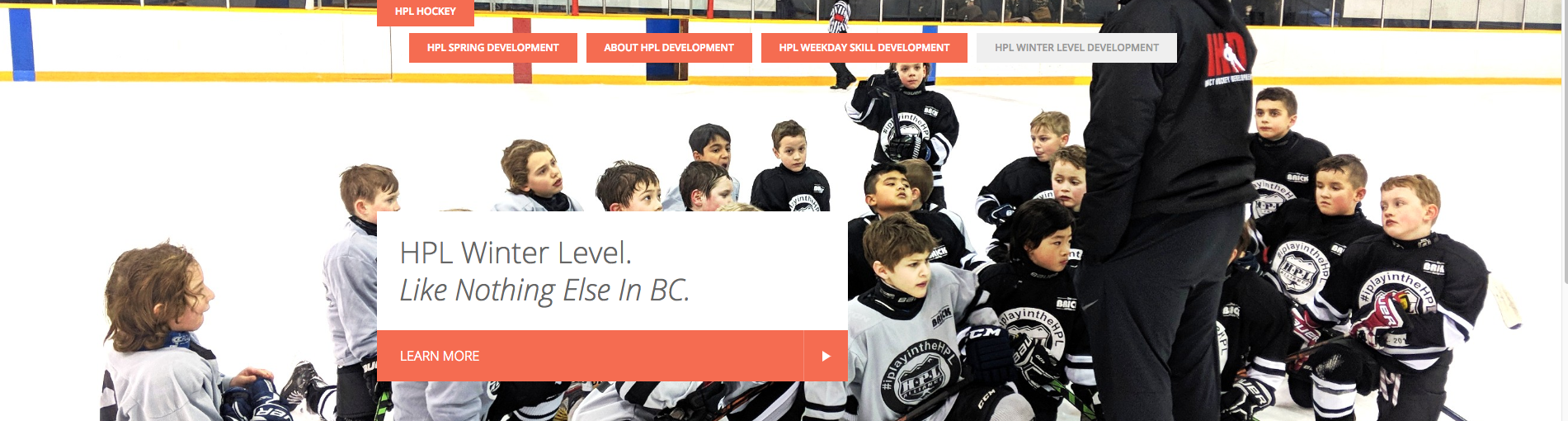
Below is screenshot from the most recent one that I was made aware of that started up in the Lower Mainland of Vancouver, HPL Hockey (for High-performance league) who are recruiting 6-8-year-old kids to participate in winter ice, games to prep them for spring hockey.

The very fact that all these kids had their picture taken on the ice WITHOUT helmets and suspect the non-certified coach also (if pic showed) goes against the Hockey Canada Safety requirements so that in itself should be a major red flag for parents.

Did every one of those parents sign a waiver so their kids could be pictured for the ENTIRE WORLD to see online?

When all the science/data shows that early specialization is NOT the right path to become the best athlete you can be, in lieu long term athletic development as it takes YEARS, every time I see another one of these pop up I shake my head.

It’s a SCAM, they are just in it for the money not having the best interests of the kids at heart and suspect majority in this picture will quit hockey by 13 as a result of “working” hockey vs. “playing” hockey seasonally.  If you truly believe the fact they are doing so for the kids, then I have some great swampland in Florida would be interested in talking to you about to give you a GREAT Deal.

There are so many other examples I can cite, but as I share with all stakeholders I work with, if sports organizations do not have integrity and honesty as the basis for their core values and not only talk the talk (policies, procedures, mission statements) but WALK THE WALK (full transparency, accountability, enforcement, discipline) their memberships will just continue to decline as a result.


Coaches at all sports organizations, the very catalysts for the change that we need to bring the game back to the kids also must follow suit, I can’t tell you how many parents or fellow coaches have shared with me that the coach stated in his initial parent/team meeting that they were going to focus on player development, be positive, fun and the first opportunity they have to show their true colours run short benches to win games at all costs, scream at kids or officials for making mistakes and so on.

Both Board members and coaches of sports organizations need to adhere to core values of integrity and honesty and be transparent and accountable not just talking the talk, but WALK THE WALK.

Let’s all work together to bring the game back to the kids … where it belongs.
 

PS Tagline - Dont be a kids last coach