
Many sports organizations are still suffering high rates of attrition where 70% of kids are quitting youth sports by the age of 13 due to the myriad of reasons that we have shared in blogs, presentations, social media and daily interactions with exec, coaches, parents, officials, and players themselves.
It is due largely in part to the professionalism of youth sports and focus on winning at all costs which it turn has led to parental behavior, coach criticism or running short benches, the commitment (time, financial and travel), ride home (and to), harassment and not being safe for kids to fail.
Translation – Kids are quitting in droves because youth sports are no longer fun for them to PLAY.
Last week we posted “Why kids play Video Games” as they are one of the key competitors vying for kids time today where kids are running to screens spending on average 7.5 hours a day so have replaced their former active playing time with inactive screen time.
It seems like literally every day that I open a paper, scroll thru various social media feeds or we follow that there are so many negative posts it is really hard to be positive (Half Full) vs. negative (half empty) outlook.
This only leads to complaining more about the issues in lieu of being part of the solution and doing something about it.
We have been extremely fortunate as an organization to partner with some amazing counterparts across the world who are advocating for the much needed change we need in youth sports and what gets lost in all the negativity we see daily are some of the AMAZING people and organizations that are bucking the trends and reversing their attrition rates by creating an amazing customer and quality sports experience.
This is our focus when working with organizations, to develop programs so they can attract, retain and ultimately grow their memberships.
This week we wanted to share some of those that we feel deserve Kudos for moving the needle in the right direction.
Others we are working with or come access will share in our posts, social media and digital mediums (podcasts, videos) as they deserve to be highlighted for one, but they also provide examples that if all stakeholders within organizations buy-in to the main reason we all are involved in youth sports is to focus on providing the best experience possible so the kids LOVE the game more at the end of a season than they did at the beginning.
These are three of the ones we have had an opportunity to connect with various coaches, parents, board members who have shared how they are moving the needle in the right direction.
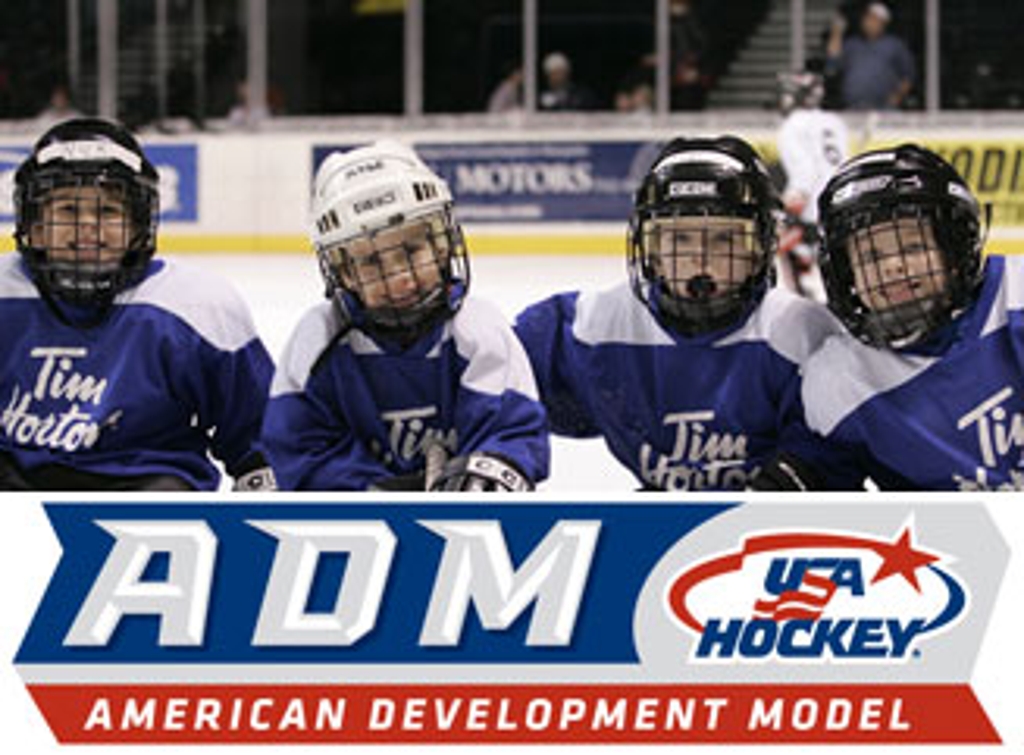

I could not write anything about sports organizations that are setting the bar for long term athletic development and reversing their attrition rates if did not reference the one that has been the reference by many in the sports space for several years now.
In the fall I had the great pleasure to talk to Bob Mancini, Regional ADM Manager for USA Hockey and he shared with me insight on the roll-out of their ADM model which has been a 20-year work in progress.
From 2002-2012 they worked on creating the framework for the model along with representatives of their state, regional and city hockey organizations.
This included evaluation of various LTAD models adapted by other countries that was created by Sport for Life in Canada in the 1990’s and tweaked the American Development Model (ADM) to work best for their membership to include;
- Age Appropriate Training
- Quality Age Appropriate Coaching Development
- Small Area Games
- Cross-Ice Hockey
- Smaller equipment, nets, adaptable pads, lighter pucks
- Mobile Ap for practice planning
- Resources for practice planning by age groups and positions
- Promoting Multi-Sport Participation
- Equal Playing Time for all players U12
In 2009 USA Hockey rolled out the ADM model and although it was seen with original resistance similar to when Hockey Canada Mandated Cross-Ice Hockey, delaying body checking until Bantam in the competitive stream, removing from all recreational levels, according to Bob when I talked to him he shared that after a few years and doing the Analytics showing the benefits they got buy-in from the entire membership.
One of the hats that I wear for BC Hockey is Regional Evaluation Lead and I am responsible for getting coaches in parts of the lower mainland of Vancouver as well as all of Washington State evaluated running practices to complete their Dev 1 Certification requirements for coaches in the competitive stream. I also interact with many of them in clinics and when they are prompted about long term player development, physical literacy, fundamental movement skills many of their hands go up as they are about 5 years ahead of when Hockey Canada rolled out their Long Term Player Development model.
Like many other sports worldwide, USA Hockey was experiencing high rates of attrition during the roll-out of ADM, losing 60% of players by peewee (by age of 12)
Three things that they did to reverse the trends
- Continued to focus on ADM and age-appropriate coaching development
- Focused on FUN
- Eliminated their National U12 Championships
It was #3 that Bob shared had the biggest impact as organizations that vied to get teams in their national championships could back off from the former winning at all costs focus (one of reasons why kids quit) and focus on long term development and loving the game.
Their attrition rate reduced to only 8% as a result, retaining 92% of their players at the peewee age group.
For more insight on the USA Hockey ADM Model and other resources, here is a link to their website www.admkids.com

Another sports organization, TopSports based in Toronto, Ontario, that I had an opportunity to talk to one of the founders, Luke Earl, as he and a few colleagues came together to found a sports organization as were unhappy with current offerings for their young kids.
Luke and all of the other team members are former multi-sports athletes themselves, some playing professionally after their collegiate playing days for tops schools like Yale, Harvard, Ryerson, Loyola and Brock Universities.
They also are going to be one of the first early adopters of the Personal Sport record for all of their programs so they can provide both qualitative AND quantitative measurements to their athletes and their families.
What gets measures – Matters.
What are they doing differently?
#1 Focusing on multi-sport participation – kids play hockey in the winter and hang up their skates at the end of the winter season – No Spring Hockey – No Summer Hockey – No Spring or Summer Development.
In lieu -Playing Lacrosse in the Spring and are working on a Soccer and Baseball arm as well to give kids an opportunity to play other sport
#2 Focusing on LTAD (Long Term Athletic Development)
#3 Having NCCP Certified Coaches for all sports (vs. many private non-sanctions sports organizations where they bring in former players to “coach”, many of which with no or limited coaching experience and no certification
#4 Fees that are 1/3 or less that of other similar sports organizations
#5 Focus on FUN, Life Skills and love for the game
For more information on their organization check out their website www.topsports.ca

I came across representatives of More Sports, a community multiple sport model based in Vancouver, BC in various hubs of Vancouver while I was attending UBC’s Career Fair as potential employer (we sponsor co-op students who do all the AMAZING work behind the scenes so you can read these blogs, listen to podcasts and watch videos, digital events etc.)
They shared with me that they were founded to provide neighborhood-based sports programs for children and leadership courses for their young leaders. It started when a father took his kids to a local park in east Vancouver in 1998 and was told they could not play on a soccer field without a permit.
They only way they could play soccer would be signing up for the local club with reg fees (at the time of $125) which was more than the family could afford.
Fast forward 20 years later, More Sports has supported thousands of kids playing multiple sports for fees as low as $40 for 12-week programs, and if kids can’t afford that, are subsidized by organizations like Jumpstart and the United Way.
The kids range in ages from 6 to 12 years of age and have an opportunity to sample several different sports including soccer, basketball, spikeball, volleyball, floor hockey, badminton, flag football, and are looking at including ice hockey to the mix contingent on partnering with groups that can help subsidize.
The other benefit is that all of the “coaches” are not much older than the kids, they are High school age between 12-18 years old, who lead the kids in multiple sports activities and are provided with a youth leadership program who then will give back to the community.
In this day and age of play to play, travel teams leading to even further disparity of the haves vs. the have nots having the opportunity to participate in sports, it truly was refreshing to see a community-based sports organization that was providing great experiences to all those involved.
I hope to have the opportunity to visit their programs and share more insight in the future.
For more information, check out their website wwww.moresports.org
These are just 3 great examples of organizations that are bucking the trends from a national governing body to two community-based organizations who are providing quality sports experiences and unlike many other sports organizations the,y not only are attracting but retaining and GROWING year after year.
The needle can move if all stakeholders buy-in to move it.
Let’s all work together to bring the game back to the kids … where it belongs.

One thought on “Youth Sports Organizations that are bucking the trends”