
THANK YOU!

Posted Posted in Athlete, Coach, Early Sport Specialization, Organization Executive, Parents

Our 4th Youth Sports Digital Summit ran this past weekend and I am writing this at the halfway point and must confess I am truly humbled from all the feedback, comments, shares and overall numbers that visited our site, signed up and watched one or more session.

I plan to do a Facebook live version of this prior to scheduling out our newsletter but I know I will miss someone so I felt best to share in a blog as well.

As the youth sports community is in limbo as the world continues to practice physical distancing, what amazed me the most the weeks going into the summit was the fact that so many amazing organizations and sports leaders reached out either directly or by sharing out via their social media platforms to make it our best Summit to date.

It was when we were having our weekly 2-4-1 Sports Zoom call and Steve Boyle said he would jump on Facebook live with myself and team member Geoff Lenahan was a wow moment for me.

Then I spent the better part of Thursday afternoon, less than 12 hours before the summit was going “live” to figure out how we could do a joint Facebook Live Call and thanks to my best friends Google and Youtube we were able to figure it out.  After a hour of testing with our co-op students we ready to do so at 9AM Friday morning on day 1, Steve and I went “live” (albeit not without glitches as the first time).

The number of people reached, engagements and views of our first and second Facebook live posts was tenfold what we normally see on our social media.
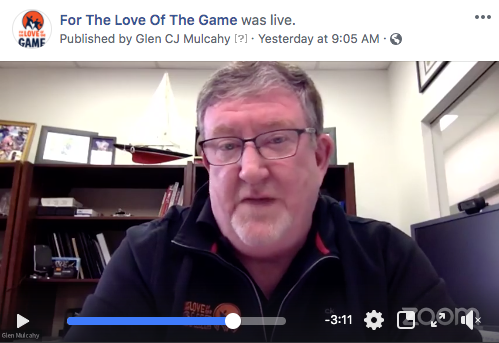
 

I would be remiss if my first thank you was not for Steve and Geoff for jumping on the Facebook live this weekend, THANKS GUYS!

I also want to take the opportunity to thank all of the amazing speakers who shared their insight for this and all of our past summits going back to Summer 2018.  Each time a speaker accepts our invitation or reaches out to me directly to participate I am truly humbled they do so.

Thanks to all of our team members, Geoff, John, current Adriel, and Isabel and all prior co-op students who have put in the work to make the digital summits, podcasts and other digital resources we have built available in the last couple of years.

Thanks to the Federal and Provincial Grant Programs to provide funding to us as a small not for profit organization so we can sponsor students to provide them valuable work experience and help us continue to grow as an organization.

Just like it is when I have attended conferences either as a speaker or as attendee I know that it will take a few weeks to reflect on this weekend and the last few weeks that lead up to what was our 4th Digital Summit.
 

Kudos to every single person who visited our site, signed up for the summits, and watched one or more of the interviews to add to their tool basket and hone their crafts during this time of hiatus.  Special thanks to all of you that signed up for monthly or yearly membership passes to help us continue providing all grassroots sports stakeholders resources, especially now, when everyone is tightening their wallets due to the impact COVID-19 has had on so many industries, not just sports.

Ironically, the platform that we have been utilizing for over 3 years is one that is being ok … in December they had 10 million users, 4 months later, Zoom has over 200 Million users like schools, workplaces are shifting to digital vs. face to face meetings.

Thanks for everything that you do in the youth sports space, whether it as a coach, parent, official, volunteer board member volunteering for why we all do this, the kids.

The very same kids that are cooped up at home during this hiatus and when health authorities do ease up on physical distancing restrictions permitting kids to return to play at parks, fields beaches or organized sports the big unknown is what is that going to look like post-COVID-19.



I know after coaching for over 25 years how it can be a thankless gig in a sense and those of you that understand the importance of lifelong learning and are doing so to get ready for the time we can return to play …. THANK YOU!!!!

To all of our allies across the globe, thanks for locking arms with us in recent years so we can all work together to bring the game back to the kids … where it belongs.

Last, but not least, I would be totally remiss if I did not thank my amazing family, my wife Melissa for 25 years, daughter Erin and Son Liam for their unwavering support to permit me to do what I am truly passionate about, Kids and Sports.

Just like it is when I have attended conferences either as a speaker or as an attendee I know that it will take a few weeks to reflect on the last few days and weeks that lead up to our 4th Digital Summit.

With the uncertainty of when youth sports programming will ramp up again, I to add a live webinar (or some facsimile thereof) in the coming weeks to augment our podcast and building other digital resources.

In the event I forgot anyone, I apologize for doing so, I will ensure that I amend this blog and update if so as all of those that have supported me I want you to know

I am truly humbled and gracious for your support.

 

#WeApplaud #OnApplaudit

Please say thank you to all medical and front line workers you know for their selfless dedication to fight this fight.

We are all in this together.

Be Safe.


The Ultimate “Multi” Sport

Posted Leave a commentPosted in Uncategorized

BONUS – Download a Free Copy of this Blog in PDF Format HERE  

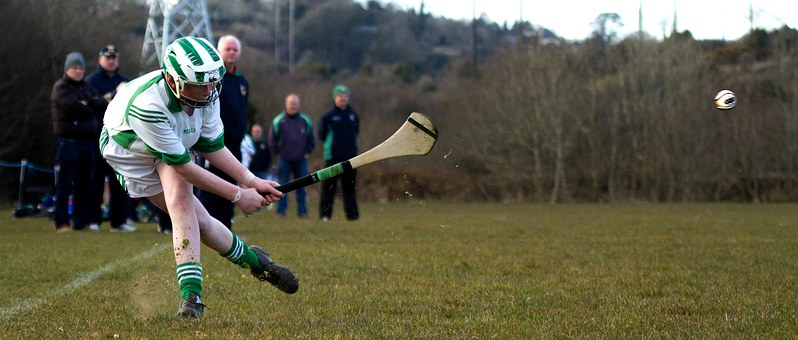
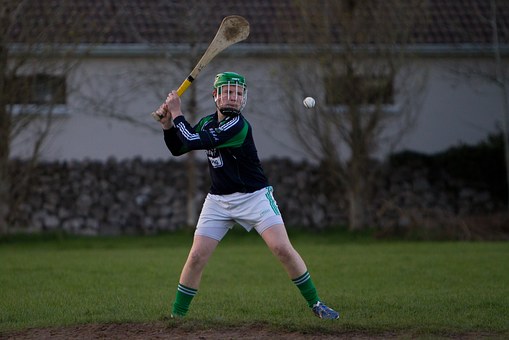
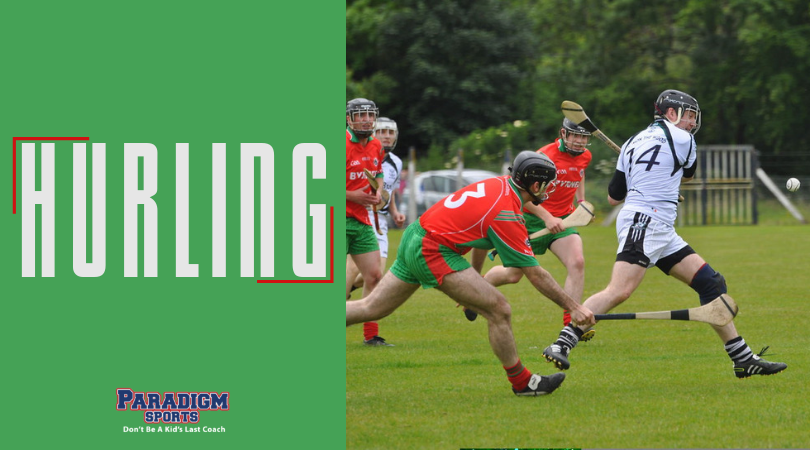
Hurling is a Gaelic sport originating in Ireland that has been played for over 2000 years. I didn’t recognize the sport which was surprising to me as I am second generation Irish Canadian (my grandfather was born in Ireland).

Hurling goes back to origin of Julian’s Calendar before the current Gregorian Calendar we use globally. Sports history of Hockey, Baseball, Basketball, and American Football origins only go back to the  late 1800’s.

Here is a short video to help you better understand Hurling, which is referred to as “The Fastest game on Grass”


The most intriguing part of Hurling is that is combines various sports skill sets. Skills required for baseball, football, rugby, soccer, lacrosse and even field hockey are all part of the game. Early specialization is becoming more and more popular in our modern society. The kids involved with Hurling in Ireland can develop a broad range of skills due to the requirements of the game. Kids in North America are only able to learn the various skill sets if they are enrolled in multiple sports. The kids that specialize in a sport too early in their life wouldn’t be able to play Hurling because of the wide variety of skills it requires.

Hurling is the ultimate example of the benefits of a versatile skill set. These athletes have all the motor skills for almost every sport that evolved from Hurling.
To be an elite Hurler, one has to be proficient in many motor skills;

  1. Hand-Eye Coordination: The ability to hit a ball with a baseball swing. The hurler uses a cricket shaped stick as a “bat”, which they called the Hurley,


  1. Cardio: It is comparable to soccer on a larger playing field with 15 players on each team. Hurling players run countless miles across a huge field for 60-70 minutes with only a short intermission for water at the half,


  1. Strength and Endurance: To be able to “hit” the “ball” over 150 kilometers a hour (93 MPH) and over 110m (100 yards) in distance,


  1. Balance and agility: Ability to “carry” the “ball” (called a sliotar) while running at full speed, meanwhile trying to avoid being tackled. Unlike our rules in North America they can use arm tackles that have been banned in American and Canadian Football. These tackles are subject only to a yellow card (if called) due to the potential for serious neck injuries. Imagine that you were doing the egg carry on a spoon during your school sports day with all your students rushing at you. They would be coming at you in all directions to knock the egg off the spoon. Using methods such as slashing, pushing and wrapping their arms around you in many ways is how a hurler feels when they have the ball. I suspect that egg would have dropped before you came anywhere near the finish line.


  1. Ability to shoot: Ability to hit the ball from longer distances to score (3 points in the goal like Soccer, Hockey, 1 point in the uprights like Rugby)***


Compare this to other sports:

  • Hockey – the Hardest Slapshot is just over 100 Mph


  • Baseball – the hardest pitch is just under 100 Mph


  • Soccer – the hardest kick is also just over 100 Mph


The players do all this wearing no plastic protective gear, a jersey, shorts, socks and cleats like those I used in Rugby. The only protective gear was an optional helmet similar to what is used in field lacrosse. In 2010 helmets became mandatory for all players. However, like hockey there were some players who were grandfathered into the sport who continued to play without them to the end of their career. Many of the goalies I saw in various video segments wore no helmet, just a small hat that resembled that of a baseball cap. Jaques Plante introduced the first goalie helmet four decades ago as a result of injury he sustained from a puck to his face. Before that, like the players, goalies wore no helmets for protection. Imagine you were in goal 15 feet from a Hurler shooting a ball similar in speed to a baseball, which can be up to 93 MPH with NO PROTECTIVE GEAR.


Look at Football and Ice Hockey and the level of protective equipment they now wear vs. decades back. The reason I loved rugby so much is I could run faster without all the protective equipment, nor did I suffer injuries due to equipment used in Football. Rugby is a Hooligans game but it is played by Gentlemen.

The helmet is being used as a lethal weapon, kids are entering tackles head first and are sustaining more head injuries. When I played rugby I never had a player target my head or back with a helmet. This unsafe practice is leading to more concussions and brain injuries in young athletes today.
Kids start learning hurling as early as four years old. Through small stations and games, they can develop their skills. In their teens, they transition into full field games learning to play on a field approximately 20-35% larger than all other grass team sports.

Compare that to other field sports:

  • Canadian Football 110 yards long by 55 yards wide


  • US football fields 100 yards x 50 yards


  • Soccer fields optimal by FIFA are 110-120 yards (100-110 m) long by 70-80 yards (64 – 73 m) wide


  • Field lacrosse 100m (110 yards) long by 55 m (60 yards wide).

CNN listed hurling as second of 10 sports events you need to see live, second only to the olympics but ahead of the FIFA World Cup and UEFA Euro Cup. Hurling is played in various countries, but in Ireland it is a fixture of life. Some players even carry their Hurley around with them, except for church on Sundays.

Men’s teams have sponsors, media coverage, gate and concession receipts from stadiums seating more than 80,000 people. The merchandising and various revenue streams is in the Millions of dollars each year.

What intrigued me the most was the fact that all the players are amateur. Meaning that they do not get paid, although sponsorship and media coverage would permit them to play professionally.
They all have jobs in various industries, but practice and play like they did in their youth for the love of the game.
Instead of paying the players, the profits from the various revenue streams goes back to the sport. In Ireland, they take pride in building and maintaining the training fields. Young athletes can practice with the best training facilities for a chance to represent their respective counties and battle for a National Championship

Opposite to the free agent culture that we have in professional sports, hurlers represent their own countries. We are seeing it everywhere, even BC minor hockey is considering allowing rep players to play for other associations. This would hurt the smaller associations who don’t attract the elite players. Any association, big or small, can have an excellent program, but they must have the culture of excellence to do so.


The New Zealand All Blacks are the most successful sports team ever. They come from a country of only 4 Million but play against countries that are much larger. The most successful county in the National Championship is Kilkenny, winning 11 of the last 15 national Hurling Championships. Like the All Blacks, their top player Henry Shefflin has been on 10 of those teams and states he would not have changed playing as an amateur for the world. When you are getting paid it changes the mentality of why you play. He also stated the reason for his Kilkenny team’s success was the tradition and culture of expecting to win. They have dominated hurling for the past two decades and continue to do so.
It is refreshing to see a sport that promotes all the aspects of sport. It allows young athletes to focus on the community and giving back to the youth for the tradition of the game. The mighty dollar, which drives sport as we know it is taken out of the equation and the athletes can focus on what matters.

It also is refreshing for me with Irish Heritage to have bragging rights that our culture is not just about Kilkenny Beer. Kilkenny’s National Champion Hurling Team and the supporting infrastructure creates an opportunity for youth to develop their skills in a true amateur sport. It makes me wish I had found out about Hurling when I was experimenting with all my youth sports. To have the chance to play a sport that incorporated all the various motor skills I learned would have been awesome.

Hurling is the Ultimate “Multi” Sport, I suspect it will continue to be part of Ireland’s culture for centuries to come.

Don`t be a kids last coach

Lack of Fair Play – The Other Reasons Why Kids Quit Sports

Posted 2 CommentsPosted in Coach

Lack of Fair Play –  The Other Reasons Why Kids Quit Sports


Playing just your starting lineup isn’t only hurting your kids, but your team as a whole!

Part II


Glen Mulcahy

May 18, 2017

BONUS – Download a Free Copy of this Blog in PDF Format HERE  

This blog post is a continuation of last week’s Part I post Poor Sportsmanship – The Other Reasons Why Kids Are Quitting Sports


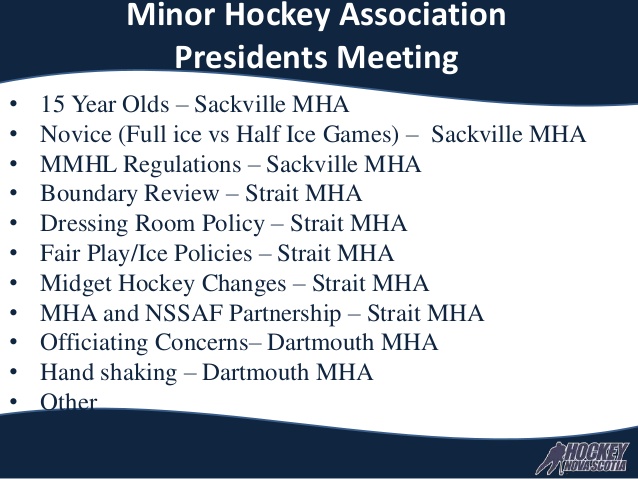
When I first began researching fair ice policies a few years back, there were only a couple that came up when I used my good friend Google. One I found was Hockey Nova Scotia which had fair play in addition to their policies for all levels including house, female and even competitive rep.


Nova Scotia Hockey AGM Agenda


Above is an image from last year’s Hockey Nova Scotia AGM. If you happen to follow the NHL at all, there are a couple of pretty good players that came from there. One happens to be the captain of the defending Stanley Cup Champions, Sidney Crosby; the other is Nathan McKinnon who many feel is the fastest player in the NHL with the puck.

I just did the same search I did four years ago in 2013 and the good news is, there is change coming. Currently the entire first page of Google outlines the fair ice policies that various hockey and ringette associations have adapted. As far as I am concerned as a coach and educator, the sooner that all major Hockey and Ringette associations implement these policies the better.

One of the top 5 reasons why players quit any sport is due to the fact that coaches play their favorites more than they do other players. In doing so, they are sending the message to those that sit that they are not good enough. As my son so eloquently shared with me after he sat on the bench for the better part of a game for non-disciplined reasons as a result of coaches’ strategy backfiring on him, he was “deprived of the opportunity to contribute to the outcome of the game.”

90% of kids would rather play on a losing team – emphasis on the word “play” in all situations – than sit on a bench for a winning team.

The only reason why players should be sitting on the bench when it comes to their turn to get out on the court, field or ice is for discipline. This could be anything from not being penalized when they should’ve been, to using bad language, to demonstrating poor sportsmanship and more. Aside from behaviour correcting actions, coaches need to take on their inherent responsibility of developing ALL of the players they’ve chosen to be part of their club, and not to rely on who they feel are their top players.

When I reached out to Cory McNabb (senior manager of player development for Hockey Canada) if he agreed with the short bench tactics that coaches in minor hockey are using, his reply was simply “Nope, if you pick ’em, you play them.”

Translation – regardless if the team in question is a house (rec) or competitive (rep) level, coaches choose the players for their team whether through tryouts, evaluations or drafts. To rely on a few players who in their subjective view are the cream of the crop,  coaches are not investing in developing all their players; something that should unquestionably be a priority above a win in the short term.

Just for a second, think back to the last 5 or more Stanley Cup Championships where commentators and coaches alike are saying they need to have all 4 lines contributing in order to win the Cup. This principle is not one that remains at the elite of the elite level. It is relevant all the way back to when kids are just beginning to develop their athletic careers at six or seven years old.

This year during my experience coaching high school rugby, the athletic director shared with me that there is no fair play code in high school sports other than grade 8 (13 year olds). The remainder of coaches for teams grade 9 and up are both allowed and encouraged to only play their top players in every game.

I had to deal with this experience first hand with my developing Rugby team this past year, which struggled to get a full field (15 players) out to any game on a good day. One match that’s been unfortunately etched into mine and my players brains was against a highly competitive school who brought out almost 30 players. Before the first half was over the ref came to me and asked what I wanted to do as we were already down 48-0.  We spoke to the athletic director of the other team and asked if they could sub in their second line players and, unfortunately, it went on deaf ears… the head coach continued to run the score up as he was focused on winning the provincials.

This I know now is the reason my son was deeply discouraged about playing different sports. A couple years ago he quit playing hockey, in large part to experience other sports and teams. When he signed up for grade 10 high school volleyball, just a few practices in, he was told point blank by the parent coach that he was only going to play his top players in games (one of whom was, of course, the coaches son).

Until the NSO/PSO/RSO and secondary school sporting bodies recognize that one of the top 5 reasons why kids are quitting any sport (just as in the case that ALA found in their survey) is because of a lack of fair play policies, attrition rates in youth sports are going to continue to grow!

Even if they implement fair play policies alone, I truly believe it will lessen that insanity in the stands which every parent knows all too well when it is time for their son or daughter to play. When the kids sit on the bench for non-disciplined reasons they get frustrated and after a season of it, it is no wonder why both player and parent opt to go down a different path (not that it is any greener on the other side of the fence).

It also will bring the love of the game back to the kids vs. the adults competing against each other through their kids.

Just because many kids may not have reached their potential at a young age doesn’t mean that they won’t be able to with future opportunities. If they are deprived of the chance to contribute it’s likely that they will quit.

Imagine if these “pretty good athletes” that went on to have insanely successful careers like Sydney Crosby and Nathan McKinnon were not given the opportunity to “play” early on in their development and were one of the 70% that quit by the age of 13 as a result.

Let’s work together to bring the game back to the Kids … where it belongs.


Glen Mulcahy


PS Tagline - Dont be a kids last coach

My Story – Part II – My Greatest Fan

Posted Posted in Parents, Uncategorized

My Story – Part II

My Greatest Fan
Glen Mulcahy February 29, 2017 – Revised May 9th, 2020 woman spectator clapping from sidelines

BONUS – Download a Free Copy of this Blog in PDF Format HERE  

  On Oct. 8th 2013 I lost my biggest fan, my mother, who lost her 2 year battle with Cancer, the last of many hurdles she had to overcome during the course of her life. I am the oldest of two boys, my brother is 4 years younger than I and we have many memories of my mother and how she dealt with adversity starting when I was 5 years old in Montreal.  She and my father had gone to a dinner party and upon their return, they had to swerve to avoid a car that crossed the centre lane on the way home.  Our babysitter took a call from the hospital saying they would not be coming home and she would have to stay with us overnight. The next day my father came home with my mother and explained that mom had been thrown from the car through the front windshield (seat belts were optional) and suffered a broken leg and whiplash. My father had a couple of broken ribs as a result of having to avoid the car and lost control colliding straight into a telephone pole.  Later that day when I was with my mom she asked me to get dad, and I recall it like it was yesterday.  She said, “Bobby … I can’t feel my legs.”  He immediately called an ambulance and they whisked her off to Montreal Neuro, where some of Canada’s elite neural specialists practiced.  It turned out that she did not have whiplash, but a broken neck and broke two of her spinal vertebrae. My mother was put in what I refer to as the Frankenstein machine, a full-body apparatus with screws into her skull and back to stabilize her neck and spinal column.  Multiple surgeries were to follow in order to repair and fuse the broken vertebrae in her neck and spine. My father was unable to take care of me and my brother due to work commitments so he arranged for me to go to my Nanny’s and my brother to go to his parents (Grandma and Grandpa). They would take us to see mom every couple of weeks but I was separated from my dad and brother for almost a year. While living with my Nanny, I signed up for hockey in Ottawa. When I did visit Mom she would always ask how hockey is and I would say I was having fun but missed her watching in the stands. She eventually was released from the hospital a year later and WALKED out refusing to sit in a wheelchair. My family was back together and my dad got a promotion to go to Baffin Island to run the power grid for the North West Territories. My father was known for a practical joke that he was infamous for was turning off the power on New Year’s Eve for the entire NWT. I played hockey there as well and my mom was back to her seat in the stands, cheering me and both teams on.  She was there for my Gordie Howe Hat Trick (goal, assist and a fight).  At 7 years old I got a penalty for fighting (more so wrestling) with one of the Eskimo players that were jawing me on the ice. Just as I had to defend myself in areas of French Quebec, a boy with carrot red hair was always a target amongst the Eskimo kids, After my hockey season, my family moved to Vancouver, where I continued to play hockey and baseball (another game my mom was always present for and cheered me on) and my father passed away tragically. My Nanny and Papa, came out to help and suggested we move back to Montreal, where our big family (I had 13 uncles and aunts between my mom and dad) could support us.  We moved back and I played hockey and baseball once again in Montreal.  My mom got a job in Toronto the following year so we transferred there and I made my first rep team in Peewee at 11 years old.  We had GREAT coaches and a great team. We won the Ontario provincials and qualified for the Quebec Peewee Tournament (not what it is now but was a great experience).  Once the season was over My mother then sat down with me and my brother as said it was time to go back to the house that Dad built. We moved back to Vancouver and I continued to play hockey, baseball, and also football. My brother was also very athletic and was playing hockey, football, and lacrosse.  When I was going into my second year of Bantam and my brother was second-year Atom, my mom sat down with us and confessed that the only way she was able to afford to pay for all the sports was the life insurance she received when our dad passed away and it had now run dry. Due to the accident that lead to her broken neck and also a bad accident she had when she first started driving, my mom was too nervous to drive and we relied on taxis to drive us to all our away games as my mother was very proud and did not want to ask parents or coaches to do so. We became friends with one driver in particular and he gave us all kinds of concessions, but it was still getting too costly (I always wondered how my mom was able to afford all the taxi rides). The end result, both my brother and I had to stop playing hockey as it was the most costly of the sports we played and had many more travel games than the other sports. I decided to focus on football and baseball that I could not only use the same cleats for (I improvised) but had significantly lower registration fees that covered everything else including equipment. I could also walk, run or bike to the field for practices and home games. Away Games our mother conceded to let parents or the great coaches drive until I was able to drive on my own. As a result, I never did suffer the level of criticism that many kids have in the ride home like this 9-year-old boy highlighted in the video produced by our good friends at True Sport Canada. My mother was there for me and my brother through thick and thin, she was there for as many games as she could regardless of what sports we played.  She cheered, clapped and gave us kudos after every game.  Neither of us experienced what has now become the “infamous ride home” or have any recollection of other parents or coaches screaming at my teammates or officials like happens in every youth sport today.  I had fun playing all of my youth sports, had great coaches, the experience was positive and they taught me numerous of life lessons that I carried into my work, school and businesses as well as the 20+ years I have spent as a coach. My mom then supported both of my kids on their journey playing various youth sports and activities. She was able to make it to my daughter’s High School Graduation in May of 2013 but regretfully will not be there for my son’s or any other of their other big milestones like university graduation, marriage or becoming parents themselves. Sadly, my greatest fan is not there to see me go down the path to further mentor coaches, educate parents and executive members to address the issues that I have seen come to fruition in youth sports. I do know though, she is clapping and cheering me on as I go down the tough road before me to implement the changes we need to bring the game back to the kids. As each Mother’s Day comes each year after she passed away (hard to believe it now has been over 6 years) not do I miss my mother dearly, but I also miss what she shared with me, my brother, then my kids, my niece, and nephews every time she came to see us “Play”, whether it be a myriad of different sports, or being involved in a school play, musical theatre, band or what have is what she shared with all of us afterwards with a huge smile on her face, sometimes with tears if pride ……

” I Love Watching You Play”

Hopefully during this time of hiatus during physical distancing period to flatten the curve of COVID-19 as a parent you have reflected on just that, when larger gatherings are permitted again and kids return to the sports they love (hopefully more than one per year) that you look it the same way. I know how much it meant to me when I heard those words every time my Mother was able to come to see me play, and I look forward to the time where I can share those same words and positive praise for my Grand Kids down the road.  

PS Tagline - Dont be a kids last coach

My Story – Part I – The Greek

Posted Posted in Parents, Uncategorized

My Story – Part I

The Greek
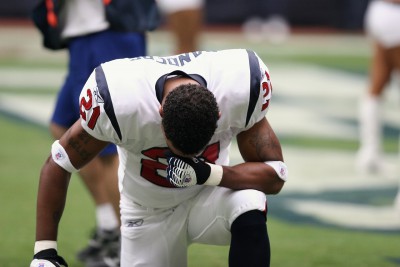
Glen Mulcahy February 11, 2017 football player in uniform on field on one knee

BONUS – Download a Free Copy of this Blog in PDF Format HERE  

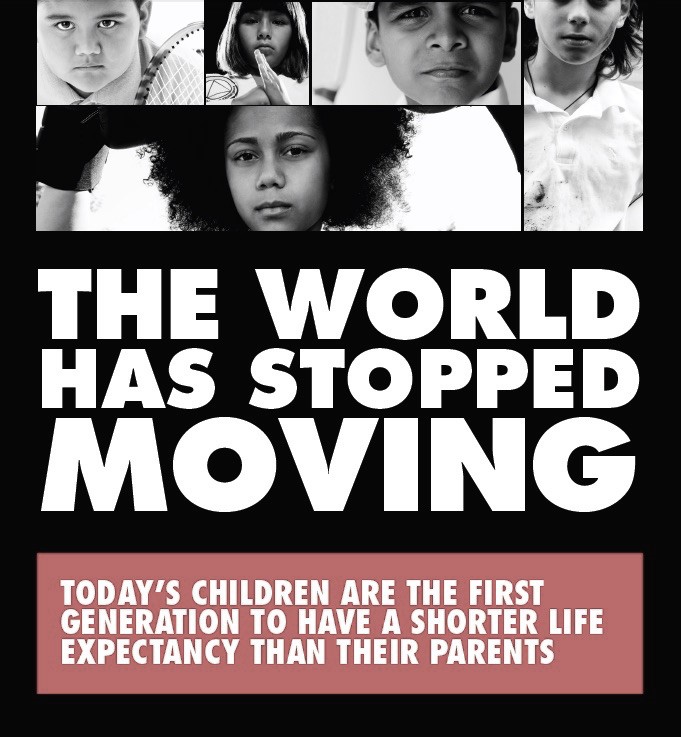
I have been involved in sports my entire life and 3 years ago I was reminded why I played youth, high school, and collegiate sports. Every year I do an informal study with all of my hockey teams asking the players at the beginning of each season why they play hockey. The top answer every year was always “because it’s fun.” In early January 2013, the damage to my right knee (after three surgeries to my left knee) from all the years of playing contact sports, finally resulted in yet another surgery.  Afterwards, the surgeon shared with the me what he had done and stated it was evident I was a former hockey, football, and rugby player and it would be weeks before I could return to normal activity. A couple of days later while I was icing my knee, I got a call from a friend asking for the contact information of a former work mate. I hobbled to my computer and eventually found it on Facebook. Once I provided the information I hung up and went back to ice my knee until the phone rang again.  I thought it was the same friends again confirming the information but instead it was another friend, John, asking “have you heard about The Greek?” The Greek was the nick name he called my best friend Ari, the gentle giant. I played every sport possible with Ari including football, high school rugby, adult recreation hockey (beer league), baseball, flag football, skiing, golf and even racquetball.  My friend stated that his brother saw a Facebook post that Ari passed away. I was in disbelief and immediately tried to confirm whether it was true. John made some other calls and later informed me that it was indeed my best friend and best man, who had tragically passed away in his sleep from a heart attack. Ironically, although Ari and I had been friends for over 3 decades, we were not friends on Facebook.  We were traditional and either called or visited to stay in touch. I was a mess from the news and was unable to drive on my own so I waited until the next day to go see his family (my second family). When I entered the door his mother (my second Mom) greeted me with a big hug and tears. His father did the same and all other close family members who came to offer their condolences to Ari’s wife, Christina, and their three kids.  I was at the house for hours that day and for the days that followed planning the service. One of the hardest things I have ever had to do in my life was work on Ari’s life story (Greek tradition where the priests deliver the story on behalf of the family) and I spent the better part of the two days writing it with his brother and a close family friend. The result was many tears and much laughter. His story, is very similar to mine on many fronts. He was born and raised in Montreal, and started playing hockey in his youth on outdoor rinks.  He then moved to the Vancouver area, where his parents opened a restaurant and he shifted from winter hockey to playing community football in the fall and rugby in the spring.  It was on those fields that our friendship evolved to 3-decade brotherhood. When we graduated high school, Ari got a partial scholarship to play football for a junior college in Mexi-Cali and he said you should come, try out as a walk-on.  I had already committed to play junior football in the fall locally and started my post secondary education at a college to play rugby in the spring so, regretfully, I declined. Ari and I were able to keep in touch and every year he would come home for Christmas and summer breaks. He would share all his crazy stories and explain what it was like to be in a fraternity, play football and go to college.  I admit that at times I regret I missed out, but I made the decision to stay in Vancouver largely because I had moved so often in my youth until Grade 8. At this point, I could not think of a better city than Vancouver, BC, Canada to reside. I ended up playing U18 rugby and attended the BC summer games after Ari headed to Mexi Cali. Our summer games team won the Gold Medal, which is one of my proudest sports achievements before entering College. Ari was mad because he had skipped a grade and was older than I and did not qualify to go to the games as he loved Rugby as much as I. Ari then went to Kansas following “a girl” to another college where he was offered a half-ride scholarship to play football. She ended up not being THE girl but that’s aside the point. You’re probably wondering what this has to do with why kids play sports?  It has everything to do with it … there is so much more to sports than running drills or winning games.  Many lifelong friendships result from sports, which in turn, become best men or maids of honour at weddings, get invited to their kid’s birthday parties, baptisms or other milestone events. I was completely out of place at all the Greek functions, being a hot-headed Irish boy, but I became a man largely due to his parents, Gus and Helen, who affectionately called me “Malaka” (someone that uses no common sense but in Greek it has an entirely different meaning). Had it not been for that first spring and summer sweating it out on the football or rugby field when we were 14 years old or for all the times going over to Ari’s house, our lifelong friendship would not have evolved. It has been just over 3 years since I contributed to Ari’s life story and sadly attended his service. It is just as hard now to think of losing my best friend as it did then.  Ari was like a brother to me.  The one solace I take is the positive memories of the sports we played and how much fun we had, all the life lessons we learned, and all the values we learned.  Sportsmanship, respect, team work, work ethic, and leadership abilities all blossomed within sports.  These experiences have helped me be a parent, entrepreneur, and become a long-term coach and mentor for both youth athletes and now adult coaches. We had GREAT coaches when I played youth, high school, and collegiate sports and I have no recollection of seeing parents act like they do now in the stands or sidelines screaming at players, coaches or referees.  It was FUN to play organized sports, even more so unorganized street hockey, flag football, rugby or other activities that I played with my best friend, his brothers, and cousins from the Greek community. We literally had the equivalent of two full teams coming out to PLAY whatever sport we opted for on a particular day. Just as the case with many that play youth and high school sports, the majority play until they finish high school, some play collegiately, even fewer play pro.  Most get jobs, married, and have kids where the tables turn for us to pay so our kids can play like we did.  It’s been like that for generation upon generation except this one…. the American Journal of Medicine announced that today’s generation of kids are projected to have a 5 year shorter life expectancy than their parents – the first time EVER in history. At Ari’s service there was over 1000 people from the Greek community that attended, and everyone agreed that “no parent should have to bury their child.”
Newchildren
http://www.designedtomove.org/
Let’s do everything we can so that we can get the 5 years back for our kids. PS Tagline - Dont be a kids last coach