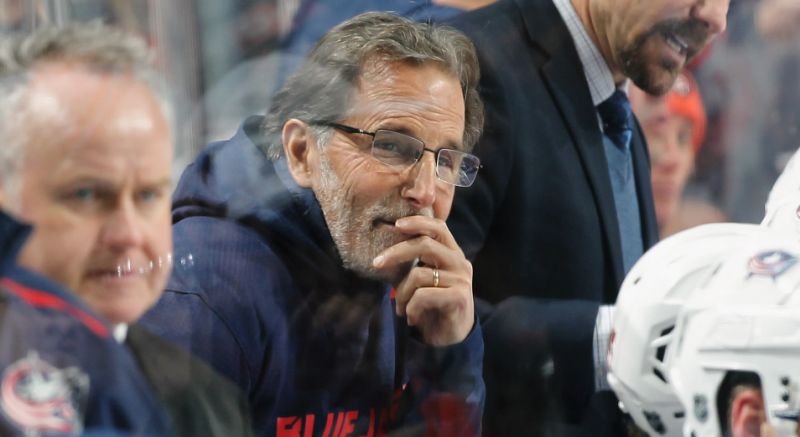
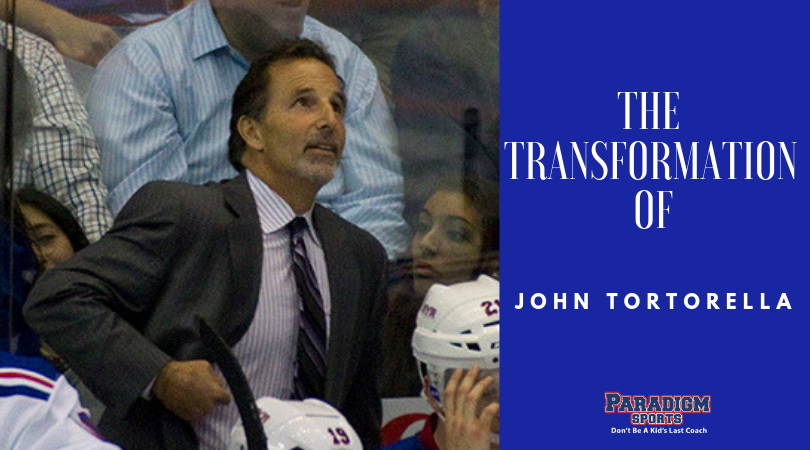
The Transformation of John Tortorella

Posted Posted in Athlete, Coach, Organization Executive, Parents

I am writing this as the Columbus Blue Jackets are going to start the second round of the NHL playoffs against the Boston Bruins but won’t be posting for another week so won’t reflect the first 4+ games played in the second round.

I would be remiss not doing a post during the Stanley Cup Playoffs not referencing the amazing accomplishment of the Columbus Blue Jackets led by the “new” John Tortorella.

Everyone knows John for his antics in past exploding towards players, coaches, and officials when he lost his temper.

But what people don’t know is he is no longer the John Tortorella of old, people say you can’t teach an old dog new tricks but John is the epitome of how this is not this case.

In 2004 John led the Tampa Bay Lighting to their first (and only to date) Stanley Cup captained by Dave Andreychuk with fellow Canadian counterparts Vinny Lecavalier, Martin St. Louis, Brad Richards and 13 others who won against the Calgary Flames in 7 games. The following season the Carolina Hurricanes won the Stanley Cup against the last Canadian Team to reach the finals, the Edmonton Oilers and another Stanley Cup Final will be US teams as all three Canadian teams that made the playoffs this season were knocked out in the first round.

Fast Forward to this season, Columbus Manager rolled the dice before the trade deadline to acquire several rental players to reach their goal to win their first playoff round EVER acquiring Adam McQuaid, Keith Kinkaid, Ryan Dzingel, Matt Duchene and Julius Bergmen.

Although it took several weeks for the new players to buy-in to John’s systems the results paid off, and John led the Blue Jackets to their first ever playoff win against his former Tampa Bay Lighting team he led to the Stanley Cup 15 years prior.

I remember watching game 4 and was blown away how Columbus outplayed this season’s President Cup Winners as the top team, tying the NHL record for points and wins (62) in one season only to be swept by Columbus in the first round. Others followed Calgary (top team in the west) and recently the Washington Capitals who were defeated by Carolina who advanced to the second round for the first time since 2010.

The buzz amongst all those in the Hockey world is WOW, Tampa, Washington, Pittsburgh, Leafs, Jets, and Calgary who were all picked as favorites at the beginning of the season to potentially go deep in the playoffs have been eliminated in the first round.

This has Boston licking their chops now as the top seed remaining of the 8 teams

GO BLUE JACKETS!!! (never been a fan of Boston as long-time Habs fan)

Often when teams load up on rental players with the aspirations of going deep into the playoffs don’t make the playoffs or sputter out early so how did John Tortorella lead the Columbus Blue Jackets to take out the best team in the league in the first round?

Because he transformed.

John Tortorella is no longer the John of old that was infamous for his rants, systems, and strategies that many know him for.

Think back when he was hired by the Vancouver Canucks, in the only season he coached the team as they did not make the playoffs for the first time in 7 years, which included multiple 100+ point seasons and advancing to the Stanley Cup Final in 2010-11.

I will never forget when John lost it when Calgary started their 4th line in January game in 2014 where he did the same and ensuing line brawl that occurred and then Torts chased down Calgary Coach at the time Bob Hartley in the dressing room hallway.

Suspect not his proudest moment, nor was it a great moment for the NHL with a full 5 on 5 brawl to start a game reminiscent of what the Hansens in Slapshot.

That season he coached the Canucks he overplayed many of his top players, opted to play his top two lines for the majority of the ice time where the third and 4th lines saw limited ice time.

The Sedins had their WORST seasons ever in terms of points, suffered injuries, as did Edler who was -37 that season and many of the other players also had poor seasons.

At the end of the season, John was fired by Mike Gillis and in his end of the season media conference, John shared that the Canucks needed to get younger to return back to the playoffs.

Ironically the Canucks hired Willie Desjardins the following season and he opted to roll 4 lines, connected with all of his players and lead them to the playoffs although they lost in the first round. As the Canucks were getting older and needed to go thru a “rebuild” Willy only lasted 2 seasons behind the bench and was let go but has returned to coach Team Canada in 2018 Olympics and interim head coach for the LA Kings this season.

John was the head coach of the USA World Championship Team in 2016 that received a lot of criticism as they did not medal and finished 7th overall and many in the hockey space felt that John would not behind the bench again as a result.

This after Columbus had hired John to be their head coach in 2015 and one of the conditions that they made when they did so is that he would have to change his coaching style to be less confrontational (Old School) and more transformational (New School)

The season that was prefaced by the World Cup of Hockey in 2016, John continued to change his coaching style so that he could be more of a player’s coach and less abrasive when dealing with media, he committed to developing all of his players in lieu of “playing his favorites” and rolled 4 lines and VOILA at the end of the 2016-17 season he was voted Coach of the Year.

In that season he led Columbus to a 16 game winning streak, one game short of NHL record held by the 1992-93 Pittsburgh Penguins (Mario Lemieux and Jaromir Jagr were “pretty good” that year)

Columbus finished 3rd overall that season with 50 wins, 108 points, with the Capitals and Penguins (who won the cup that year) finishing 1st and second in the East.

Unlike this season, however, when they knocked Tampa out in the first round, they faced the Pittsburgh Penguins who knocked Columbus out in the first round and went on to win the Stanley Cup in back to back seasons.

A few other things that commentators shared during one of the Columbus playoff games;

John and his wife founded the John and Christine Tortorella Family Foundations for Giving Back.

The foundation focusing on providing funding to those that protect children, animals, and environment from harm. Prior he provided funding to charities in Tampa and New York where he previously coached.

When John moved to Columbus he opted to buy a horse farm as he LOVES animals, particularly dogs.

“If it isn’t Hockey, its Dogs”

People want to keep their dogs but can’t afford to do it, have a program in the foundation, try to facilitate helping people keep their dogs that require expensive vet care.

Although John and Christine have never had experience raising horses, they recently adopted two Bella Run Fosters who were going to be slaughtered.

John has always been one of the most knowledgeable coaches in the NHL, but now that he has modified his coaching style to focus on the players, has a softer demeanor where he even wears hoodies on the bench, it is another example of how winning just becomes a byproduct if you are transformational coach focusing more on the person than the outcomes of games.

If John can transform his leadership style if you are not drinking the kool-aid yet in terms of transformational leadership, shouldn’t you?

The Greatest Coaches EVER were/are transformational leaders including John Wooden, Clare Drake, Phil Jackson, Pete Carroll, Sean McVay amongst others.

Will you be next?

Let’s all work together to bring the game back to the kids …. Where it belongs.
Don`t be a kids last coach


Why Kids (May) Quit Soccer

Posted Leave a commentPosted in Athlete, Coach, Early Sport Specialization, Organization Executive, Parents

Why Kids (May) Quit Soccer

Last post we shared the reasons why Kids play Soccer based on responses from the BC Soccer 2018 Retention Survey, in this post will highlight the responses to the two other areas BC Soccer was looking for insight from their players;

#1 – The Likelihood of playing Next Year (Why Kids (May) Quit Soccer)

And

# 2 – What was not so good about their program this year (what areas received fair or poor rankings but the players)


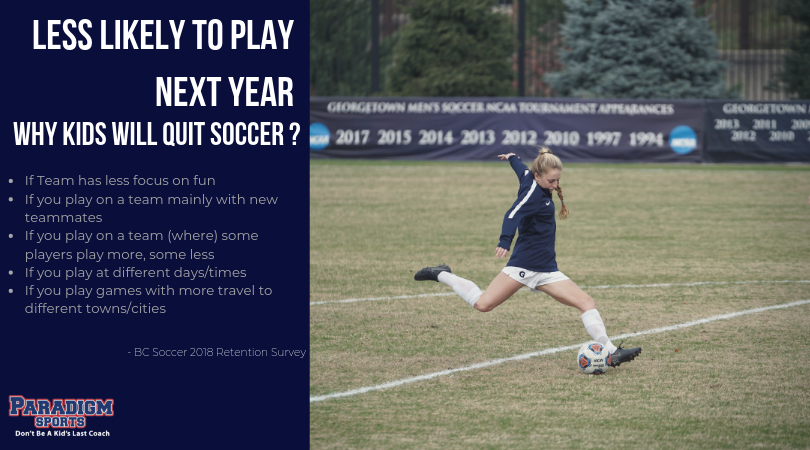
LESS LIKELY TO PLAY NEXT YEAR

When asked “Will you come back next season”.. the top 5 reasons kids would be less likely to do so (high probability they will NOT come back to play soccer) 


SURVEY SAYS…

#1 – If your team has less focus on fun

#2 reason they would return back if their team focused on fun, second only to focusing on skills.

HMMMM … Similar to Amanda Viseks top reasons why sports were fun, #1 reason is when kids had the opportunity to try their best (focus on skills)

#2 – If you play on a team mostly with new teammates (not with their friends)

Two things that kids ask after games (sometimes during the games)

What is the snack? As Steve Simmons shared in an article he wrote many years back he continues to share every year Attention Coaches, parents: Minor Hockey is for the Children where he shares the anecdote of a novice player who stated:

“I Hope they don’t bring apple juice, I don’t like Apple Juice”

And the last question as they leave the field/rink/court…

When do we play again? (emphasis on PLAY not work as is now the case with early sport specialization)

If you loved sports as a kid and continue to play adult rec team sports ….

First question you ask after a game – Who has/how much is the beer? 

AKA – THE SNACK

Last question you ask after a game – When do we play again?

Hmmm … if we love sports in our youth, we love them as adults because they are fun, we get to play with our buddies and we play for the love of the game.

#3 – If you play on a team (where) some players play more, some (play) less.

Translation: Coaches running short benches where their weaker players sit on the bench so they can win at all costs.

90% of kids would rather play on a losing team, in ALL situations, than sit on a bench for a winning team.

As my son shared after he had the misfortune sitting on the bench with some of his teammates for the better part of a game as coach was infamous for playing his favorites and shared how he felt after the game,

“I am pissed because I was deprived of the opportunity to contribute to the outcome”.

He was only 14 at the time, and I will never forget it because it was a month after he lost his Nanny (my mother) to a 2 year battle with cancer prior to that tournament game that the coach shared with me prior to the game he dedicated the game to her in her memory.  Had she still be alive and attended that game, I can tell you she would have had some not so nice words to share with that same coach as she, like I, just loved watching my son and all of his teammate’s PLAY.

As far as I am concerned, the only reason why kids should be sitting on a bench is discipline (they took a bad penalty, acted inappropriately, hit an opposing player that could lead to injury etc.), other than that kids should PLAY.  Coaches that rely on short bench tactics to win games is a short-sighted tactic/strategy that more often than not will backfire. If you focus on the process of developing all players on your teams, care about them, believe in them, connect with them,  and develop their competence and character over time collectively as a team will improve and winning will be a byproduct NOT the focus.

There is a real simple fix to address this, incorporate fair play policies so coaches are only given a get out of jail free card for the last few minutes of a game only IF it is close and it should be the players that have BROUGHT IT that game (even if they are not the coaches “favorites” that get rewarded to be out there in latter part of the game.

This also will address the parental issues we see on social media every day, parents just want their kids to PLAY, coaches that run short benches as a far as I am concerned are a victim of their own demise.

#4 – If you play at different days/times

With every family in the lower mainland of Vancouver and many cities across Canada forced to have dual incomes now to pay mortgages and all other household expense PLUS rising costs for kids to play youth sports, scheduling consistency is critical for sports organizations so families know when/where they have to be over the course of the season, not just 4 weeks at a time.

#5 – If you play games with more travel to different towns/cities.

As soccer is now the #1 team sport in Canada, where provinces have organizations with thousands of players, why would kids even have to travel to begin with?  Community sport should be just that, community sport (the exception being smaller rural communities that do require travel to play)

The evolution of the travel teams and prospect tournaments that are driving the $17 Billion industry in the USA is based on the premise that scouts, coaches will be at these events to see “prospects” for NCAA scholarships or be drafted to Professional sports.

News flash – with the evolution of the digital era, almost any of these prospect tournaments have all of their games streamed, scouts don’t even have to leave their houses to see kids play against others on “elite” teams.  As every scout or high-level/collegiate/professional coach has shared with me, if they are good, they will be found regardless if they attend these prospect tournaments.

Note also in Amanda’s study, of 81 characteristics what is fun about youth sports, traveling to new places to play ranked right near the bottom of least fun reasons, 73rd out of 81.

It is not the kids that want to travel, it is the adultification of youth sports that has forced many families to spend their holiday time at ball fields, ice rinks, soccer pitches when they should be lying on a beach, taking a hike, swimming in a lake, going to amusement park of other TRUE forms of holidays.

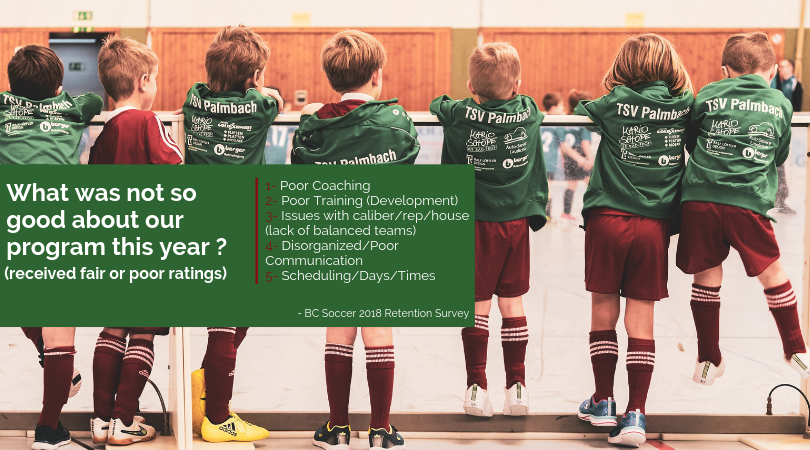
What was not so good about our program this year? (received fair or poor rankings)

SURVEY SAYS….

#1 – Poor Coaching

With the roll-out of NCCP program for all levels of coaching in soccer this will help address the what of coaching relative to the age groups to adhere to LTAD, small area games, age-appropriate drills, focusing on skill development vs. tactics and strategy and so forth.

It also will take several years to see the cause and effect as many other nations have experienced like Iceland who made the same commitment to coaching in 2000 and started to see the results once they qualified for the 2016 Euro Cup and 2018 World Cups of Soccer.

It also won’t address HOW to coach, How not be a kid’s last coach, coach beyond the game, how to connect with your players, how to engage parents, how to coach generation Z, LTAD vs. Early Sport Specialization, How to coach girls vs. boys, Grow your Mindset, Make it Safe to fail and from all levels of harassment, How to develop your philosophy and culture of excellent on teams etc.

Hmmm … this is why we have coaching modules to address all of the above, not WHAT to coach, but HOW to coach.

#2 – Poor Training

Goes hand in hand with #1, poor coaches are poor teachers and vice versa

This is not the fault of coaches that have the best of intentions to coach, is due to lack of experience and training at the grassroots level and like players, it takes YEARS to develop all the skills to become a great coach to teach the skills of the game, but also the skills of life.

#3 – Issues with caliber/rep/house/unequal skill on the teams

This comes down to player evaluations to form balanced teams, in lieu of subject measurement (which has led to a lot of politics associated with team selections), organizations should be using quantitative means to evaluate players and have baselines beginning of the season, mid and end of season skill evaluations to track development.

The only one that we recommend to all organizations is the personal sport record  as many sports orgs across the globe are looking at or have already adapted for quantitative measurement including Norway Sport Federation who know “just a tad about being successful at the international level being the all-time winningest country in the winter Olympics in terms of medals”, Sport New Zealand,  US Olympic Committee, BC Rugby, GTHL and many others.

Click on the logo to go the website for more information:


In lieu, the current model used by orgs is how many wins did the teams have?

How many banners did we win?  Who scored all the goals and assists?

Focusing on outcomes, not the process.

For more insight the impact of the shift to winning at all costs has had on youth sports, reach out to us to schedule a FREE screening of The Cost of Winning followed by a Q&A session where sports leaders from across the globe provide their insights on the state of play in youth sports and the importance of bringing the game back to the kids.

#4 Disorganized/Poor Communication

From a coaching standpoint, one of the biggest asks I get all the time is how do I “deal with parents” to which I respond you should engage parents, not deal with them.

Engagement includes ongoing communication starting with a culture of excellence, a well-run parent meeting, team meetings, mid and end of season meetings as well as regular communication to all stakeholders (players, parents, fellow coaches) to ensure the ship (team) moves in the right direction.

#5 – (Poor) Schedule/Days/Times

This should be a focus for all local sports organizations to ensure consistency.

I suspect, like Amanda Visek’s Study, many other sports organizations not only across Canada but globally will be referring to BC Soccer’s Retention Survey for their current and seasons to come IF they truly aspire to buck the trends and attract, retain and grow their membership.

Kudo’s to all the board members at BC Soccer for taking this on, and now that have the answers “out of the mouth of babes” and better understanding of the motivations for their key stakeholders (players and parents) so their regional and local organizations can implement the changes to also buck the trends seen across Canada with declining numbers.

One sports org that did so that has shown it is possible, is USA Hockey who is setting the bar for all other sports organizations globally for all the great work they are doing to grow the game.

Several years back they were losing 60% of their kids by peewee (11-12 yrs. old)

They did three things to reverse the trends


  1. Rolled out their version of LTAD, the American Development Model, ADM, that focused on age appropriate training and coaching certification
  2. Emphasized fun for all age groups (regardless if rec or competitive streams)
  3. Cancelled their U12 national Championship that put too much pressure on parents and players who aspired to play in that championship

The result?

In lieu of 60% attrition, they retained 92% of their kids, only a 8% decrease.

For the naysayers that say it can’t be done or those that keep doing the same things over and over again expecting different results (insanity)…..

….. It CAN be done, as USA Hockey showed it takes a village to raise a child and requires collaboration by all parties concerned to focus on the things that matter most to the kids, Fun, Friends, Quality Coaching and having the opportunity to PLAY and contribute For the Love of the Game.


Don`t be a kids last coach


How to Coach Generation Z

Posted 1 CommentPosted in Uncategorized

BONUS – Download a Free Copy of this Blog in PDF Format HERE  

Youth sport coaches needs to be aware we have now evolved from the Millenials, known for their sense of entitlement, to Generation Z, known for their screen addictions (7.5 hours a day) who are also known as The Digital Natives, iGen, Homelanders, Selfie Generation.

These are kids that were born after 1996, 100% in the digital era per below timeline;

Est. 1997

    Est. 1998

Est. 2004

Est. 2005

Est. 2006

 *Est. 2007

*although blackberry was the first smartphone with email capability, iPhone introduced web browsing, photo, video, music and other applications and it still is the leader in the space today (albeit Samsung and several other android based smartphones have eaten into iPhones market share).

Est. 2010

Est. 2010


Est. 2011


Not including various Video Game Consoles (Playstation, Xbox, Nitentendo) and other social media, and as the cliché goes, “There is an ap for that”..

I can speak with the perspective of coaching Gen Z kids as they entered organized sports at the age of 5 but also as parent of two that were part of the youth sports system since 2000.

As each year evolved and technology became more of our day to day lives, I also had to adapt my parenting and coaching styles to relate to this generation. I saw the digital era evolve pre internet, then IBM clones with 5 ¼” floppies with approx. 0.5Mb storage capability (when a micro SD card now hold 128 GB), amber screens taking up ½ a desk, dial-up evolving to cable and DSL high speed, Computer monitors and TV’s changing from tubes to LCD, then LED, now OLED and the list goes on. There was no digital era when my generation played sport, now it is commonplace with parents on the sidelines filming with smartphones, tablets and checking latest aps for schedules, scores, streaming of siblings games etc.

Gen Zedders are exposed to more information in ONE day, than two generations back would see in an entire lifetime.

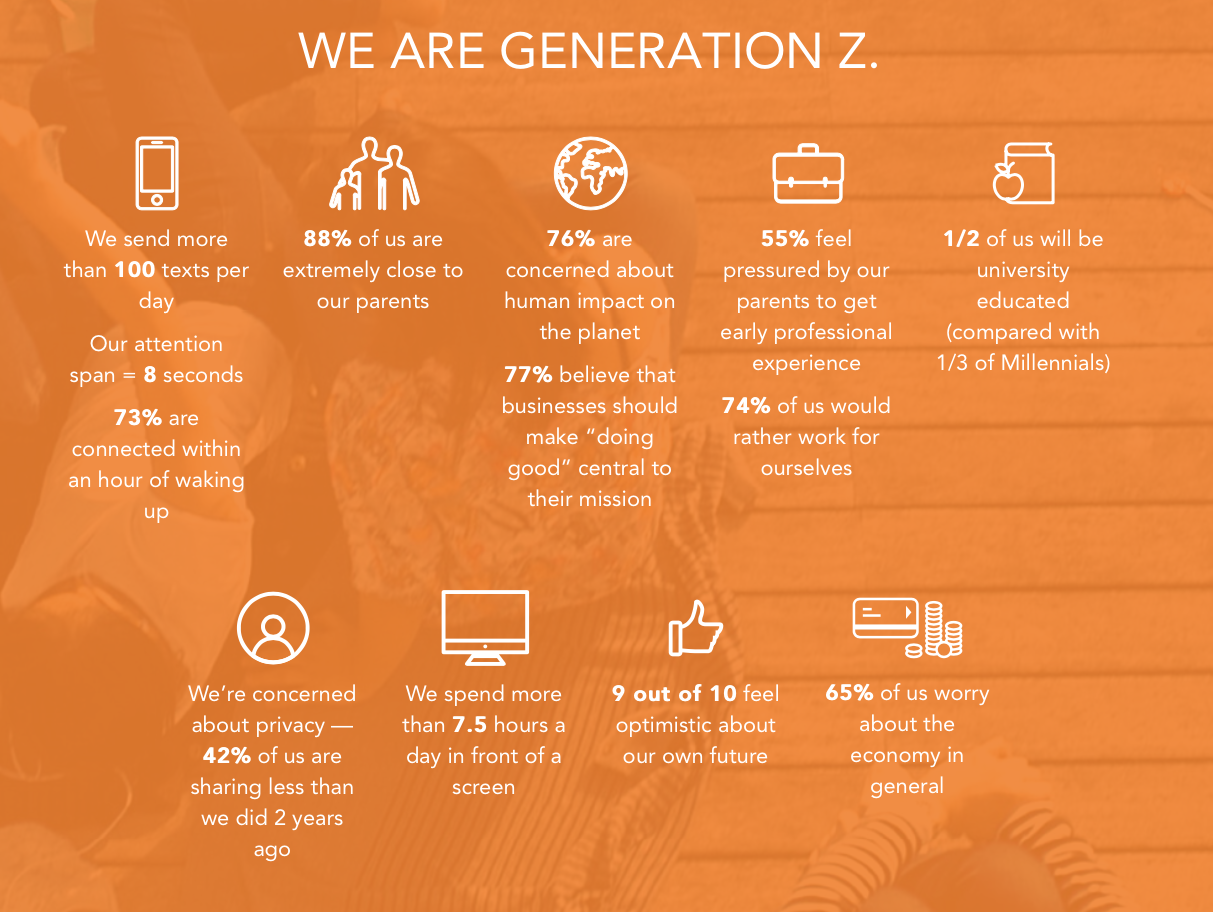
Below is a summary of Gen Z characteristics;

Source: Ologie.com


Top ones that jumped out at me …

Coaches – you have 8 seconds to get your message across when explaining a drill so best to involve technology Gen Zedders use daily (video, youtube, facebook live etc) so cut to the chase so to speak to overcome their 8 second attention span.

Texting – on average 100/day = +3000/mth (hopefully you have unlimited texting plans). Use platforms that work like texting to relay reminders, scheduling and so forth like Facebook Messenger group room I created for my High School Senior Rugby Team

88% of Gen Z are VERY close to their parents, so engage, don’t deal with, parents. There has been a lot of media coverage on parental behavior on the sidelines or the ride home in recent years, but the reality is the vocal majority only represents a small % of all parents, most are great and unfortunately a few bad apples are spoiling the broth. Treat parents on your teams as your allies, not your enemies and remember the enemy of your enemy is your friend. The more education we do, more the silent majority start speaking, the sooner we wean the vocal minority out of the game to bring it back to the kids.

One of the most important things you will do all season is running your initial parent meeting, here is link to prior article I contributed to One Million Skates with summary of agenda items that coaches should cover in their parent meetings.

Screen time that is replacing their former active play time now is 7.5 hours PER DAY. We never will get back to the good old days where kids will play organized and free play sports and activities for hours on end, but we must find a happy medium where they get their minimum 60 minutes of required physical activity daily.

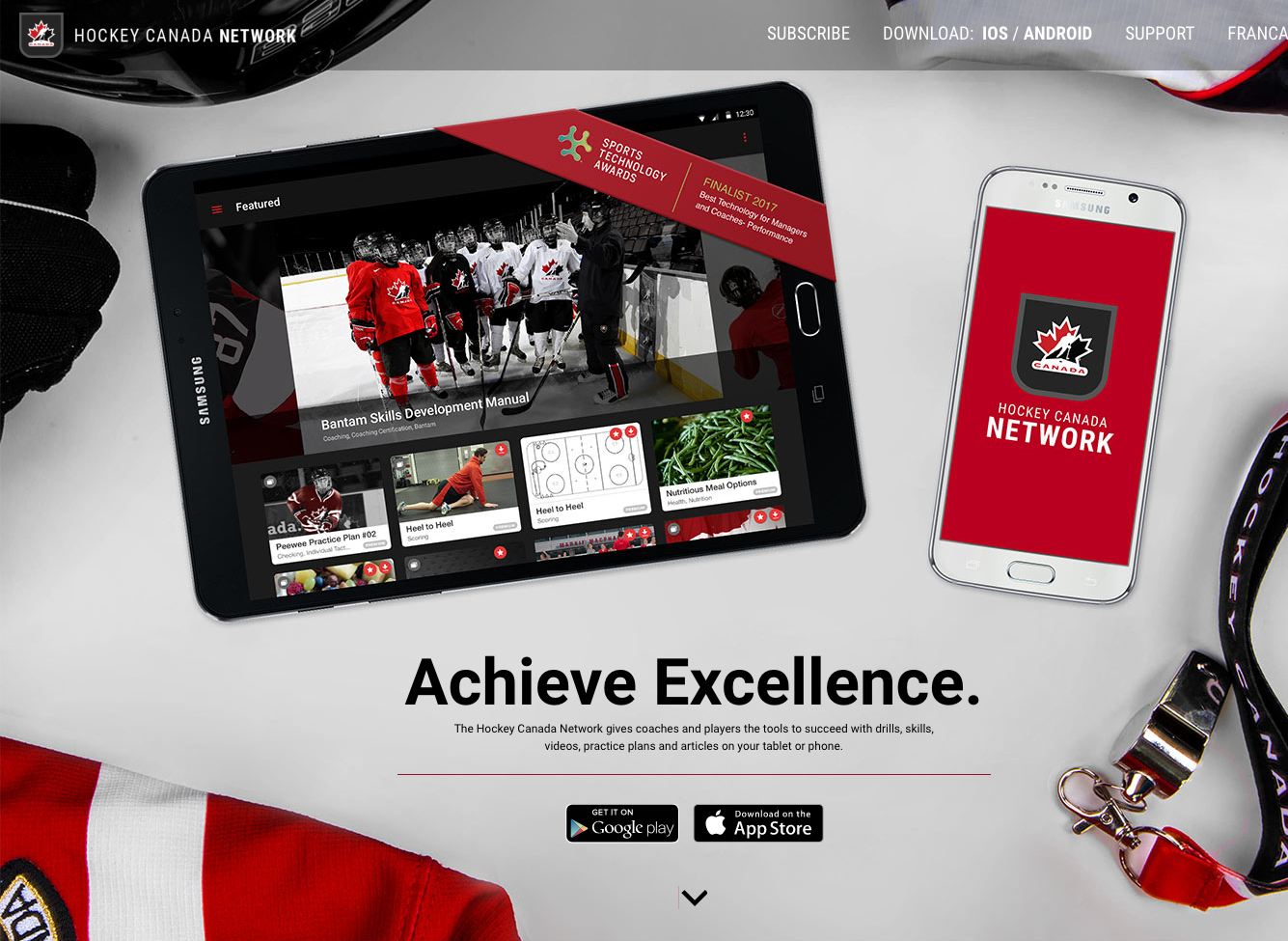
In my role as Hockey Canada NCCP instructor, I was one of first to introduce the new Hockey Canada Network Ap this past hockey season. I was thrilled that we now had access to HC’s full database with an ap to create practice plans in minutes vs. hour or more used to take me when I first started coaching minor hocky. The fact that I no longer have to haul binders to every clinic alone is HUGE and I look forward to how coaches start incorporating for their practice planning.

The biggest benefit is that coaches can now pull up demo videos and show to players in advance (email PDF with video links) or bring a tablet to the rink to show before they run a drill.

Gen Z are highly visual, and having only an 8 second attention span is important that coaches tap into their grey matter as quickly as possible.

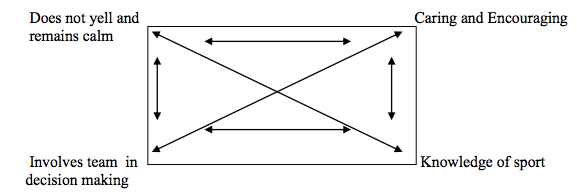
Krisha Parker the University of Georgia surveyed female and male gen Z soccer players and asked them what characteristics they would like to see from their coaches today and below is a table that summarizes the top 4 characteristics;

Source: Journal of Coaching Education: The Preferred coaching styles of Generation Z Athletes July 2012


In order, players desired;

  1. That coaches does not yell (at them, officials, other teams) and remain calm.

Hmmm .. how often have you been in the stands or sidelines and saw a coach screaming at the top of their lungs at a player because they made a mistake? Screaming at a young official as they missed a call or made one coach did not agree with? These are top reasons why 70% of Gen Z athletes are quitting all youth sports before they enter high school (by age 13).

  1. Caring and Encouraging

In literally every talk I do with youth sport coaches I ask them the question “What is the top characteristic of the greatest coach or teacher you ever had?”

The number 1 characteristic EVERY time pertains to how much the coach cared, demonstrated empathy and provided positive encouragement.

As the great Teddy Roosevelt stated “No one cares how much you know, until the know how much you care”

  1. Knowledge of the sport

Coaches must develop their knowledge of the respective sport and for EVERY drill they run in practice, have the answer to WHY. If you try to use the answer “because I said it, or this is the way we have always done it” you have lost them. Coaches must know the reason behind every drill, why it will help the players improve their skills and how it will help them in game play. If not, the will lose players trust and they will google it at the earliest opportunity to find out the answer if don’t believe coaches reply.

Don’t run a drill to fill up time in a practice plan, plan your drills and progressions to ensure optimal development with key teaching points to share with players and assistant coaches.

  1. Involve team in decision making

John Tortorella recently received the Jack Adams award as coach of the year for how he transformed the Columbus Blue Jackets and took them to the playoffs, had a record winning streak in league play.

I will be the first to admit that I did not see this EVER happening after the USA World Cup team under Tort’s guidance did not even medal in Sept 2016, nor seeing highlights of many of his tirades from the bench over the years.

Torts was asked by Columbus management to calm down and refrain from those types of outbursts Torts was infamous for, as well have a lot more patience to allow the younger players to make mistakes. Like Ken Hitchcock before him who also was awarded the Jack Adams trophy who did the same and changed his coaching style to accommodate the young players he had with St. Louis Blues

Both acknowledged instead of using former coach to player only feedback, they incorporated democratic 360 degree coaching styles and asked players for input when came to decision making for practice planning, systems, strategies that would work best for their core group of players.

For John Tortorella, this was a complete role reversal from the time where he coached the Canucks, missing the playoffs and many of the players having their worst years EVER (Edler was -37, Sedins suffered many injuries and lowest points totals in years).

As Gen Z has grown up only knowing the digital era and many of their coaches have not to same extent, the last tip I want to share is you incorporate technology on your teams.

  1. Communicate with Social Media – For my High School Rugby Team this past spring, I setup a group chat room on Facebook Messenger and sent all team postings, even schedules and attachments to communicate with the Gen Zedders. I laughed every time I hit Send and within seconds after I posted would see images of each players face pop up as they read the messages.

Note: Ensure that all applicable team members are included in groups and have codes of conduct for appropriate posts, language, images posted and ZERO tolerance for any form of cyberbullying.

  1. Use Video to demonstrate drills, review strategies in games. Pre Hockey Canada Network Ap I would use Hockey Canada skills of gold on DVD’s and showed players videos of drills we would be doing on an old laptop (AKA boat anchor), then tablets. When I attended a coaches conference a couple of years ago and Corey McNabb (manager of player development for Hockey Canada) talked about the new Ap, he envisioned it would evolve to the a point where coaches would have access to big screens in dressing rooms as TV pricing had eroded so much.


When he did so, Don Hay (Major Junior Coach) who was standing beside me, “Cory I still write my practice plans on paper towel/napkins”. Translation – old school coaches write drills down on whatever they have on hand at the moment so must adapt to new school technologies.

  1. Connect with each of your players face to face (old school not Skype), and get to know each of your players to develop trust. The hardest thing for you as a coach will be to trust your players FIRST before they extend trust of you and your coaching practices but it was the greatest tip I ever received from one of my mentors.

This is exactly what John Tortorella did this past season with Columbus, he let his players play vs. over coaching them in games, much like Ken Hitchcock did before him in 2011 when coaching the St. Louis Blues. That is probably the hardest thing that we all have to do as coaches is extending trust to our players before they have earned it.

Follow these key tips and you will not only connect better with your players, but should see improvement in your overall team play as a result.

Let’s work together to bring the game back to the kids.

PS Tagline - Dont be a kids last coach


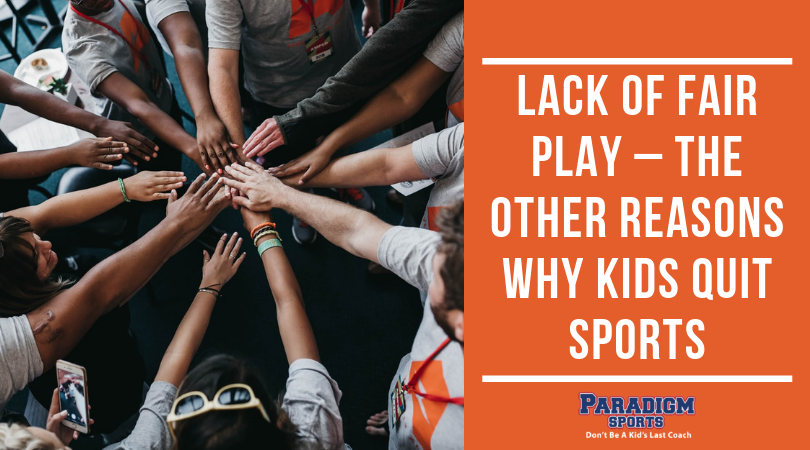
Lack of Fair Play – The Other Reasons Why Kids Quit Sports

Posted 2 CommentsPosted in Coach

Lack of Fair Play –  The Other Reasons Why Kids Quit Sports


Playing just your starting lineup isn’t only hurting your kids, but your team as a whole!

Part II


Glen Mulcahy

May 18, 2017

BONUS – Download a Free Copy of this Blog in PDF Format HERE  

This blog post is a continuation of last week’s Part I post Poor Sportsmanship – The Other Reasons Why Kids Are Quitting Sports


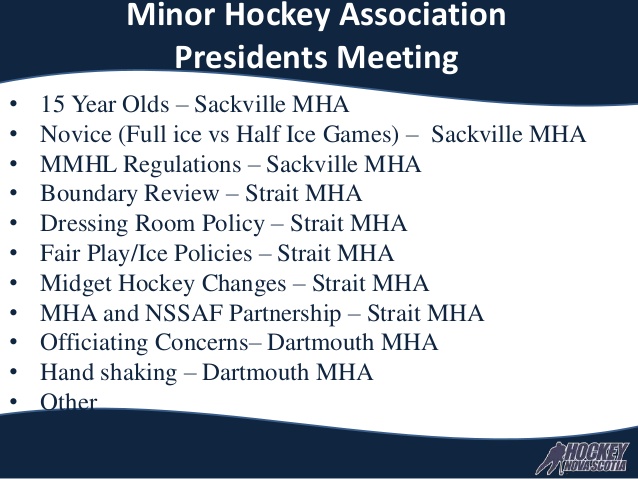
When I first began researching fair ice policies a few years back, there were only a couple that came up when I used my good friend Google. One I found was Hockey Nova Scotia which had fair play in addition to their policies for all levels including house, female and even competitive rep.


Nova Scotia Hockey AGM Agenda


Above is an image from last year’s Hockey Nova Scotia AGM. If you happen to follow the NHL at all, there are a couple of pretty good players that came from there. One happens to be the captain of the defending Stanley Cup Champions, Sidney Crosby; the other is Nathan McKinnon who many feel is the fastest player in the NHL with the puck.

I just did the same search I did four years ago in 2013 and the good news is, there is change coming. Currently the entire first page of Google outlines the fair ice policies that various hockey and ringette associations have adapted. As far as I am concerned as a coach and educator, the sooner that all major Hockey and Ringette associations implement these policies the better.

One of the top 5 reasons why players quit any sport is due to the fact that coaches play their favorites more than they do other players. In doing so, they are sending the message to those that sit that they are not good enough. As my son so eloquently shared with me after he sat on the bench for the better part of a game for non-disciplined reasons as a result of coaches’ strategy backfiring on him, he was “deprived of the opportunity to contribute to the outcome of the game.”

90% of kids would rather play on a losing team – emphasis on the word “play” in all situations – than sit on a bench for a winning team.

The only reason why players should be sitting on the bench when it comes to their turn to get out on the court, field or ice is for discipline. This could be anything from not being penalized when they should’ve been, to using bad language, to demonstrating poor sportsmanship and more. Aside from behaviour correcting actions, coaches need to take on their inherent responsibility of developing ALL of the players they’ve chosen to be part of their club, and not to rely on who they feel are their top players.

When I reached out to Cory McNabb (senior manager of player development for Hockey Canada) if he agreed with the short bench tactics that coaches in minor hockey are using, his reply was simply “Nope, if you pick ’em, you play them.”

Translation – regardless if the team in question is a house (rec) or competitive (rep) level, coaches choose the players for their team whether through tryouts, evaluations or drafts. To rely on a few players who in their subjective view are the cream of the crop,  coaches are not investing in developing all their players; something that should unquestionably be a priority above a win in the short term.

Just for a second, think back to the last 5 or more Stanley Cup Championships where commentators and coaches alike are saying they need to have all 4 lines contributing in order to win the Cup. This principle is not one that remains at the elite of the elite level. It is relevant all the way back to when kids are just beginning to develop their athletic careers at six or seven years old.

This year during my experience coaching high school rugby, the athletic director shared with me that there is no fair play code in high school sports other than grade 8 (13 year olds). The remainder of coaches for teams grade 9 and up are both allowed and encouraged to only play their top players in every game.

I had to deal with this experience first hand with my developing Rugby team this past year, which struggled to get a full field (15 players) out to any game on a good day. One match that’s been unfortunately etched into mine and my players brains was against a highly competitive school who brought out almost 30 players. Before the first half was over the ref came to me and asked what I wanted to do as we were already down 48-0.  We spoke to the athletic director of the other team and asked if they could sub in their second line players and, unfortunately, it went on deaf ears… the head coach continued to run the score up as he was focused on winning the provincials.

This I know now is the reason my son was deeply discouraged about playing different sports. A couple years ago he quit playing hockey, in large part to experience other sports and teams. When he signed up for grade 10 high school volleyball, just a few practices in, he was told point blank by the parent coach that he was only going to play his top players in games (one of whom was, of course, the coaches son).

Until the NSO/PSO/RSO and secondary school sporting bodies recognize that one of the top 5 reasons why kids are quitting any sport (just as in the case that ALA found in their survey) is because of a lack of fair play policies, attrition rates in youth sports are going to continue to grow!

Even if they implement fair play policies alone, I truly believe it will lessen that insanity in the stands which every parent knows all too well when it is time for their son or daughter to play. When the kids sit on the bench for non-disciplined reasons they get frustrated and after a season of it, it is no wonder why both player and parent opt to go down a different path (not that it is any greener on the other side of the fence).

It also will bring the love of the game back to the kids vs. the adults competing against each other through their kids.

Just because many kids may not have reached their potential at a young age doesn’t mean that they won’t be able to with future opportunities. If they are deprived of the chance to contribute it’s likely that they will quit.

Imagine if these “pretty good athletes” that went on to have insanely successful careers like Sydney Crosby and Nathan McKinnon were not given the opportunity to “play” early on in their development and were one of the 70% that quit by the age of 13 as a result.

Let’s work together to bring the game back to the Kids … where it belongs.


Glen Mulcahy


PS Tagline - Dont be a kids last coach

My Story – Part II – My Greatest Fan

Posted Posted in Parents, Uncategorized

My Story – Part II

My Greatest Fan
Glen Mulcahy February 29, 2017 – Revised May 9th, 2020 woman spectator clapping from sidelines

BONUS – Download a Free Copy of this Blog in PDF Format HERE  

  On Oct. 8th 2013 I lost my biggest fan, my mother, who lost her 2 year battle with Cancer, the last of many hurdles she had to overcome during the course of her life. I am the oldest of two boys, my brother is 4 years younger than I and we have many memories of my mother and how she dealt with adversity starting when I was 5 years old in Montreal.  She and my father had gone to a dinner party and upon their return, they had to swerve to avoid a car that crossed the centre lane on the way home.  Our babysitter took a call from the hospital saying they would not be coming home and she would have to stay with us overnight. The next day my father came home with my mother and explained that mom had been thrown from the car through the front windshield (seat belts were optional) and suffered a broken leg and whiplash. My father had a couple of broken ribs as a result of having to avoid the car and lost control colliding straight into a telephone pole.  Later that day when I was with my mom she asked me to get dad, and I recall it like it was yesterday.  She said, “Bobby … I can’t feel my legs.”  He immediately called an ambulance and they whisked her off to Montreal Neuro, where some of Canada’s elite neural specialists practiced.  It turned out that she did not have whiplash, but a broken neck and broke two of her spinal vertebrae. My mother was put in what I refer to as the Frankenstein machine, a full-body apparatus with screws into her skull and back to stabilize her neck and spinal column.  Multiple surgeries were to follow in order to repair and fuse the broken vertebrae in her neck and spine. My father was unable to take care of me and my brother due to work commitments so he arranged for me to go to my Nanny’s and my brother to go to his parents (Grandma and Grandpa). They would take us to see mom every couple of weeks but I was separated from my dad and brother for almost a year. While living with my Nanny, I signed up for hockey in Ottawa. When I did visit Mom she would always ask how hockey is and I would say I was having fun but missed her watching in the stands. She eventually was released from the hospital a year later and WALKED out refusing to sit in a wheelchair. My family was back together and my dad got a promotion to go to Baffin Island to run the power grid for the North West Territories. My father was known for a practical joke that he was infamous for was turning off the power on New Year’s Eve for the entire NWT. I played hockey there as well and my mom was back to her seat in the stands, cheering me and both teams on.  She was there for my Gordie Howe Hat Trick (goal, assist and a fight).  At 7 years old I got a penalty for fighting (more so wrestling) with one of the Eskimo players that were jawing me on the ice. Just as I had to defend myself in areas of French Quebec, a boy with carrot red hair was always a target amongst the Eskimo kids, After my hockey season, my family moved to Vancouver, where I continued to play hockey and baseball (another game my mom was always present for and cheered me on) and my father passed away tragically. My Nanny and Papa, came out to help and suggested we move back to Montreal, where our big family (I had 13 uncles and aunts between my mom and dad) could support us.  We moved back and I played hockey and baseball once again in Montreal.  My mom got a job in Toronto the following year so we transferred there and I made my first rep team in Peewee at 11 years old.  We had GREAT coaches and a great team. We won the Ontario provincials and qualified for the Quebec Peewee Tournament (not what it is now but was a great experience).  Once the season was over My mother then sat down with me and my brother as said it was time to go back to the house that Dad built. We moved back to Vancouver and I continued to play hockey, baseball, and also football. My brother was also very athletic and was playing hockey, football, and lacrosse.  When I was going into my second year of Bantam and my brother was second-year Atom, my mom sat down with us and confessed that the only way she was able to afford to pay for all the sports was the life insurance she received when our dad passed away and it had now run dry. Due to the accident that lead to her broken neck and also a bad accident she had when she first started driving, my mom was too nervous to drive and we relied on taxis to drive us to all our away games as my mother was very proud and did not want to ask parents or coaches to do so. We became friends with one driver in particular and he gave us all kinds of concessions, but it was still getting too costly (I always wondered how my mom was able to afford all the taxi rides). The end result, both my brother and I had to stop playing hockey as it was the most costly of the sports we played and had many more travel games than the other sports. I decided to focus on football and baseball that I could not only use the same cleats for (I improvised) but had significantly lower registration fees that covered everything else including equipment. I could also walk, run or bike to the field for practices and home games. Away Games our mother conceded to let parents or the great coaches drive until I was able to drive on my own. As a result, I never did suffer the level of criticism that many kids have in the ride home like this 9-year-old boy highlighted in the video produced by our good friends at True Sport Canada. My mother was there for me and my brother through thick and thin, she was there for as many games as she could regardless of what sports we played.  She cheered, clapped and gave us kudos after every game.  Neither of us experienced what has now become the “infamous ride home” or have any recollection of other parents or coaches screaming at my teammates or officials like happens in every youth sport today.  I had fun playing all of my youth sports, had great coaches, the experience was positive and they taught me numerous of life lessons that I carried into my work, school and businesses as well as the 20+ years I have spent as a coach. My mom then supported both of my kids on their journey playing various youth sports and activities. She was able to make it to my daughter’s High School Graduation in May of 2013 but regretfully will not be there for my son’s or any other of their other big milestones like university graduation, marriage or becoming parents themselves. Sadly, my greatest fan is not there to see me go down the path to further mentor coaches, educate parents and executive members to address the issues that I have seen come to fruition in youth sports. I do know though, she is clapping and cheering me on as I go down the tough road before me to implement the changes we need to bring the game back to the kids. As each Mother’s Day comes each year after she passed away (hard to believe it now has been over 6 years) not do I miss my mother dearly, but I also miss what she shared with me, my brother, then my kids, my niece, and nephews every time she came to see us “Play”, whether it be a myriad of different sports, or being involved in a school play, musical theatre, band or what have is what she shared with all of us afterwards with a huge smile on her face, sometimes with tears if pride ……

” I Love Watching You Play”

Hopefully during this time of hiatus during physical distancing period to flatten the curve of COVID-19 as a parent you have reflected on just that, when larger gatherings are permitted again and kids return to the sports they love (hopefully more than one per year) that you look it the same way. I know how much it meant to me when I heard those words every time my Mother was able to come to see me play, and I look forward to the time where I can share those same words and positive praise for my Grand Kids down the road.  

PS Tagline - Dont be a kids last coach